The Story
Plant Bio
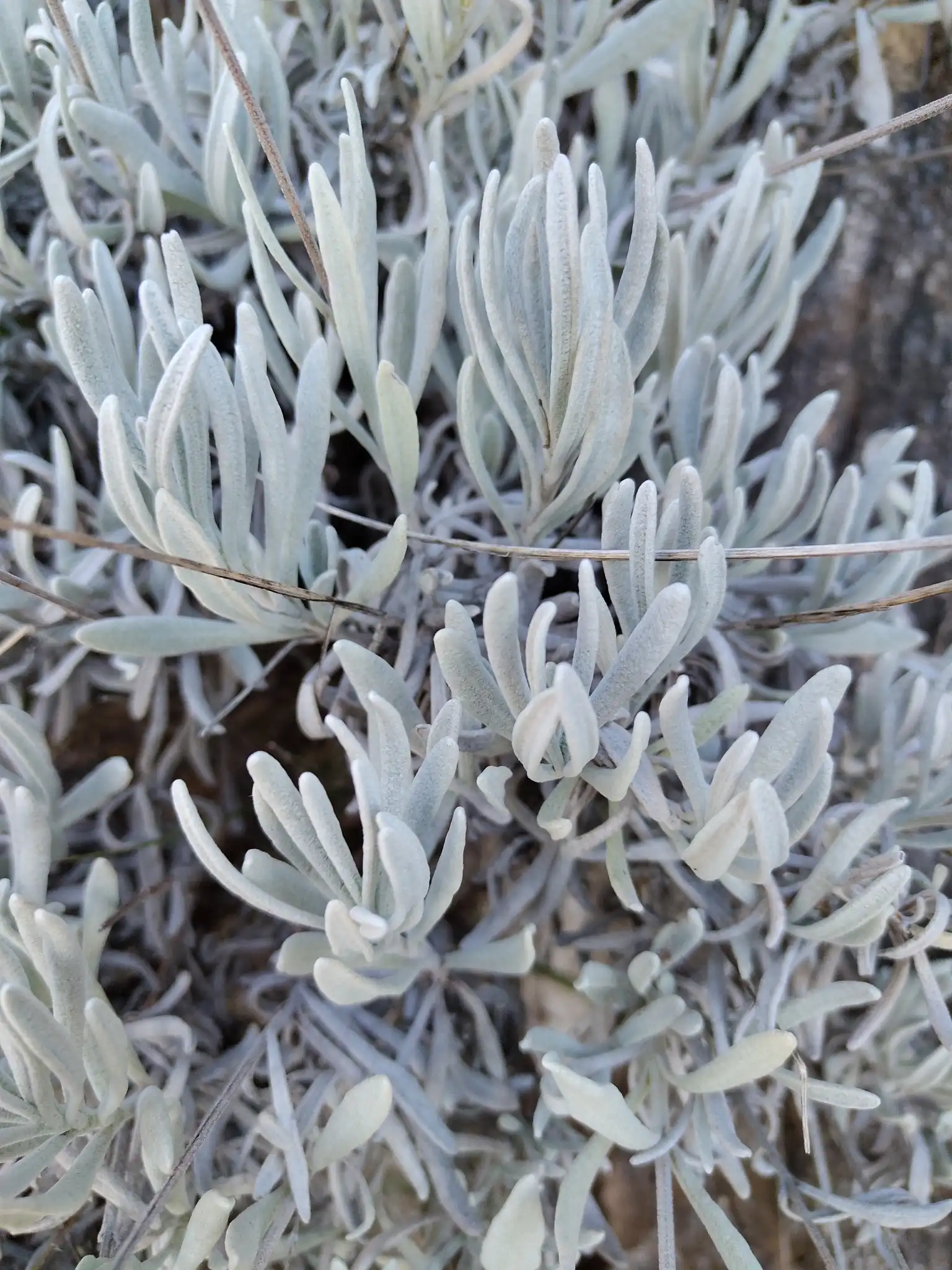
Lavandula lanata, woolly lavender, is an evergreen dwarf subshrub from the dry mountains of southern Spain, reaching 20 to 30 inches tall and wide with narrow leaves on white-woolly stems. It blooms in summer with long-stemmed, dense spikes of small tubular dark purple flowers held well above the foliage.
The plant is distinguished by a thick coat of soft silver-white woolly hairs that felts the stems, narrow leaves and new growth. That pale, felted mound sets off the deep purple spikes and signals its need for hot sun, lean gritty soil and sharp drainage.
Uses & Benefits:
Essentials
At a Glance
Plant Type
Shrub
Height
30"
Width
24"
Light
Full Sun
Zones
8, 9
Water
Low
Humidity
Low
Lifespan
Woody perennial
Native To
Southern Spain
Toxicity
Unknown - may irritate if ingested
Bloom period
Summer – Late summer
In flower about 3 months of the year
Planting
How to Grow
- Plant in full sun with 6 to 8 hours of direct sun in a sheltered spot.
- Set into loose, moderately fertile, sharply drained soil on the dry side; use raised beds or added grit where winter soil stays wet.
- Space 12 to 18 inches apart to keep airflow around the woolly foliage.
- Water deeply at planting, then infrequently once established; let soil dry between waterings.
- Feed little or not at all and avoid excess nitrogen.
Pro Tip
Grow it lean, sunny and gritty, and never cut into old leafless wood; winter wet kills it faster than cold alone.
Keep It Thriving
Care Guide
Do
- Give 6 to 8 hours of full sun in a sheltered sunny spot
- Keep soil sharply drained and on the dry side in winter
- Deadhead after flowering and light-trim in early spring
Don't
- Do not overwater or leave in soggy winter soil
- Do not cut back into old leafless woody stems
- Do not feed heavily or with high-nitrogen fertilizer
Seasonal Care Calendar
| Task | Jan | Feb | Mar | Apr | May | Jun | Jul | Aug | Sep | Oct | Nov | Dec |
|---|---|---|---|---|---|---|---|---|---|---|---|---|
| Deadhead | ||||||||||||
| Pest Check | ||||||||||||
| Propagate | ||||||||||||
| Prune | ||||||||||||
| Winter Prep |
Watch Out For
Pests & Diseases
Common Pests
Common Diseases
In the Garden
Landscape Uses & Companions
Landscape Uses
Multiply
Propagation Methods
Good to Know
Common Questions
Woolly Lavender questions
What zones can Woolly Lavender grow in?
Woolly Lavender is hardy in USDA Zones 8–9: in that range it survives winter in the ground. Colder than Zone 8, grow it in a container you can move to shelter for the winter. Warmer than Zone 9, winter isn't the problem: it prefers colder winters, and summer heat can shorten its life.
When does Woolly Lavender bloom?
Woolly Lavender typically blooms in summer. Exact timing shifts a week or two with your zone — Sow's bloom calendar maps it to your garden.
Does Woolly Lavender need full sun?
Woolly Lavender does best in full sun (6+ hours).
Is Woolly Lavender drought tolerant?
Yes — once established (usually after the first full season), Woolly Lavender handles dry spells with minimal watering. Water deeply its first year to build the root system that makes that possible.
More Lavandula to compare
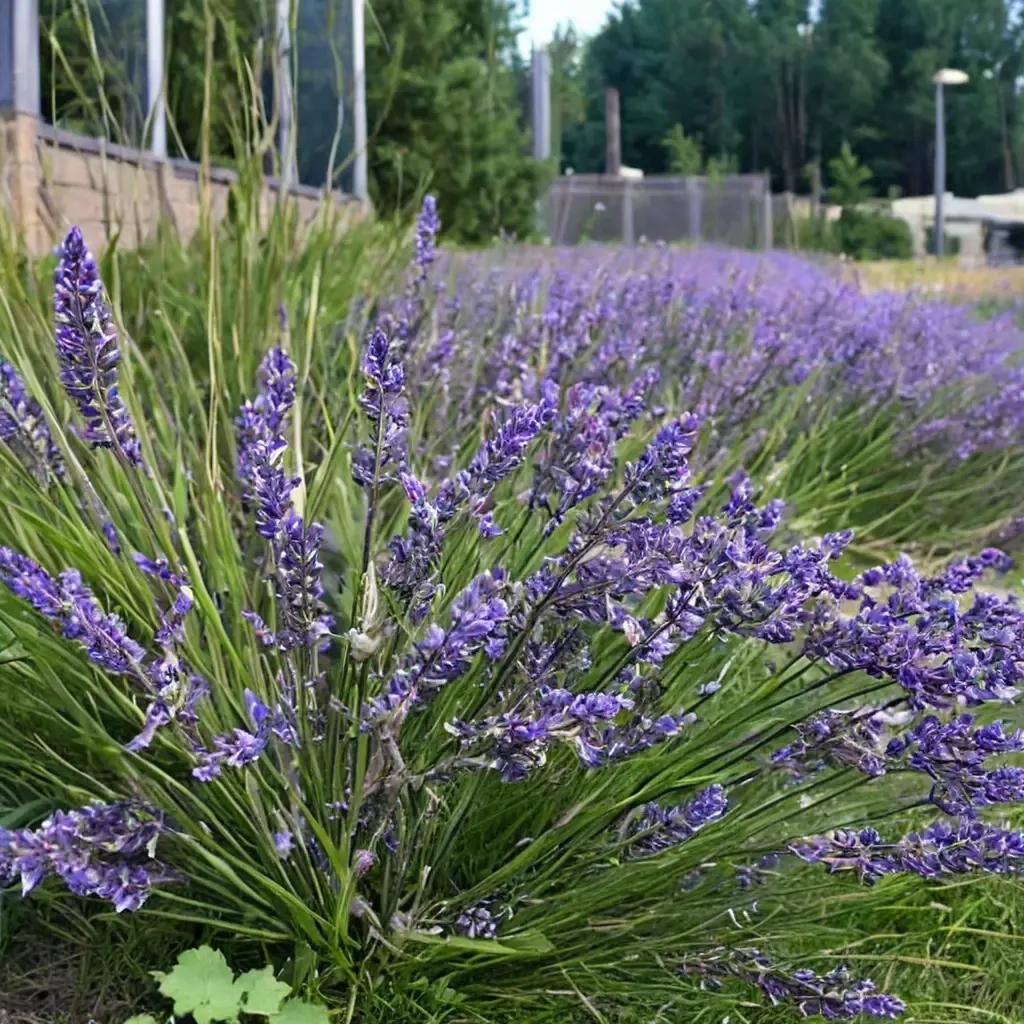
Phenomenal Lavender
Lavandula x intermedia 'Phenomenal'
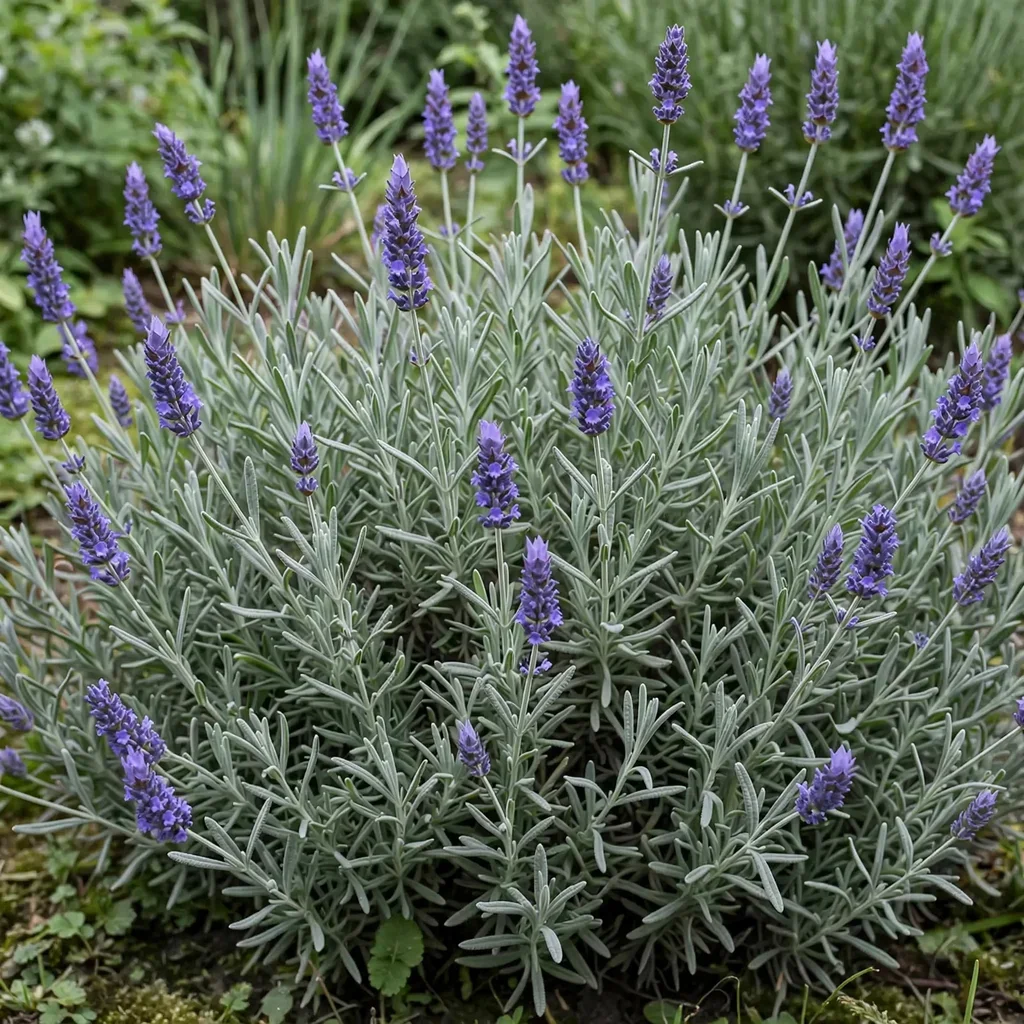
Munstead Lavender
Lavandula angustifolia 'Munstead'
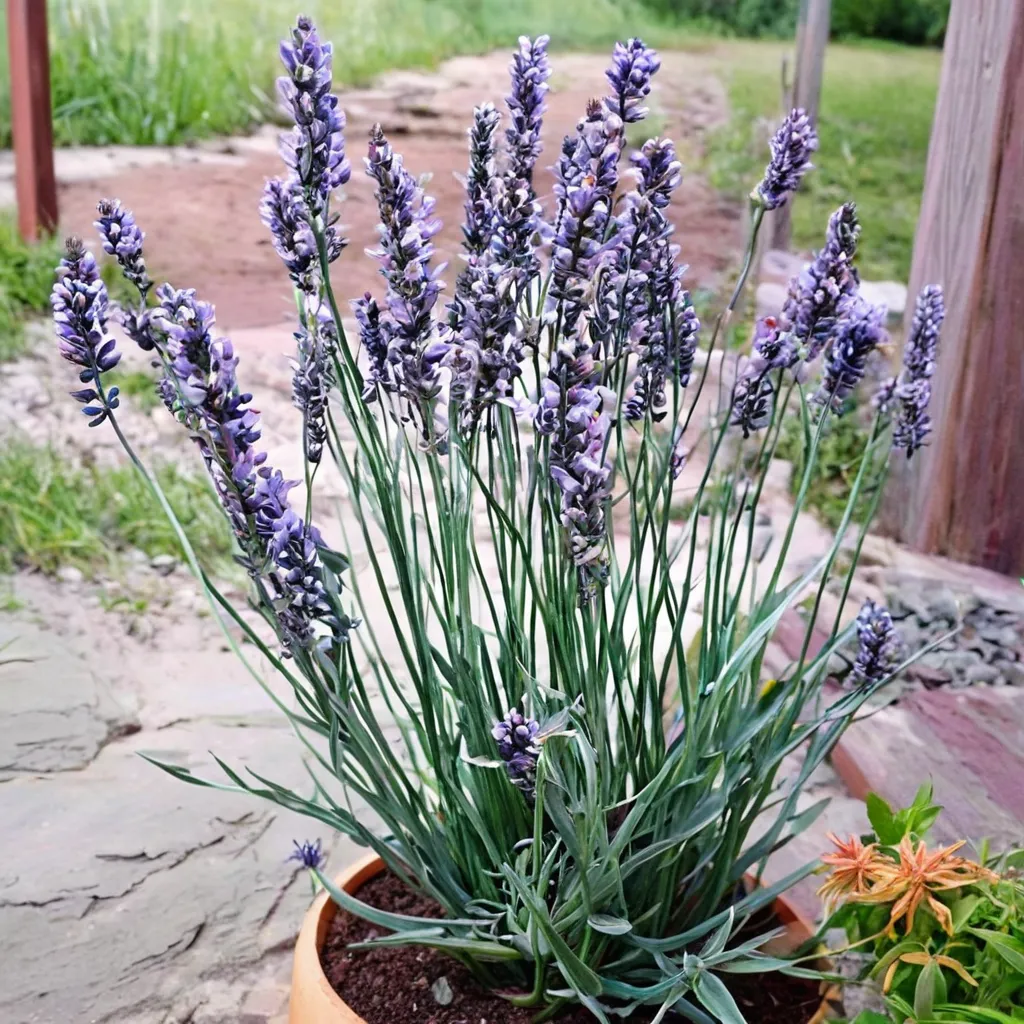
Lavender Sensational
Lavandula angustifolia 'Sensational'
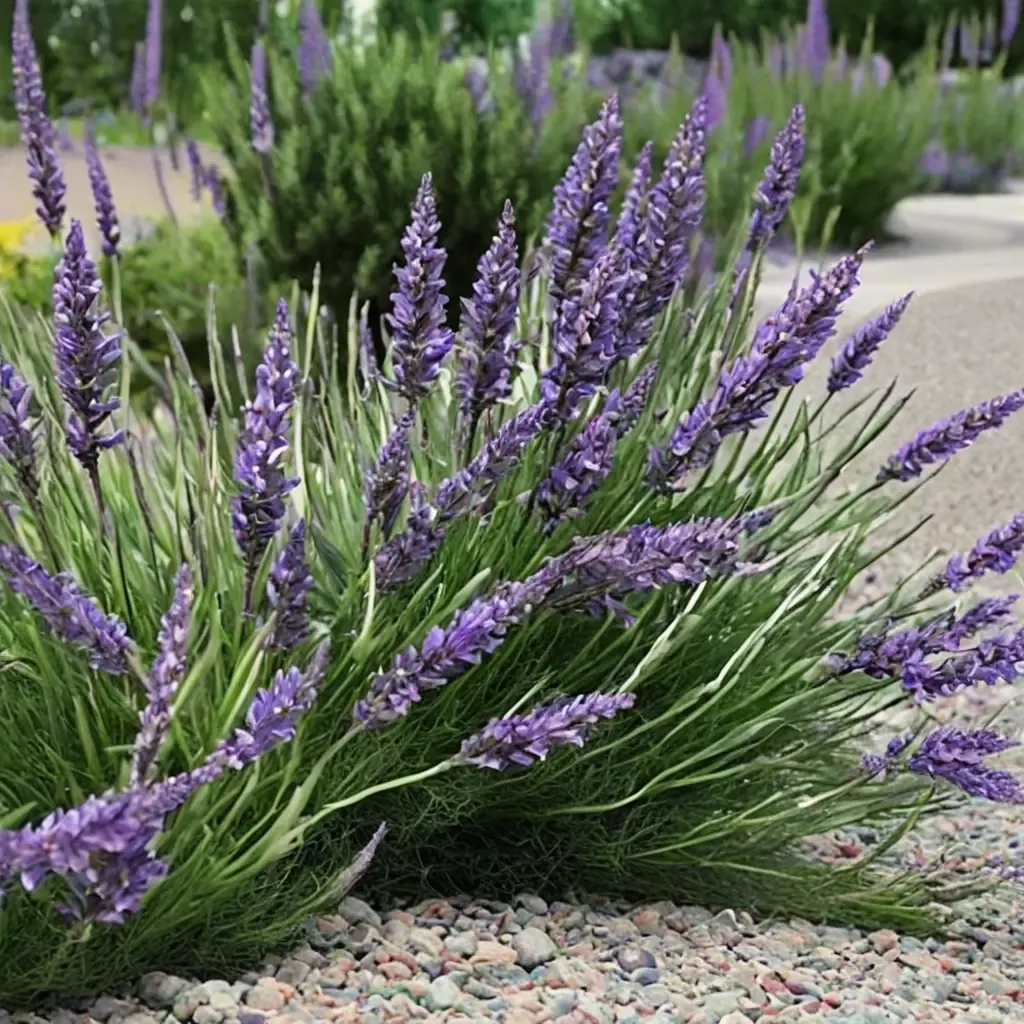
Grosso Lavender
Lavandula x hybrida 'Grosso'
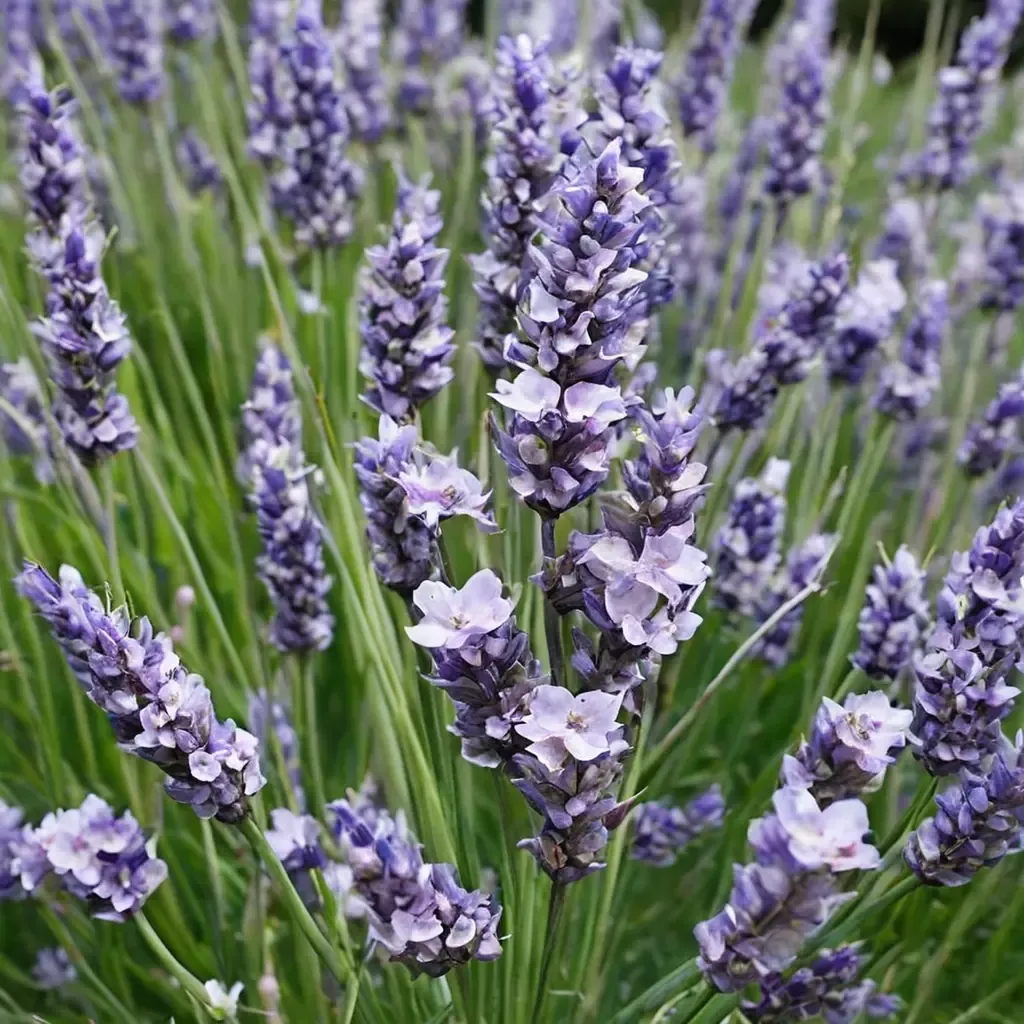
Melissa Lilac Lavender
Lavandula angustifolia 'Melissa Lilac'
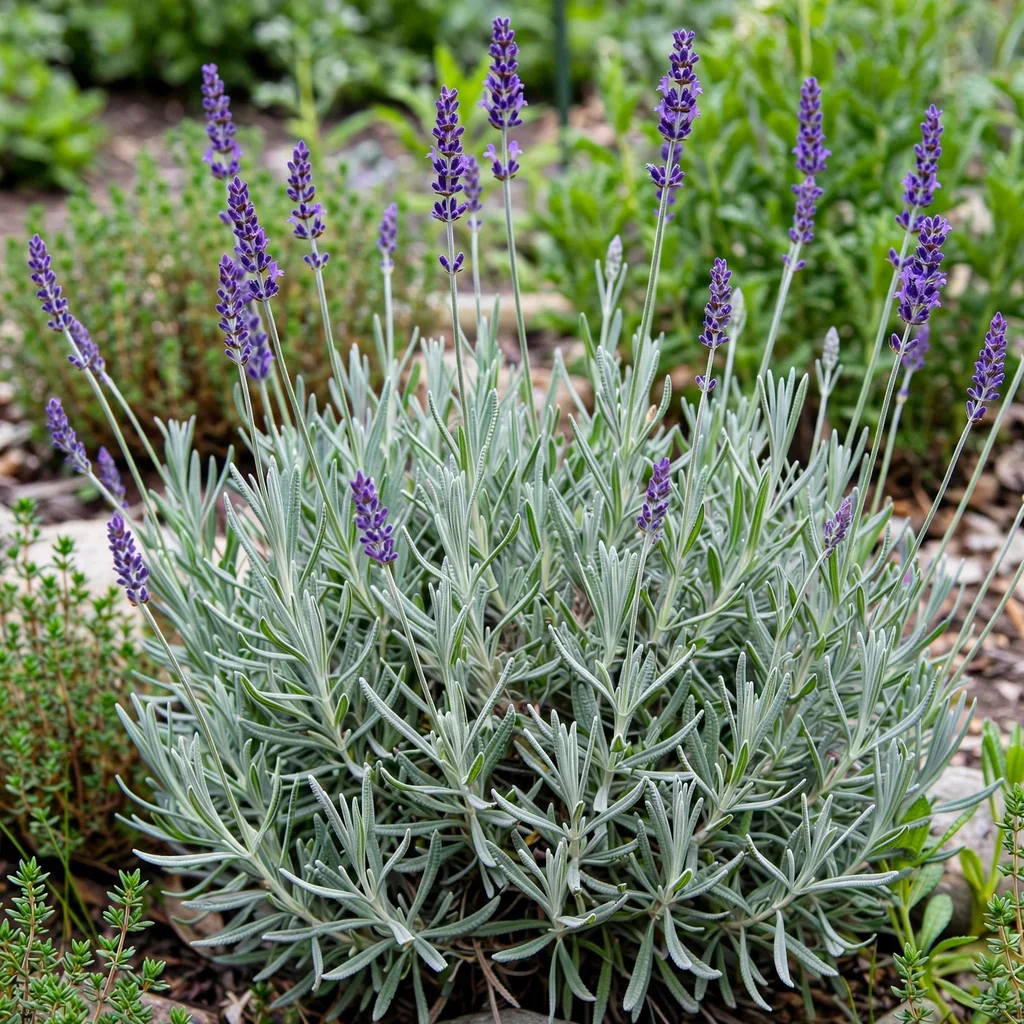
English Lavender
Lavandula angustifolia
Keep exploring
Guides
Hardy in your zone?
Grow Woolly Lavender with confidence
See it in a design of your actual yard, get zone-matched care reminders, and track it season by season in your garden journal.