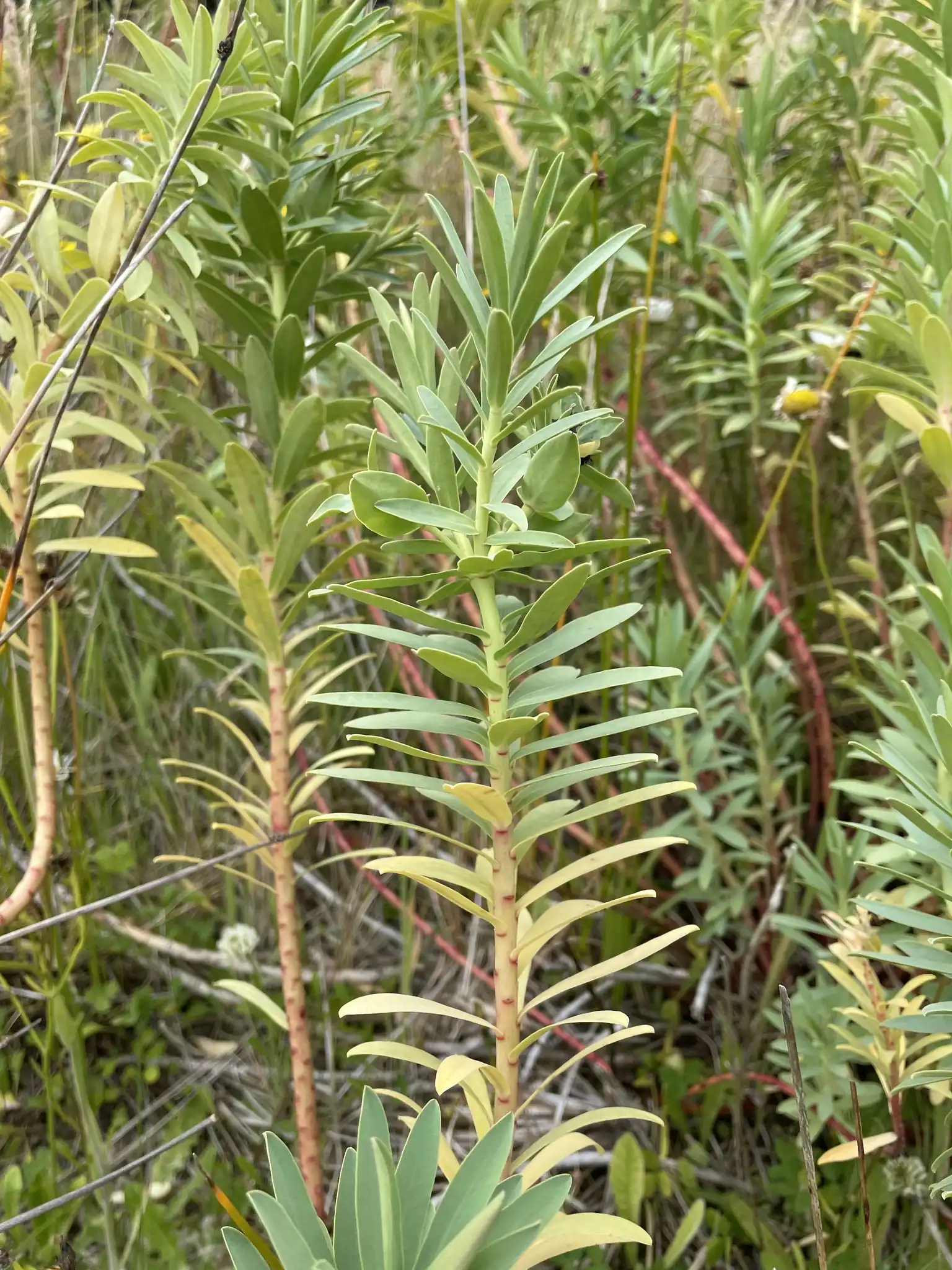
The Story
Plant Bio
Euphorbia glauca is an herbaceous coastal perennial that forms dense clumps up to three feet high, spreading slowly via underground creeping rhizomes. Multiple erect reddish stems carry crowded, powdery blue-green leaves crowned in spring and summer by terminal clusters of small flowers framed by deep maroon cup-like bracts.
The species is distinguished by its vivid glaucous foliage and deep red floral bracts, providing strong architectural texture in poor coastal soils. Its acrid, milky white sap renders the plant unpalatable to deer and rabbits.
Uses & Benefits:
Essentials
At a Glance
Plant Type
Perennial
Height
36"
Width
36"
Light
Full Sun, Partial Sun
Zones
8, 9, 10
Water
Low
Humidity
Moderate to High
Lifespan
Perennial
Native To
New Zealand
Toxicity
Toxic latex sap
Bloom period
Spring – Summer
In flower about 6 months of the year
Planting
How to Grow
- Select a planting location in full sun with sandy, lean, or gravelly soil.
- Set the plant crown flush with the surrounding soil level and firm gently.
- Water lightly after planting to settle the soil, then withhold extra water once established.
- Wear heavy gloves and eye protection when trimming to prevent contact with toxic latex sap.
Pro Tip
Plant in infertile, sharply drained sand or gravel; rich garden soil and excess moisture cause weak, leggy stems and ugly sprawling habits.
Keep It Thriving
Care Guide
Do
- Provide full sun exposure to maintain compact stem structures.
- Wear protective gloves whenever cutting or dividing stems.
- Ensure planting beds drain rapidly after heavy precipitation.
Don't
- Do not apply high-nitrogen fertilizers that spur weak, floppy growth.
- Do not plant in heavy, water-retentive clay soils.
- Do not prune hard into old, leafless woody bases.
Seasonal Care Calendar
| Task | Jan | Feb | Mar | Apr | May | Jun | Jul | Aug | Sep | Oct | Nov | Dec |
|---|---|---|---|---|---|---|---|---|---|---|---|---|
| Pest Check | ||||||||||||
| Plant | ||||||||||||
| Propagate | ||||||||||||
| Prune | ||||||||||||
| Spring Cleanup |
Watch Out For
Pests & Diseases
Common Pests
Common Diseases
In the Garden
Landscape Uses & Companions
Landscape Uses
Companion Plants
Multiply
Propagation Methods
Good to Know
Common Questions
Shore Spurge questions
What zones can Shore Spurge grow in?
Shore Spurge is hardy in USDA Zones 8–10: in that range it survives winter in the ground. Colder than Zone 8, grow it in a container you can move to shelter for the winter, or as an annual.
Is Shore Spurge deer resistant?
Yes — Shore Spurge is rated deer-resistant. Deer typically pass it over, though extreme hunger can override any plant's defenses.
When does Shore Spurge bloom?
Shore Spurge typically blooms from spring to summer. Exact timing shifts a week or two with your zone — Sow's bloom calendar maps it to your garden.
Does Shore Spurge need full sun?
Shore Spurge does best in full sun to part shade. In hot climates, afternoon shade keeps blooms fresher longer.
Is Shore Spurge drought tolerant?
Yes — once established (usually after the first full season), Shore Spurge handles dry spells with minimal watering. Water deeply its first year to build the root system that makes that possible.
More Euphorbia to compare
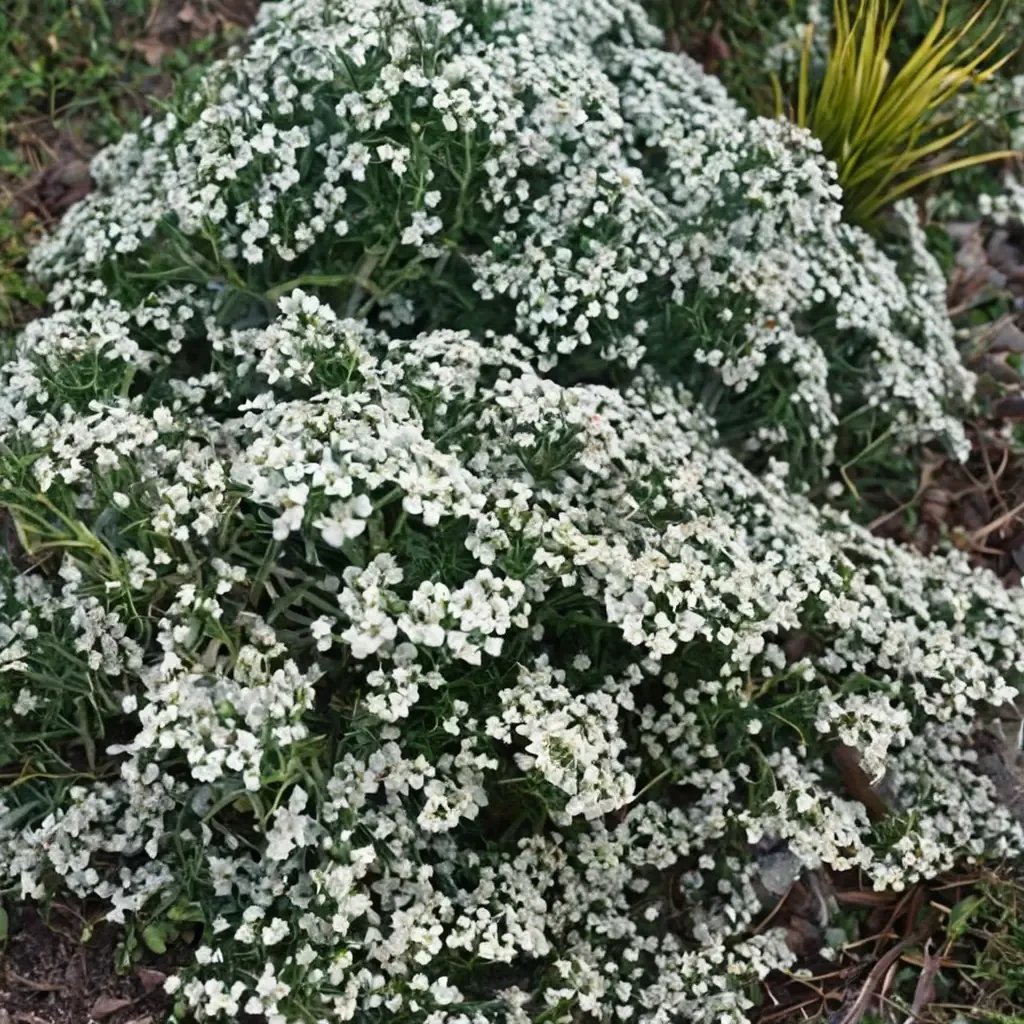
Carolina Snow Flowering Spurge
Euphorbia corollata 'Carolina Snow'
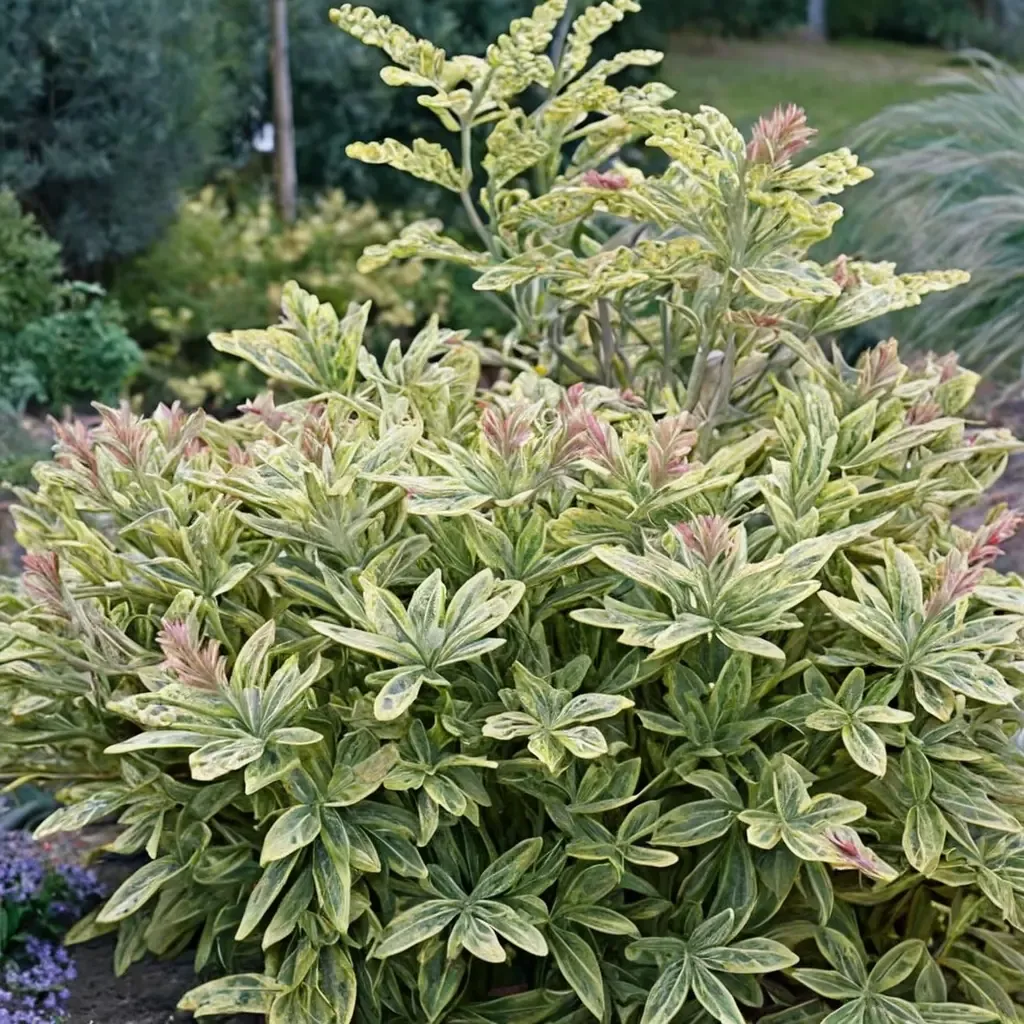
Ascot Rainbow Spurge
Euphorbia x hybrida 'Ascot Rainbow'
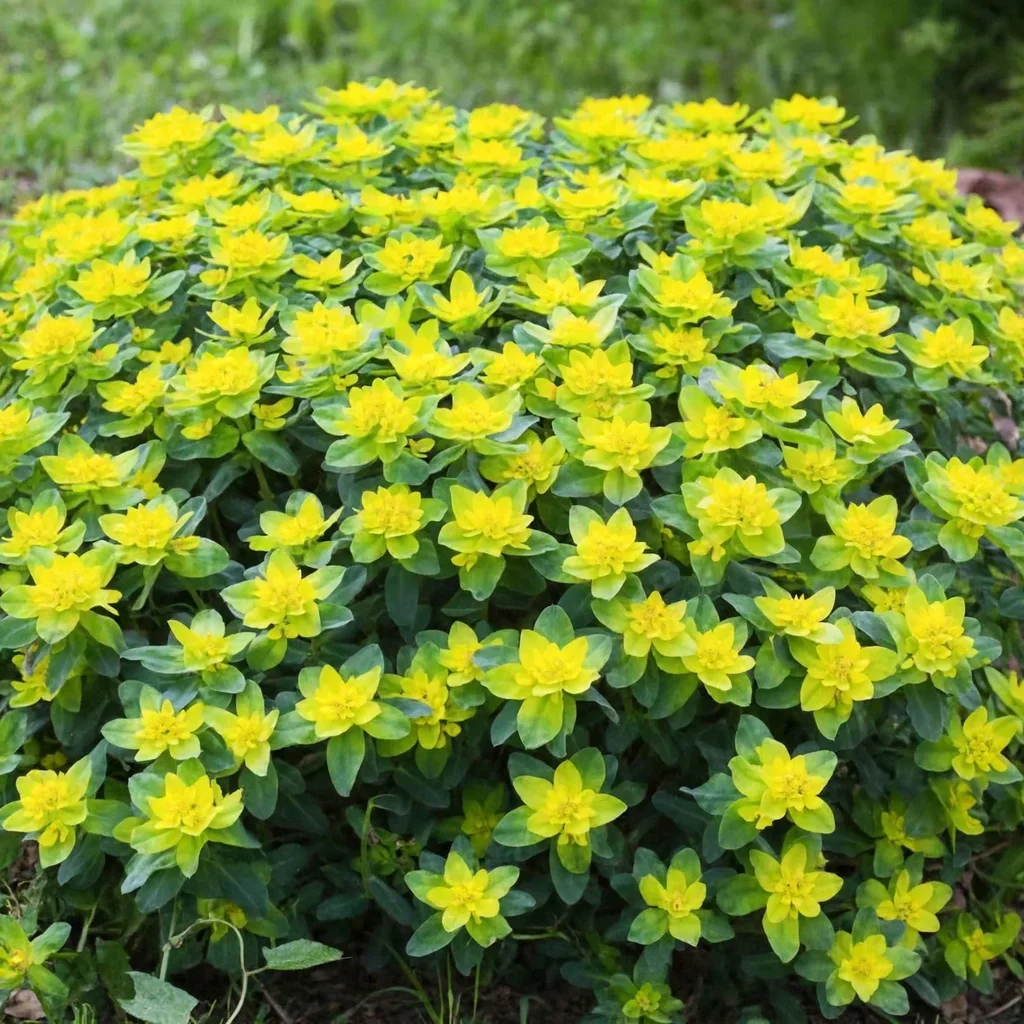
Mediterranean Spurge
Euphorbia polychroma
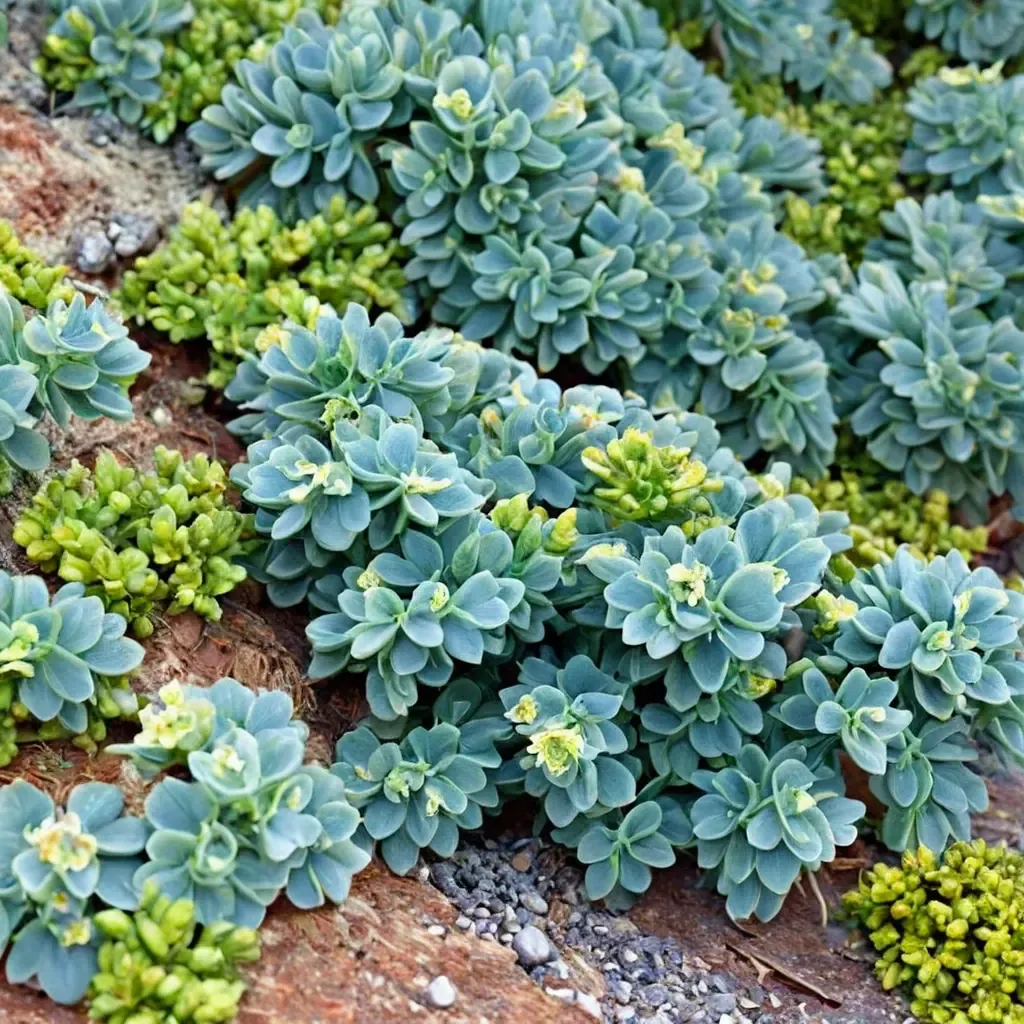
Myrtle Spurge
Euphorbia myrsinites
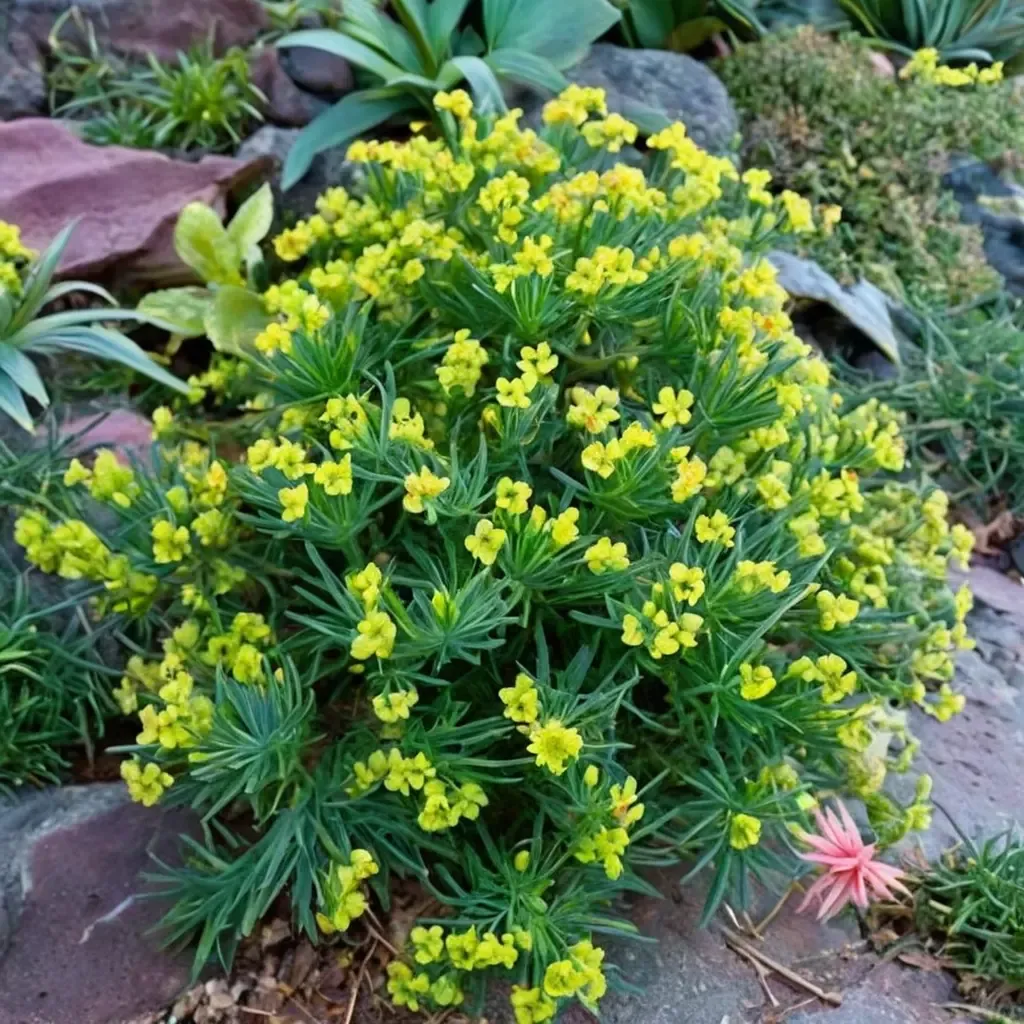
Ruby Spurge
Euphorbia cyparissias 'Fens Ruby'
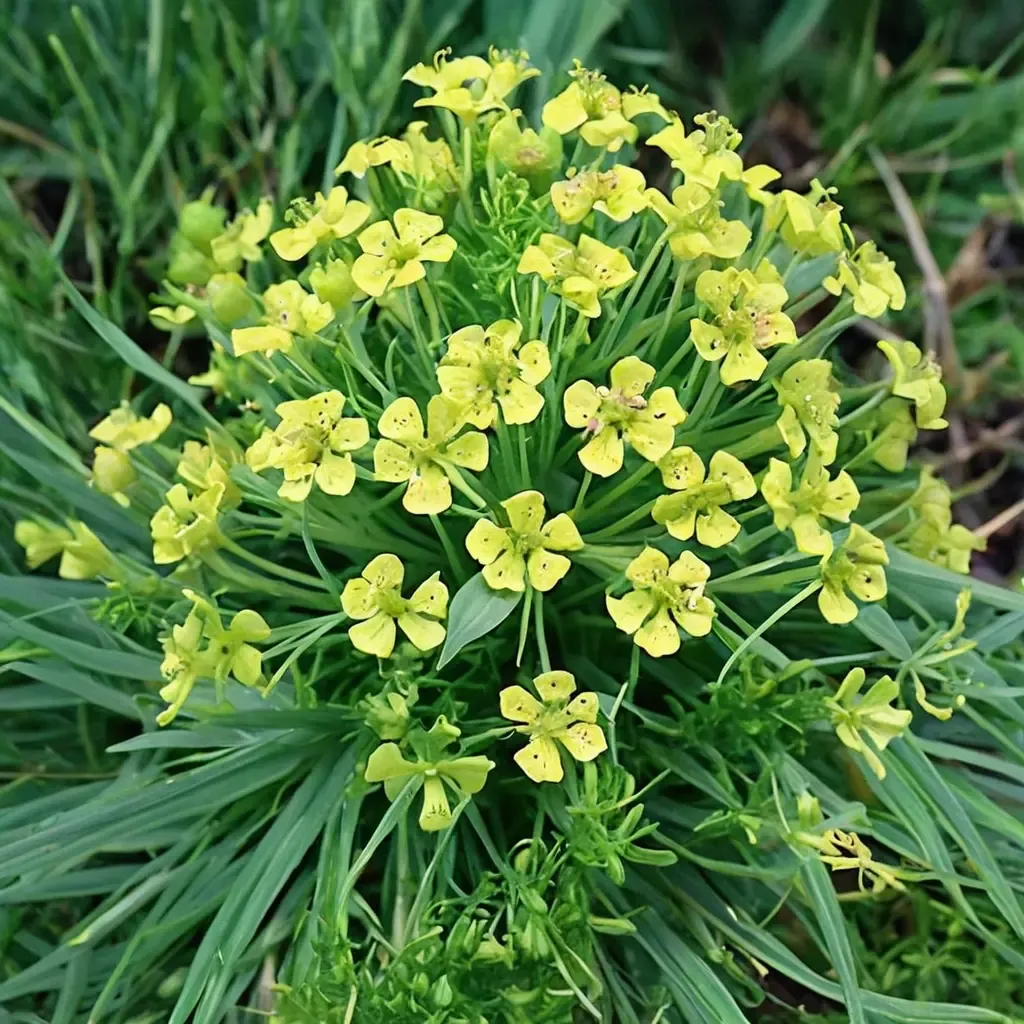
Cypress Spurge
Euphorbia cyparissias
Keep exploring
Explore the genus
Hardy in your zone?
Grow Shore Spurge with confidence
See it in a design of your actual yard, get zone-matched care reminders, and track it season by season in your garden journal.