
The Story
Plant Bio
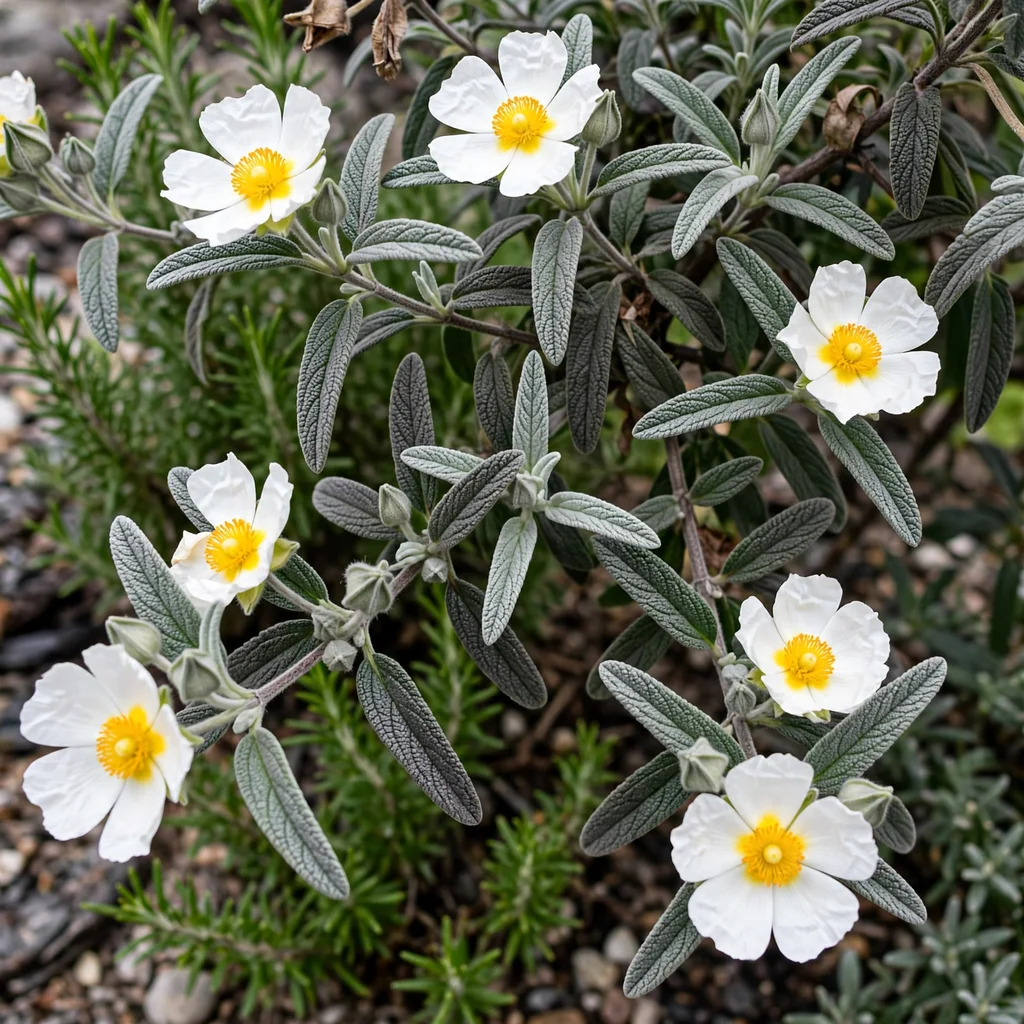
Cistus clusii is a low evergreen shrub from the western Mediterranean that forms an erect, densely branched mound to about three feet high and wide. Its narrow linear leaves are dark green and resinous above and white-felted beneath, with margins rolled under to conserve water.
It blooms in spring into summer with terminal clusters of up to eight white flowers about one inch across, each with a yellow centre on hairy stalks. Out of flower it is confused with rosemary, but the foliage smells of resin rather than kitchen herbs and the leaf undersides are densely white-woolly.
Uses & Benefits:
Essentials
At a Glance
Plant Type
Shrub
Height
39"
Width
31"
Light
Full Sun
Zones
8, 9, 10
Water
Low
Humidity
Low
Lifespan
Woody perennial
Native To
Western-Central Mediterranean
Toxicity
Unknown
Bloom period
Spring – Summer
In flower about 6 months of the year
Planting
How to Grow
- Choose full sun with lean, stony or sandy alkaline soil that drains sharply.
- Plant in spring or fall at the same depth as in the pot, spacing about 20 inches apart for a low hedge.
- Water in once, then water sparingly until established; withhold regular summer water once rooted.
- Prune lightly after flowering to shape; never cut into old leafless wood.
- Do not fertilize or enrich the soil; excess nutrients produce weak growth prone to rot.
Pro Tip
Prune lightly after flowering to keep it dense; cutting back into old leafless wood does not reshoot.
Keep It Thriving
Care Guide
Do
- Plant in full sun with sharply drained alkaline soil
- Water sparingly only until established, then leave dry in summer
- Tip-prune lightly after flowering to keep compact
Don't
- Do not water regularly in summer
- Do not plant in rich moisture-holding soil or heavy clay
- Do not cut back into old bare wood
Seasonal Care Calendar
| Task | Jan | Feb | Mar | Apr | May | Jun | Jul | Aug | Sep | Oct | Nov | Dec |
|---|---|---|---|---|---|---|---|---|---|---|---|---|
| Mulch | ||||||||||||
| Pest Check | ||||||||||||
| Plant | ||||||||||||
| Prune |
Watch Out For
Pests & Diseases
Common Pests
Common Diseases
In the Garden
Landscape Uses & Companions
Landscape Uses
Multiply
Propagation Methods
Good to Know
Common Questions
Clusius's Rockrose questions
What zones can Clusius's Rockrose grow in?
Clusius's Rockrose is hardy in USDA Zones 8–10: in that range it survives winter in the ground. Colder than Zone 8, grow it in a container you can move to shelter for the winter.
When does Clusius's Rockrose bloom?
Clusius's Rockrose typically blooms from spring to summer. Exact timing shifts a week or two with your zone — Sow's bloom calendar maps it to your garden.
Does Clusius's Rockrose need full sun?
Clusius's Rockrose does best in full sun (6+ hours).
Is Clusius's Rockrose drought tolerant?
Yes — once established (usually after the first full season), Clusius's Rockrose handles dry spells with minimal watering. Water deeply its first year to build the root system that makes that possible.
More Cistus to compare
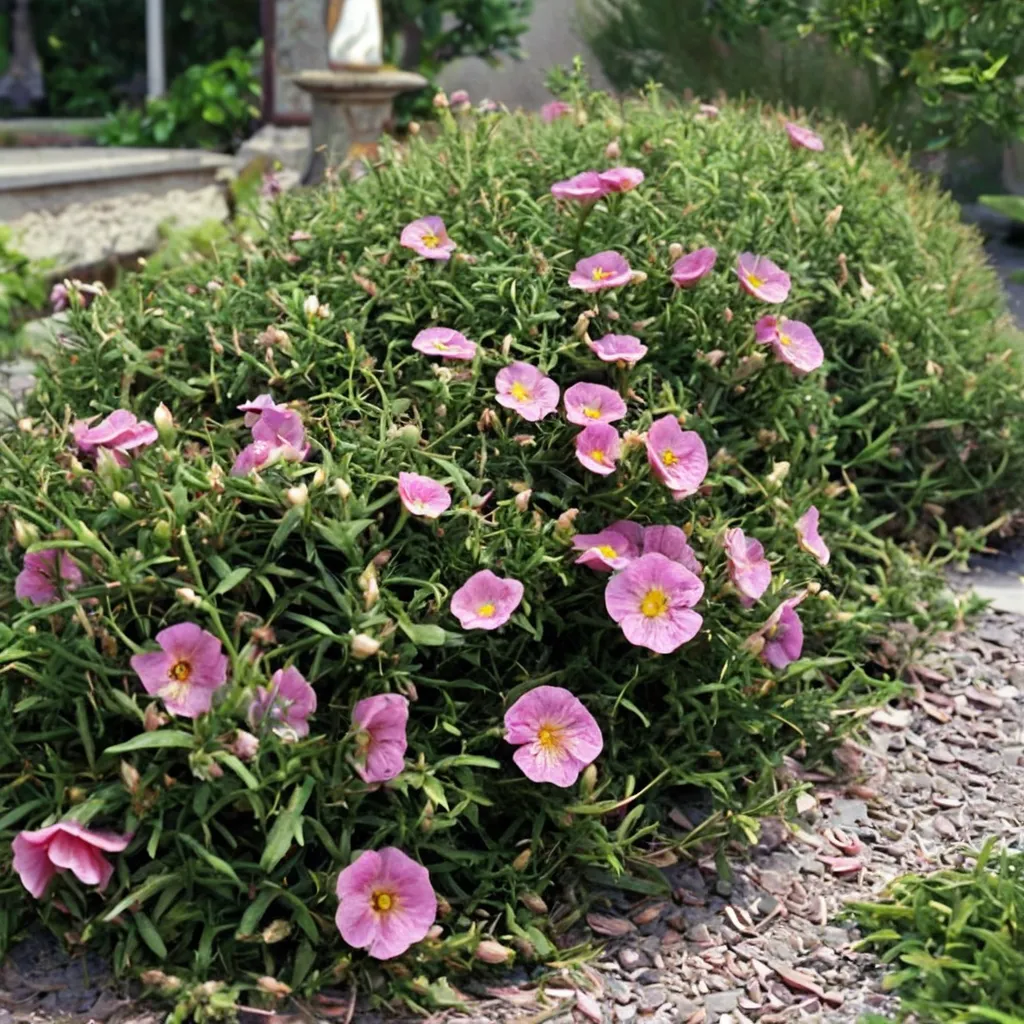
Orchid Rockrose
Cistus x purpureus
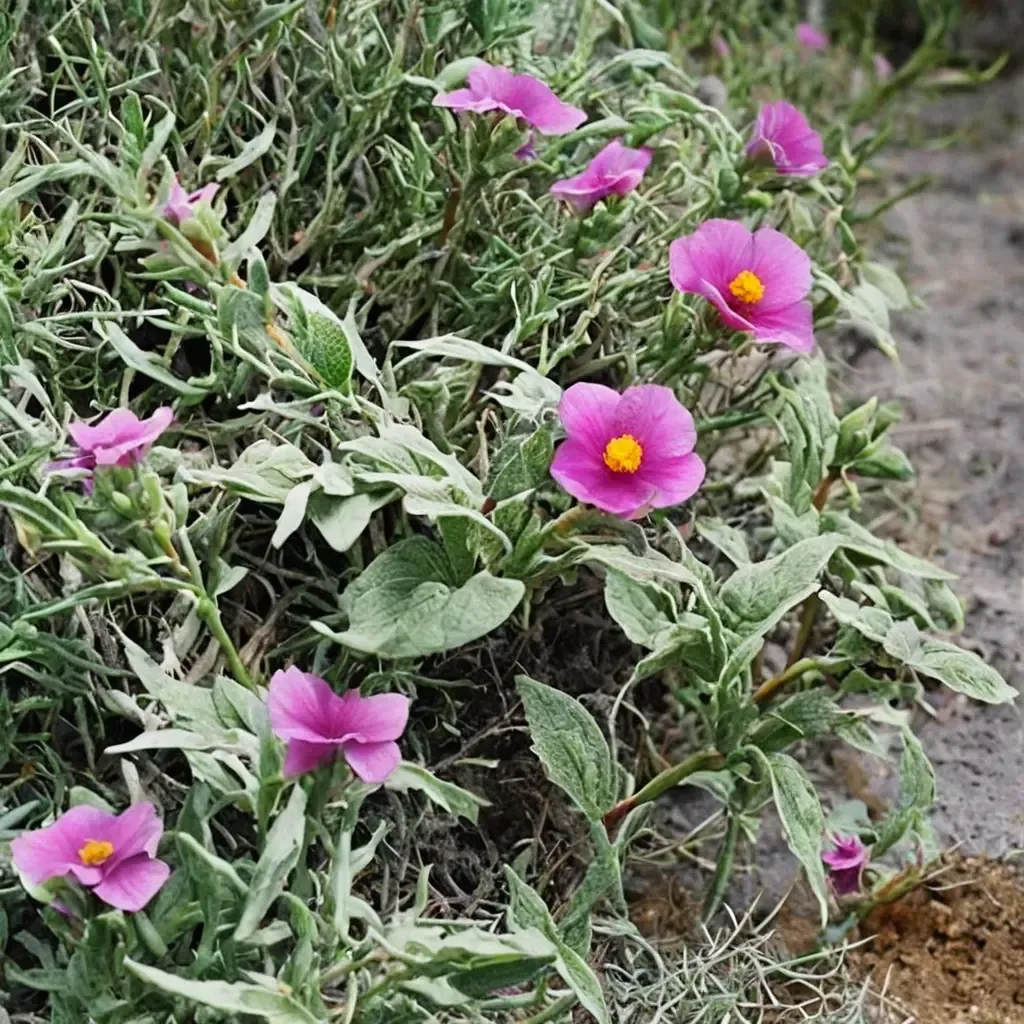
Hoary Rockrose
Cistus incanus
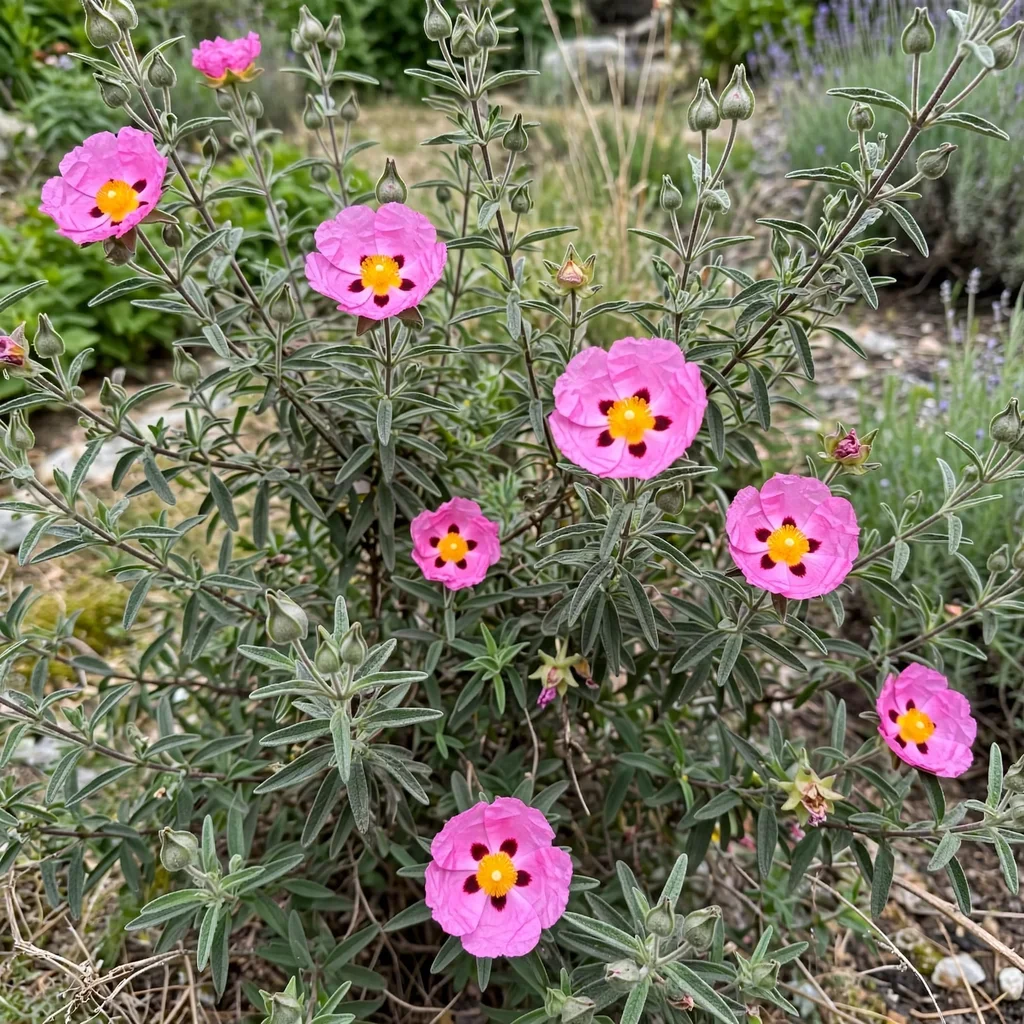
Victor Reiter Rockrose
Cistus x purpureus 'Victor Reiter'
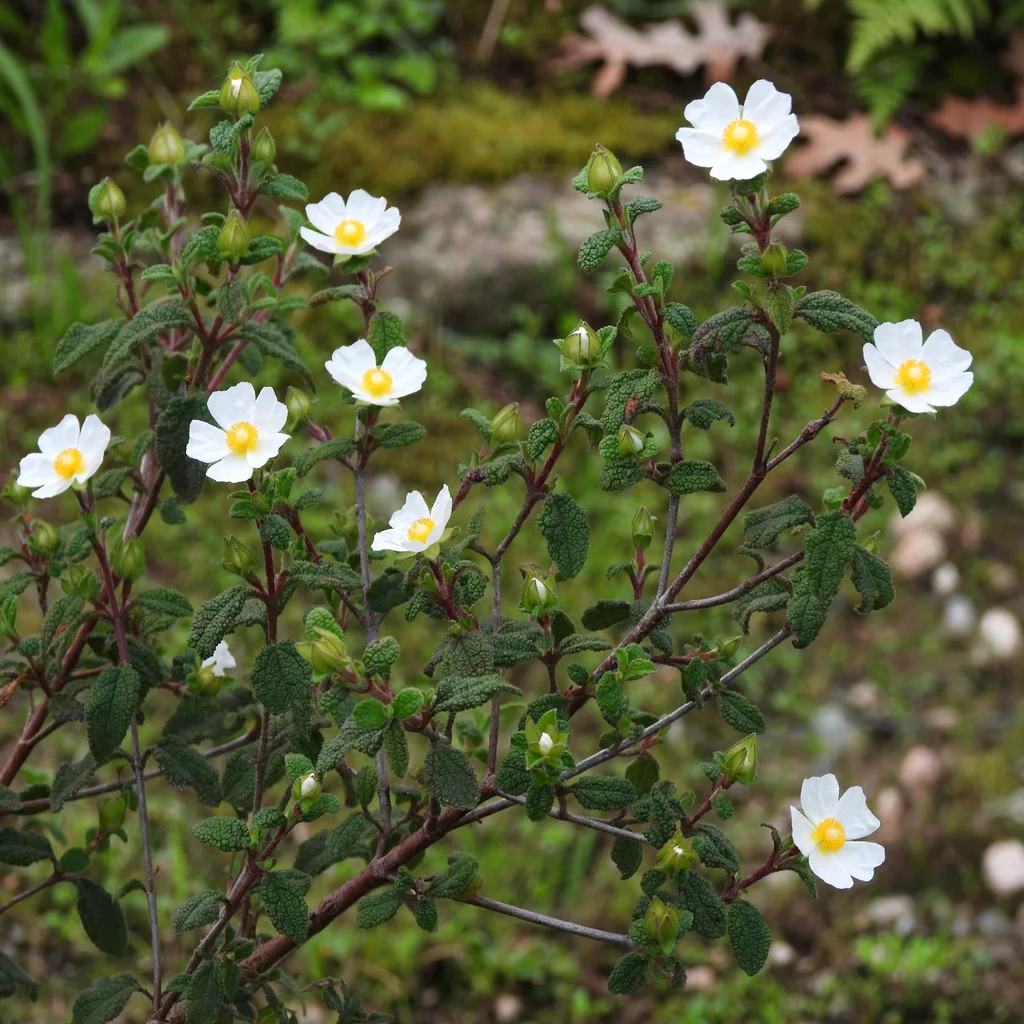
Sage-Leaved Rock-Rose
Cistus salviifolius
Rockrose
Cistus x pauranthus

Dwarf Pink Rockrose
Cistus x skanbergii
Keep exploring
Explore the genus
Hardy in your zone?
Grow Clusius's Rockrose with confidence
See it in a design of your actual yard, get zone-matched care reminders, and track it season by season in your garden journal.