The Story
Plant Bio
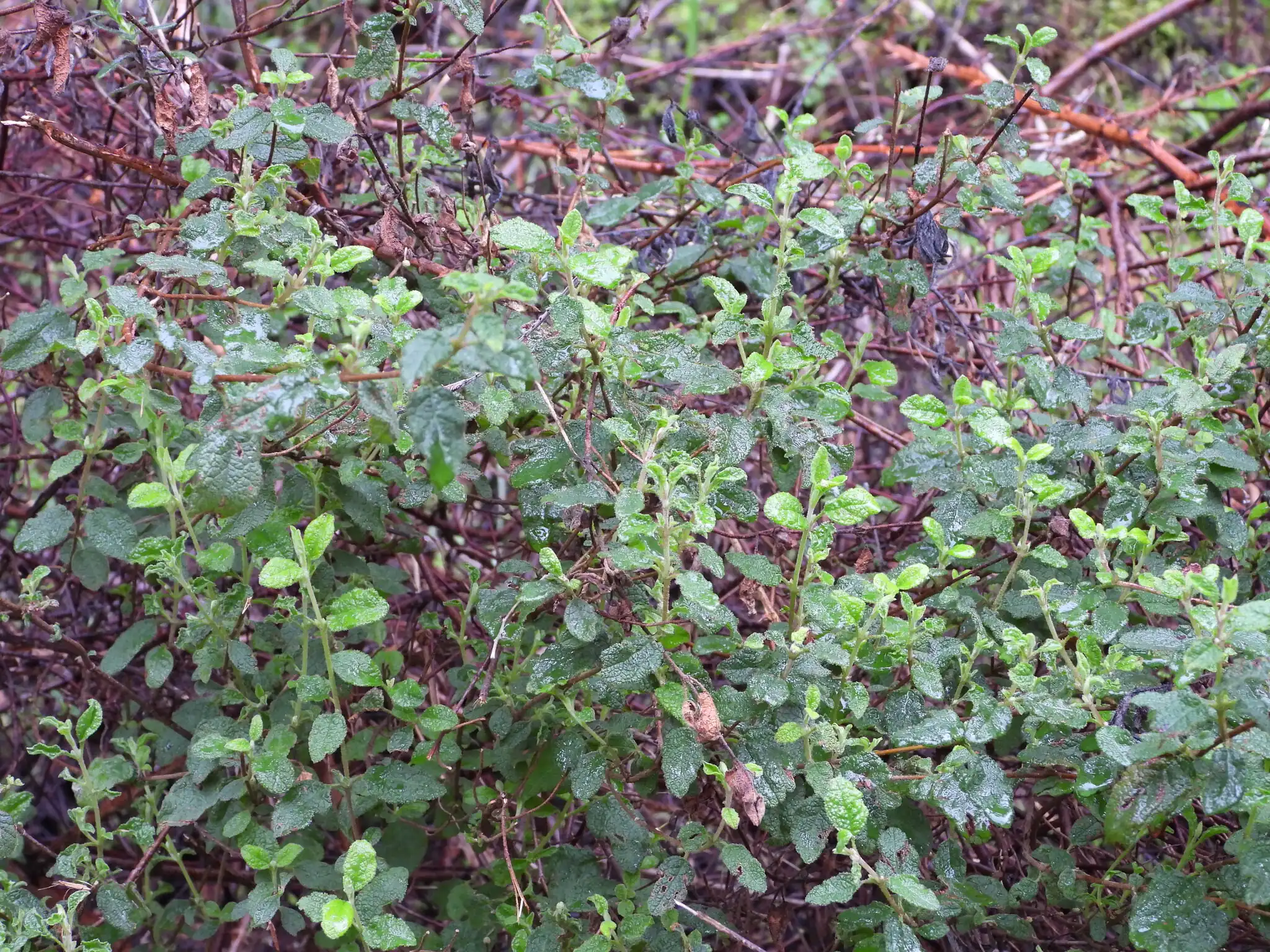
Cistus salviifolius, the sage-leaved rock-rose, is a dense low evergreen shrub reaching 2 to 3 feet tall and to 4 feet wide, with opposite ovate leaves 1 to 2 inches long. The leaves are dark green above and paler beneath with dense star-shaped hairs, and release a fragrance when crushed.
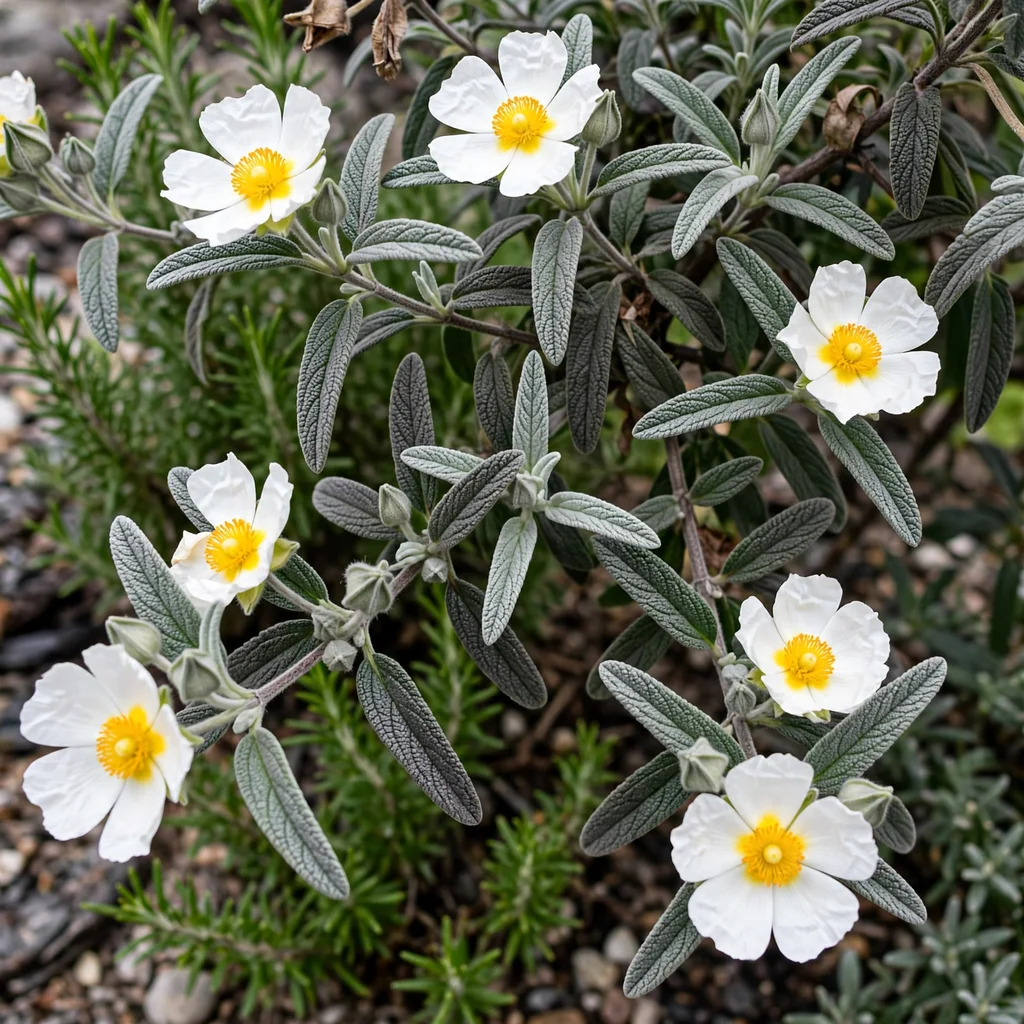
The flowers are white with a yellow base, 1 to 2 inches across with five petals and five sepals, borne singly in the upper leaf axils. Each bloom opens for a single day and is replaced daily, carrying the display through spring into early summer.
Uses & Benefits:
Essentials
At a Glance
Plant Type
Shrub
Height
36"
Width
47"
Light
Full Sun
Zones
7, 8, 9, 10
Water
Low once established
Humidity
Tolerant
Lifespan
Woody perennial
Native To
Mediterranean Basin
Toxicity
Unknown
Bloom period
Late spring – Early summer
In flower about 2 months of the year
Planting
How to Grow
- Site in full sun in sharply drained, even rocky soil.
- Plant at the same depth as in the pot and water in to settle.
- Water deeply but infrequently the first season, then only during extended dry spells.
- Keep winter drainage sharp; wet soil kills more plants than drought.
Pro Tip
Water deeply and infrequently once established; wet winter soil kills this plant faster than drought.
Keep It Thriving
Care Guide
Do
- Plant in full sun in sharply drained soil
- Water deeply but infrequently once established
- Confirm mature size at purchase to distinguish the mounding species from the spreading Prostratus form
Don't
- Do not overwater or plant where soil stays wet in winter
- Do not plant in shade where flowering weakens
- Do not plant new stock near wild coastal areas in Southern California where it has escaped
Seasonal Care Calendar
| Task | Jan | Feb | Mar | Apr | May | Jun | Jul | Aug | Sep | Oct | Nov | Dec |
|---|---|---|---|---|---|---|---|---|---|---|---|---|
| Mulch | ||||||||||||
| Pest Check | ||||||||||||
| Plant | ||||||||||||
| Winter Prep |
Watch Out For
Pests & Diseases
Common Pests
Common Diseases
In the Garden
Landscape Uses & Companions
Landscape Uses
Multiply
Propagation Methods
Good to Know
Common Questions
Sage-Leaved Rock-Rose questions
What zones can Sage-Leaved Rock-Rose grow in?
Sage-Leaved Rock-Rose is hardy in USDA Zones 7–10: in that range it survives winter in the ground. Colder than Zone 7, grow it in a container you can move to shelter for the winter.
When does Sage-Leaved Rock-Rose bloom?
Sage-Leaved Rock-Rose typically blooms from late spring to early summer. Exact timing shifts a week or two with your zone — Sow's bloom calendar maps it to your garden.
Does Sage-Leaved Rock-Rose need full sun?
Sage-Leaved Rock-Rose does best in full sun (6+ hours).
Is Sage-Leaved Rock-Rose drought tolerant?
Yes — once established (usually after the first full season), Sage-Leaved Rock-Rose handles dry spells with minimal watering. Water deeply its first year to build the root system that makes that possible.
More Cistus to compare
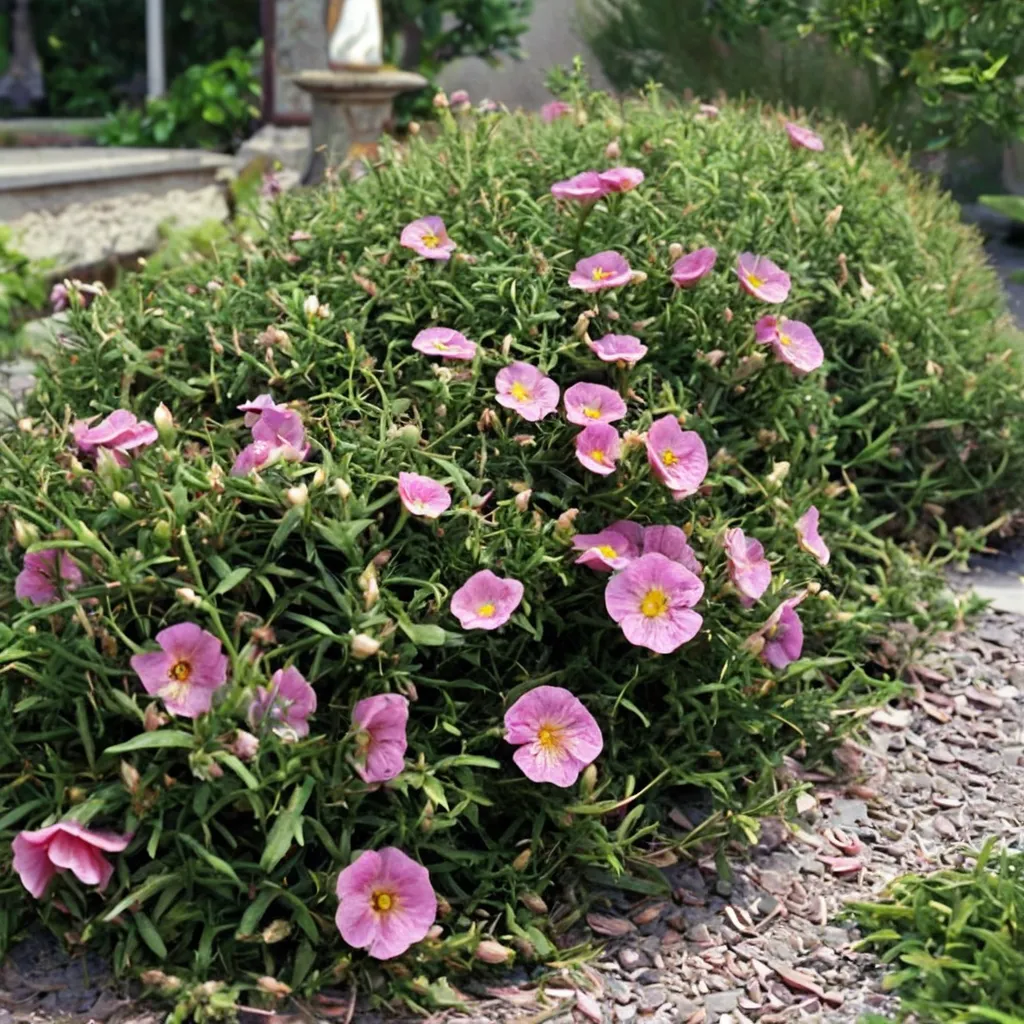
Orchid Rockrose
Cistus x purpureus
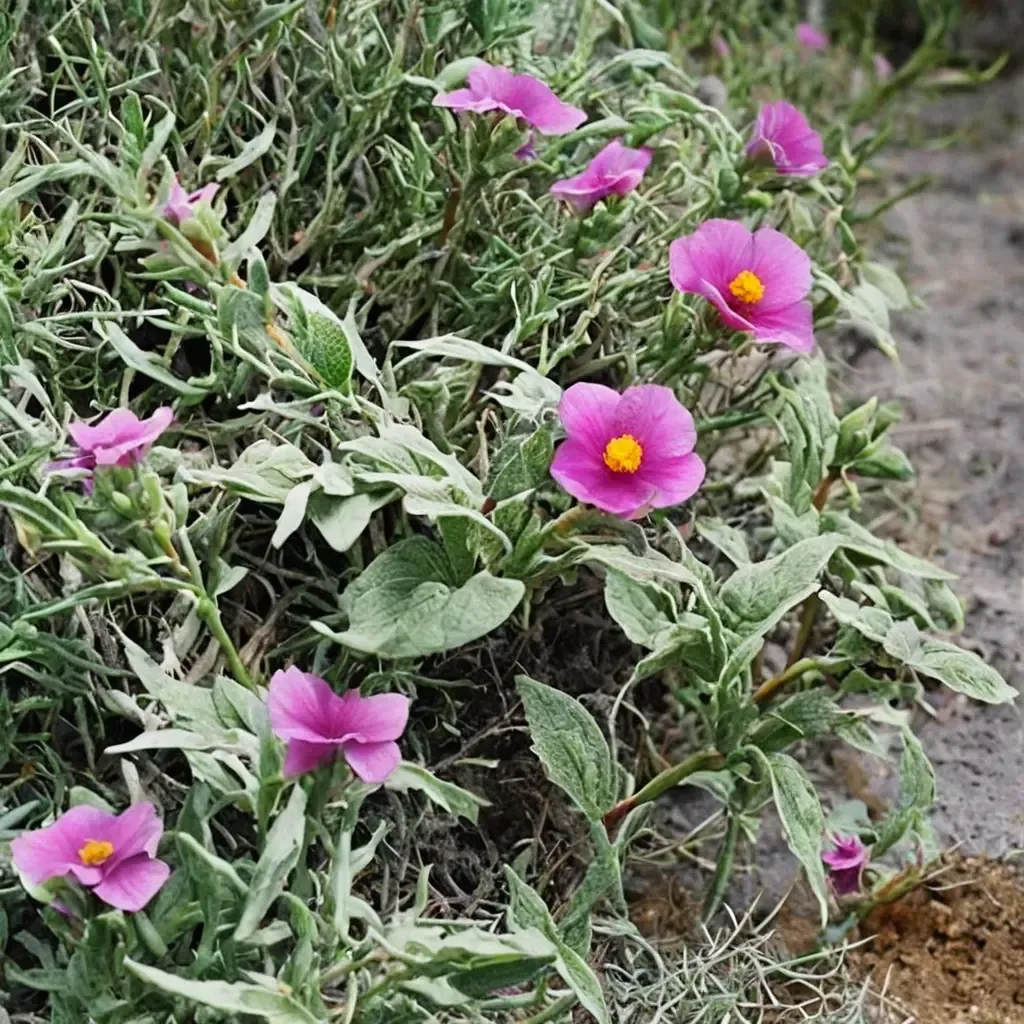
Hoary Rockrose
Cistus incanus
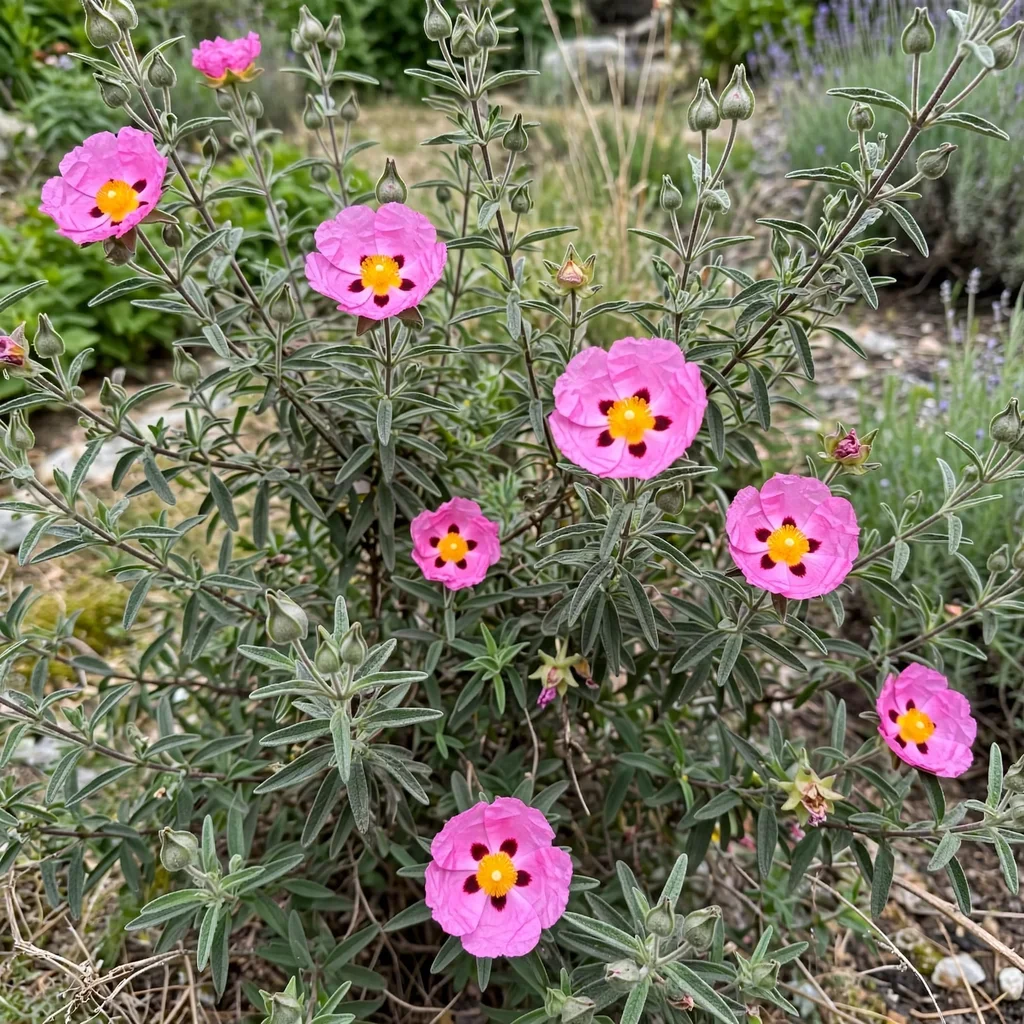
Victor Reiter Rockrose
Cistus x purpureus 'Victor Reiter'
Rockrose
Cistus x pauranthus

Dwarf Pink Rockrose
Cistus x skanbergii
Silver Pink Rockrose
Cistus argenteus 'Silver Pink'
Keep exploring
Explore the genus
Hardy in your zone?
Grow Sage-Leaved Rock-Rose with confidence
See it in a design of your actual yard, get zone-matched care reminders, and track it season by season in your garden journal.