The Story
Plant Bio
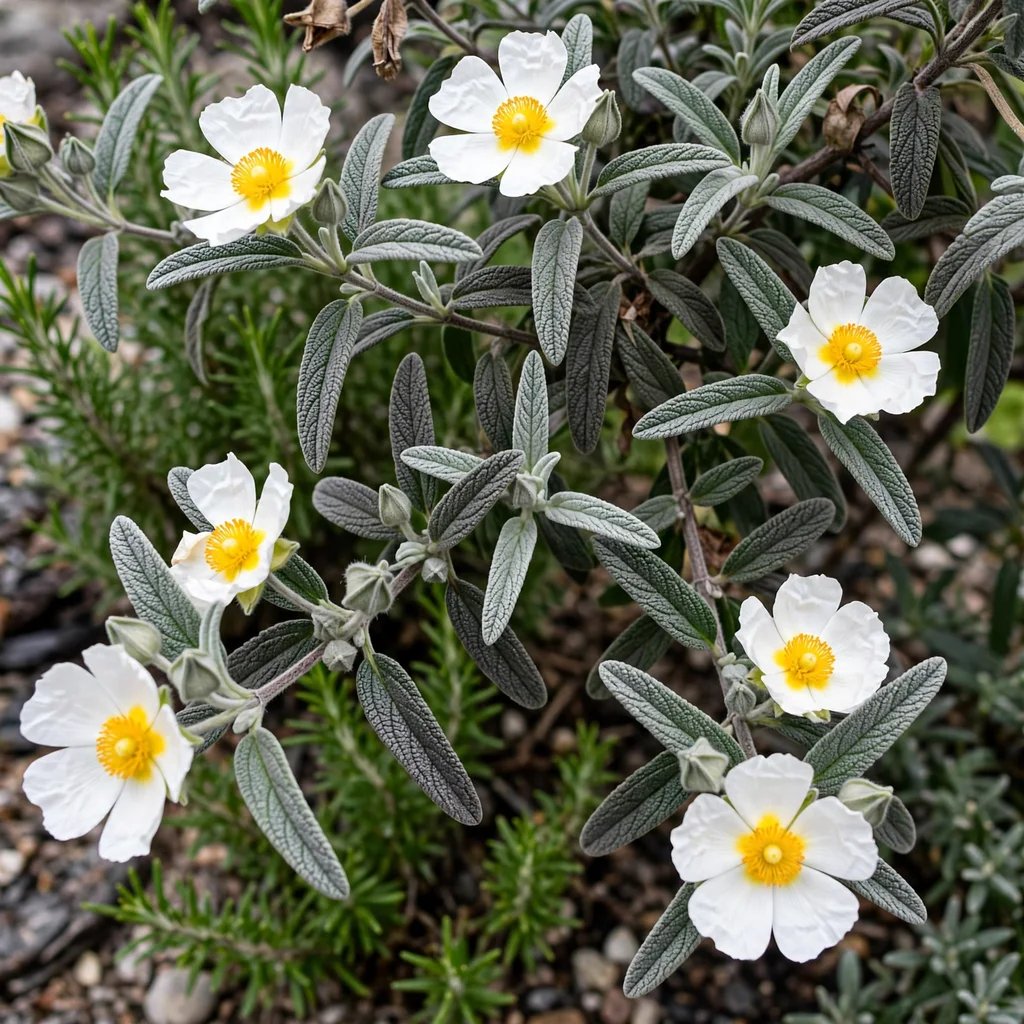
Cistus x pauranthus is a compact rounded evergreen shrub reaching three to four feet high and wide, with dense textured gray-green foliage. The leaves are lance-shaped, rugose and dark gray-green, and the plant bears small five-petalled solitary flowers in a floriferous spring to summer display.
This natural hybrid of Cistus parviflorus and Cistus salviifolius occurs wild only on Cyprus, Crete and the east Aegean Islands, where it forms a low ground-covering mound. It blooms soft pinkish-white with a yellow centre and repeats sporadically through summer, holding up to drought, poor calcareous sand and salt air once established.
Uses & Benefits:
Essentials
At a Glance
Plant Type
Shrub
Height
42"
Width
42"
Light
Full Sun
Zones
7, 8, 9, 10
Water
Low
Humidity
Low
Lifespan
Long-lived with perfect drainage
Native To
Mediterranean Basin
Toxicity
Skin irritant
Bloom period
Spring – Summer
In flower about 6 months of the year
Planting
How to Grow
- Choose full sun with 6 to 8 hours for flowering and a slope or raised spot with near-perfect drainage.
- Plant high in light sandy or loamy soil, handling the rootball as little as possible and firming gently.
- Water to settle in, then reduce to little to no irrigation once established and never leave the crown wet.
- Feed little to nothing; no heavy fertilizer is needed in poor soil.
- Shape lightly and deadhead only after flowering in late spring to early summer, never cutting into old leafless wood.
Pro Tip
Plant high on a slope in full sun and leave the roots undisturbed; cutting back into old leafless wood does not resprout.
Keep It Thriving
Care Guide
Do
- Give 6 to 8 hours of full sun and open air with dry foliage
- Keep soil lean, sandy or loamy and sharply drained
- Plant small and leave the roots alone after planting
Don't
- Do not plant in shade or waterlogged clay
- Do not overwater or wet the foliage in summer
- Do not hard-prune or cut into old leafless wood
Seasonal Care Calendar
| Task | Jan | Feb | Mar | Apr | May | Jun | Jul | Aug | Sep | Oct | Nov | Dec |
|---|---|---|---|---|---|---|---|---|---|---|---|---|
| Mulch | ||||||||||||
| Pest Check | ||||||||||||
| Plant | ||||||||||||
| Propagate | ||||||||||||
| Prune |
Watch Out For
Pests & Diseases
Common Pests
Common Diseases
In the Garden
Landscape Uses & Companions
Landscape Uses
Multiply
Propagation Methods
Good to Know
Common Questions
Rockrose questions
What zones can Rockrose grow in?
Rockrose is hardy in USDA Zones 7–10: in that range it survives winter in the ground. Colder than Zone 7, grow it in a container you can move to shelter for the winter.
Is Rockrose deer resistant?
Yes — Rockrose is rated deer-resistant. Deer typically pass it over, though extreme hunger can override any plant's defenses.
When does Rockrose bloom?
Rockrose typically blooms from spring to summer. Exact timing shifts a week or two with your zone — Sow's bloom calendar maps it to your garden.
Does Rockrose need full sun?
Rockrose does best in full sun (6+ hours).
Is Rockrose drought tolerant?
Yes — once established (usually after the first full season), Rockrose handles dry spells with minimal watering. Water deeply its first year to build the root system that makes that possible.
More Cistus to compare
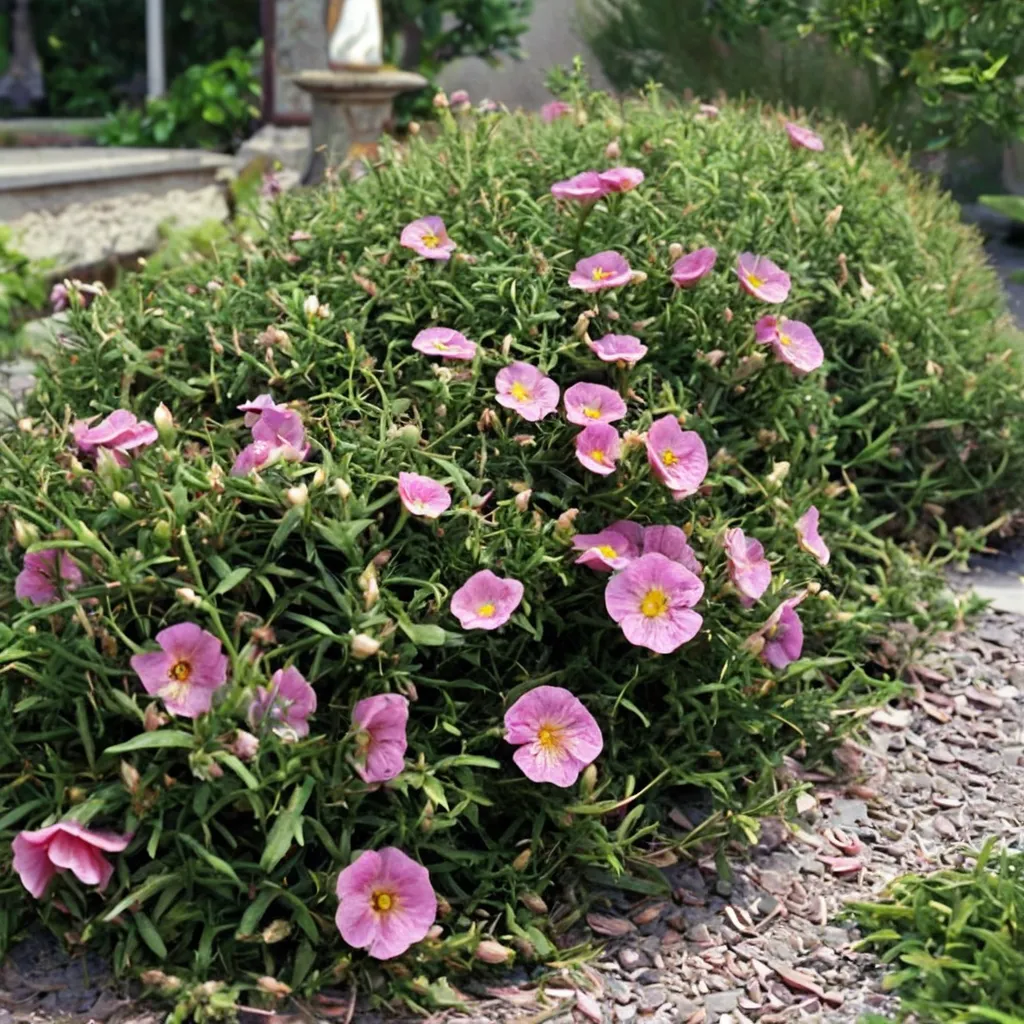
Orchid Rockrose
Cistus x purpureus
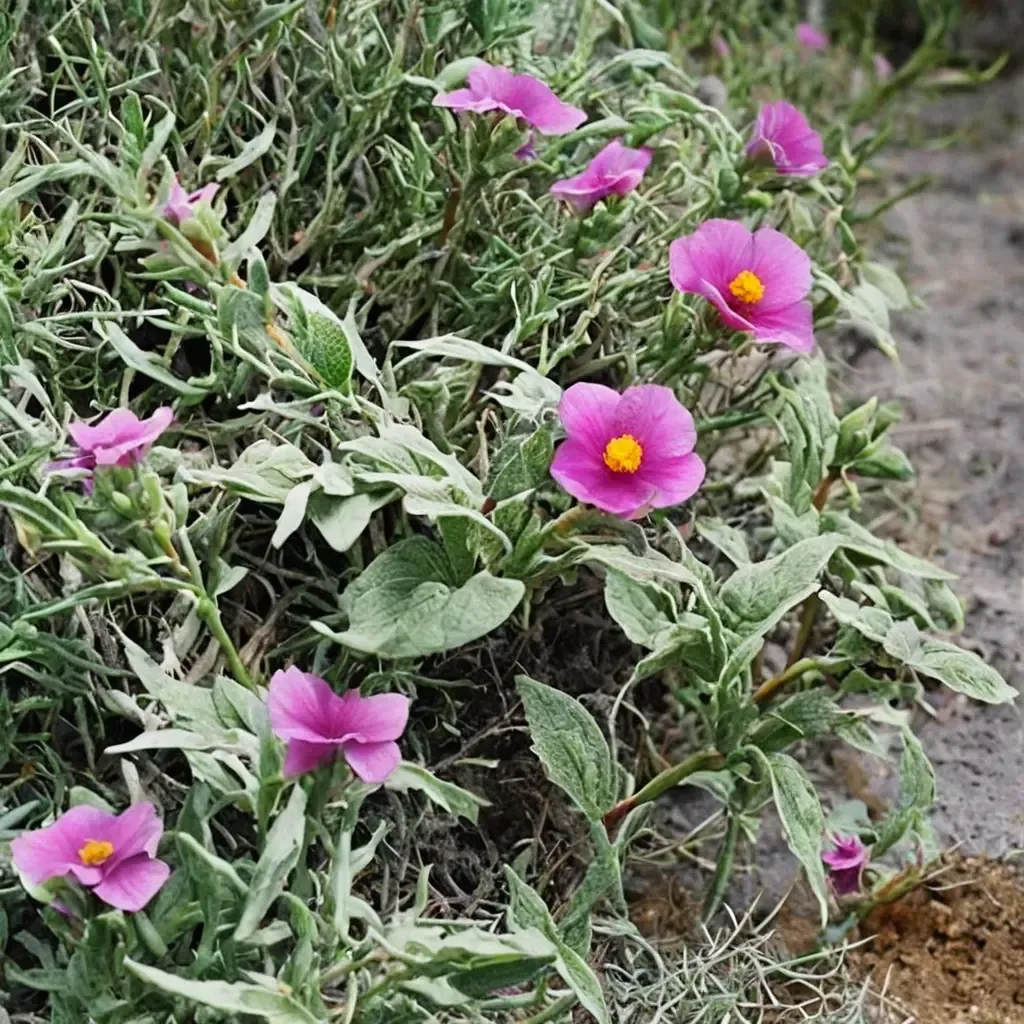
Hoary Rockrose
Cistus incanus
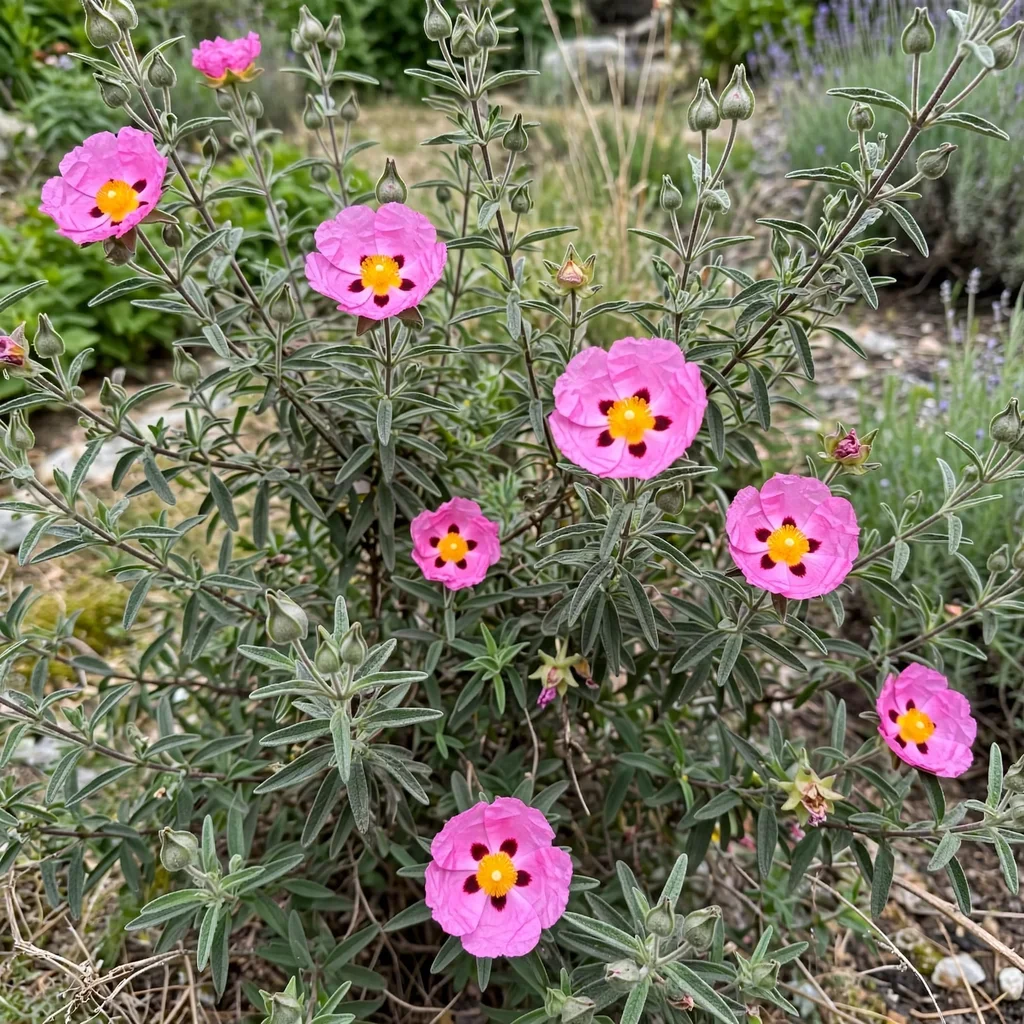
Victor Reiter Rockrose
Cistus x purpureus 'Victor Reiter'
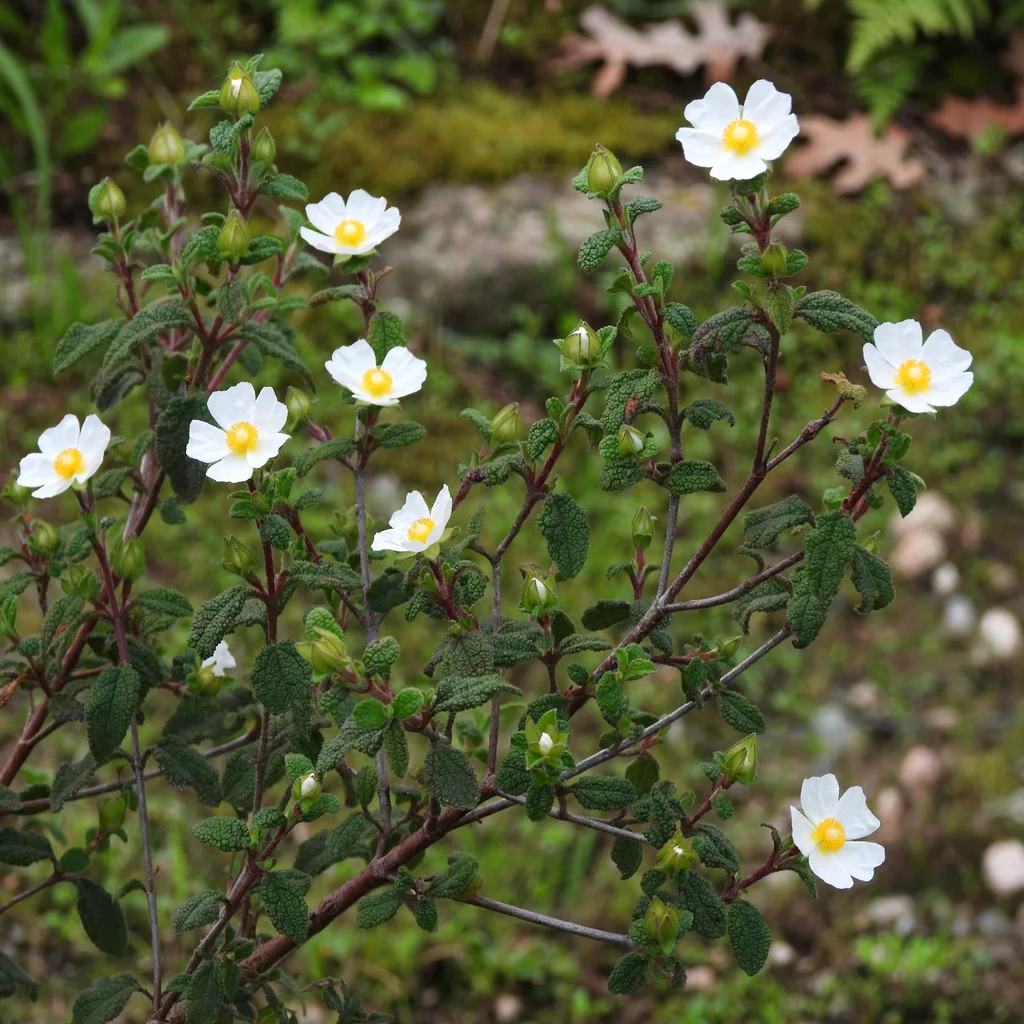
Sage-Leaved Rock-Rose
Cistus salviifolius

Dwarf Pink Rockrose
Cistus x skanbergii
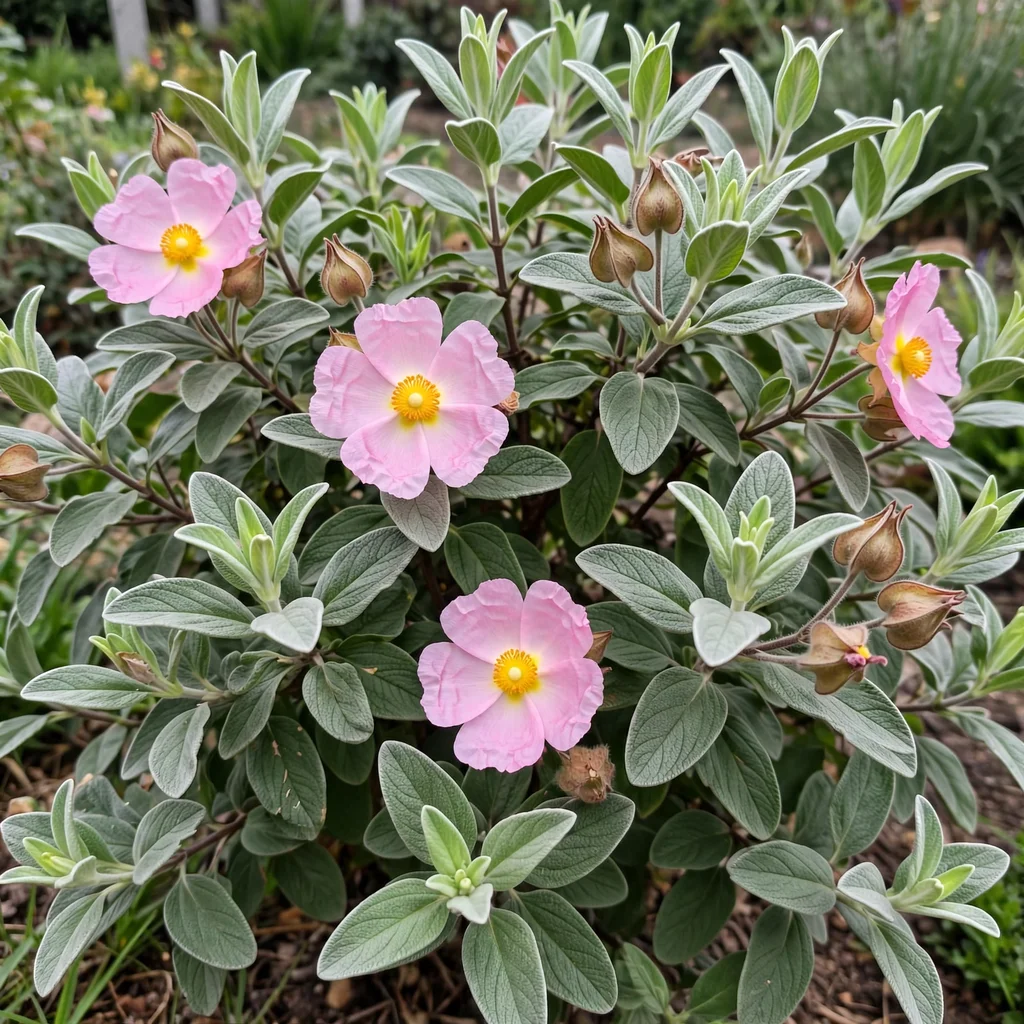
Silver Pink Rockrose
Cistus argenteus 'Silver Pink'
Keep exploring
Explore the genus
Hardy in your zone?
Grow Rockrose with confidence
See it in a design of your actual yard, get zone-matched care reminders, and track it season by season in your garden journal.