The Story
Plant Bio
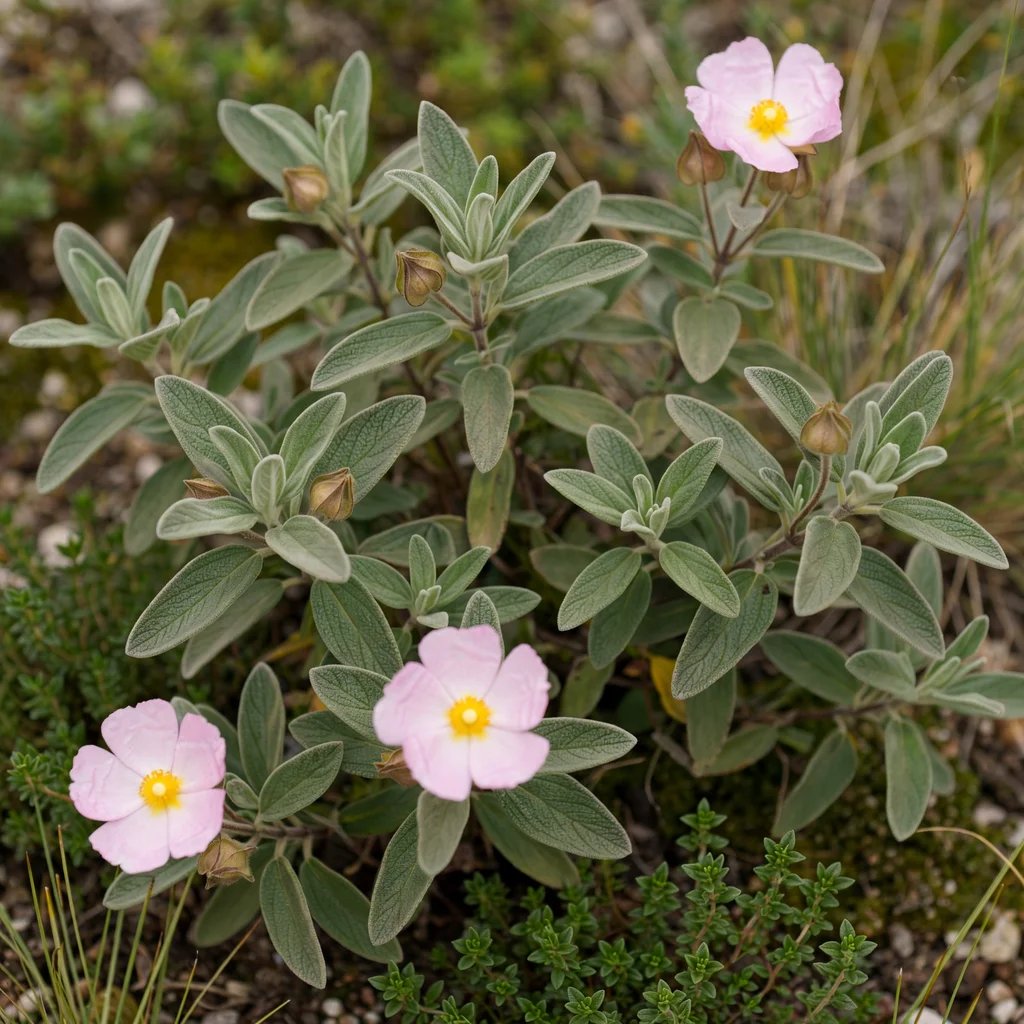
Cistus, the rockroses, are evergreen Mediterranean shrubs with opposite leaves coated in aromatic resin and hairs that slow water loss in hot, dry summers. The flowers are short-lived papery saucers with five petals and a boss of yellow stamens that drop petals by evening and open new buds over many weeks.
Cistus x skanbergii is a low, dense spreading mound 2 to 3 feet tall and 4 to 6 feet wide with narrow gray-green leaves that are soft-downy and sage-scented when crushed. It carries masses of clear pale pink 1-inch saucers with bright golden-yellow stamens from late spring into summer, with a lighter rebloom into fall.
Uses & Benefits:
Essentials
At a Glance
Plant Type
Shrub
Height
36"
Width
60"
Light
Full Sun, Partial Sun
Zones
7, 8, 9, 10
Water
Very low
Humidity
Low - prefers dry air
Lifespan
Short-lived, 5-10 years
Native To
E. Mediterranean - Cyprus, Sicily
Toxicity
Non-toxic
Bloom period
Late spring – Summer
In flower about 4 months of the year
Planting
How to Grow
- Choose full sun with 6 to 8 hours and open air; plant high on poor sand, loam, or chalk that drains fast.
- Dig a hole no deeper than the root ball, set the crown slightly proud, and backfill with native soil with no fertilizer or rich amendment.
- Water deeply at planting, then taper off; once established water occasionally to not at all.
- Shear lightly after the spring flush to remove spent flowers; never cut into old leafless wood.
Pro Tip
Plant it high in full sun on poor gravel and leave it alone; overwatering, rich soil, hard pruning, or moving kill it faster than drought ever will.
Keep It Thriving
Care Guide
Do
- Plant young in the final sunny spot in sharply drained poor soil
- Water sparingly once established and keep winter soil on the dry side
- Shear lightly after spring bloom to keep the mound dense
Don't
- Do not overwater or set in heavy clay that stays wet in winter
- Do not fertilize or enrich soil with compost and manure
- Do not cut into old wood or dig and move mature plants
Seasonal Care Calendar
| Task | Jan | Feb | Mar | Apr | May | Jun | Jul | Aug | Sep | Oct | Nov | Dec |
|---|---|---|---|---|---|---|---|---|---|---|---|---|
| Mulch | ||||||||||||
| Pest Check | ||||||||||||
| Plant | ||||||||||||
| Prune | ||||||||||||
| Winter Prep |
Watch Out For
Pests & Diseases
Common Pests
Common Diseases
In the Garden
Landscape Uses & Companions
Landscape Uses
Multiply
Propagation Methods
Good to Know
Common Questions
Dwarf Pink Rockrose questions
What zones can Dwarf Pink Rockrose grow in?
Dwarf Pink Rockrose is hardy in USDA Zones 7–10: in that range it survives winter in the ground. Colder than Zone 7, grow it in a container you can move to shelter for the winter.
When does Dwarf Pink Rockrose bloom?
Dwarf Pink Rockrose typically blooms from late spring to late summer. Exact timing shifts a week or two with your zone — Sow's bloom calendar maps it to your garden.
Does Dwarf Pink Rockrose need full sun?
Dwarf Pink Rockrose does best in full sun to part shade. In hot climates, afternoon shade keeps blooms fresher longer.
Is Dwarf Pink Rockrose drought tolerant?
Yes — once established (usually after the first full season), Dwarf Pink Rockrose handles dry spells with minimal watering. Water deeply its first year to build the root system that makes that possible.
More Cistus to compare
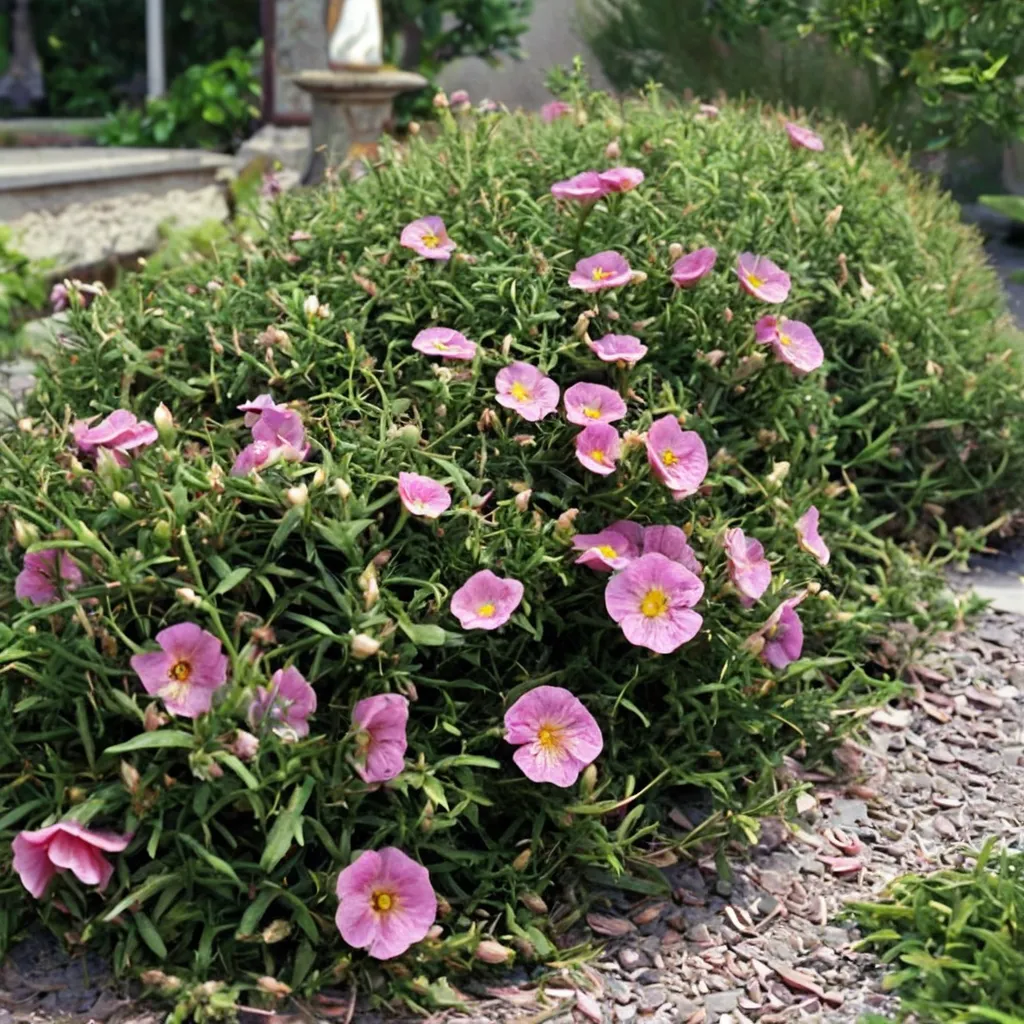
Orchid Rockrose
Cistus x purpureus
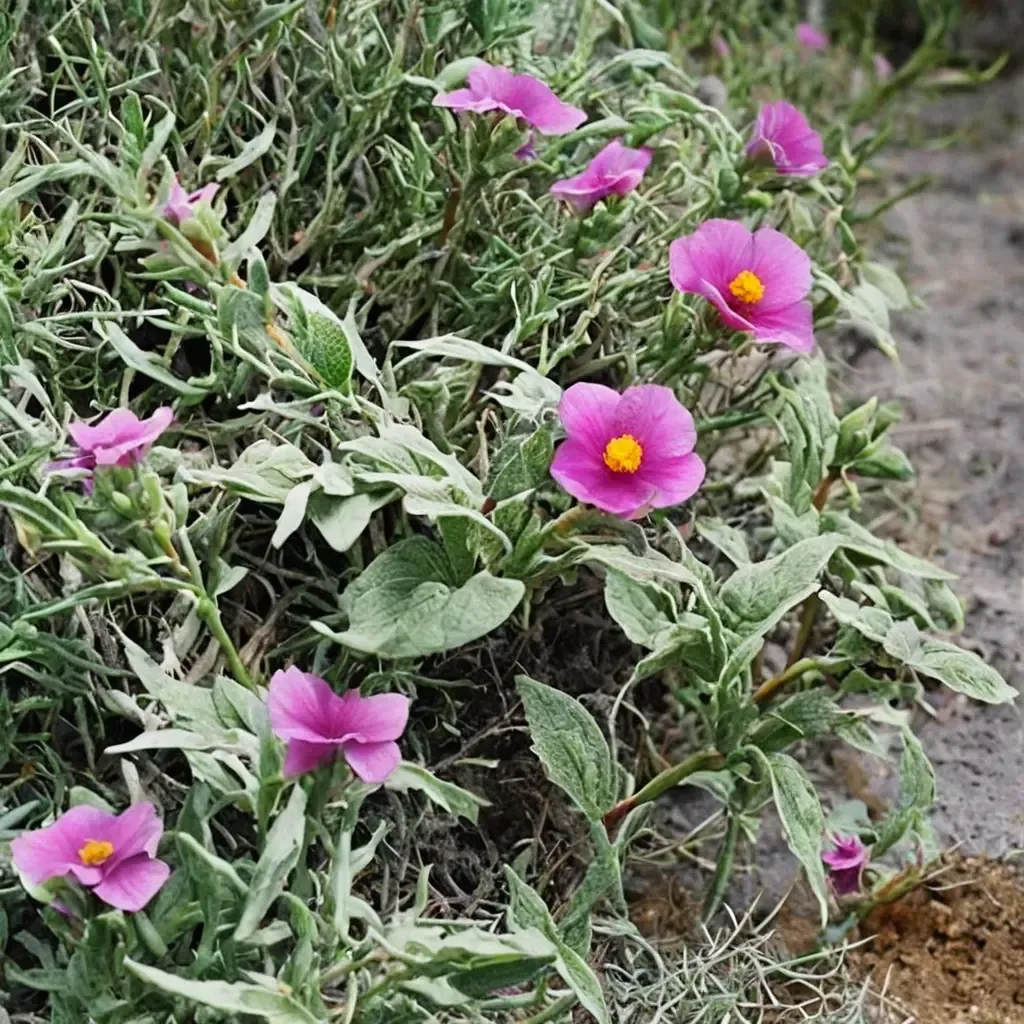
Hoary Rockrose
Cistus incanus
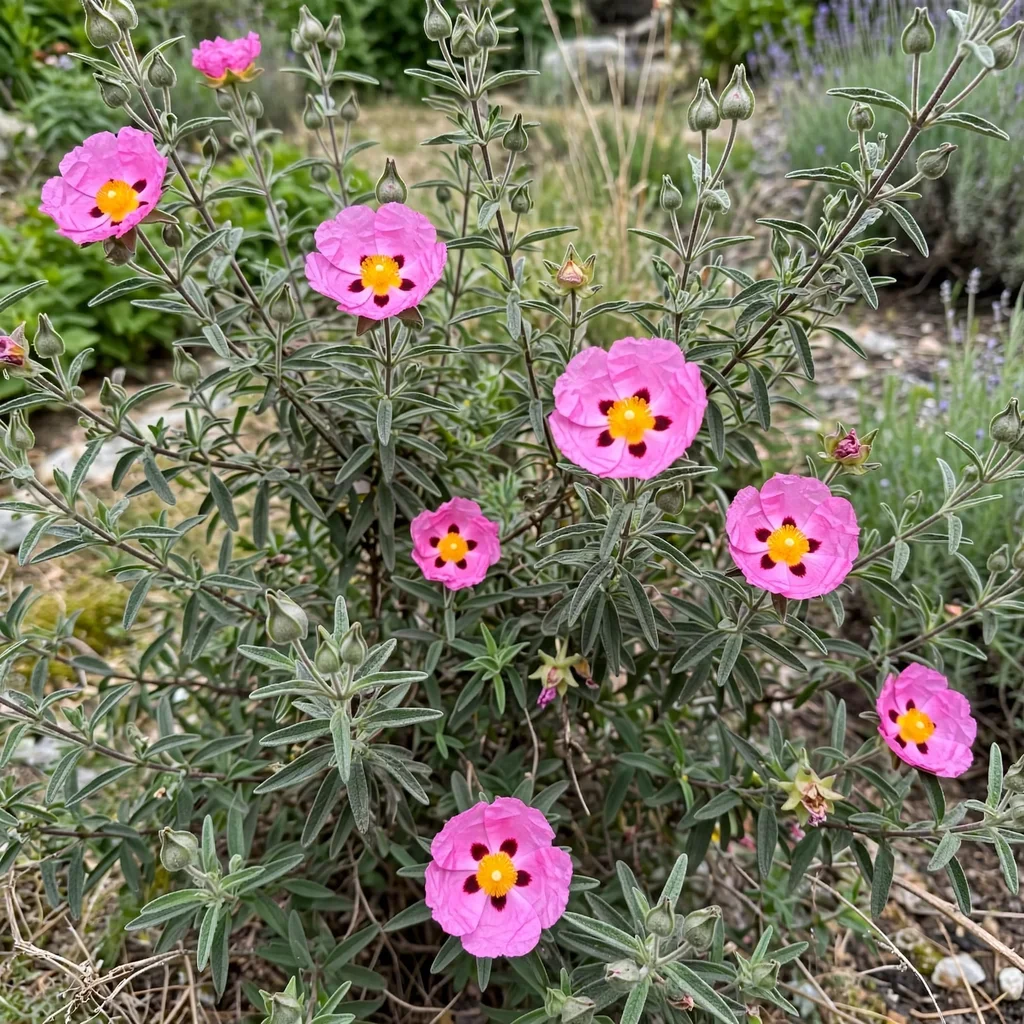
Victor Reiter Rockrose
Cistus x purpureus 'Victor Reiter'
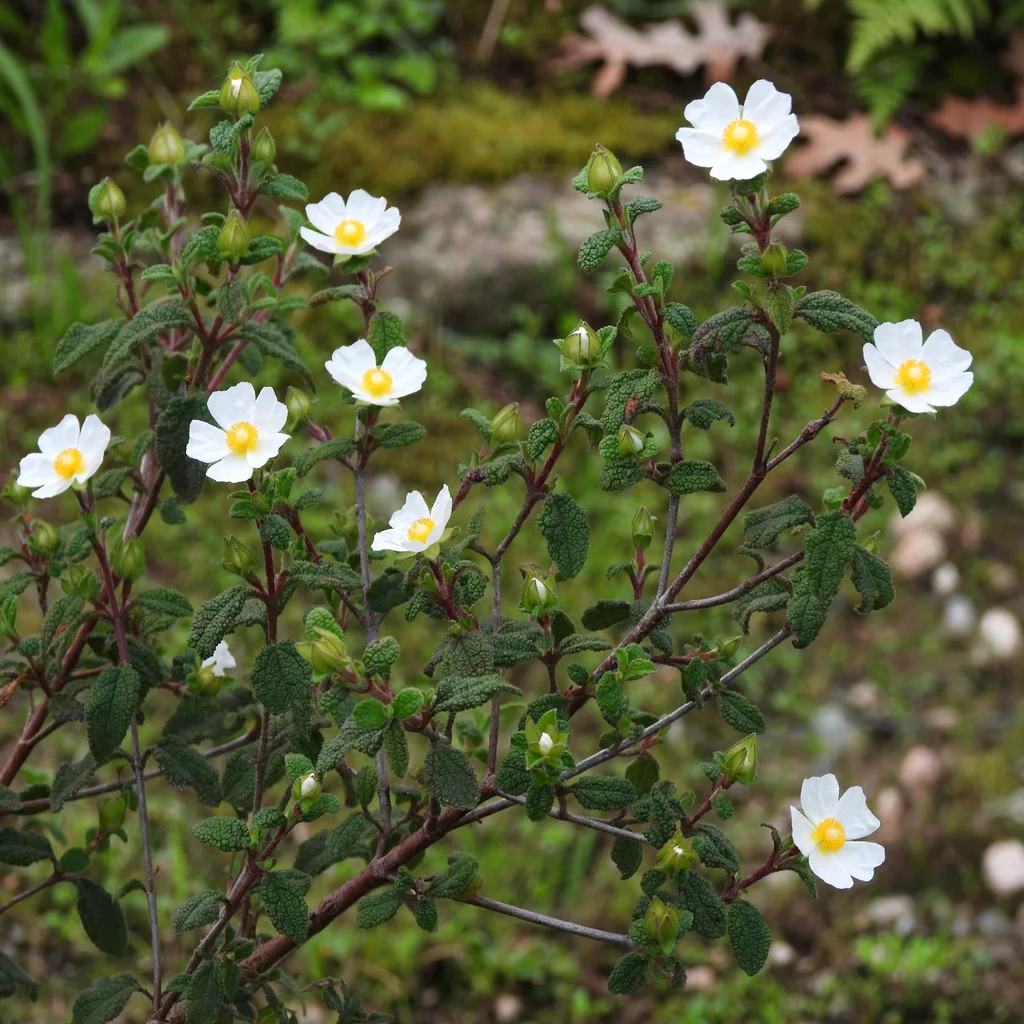
Sage-Leaved Rock-Rose
Cistus salviifolius
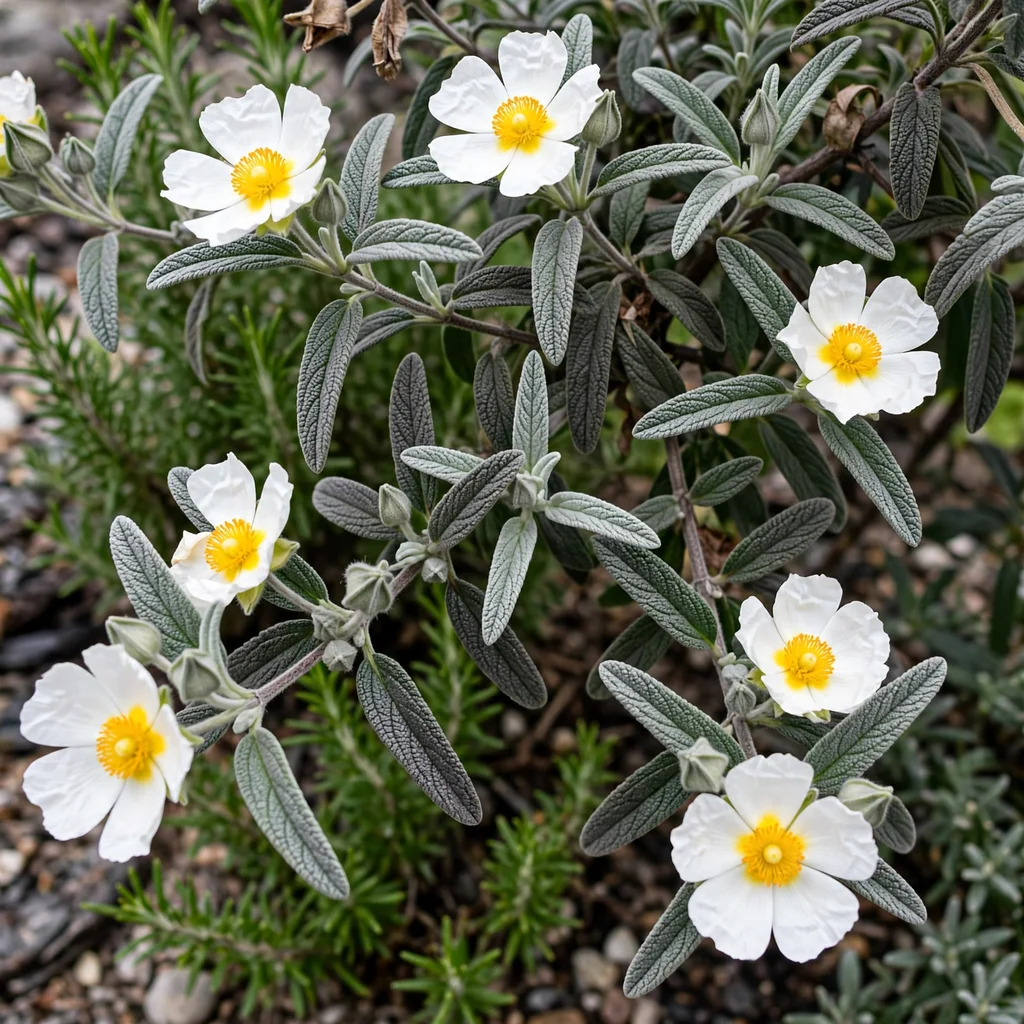
Rockrose
Cistus x pauranthus
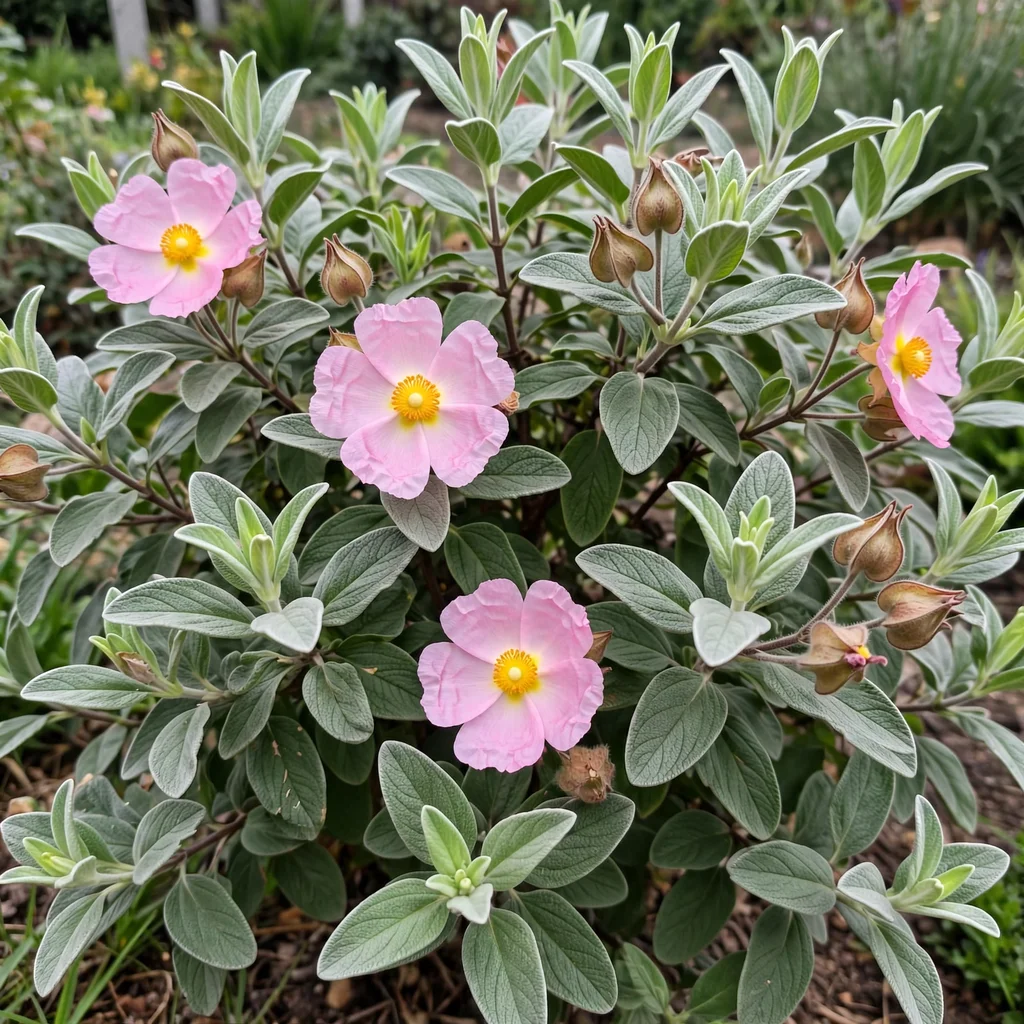
Silver Pink Rockrose
Cistus argenteus 'Silver Pink'
Keep exploring
Explore the genus
Hardy in your zone?
Grow Dwarf Pink Rockrose with confidence
See it in a design of your actual yard, get zone-matched care reminders, and track it season by season in your garden journal.