The Story
Plant Bio
Epilobium is a genus of slender, highly branched herbaceous perennials with narrow stem leaves and four-petaled flowers followed by long slender capsules that split to release plumed seed. Plants grow from a suckering crown into upright to sprawling stems, with foliage persisting through the growing season before dying back in cold winters.
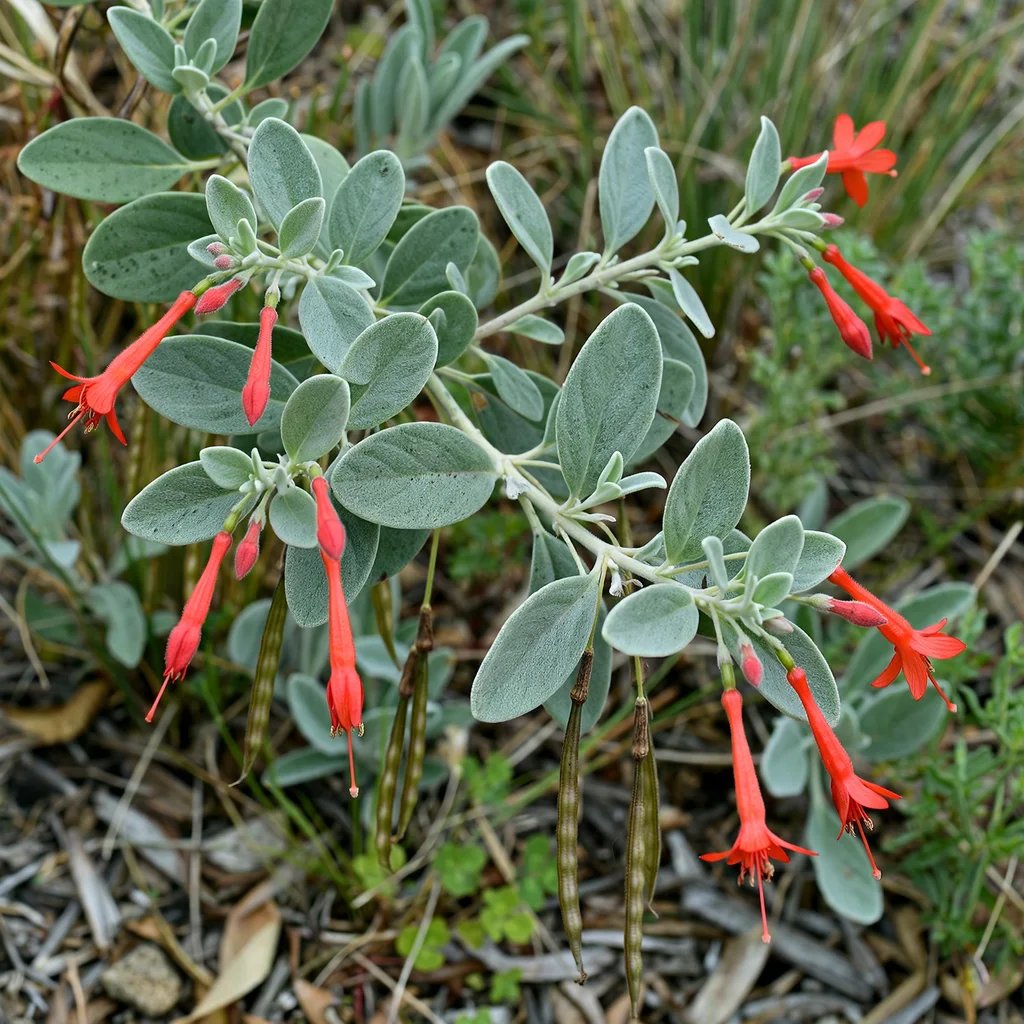
The nursery plant sold as Epilobium californicum is the California fuchsia, with gray-green leathery leaves and large tubular red-orange flowers shaped for hummingbird pollination. The true Epilobium ciliatum is instead a fringed willowherb with small pink-white flowers about one centimeter long and slender capsules to eight centimeters.
Uses & Benefits:
Essentials
At a Glance
Plant Type
Perennial
Height
30"
Width
42"
Light
Full Sun, Partial Sun
Zones
7, 8, 9, 10
Water
Low
Humidity
Low
Lifespan
Perennial
Native To
Western North America
Toxicity
Unknown
Bloom period
Summer – Fall
In flower about 6 months of the year
Planting
How to Grow
- Plant in full sun to light part shade in lean, rocky or sandy soil with sharp drainage.
- Set the crown level with the soil surface and firm gravelly backfill to prevent stem rot.
- Water deeply at planting, then taper to deep infrequent soakings once roots establish.
- Leave summer growth uncut to feed fall bloom, then cut all stems to the crown in late winter.
- Space plants 3 feet apart for air flow and keep overhead water off the leaves.
Pro Tip
Cut all stems to the basal crown in late winter; flowers form on the season's new growth and old sprawling stems rebloom poorly.
Keep It Thriving
Care Guide
Do
- Grow in excellent drainage with dry to medium-moist soil.
- Give full sun for the heaviest summer to fall bloom.
- Check leaf undersides in summer for mites and aphids.
Don't
- Do not overwater or plant in soggy ground.
- Do not cut back into old leafless wood during the growing season.
- Do not fertilize heavily; rich soil makes soft sprawling growth.
Seasonal Care Calendar
| Task | Jan | Feb | Mar | Apr | May | Jun | Jul | Aug | Sep | Oct | Nov | Dec |
|---|---|---|---|---|---|---|---|---|---|---|---|---|
| Deadhead | ||||||||||||
| Mulch | ||||||||||||
| Pest Check | ||||||||||||
| Plant | ||||||||||||
| Prune |
Watch Out For
Pests & Diseases
Common Pests
Common Diseases
In the Garden
Landscape Uses & Companions
Landscape Uses
Multiply
Propagation Methods
Good to Know
Common Questions
California Fuchsia questions
What zones can California Fuchsia grow in?
California Fuchsia is hardy in USDA Zones 7–10: in that range it survives winter in the ground. Colder than Zone 7, grow it in a container you can move to shelter for the winter, or as an annual.
When does California Fuchsia bloom?
California Fuchsia typically blooms from summer to fall. Exact timing shifts a week or two with your zone — Sow's bloom calendar maps it to your garden.
Does California Fuchsia need full sun?
California Fuchsia does best in full sun to part shade. In hot climates, afternoon shade keeps blooms fresher longer.
Is California Fuchsia drought tolerant?
Yes — once established (usually after the first full season), California Fuchsia handles dry spells with minimal watering. Water deeply its first year to build the root system that makes that possible.
More Epilobium to compare
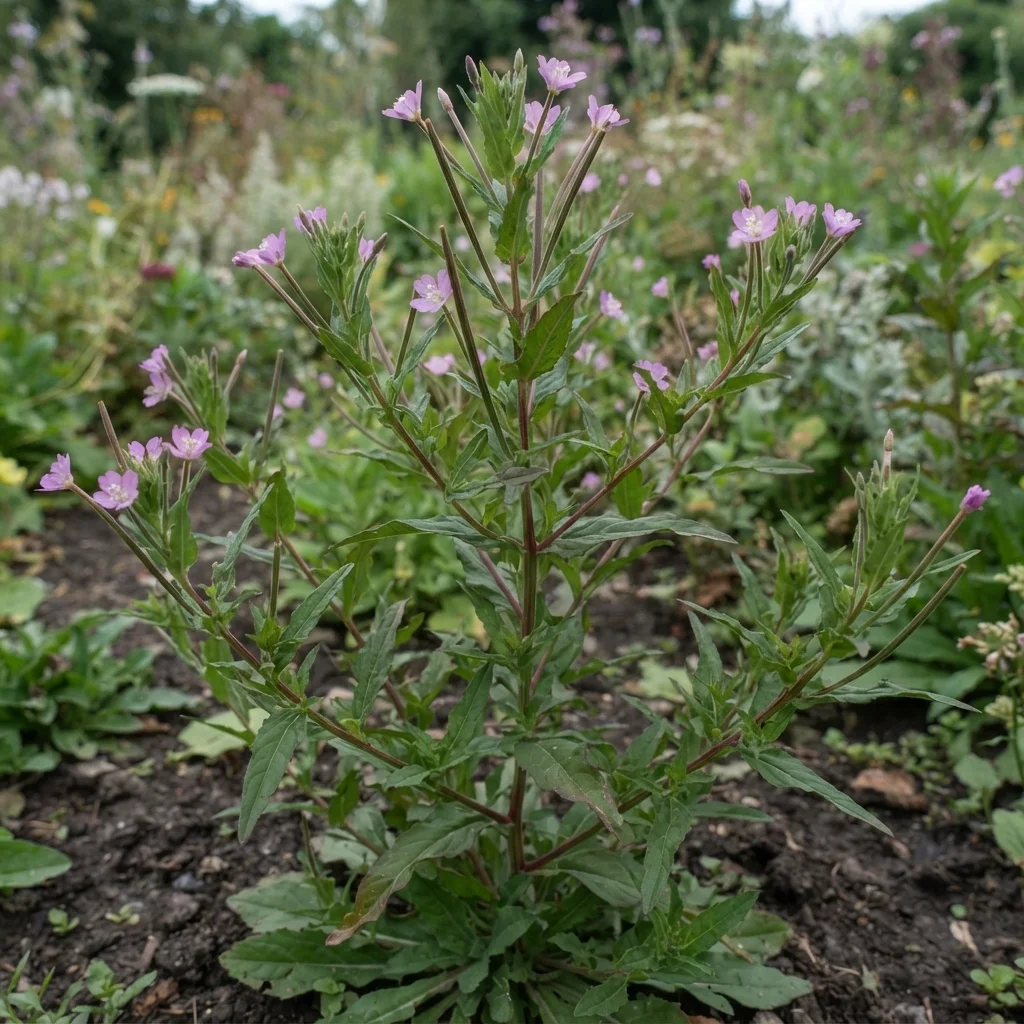
Square-stemmed willowherb
Epilobium tetragonum
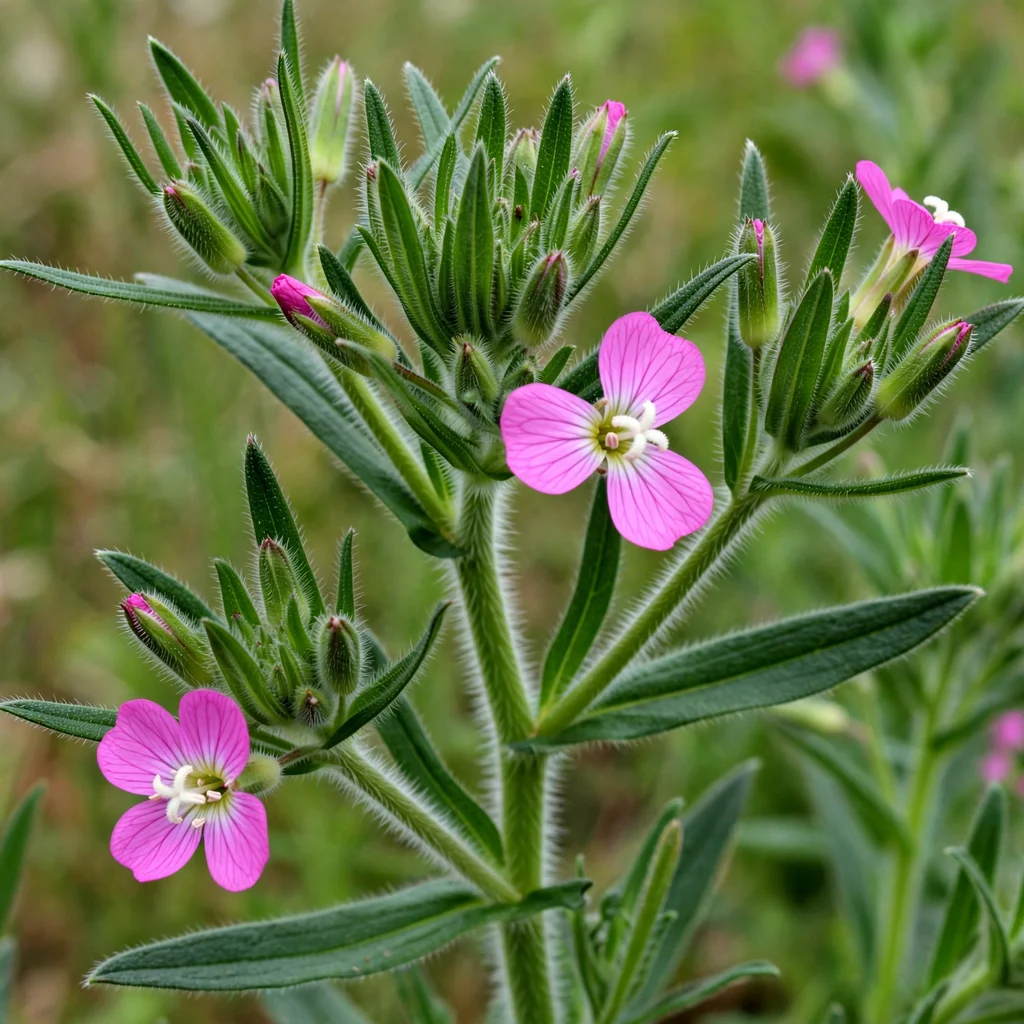
Great Willowherb
Epilobium hirsutum
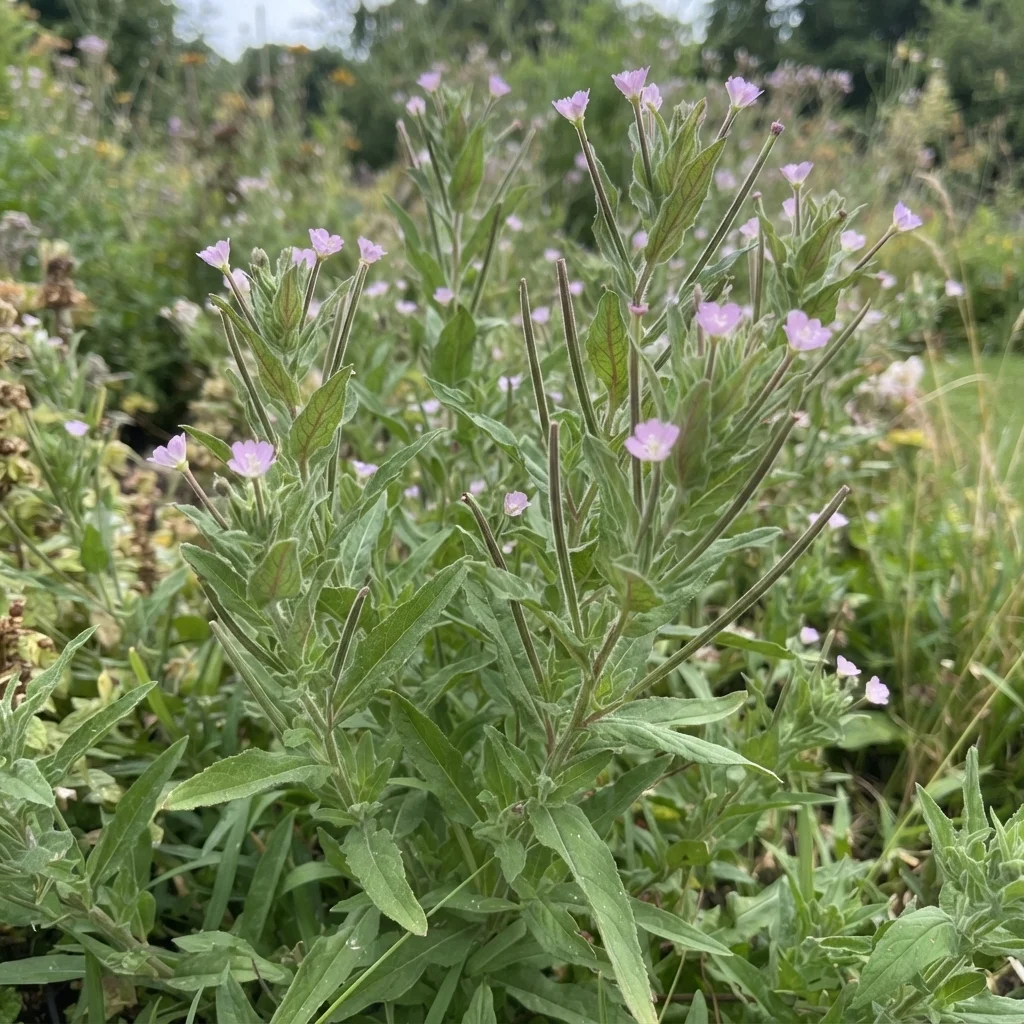
Smallflower Hairy Willowherb
Epilobium parviflorum
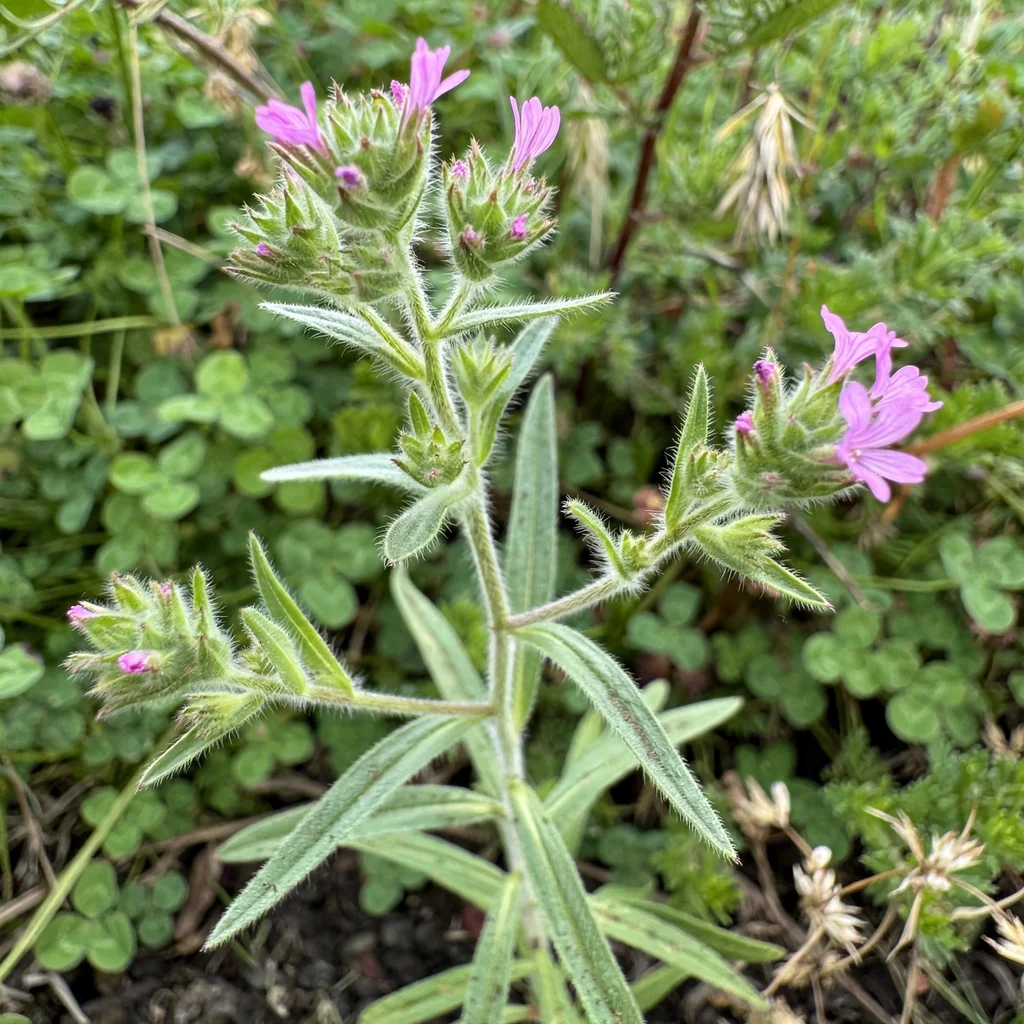
Denseflower Willowherb
Epilobium densiflorum
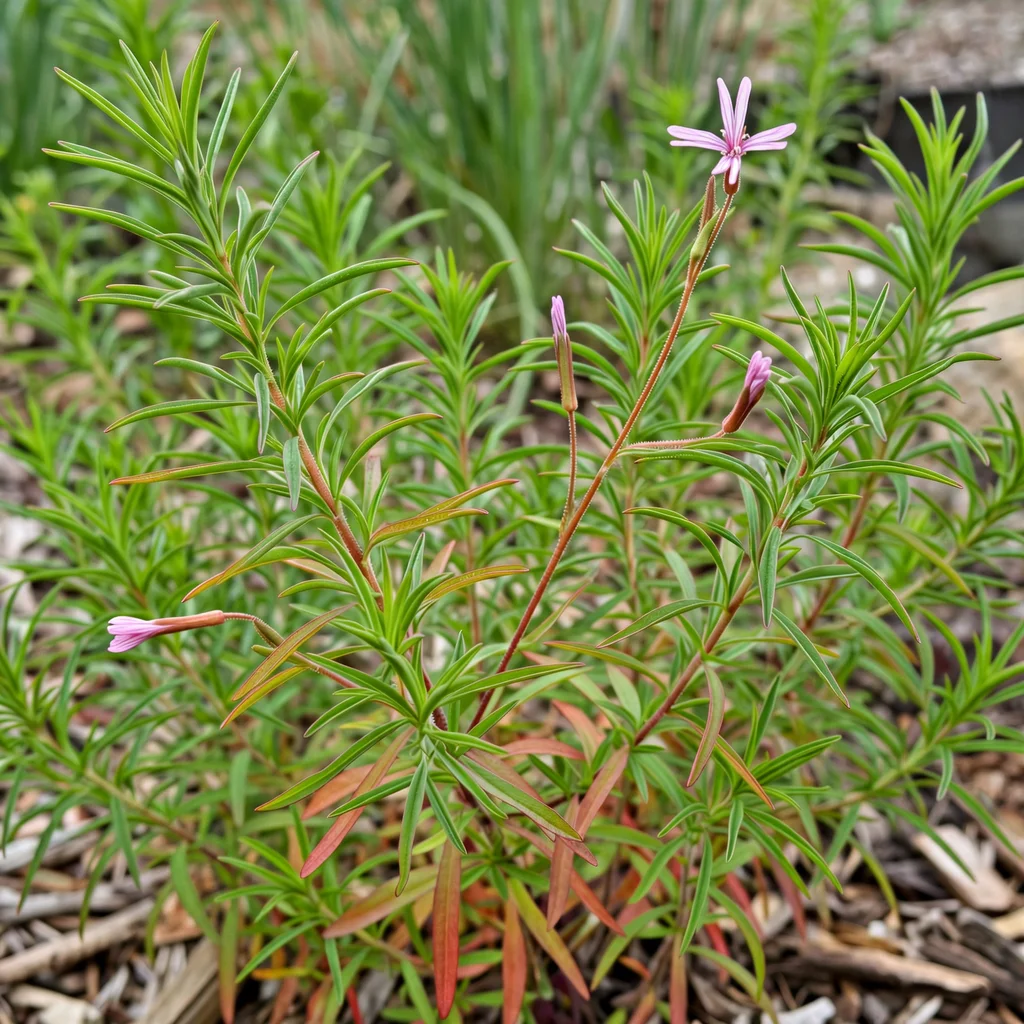
Tall Annual Willowherb
Epilobium brachycarpum
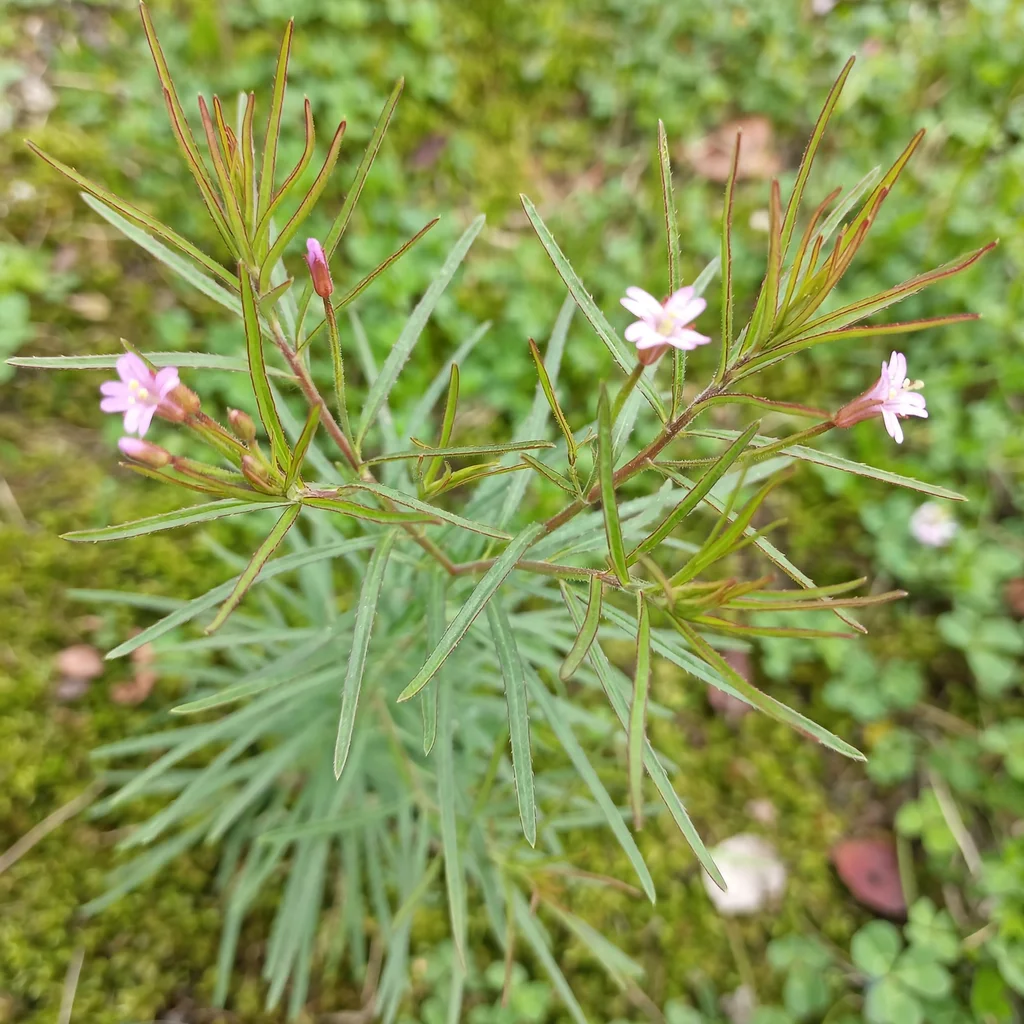
Fringed Willowherb
Epilobium ciliatum
Keep exploring
Explore the genus
Hardy in your zone?
Grow California Fuchsia with confidence
See it in a design of your actual yard, get zone-matched care reminders, and track it season by season in your garden journal.