
The Story
Plant Bio
Delphinium glaucum, known as Sierra larkspur, is an upright herbaceous perennial native to moist high-elevation mountain habitats across western North America. It produces stout, hollow stems with a waxy bluish-green coating that support dense terminal spires of blue-purple to violet blossoms.
Distinguished by its height and glaucous stems, this species features upper sepals extended into nectar spurs up to fifteen millimeters long. Its palmately divided foliage concentrates near the stem base, anchoring narrow racemes that flower through mid to late summer.
Uses & Benefits:
Essentials
At a Glance
Plant Type
Perennial
Height
118"
Width
35"
Light
Full Sun, Partial Sun
Zones
4, 5, 6, 7, 8
Water
High
Humidity
Low
Lifespan
Perennial
Native To
North America
Toxicity
Severe
Bloom period
Summer – Late summer
In flower about 3 months of the year
Planting
How to Grow
- Select a site in full sun to partial shade with fertile, organic-rich soil.
- Space plants 24 to 36 inches apart to ensure sufficient airflow around mature foliage.
- Install support stakes in early spring as new shoots emerge to hold tall flowering stems upright.
- Maintain consistent soil moisture throughout the growing season without allowing roots to sit in stagnant water.
Pro Tip
Stake the tall, hollow flower stems early in spring before they gain height to prevent breakage from wind and rain, and cut spent spikes down to basal foliage after blooming to encourage a secondary flush.
Keep It Thriving
Care Guide
Do
- Provide afternoon shade in warmer summer regions to protect plants from excessive heat.
- Apply organic mulch around the base to keep root systems cool and soil moist.
- Remove spent flower spikes promptly after bloom to promote potential reblooming.
Don't
- Do not allow soil around the roots to dry out completely during active growth.
- Avoid planting in heavy, poorly drained soils where crown rot develops.
- Do not handle plants without gloves if prone to skin irritation, and never ingest any plant part.
Seasonal Care Calendar
| Task | Jan | Feb | Mar | Apr | May | Jun | Jul | Aug | Sep | Oct | Nov | Dec |
|---|---|---|---|---|---|---|---|---|---|---|---|---|
| Deadhead | ||||||||||||
| Fertilize | ||||||||||||
| Mulch | ||||||||||||
| Stake | ||||||||||||
| Winter Prep |
Watch Out For
Pests & Diseases
Common Pests
Common Diseases
In the Garden
Landscape Uses & Companions
Landscape Uses
Multiply
Propagation Methods
Good to Know
Common Questions
Sierra Larkspur questions
What zones can Sierra Larkspur grow in?
Sierra Larkspur is hardy in USDA Zones 4–8: in that range it survives winter in the ground. Warmer than Zone 8, winter isn't the problem: it prefers colder winters, and summer heat can shorten its life.
Is Sierra Larkspur deer resistant?
Yes — Sierra Larkspur is rated deer-resistant. Deer typically pass it over, though extreme hunger can override any plant's defenses.
When does Sierra Larkspur bloom?
Sierra Larkspur typically blooms in summer. Exact timing shifts a week or two with your zone — Sow's bloom calendar maps it to your garden.
Does Sierra Larkspur need full sun?
Sierra Larkspur does best in full sun to part shade. In hot climates, afternoon shade keeps blooms fresher longer.
More Delphinium to compare
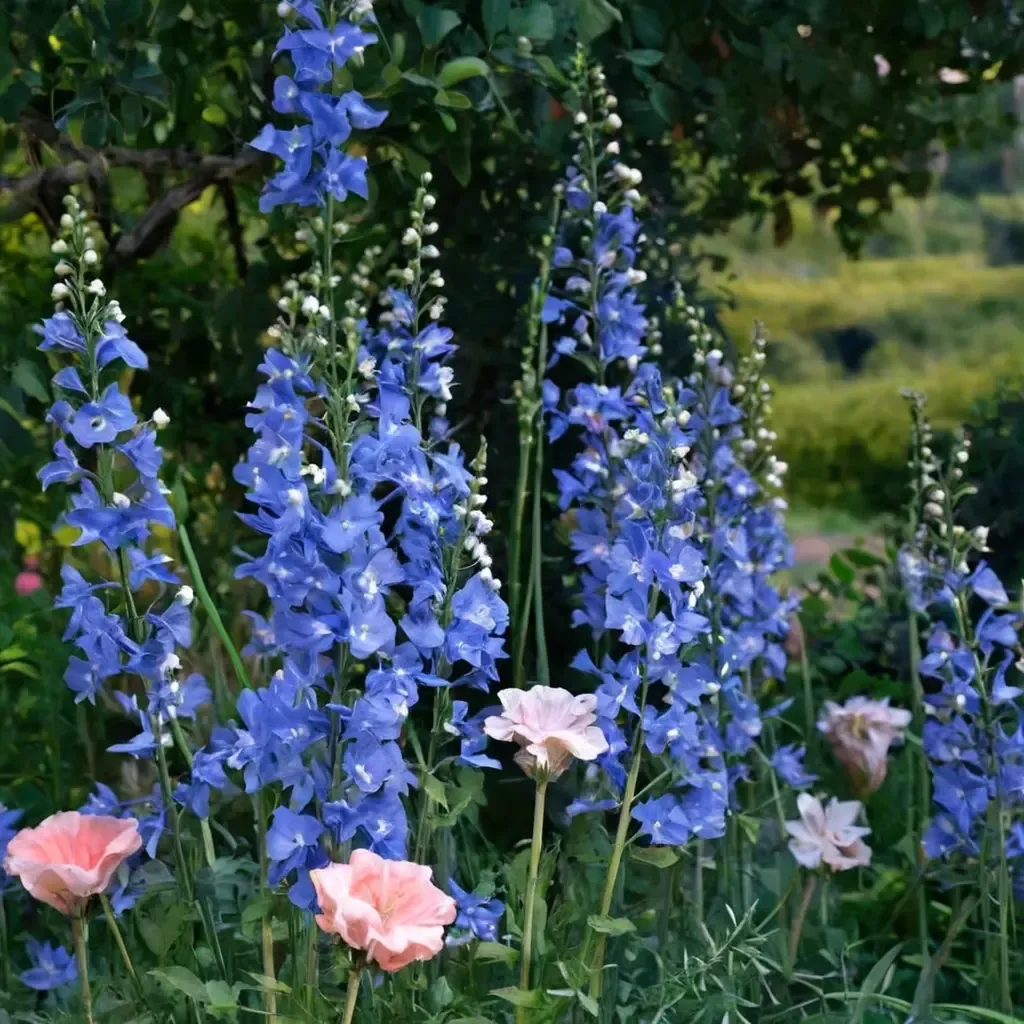
Delphinium 'Double Blue'
Delphinium elatum 'Double Blue'
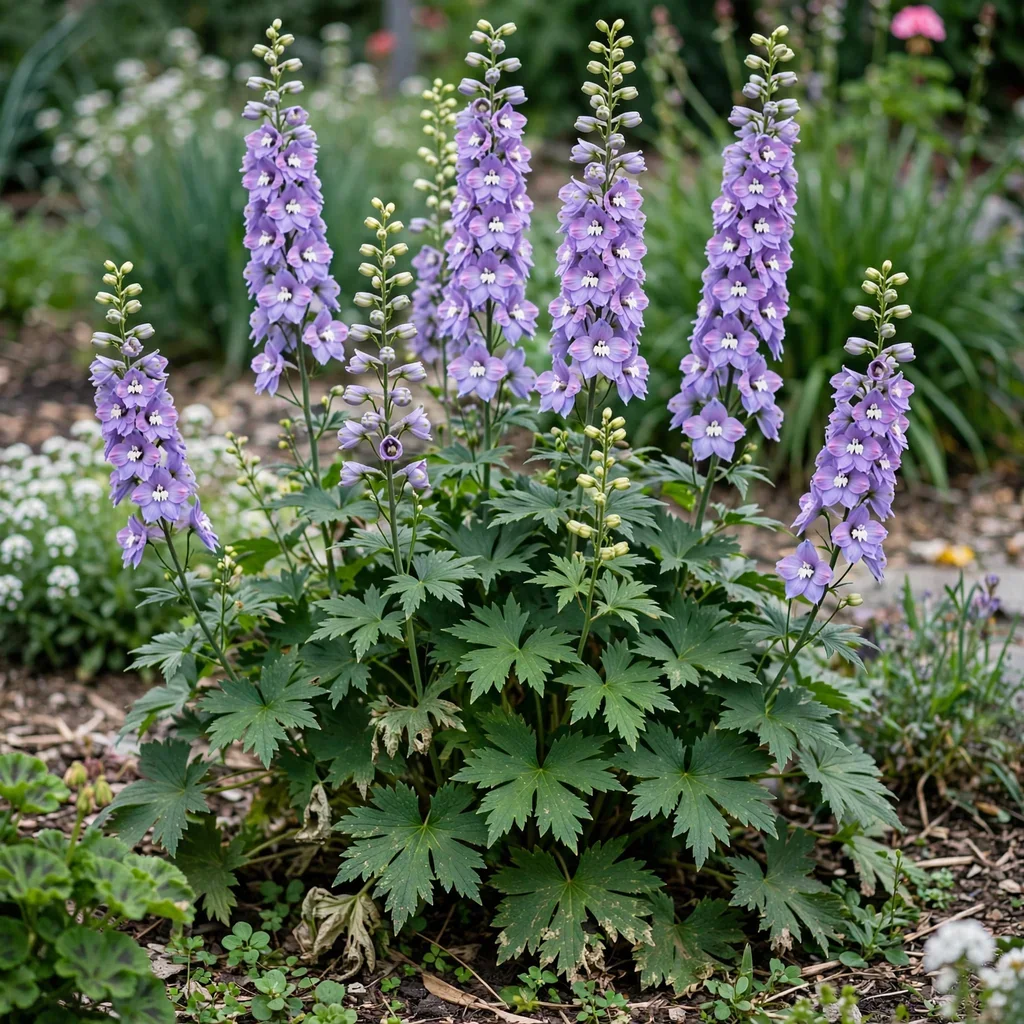
Larkspur
Delphinium elatum 'Magic Fountain Lavender'
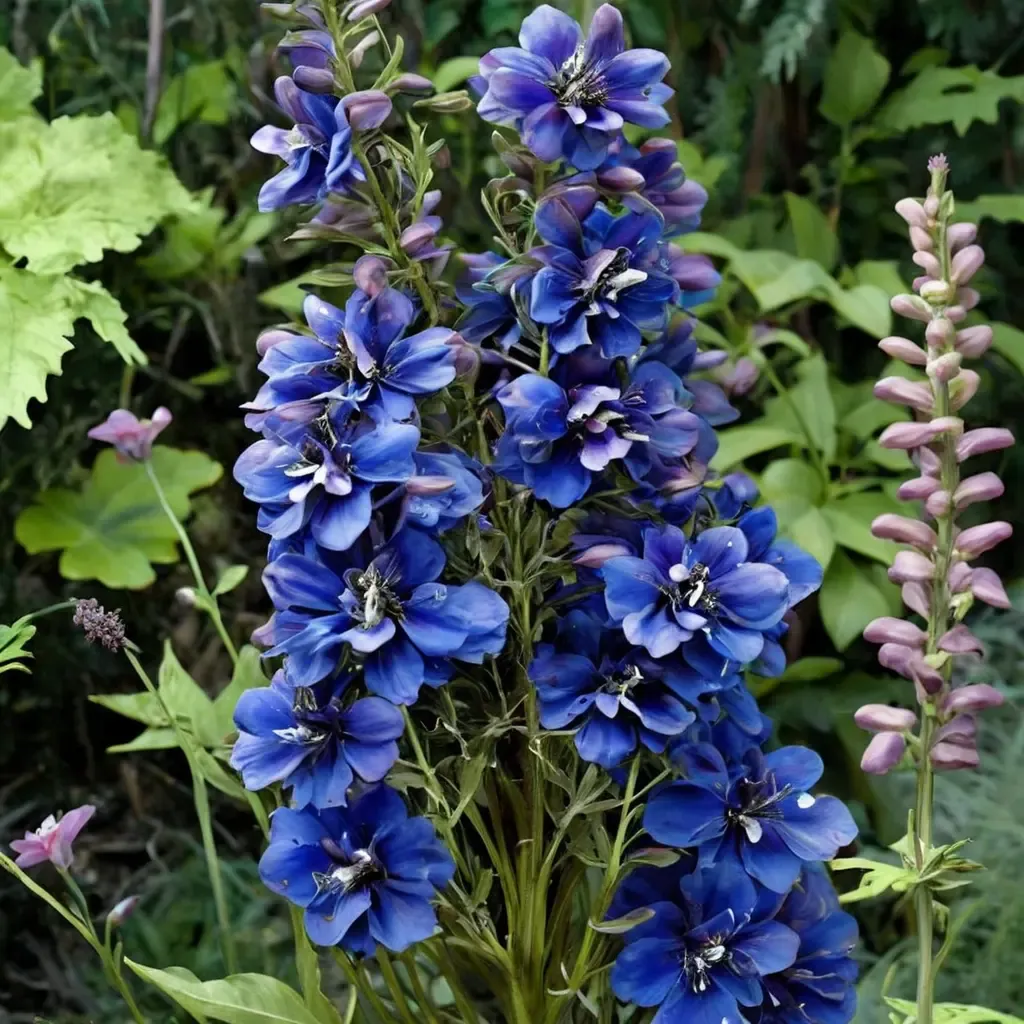
Belladonna Delphinium
Delphinium x belladonna 'Dark Blue Dark Bee'
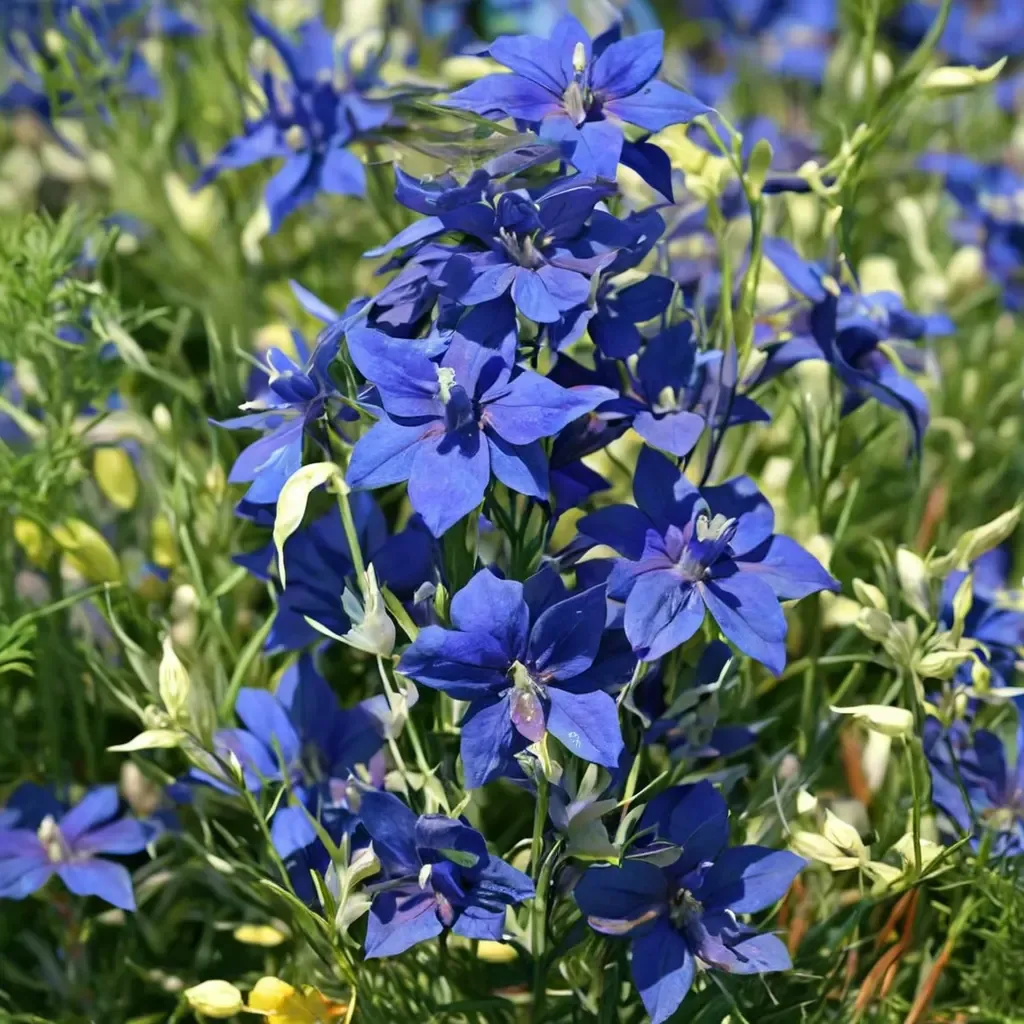
Summer Nights Larkspur
Delphinium elatum 'Summer Nights'
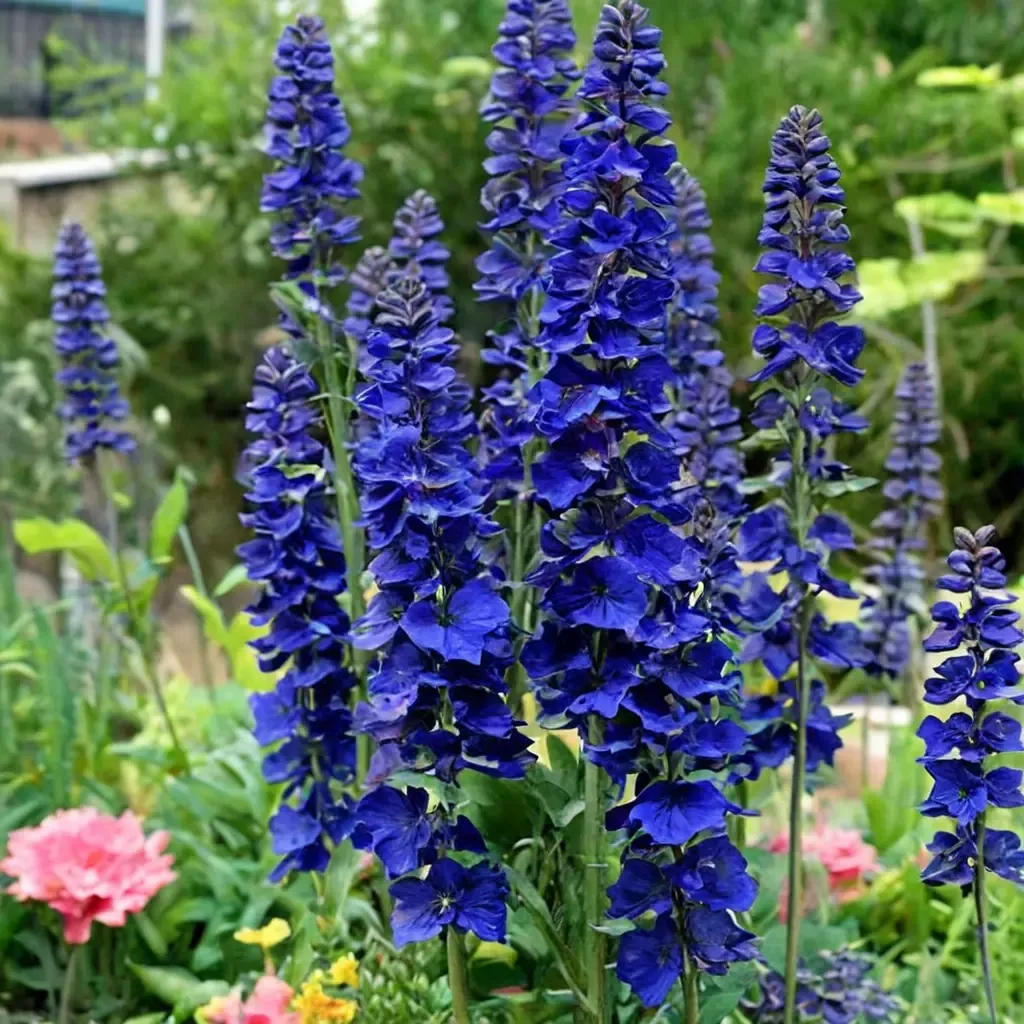
Faust Delphinium
Delphinium elatum 'Faust'
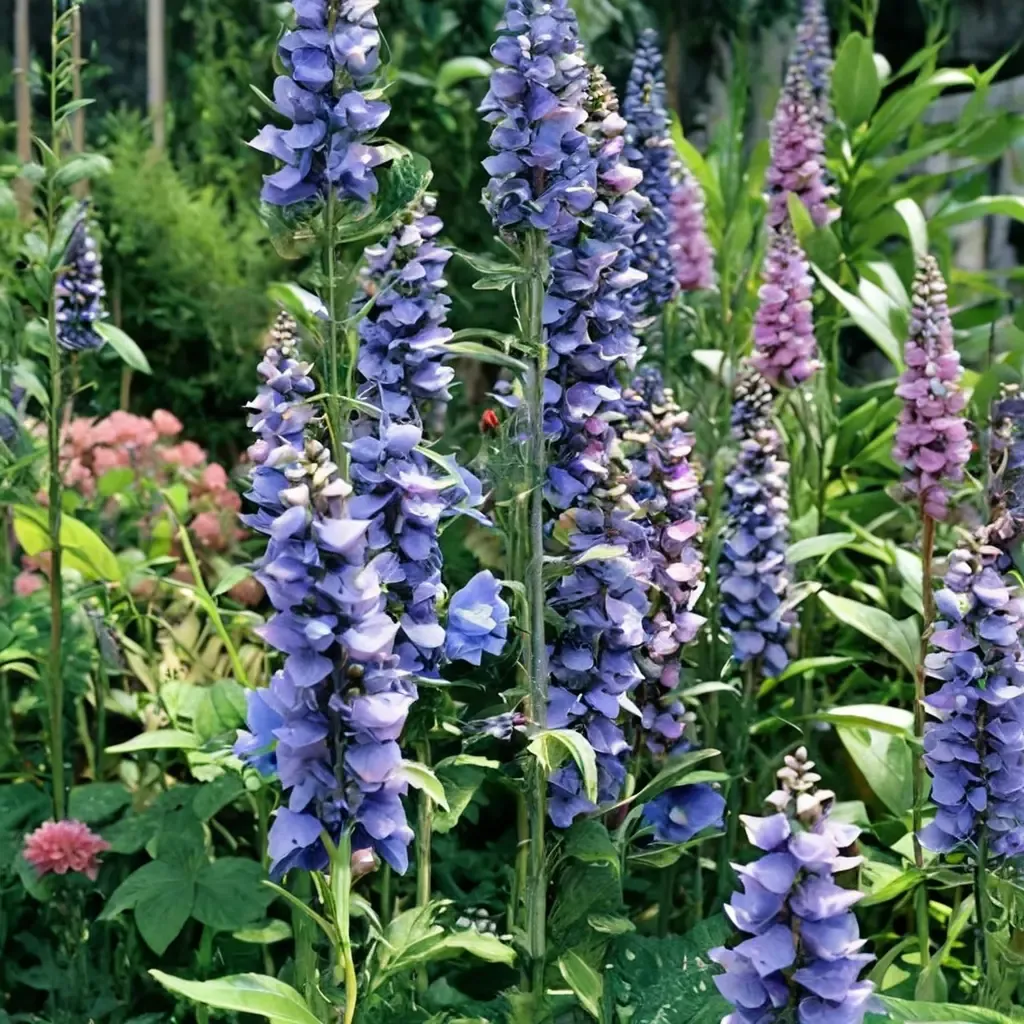
Pacific Giant Delphinium
Delphinium x belladonna 'Pacific Giant'
Keep exploring
Explore the genus
Hardy in your zone?
Grow Sierra Larkspur with confidence
See it in a design of your actual yard, get zone-matched care reminders, and track it season by season in your garden journal.