The Story
Plant Bio
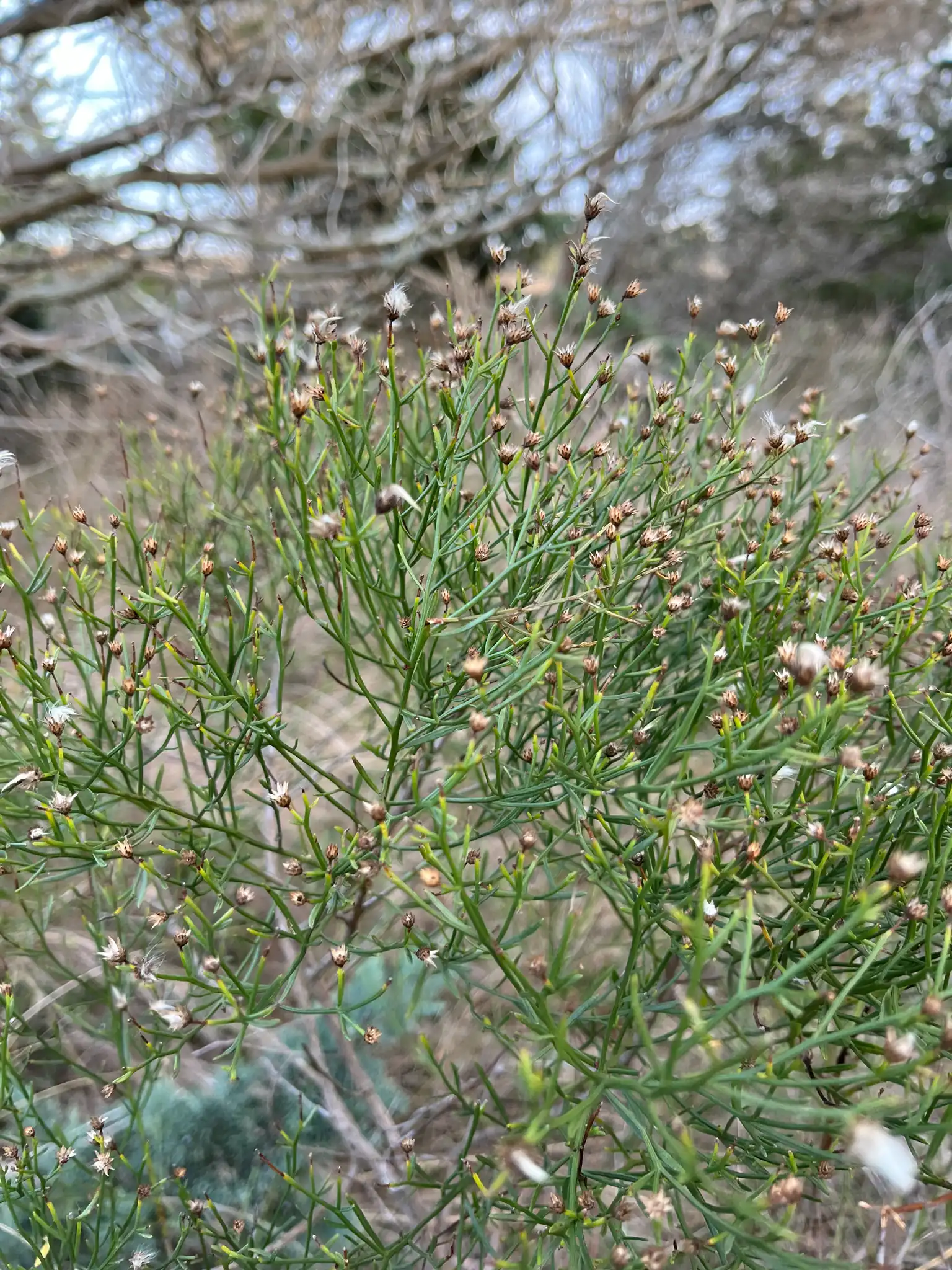
Baccharis angustifolia is a large, upright deciduous shrub native to coastal salt marshes, brackish swamps, and dune hollows across the southeastern United States and the Bahamas. It forms a dense foliage mass of narrow, willow-like leaves and bears small white flower clusters at the branch tips from late summer into fall.
This species is dioecious, featuring separate male and female plants where male flowers provide critical late-season nectar for migrating monarch butterflies and bees. Its remarkably narrow, single-veined succulent leaves and exceptional salt tolerance easily distinguish it from other coastal wetland shrubs.
Uses & Benefits:
Essentials
At a Glance
Plant Type
Shrub
Height
114"
Width
84"
Light
Full Sun
Zones
8, 9, 10
Water
High
Humidity
High
Lifespan
Perennial
Native To
Southeastern United States, Bahamas
Toxicity
Toxic to livestock
Bloom period
Late summer – Autumn
In flower about 4 months of the year
Planting
How to Grow
- Choose a full-sun site with moist, wet, or seasonally inundated soil.
- Dig a hole twice as wide as the root ball and set the plant at its original soil level.
- Water deeply at planting to settle the soil around the roots.
- Maintain consistent moisture during establishment, especially in sandy coastal soils.
Pro Tip
Plant in full sun with high soil moisture, and select male plants if you wish to prevent self-seeding and windblown cottony fluff.
Keep It Thriving
Care Guide
Do
- Keep soil consistently moist to wet, simulating its natural marsh environment.
- Site in full sun to ensure dense, vigorous branching.
- Prune in early spring before new growth begins if shaping is needed.
Don't
- Do not allow young plants to dry out completely during root establishment.
- Do not plant in heavily shaded woodland areas.
- Do not graze livestock nearby, as foliage is toxic to farm animals.
Seasonal Care Calendar
| Task | Jan | Feb | Mar | Apr | May | Jun | Jul | Aug | Sep | Oct | Nov | Dec |
|---|---|---|---|---|---|---|---|---|---|---|---|---|
| Mulch | ||||||||||||
| Pest Check | ||||||||||||
| Plant | ||||||||||||
| Prune |
Watch Out For
Pests & Diseases
Common Pests
Common Diseases
In the Garden
Landscape Uses & Companions
Landscape Uses
Companion Plants
Multiply
Propagation Methods
Good to Know
Common Questions
Saltwater False Willow questions
What zones can Saltwater False Willow grow in?
Saltwater False Willow is hardy in USDA Zones 8–10: in that range it survives winter in the ground. Colder than Zone 8, grow it in a container you can move to shelter for the winter.
When does Saltwater False Willow bloom?
Saltwater False Willow typically blooms from late summer to late fall. Exact timing shifts a week or two with your zone — Sow's bloom calendar maps it to your garden.
Does Saltwater False Willow need full sun?
Saltwater False Willow does best in full sun (6+ hours).
More Baccharis to compare
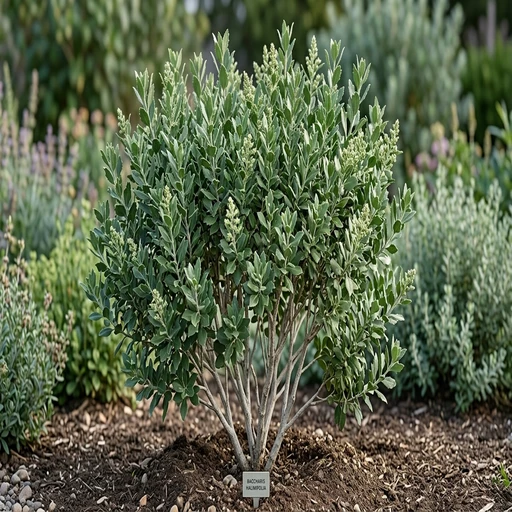
Sea Myrtle
Baccharis halimifolia
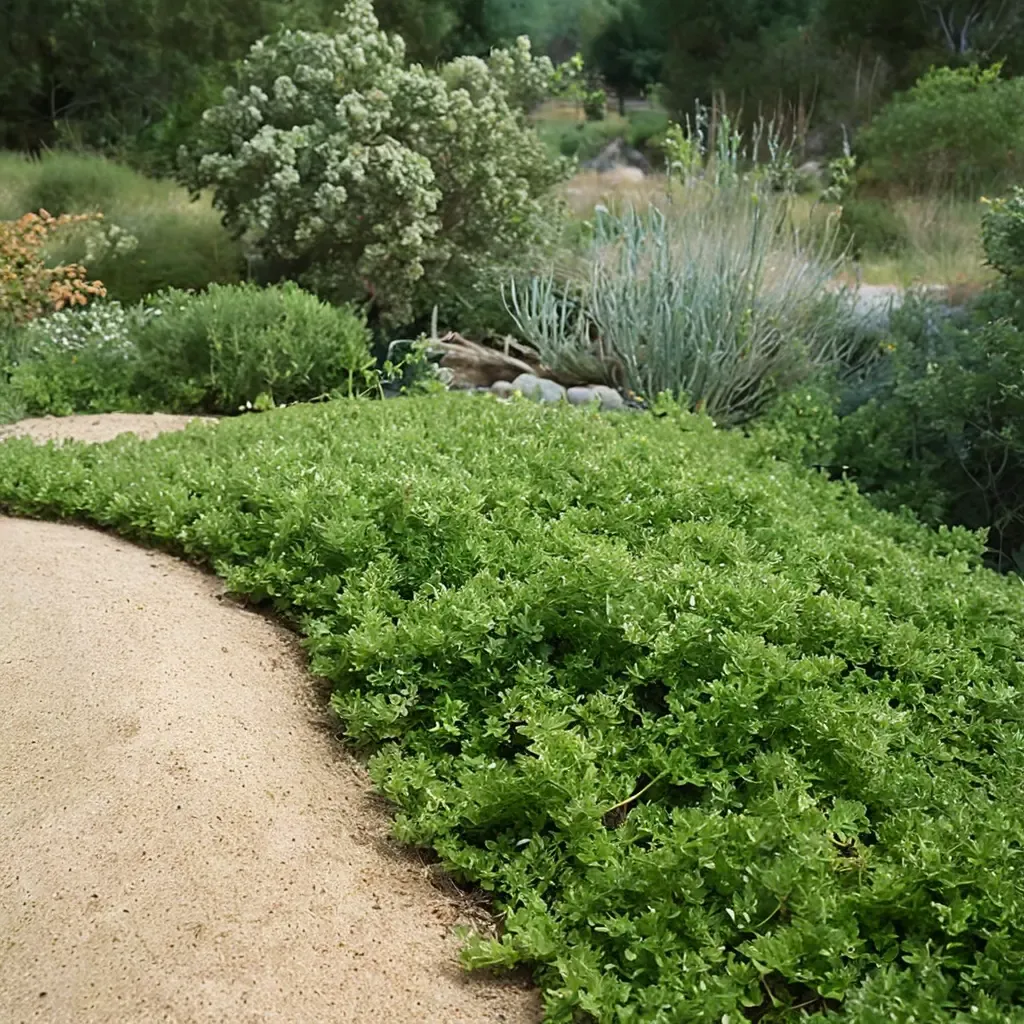
Pigeon Point Dwarf Coyote Bush
Baccharis pilularis 'Pigeon Point'
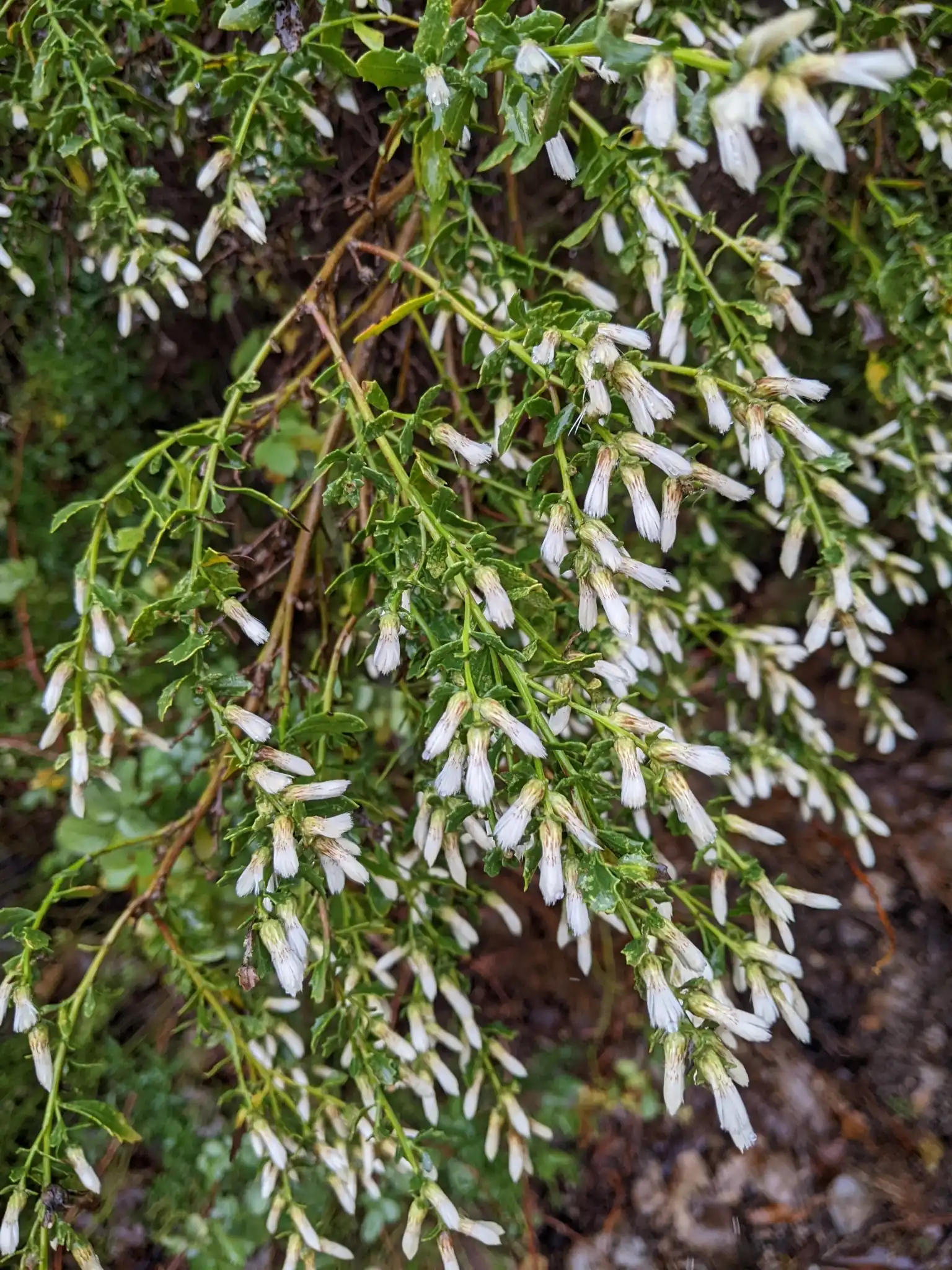
Dwarf Coyote Bush
Baccharis pilularis
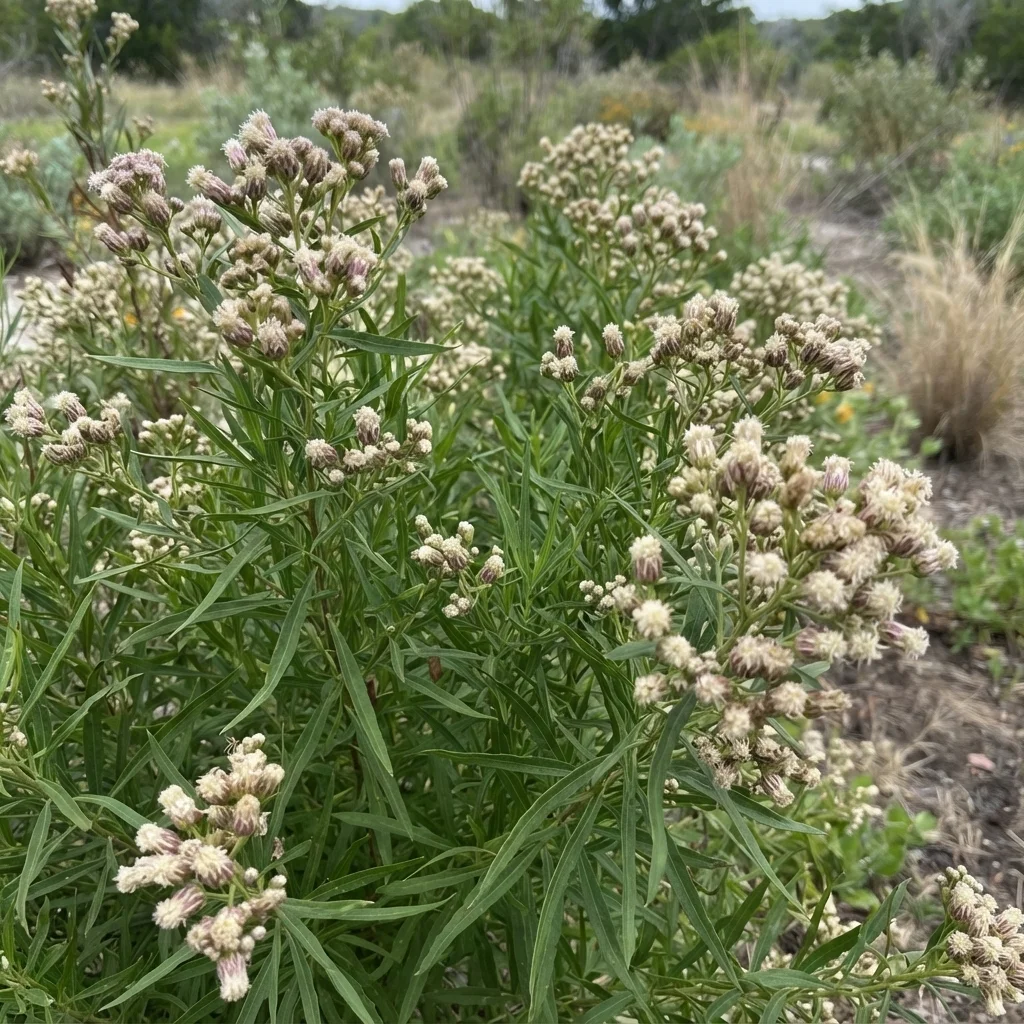
Mule Fat
Baccharis salicifolia
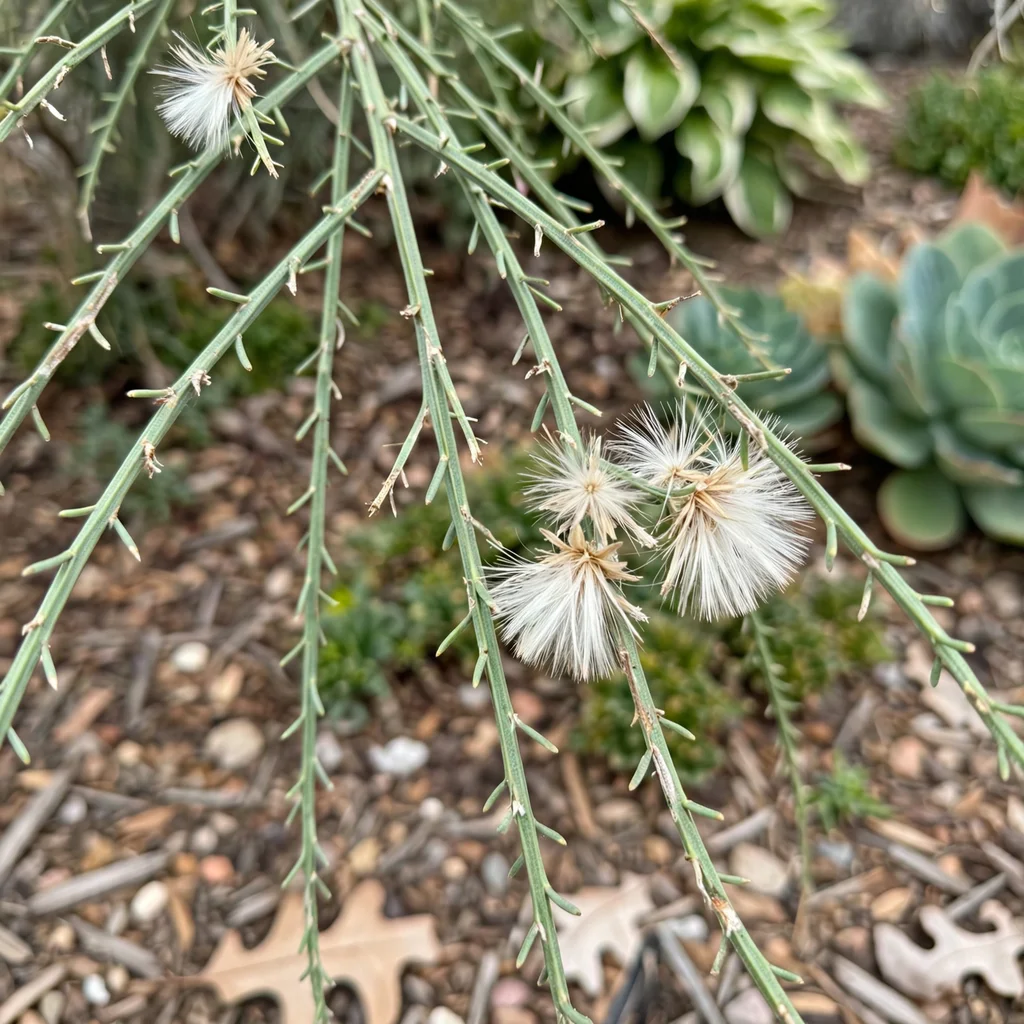
Desert Broom
Baccharis sarothroides
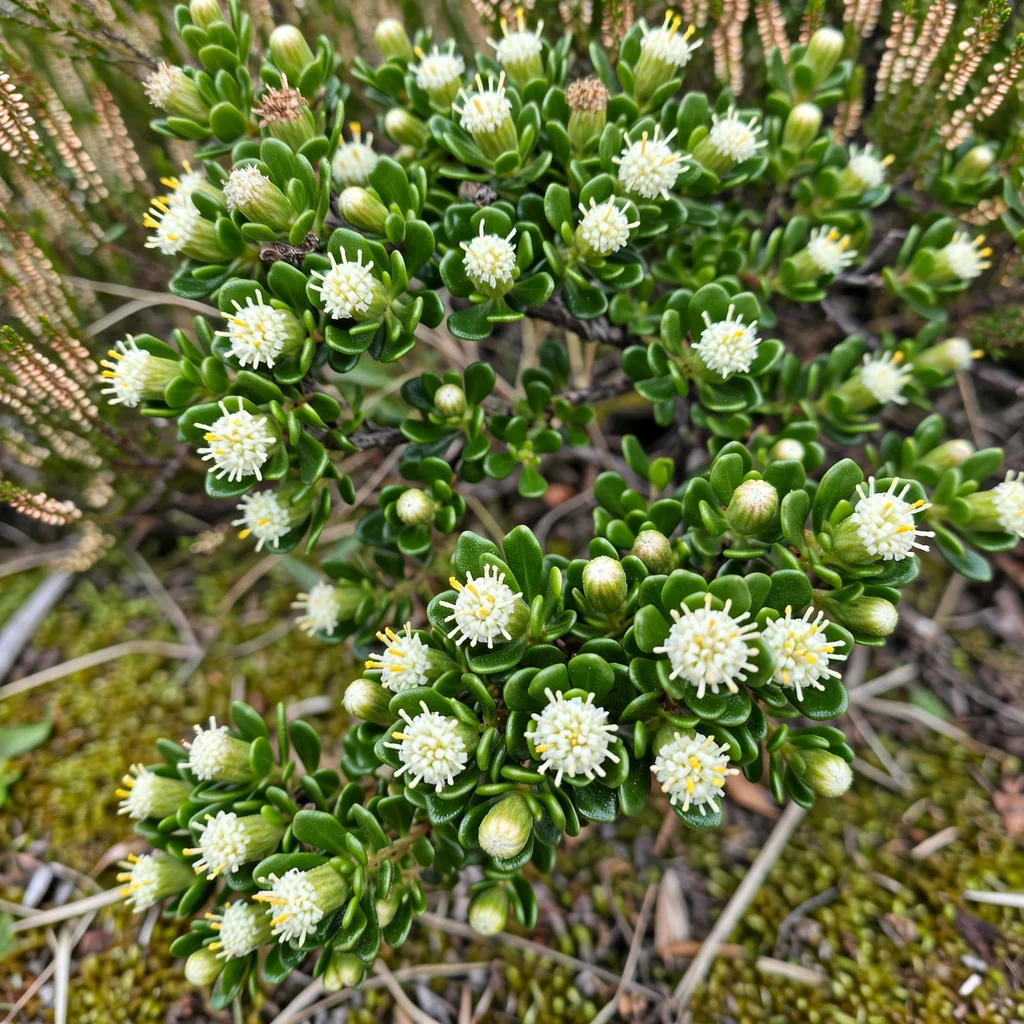
Christmas Bush
Baccharis magellanica
Keep exploring
Explore the genus
Hardy in your zone?
Grow Saltwater False Willow with confidence
See it in a design of your actual yard, get zone-matched care reminders, and track it season by season in your garden journal.