The Story
Plant Bio
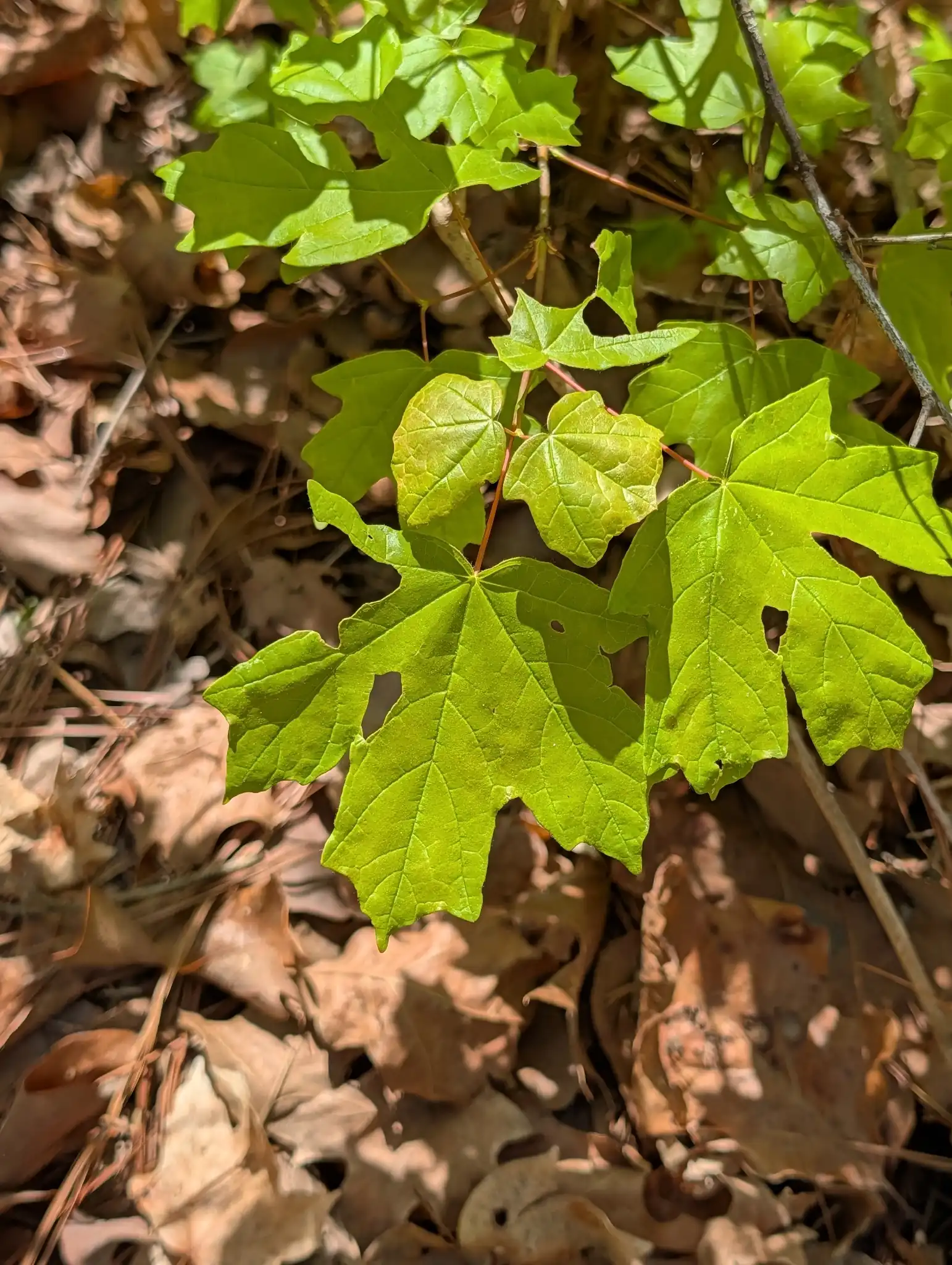
Acer floridanum is a medium to large deciduous maple with a single gray trunk that ridges with age and a rounded to oval crown of moderate density. Its opposite leaves are palmate with three to five lobes, 1.5 to 3.5 inches long, green above and paler below with edges that turn under, coloring orange-yellow in fall.
It holds a full canopy through the heat and humidity of the Southeast where sugar maple scorches, making it the southern substitute for sugar maple with more muted fall color. Interior leaves are often held into winter and drop late, which looks untidy for a few weeks but is normal for the species.
Uses & Benefits:
Essentials
At a Glance
Plant Type
Tree
Height
360"
Width
480"
Light
Full Sun, Partial Sun
Zones
6, 7, 8, 9
Water
Medium
Humidity
Tolerates heat and humidity
Lifespan
Long-lived tree
Native To
Southeastern United States
Toxicity
Unknown - no listing found
Bloom period
Early spring – Spring
In flower about 3 months of the year
Planting
How to Grow
- Plant in full sun to partial shade in well-drained clay, sand or loam with acidic to neutral pH.
- Set the root flare at grade in fall or early spring and water in deeply.
- Spread a wide mulch ring to protect shallow roots and keep mowers away from the trunk.
- Irrigate during dry spells for the first two seasons, then water deeply during extended drought.
- Prune in late winter to keep one dominant leader and remove crossing limbs.
Pro Tip
Train young trees to one dominant leader and then leave the crown alone; late-held interior leaves drop on their own and do not need cleanup pruning.
Keep It Thriving
Care Guide
Do
- Plant in full sun to partial shade in well-drained soil
- Water deeply during dry weather until established and in prolonged drought
- Mulch wide and keep mulch off the trunk
- Prune young trees in winter to a single leader
Don't
- Do not plant in salt spray or salty soil
- Do not top the crown or cut back into large limbs
- Do not let mowers or string trimmers hit surface roots and trunk
- Do not leave stressed trees dry, drought stress invites borers
Seasonal Care Calendar
| Task | Jan | Feb | Mar | Apr | May | Jun | Jul | Aug | Sep | Oct | Nov | Dec |
|---|---|---|---|---|---|---|---|---|---|---|---|---|
| Mulch | ||||||||||||
| Pest Check | ||||||||||||
| Plant | ||||||||||||
| Prune |
Watch Out For
Pests & Diseases
Common Pests
Common Diseases
In the Garden
Landscape Uses & Companions
Landscape Uses
Multiply
Propagation Methods
Good to Know
Common Questions
Florida Maple questions
What zones can Florida Maple grow in?
Florida Maple is hardy in USDA Zones 6–9: in that range it survives winter in the ground. Colder than Zone 6, winters are too cold for it to survive outdoors. Warmer than Zone 9, winter isn't the problem: it prefers colder winters, and summer heat can shorten its life.
When does Florida Maple bloom?
Florida Maple typically blooms in spring. Exact timing shifts a week or two with your zone — Sow's bloom calendar maps it to your garden.
Does Florida Maple need full sun?
Florida Maple does best in full sun to part shade. In hot climates, afternoon shade keeps blooms fresher longer.
Is Florida Maple drought tolerant?
Yes — once established (usually after the first full season), Florida Maple handles dry spells with minimal watering. Water deeply its first year to build the root system that makes that possible.
More Acer to compare
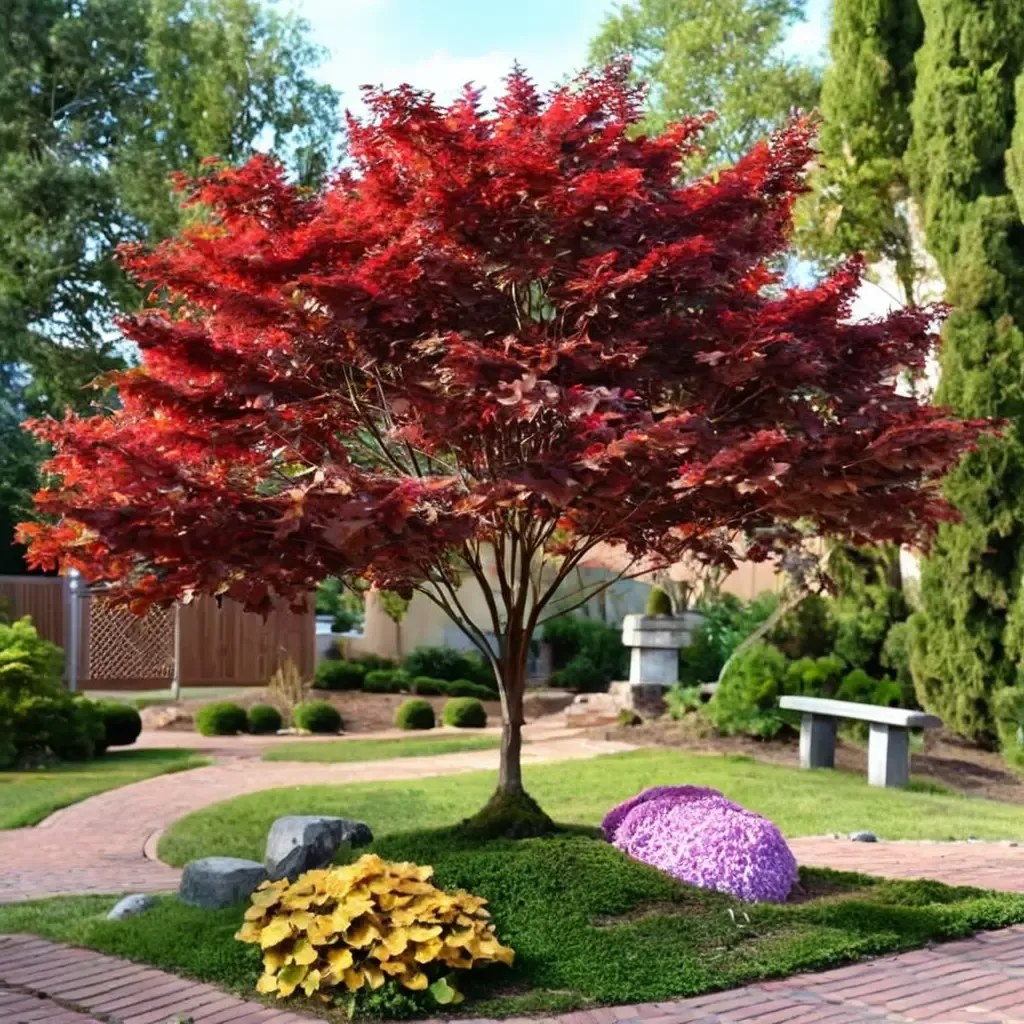
Bloodgood Japanese Maple
Acer palmatum 'Bloodgood'
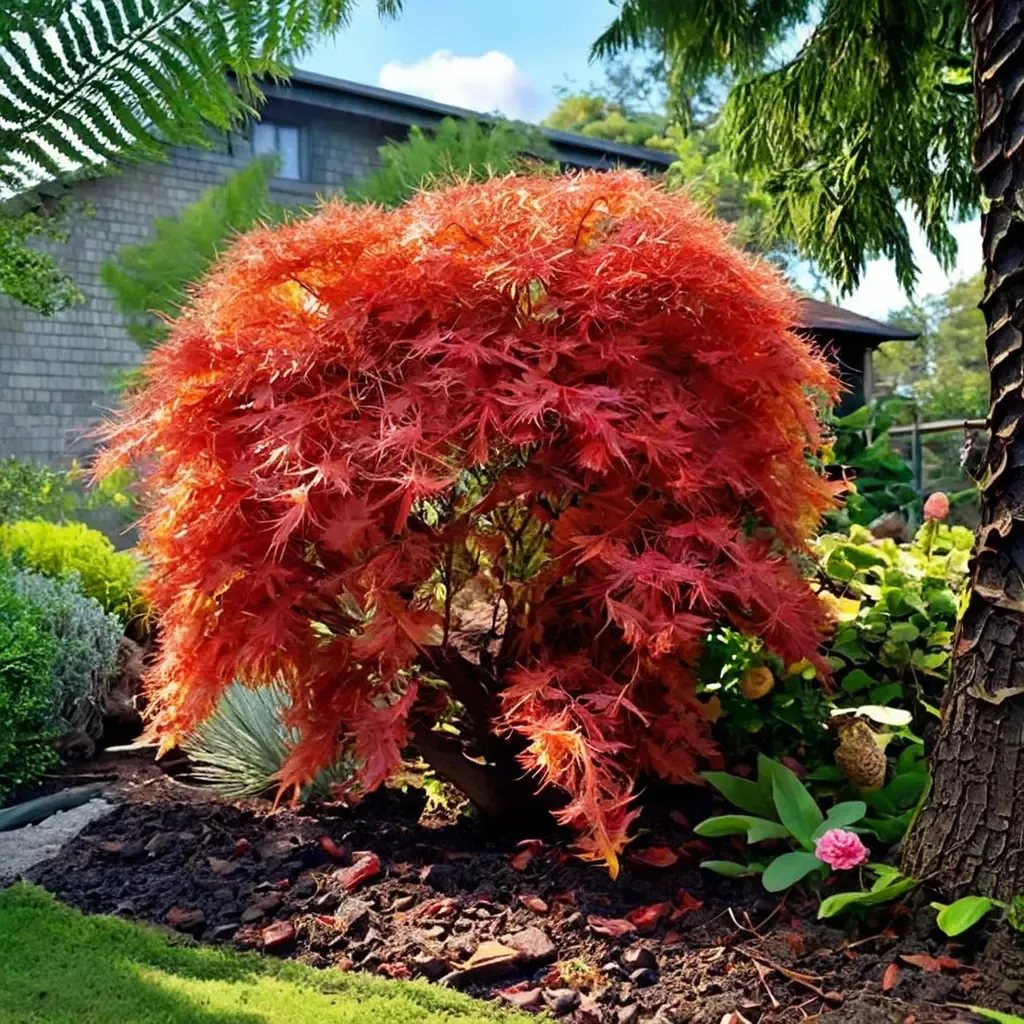
Orangeola Japanese Maple
Acer palmatum 'Orangeola'
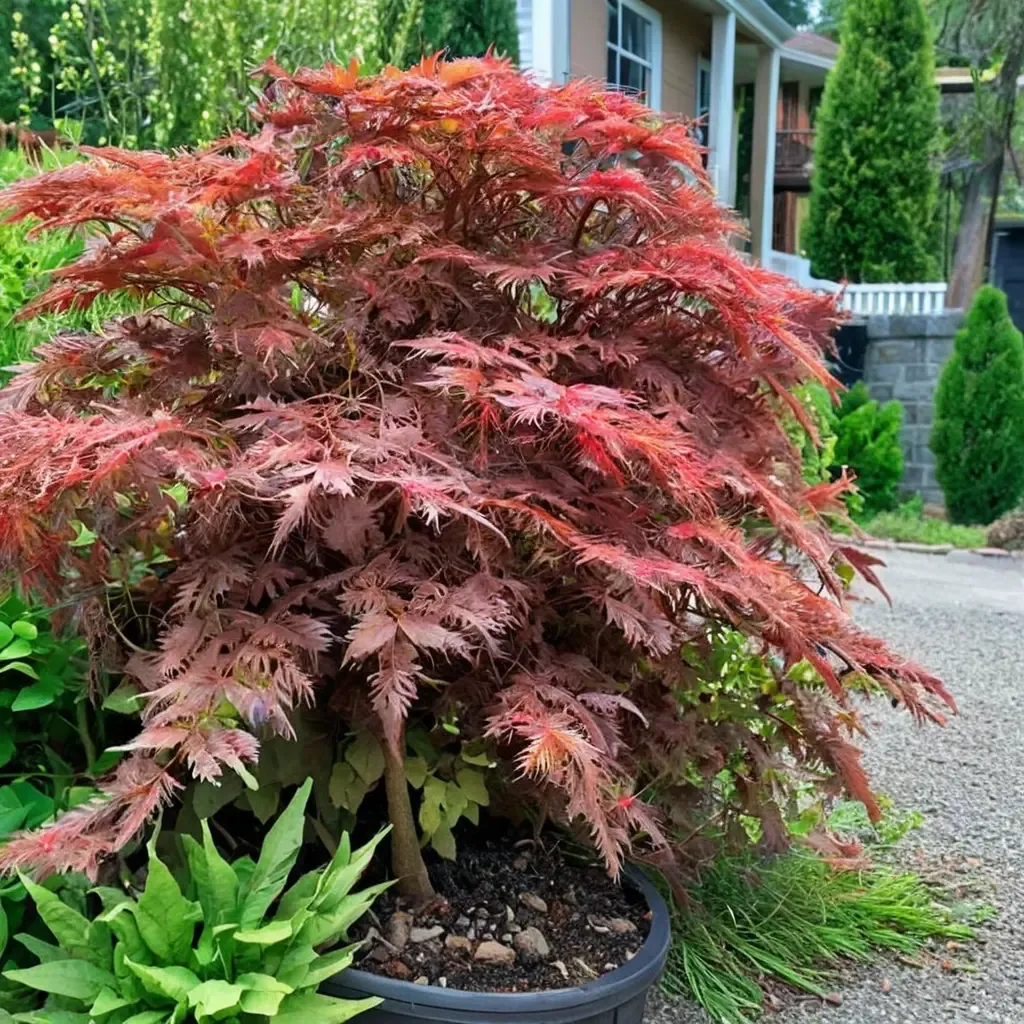
Crimson Queen Japanese Maple
Acer palmatum 'Crimson Queen'
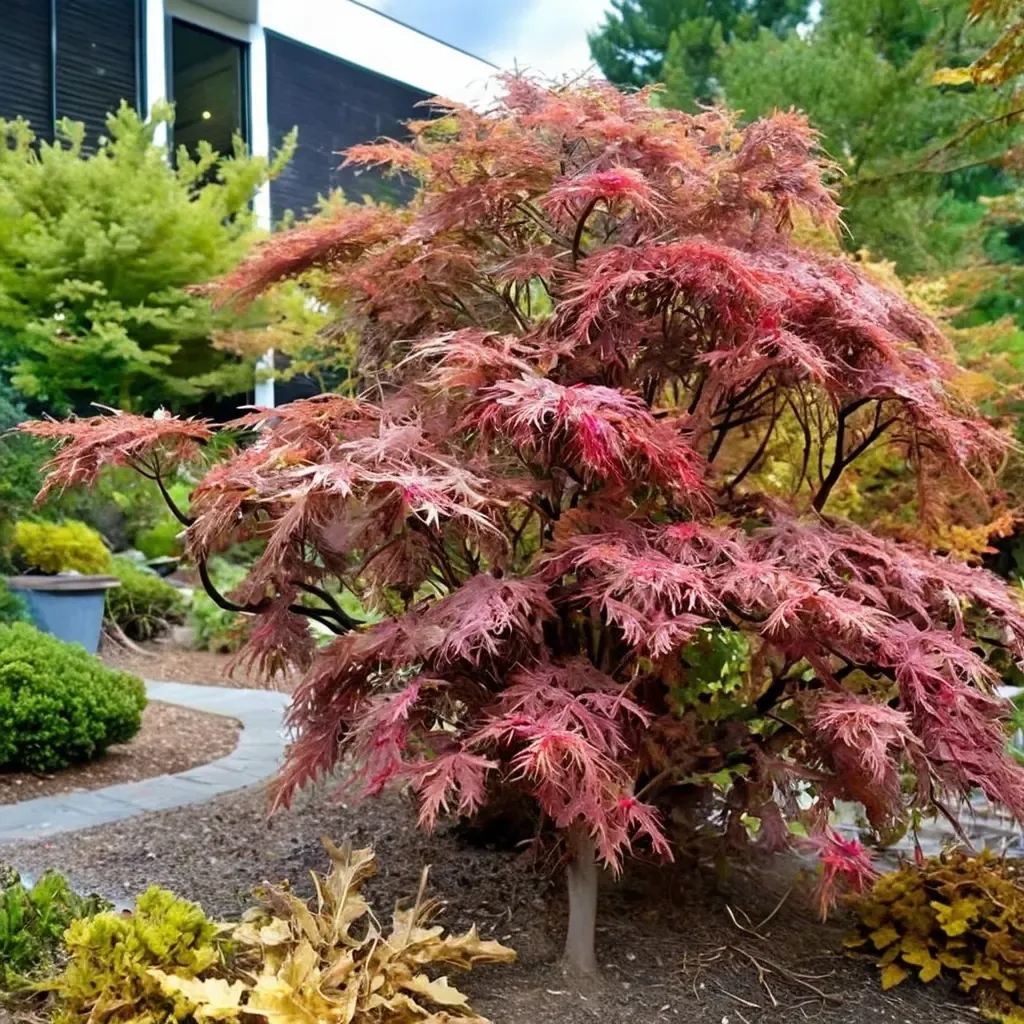
Weeping Japanese Maple
Acer palmatum 'Shidare'
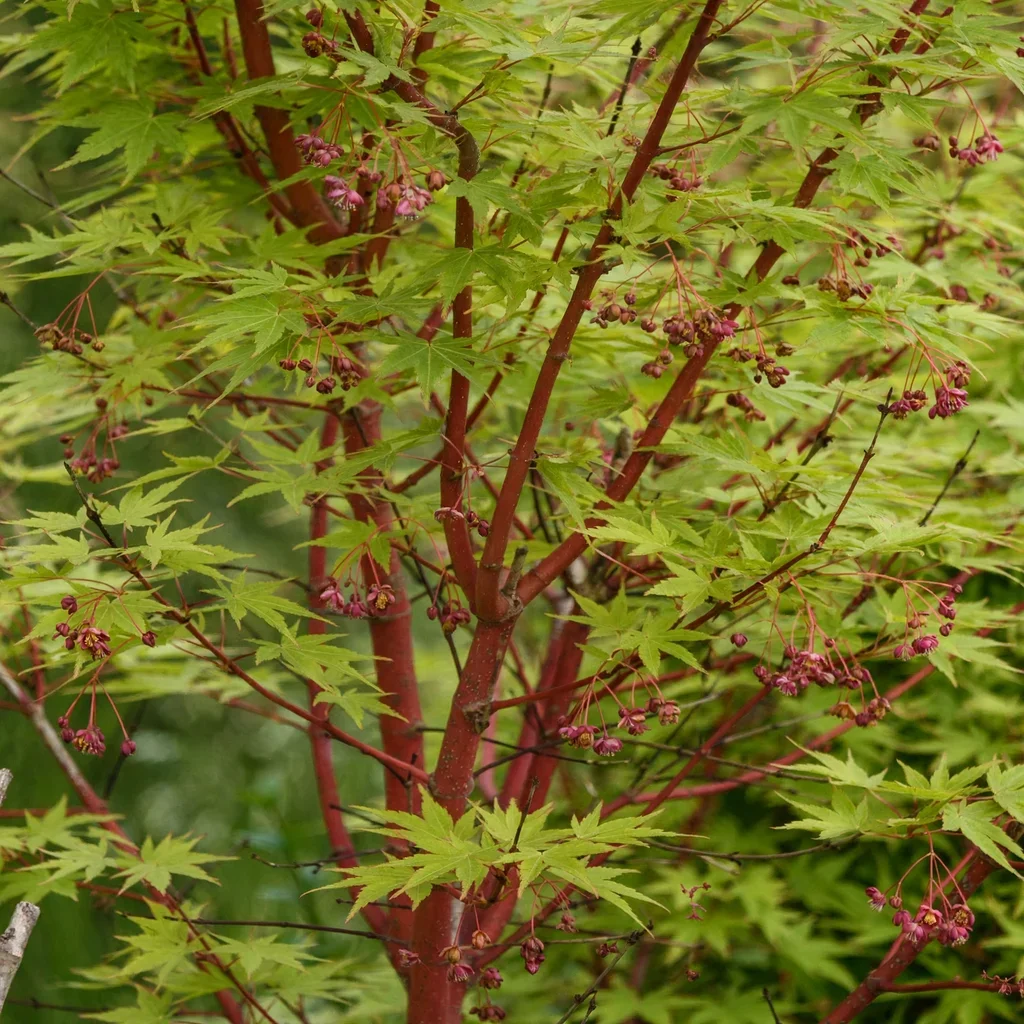
Coral Bark Maple
Acer palmatum 'Sango-Kaku'
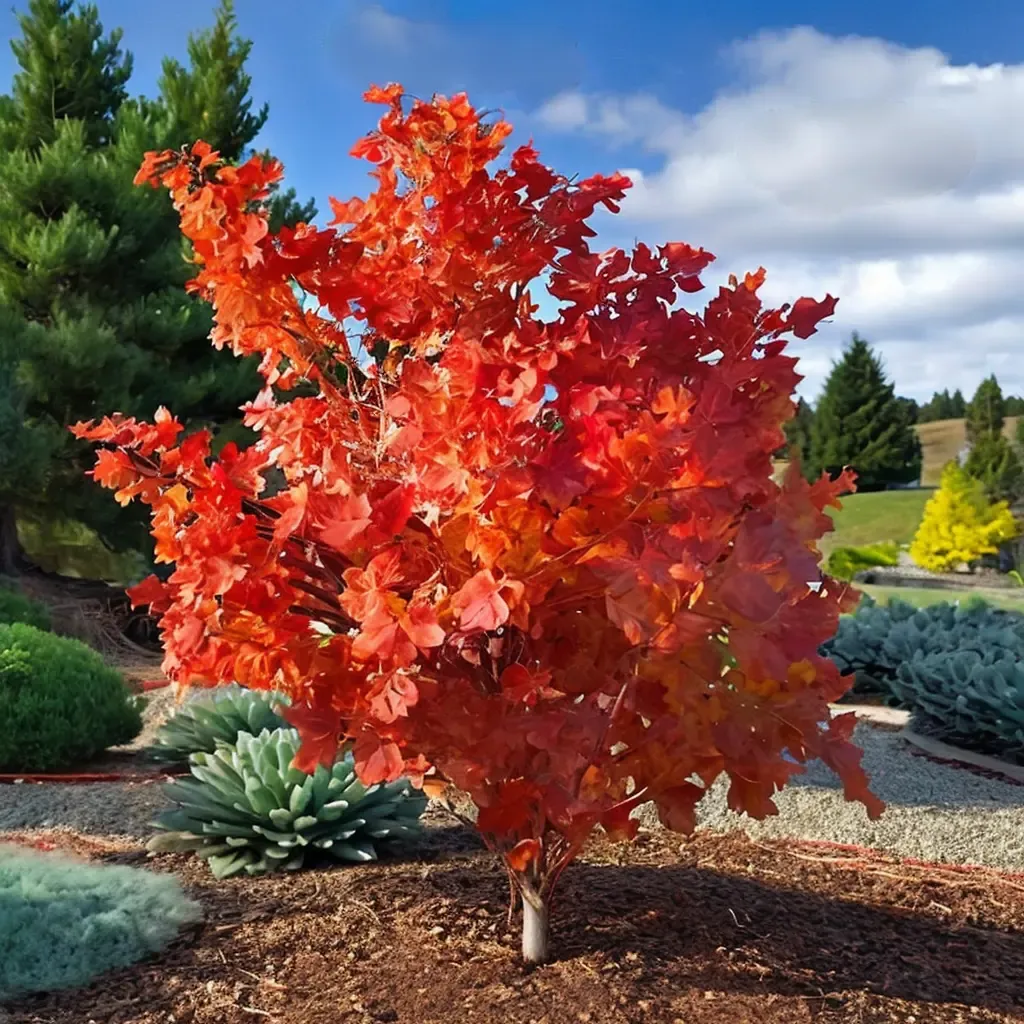
Final Fire Japanese Maple
Acer palmatum 'Final Fire'
Keep exploring
Explore the genus
Hardy in your zone?
Grow Florida Maple with confidence
See it in a design of your actual yard, get zone-matched care reminders, and track it season by season in your garden journal.