The Story
Plant Bio
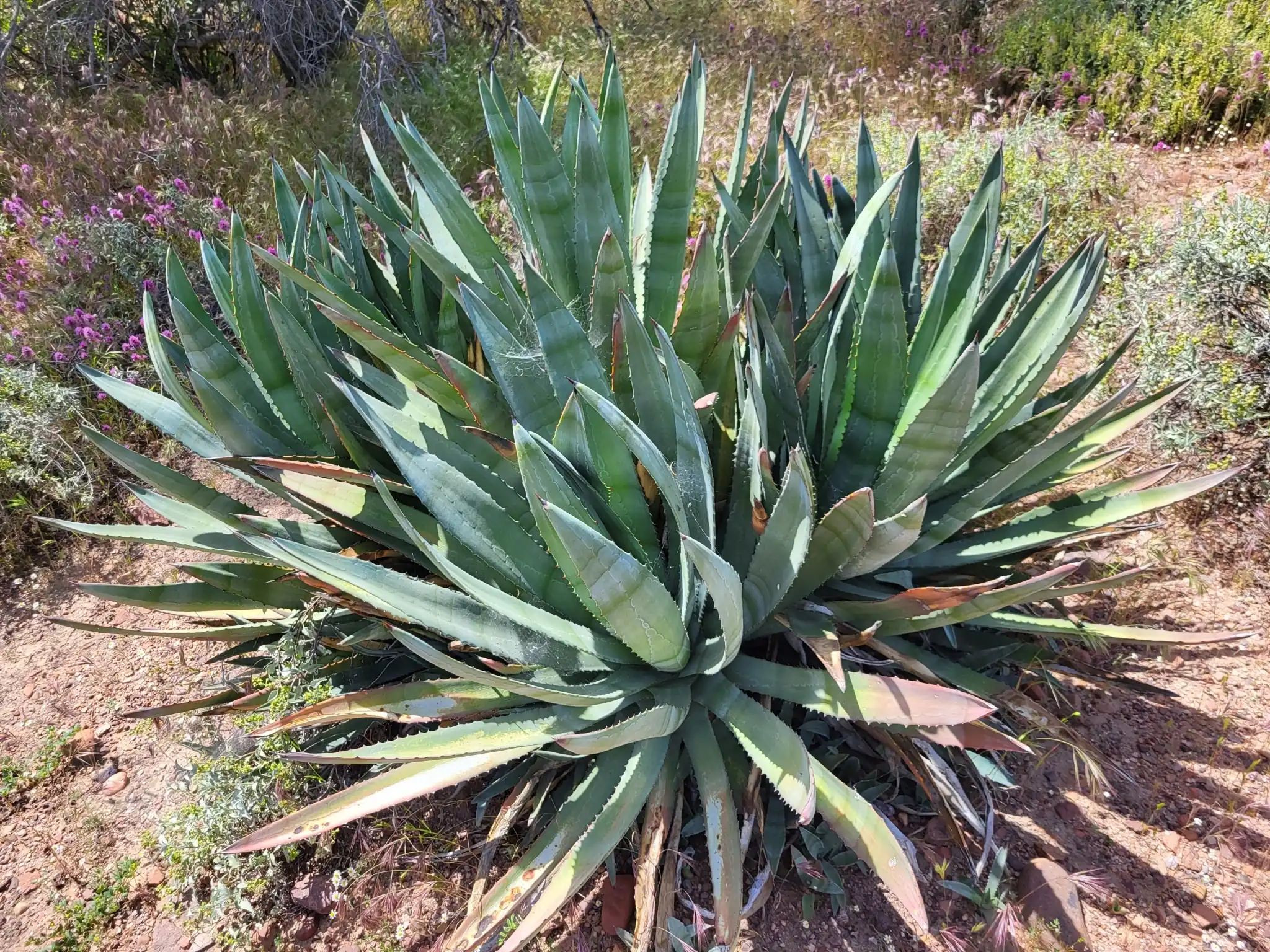
Agave murpheyi is an evergreen succulent forming an open, stemless rosette of spoon-shaped deep green leaves armed with marginal teeth and a short terminal spine. It is monocarpic, growing for 5 to 20 years before sending up a narrowly branched stalk to about 13 feet and dying after flowering.
Unlike many wild agaves, it suckers freely to form colonies and produces abundant stalk bulbils that root readily where they fall. It occurs only around old Hohokam fields and settlements in central Arizona and northern Sonora, where it was selected for sweet, pit-roasted hearts.
Uses & Benefits:
Essentials
At a Glance
Plant Type
Cactus Succulent
Height
35"
Width
47"
Light
Full Sun
Zones
8, 9, 10
Water
Low
Humidity
Low
Lifespan
5-20 years, monocarpic
Native To
Arizona, N Sonora
Toxicity
Toxic if ingested, skin irritant
Bloom period
Spring – Summer
In flower about 6 months of the year
Planting
How to Grow
- Plant in full sun in sharply drained sandy or gravelly loam with the crown above soil level.
- Water deeply once at planting, then withhold water except during prolonged drought.
- Leave offsets attached to form a colony or detach in spring to start new rosettes.
- After flowering, remove the spent mother rosette and replant a bulbil or offset in its place.
Pro Tip
Give each rosette 3 feet of clear space and remove only fully dried lower leaves after the plant has reclaimed their nutrients.
Keep It Thriving
Care Guide
Do
- Plant in full sun with excellent drainage
- Allow offsets to form a colony
- Check the core in spring for weevil damage
Don't
- Do not overwater or plant in heavy clay
- Do not cut live leaves or over-prune the rosette
- Do not plant where spines endanger paths
Seasonal Care Calendar
| Task | Jan | Feb | Mar | Apr | May | Jun | Jul | Aug | Sep | Oct | Nov | Dec |
|---|---|---|---|---|---|---|---|---|---|---|---|---|
| Pest Check | ||||||||||||
| Plant | ||||||||||||
| Propagate | ||||||||||||
| Prune |
Watch Out For
Pests & Diseases
Common Pests
Common Diseases
In the Garden
Landscape Uses & Companions
Landscape Uses
Multiply
Propagation Methods
Good to Know
Common Questions
Murphey's Century Plant questions
What zones can Murphey's Century Plant grow in?
Murphey's Century Plant is hardy in USDA Zones 8–10: in that range it survives winter in the ground. Colder than Zone 8, grow it in a container you can move to shelter for the winter, or as an annual.
When does Murphey's Century Plant bloom?
Murphey's Century Plant typically blooms from spring to summer. Exact timing shifts a week or two with your zone — Sow's bloom calendar maps it to your garden.
Does Murphey's Century Plant need full sun?
Murphey's Century Plant does best in full sun (6+ hours).
Is Murphey's Century Plant drought tolerant?
Yes — once established (usually after the first full season), Murphey's Century Plant handles dry spells with minimal watering. Water deeply its first year to build the root system that makes that possible.
More Agave to compare
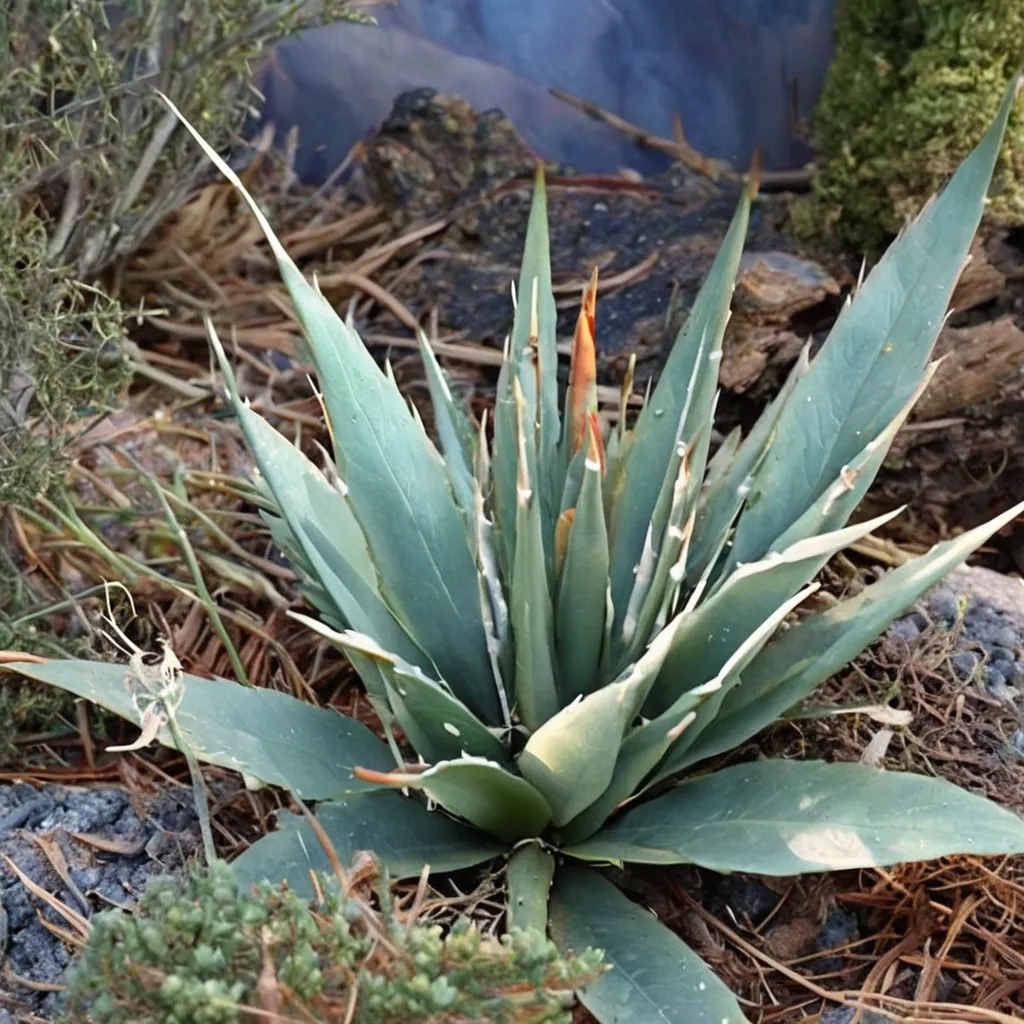
Utah Agave Kaibabensis
Agave utahensis 'kaibabensis'
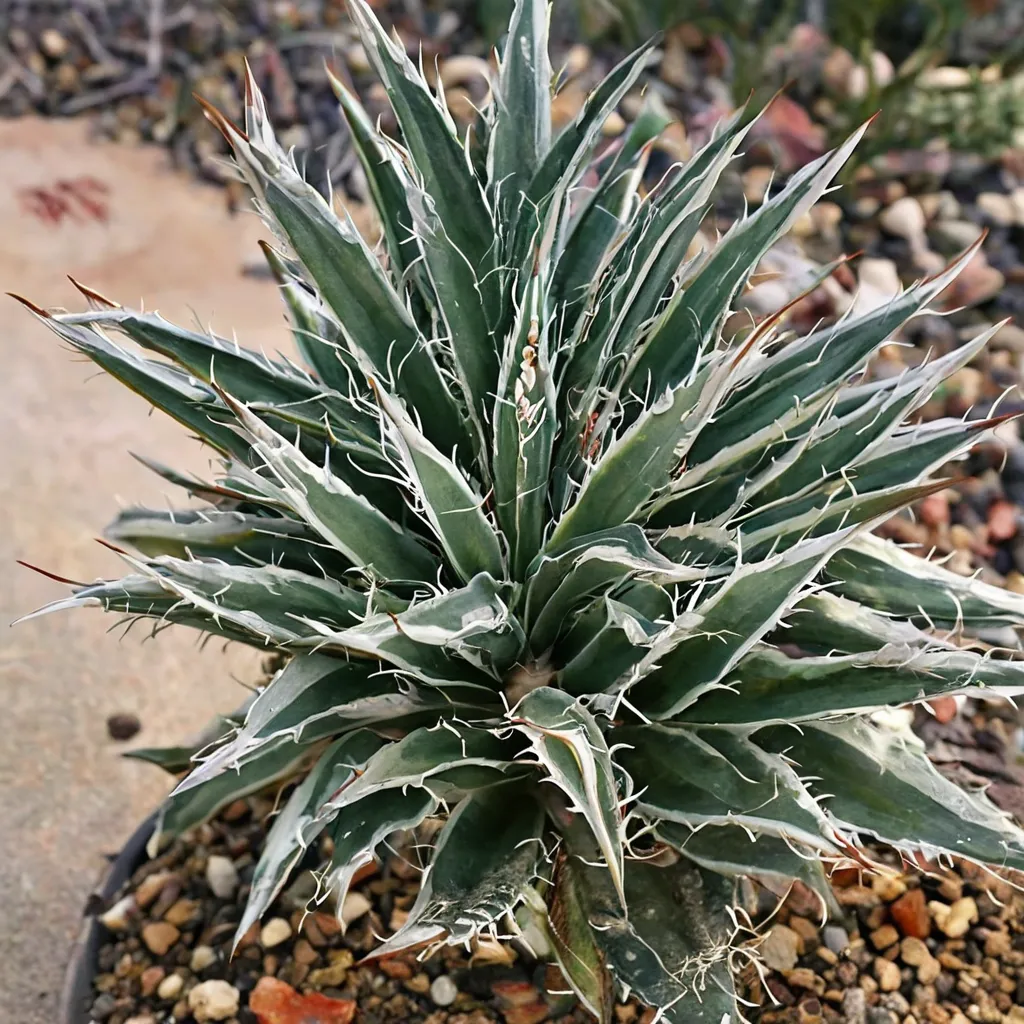
Toumey's Agave
Agave toumeyana
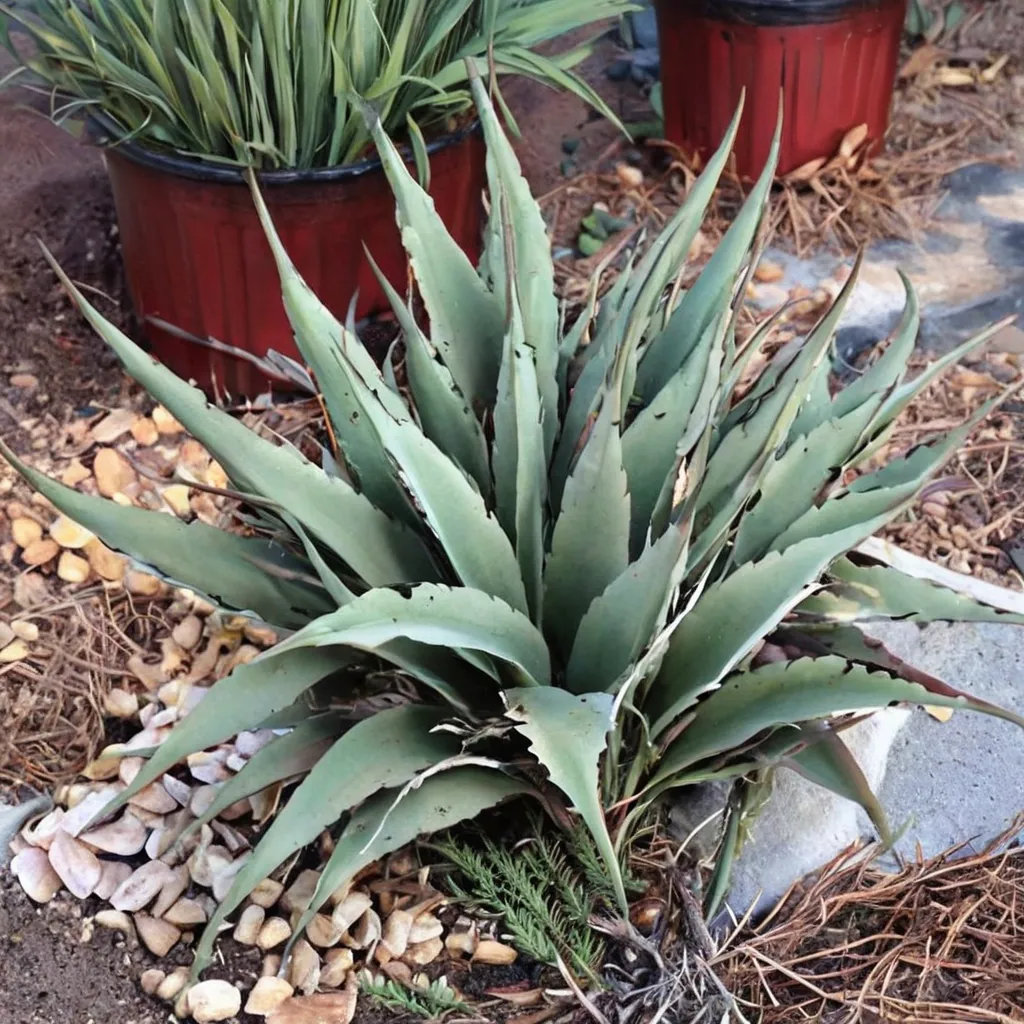
Slimfoot Century Plant
Agave gracilipes
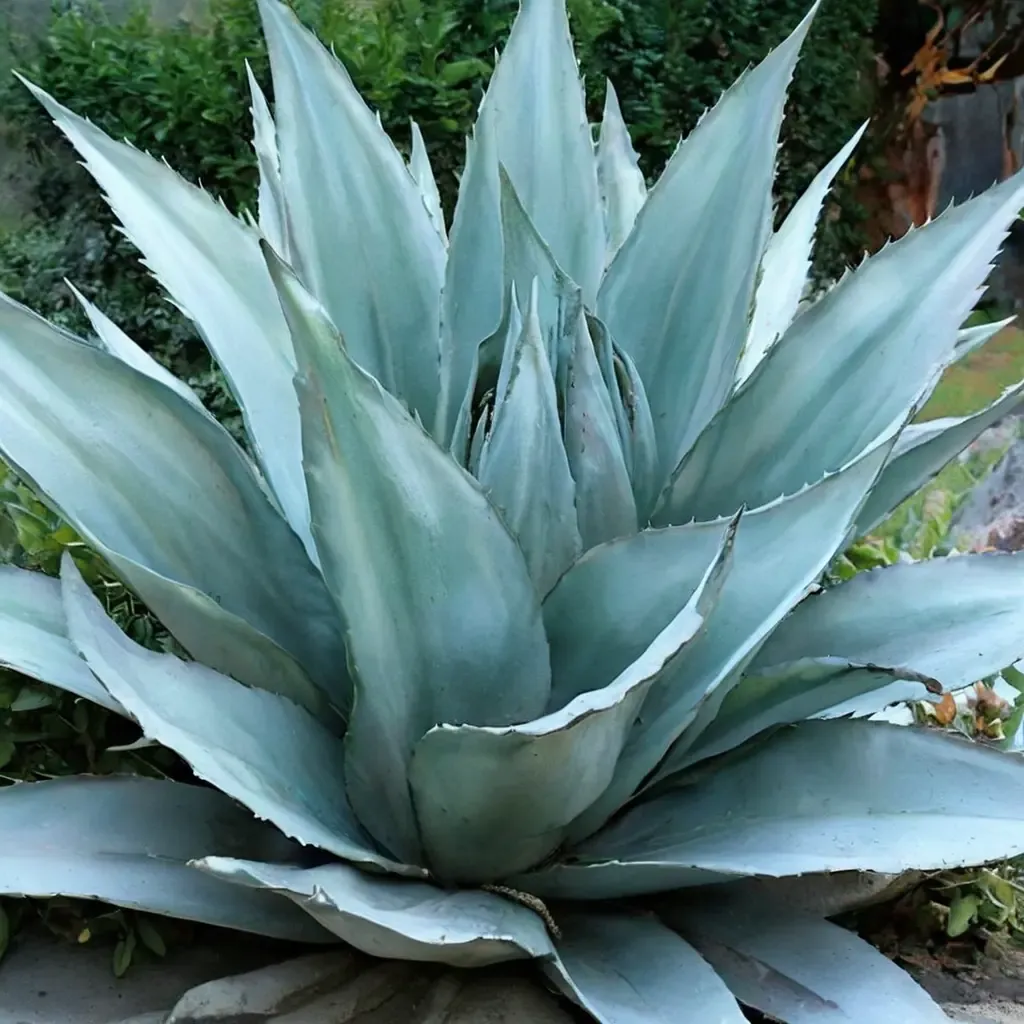
Vanzie Whale's Tongue Agave
Agave ovatifolia 'Vanzie'
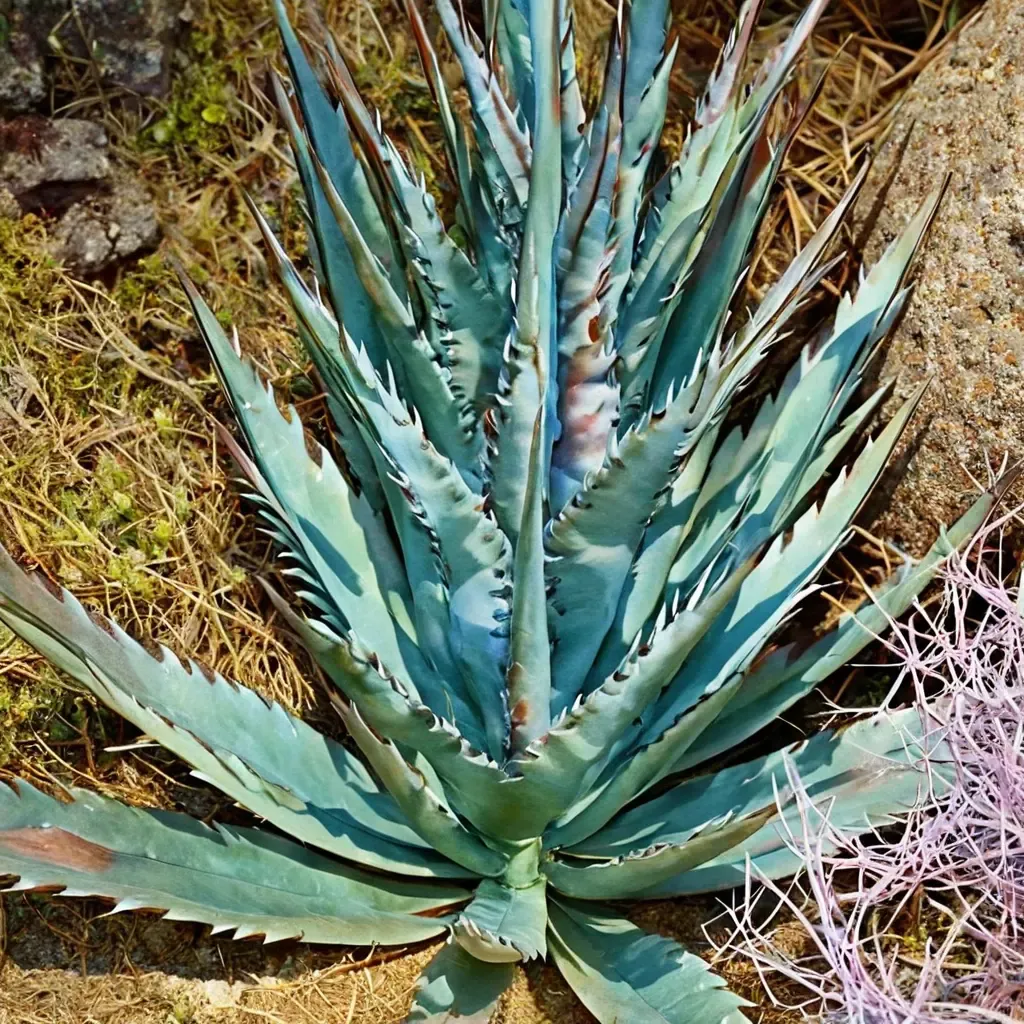
McKelvey's Agave
Agave mckelveyana
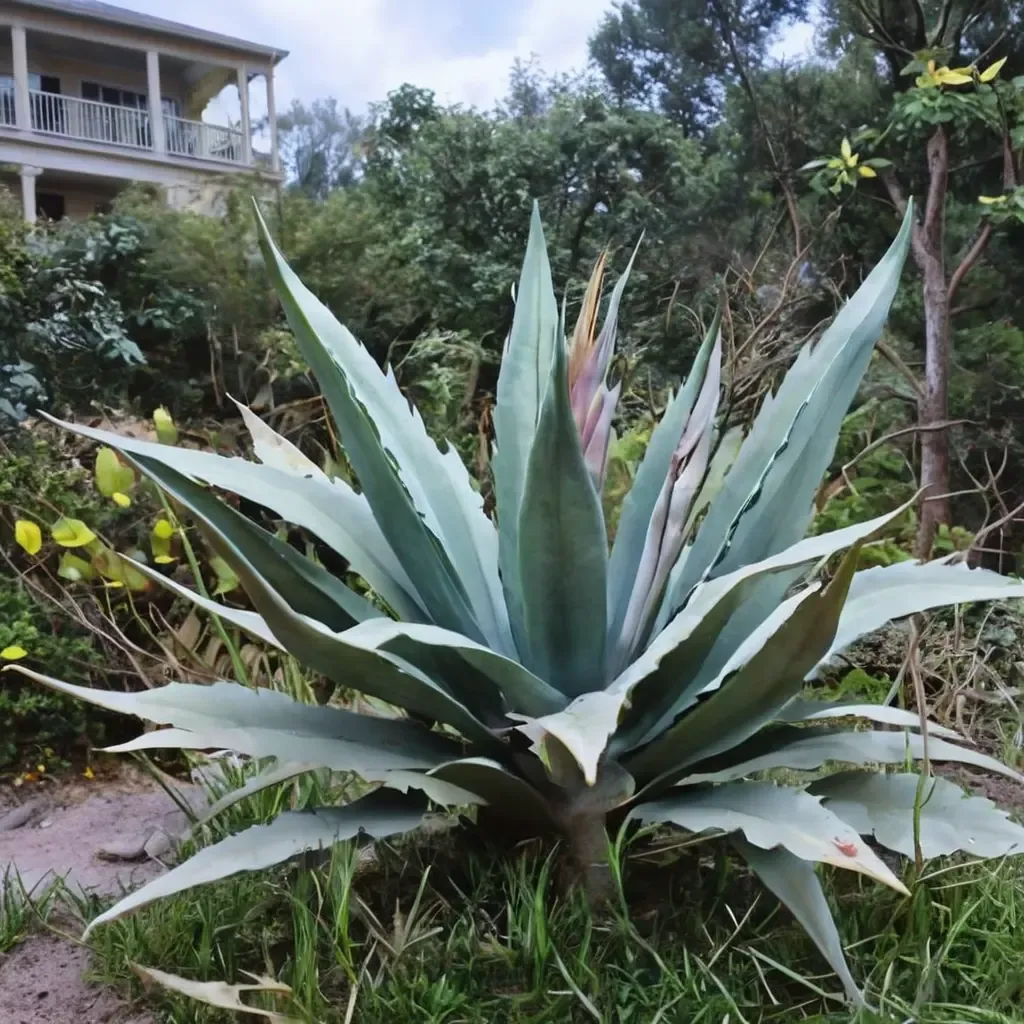
Grey Gator Agave
Agave x hybrida 'Grey Gator'
Keep exploring
Explore the genus
Hardy in your zone?
Grow Murphey's Century Plant with confidence
See it in a design of your actual yard, get zone-matched care reminders, and track it season by season in your garden journal.