The Story
Plant Bio
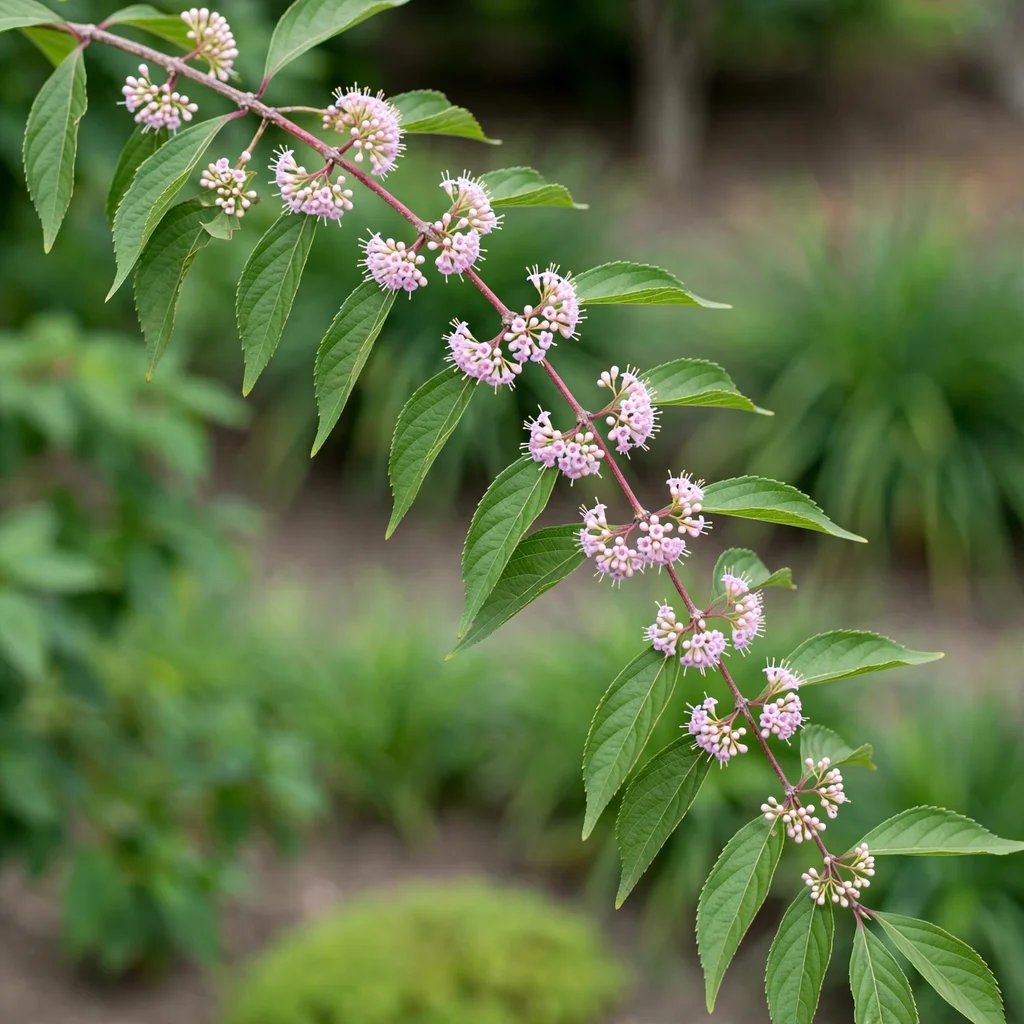
Callicarpa japonica, the Japanese beautyberry, is a deciduous shrub from eastern Asia that reaches four to six feet tall and wide with slender arching branches forming a rounded fountain shape. The medium green elliptic leaves are finely toothed and turn greenish yellow with a purplish cast in fall before dropping, while small pinkish white flowers in axillary clusters on new wood ripen to glossy violet purple berries in late summer.
Unlike the American beautyberry, its leaves are held clear of the stem on short stalks and its fruit hangs in loose axillary clusters rather than tight rings around the node, on a lower fountain-like frame. Group plants together for cross-pollination and heavier fruit set, and expect free self-sown seedlings where birds spread the berries.
Uses & Benefits:
Essentials
At a Glance
Plant Type
Shrub
Height
72"
Width
72"
Light
Full Sun, Partial Sun
Zones
5, 6, 7, 8
Water
Medium, tolerates some drought once established
Humidity
Unknown
Lifespan
Woody deciduous shrub
Native To
China, Japan, Korea
Toxicity
Unknown
Bloom period
Summer
In flower about 3 months of the year
Planting
How to Grow
- Plant in full sun to partial shade in well-drained soil, spacing plants 4 to 5 feet apart.
- Water regularly through the first season, then reduce to supplemental watering in dry spells.
- Plant in groups rather than singly to improve cross-pollination and berry display.
- Prune old stems in late winter or early spring and remove unwanted seedlings as they appear.
Pro Tip
Cut old stems back in late winter or early spring; summer shearing removes the new wood that carries flowers and fruit.
Keep It Thriving
Care Guide
Do
- Do give full sun for the heaviest flowering and fruiting.
- Do prune in late winter before new growth starts.
- Do plant in groups for better berry set.
Don't
- Do not shear in summer, as flowers and fruit form on new wood.
- Do not plant in deep shade, which causes leggy growth and poor fruit.
- Do not let self-sown seedlings establish where spread is unwanted.
Seasonal Care Calendar
| Task | Jan | Feb | Mar | Apr | May | Jun | Jul | Aug | Sep | Oct | Nov | Dec |
|---|---|---|---|---|---|---|---|---|---|---|---|---|
| Mulch | ||||||||||||
| Pest Check | ||||||||||||
| Plant | ||||||||||||
| Propagate | ||||||||||||
| Prune |
Watch Out For
Pests & Diseases
Common Pests
Common Diseases
In the Garden
Landscape Uses & Companions
Landscape Uses
Companion Plants
Multiply
Propagation Methods
Good to Know
Common Questions
Japanese Beautyberry questions
What zones can Japanese Beautyberry grow in?
Japanese Beautyberry is hardy in USDA Zones 5–8: in that range it survives winter in the ground. Colder than Zone 5, grow it in a container you can move to shelter for the winter. Warmer than Zone 8, winter isn't the problem: it prefers colder winters, and summer heat can shorten its life.
When does Japanese Beautyberry bloom?
Japanese Beautyberry typically blooms in summer. Exact timing shifts a week or two with your zone — Sow's bloom calendar maps it to your garden.
Does Japanese Beautyberry need full sun?
Japanese Beautyberry does best in full sun to part shade. In hot climates, afternoon shade keeps blooms fresher longer.
Is Japanese Beautyberry drought tolerant?
Yes — once established (usually after the first full season), Japanese Beautyberry handles dry spells with minimal watering. Water deeply its first year to build the root system that makes that possible.
More Callicarpa to compare
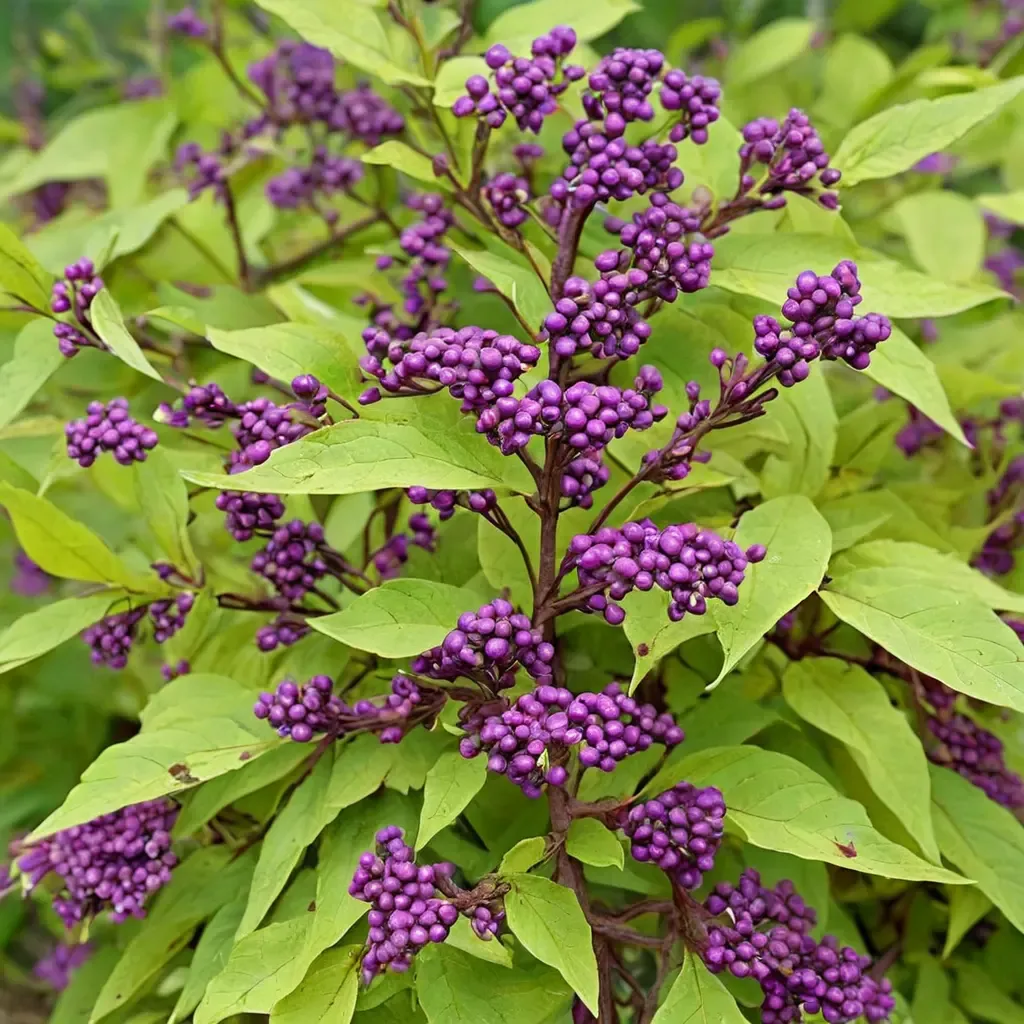
Early Amethyst Beautyberry
Callicarpa americana 'Early Amethyst'
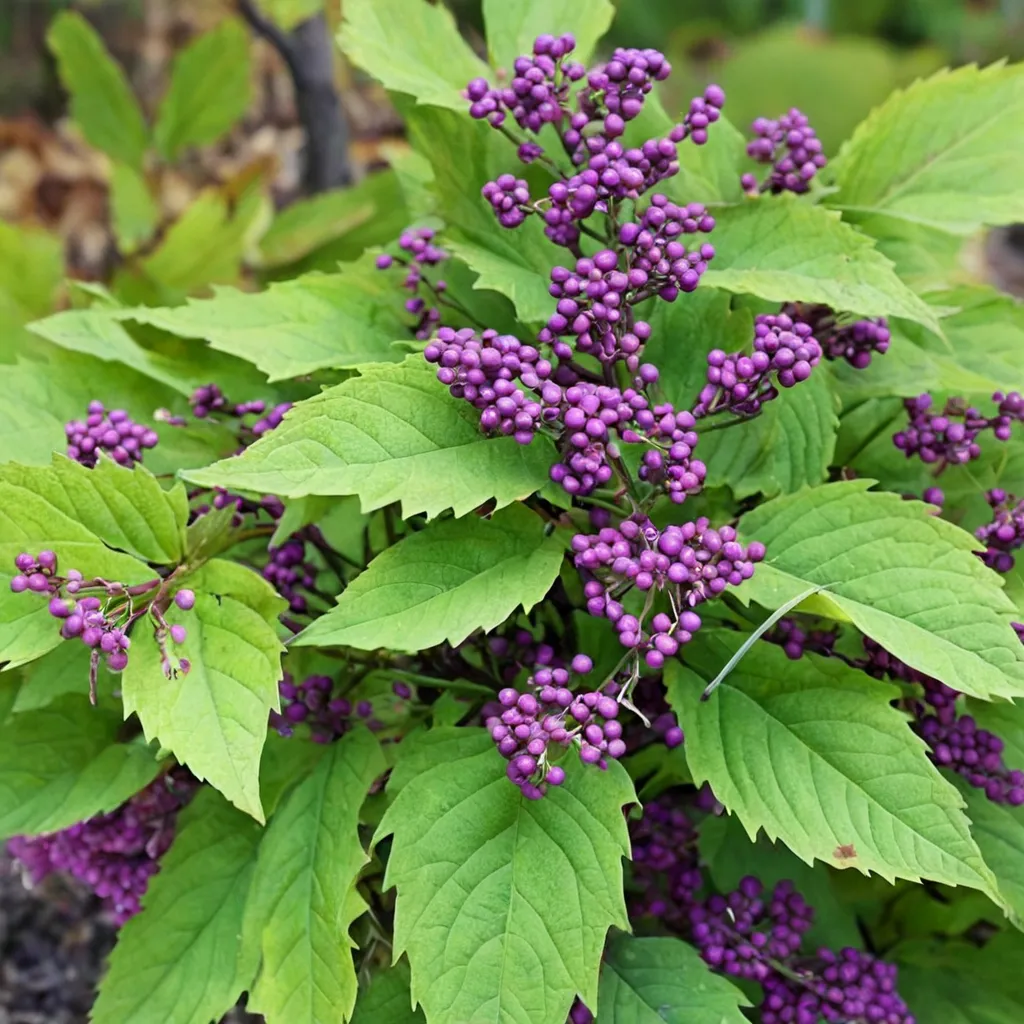
Beautyberry
Callicarpa dichotoma
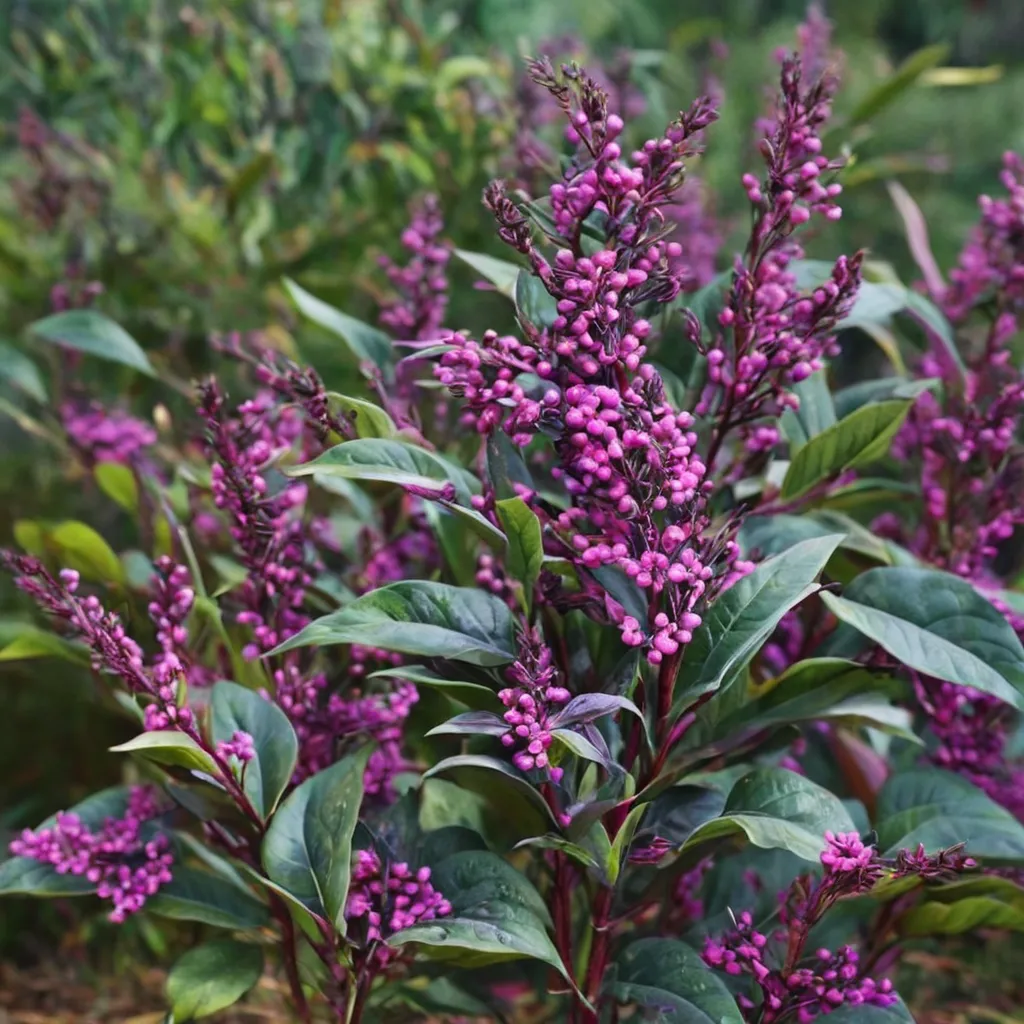
Pearl Glam Beautyberry
Callicarpa americana 'Pearl Glam'
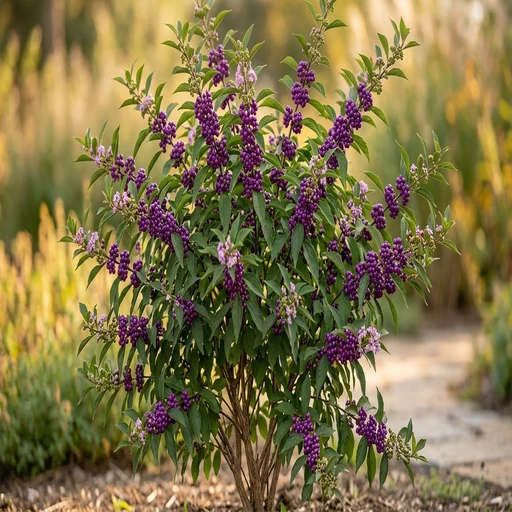
Profusion Bodinier Beautyberry
Callicarpa bodinieri 'Profusion'
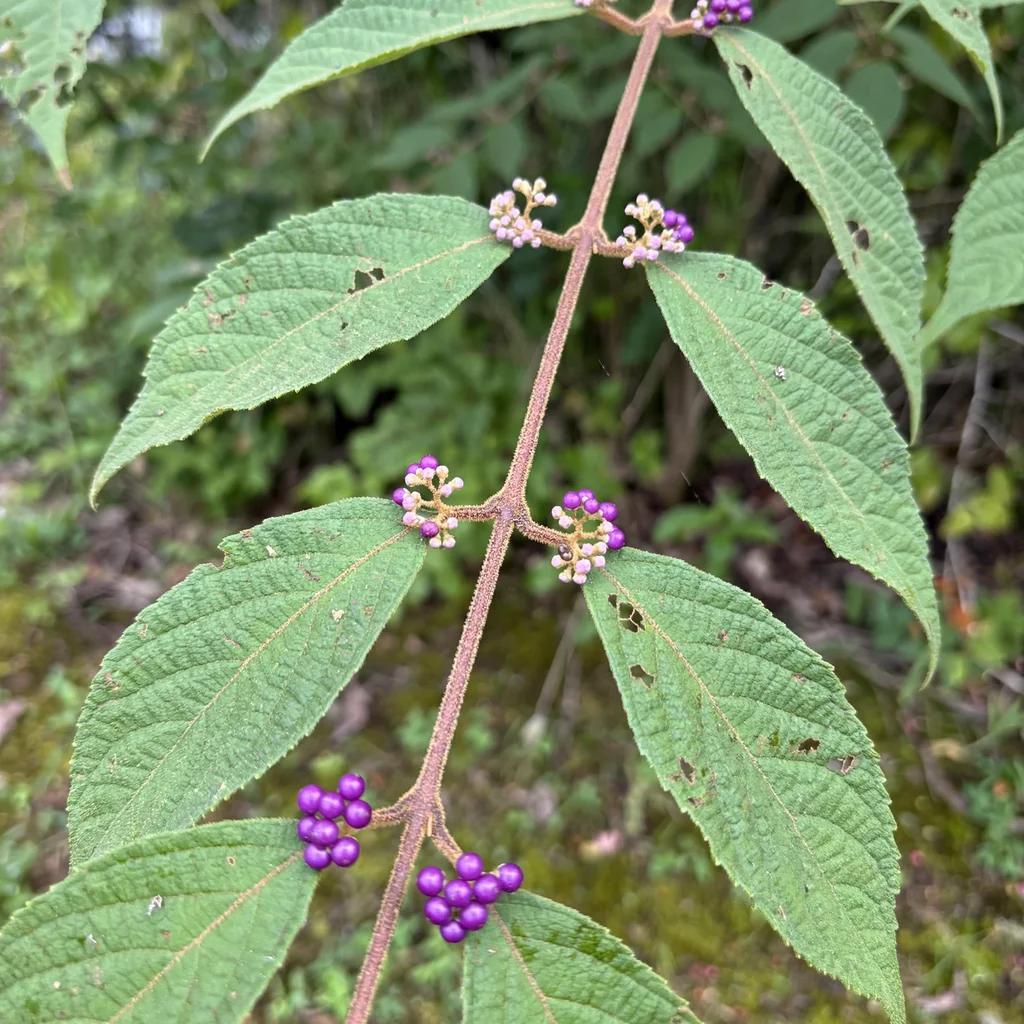
Velvet Leaf
Callicarpa pedunculata
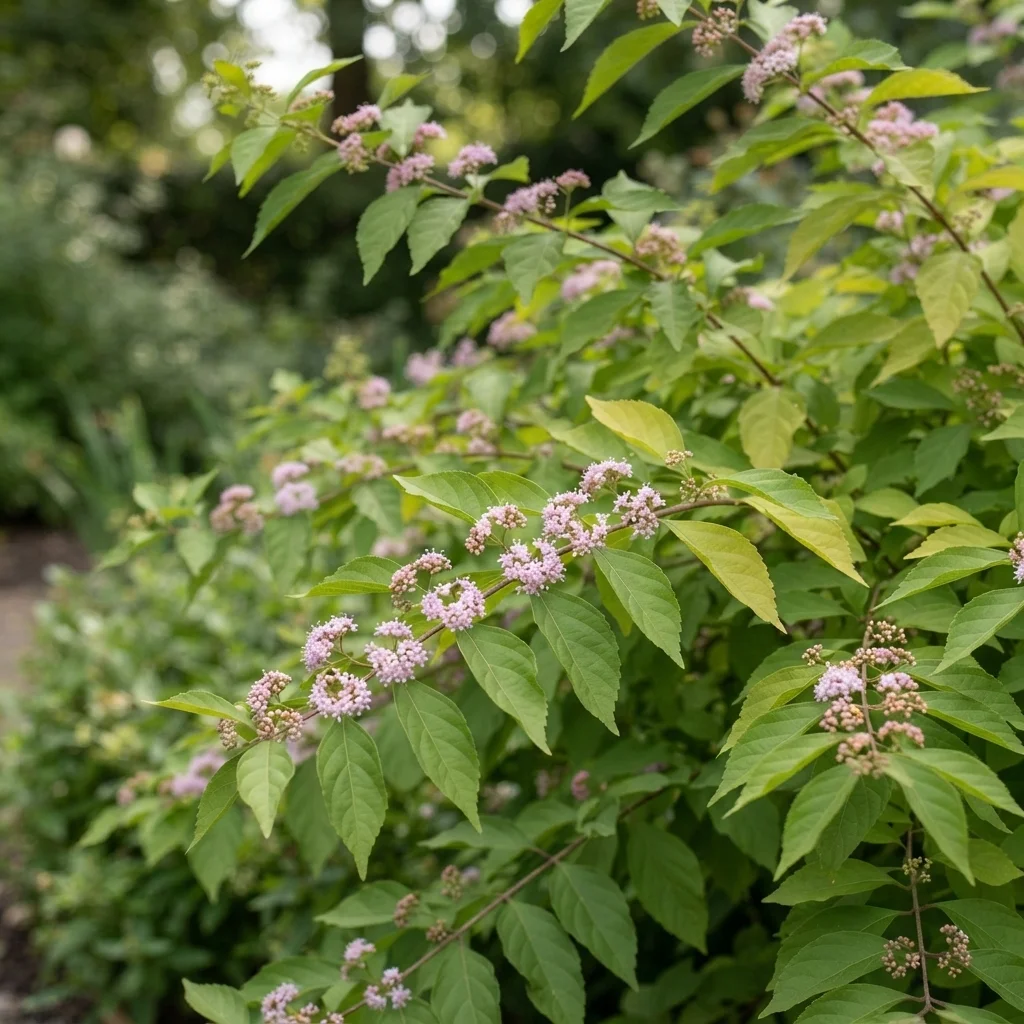
American Beautyberry
Callicarpa americana 'Atropurpurea'
Keep exploring
Explore the genus
Hardy in your zone?
Grow Japanese Beautyberry with confidence
See it in a design of your actual yard, get zone-matched care reminders, and track it season by season in your garden journal.