The Story
Plant Bio
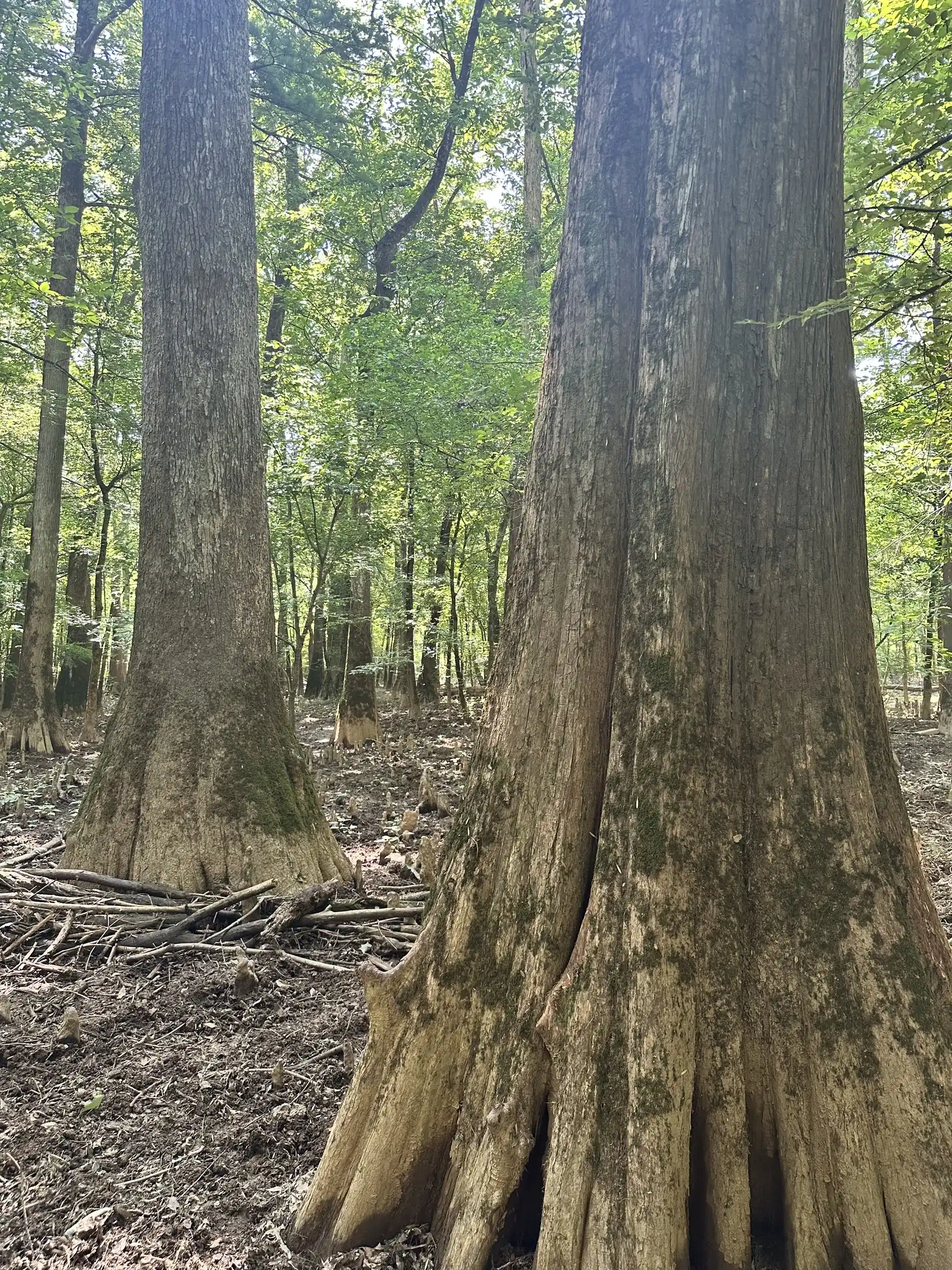
Nyssa aquatica, the water tupelo, is a large long-lived deciduous tree reaching 50 to 80 feet tall with a stately pyramidal crown, low branches and a swollen buttressed base. The leaves are thick alternate ovals 5 to 8 inches long, shiny dark green above and paler hairy beneath, coloring brilliantly red and yellow in fall.
Water tupelo is dioecious, with small green male flowers in clusters and solitary female flowers on long stalks, followed by 1/2- to 1 1/2-inch dark blue to purple oblong drupes in early fall. It grows rooted in standing water in river swamps and floodplains and develops a clear bole in stands, a wet-ground habit that separates it from upland blackgum.
Uses & Benefits:
Essentials
At a Glance
Plant Type
Tree
Height
960"
Width
360"
Light
Full Sun
Zones
5, 6, 7, 8, 9
Water
High - wet to standing water
Humidity
High
Lifespan
Long-lived tree
Native To
Southeastern USA
Toxicity
Male pollen highly allergenic
Bloom period
Spring
In flower about 3 months of the year
Planting
How to Grow
- Choose a full-sun pond edge, lake margin or floodplain hollow that holds water or saturated soil through the season.
- Dig a hole no deeper than the root ball and set the tree at the same depth it grew in the pot.
- Backfill with native soil, firm gently and water deeply to settle air pockets.
- Mulch 2 to 3 inches deep in a wide ring, kept back from the trunk.
- Keep roots wet through the first two seasons; do not let a young tree dry out.
Pro Tip
Set male and female trees together at a pond or lake edge where soil stays wet year-round; without prolonged inundation and a pollen partner there is no fruit set.
Keep It Thriving
Care Guide
Do
- Give it full sun and constant wet soil or shallow standing water.
- Plant male and female trees together if fruit for wildlife and bees is wanted.
- Leave the buttressed base and surface roots undisturbed.
Don't
- Do not plant it in dry upland beds or fast-draining foundation soil.
- Do not shear or top the pyramidal crown to control size.
- Do not expect fruit from a single isolated tree.
Seasonal Care Calendar
| Task | Jan | Feb | Mar | Apr | May | Jun | Jul | Aug | Sep | Oct | Nov | Dec |
|---|---|---|---|---|---|---|---|---|---|---|---|---|
| Mulch | ||||||||||||
| Pest Check | ||||||||||||
| Plant | ||||||||||||
| Prune |
Watch Out For
Pests & Diseases
Common Pests
Common Diseases
In the Garden
Landscape Uses & Companions
Landscape Uses
Multiply
Propagation Methods
Good to Know
Common Questions
Water Tupelo questions
What zones can Water Tupelo grow in?
Water Tupelo is hardy in USDA Zones 5–9: in that range it survives winter in the ground. Colder than Zone 5, winters are too cold for it to survive outdoors. Warmer than Zone 9, winter isn't the problem: it prefers colder winters, and summer heat can shorten its life.
Is Water Tupelo deer resistant?
Not reliably. Deer may browse Water Tupelo, especially tender spring growth — plan on repellents or fencing where pressure is high.
When does Water Tupelo bloom?
Water Tupelo typically blooms in spring. Exact timing shifts a week or two with your zone — Sow's bloom calendar maps it to your garden.
Does Water Tupelo need full sun?
Water Tupelo does best in full sun (6+ hours).
More Nyssa to compare
Black Tupelo
Nyssa sylvatica
Wildfire Black Tupelo
Nyssa sylvatica 'Wildfire'
Green Gable Black Gum
Nyssa sylvatica 'Green Gable'
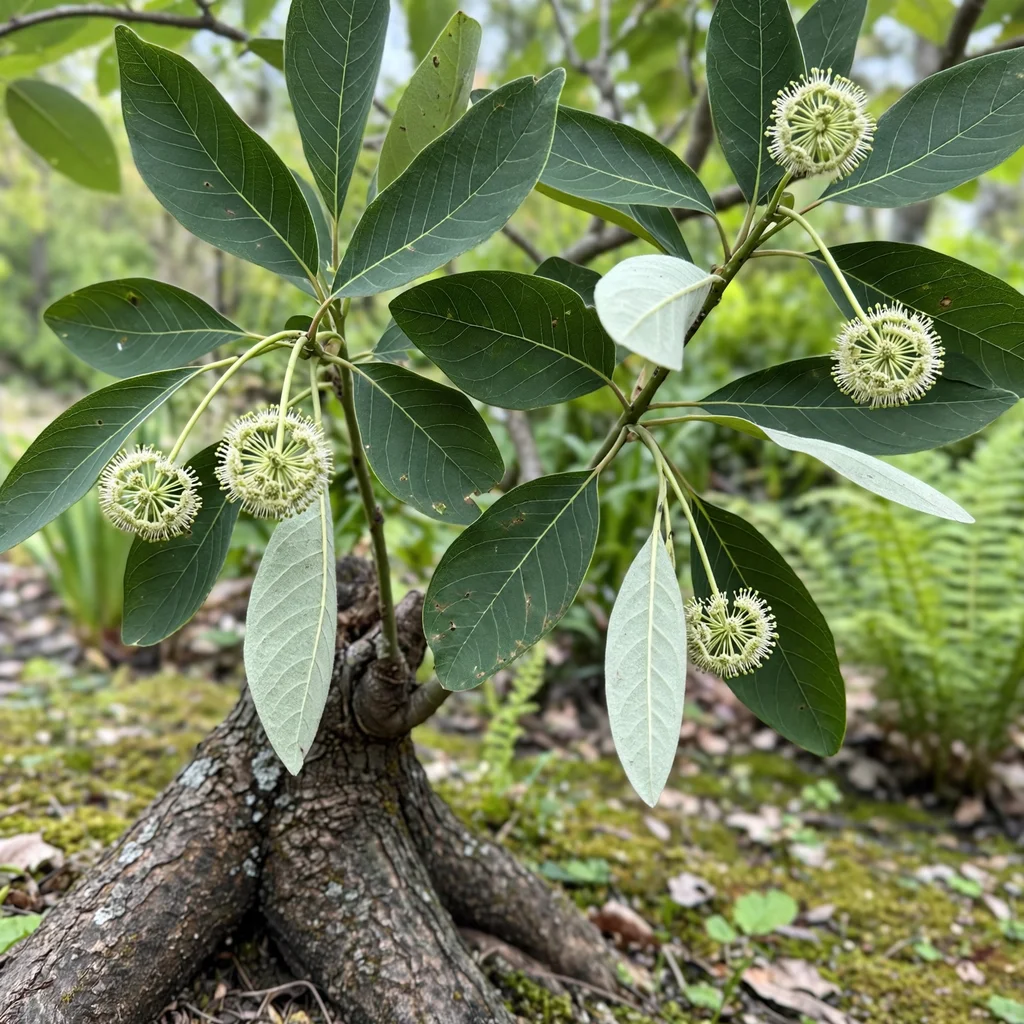
Ogeechee Tupelo
Nyssa ogeche
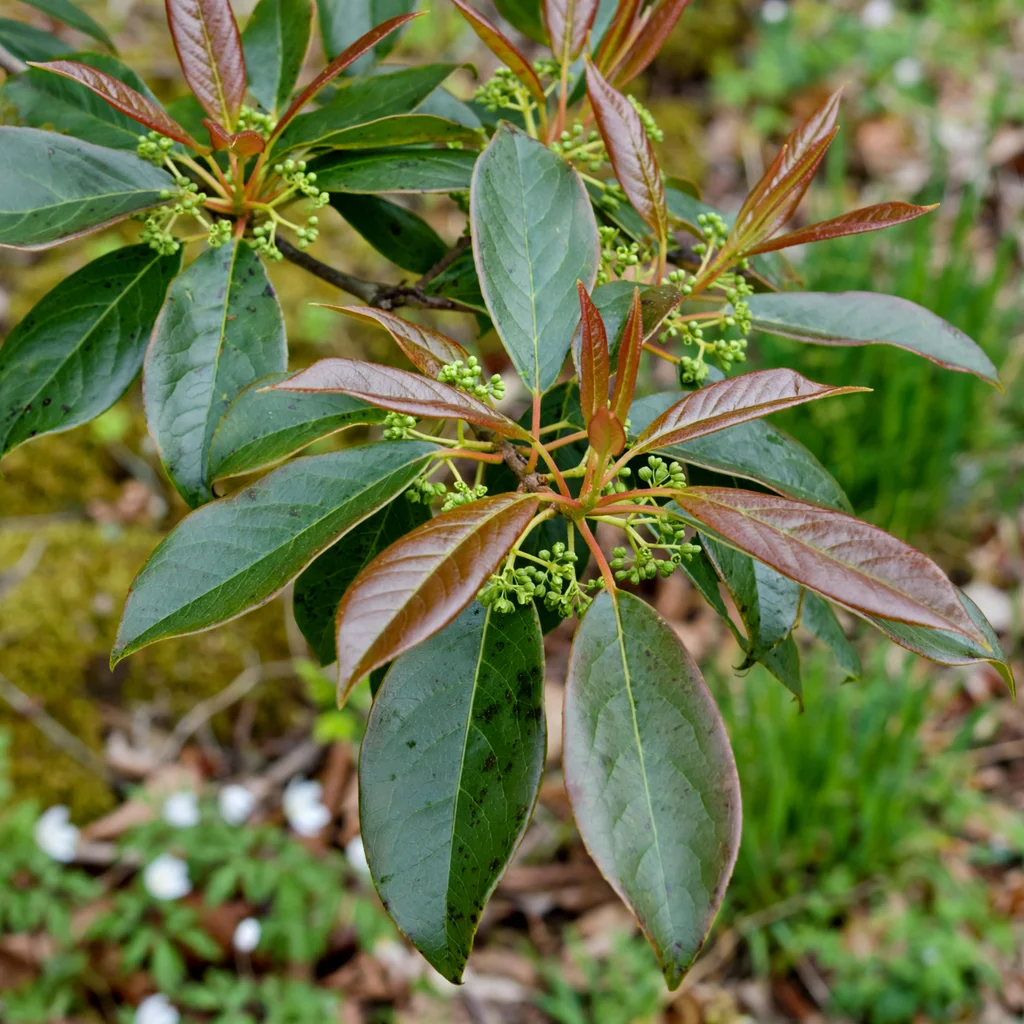
Red Splyndor Black Gum
Nyssa sylvatica 'Red Splyndor'
Keep exploring
Explore the genus
Hardy in your zone?
Grow Water Tupelo with confidence
See it in a design of your actual yard, get zone-matched care reminders, and track it season by season in your garden journal.