The Story
Plant Bio
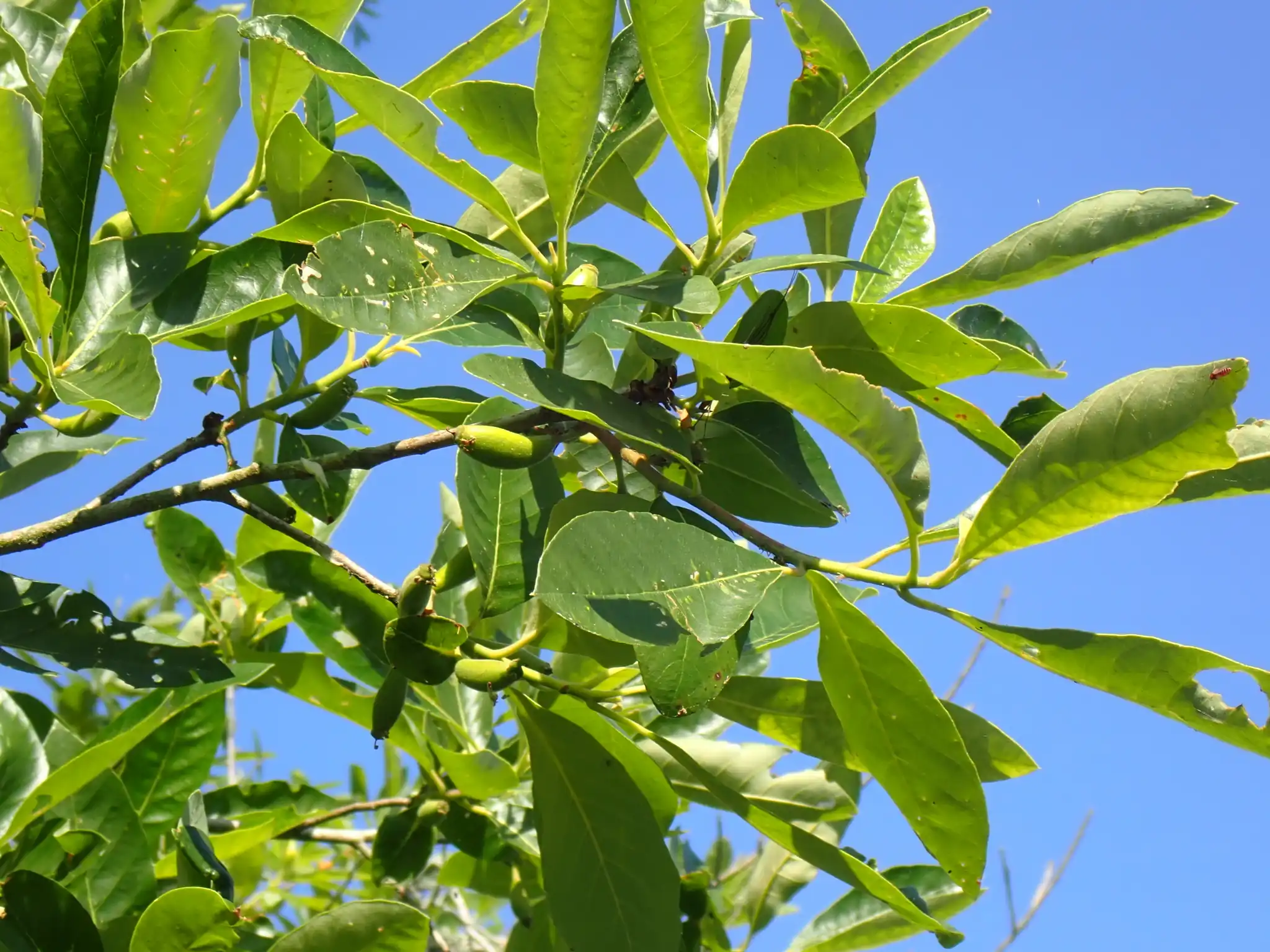
Nyssa ogeche is a deciduous wetland tree of the southeastern Coastal Plain, growing 35 to 50 feet tall in cultivation with a pyramidal crown that opens to a spreading flat-topped form with age. It develops a swollen buttressed base and dark brown-gray ridged bark, with 4- to 6-inch dark-green leaves that are velvety beneath.
It is dioecious, with small white to cream flowers in dense hanging clusters in spring; only female trees bear the 1-inch red oblong drupes with sharp lime-like flesh that ripen in late summer to fall. Fall color runs vivid yellow to deep purple, and the nectar flow supports the bees behind Ogeechee tupelo honey.
Uses & Benefits:
Essentials
At a Glance
Plant Type
Tree
Height
600"
Width
360"
Light
Full Sun, Partial Sun
Zones
7, 8, 9
Water
High
Humidity
High
Lifespan
Long-lived tree
Native To
Southeastern USA
Toxicity
Non-toxic, edible fruit
Bloom period
Early spring – Late spring
In flower about 3 months of the year
Planting
How to Grow
- Plant small container stock in spring in permanently moist, acidic clay, loam or sand in full sun to part shade.
- Set the crown at soil level, water deeply to settle, and mulch 2 to 3 inches deep while keeping mulch off the trunk.
- Keep soil consistently wet through the first two seasons; established trees tolerate flooding and brief drier spells but need a moist site.
- Prune only in winter dormancy to remove crossing or damaged limbs; it rarely needs shaping.
Pro Tip
Site it once in permanently moist acidic soil and use small container stock; the long taproot resents moving and large trees rarely reestablish.
Keep It Thriving
Care Guide
Do
- Plant males where fruit litter matters and females away from walks and patios.
- Keep soil acidic and consistently moist, especially while young.
- Mulch to hold moisture and protect the buttressed base.
Don't
- Do not plant in alkaline or dry upland soil — trees fail young.
- Do not move or transplant large taprooted trees.
- Do not expect a neat ornamental street tree where females will drop fruit.
Seasonal Care Calendar
| Task | Jan | Feb | Mar | Apr | May | Jun | Jul | Aug | Sep | Oct | Nov | Dec |
|---|---|---|---|---|---|---|---|---|---|---|---|---|
| Harvest | ||||||||||||
| Mulch | ||||||||||||
| Pest Check | ||||||||||||
| Plant | ||||||||||||
| Prune |
Watch Out For
Pests & Diseases
Common Pests
Common Diseases
In the Garden
Landscape Uses & Companions
Landscape Uses
Companion Plants
Multiply
Propagation Methods
Good to Know
Common Questions
Ogeechee Tupelo questions
What zones can Ogeechee Tupelo grow in?
Ogeechee Tupelo is hardy in USDA Zones 7–9: in that range it survives winter in the ground. Colder than Zone 7, winters are too cold for it to survive outdoors. Warmer than Zone 9, winter isn't the problem: it prefers colder winters, and summer heat can shorten its life.
When does Ogeechee Tupelo bloom?
Ogeechee Tupelo typically blooms in spring. Exact timing shifts a week or two with your zone — Sow's bloom calendar maps it to your garden.
Does Ogeechee Tupelo need full sun?
Ogeechee Tupelo does best in full sun to part shade. In hot climates, afternoon shade keeps blooms fresher longer.
Is Ogeechee Tupelo drought tolerant?
Yes — once established (usually after the first full season), Ogeechee Tupelo handles dry spells with minimal watering. Water deeply its first year to build the root system that makes that possible.
More Nyssa to compare
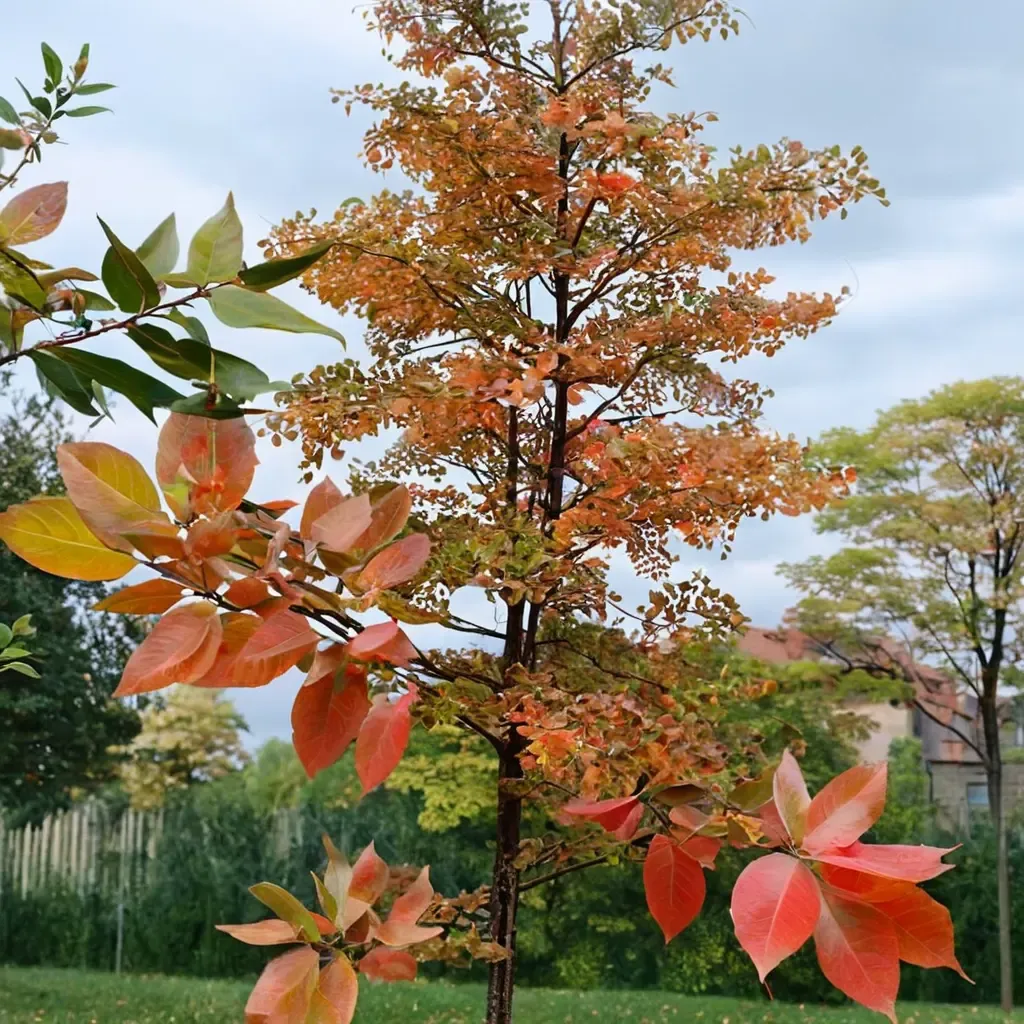
Black Tupelo
Nyssa sylvatica
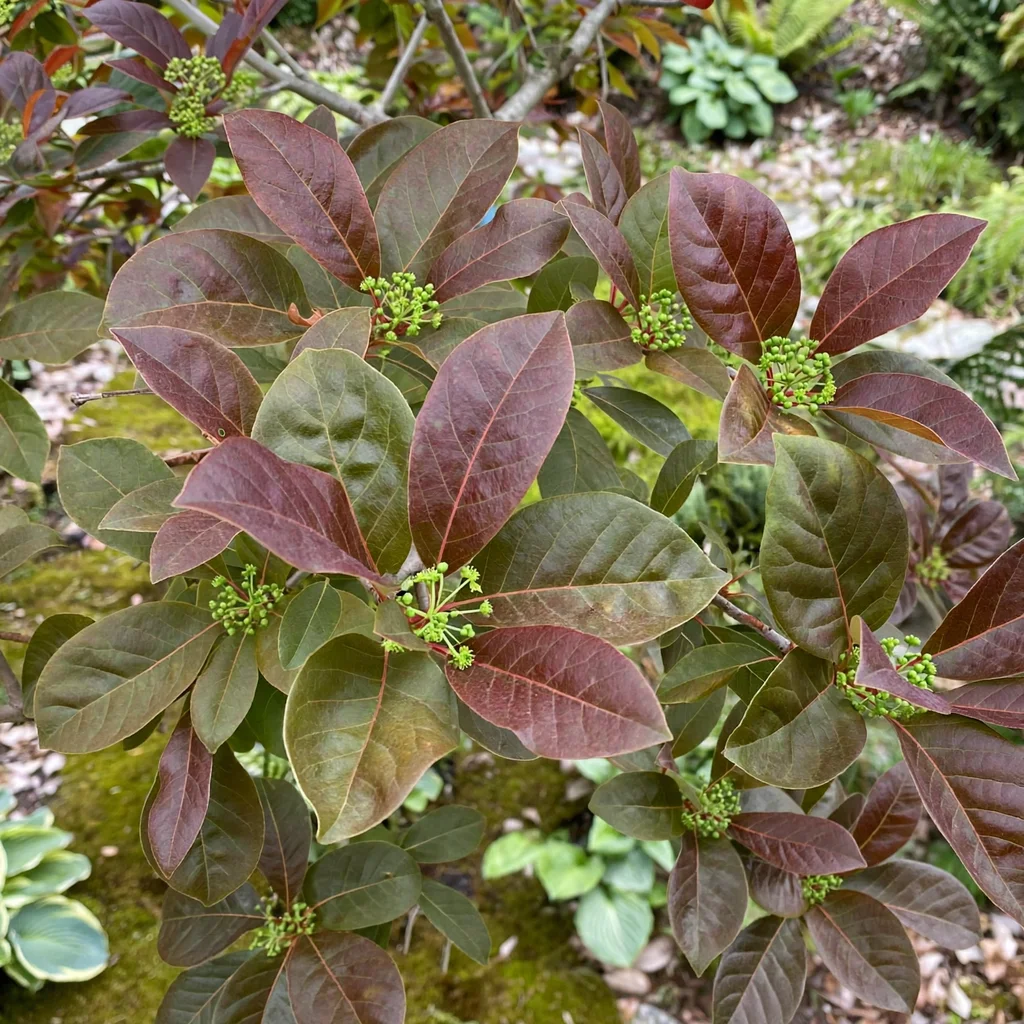
Wildfire Black Tupelo
Nyssa sylvatica 'Wildfire'
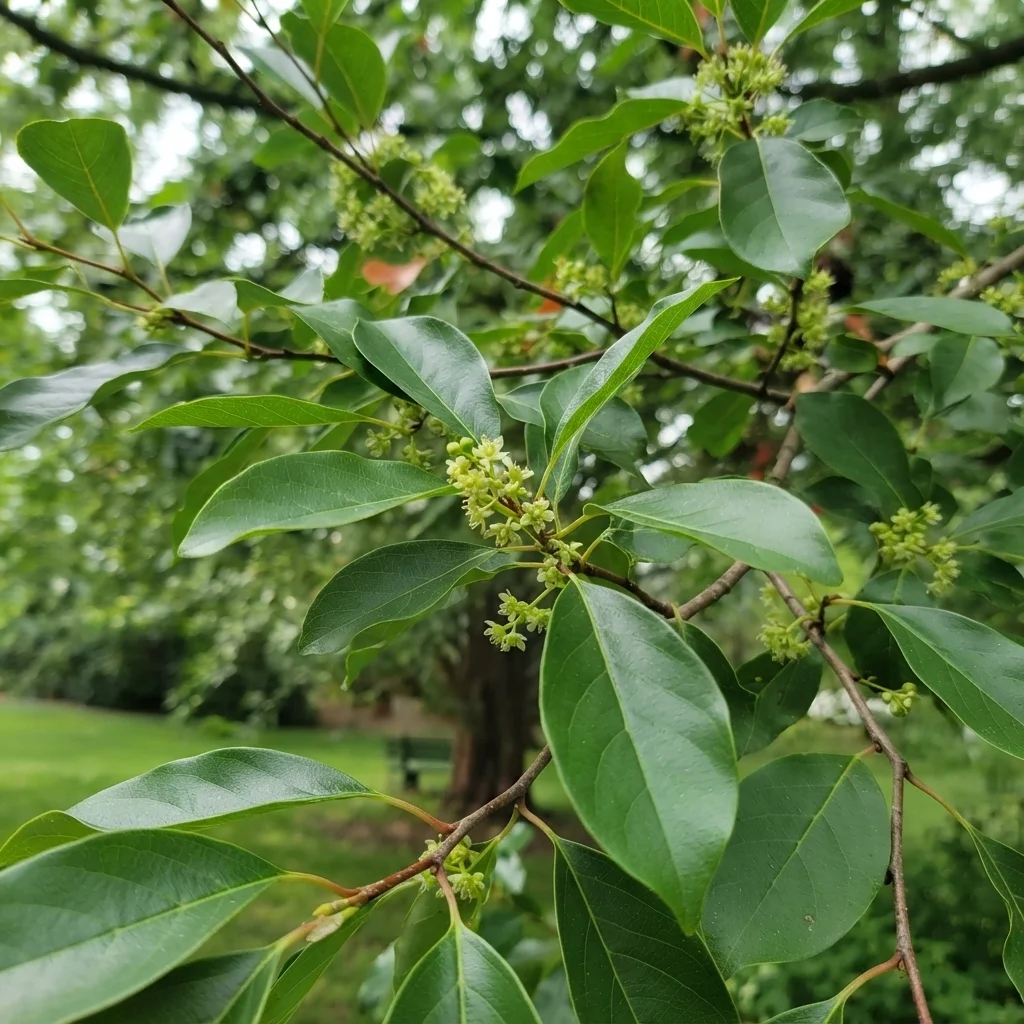
Green Gable Black Gum
Nyssa sylvatica 'Green Gable'
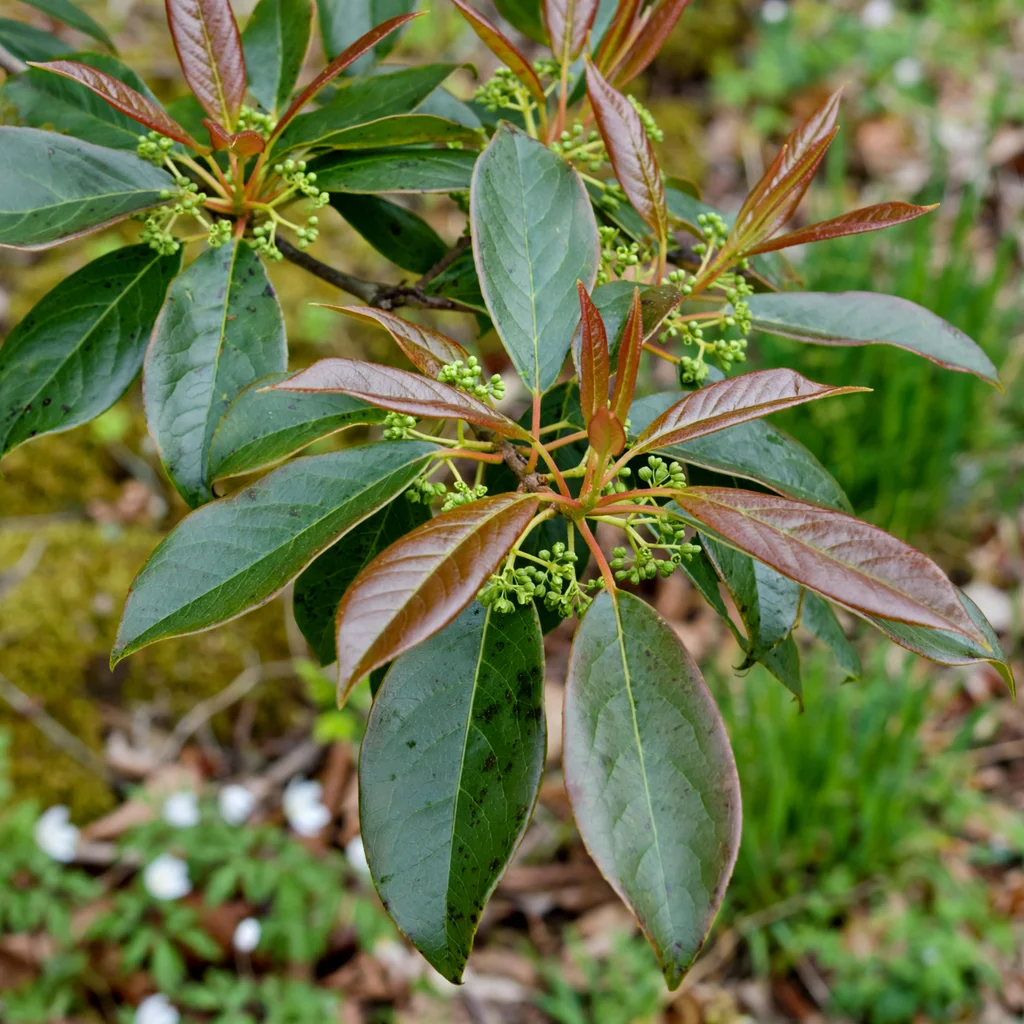
Red Splyndor Black Gum
Nyssa sylvatica 'Red Splyndor'
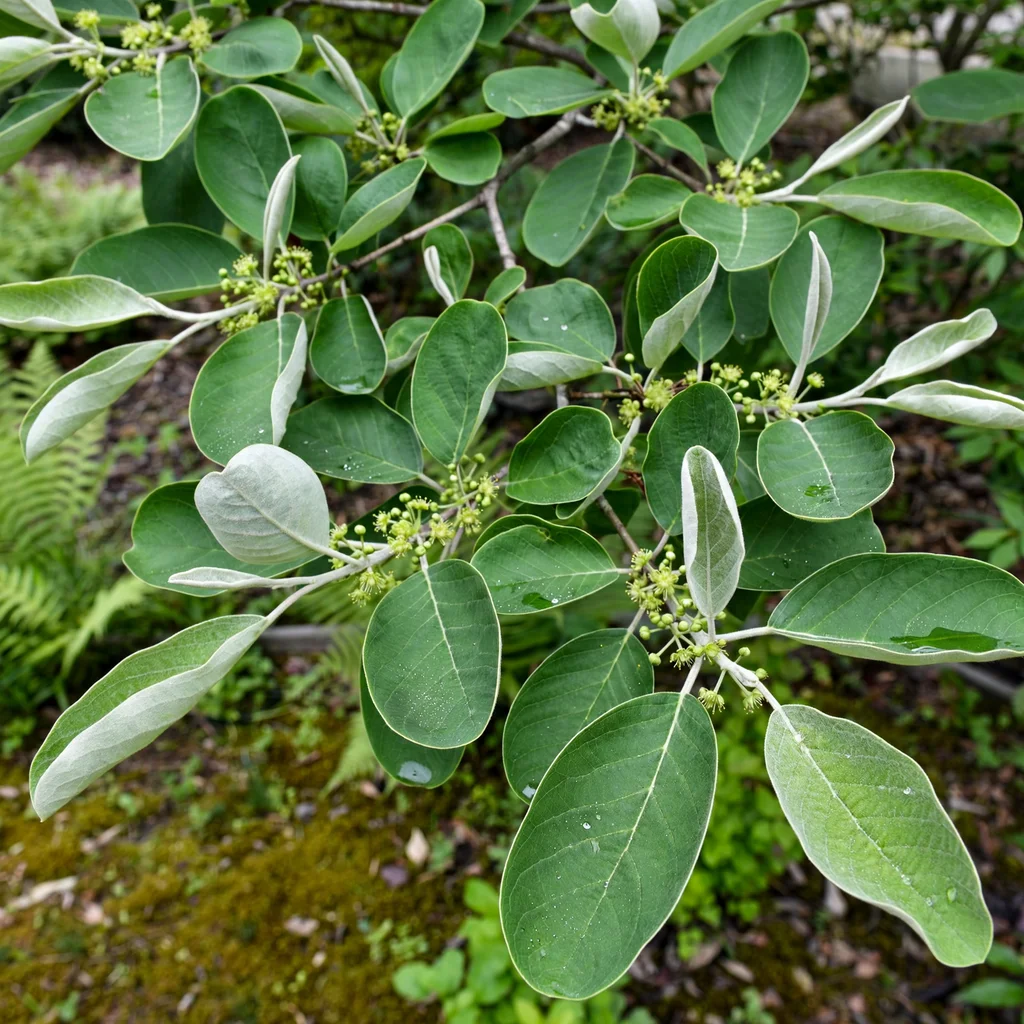
Water Tupelo
Nyssa aquatica
Keep exploring
Explore the genus
Hardy in your zone?
Grow Ogeechee Tupelo with confidence
See it in a design of your actual yard, get zone-matched care reminders, and track it season by season in your garden journal.