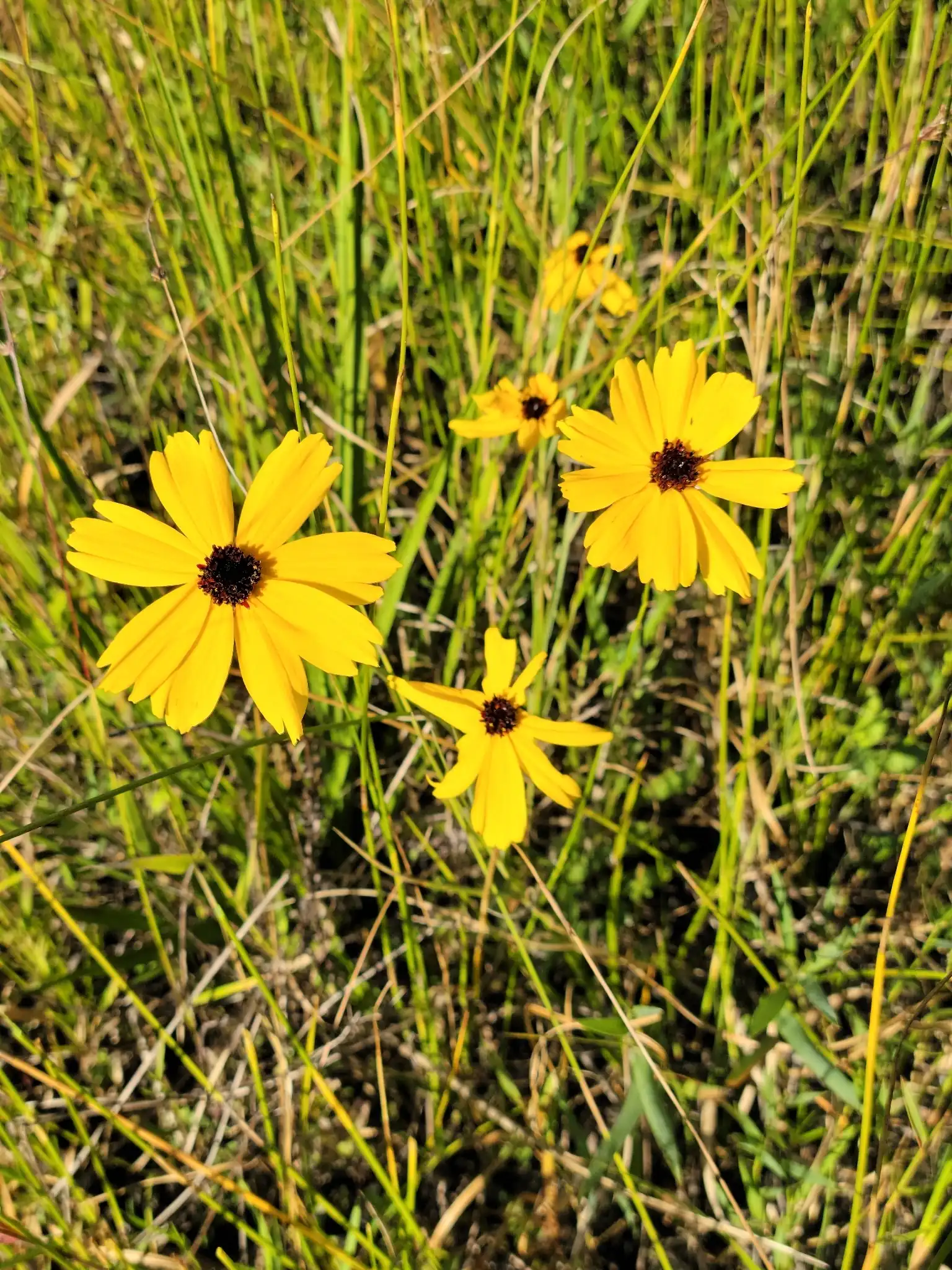
The Story
Plant Bio
Coreopsis floridana is an erect perennial tickseed endemic to Florida wet pinelands and marsh edges, reaching two to three feet in cultivation on slender stems with reduced leaves above. The heads carry golden-yellow rays around a dark brown disk, opening from late summer into early winter with peak bloom in fall.
Unlike upland tickseeds, this species requires constantly moist to seasonally flooded sand and fails in dry garden soil, tolerating even pots with no drainage. It is separated from Coastalplain tickseed by short triangular outer bracts striped reddish-purple and by elliptic to spatulate entire leaves that clasp the stem below.
Uses & Benefits:
Essentials
At a Glance
Plant Type
Perennial
Height
30"
Width
24"
Light
Full Sun
Zones
8, 9, 10
Water
Wet
Humidity
High
Lifespan
Perennial
Native To
Florida, USA
Toxicity
Unknown
Bloom period
Late summer – Early winter
In flower about 5 months of the year
Planting
How to Grow
- Plant in full sun in moist to wet sandy soil at the edge of a swale or rain garden.
- Set crowns level with the soil and water in deeply to settle saturated soil around roots.
- Mulch lightly to hold moisture and suppress competition through establishment.
- Water to maintain constant moisture; do not allow the root zone to dry out.
Pro Tip
Site it where soil never dries out; an upland dry bed will starve it even in full sun.
Keep It Thriving
Care Guide
Do
- Keep soil consistently moist to wet year round.
- Give full sun for strongest stems and heaviest bloom.
- Renew short-lived clumps from seed.
Don't
- Do not plant in dry upland soil or fast-draining rock gardens.
- Do not expose to salt spray or brackish flooding.
- Do not let plants dry out in containers.
Seasonal Care Calendar
| Task | Jan | Feb | Mar | Apr | May | Jun | Jul | Aug | Sep | Oct | Nov | Dec |
|---|---|---|---|---|---|---|---|---|---|---|---|---|
| Deadhead | ||||||||||||
| Mulch | ||||||||||||
| Pest Check | ||||||||||||
| Plant | ||||||||||||
| Propagate |
Watch Out For
Pests & Diseases
Common Pests
Common Diseases
In the Garden
Landscape Uses & Companions
Landscape Uses
Multiply
Propagation Methods
Good to Know
Common Questions
Florida Tickseed questions
What zones can Florida Tickseed grow in?
Florida Tickseed is hardy in USDA Zones 8–10: in that range it survives winter in the ground. Colder than Zone 8, grow it in a container you can move to shelter for the winter, or as an annual.
When does Florida Tickseed bloom?
Florida Tickseed typically blooms from late summer to early winter. Exact timing shifts a week or two with your zone — Sow's bloom calendar maps it to your garden.
Does Florida Tickseed need full sun?
Florida Tickseed does best in full sun (6+ hours).
More Coreopsis to compare
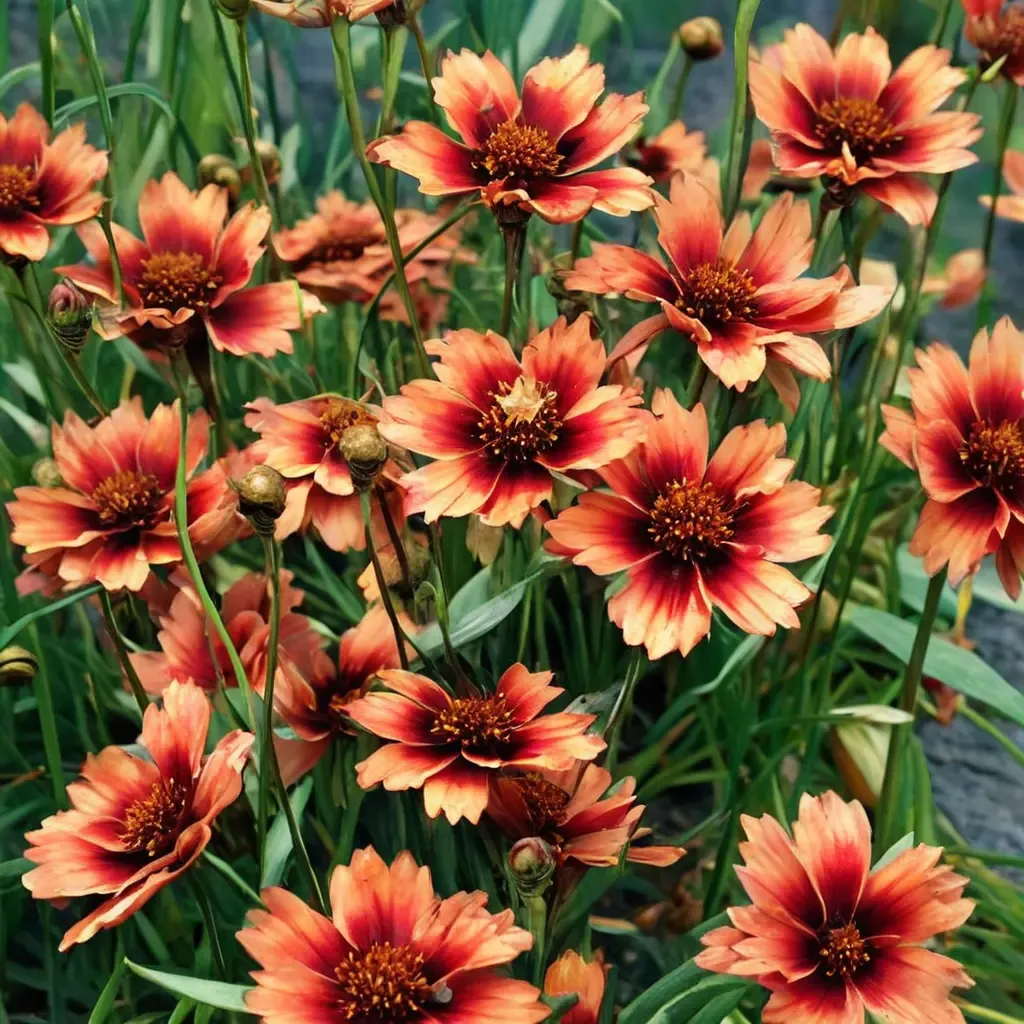
Desert Coral Plains Coreopsis
Coreopsis tinctoria 'Desert Coral'
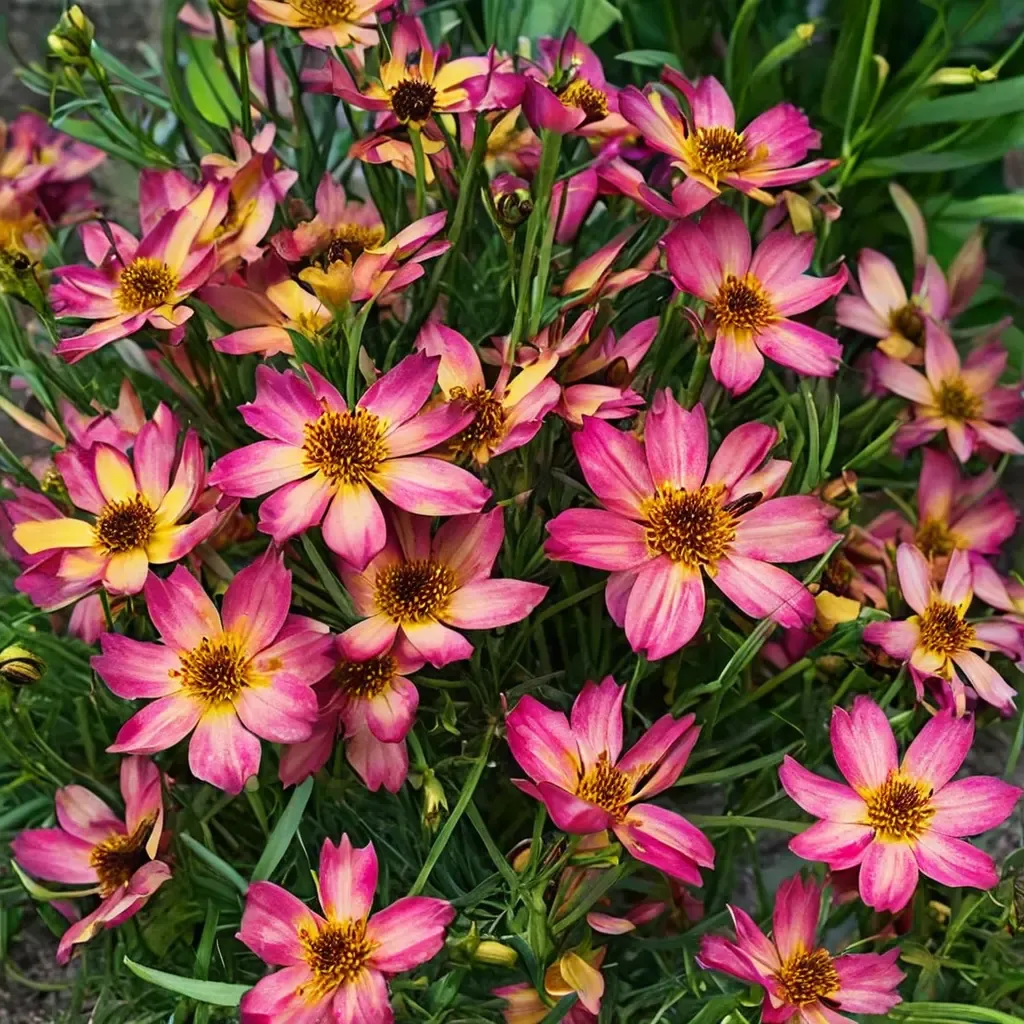
Tickseed 'Sweet Tart'
Coreopsis tinctoria 'Sweet Tart'
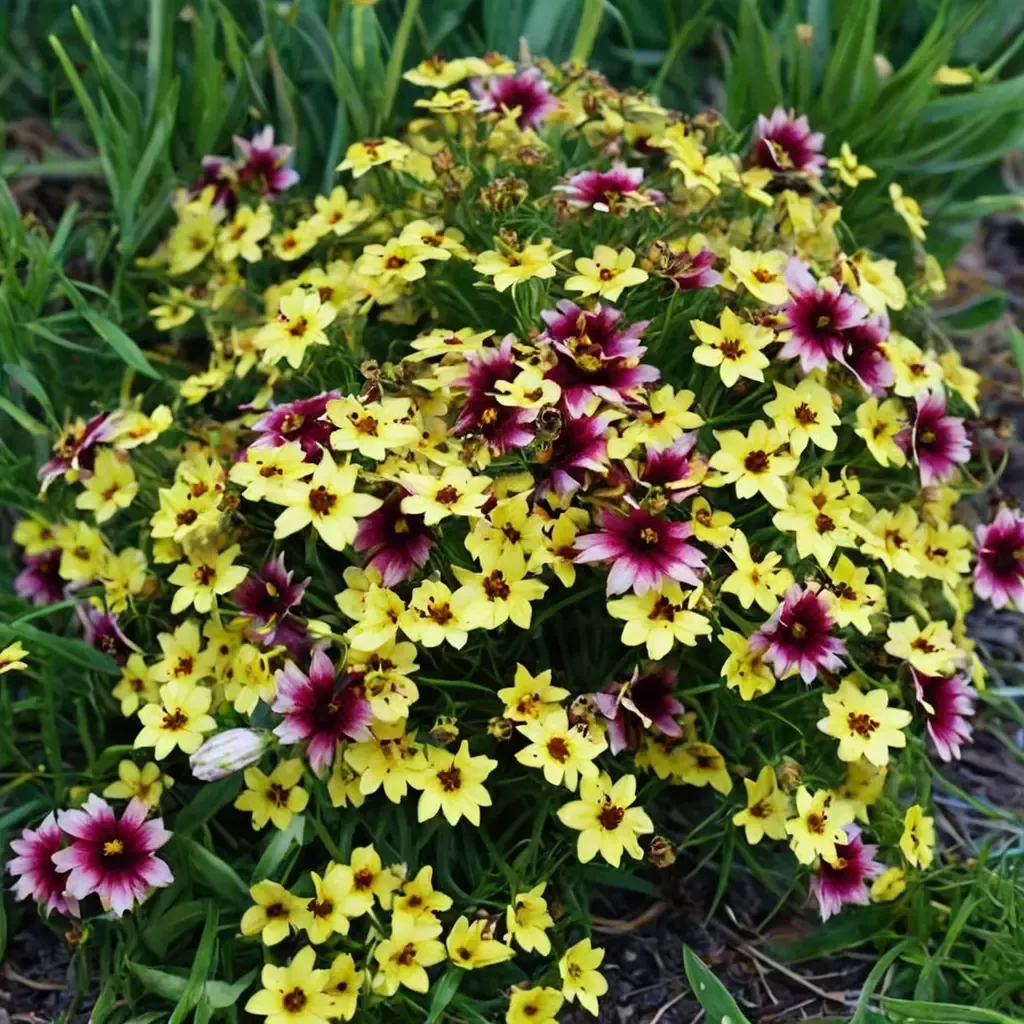
Sassy Saffron Tickseed
Coreopsis grandiflora 'Sassy Saffron'
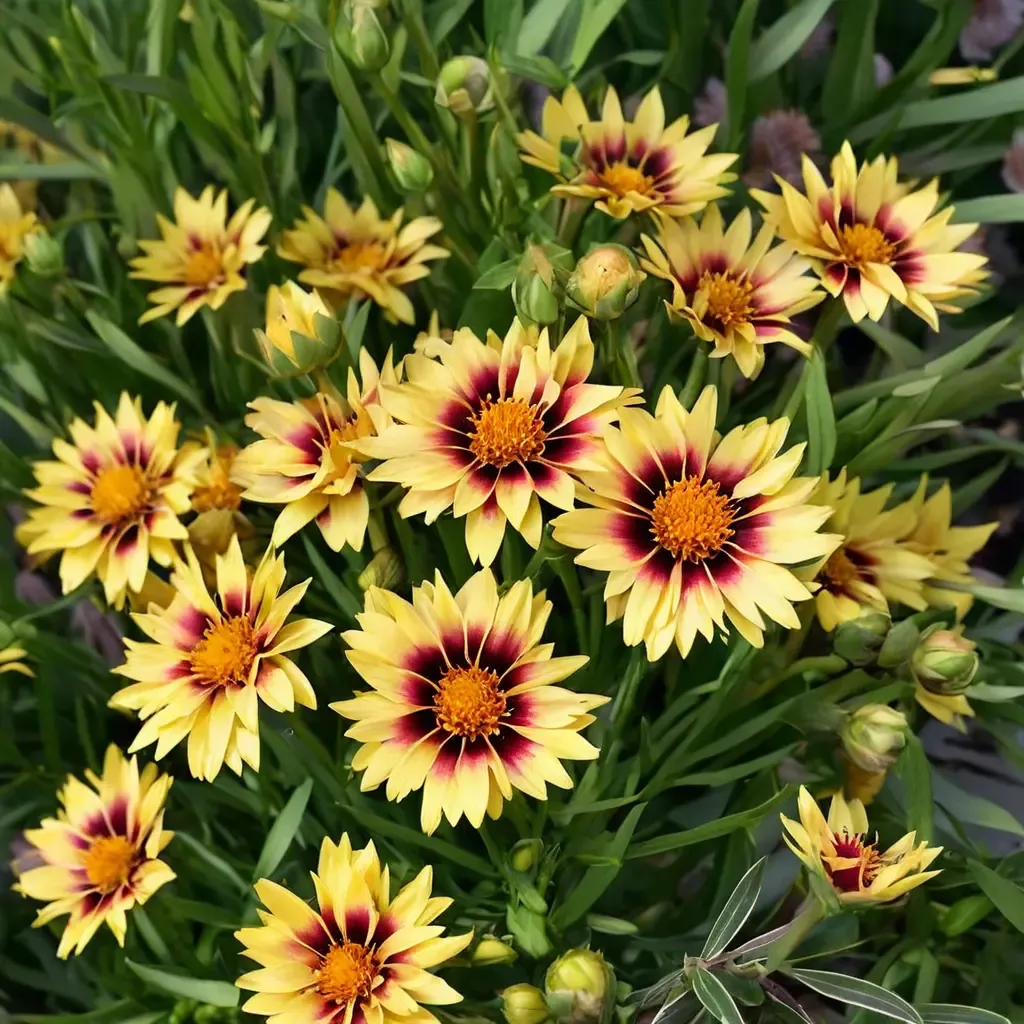
Enchanted Eve Li'l Bang Tickseed
Coreopsis grandiflora 'Enchanted Eve Li'l Bang'
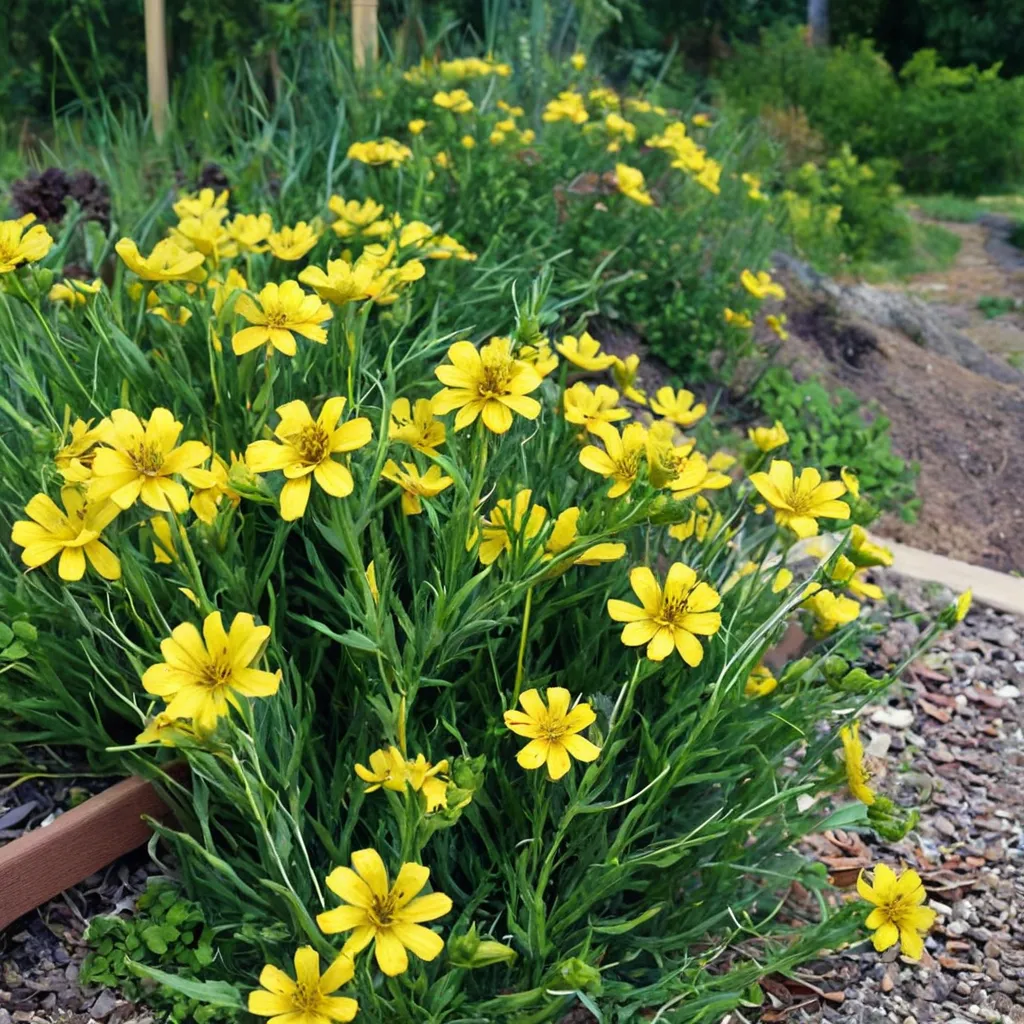
Prairie Coreopsis
Coreopsis palmata
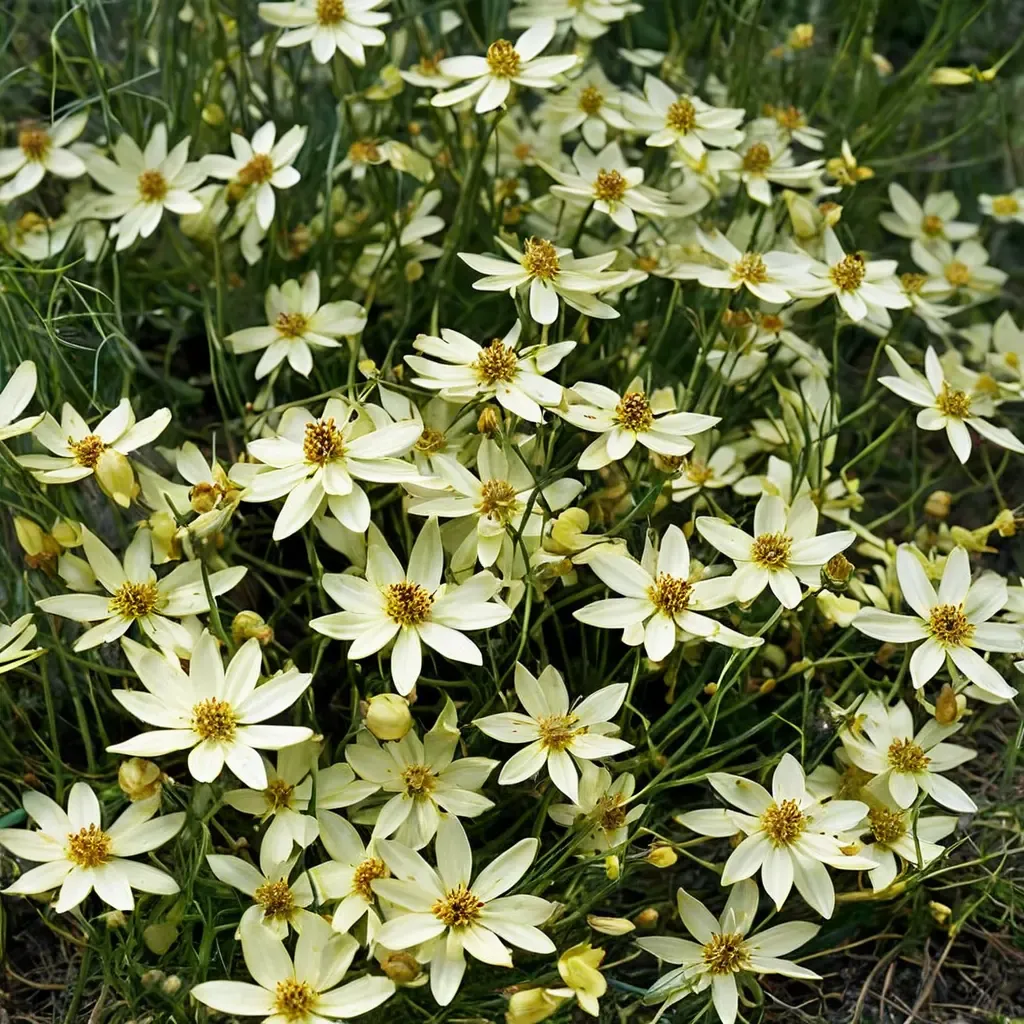
Moonbeam Tickseed
Coreopsis verticillata 'Moonbeam'
Keep exploring
Hardy in your zone?
Grow Florida Tickseed with confidence
See it in a design of your actual yard, get zone-matched care reminders, and track it season by season in your garden journal.