
The Story
Plant Bio
Berberis pinnata is an evergreen shrub native to Pacific coastal habitats, growing three to ten feet tall with upright, suckering stems. Its compound leaves feature glossy, holly-like leaflets with wavy, spiny margins, while spring brings dense clusters of bright golden-yellow flowers.
Distinguished by its pinnately compound foliage with seven to thirteen sharp leaflets, the foliage emerges with a coppery-bronze tint before turning deep green. The springtime floral racemes give way to blue-black berries that provide key autumn food for native birds.
Uses & Benefits:
Essentials
At a Glance
Plant Type
Shrub
Height
118"
Width
71"
Light
Full Sun, Partial Sun
Zones
8, 9, 10
Water
Low to moderate
Humidity
Moderate
Lifespan
Perennial
Native To
Western North America
Toxicity
Toxic if ingested
Bloom period
Spring
In flower about 3 months of the year
Planting
How to Grow
- Select a site in full sun or partial shade with sharply draining soil, prioritizing afternoon shade in hot inland locations.
- Dig a planting hole twice as wide as the root container and place the crown level with the soil surface.
- Water thoroughly at planting and maintain moderate moisture through the first dry season.
- Apply a two-inch layer of organic mulch around the base to retain moisture while keeping it off the stem.
Pro Tip
Restrict pruning to leafy green stems immediately after flowering, as older leafless wood lacks dormant buds to regenerate new growth.
Keep It Thriving
Care Guide
Do
- Plant in soil that drains freely to prevent root decay.
- Provide partial shade during intense summer afternoon heat.
- Trim green growth lightly right after flowering finishes.
Don't
- Do not allow soil to remain wet or waterlogged.
- Do not hard-prune into bare, woody stems.
- Do not over-fertilize established plants.
Seasonal Care Calendar
| Task | Jan | Feb | Mar | Apr | May | Jun | Jul | Aug | Sep | Oct | Nov | Dec |
|---|---|---|---|---|---|---|---|---|---|---|---|---|
| Fertilize | ||||||||||||
| Mulch | ||||||||||||
| Pest Check | ||||||||||||
| Prune |
Watch Out For
Pests & Diseases
Common Pests
Common Diseases
In the Garden
Landscape Uses & Companions
Landscape Uses
Companion Plants
Multiply
Propagation Methods
Good to Know
Common Questions
California Barberry questions
What zones can California Barberry grow in?
California Barberry is hardy in USDA Zones 8–10: in that range it survives winter in the ground. Colder than Zone 8, grow it in a container you can move to shelter for the winter.
Is California Barberry deer resistant?
Not reliably. Deer may browse California Barberry, especially tender spring growth — plan on repellents or fencing where pressure is high.
When does California Barberry bloom?
California Barberry typically blooms in spring. Exact timing shifts a week or two with your zone — Sow's bloom calendar maps it to your garden.
Does California Barberry need full sun?
California Barberry does best in full sun to part shade. In hot climates, afternoon shade keeps blooms fresher longer.
Is California Barberry drought tolerant?
Yes — once established (usually after the first full season), California Barberry handles dry spells with minimal watering. Water deeply its first year to build the root system that makes that possible.
More Berberis to compare
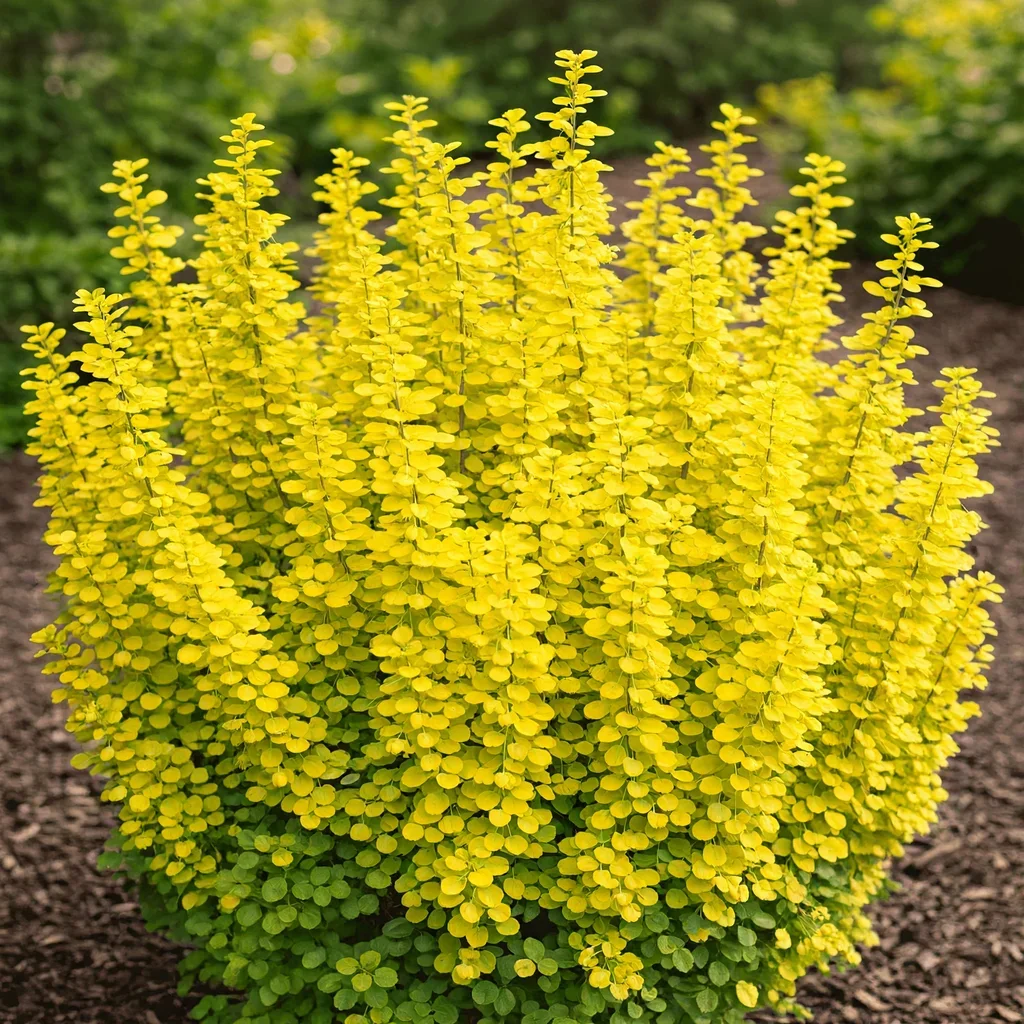
Gold Pillar Japanese Barberry
Berberis thunbergii 'Gold Pillar'
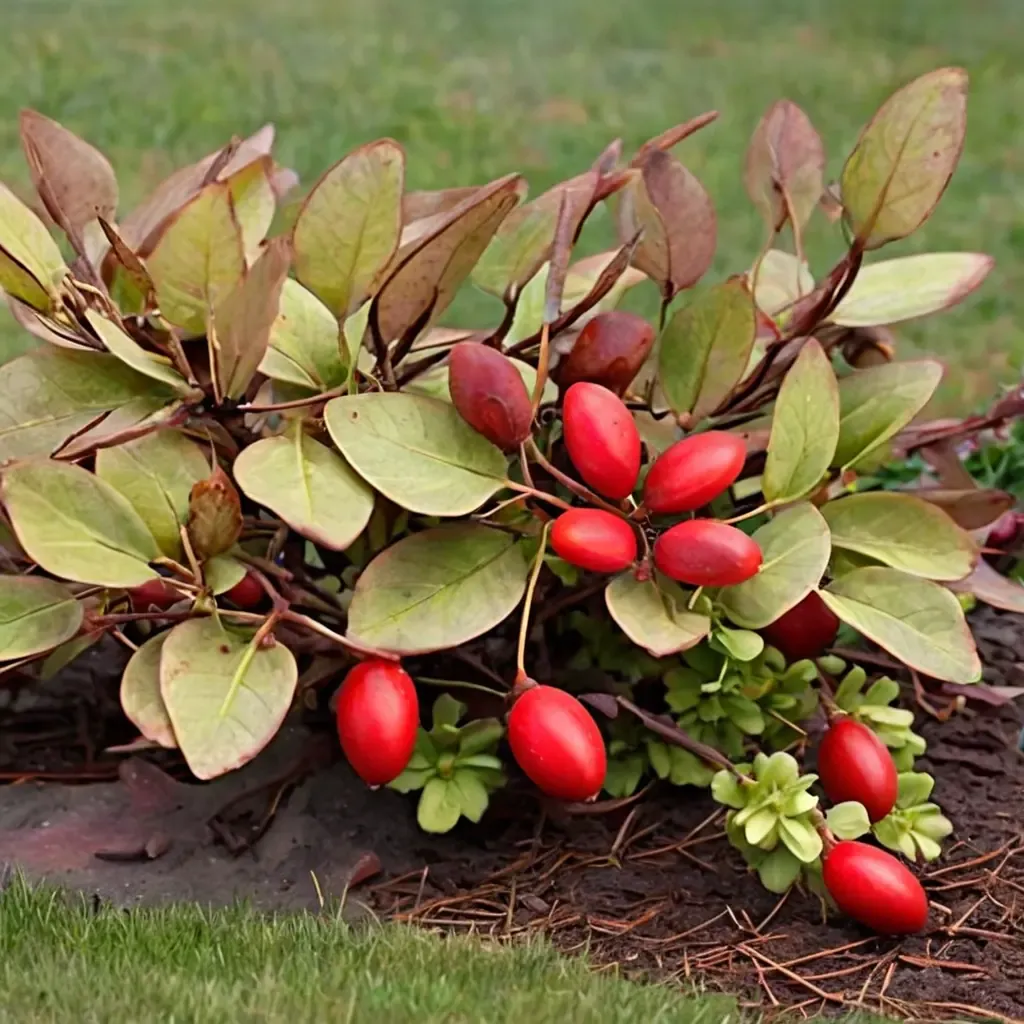
Japanese Barberry
Berberis thunbergii
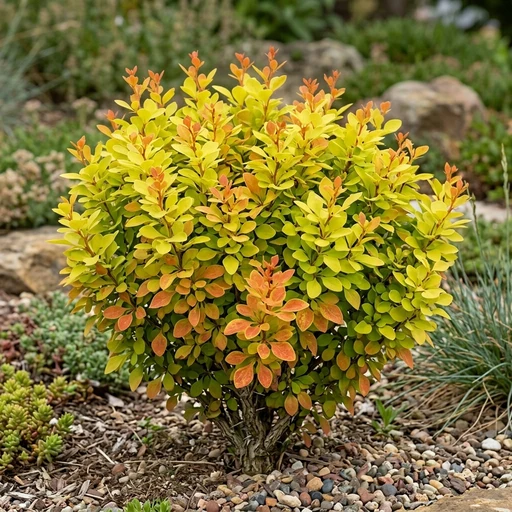
Sunjoy Neo Barberry
Berberis thunbergii 'Sunjoy Neo'
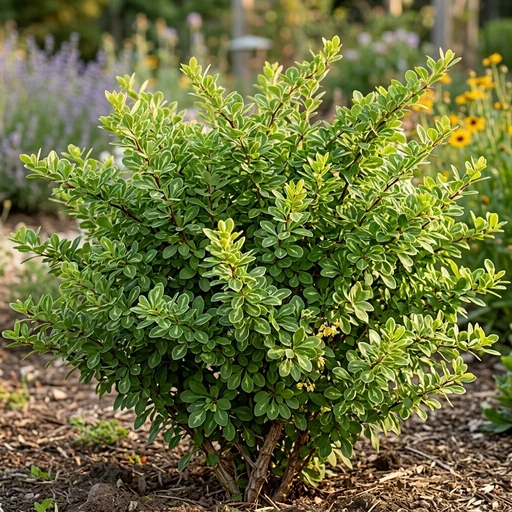
William Penn Barberry
Berberis gladwynensis 'William Penn'
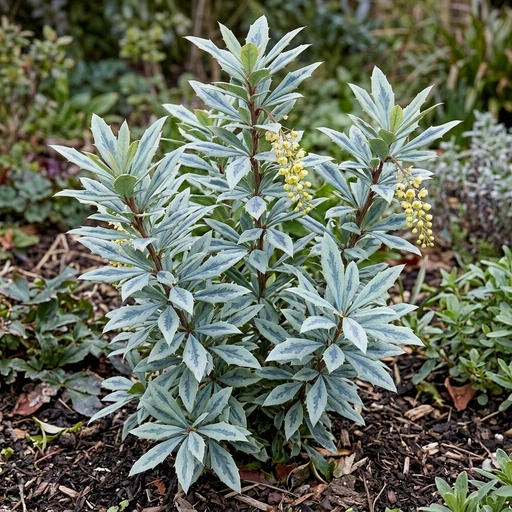
Winter Sun Oregon Grape
Berberis hortensis 'Winter Sun'
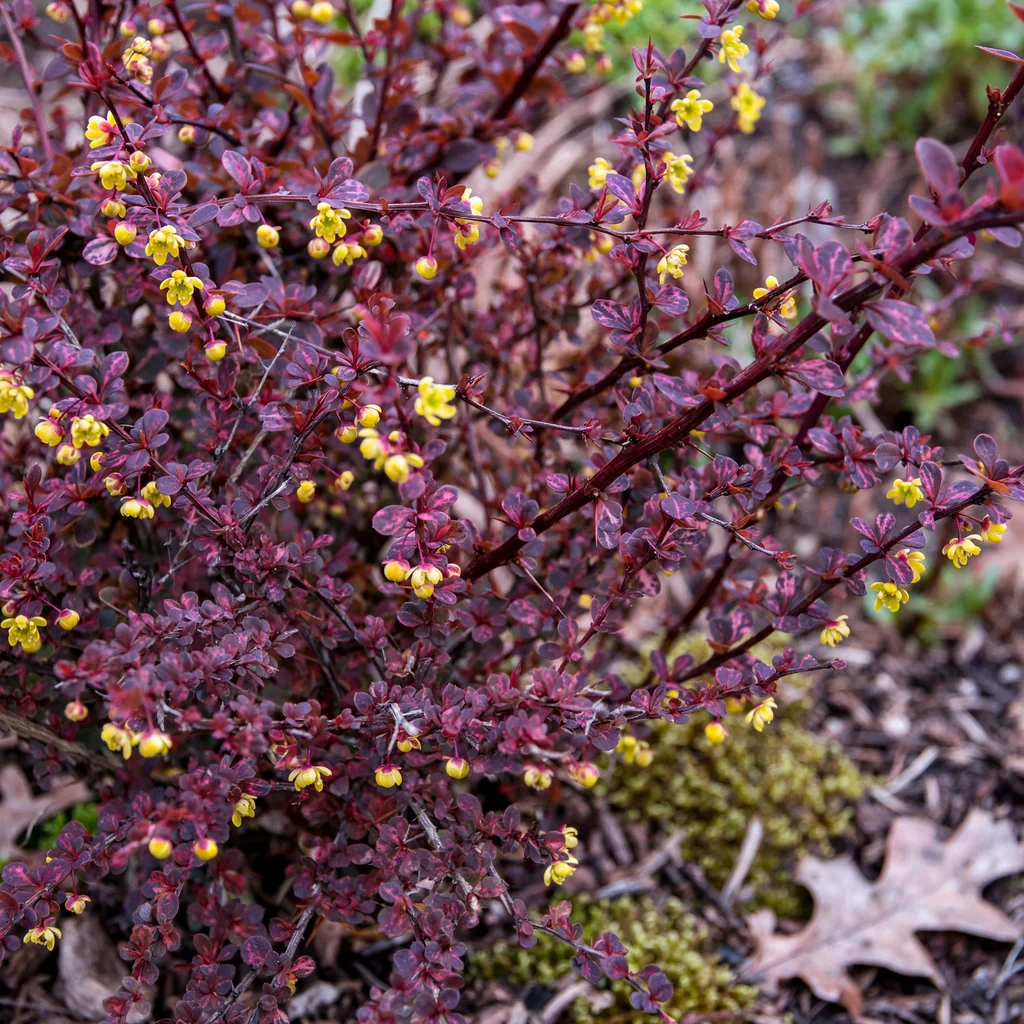
Japanese Barberry 'Atropurpurea'
Berberis thunbergii 'Atropurpurea'
Keep exploring
Explore the genus
Hardy in your zone?
Grow California Barberry with confidence
See it in a design of your actual yard, get zone-matched care reminders, and track it season by season in your garden journal.