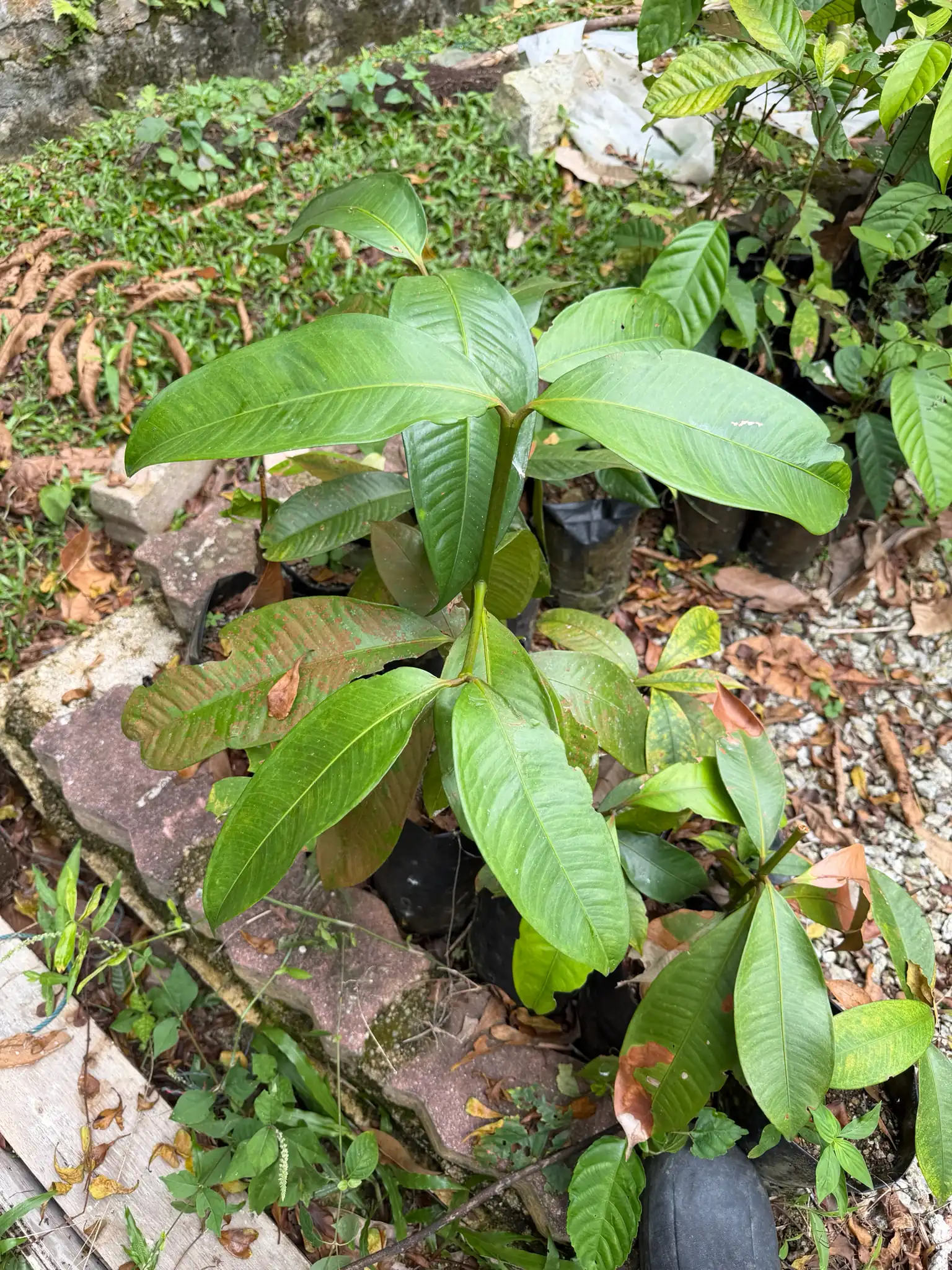
The Story
Plant Bio
Garcinia mangostana is an erect slow-growing evergreen tree from Southeast Asian rainforest, reaching 40 to 50 feet in gardens with a pyramidal to columnar crown. It carries thick leathery dark-green oblong-elliptic leaves and demands deep rich moisture-holding clay-loam with constant heat and humidity.
Only female trees are known, bearing solitary cream flowers tinged red-pink that set fruit without pollination. The round purple fruit holds white segmented flesh, and uneven watering or puncture injury releases yellow gamboge sap that makes the flesh bitter.
Uses & Benefits:
Essentials
At a Glance
Plant Type
Tropical
Height
600"
Width
360"
Light
Full Sun, Partial Sun
Water
High
Humidity
High
Lifespan
Long-lived tree
Native To
Southeast Asia
Toxicity
Non-toxic
Bloom period
Spring – Summer
In flower about 6 months of the year
Planting
How to Grow
- Plant trees over 20 inches tall in deep manured clay-loam at pH 5.5 to 7.0 with wind protection and 30 to 50 percent shade for the first four years.
- Water to keep soil constantly moist but never waterlogged, irrigating through dry spells to meet very high annual need.
- Mulch thickly and fertilize regularly through the warm season to sustain slow steady growth.
- Move containers indoors or to a heated greenhouse before temperatures fall toward 40 degrees, maintaining heat and humidity.
- Prune only to remove dead wood, avoiding cuts into healthy canopy that recover slowly.
Pro Tip
Shade young trees to 30 to 50 percent and keep soil evenly moist but drained; alternate drying and waterlogging triggers gamboge and split bitter fruit.
Keep It Thriving
Care Guide
Do
- Keep soil evenly moist with excellent drainage and never let it waterlog
- Provide 30 to 50 percent shade for the first four years then full sun
- Mulch thickly and fertilize regularly in warm weather
Don't
- Do not expose to frost or temperatures near 40F
- Do not plant in limestone, alkaline or salty soil
- Do not over-prune or let soil dry out then flood
Seasonal Care Calendar
| Task | Jan | Feb | Mar | Apr | May | Jun | Jul | Aug | Sep | Oct | Nov | Dec |
|---|---|---|---|---|---|---|---|---|---|---|---|---|
| Fertilize | ||||||||||||
| Mulch | ||||||||||||
| Pest Check | ||||||||||||
| Plant | ||||||||||||
| Prune |
Watch Out For
Pests & Diseases
Common Pests
Common Diseases
In the Garden
Landscape Uses & Companions
Landscape Uses
Companion Plants
Multiply
Propagation Methods
Good to Know
Common Questions
Mangosteen questions
When does Mangosteen bloom?
Mangosteen typically blooms from spring to summer. Exact timing shifts a week or two with your zone — Sow's bloom calendar maps it to your garden.
Does Mangosteen need full sun?
Mangosteen does best in full sun to part shade. In hot climates, afternoon shade keeps blooms fresher longer.
More Garcinia to compare
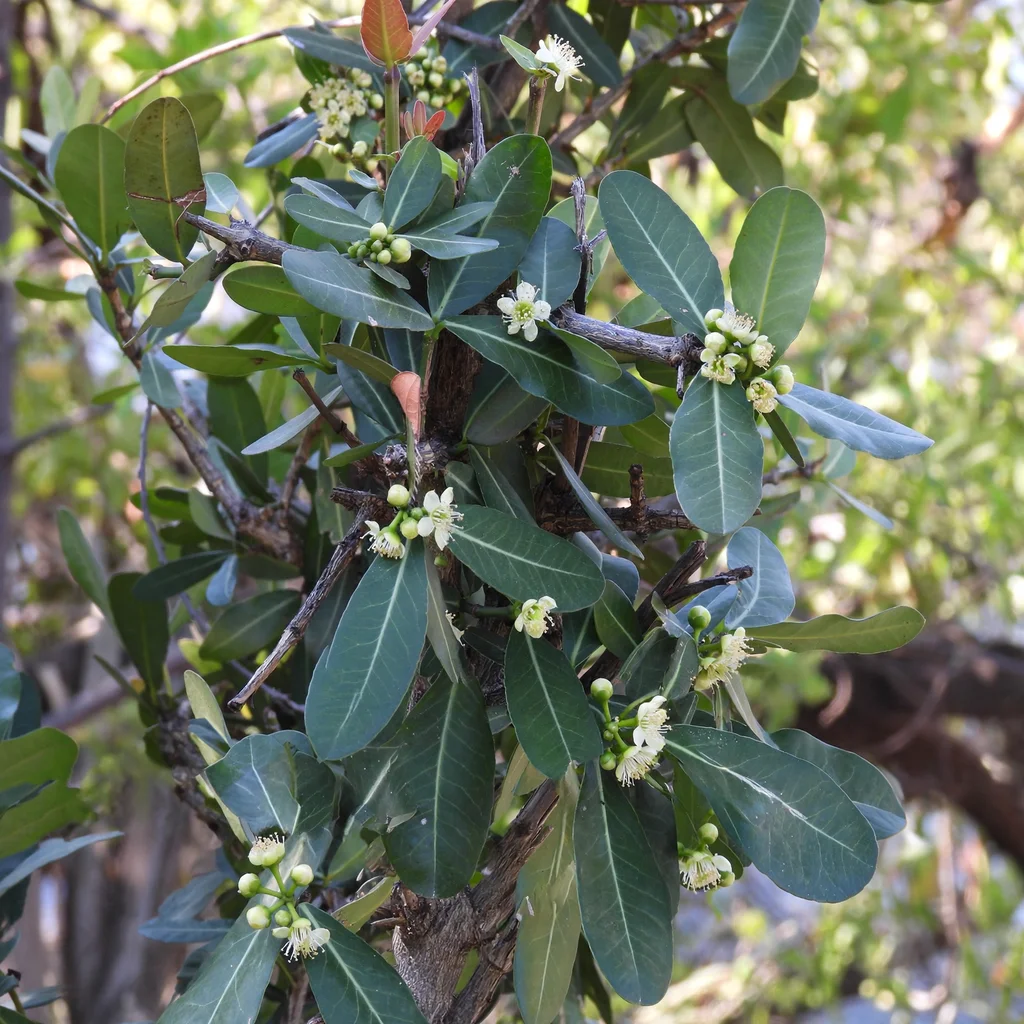
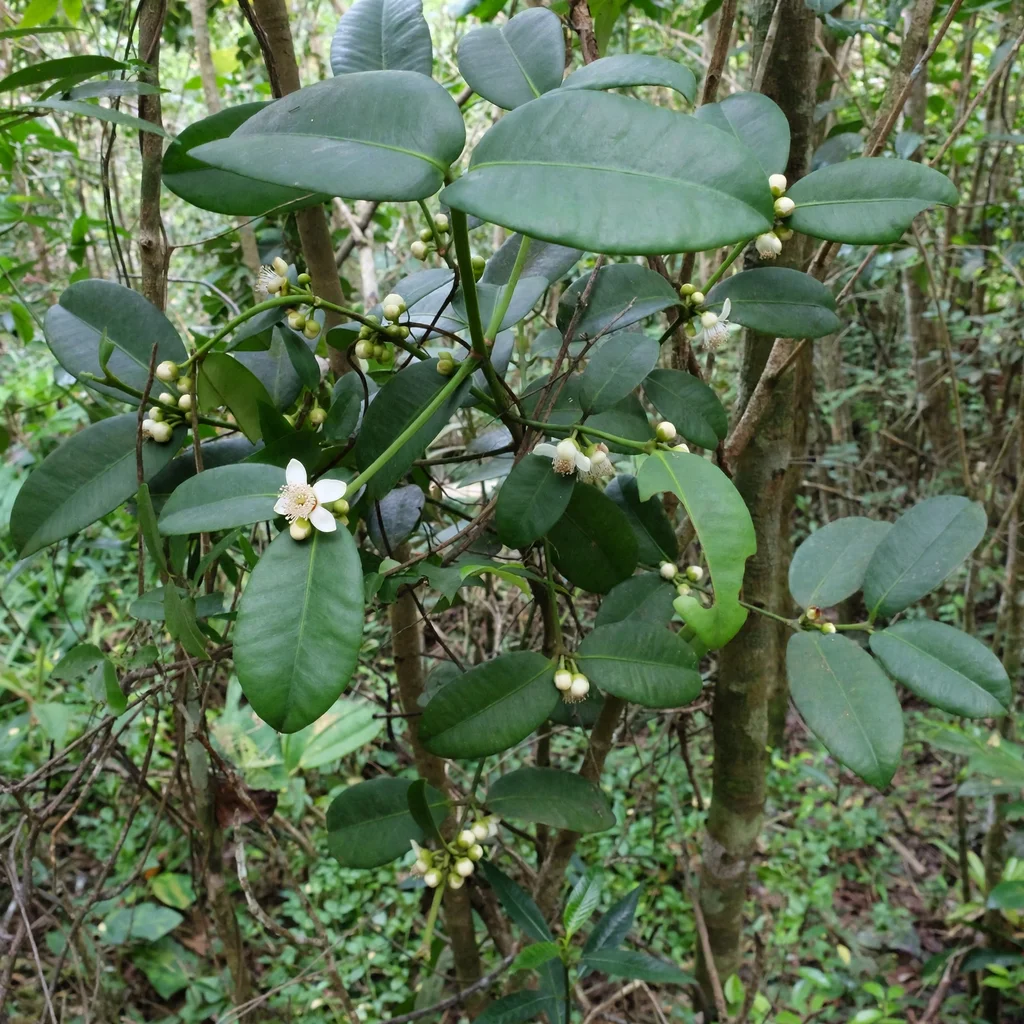
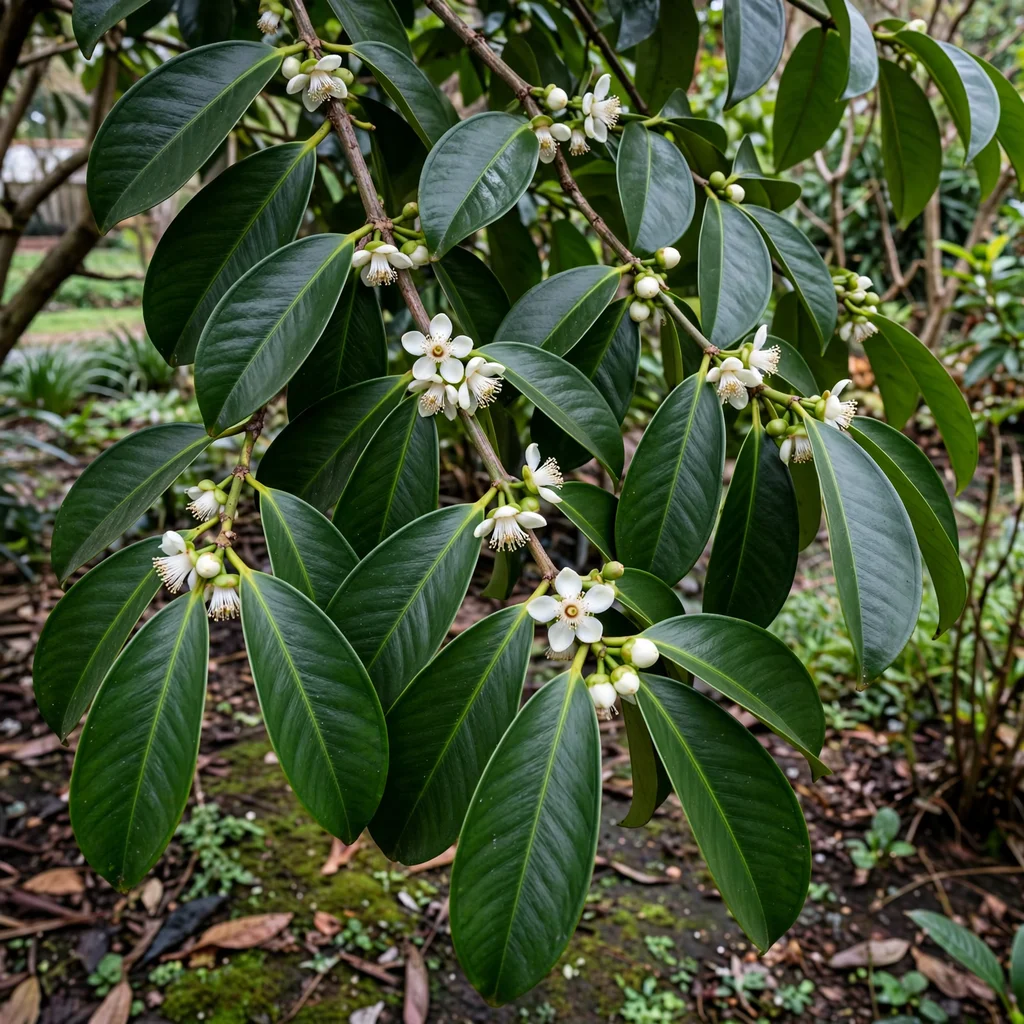
Keep exploring
Explore the genus
Grow Mangosteen with confidence
See it in a design of your actual yard, get zone-matched care reminders, and track it season by season in your garden journal.