The Story
Plant Bio
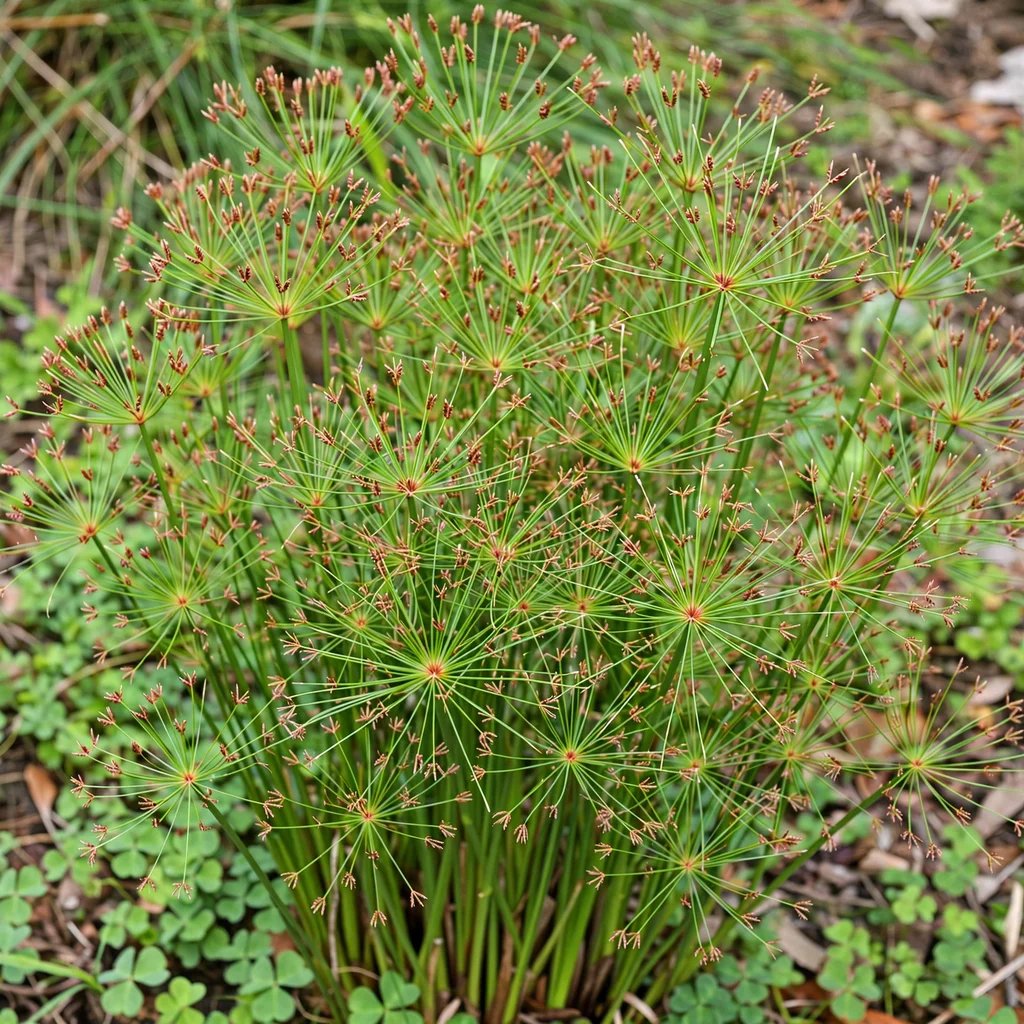
Cyperus prolifer is a rhizomatous perennial sedge from eastern Africa and the western Indian Ocean islands, forming upright tufts of soft, leafless culms to two to three feet in marshes and lake margins. True leaves are reduced to basal sheaths; each culm is topped by a broad umbrella of 100 to 250 slender rays carrying small reddish-brown spikelets and, in wild plants, brown obovoid achenes.
Garden plants are the compact dwarf form, 18 to 24 inches tall, sold under names such as dwarf papyrus and Queen Tut and often mislabelled as C. isocladus or C. papyrus 'Nanus'. It is truly viviparous, rooting new daughter tufts where the leaning inflorescence touches mud and spreading by rhizomes into colonies; cultivated stock seldom sets seed.
Uses & Benefits:
Essentials
At a Glance
Plant Type
Perennial
Height
24"
Width
18"
Light
Full Sun, Partial Sun
Zones
9, 10
Water
Wet
Humidity
Unknown
Lifespan
Perennial
Native To
Eastern Africa to South Africa and Madagascar
Toxicity
Unknown
Bloom period
Summer – Fall
In flower about 6 months of the year
Planting
How to Grow
- Plant in full sun to light shade in wet soil or with the pot crown at or just below the waterline.
- Use in bog margins, rain gardens, or large containers that never dry out.
- Grow as a perennial in zones 9-11; elsewhere overwinter pots indoors before frost.
- Water to keep constantly moist to wet; do not let containers dry out in summer heat.
- Feed container plants weekly with soluble fertilizer during active growth.
Pro Tip
Keep the crown constantly moist and divide to contain it; any umbrella head left lying on mud will root and start a new colony.
Keep It Thriving
Care Guide
Do
- Keep soil consistently moist to wet during growth
- Divide congested clumps to manage spread
- Remove leaning heads that have rooted where not wanted
Don't
- Do not plant near natural wetlands, especially in Florida
- Do not let crowns dry out in summer heat
- Do not leave unwanted rooted daughter plants to form colonies
Seasonal Care Calendar
| Task | Jan | Feb | Mar | Apr | May | Jun | Jul | Aug | Sep | Oct | Nov | Dec |
|---|---|---|---|---|---|---|---|---|---|---|---|---|
| Divide | ||||||||||||
| Fertilize | ||||||||||||
| Pest Check | ||||||||||||
| Plant | ||||||||||||
| Winter Prep |
Watch Out For
Pests & Diseases
Common Pests
Common Diseases
In the Garden
Landscape Uses & Companions
Landscape Uses
Companion Plants
Multiply
Propagation Methods
Good to Know
Common Questions
Dwarf Papyrus questions
What zones can Dwarf Papyrus grow in?
Dwarf Papyrus is hardy in USDA Zones 9–10: in that range it survives winter in the ground. Colder than Zone 9, grow it in a container you can move to shelter for the winter, or as an annual.
When does Dwarf Papyrus bloom?
Dwarf Papyrus typically blooms from summer to fall. Exact timing shifts a week or two with your zone — Sow's bloom calendar maps it to your garden.
Does Dwarf Papyrus need full sun?
Dwarf Papyrus does best in full sun to part shade. In hot climates, afternoon shade keeps blooms fresher longer.
More Cyperus to compare
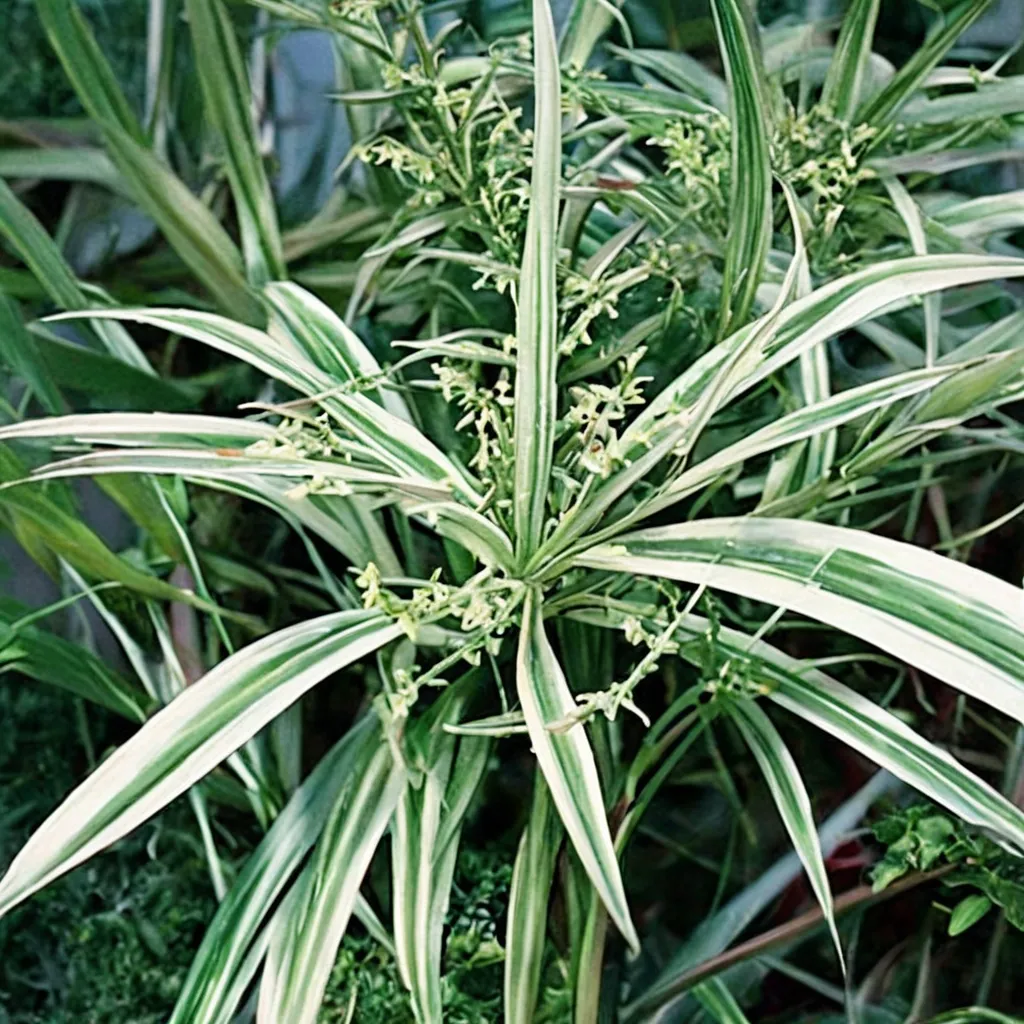
Variegated Dwarf Umbrella Grass
Cyperus albostriatus 'Variegatus'
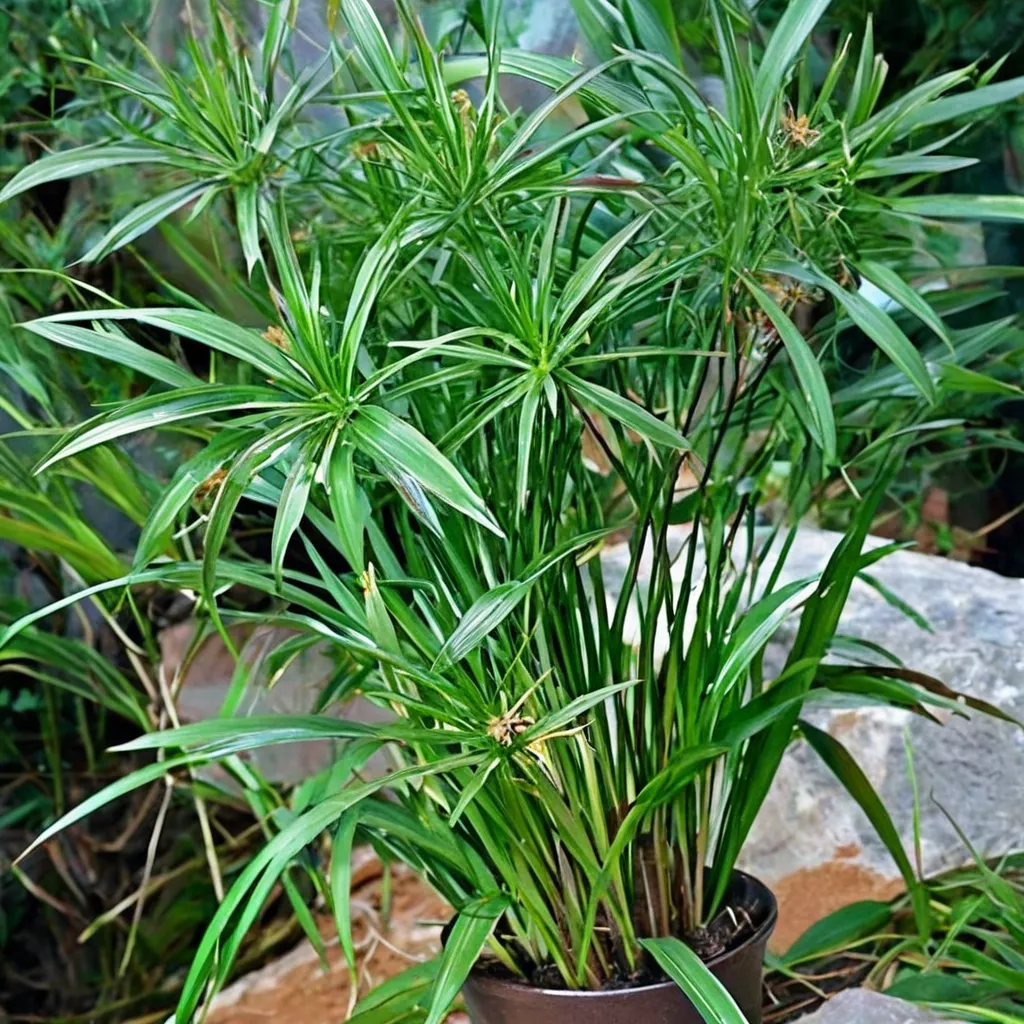
Umbrella Plant
Cyperus alternifolius
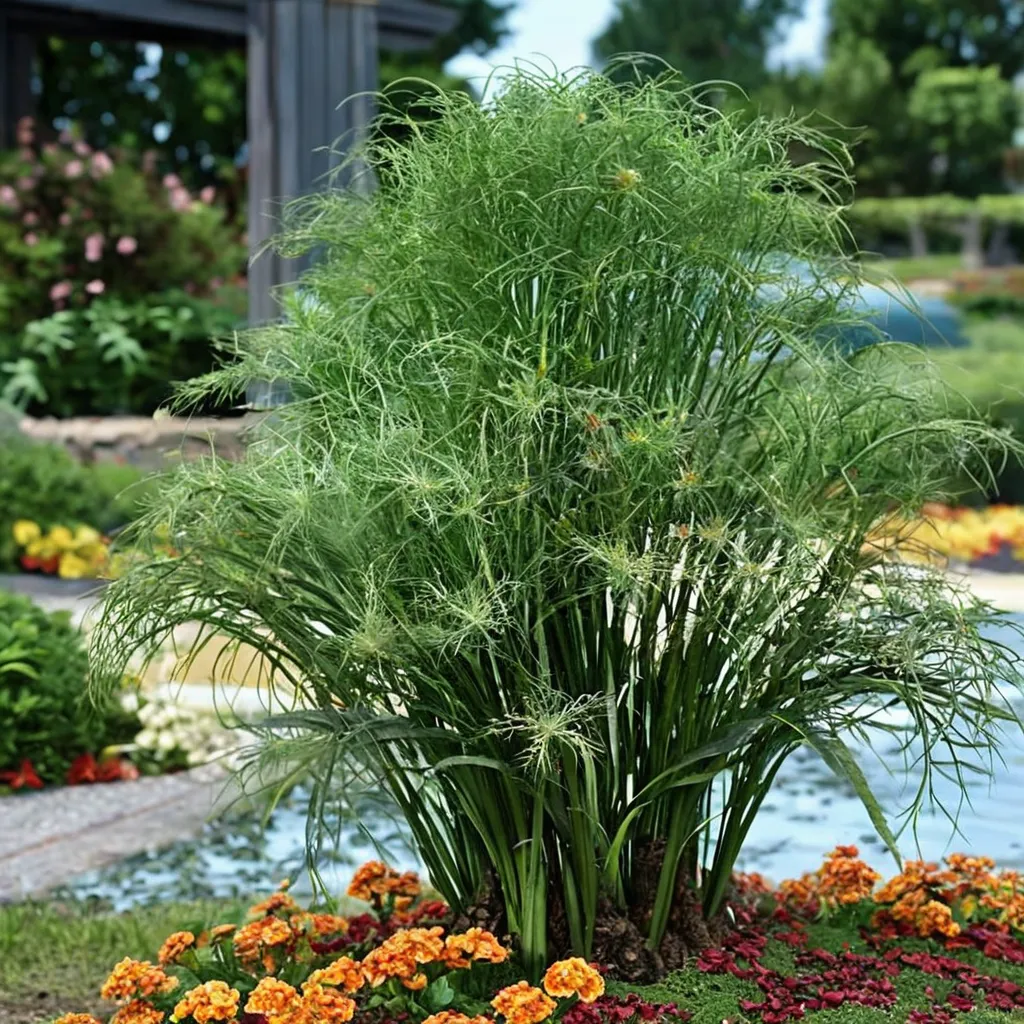
King Tut Papyrus
Cyperus papyrus 'King Tut'
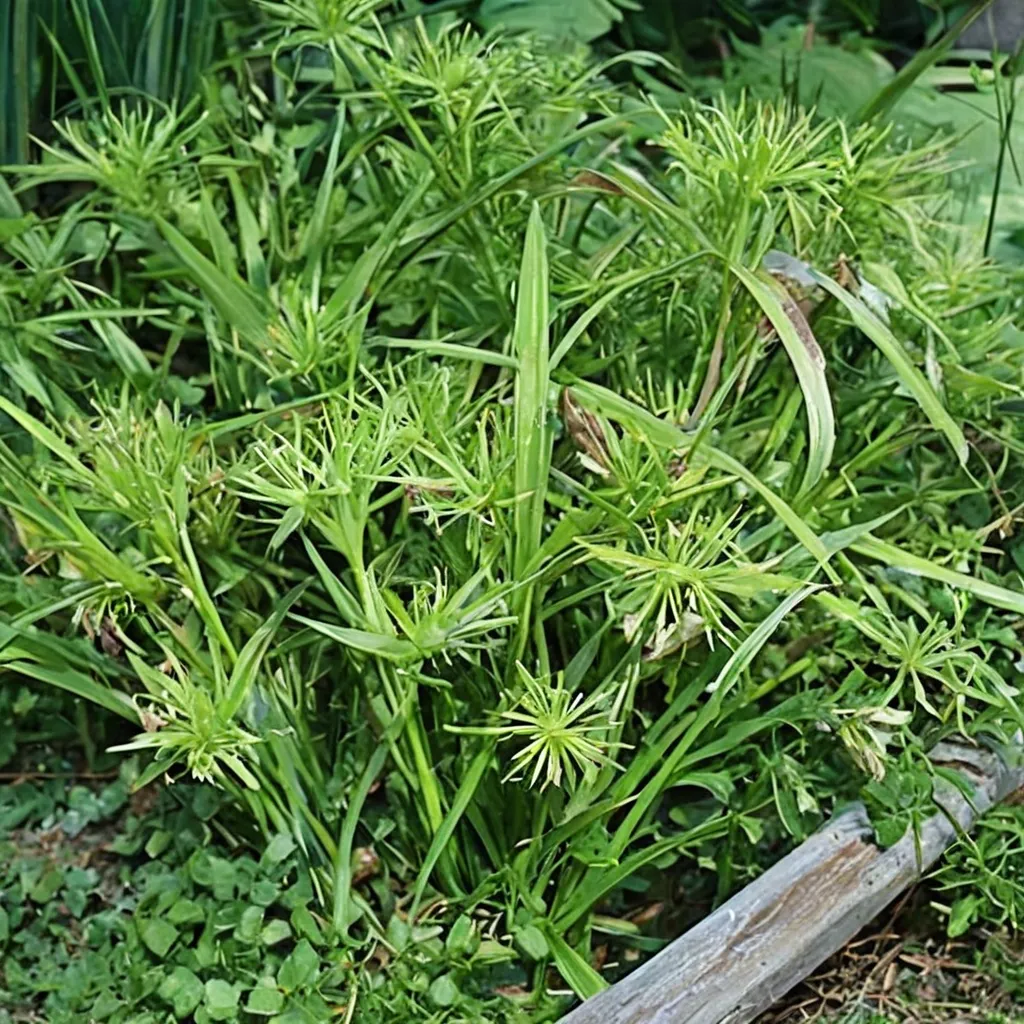
Dwarf Umbrella Plant
Cyperus albostriatus 'Nanus'
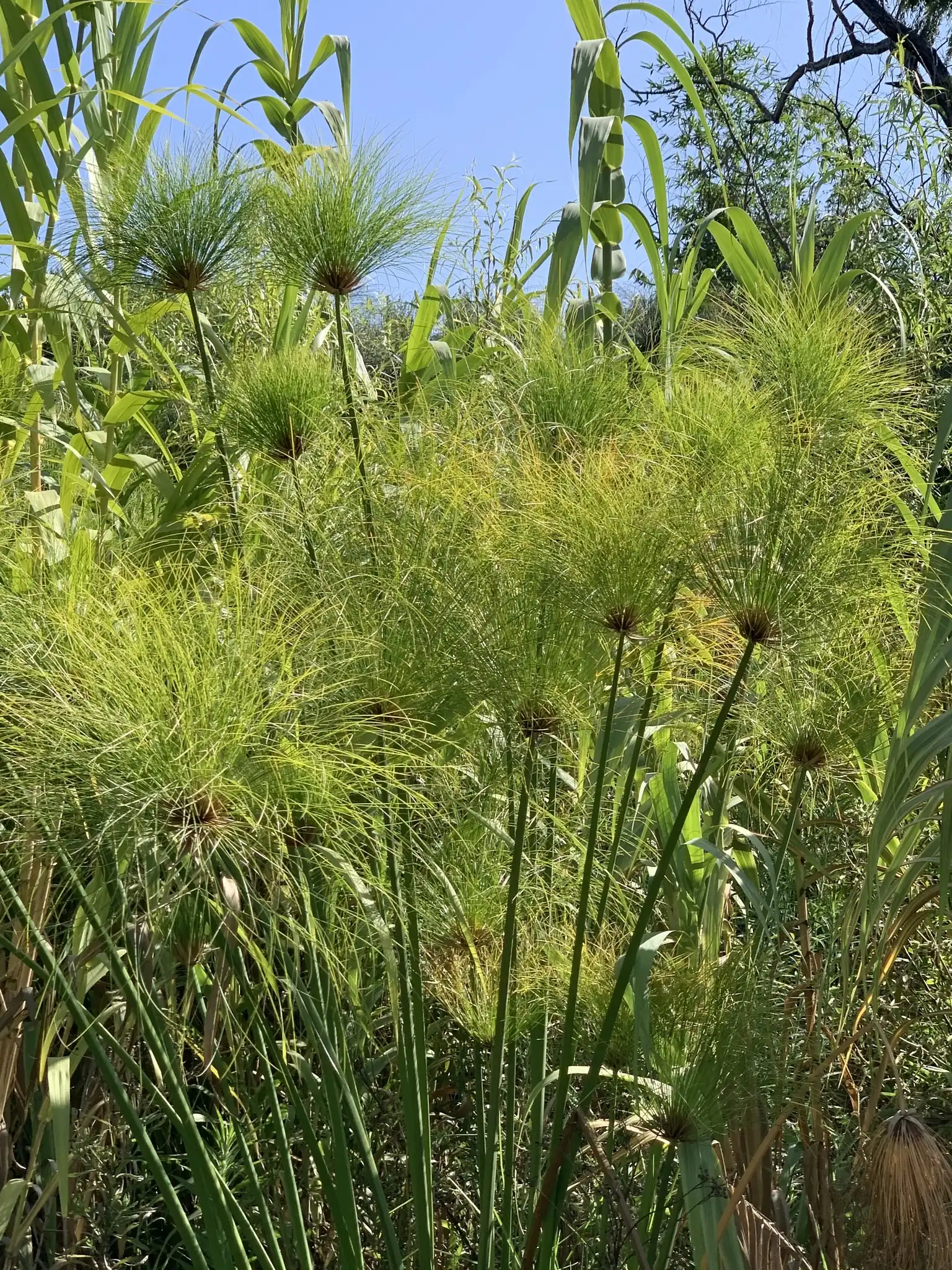
Papyrus
Cyperus papyrus
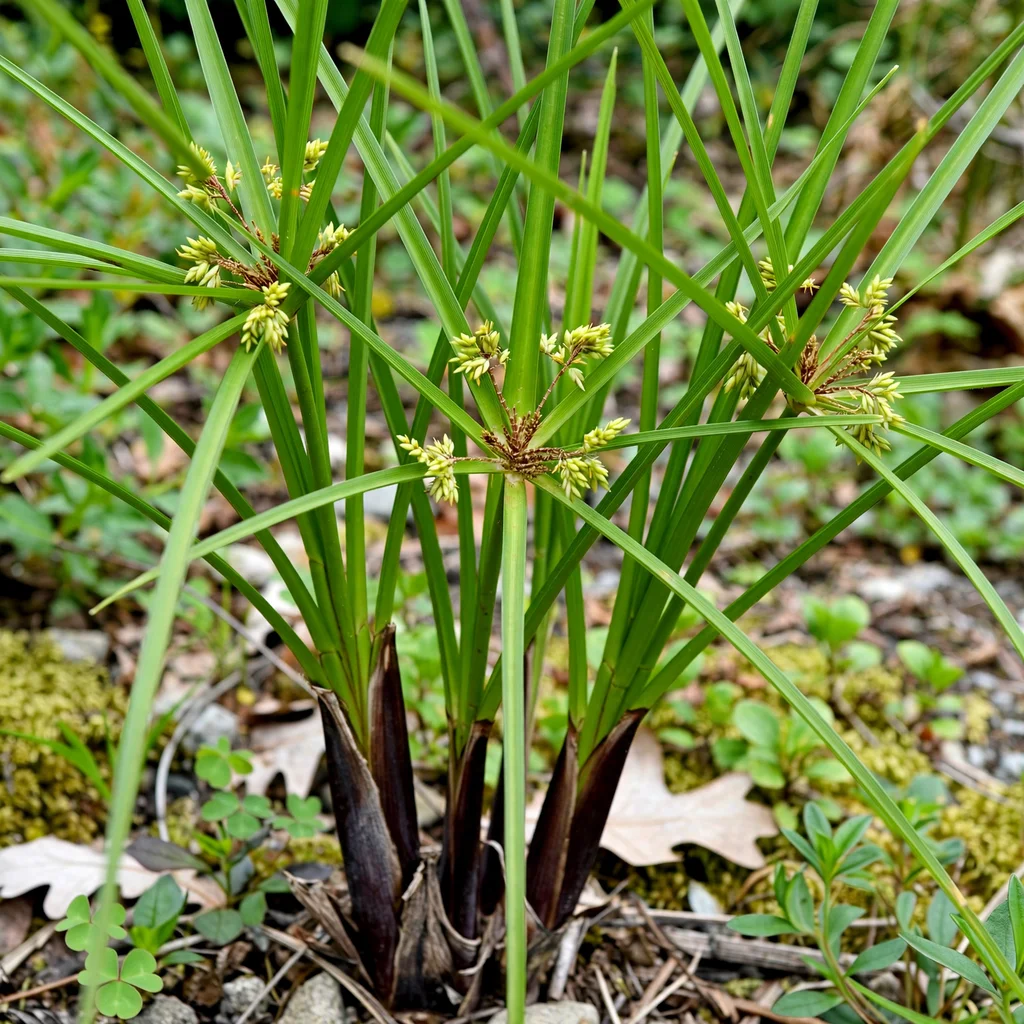
Tall Flatsedge
Cyperus eragrostis
Keep exploring
Explore the genus
Hardy in your zone?
Grow Dwarf Papyrus with confidence
See it in a design of your actual yard, get zone-matched care reminders, and track it season by season in your garden journal.