The Story
Plant Bio
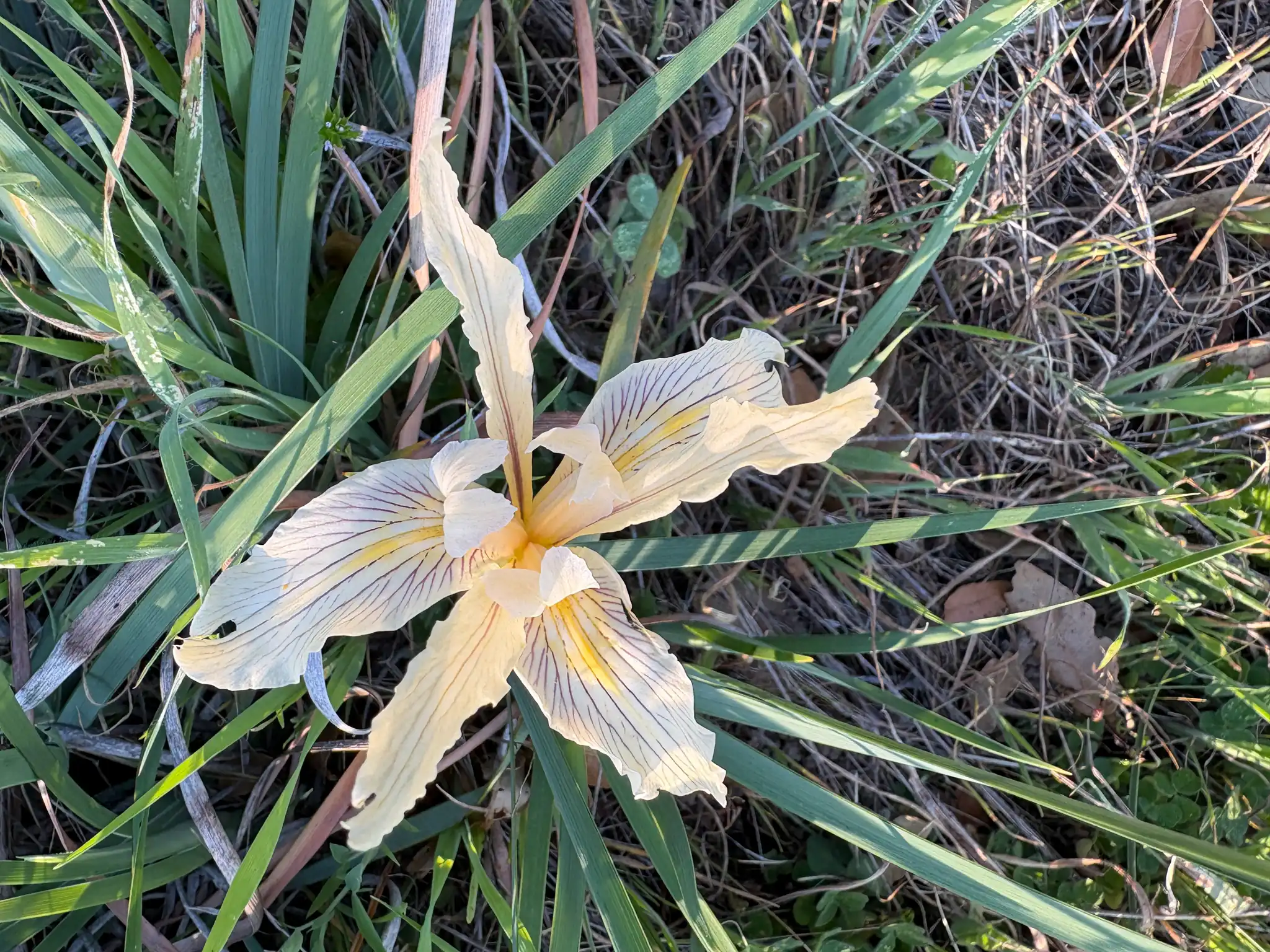
Iris fernaldii is an evergreen perennial native to the coastal woodland ranges of northern and central California, forming spreading patches of narrow foliage up to three feet wide. Simple stems produce soft creamy-yellow flowers with fine golden or gray veining from mid-spring into early summer.
The strap-like gray-green leaves show red or purple staining along their margins and lower sheaths. Slender underground rhizomes allow the plant to naturalize in dry shade without becoming invasive.
Uses & Benefits:
Essentials
At a Glance
Plant Type
Perennial
Height
36"
Width
39"
Light
Full Sun, Partial Sun
Zones
7, 8, 9, 10
Water
Low
Humidity
Moderate
Lifespan
Perennial
Native To
California, USA
Toxicity
Low toxicity if ingested
Bloom period
Spring – Midsummer
In flower about 5 months of the year
Planting
How to Grow
- Plant in free-draining, humus-rich soil in full sun along the coast or dappled shade in inland locations.
- Mulch around clumps with leaf mold, keeping organic material slightly clear of the central crown.
- Provide moderate water during winter and spring active growth, then stop irrigation during summer dormancy.
- Divide congested rhizome clumps in late fall or winter when new root growth begins.
Pro Tip
Provide dry conditions and sharp drainage throughout summer dormancy; artificial watering in warm soil causes fatal crown rot.
Keep It Thriving
Care Guide
Do
- Ensure sharp soil drainage at all times
- Allow plants to go dry during warm summer months
- Divide rhizomes during winter root initiation
Don't
- Do not water during summer dormancy
- Do not cut back foliage into green stems
- Do not plant in heavy, waterlogged clay soil
Seasonal Care Calendar
| Task | Jan | Feb | Mar | Apr | May | Jun | Jul | Aug | Sep | Oct | Nov | Dec |
|---|---|---|---|---|---|---|---|---|---|---|---|---|
| Divide | ||||||||||||
| Mulch | ||||||||||||
| Prune | ||||||||||||
| Spring Cleanup |
Watch Out For
Pests & Diseases
Common Pests
Common Diseases
In the Garden
Landscape Uses & Companions
Landscape Uses
Companion Plants
Multiply
Propagation Methods
Good to Know
Common Questions
Fernald's Iris questions
What zones can Fernald's Iris grow in?
Fernald's Iris is hardy in USDA Zones 7–10: in that range it survives winter in the ground. Colder than Zone 7, grow it in a container you can move to shelter for the winter, or as an annual.
Is Fernald's Iris deer resistant?
Yes — Fernald's Iris is rated deer-resistant. Deer typically pass it over, though extreme hunger can override any plant's defenses.
When does Fernald's Iris bloom?
Fernald's Iris typically blooms from early spring to mid-summer. Exact timing shifts a week or two with your zone — Sow's bloom calendar maps it to your garden.
Does Fernald's Iris need full sun?
Fernald's Iris does best in full sun to part shade. In hot climates, afternoon shade keeps blooms fresher longer.
Is Fernald's Iris drought tolerant?
Yes — once established (usually after the first full season), Fernald's Iris handles dry spells with minimal watering. Water deeply its first year to build the root system that makes that possible.
More Iris to compare
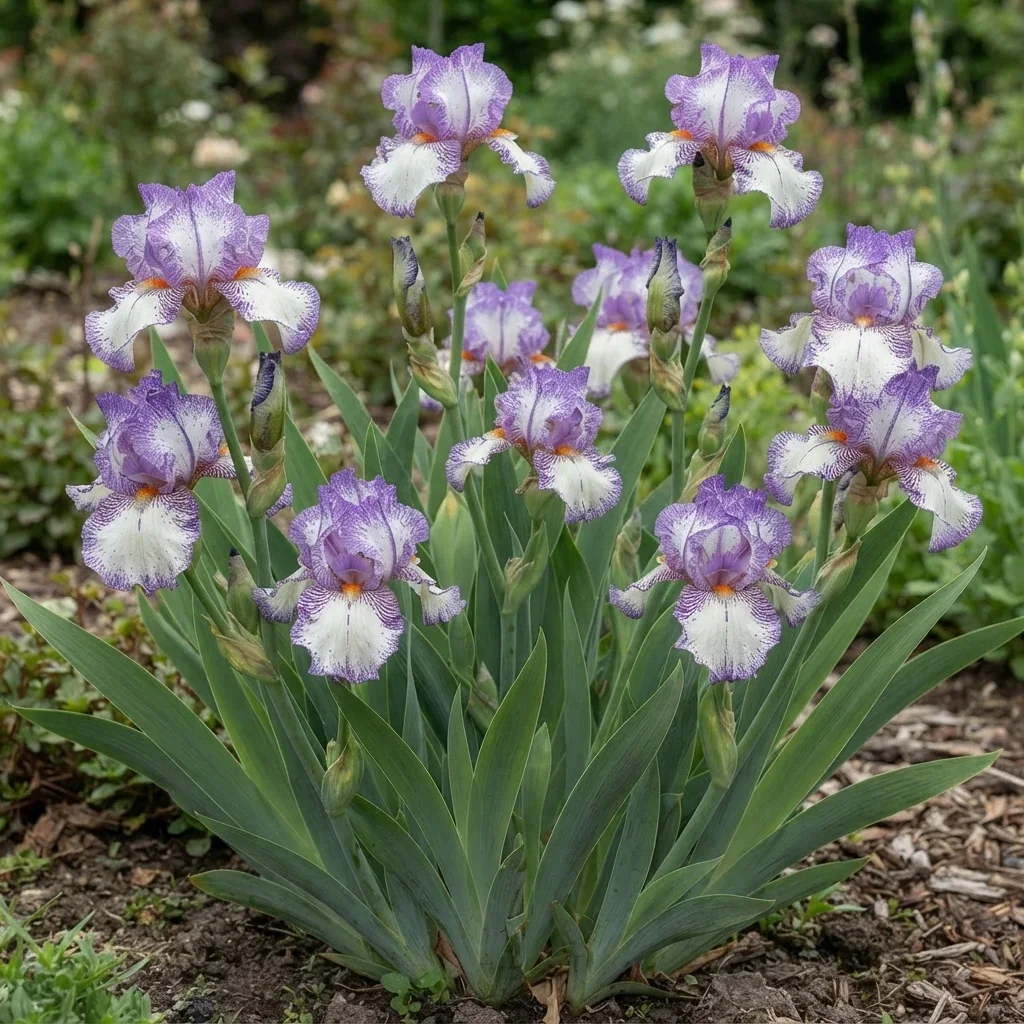
German Iris Bearded Iris
Iris x germanica 'Mix'
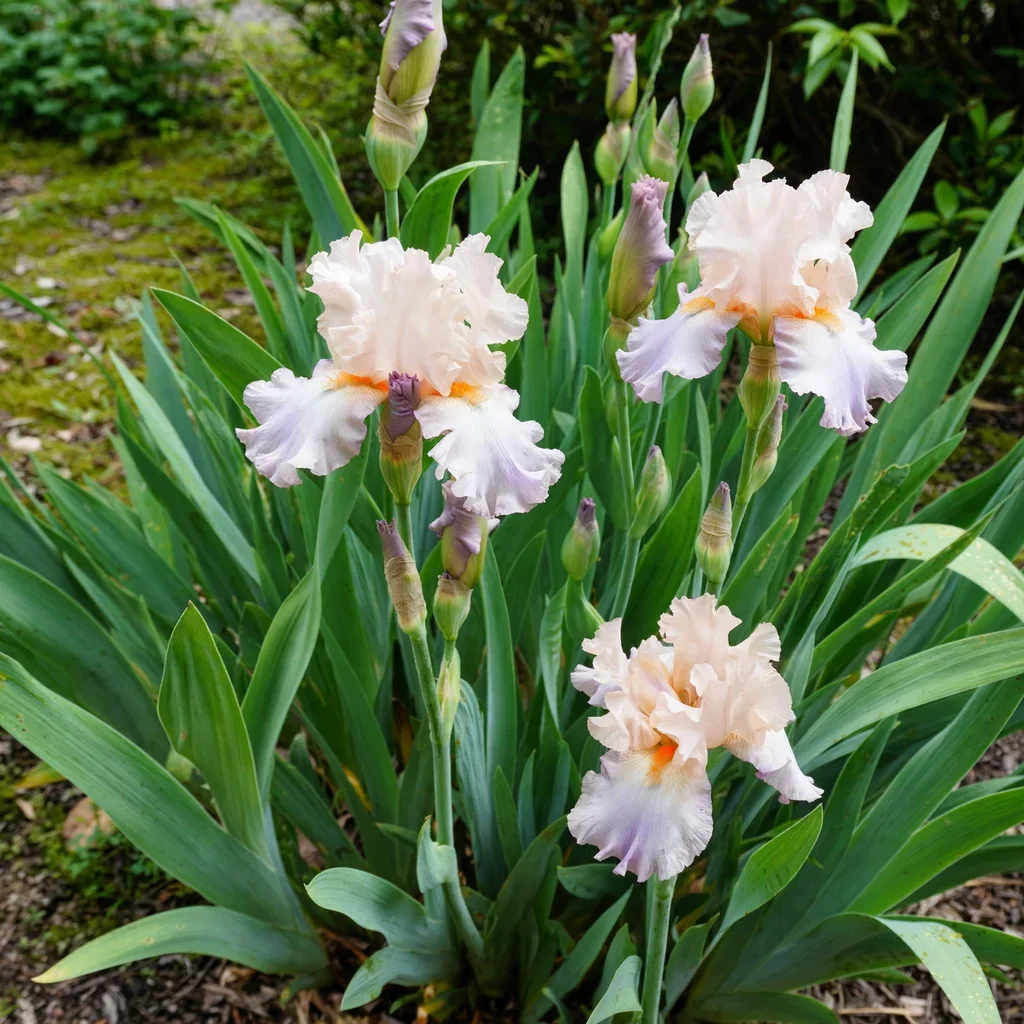
Celebration Song Iris
Iris tenuissima 'Celebration Song'
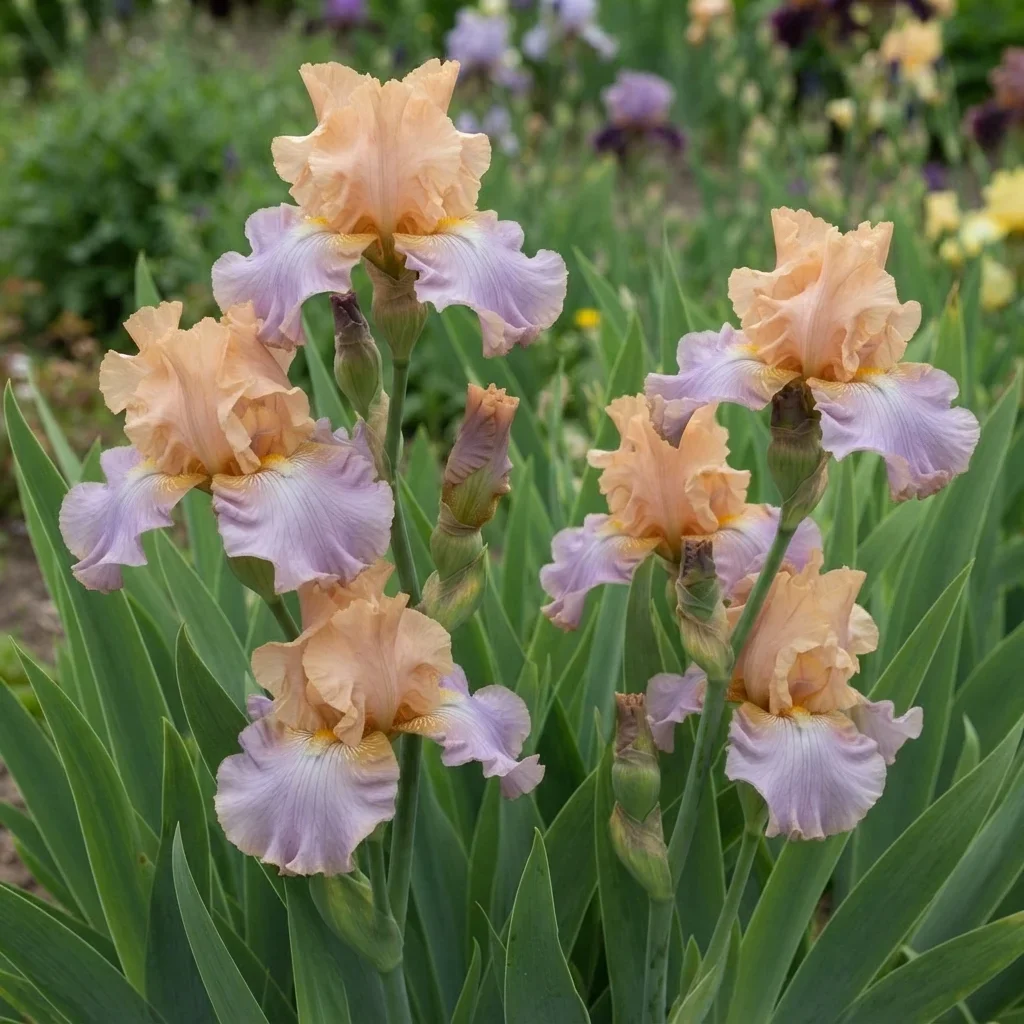
Poem of Ecstasy German Iris
Iris x germanica 'Poem Of Ecstasy'
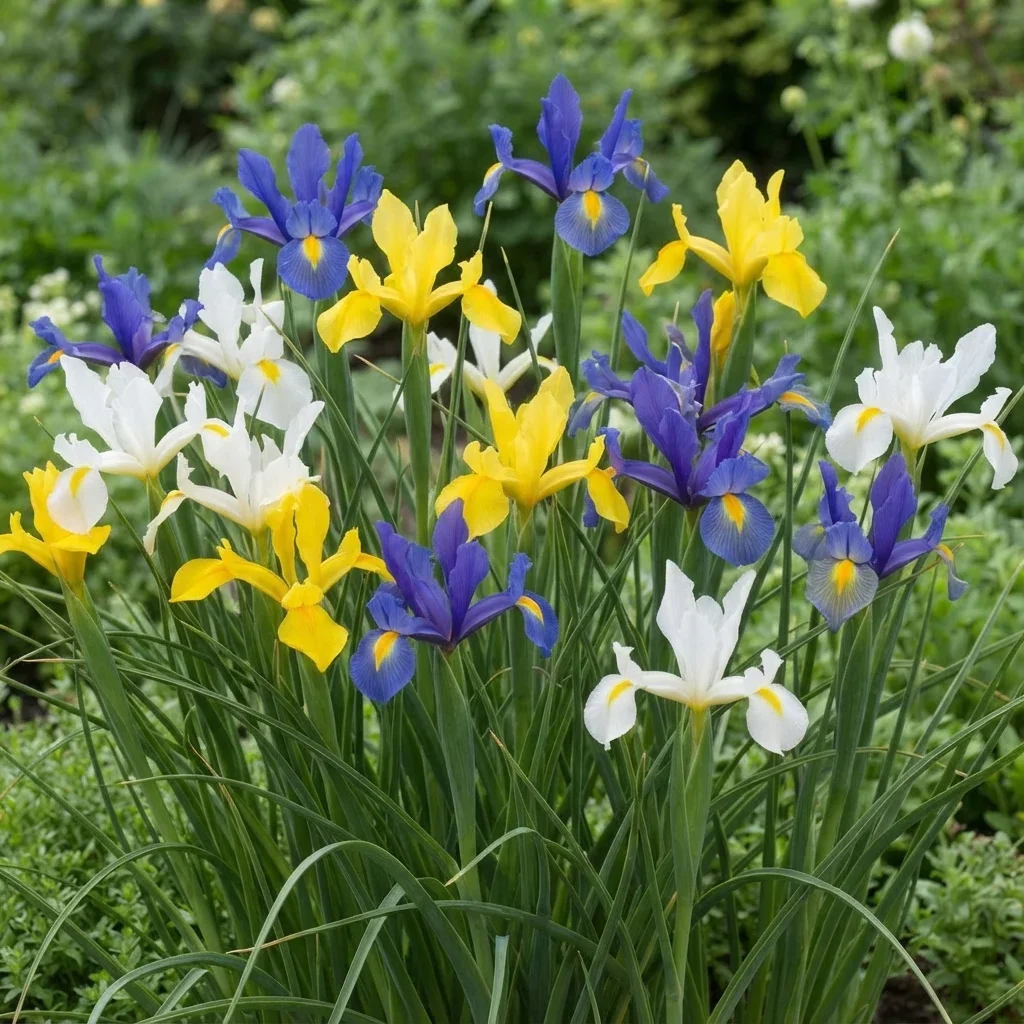
Dutch Iris Mix
Iris x hollandica 'Mix'
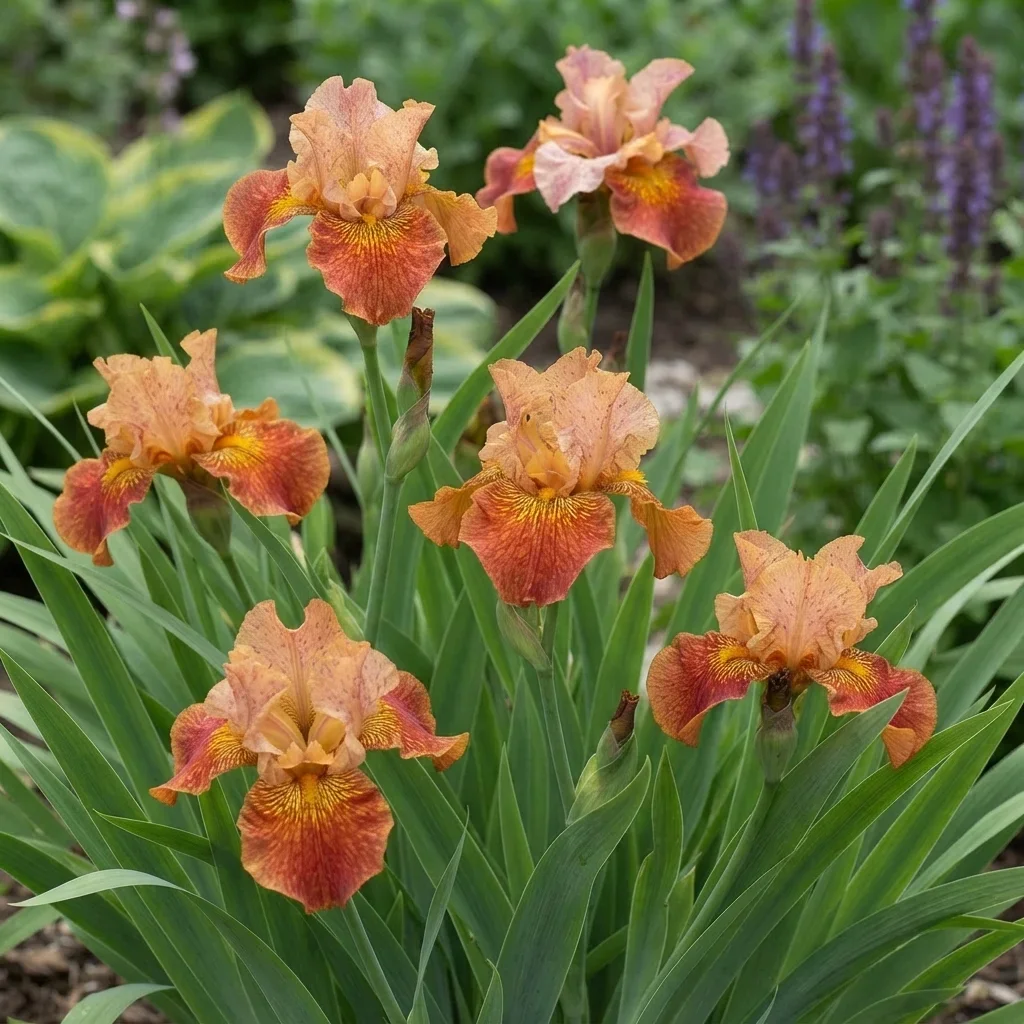
Siberian Iris 'Paprikash'
Iris x hybrida 'Paprikash'
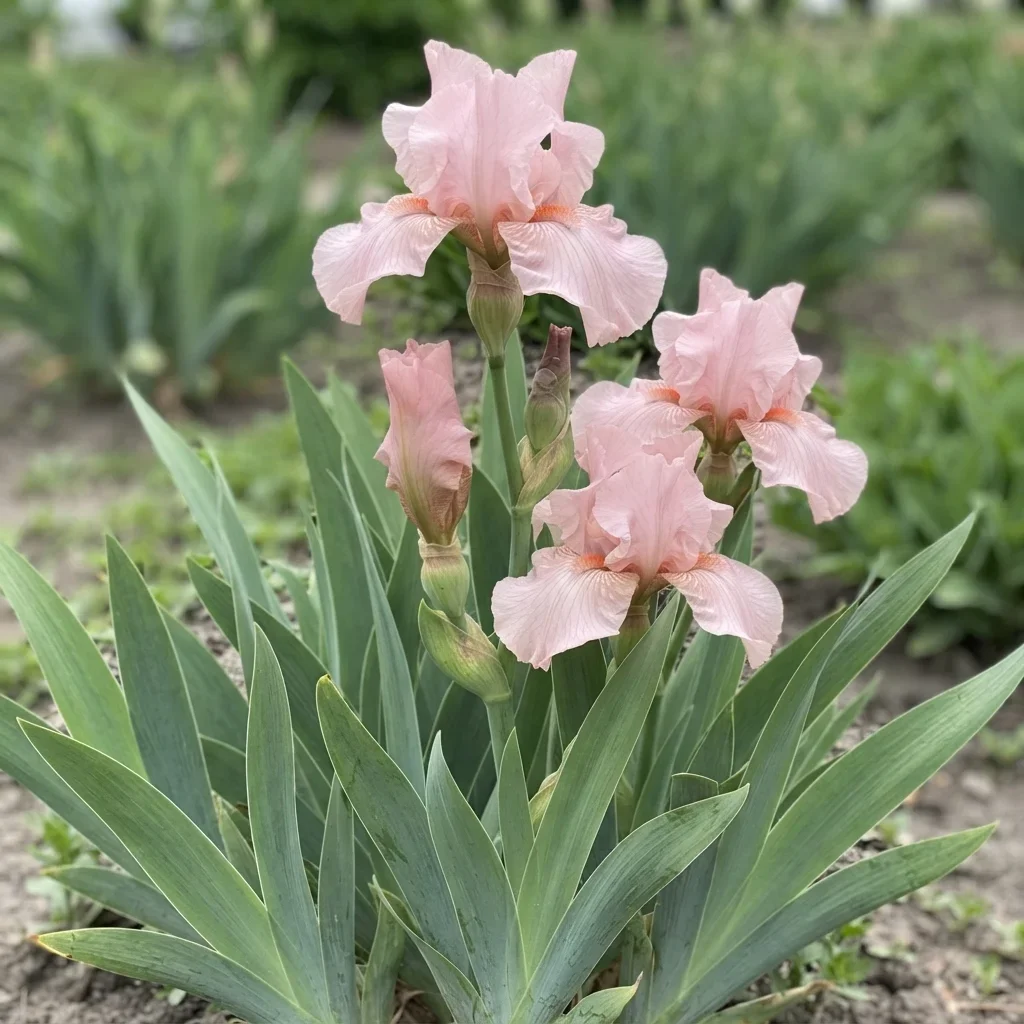
Baboon Bottom Bearded Iris
Iris x germanica 'Baboon Bottom Bearded'
Keep exploring
Explore the genus
Guides
Hardy in your zone?
Grow Fernald's Iris with confidence
See it in a design of your actual yard, get zone-matched care reminders, and track it season by season in your garden journal.