The Story
Plant Bio
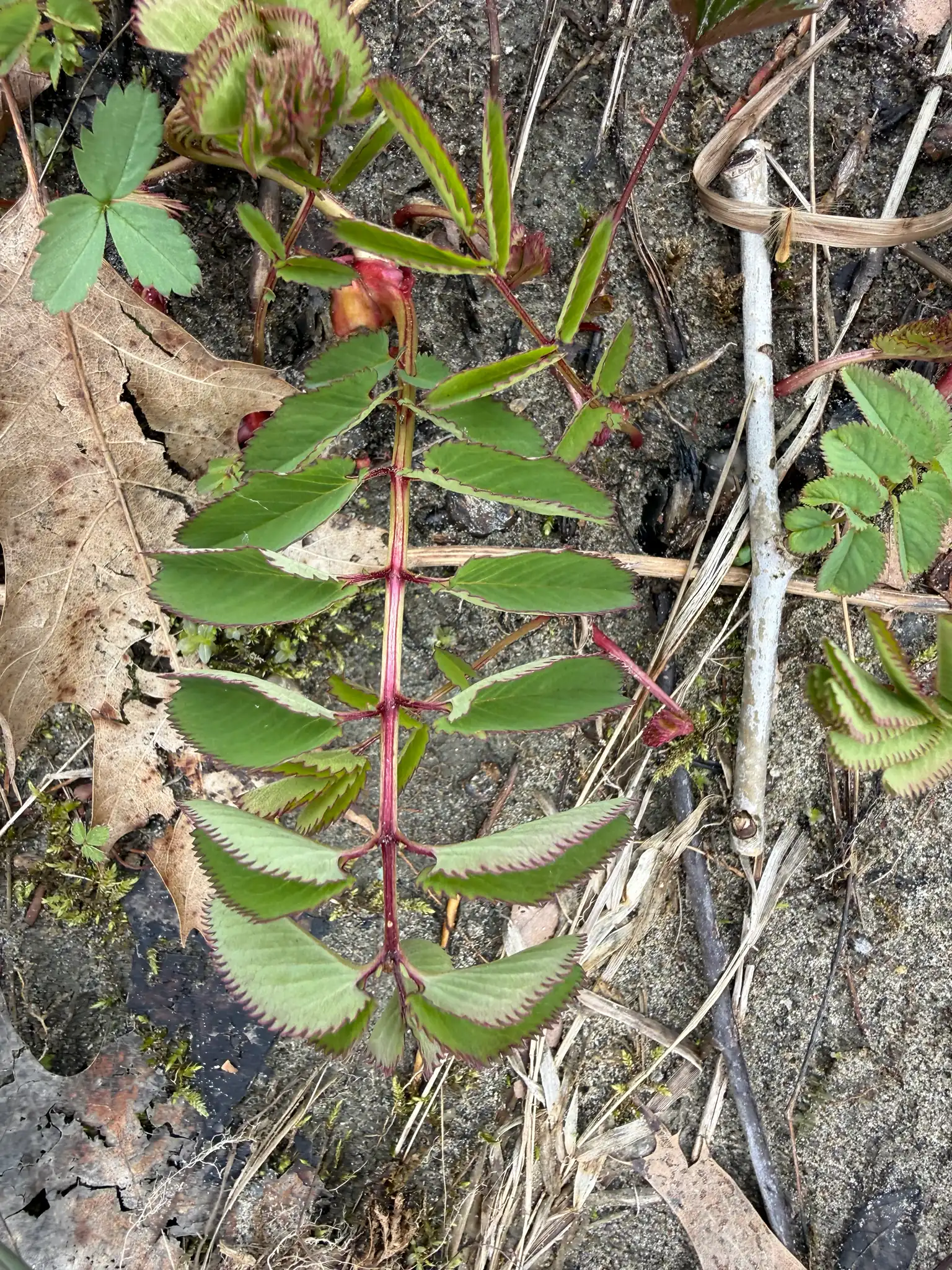
Sanguisorba canadensis is an upright, clump-forming herbaceous perennial native to North American wetlands, reaching three to five feet tall. The pinnately compound basal foliage carries up to fifteen sharply toothed green leaflets, above which rigid vertical stems support dense, brushy spikes of white flowers.
The flower spikes consist of four-lobed calyces with long, protruding stamens that create a bottlebrush appearance from late summer into mid-autumn. Unlike many tall perennials, it thrives in wet or poorly drained soils and maintains sturdy vertical stems without flopping when grown in full sun.
Uses & Benefits:
Essentials
At a Glance
Plant Type
Perennial
Height
60"
Width
36"
Light
Full Sun, Partial Sun
Zones
4, 5, 6, 7, 8
Water
High
Humidity
High
Lifespan
Perennial
Native To
North America
Toxicity
Non-toxic
Bloom period
Late summer – Mid fall
In flower about 3 months of the year
Planting
How to Grow
- Select a site in full sun or partial shade with consistently moist to wet soil.
- Work organic matter or compost into the planting bed to improve moisture retention.
- Set the root crown level with the surrounding soil surface and firm in gently.
- Water thoroughly at planting and maintain wet soil conditions throughout the growing season.
Pro Tip
Avoid heavy nitrogen fertilizers, which induce weak, floppy growth that requires staking.
Keep It Thriving
Care Guide
Do
- Keep soil consistently moist or wet, especially during hot summer periods.
- Cut dead stems cleanly back to the crown in late winter before new growth starts.
- Apply an annual top-dressing of compost in spring for gentle nutrient release.
Don't
- Do not allow the root zone to dry out, which causes immediate foliage scorch.
- Do not apply synthetic high-nitrogen fertilizers, which weaken stem structure.
- Do not cut into old leafless stems during the active growing season.
Seasonal Care Calendar
| Task | Jan | Feb | Mar | Apr | May | Jun | Jul | Aug | Sep | Oct | Nov | Dec |
|---|---|---|---|---|---|---|---|---|---|---|---|---|
| Mulch | ||||||||||||
| Pest Check | ||||||||||||
| Prune | ||||||||||||
| Winter Prep |
Watch Out For
Pests & Diseases
Common Pests
Common Diseases
In the Garden
Landscape Uses & Companions
Landscape Uses
Multiply
Propagation Methods
Good to Know
Common Questions
Canadian Burnet questions
What zones can Canadian Burnet grow in?
Canadian Burnet is hardy in USDA Zones 4–8: in that range it survives winter in the ground. Warmer than Zone 8, winter isn't the problem: it prefers colder winters, and summer heat can shorten its life.
Is Canadian Burnet deer resistant?
Yes — Canadian Burnet is rated deer-resistant. Deer typically pass it over, though extreme hunger can override any plant's defenses.
When does Canadian Burnet bloom?
Canadian Burnet typically blooms from late summer to mid-fall. Exact timing shifts a week or two with your zone — Sow's bloom calendar maps it to your garden.
Does Canadian Burnet need full sun?
Canadian Burnet does best in full sun to part shade. In hot climates, afternoon shade keeps blooms fresher longer.
More Sanguisorba to compare
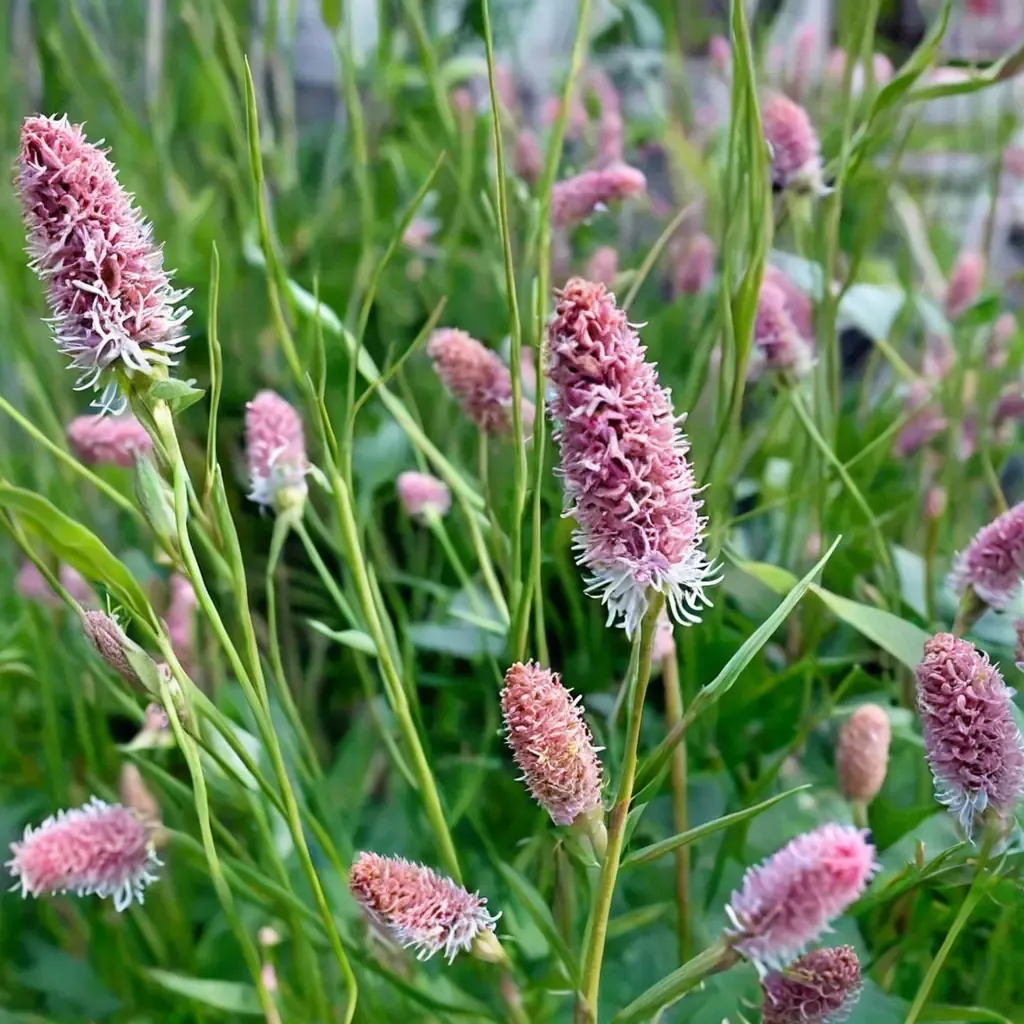
Pink Tanna Sanguisorba
Sanguisorba officinalis 'Pink Tanna'
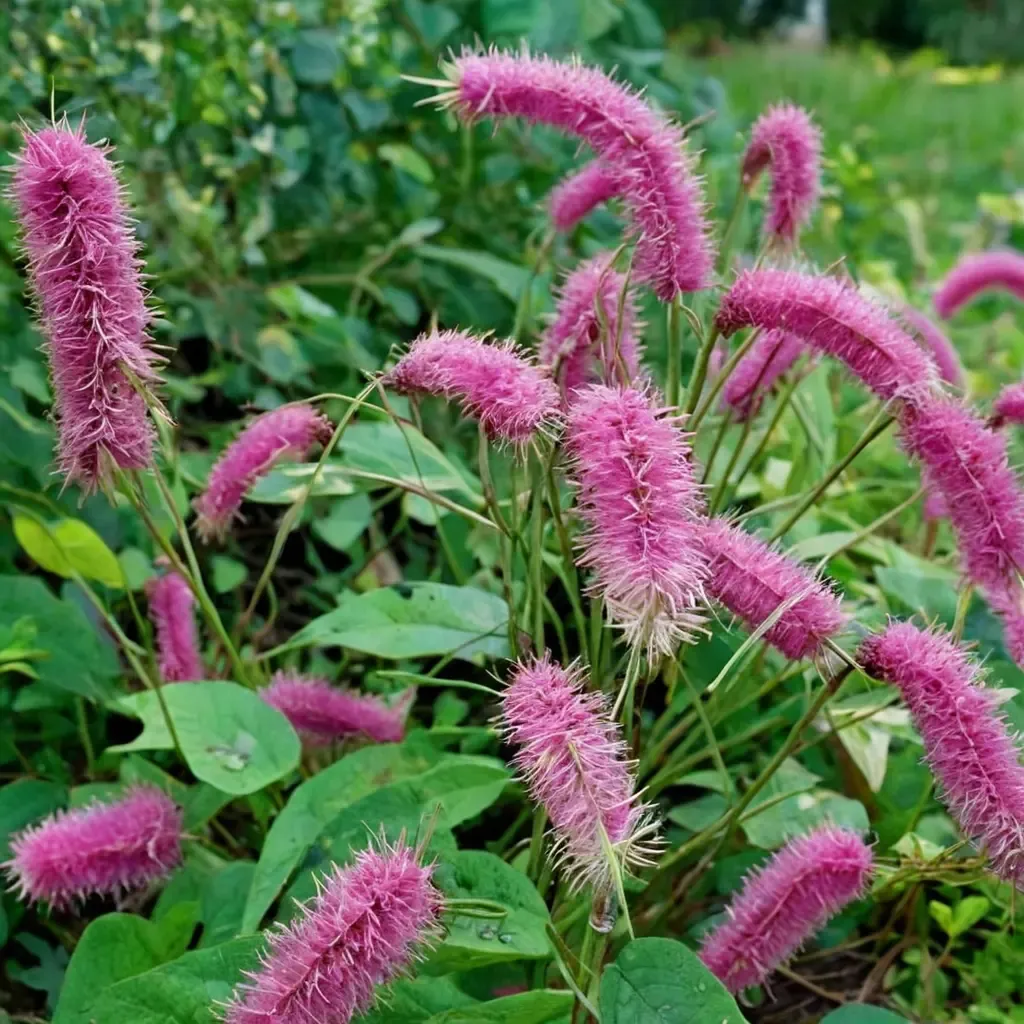
Japanese Burnet
Sanguisorba obtusa
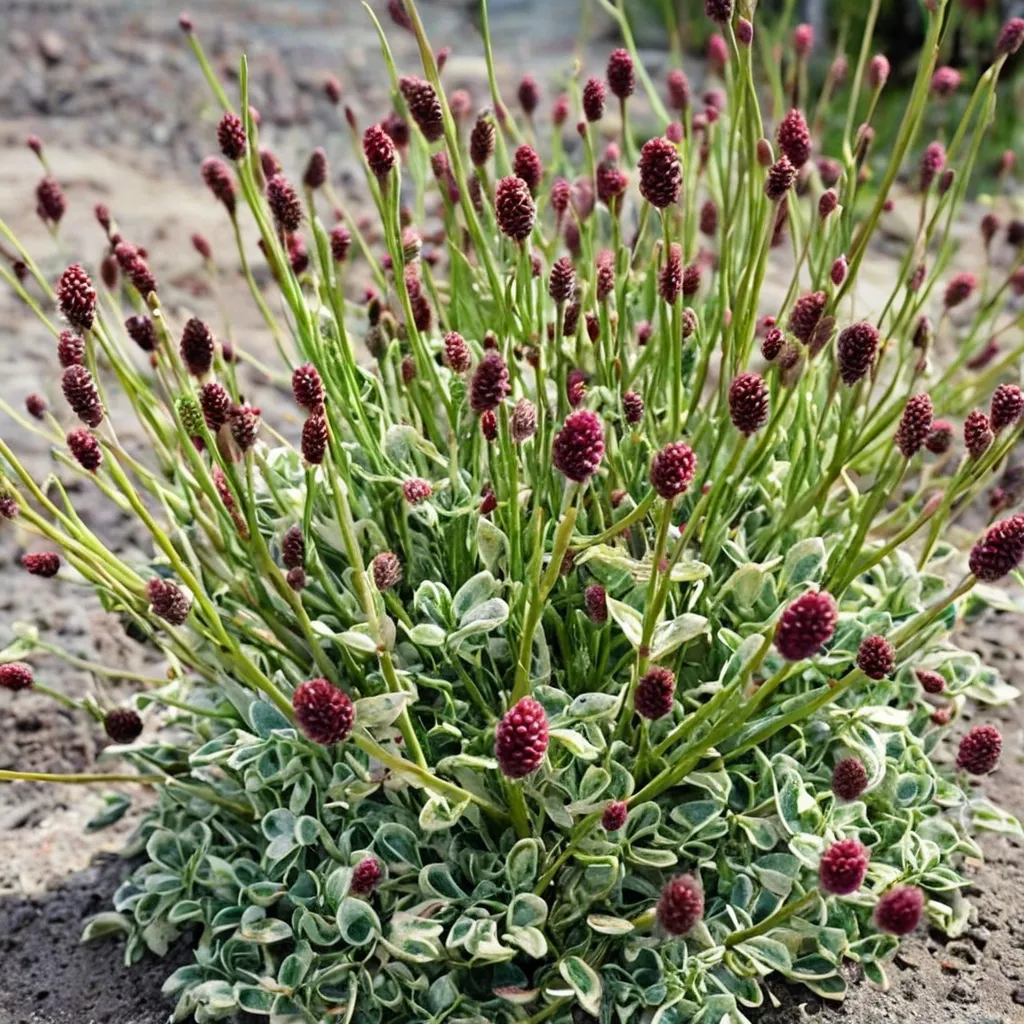
Little Angel Great Burnet
Sanguisorba officinalis 'Little Angel'
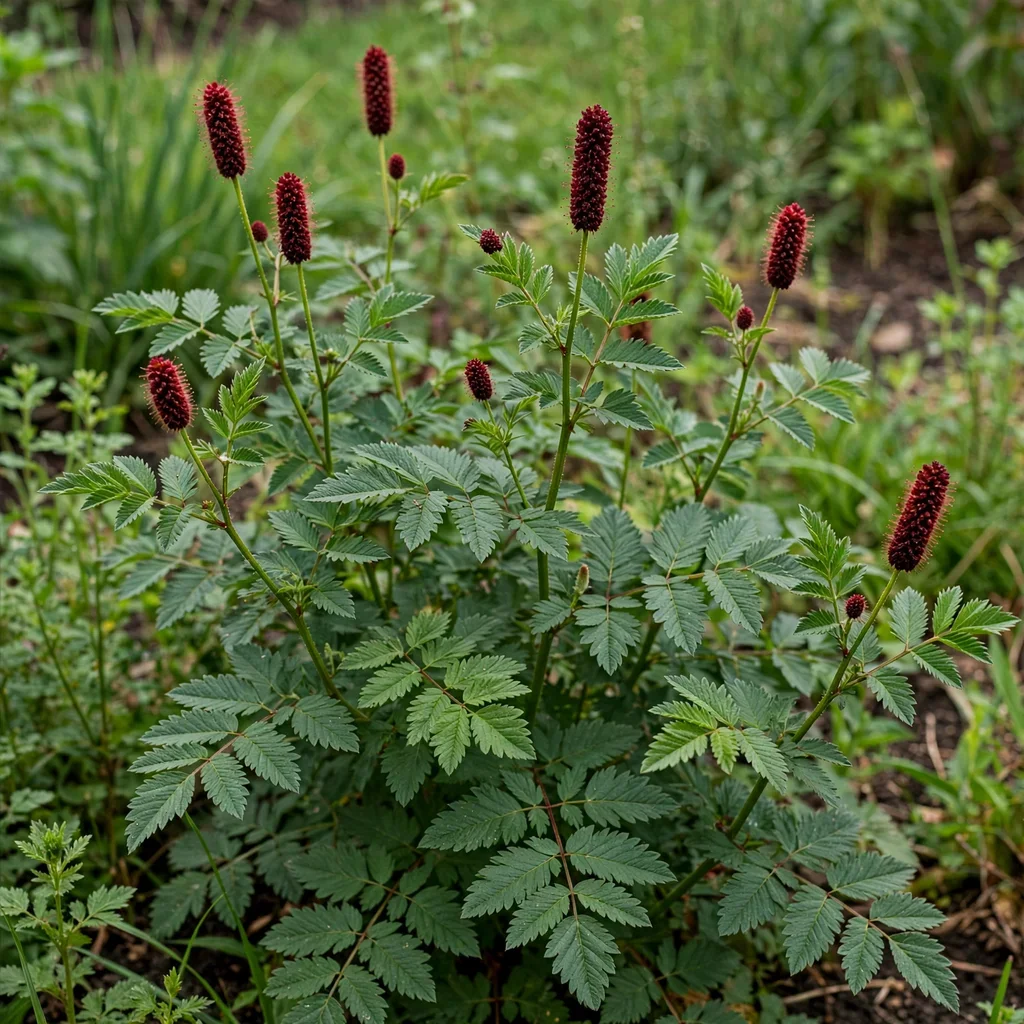
Great Burnet
Sanguisorba officinalis
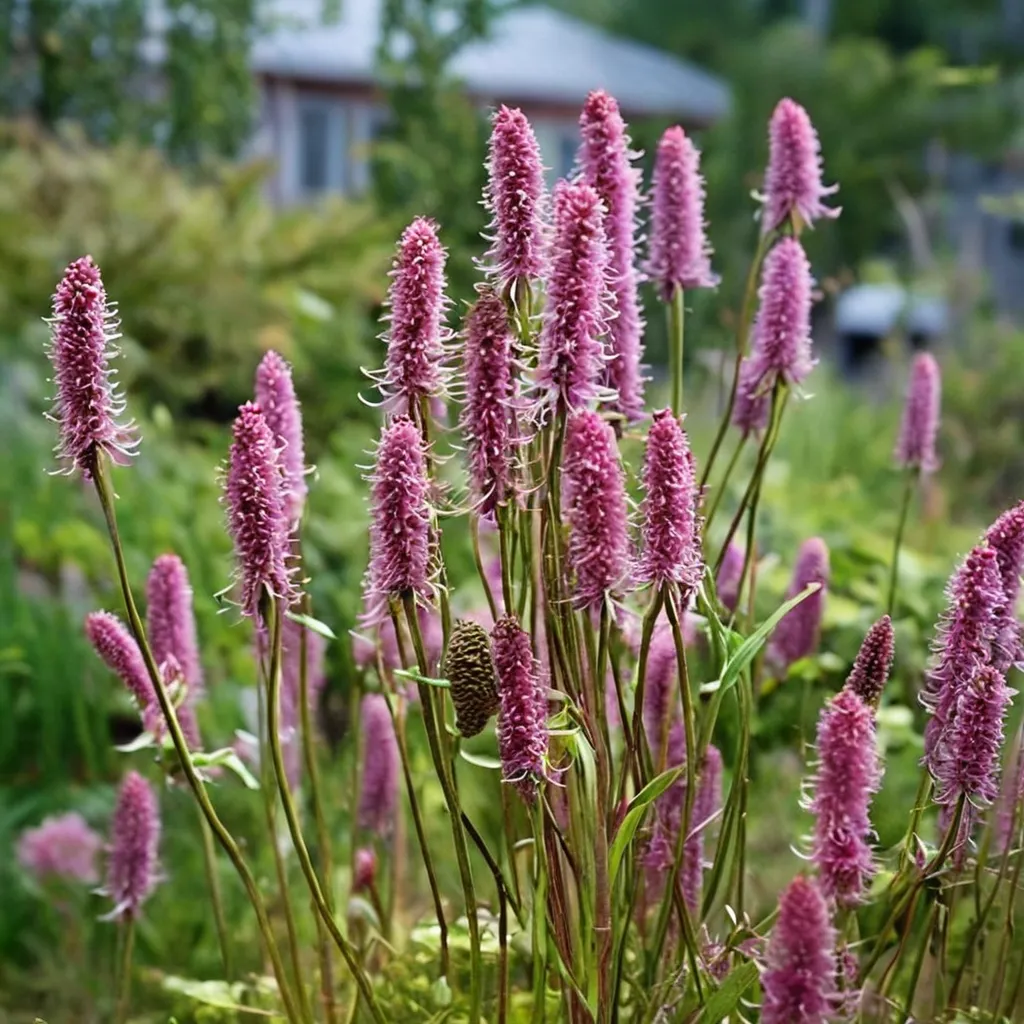
Great Burnet 'Blackthorn'
Sanguisorba officinalis 'Blackthorn'
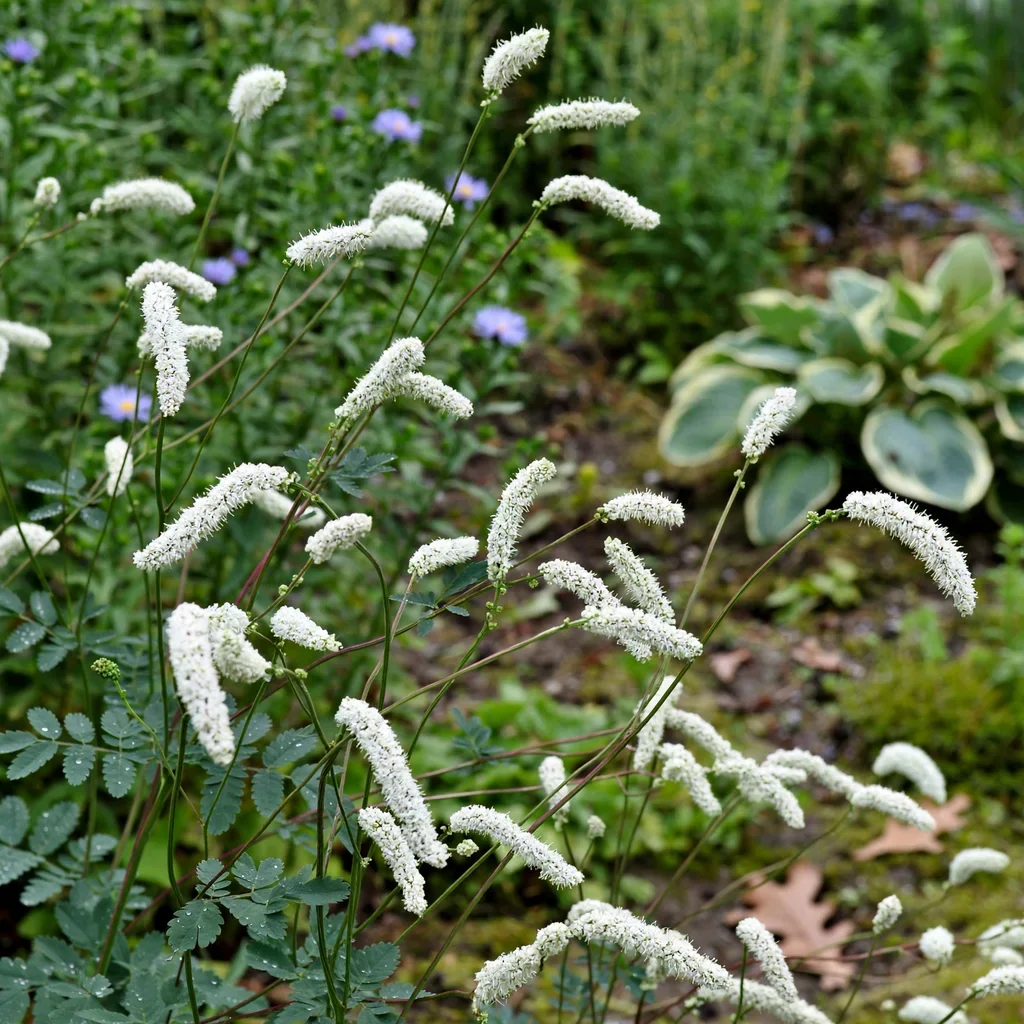
Thin-Leafed Burnet
Sanguisorba tenuifolia
Keep exploring
Explore the genus
Hardy in your zone?
Grow Canadian Burnet with confidence
See it in a design of your actual yard, get zone-matched care reminders, and track it season by season in your garden journal.