The Story
Plant Bio
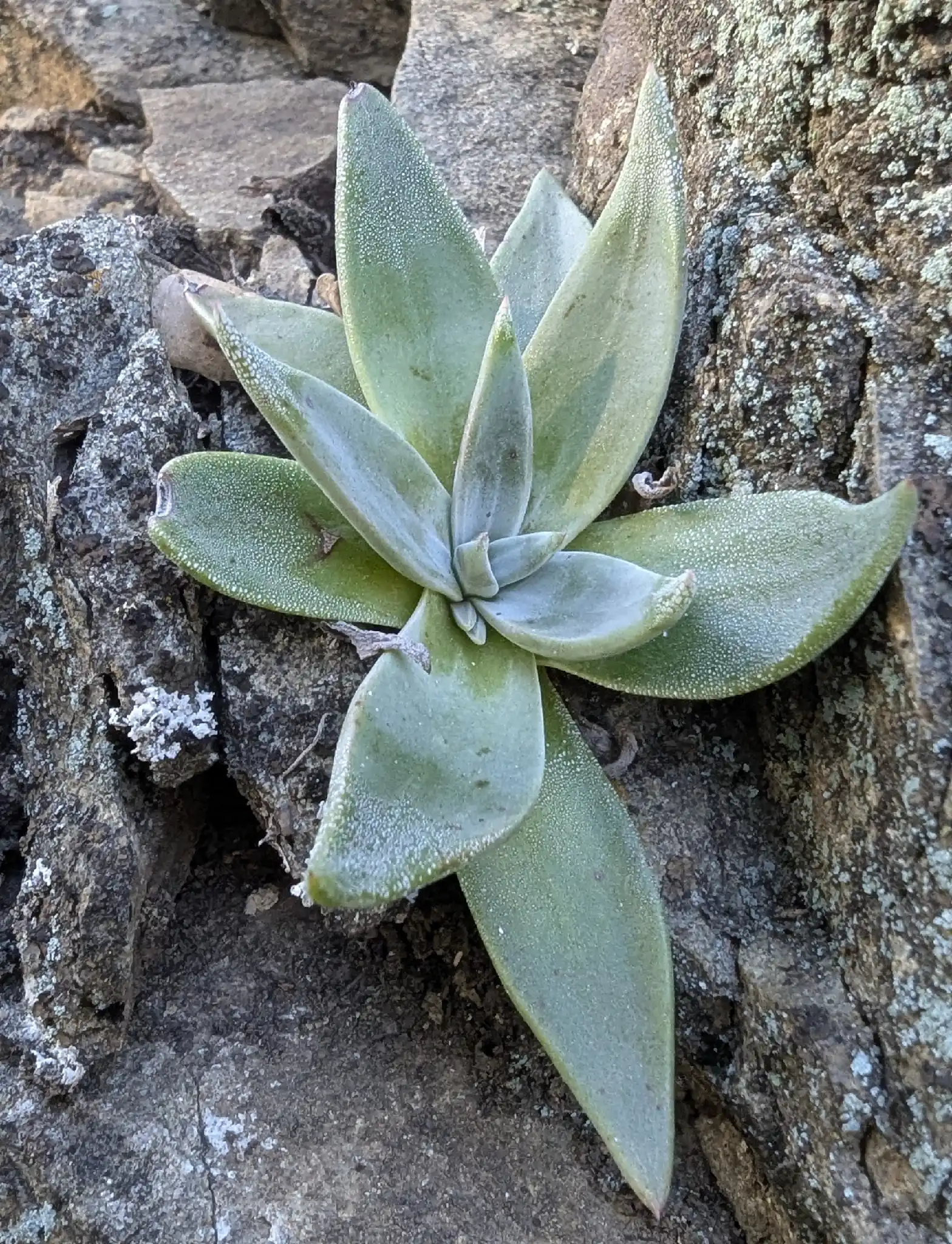
Dudleya abramsii is a small rosette-forming succulent that stores water in thick fleshy leaves around a short central caudex. Leaves emerge glaucous green and hold that waxy coating when kept dry, and the plant grows with cool-season moisture and shuts down through summer drought.
It forms solitary rosettes or dense clumps of many small rosettes only a few inches across, with narrow lance-oblong leaves 2-4 mm thick. Flower stalks rise in spring carrying branched cymes of 2-15 pale straw-yellow to near-white flowers marked with fine red lines on the keel.
Uses & Benefits:
Essentials
At a Glance
Plant Type
Cactus Succulent
Height
3"
Width
6"
Light
Full Sun, Partial Sun
Zones
8, 9, 10
Water
Low
Humidity
Low
Lifespan
Perennial
Native To
California and Baja California
Toxicity
Unknown
Bloom period
Spring – Summer
In flower about 6 months of the year
Planting
How to Grow
- Plant in fall into very gritty mineral soil or a rock crevice with the crown set slightly above grade.
- Give full sun to partial shade with open air circulation around the rosette.
- Water deeply but infrequently from fall through spring, letting the mix dry fully between waterings.
- Keep almost completely dry in summer dormancy, watering only to prevent severe shrivel and never into the rosette center.
Pro Tip
Keep water off the rosette in summer dormancy; wet crowns in heat rot first and the glaucous coating does not recover once rubbed off.
Keep It Thriving
Care Guide
Do
- Plant in sharp drainage with rock, coarse sand, and minimal organic matter.
- Water during winter and spring active growth and let soil dry between waterings.
- Leave the glaucous leaf coating undisturbed and handle rosettes by the pot or rootball.
Don't
- Do not water overhead into the rosette during summer heat and dormancy.
- Do not plant in rich moisture-retentive soil or flat ground that ponds in winter.
- Do not fertilize heavily or cut back the rosette leaves to tidy the plant.
Seasonal Care Calendar
| Task | Jan | Feb | Mar | Apr | May | Jun | Jul | Aug | Sep | Oct | Nov | Dec |
|---|---|---|---|---|---|---|---|---|---|---|---|---|
| Pest Check | ||||||||||||
| Plant | ||||||||||||
| Propagate | ||||||||||||
| Prune |
Watch Out For
Pests & Diseases
Common Pests
Common Diseases
In the Garden
Landscape Uses & Companions
Landscape Uses
Multiply
Propagation Methods
Good to Know
Common Questions
Abrams' Liveforever questions
What zones can Abrams' Liveforever grow in?
Abrams' Liveforever is hardy in USDA Zones 8–10: in that range it survives winter in the ground. Colder than Zone 8, grow it in a container you can move to shelter for the winter, or as an annual.
When does Abrams' Liveforever bloom?
Abrams' Liveforever typically blooms from spring to summer. Exact timing shifts a week or two with your zone — Sow's bloom calendar maps it to your garden.
Does Abrams' Liveforever need full sun?
Abrams' Liveforever does best in full sun to part shade. In hot climates, afternoon shade keeps blooms fresher longer.
Is Abrams' Liveforever drought tolerant?
Yes — once established (usually after the first full season), Abrams' Liveforever handles dry spells with minimal watering. Water deeply its first year to build the root system that makes that possible.
More Dudleya to compare
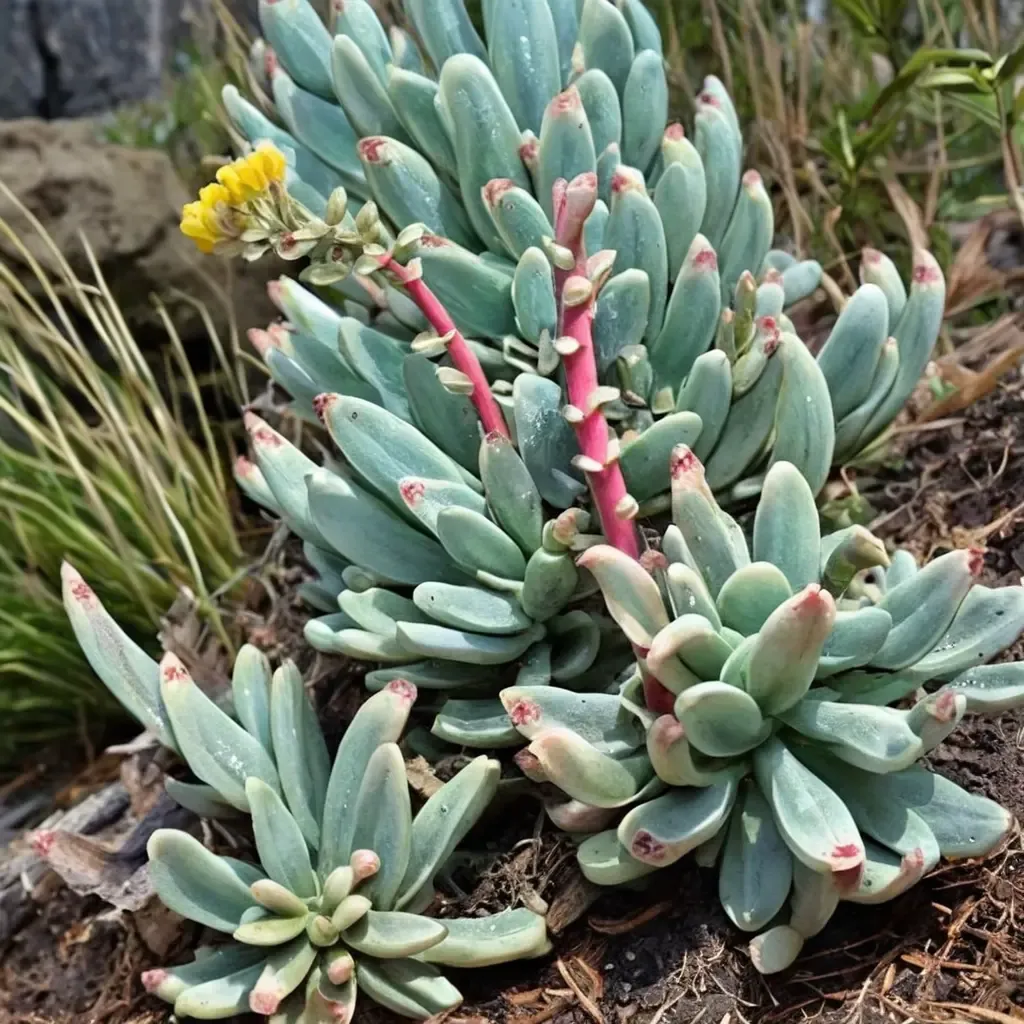
Sea Lettuce
Dudleya caespitosa
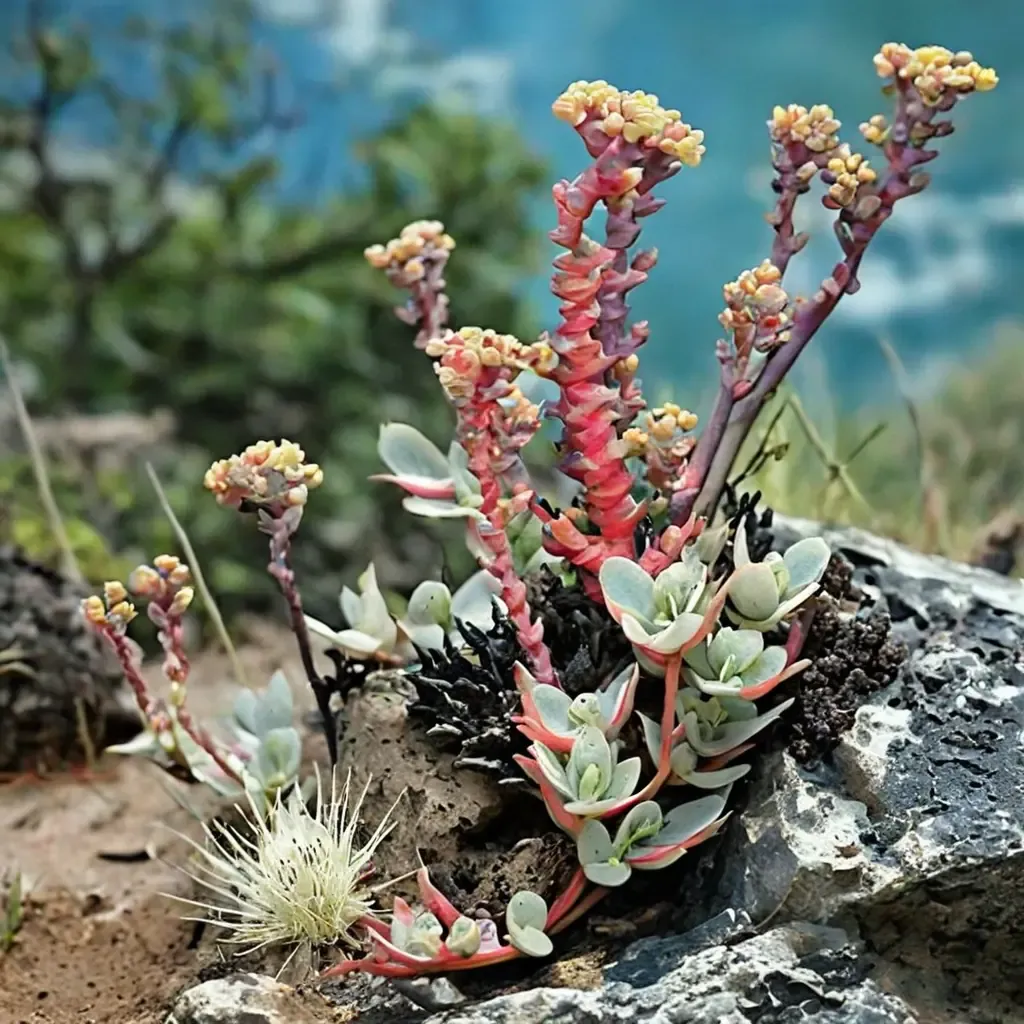
Powdery Liveforever
Dudleya farinosa
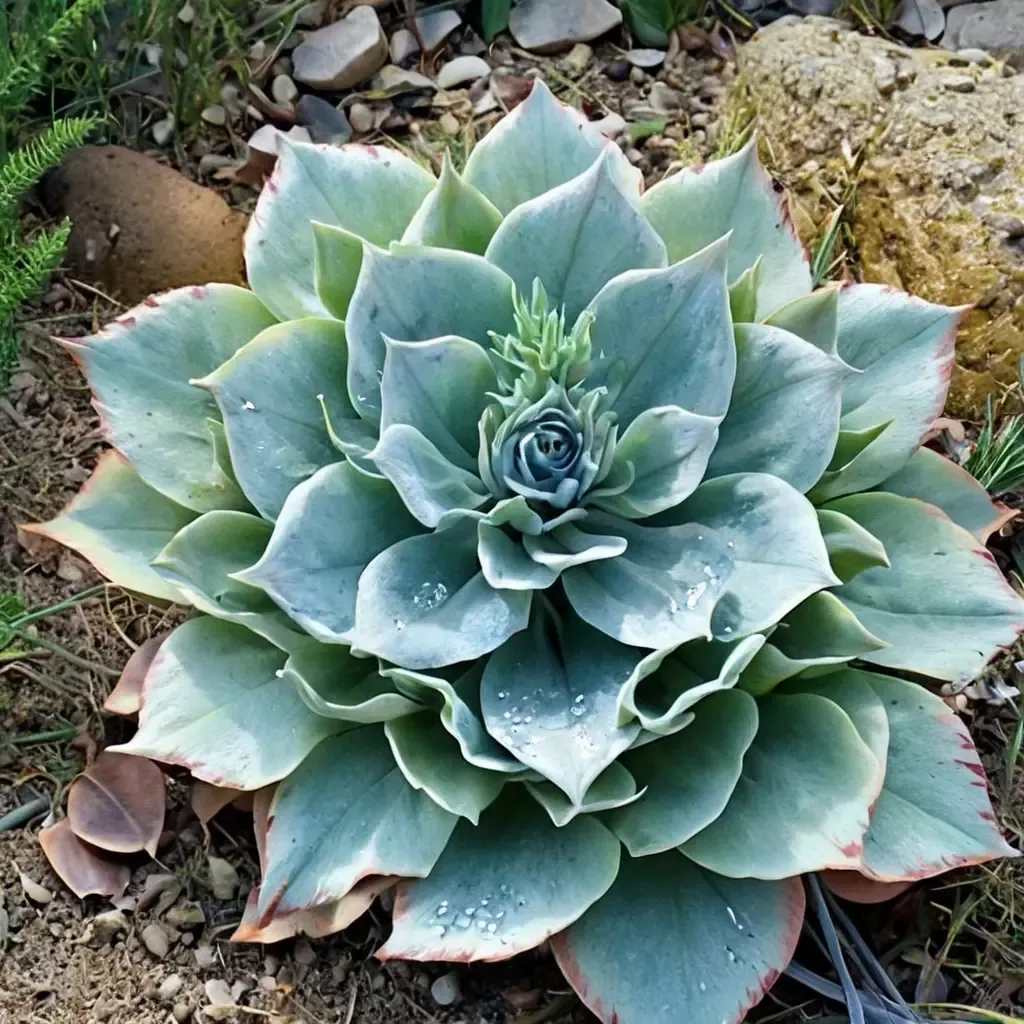
Chalk Dudleya
Dudleya pulverulenta
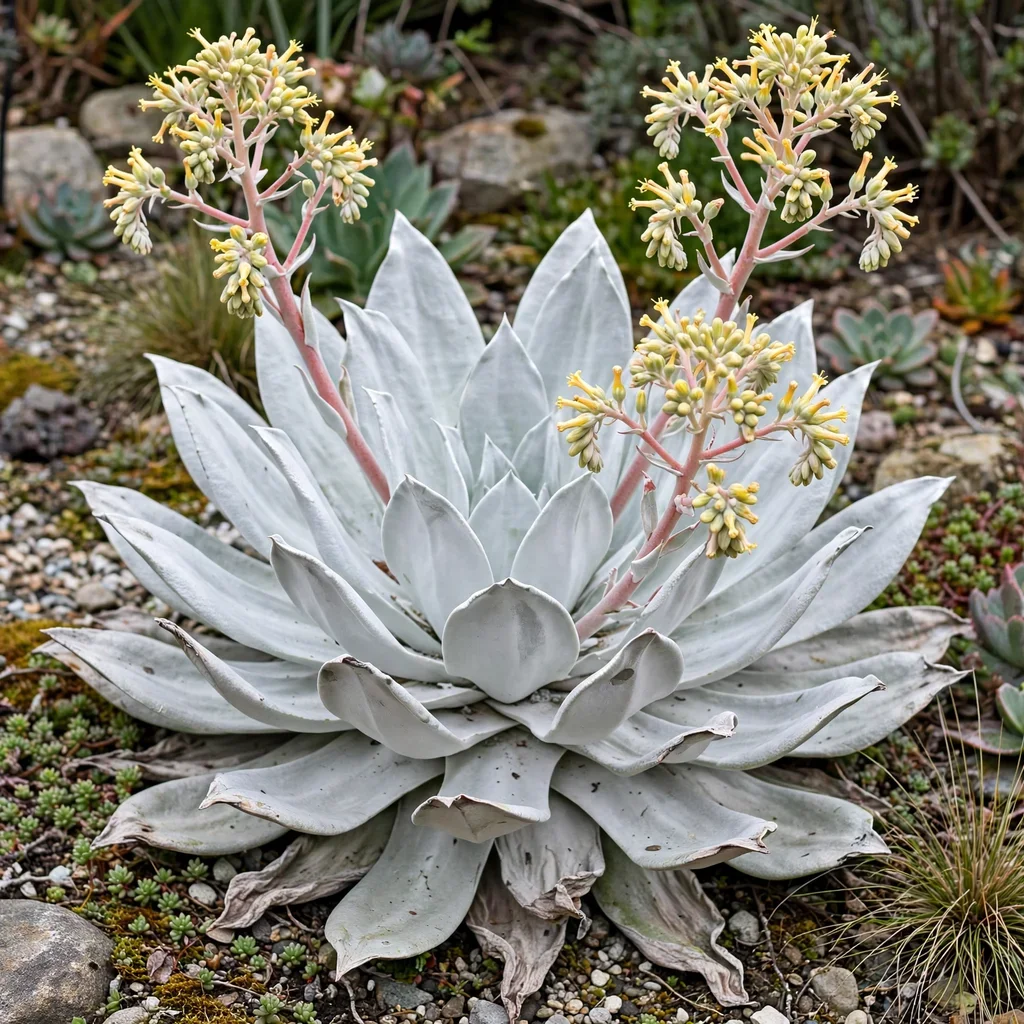
Giant Chalk Dudleya
Dudleya brittonii 'Giant Chalk Dudleya'
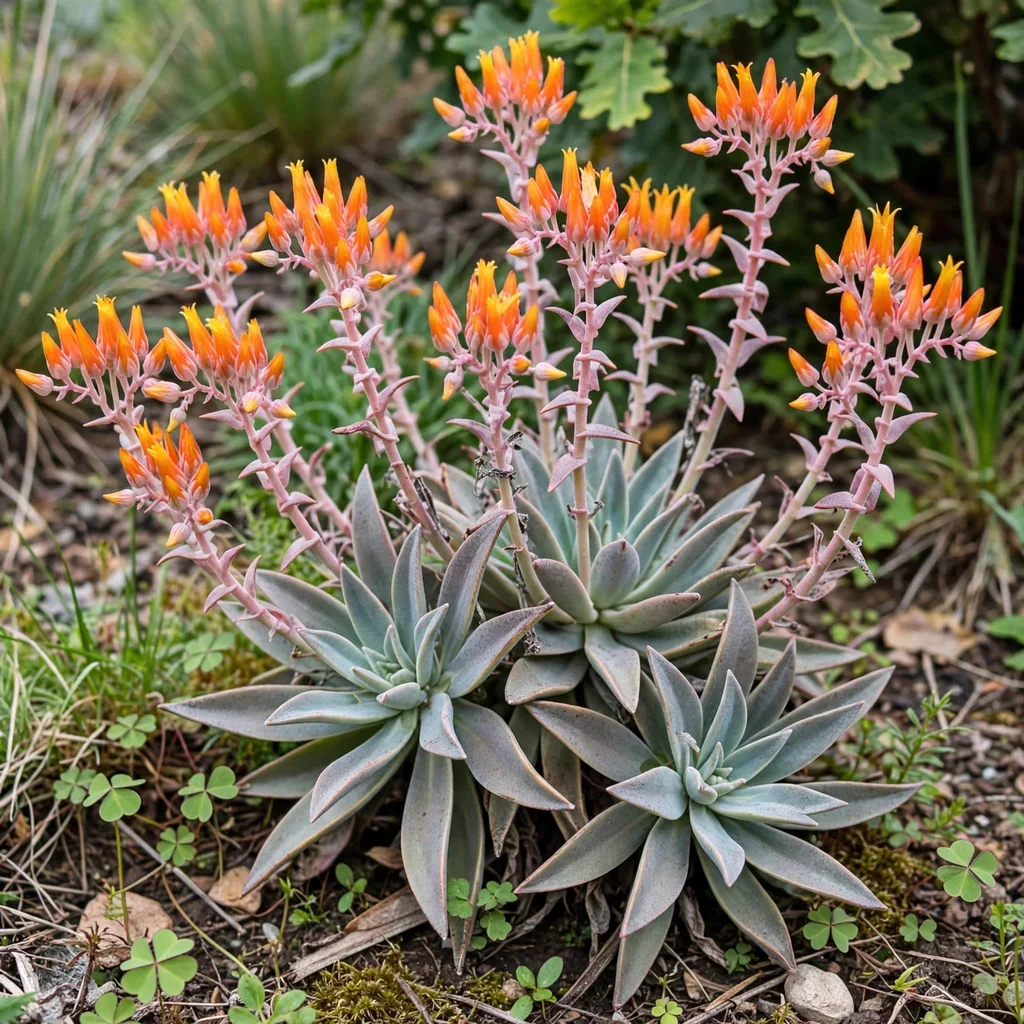
Canyon Liveforever
Dudleya cymosa 'Orange Form'
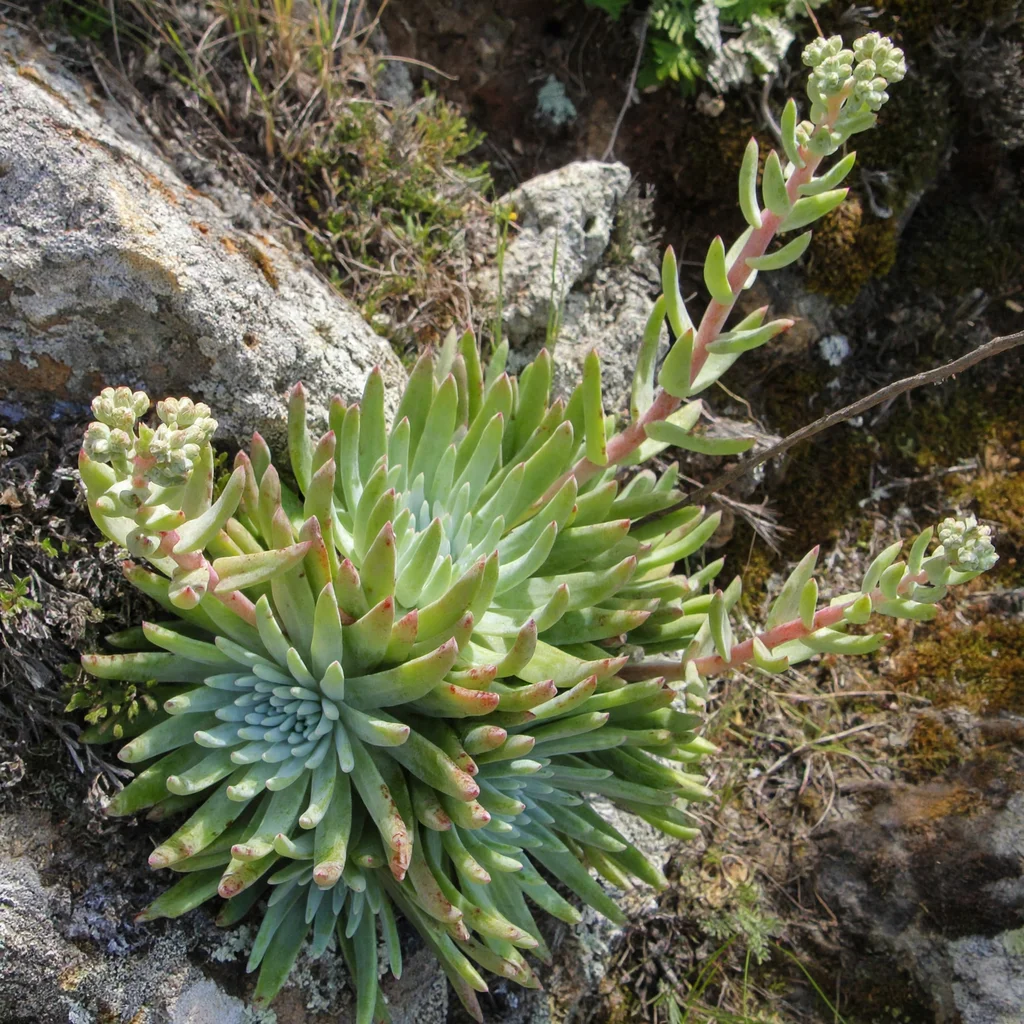
Bright Green Dudleya
Dudleya virens
Keep exploring
Explore the genus
Hardy in your zone?
Grow Abrams' Liveforever with confidence
See it in a design of your actual yard, get zone-matched care reminders, and track it season by season in your garden journal.