The Story
Plant Bio
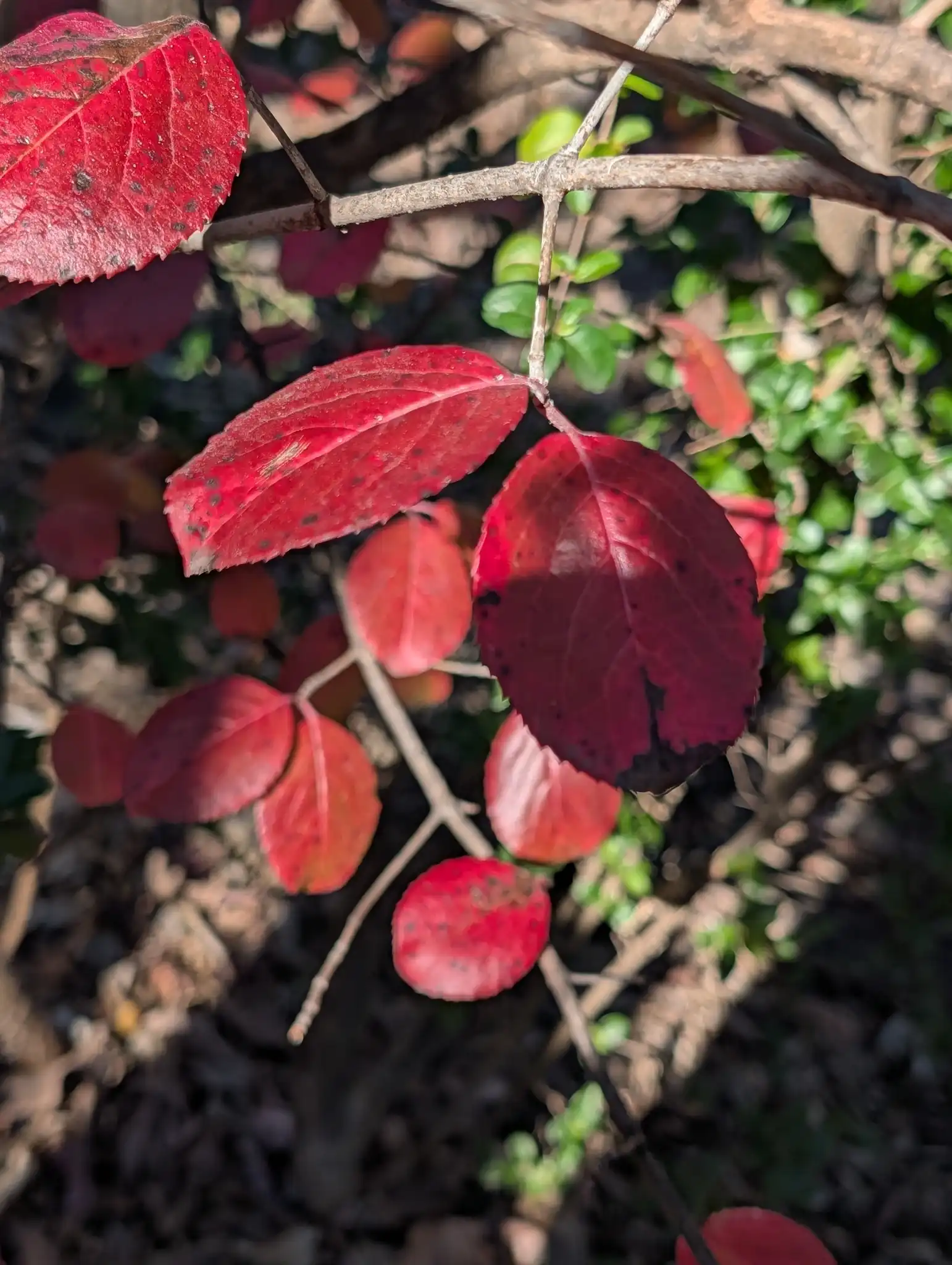
Viburnum rufidulum is a deciduous multi-stemmed shrub or small single-trunked tree reaching 10 to 20 feet tall and wide with a vase-shaped crown and slow irregular branching. Leaves are 2 to 4 inches long, ovate, leathery and extremely glossy dark green turning scarlet-red to purple in fall, while spring brings 5-inch domed clusters of small white flowers followed by blue waxy drupes.
Rusty-brown hairs on leaf undersides, petioles, buds and young stems separate it from Viburnum prunifolium and give the rusty blackhaw its name. Plants are self-unfruitful, so two or more shrubs must be grown together for the fall crop of drupes that birds and small mammals strip quickly.
Uses & Benefits:
Essentials
At a Glance
Plant Type
Shrub
Height
240"
Width
240"
Light
Full Sun, Partial Sun, Shade
Zones
5, 6, 7, 8, 9
Water
Low to medium
Humidity
Average garden humidity
Lifespan
Long-lived woody shrub to small tree
Native To
Southeastern and eastern-central USA to northeastern Mexico
Toxicity
No toxicity reported - unknown dose
Bloom period
Early spring – Spring
In flower about 3 months of the year
Planting
How to Grow
- Set plants in full sun to partial shade in well-drained loam, spacing 12 to 15 feet apart to allow the vase crown to develop.
- Dig the hole no deeper than the root ball, backfill with native soil, water deeply, and mulch 2 to 3 inches while keeping mulch off the stems.
- Water regularly through the first two growing seasons, then taper off once roots establish drought tolerance.
- Prune little except to remove crossing wood and root suckers if a single trunk is wanted.
Pro Tip
Plant two or more together for fruit set and hold suckering plants in a mulched bed or mow around the dripline to contain spread.
Keep It Thriving
Care Guide
Do
- Do plant more than one shrub if you want fruit for wildlife.
- Do mulch young plants and water through establishment.
- Do site in full sun for heaviest flowering and best fall color.
Don't
- Do not plant in compacted or constantly soggy ground.
- Do not shear into a formal hedge; it forms an irregular vase crown.
- Do not expect heavy bloom in deep shade.
Seasonal Care Calendar
| Task | Jan | Feb | Mar | Apr | May | Jun | Jul | Aug | Sep | Oct | Nov | Dec |
|---|---|---|---|---|---|---|---|---|---|---|---|---|
| Mulch | ||||||||||||
| Pest Check | ||||||||||||
| Plant | ||||||||||||
| Prune |
Watch Out For
Pests & Diseases
Common Pests
Common Diseases
In the Garden
Landscape Uses & Companions
Landscape Uses
Companion Plants
Multiply
Propagation Methods
Good to Know
Common Questions
Rusty Blackhaw questions
What zones can Rusty Blackhaw grow in?
Rusty Blackhaw is hardy in USDA Zones 5–9: in that range it survives winter in the ground. Colder than Zone 5, grow it in a container you can move to shelter for the winter. Warmer than Zone 9, winter isn't the problem: it prefers colder winters, and summer heat can shorten its life.
Is Rusty Blackhaw deer resistant?
Yes — Rusty Blackhaw is rated deer-resistant. Deer typically pass it over, though extreme hunger can override any plant's defenses.
When does Rusty Blackhaw bloom?
Rusty Blackhaw typically blooms in spring. Exact timing shifts a week or two with your zone — Sow's bloom calendar maps it to your garden.
Does Rusty Blackhaw need full sun?
Rusty Blackhaw does best in full sun to part shade. In hot climates, afternoon shade keeps blooms fresher longer.
Is Rusty Blackhaw drought tolerant?
Yes — once established (usually after the first full season), Rusty Blackhaw handles dry spells with minimal watering. Water deeply its first year to build the root system that makes that possible.
More Viburnum to compare
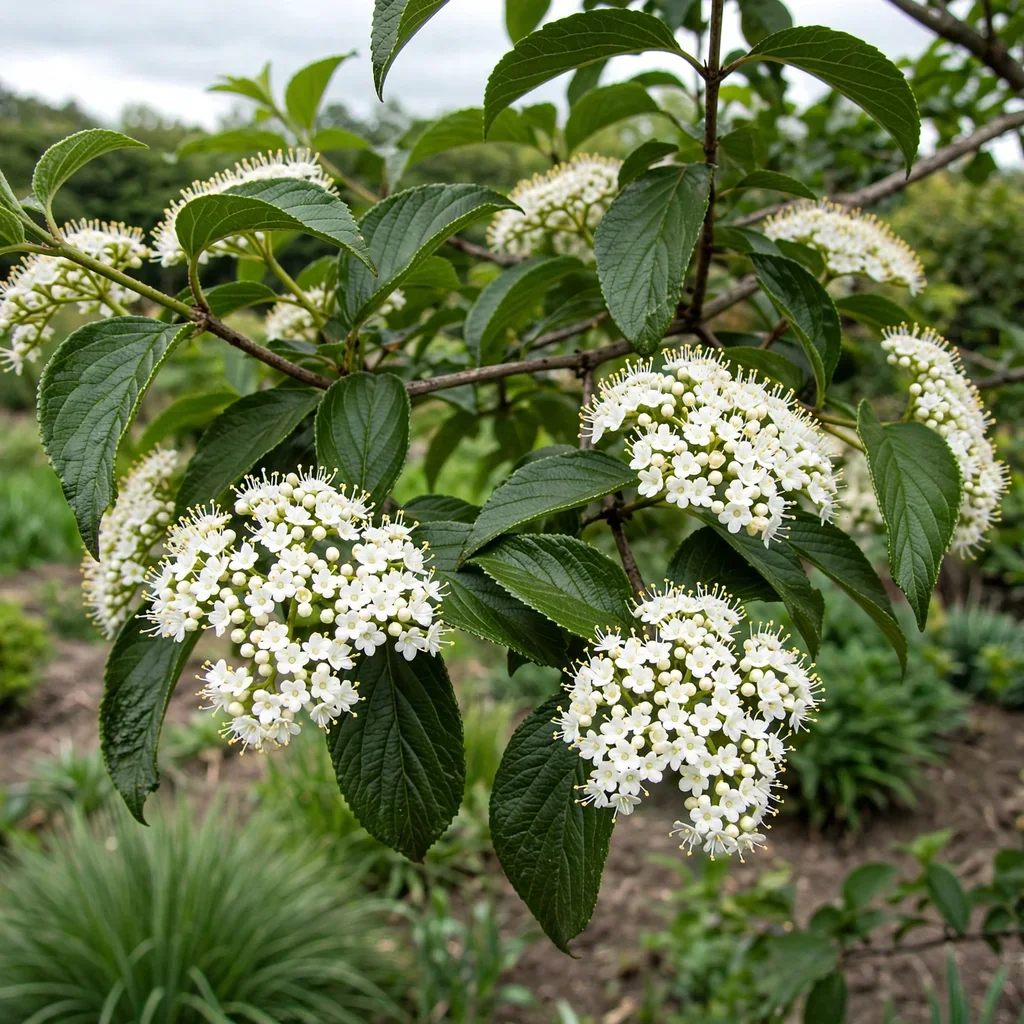
Nannyberry
Viburnum lentago
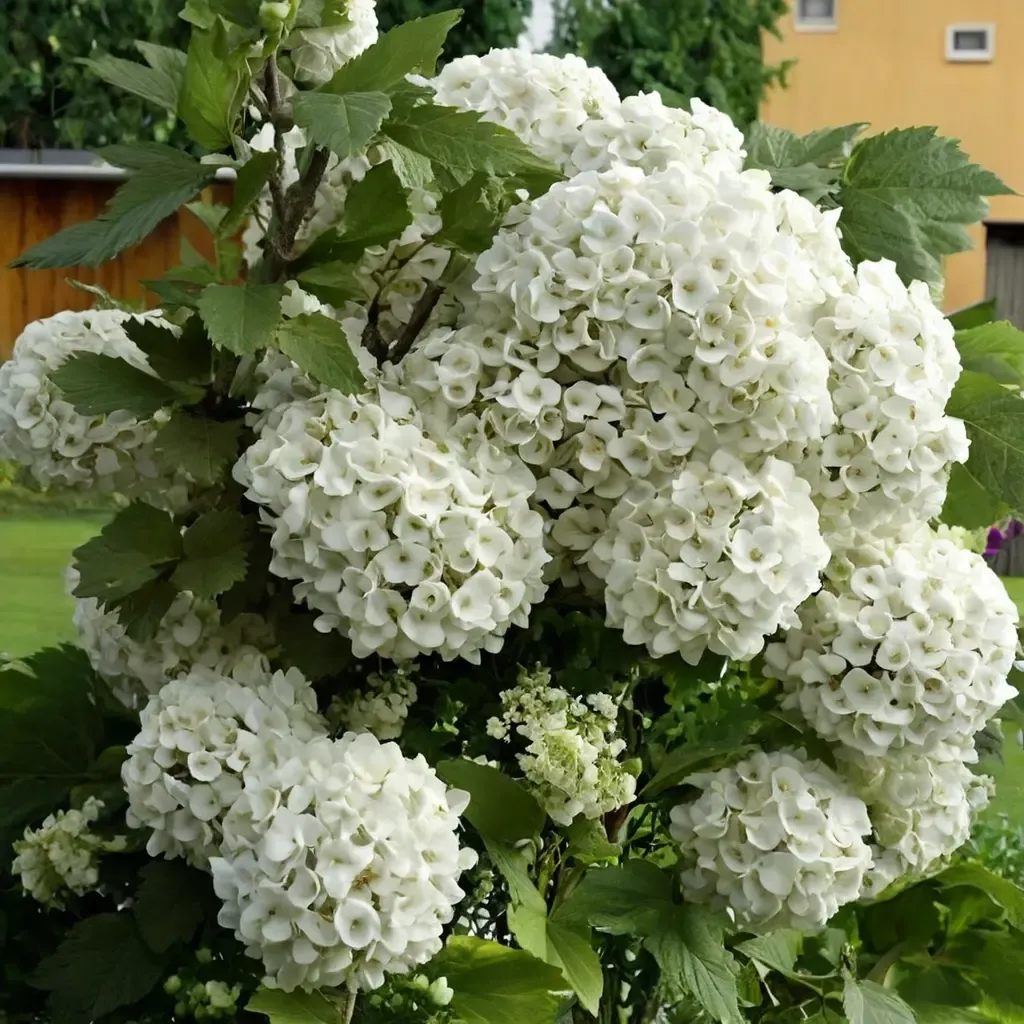
Snowball Viburnum
Viburnum opulus 'Sterile'
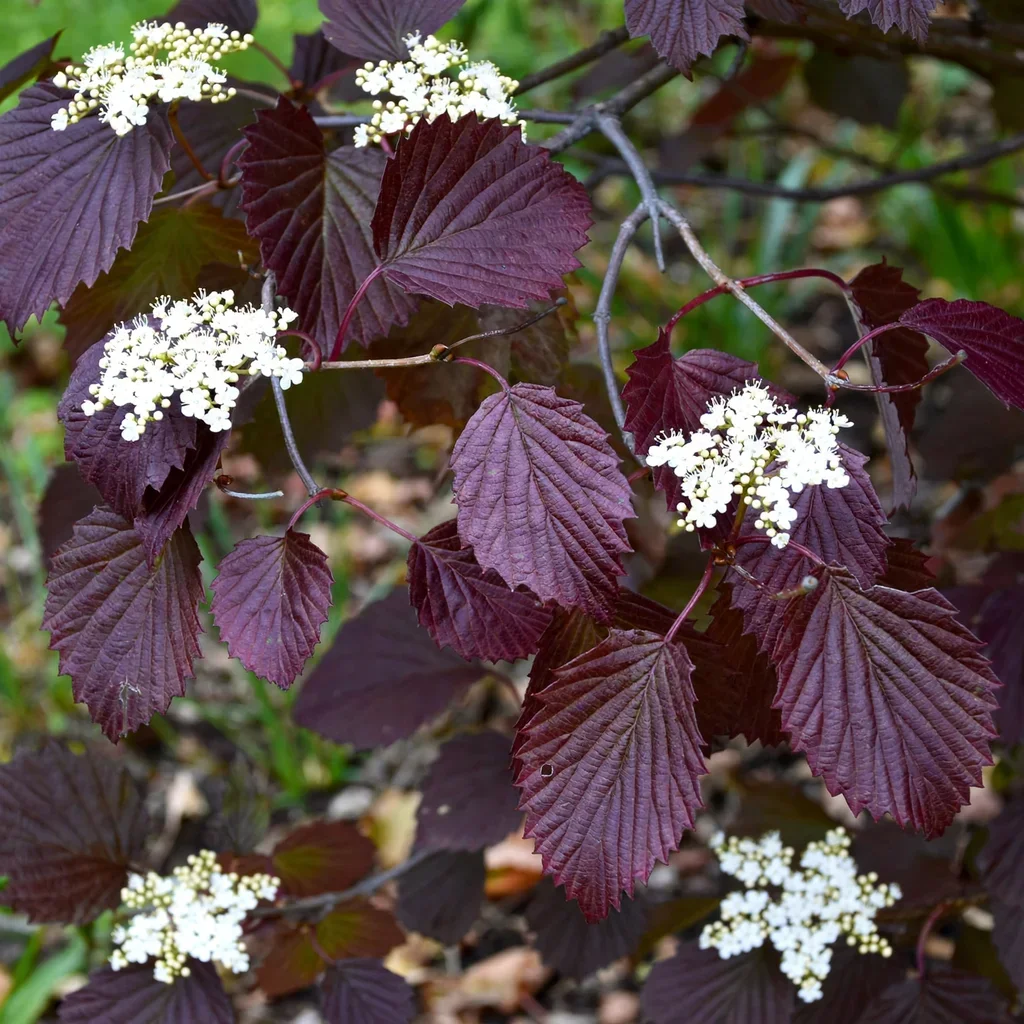
Autumn Jazz Arrowwood
Viburnum dentatum 'Autumn Jazz'
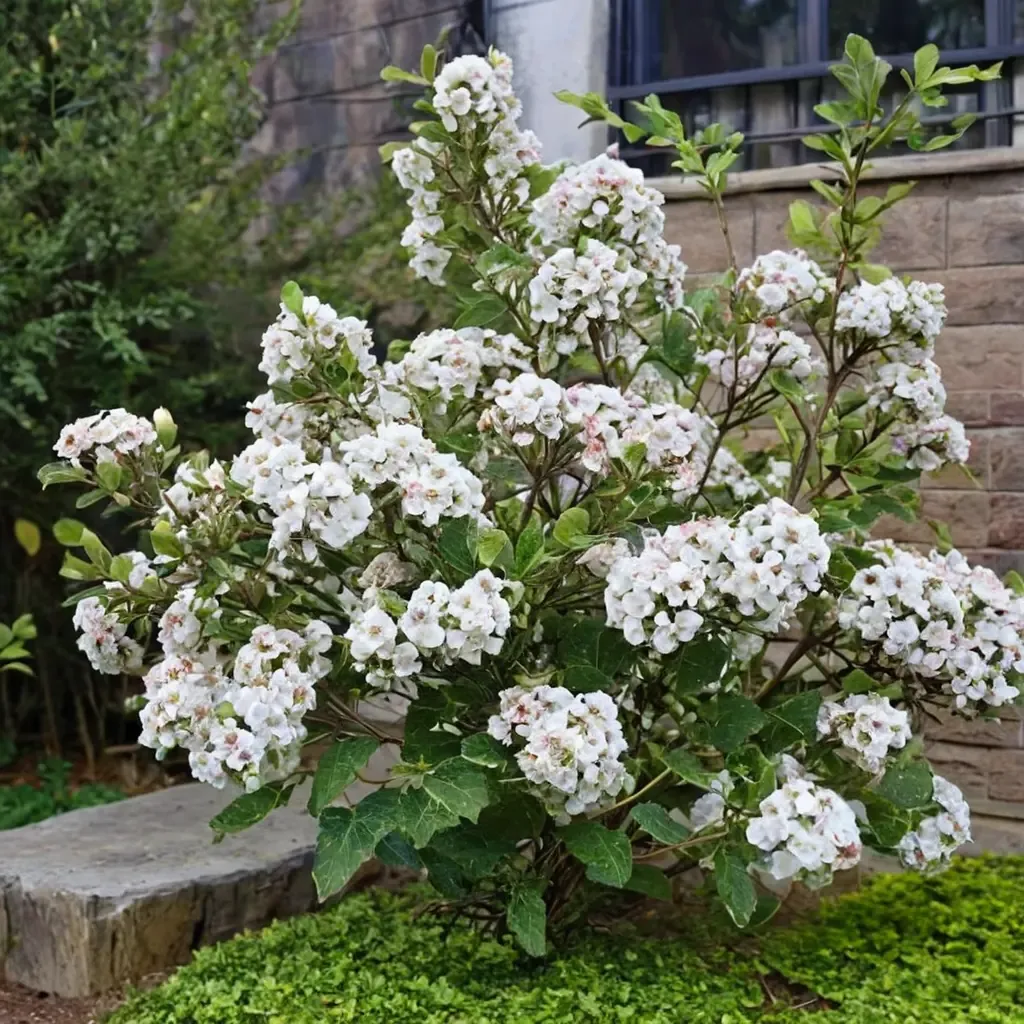
Korean spice viburnum
Viburnum carlesii
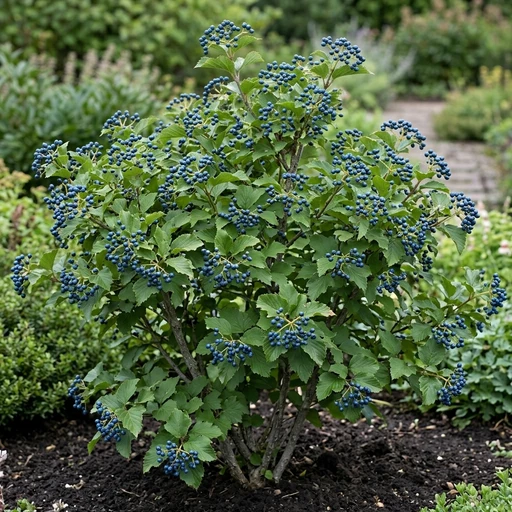
Blue Muffin Viburnum
Viburnum dentatum 'Christom'
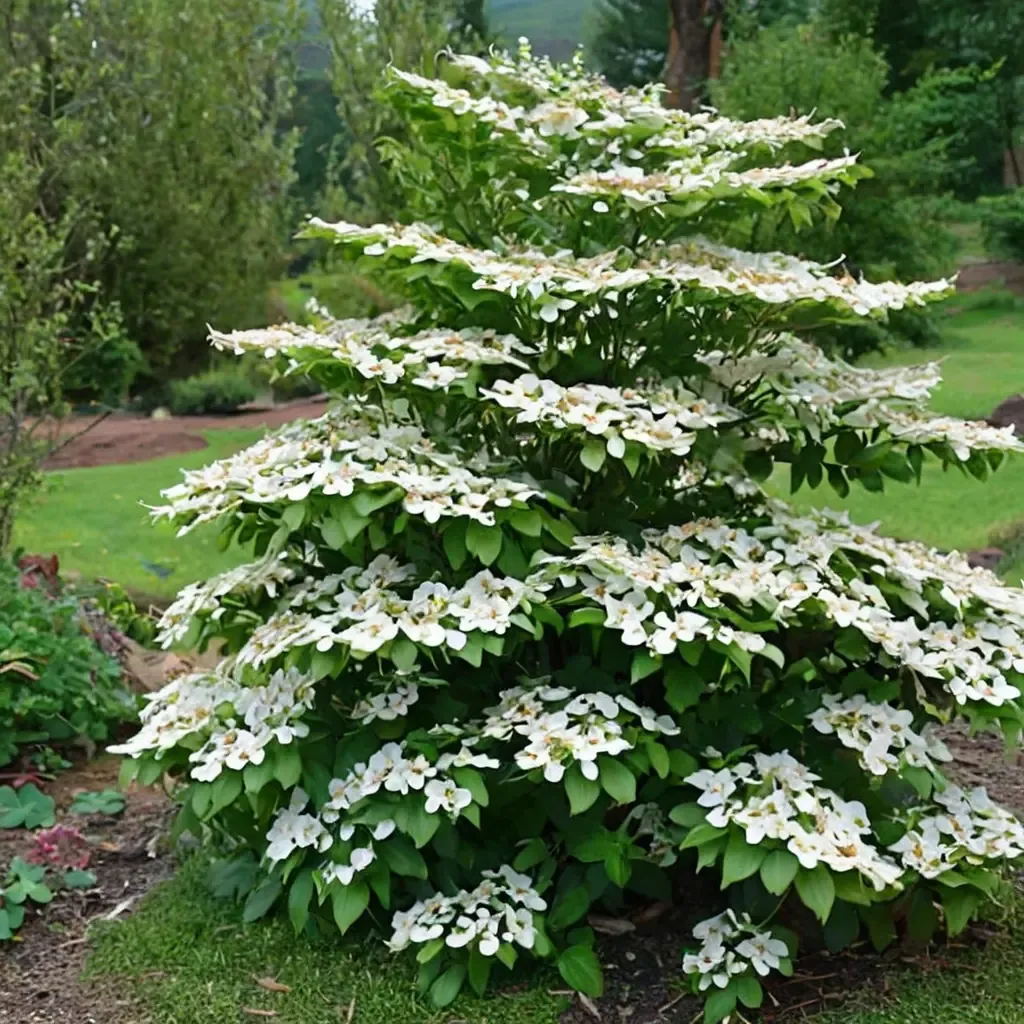
Mariesii Japanese Snowball
Viburnum plicatum 'Mariesii'
Keep exploring
Explore the genus
Hardy in your zone?
Grow Rusty Blackhaw with confidence
See it in a design of your actual yard, get zone-matched care reminders, and track it season by season in your garden journal.