The Story
Plant Bio
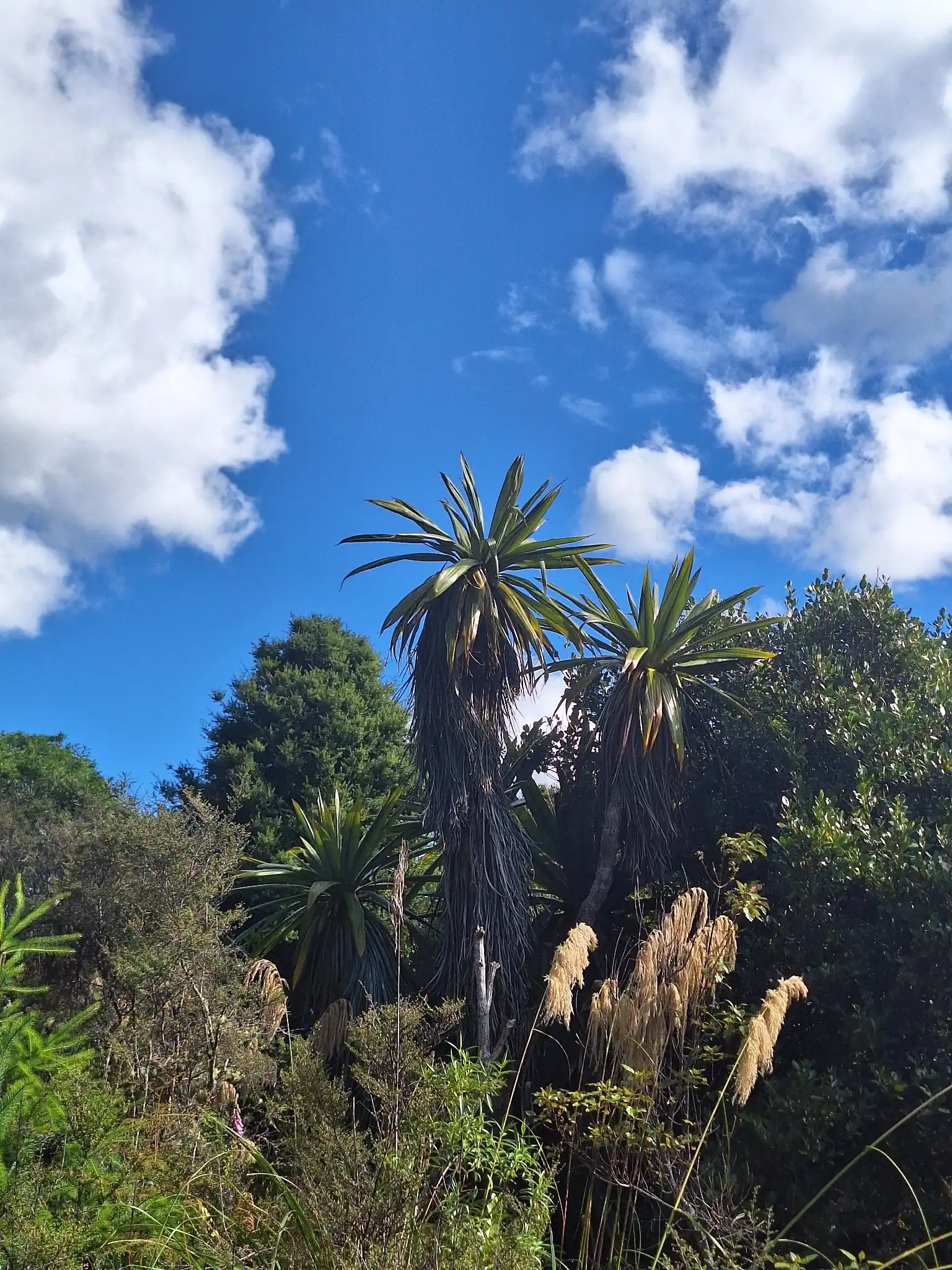
Cordyline indivisa is an evergreen, palm-like tree native to New Zealand that produces a stout stem topped with a crown of massive foliage. The broad, leathery blue-green leaves feature prominent yellow or reddish midribs and can measure up to six feet in length.
Unlike the more common cabbage tree, this montane species requires cool root runs and high ambient humidity, failing quickly in hot or arid environments. Dense, heavy panicles of greenish-white flowers droop beneath the foliage crown on mature plants in early summer.
Uses & Benefits:
Essentials
At a Glance
Plant Type
Tree
Height
216"
Width
72"
Light
Partial Sun
Zones
9, 10
Water
High
Humidity
Moderate to High
Lifespan
Perennial
Native To
New Zealand
Toxicity
Non-toxic
Bloom period
Late spring – Early summer
In flower about 2 months of the year
Planting
How to Grow
- Select a planting location in partial shade protected from harsh mid-afternoon sun and drying winds.
- Prepare organically rich, moisture-retentive soil that drains water freely to prevent root rot.
- Plant at the exact depth of the nursery container, taking care not to disturb the root ball.
- Apply a thick layer of organic mulch around the base to keep root temperatures low and preserve soil moisture.
Pro Tip
Maintain cool soil temperatures and uniform moisture without waterlogging; root disturbance or periods of high heat and drought often cause immediate plant collapse.
Keep It Thriving
Care Guide
Do
- Keep the soil consistently damp throughout the active growing season.
- Provide filtered light or morning sun with afternoon shade.
- Protect potted specimens from severe winter freezes by moving them indoors.
Don't
- Do not allow the soil to dry out completely between waterings.
- Do not cut into live green stem tissue when clearing old foliage.
- Do not expose the plant to hot, dry air currents or intense midday sun.
Seasonal Care Calendar
| Task | Jan | Feb | Mar | Apr | May | Jun | Jul | Aug | Sep | Oct | Nov | Dec |
|---|---|---|---|---|---|---|---|---|---|---|---|---|
| Fertilize | ||||||||||||
| Pest Check | ||||||||||||
| Prune | ||||||||||||
| Winter Prep |
Watch Out For
Pests & Diseases
Common Pests
Common Diseases
In the Garden
Landscape Uses & Companions
Landscape Uses
Companion Plants
Multiply
Propagation Methods
Good to Know
Common Questions
Mountain Cabbage Tree questions
What zones can Mountain Cabbage Tree grow in?
Mountain Cabbage Tree is hardy in USDA Zones 9–10: in that range it survives winter in the ground. Colder than Zone 9, winters are too cold for it to survive outdoors.
Is Mountain Cabbage Tree deer resistant?
Not reliably. Deer may browse Mountain Cabbage Tree, especially tender spring growth — plan on repellents or fencing where pressure is high.
When does Mountain Cabbage Tree bloom?
Mountain Cabbage Tree typically blooms from late spring to early summer. Exact timing shifts a week or two with your zone — Sow's bloom calendar maps it to your garden.
Does Mountain Cabbage Tree need full sun?
Mountain Cabbage Tree does best in part shade.
More Cordyline to compare
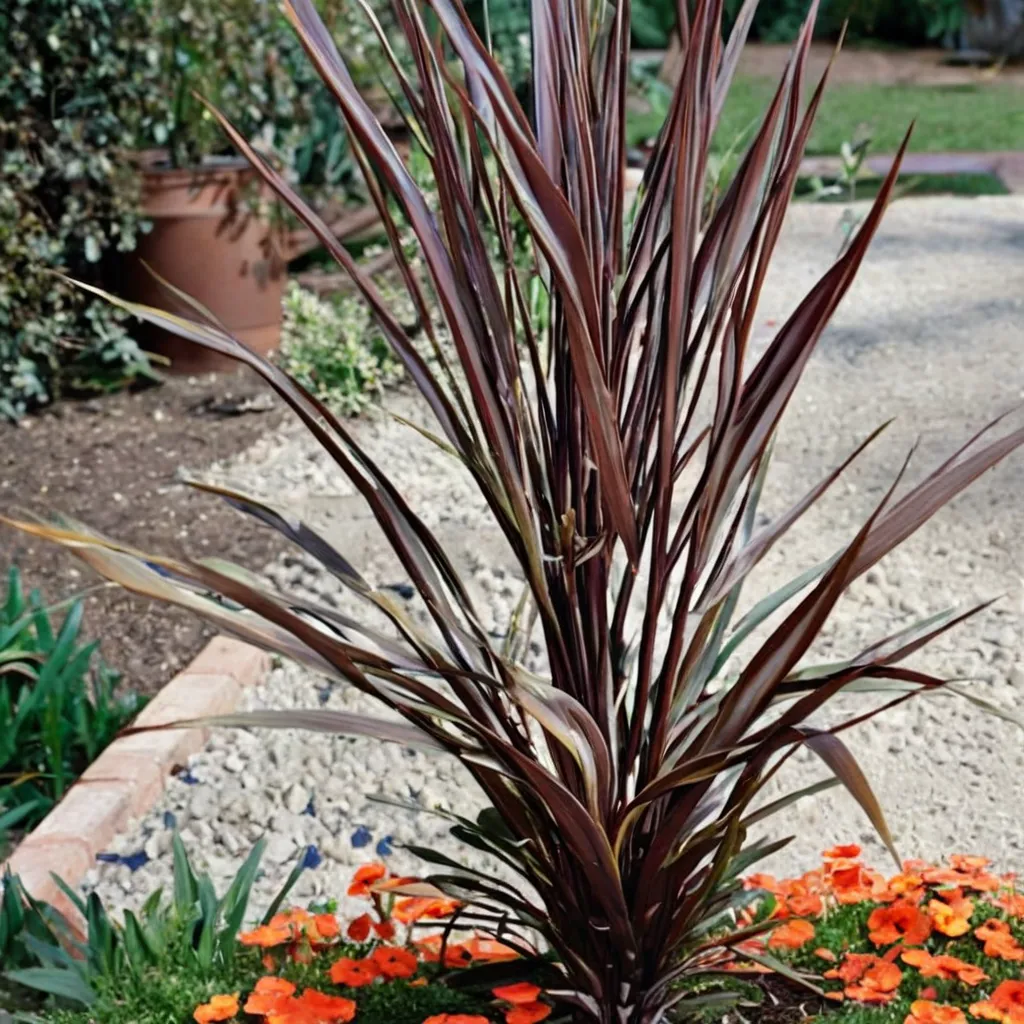
Red Sensation Cordyline
Cordyline australis 'Red Sensation'
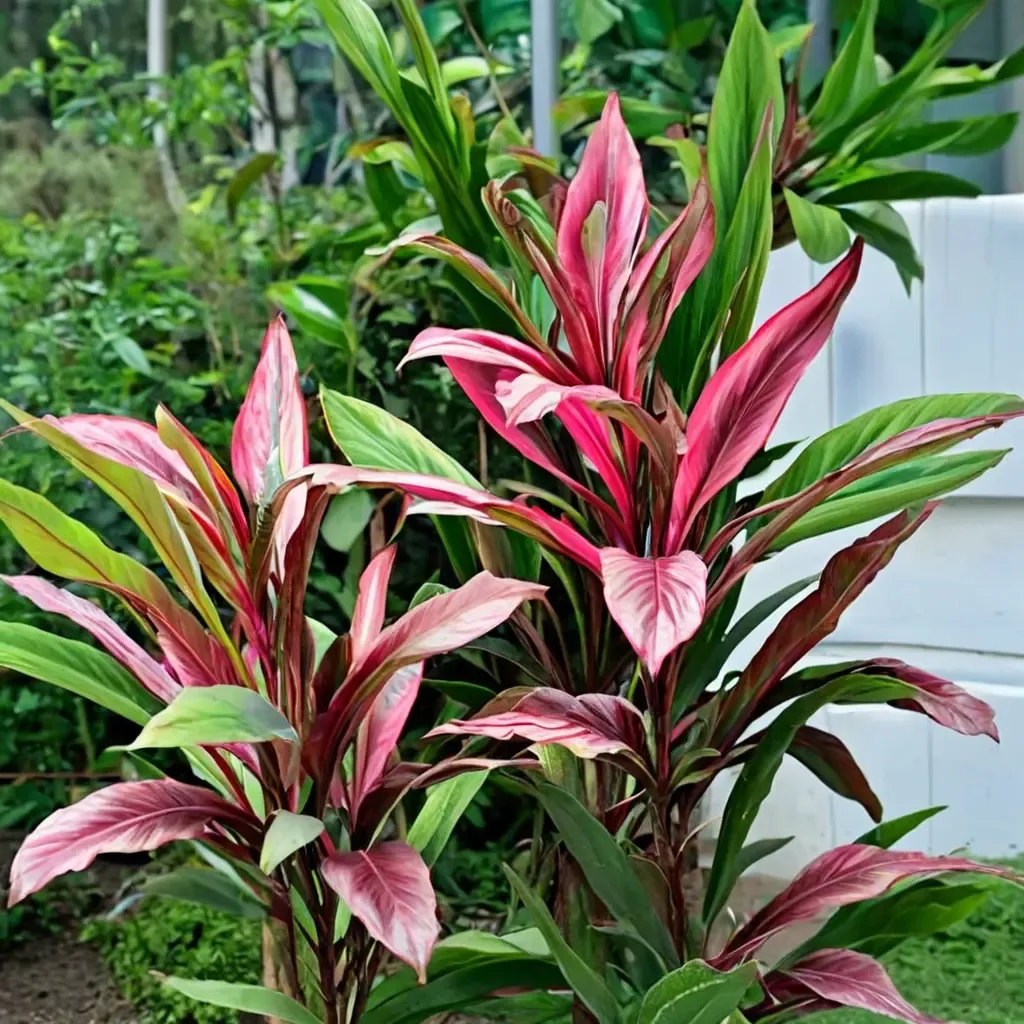
Can Can Cordyline
Cordyline fruticosa 'Can Can'
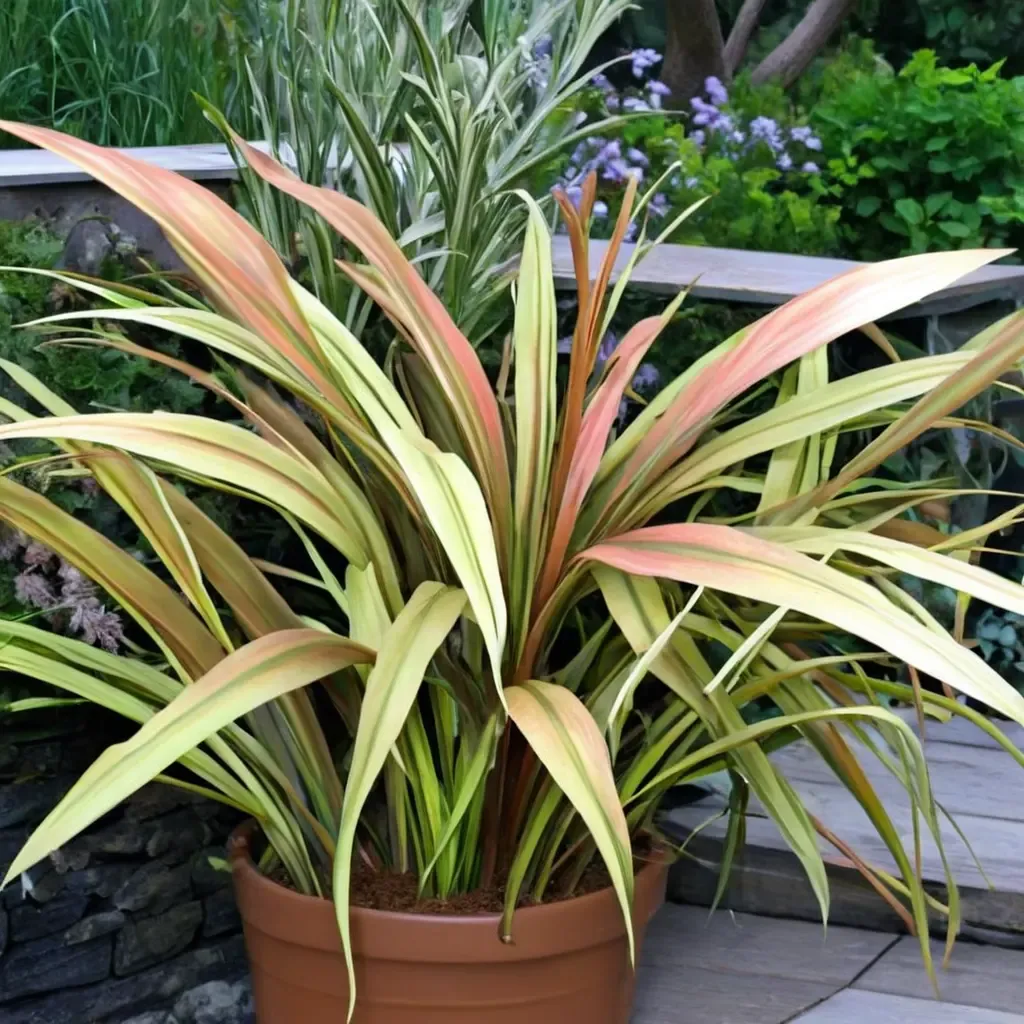
Cha Cha Ti Plant Cordyline Cha Cha
Cordyline fruticosa 'Cha Cha'
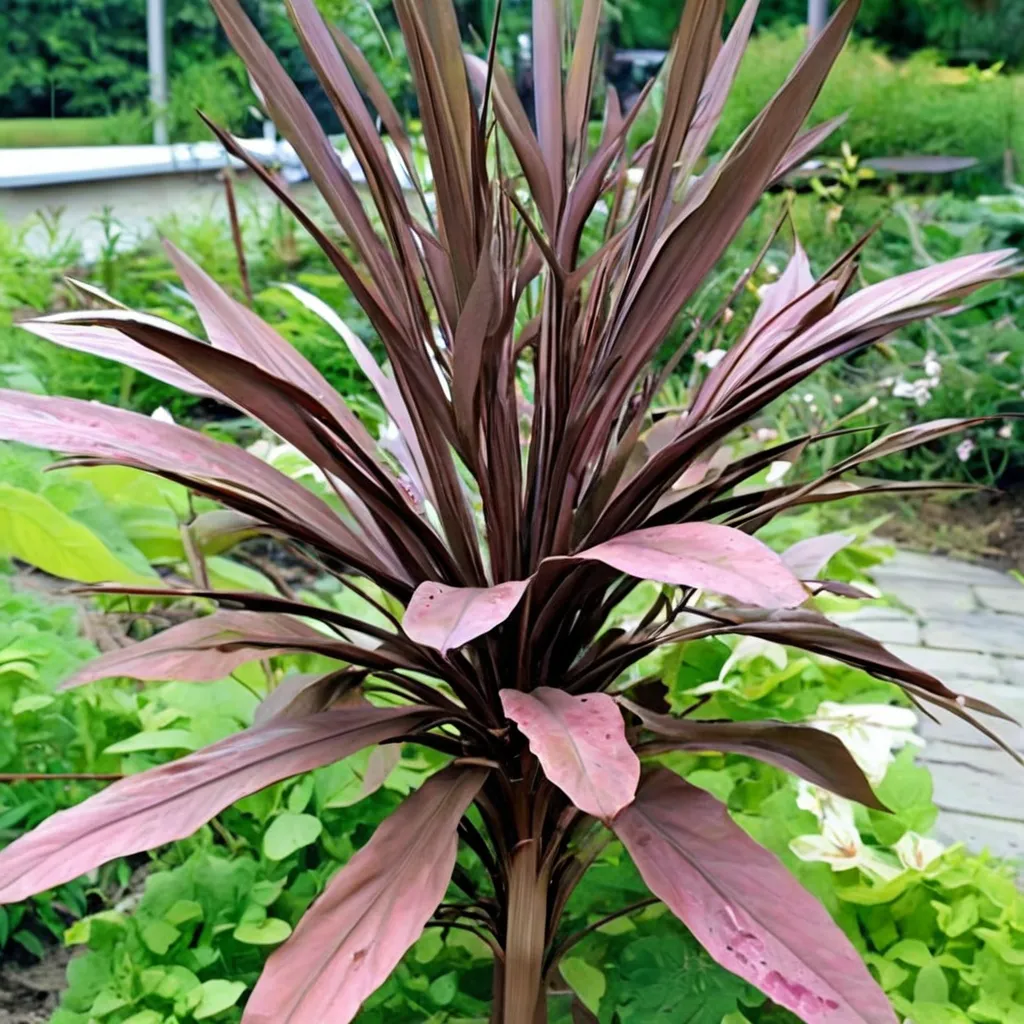
Purple Tower Cordyline
Cordyline australis 'Purple Tower'
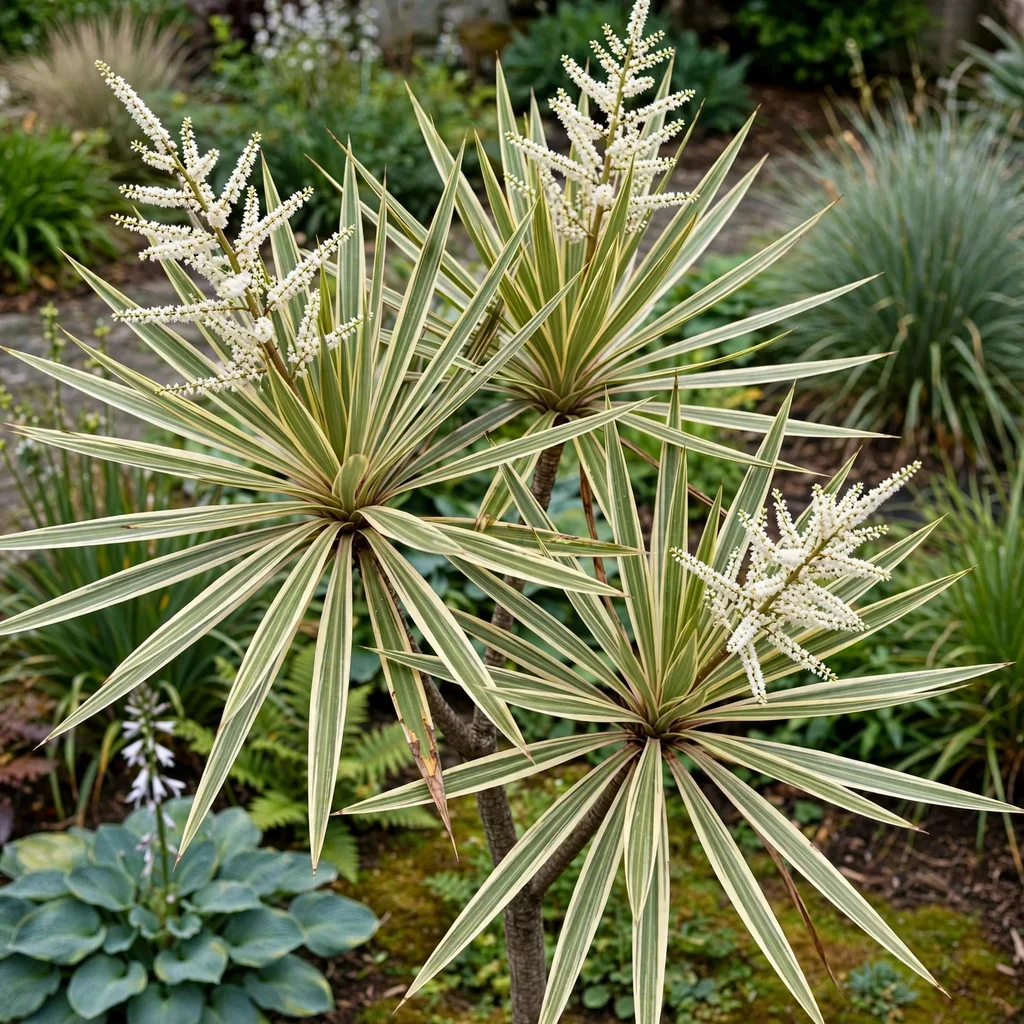
Alberti Cabbage Tree
Cordyline australis 'Alberti'
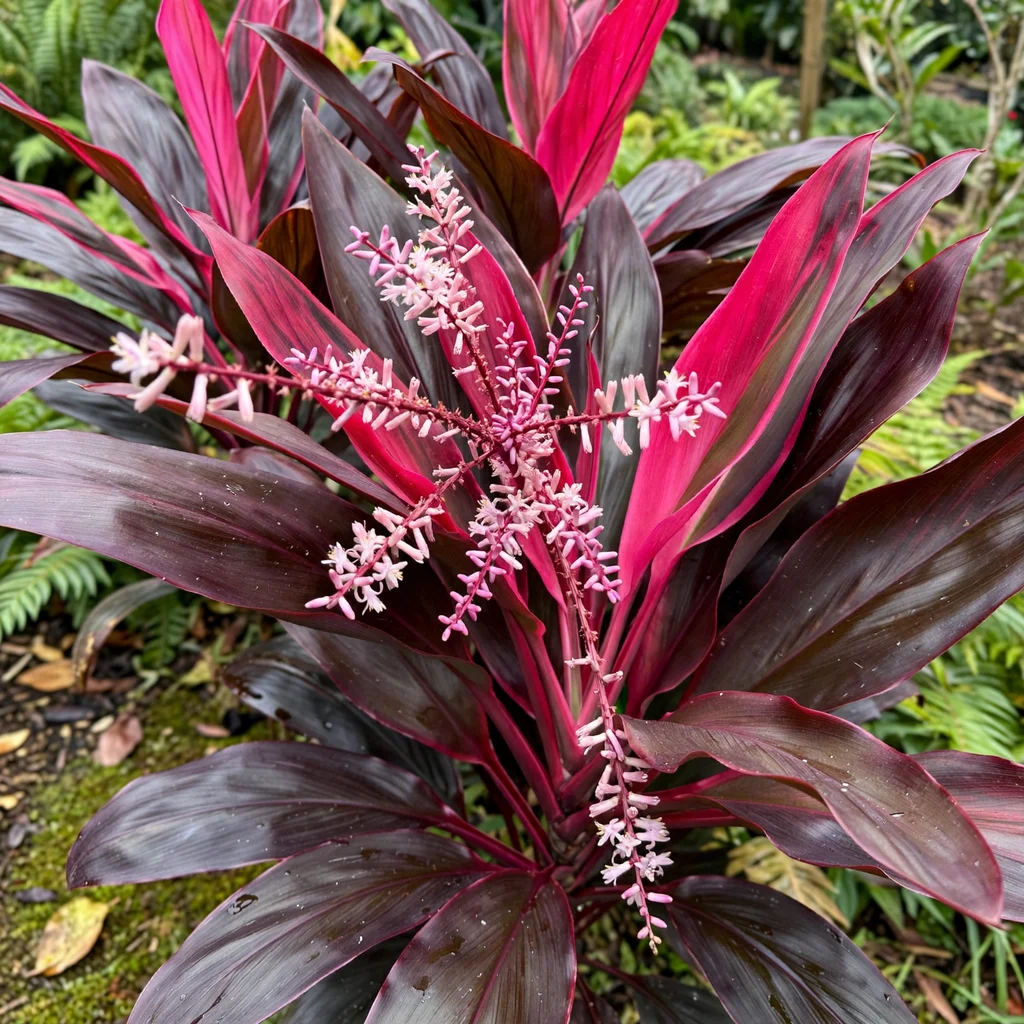
Ti Plant 'Rubra'
Cordyline fruticosa 'Rubra'
Keep exploring
Explore the genus
Hardy in your zone?
Grow Mountain Cabbage Tree with confidence
See it in a design of your actual yard, get zone-matched care reminders, and track it season by season in your garden journal.