
The Story
Plant Bio
Carex atrata, the black alpine sedge, is a loosely tufted perennial sedge reaching ten to fourteen inches tall, with narrow green to blue-green leaves three to five millimeters wide. The upright stems carry several short overlapping spikes that darken to almost black in summer and hold into fruit in late summer.
What separates it from garden sedges is the crowded head of short-oblong spikes on short stalks, contiguous at the stem tip and ripening from dark brown to black. It is a slow-growing alpine of cool moist ledges and meadows, long-lived where summers stay cool and the root run never dries hard.
Uses & Benefits:
Essentials
At a Glance
Plant Type
Grass
Height
14"
Width
13"
Light
Full Sun, Partial Sun
Zones
4, 5, 6, 7
Water
Medium to moist
Humidity
Prefers cool air
Lifespan
Perennial
Native To
Europe, temperate Asia and Greenland
Toxicity
Unknown - no toxicity reported
Bloom period
Summer – Late summer
In flower about 3 months of the year
Planting
How to Grow
- Plant in spring in full sun where summers are cool and in afternoon shade where summers are warm.
- Set the crown at soil level in cool moist but well-drained loam, spacing tufts about 12 inches apart.
- Water to keep soil evenly moist through the first season; do not let the root zone dry out in summer.
- Top with a thin gravel mulch to hold moisture without burying the crown.
- Skip heavy fertilizer; this alpine thrives in lean soil and excess nitrogen softens growth.
Pro Tip
Keep the root run evenly moist in sun in cool climates and in afternoon shade where summers are warm, and comb out old leaves in early spring instead of shearing the clump.
Keep It Thriving
Care Guide
Do
- Keep soil evenly moist in summer heat
- Give afternoon shade in warm climates
- Comb out dead foliage in early spring
Don't
- Do not let the crown sit in saturated soil
- Do not shear the tuft hard each year
- Do not feed heavily or let soil dry hard
Seasonal Care Calendar
| Task | Jan | Feb | Mar | Apr | May | Jun | Jul | Aug | Sep | Oct | Nov | Dec |
|---|---|---|---|---|---|---|---|---|---|---|---|---|
| Divide | ||||||||||||
| Mulch | ||||||||||||
| Plant | ||||||||||||
| Spring Cleanup |
Watch Out For
Pests & Diseases
Common Pests
Common Diseases
In the Garden
Landscape Uses & Companions
Landscape Uses
Companion Plants
Multiply
Propagation Methods
Good to Know
Common Questions
Black Alpine Sedge questions
What zones can Black Alpine Sedge grow in?
Black Alpine Sedge is hardy in USDA Zones 4–7: in that range it survives winter in the ground. Warmer than Zone 7, winter isn't the problem: it prefers colder winters, and summer heat can shorten its life.
When does Black Alpine Sedge bloom?
Black Alpine Sedge typically blooms in summer. Exact timing shifts a week or two with your zone — Sow's bloom calendar maps it to your garden.
Does Black Alpine Sedge need full sun?
Black Alpine Sedge does best in full sun to part shade. In hot climates, afternoon shade keeps blooms fresher longer.
More Carex to compare
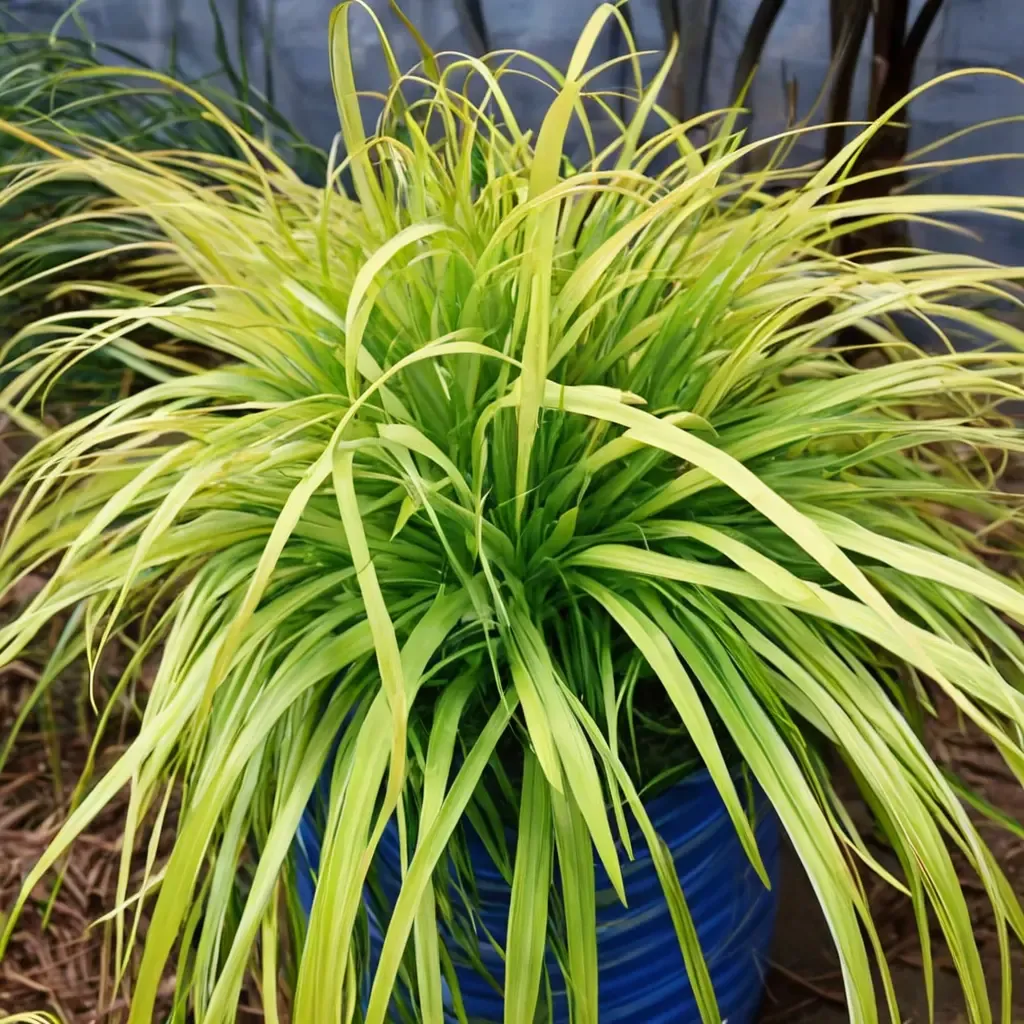
Everillo Sedge
Carex oshimensis 'Everillo'
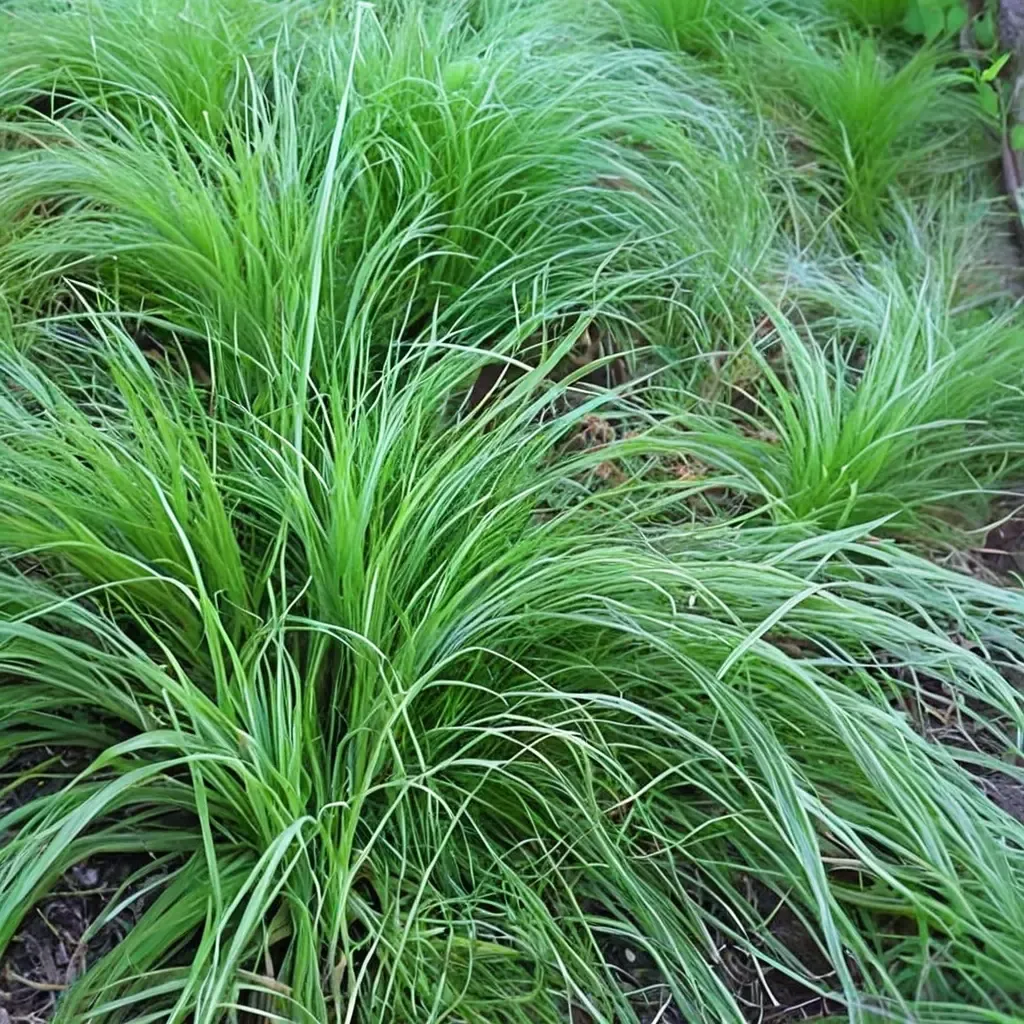
Pennsylvania Sedge
Carex pensylvanica
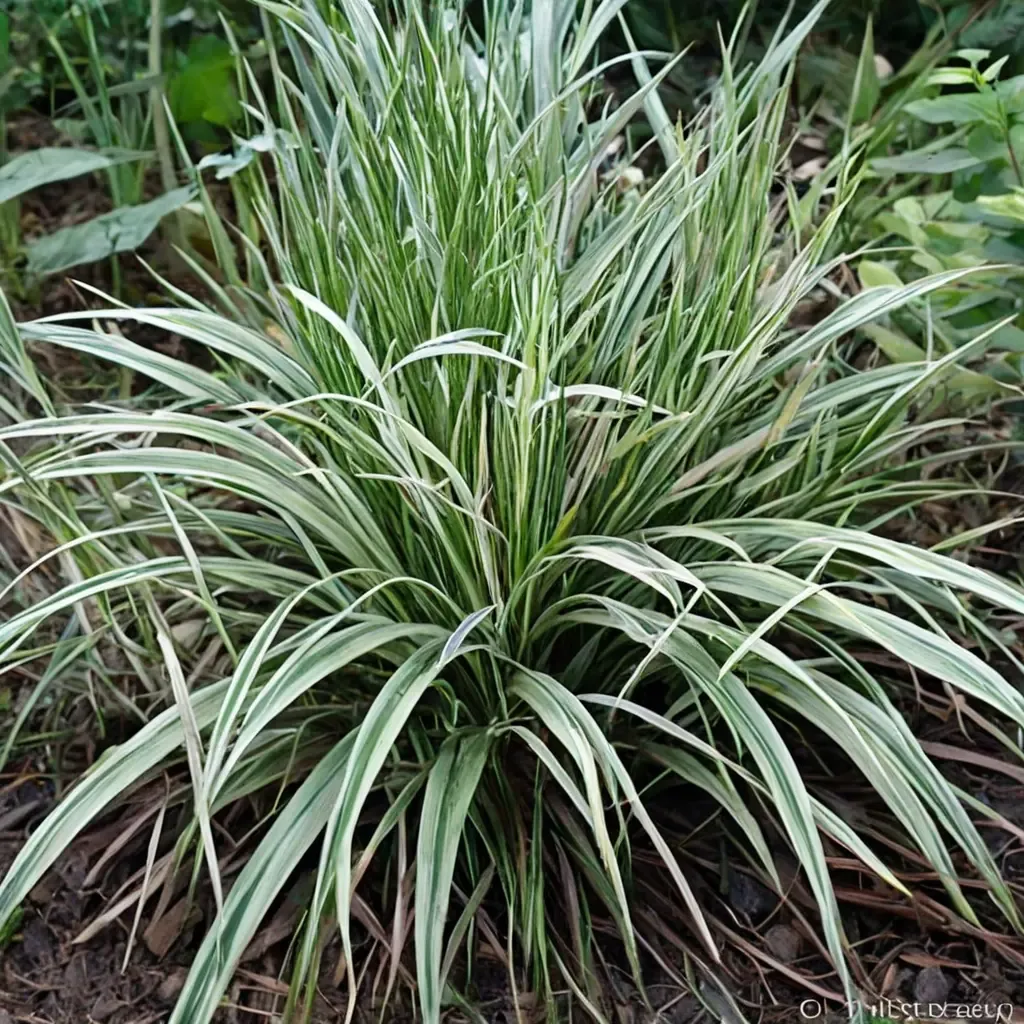
Japanese Sedge
Carex morrowii
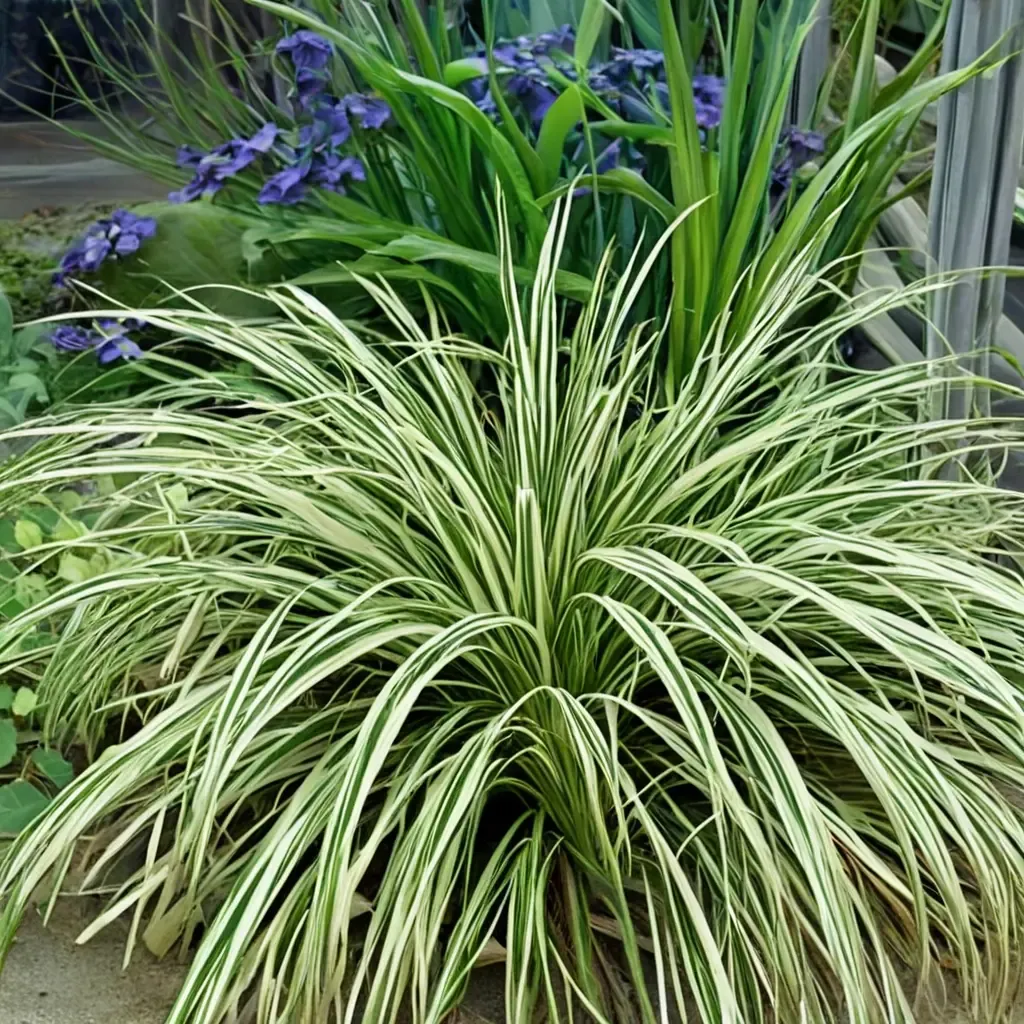
Evergold Japanese Sedge
Carex oshimensis 'Evergold'
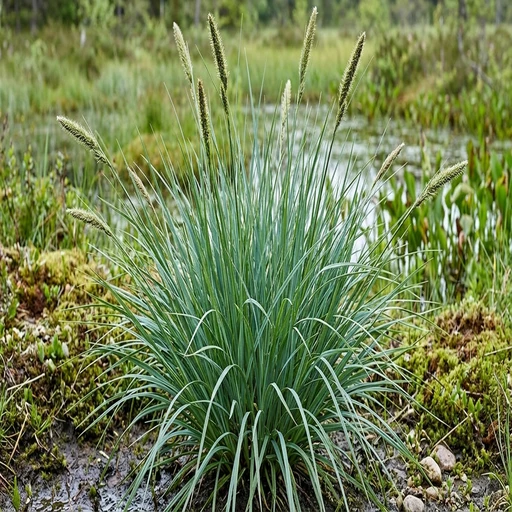
Comosa Sedge
Carex comosa
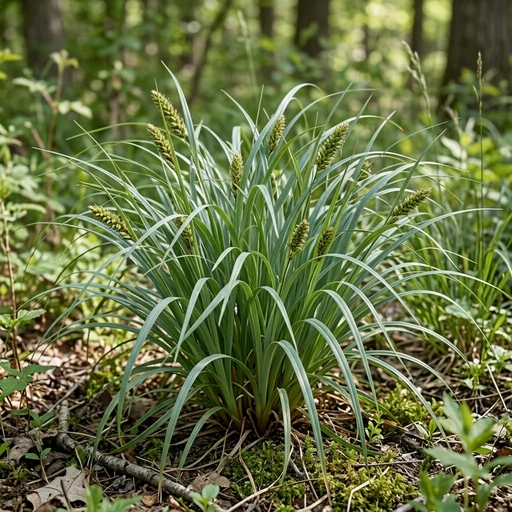
Shortbeak Sedge
Carex brevior
Keep exploring
Explore the genus
Hardy in your zone?
Grow Black Alpine Sedge with confidence
See it in a design of your actual yard, get zone-matched care reminders, and track it season by season in your garden journal.