The Story
Plant Bio
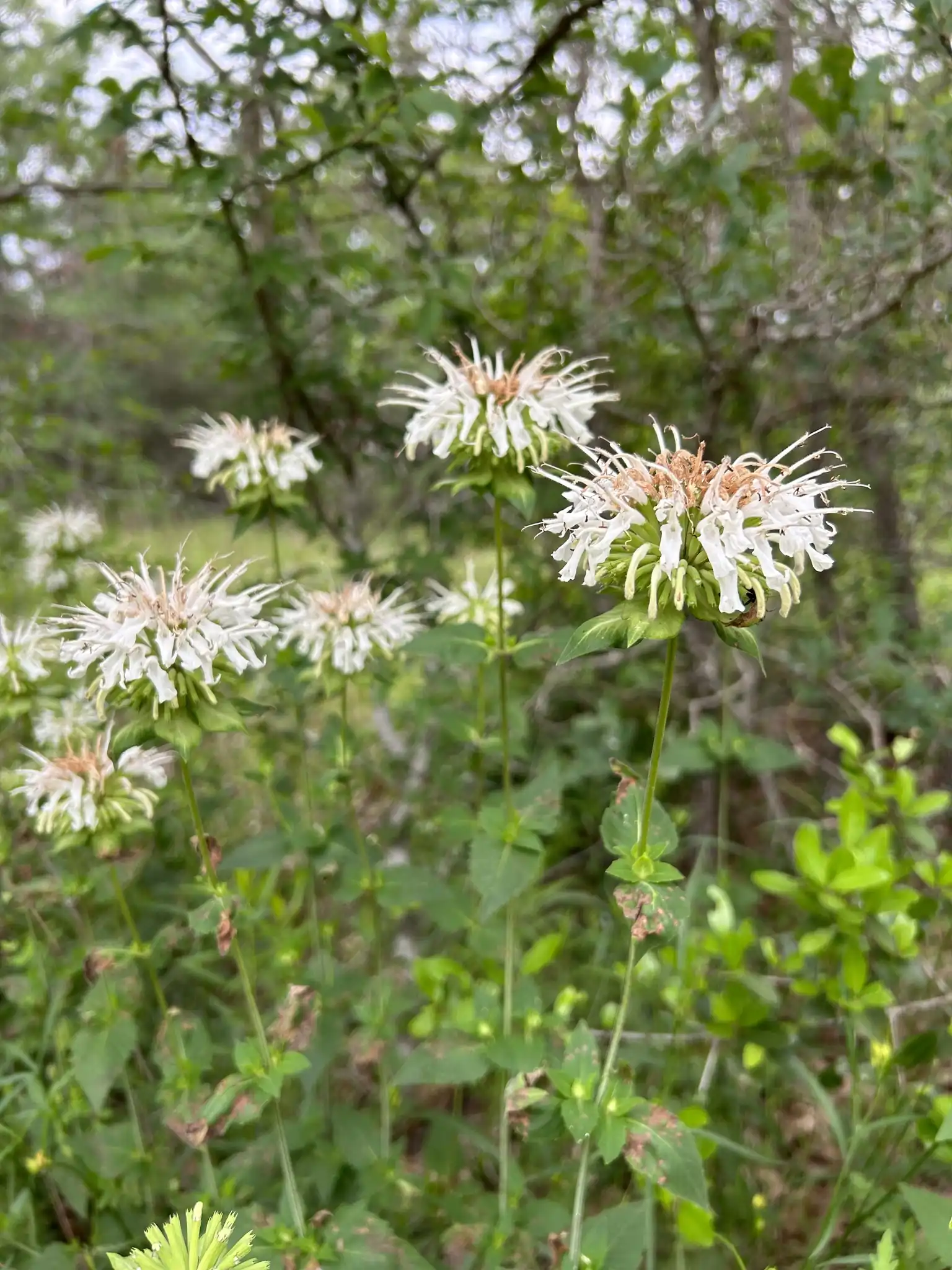
Monarda lindheimeri is an upright, clump-forming perennial herb in the mint family, reaching about 3 feet tall with aromatic, lance-shaped to oval leaves with toothed margins. The stems carry a single terminal head of tubular white flowers that mature to small nutlets.
Unlike the pink and purple beebalms, this Texas and Louisiana endemic bears white to creamy white heads that open from spring into summer. It grows from sandy to gravelly limestone soils of prairies and open woods and is told apart from gaura and muhly grass sharing Lindheimer's name by its minty foliage and single terminal flower head.
Uses & Benefits:
Essentials
At a Glance
Plant Type
Perennial
Height
36"
Width
24"
Light
Full Sun
Water
Dry to moist
Humidity
Unknown
Lifespan
Perennial
Native To
Texas, Louisiana
Toxicity
Unknown
Bloom period
Spring – Summer
In flower about 6 months of the year
Planting
How to Grow
- Plant in full sun in dry to moist sandy or gravelly soil with open air movement.
- Space plants 12 to 24 inches apart and avoid crowding.
- Water at the base and avoid overhead watering to keep foliage dry.
- Thin crowded clumps as needed to maintain airflow.
- Cut stems to the ground after flowering in fall and dispose of mildewed material.
Pro Tip
Space plants 12 to 24 inches apart and thin crowded clumps to keep air moving; crowding and overhead watering guarantees mildew.
Keep It Thriving
Care Guide
Do
- Space and thin clumps for air circulation.
- Water at soil level to keep leaves dry.
- Remove and dispose of mildewed leaves.
Don't
- Do not crowd plants or water overhead.
- Do not compost mildewed stems.
- Do not confuse it with pink beebalm or with gaura and muhly grass sharing Lindheimer's name.
Seasonal Care Calendar
| Task | Jan | Feb | Mar | Apr | May | Jun | Jul | Aug | Sep | Oct | Nov | Dec |
|---|---|---|---|---|---|---|---|---|---|---|---|---|
| Divide | ||||||||||||
| Pest Check | ||||||||||||
| Plant | ||||||||||||
| Prune |
Watch Out For
Pests & Diseases
Common Pests
Common Diseases
In the Garden
Landscape Uses & Companions
Landscape Uses
Multiply
Propagation Methods
Good to Know
Common Questions
Lindheimer's Beebalm questions
When does Lindheimer's Beebalm bloom?
Lindheimer's Beebalm typically blooms from spring to summer. Exact timing shifts a week or two with your zone — Sow's bloom calendar maps it to your garden.
Does Lindheimer's Beebalm need full sun?
Lindheimer's Beebalm does best in full sun (6+ hours).
Is Lindheimer's Beebalm drought tolerant?
Yes — once established (usually after the first full season), Lindheimer's Beebalm handles dry spells with minimal watering. Water deeply its first year to build the root system that makes that possible.
More Monarda to compare
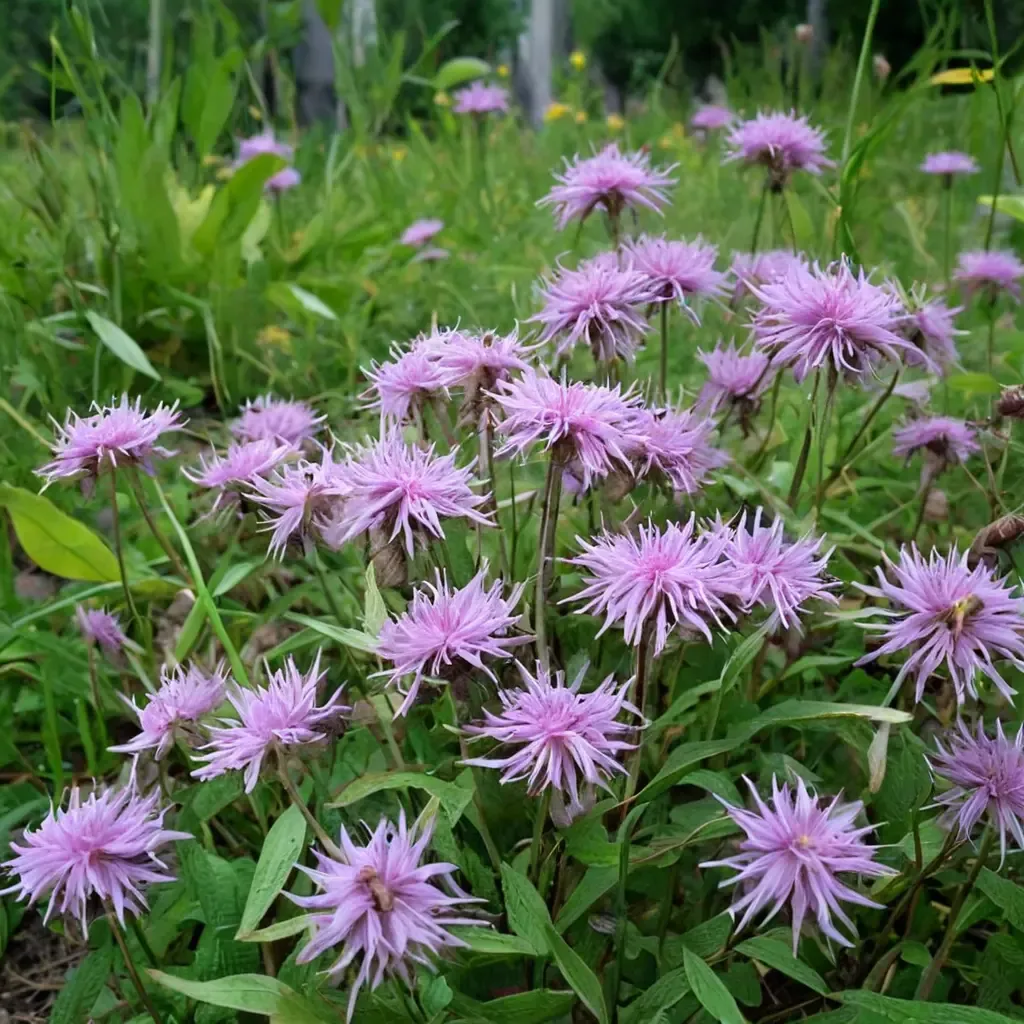
Wild Bergamot
Monarda fistulosa
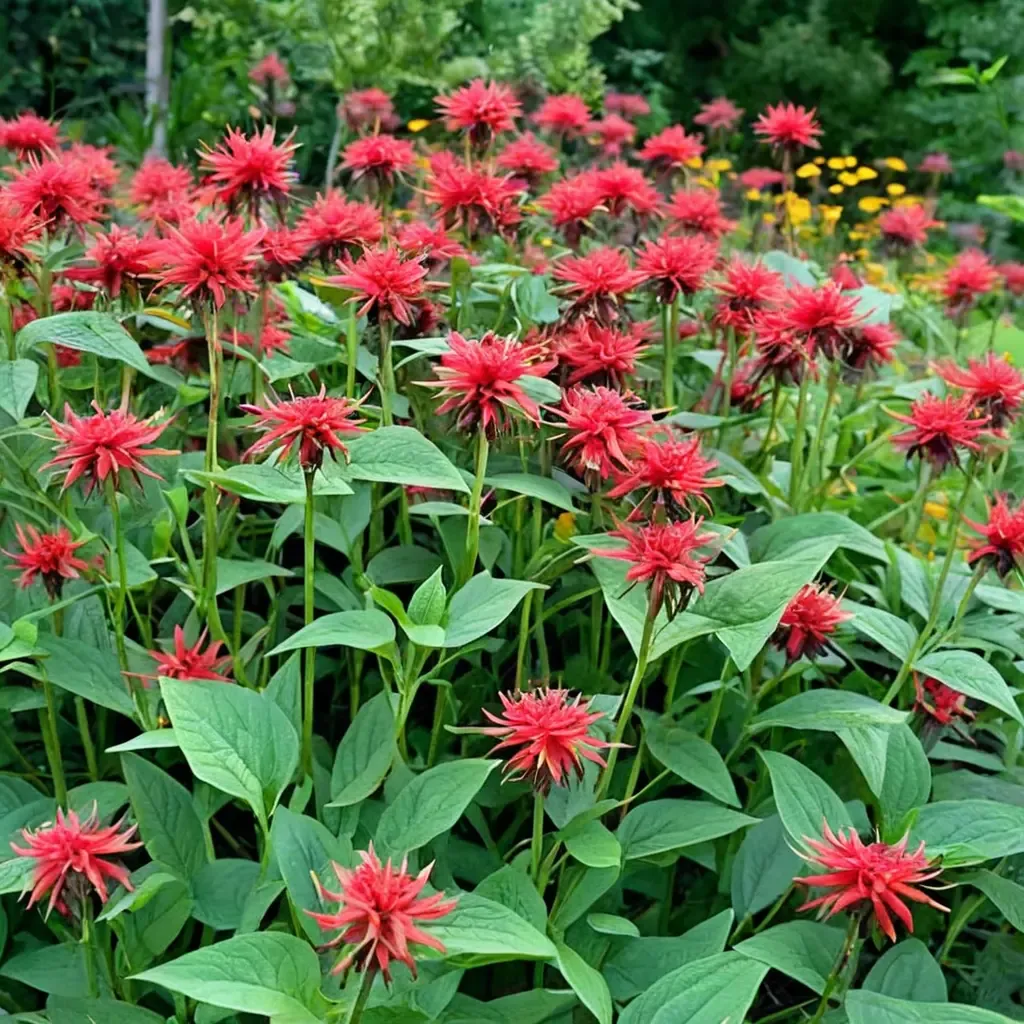
'Jacob Cline' Bee Balm
Monarda didyma 'Jacob Cline'
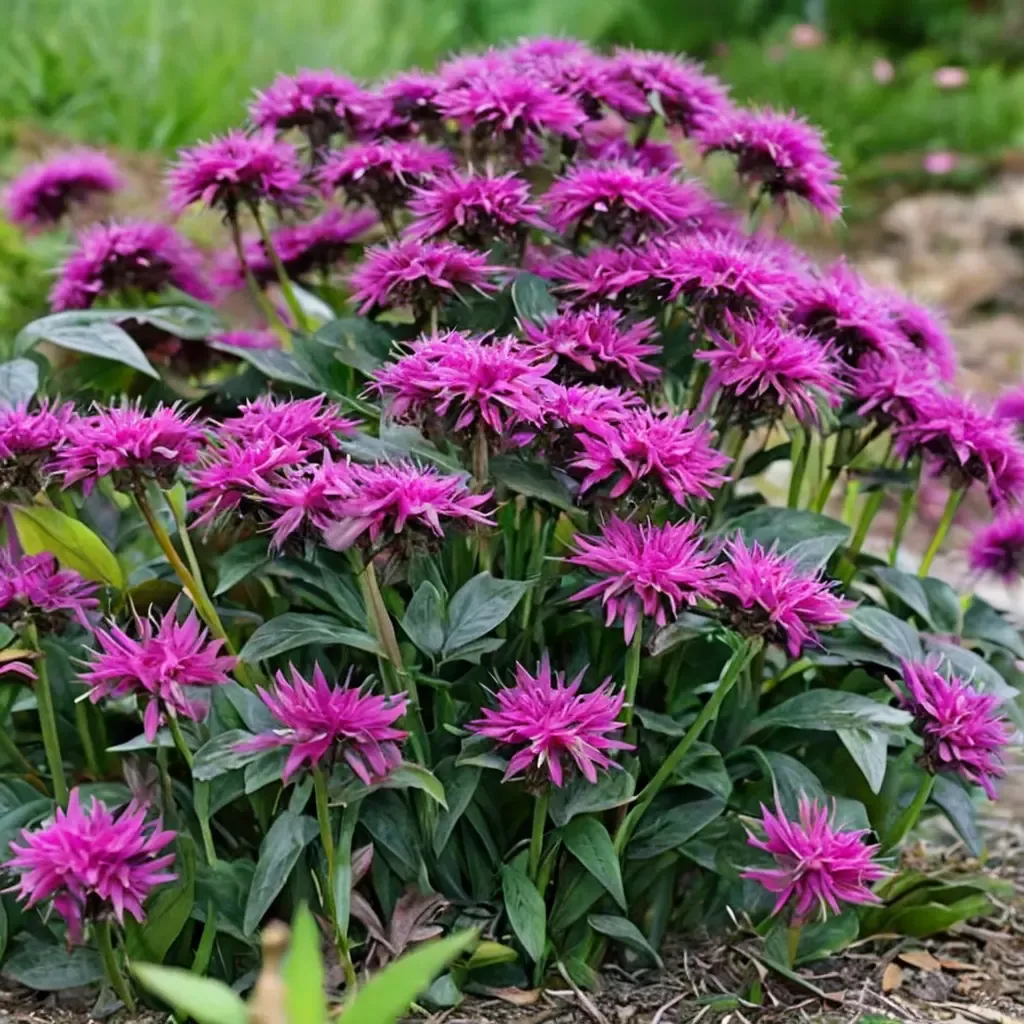
Rockin' Raspberry Bee Balm
Monarda didyma 'Rockin' Raspberry'
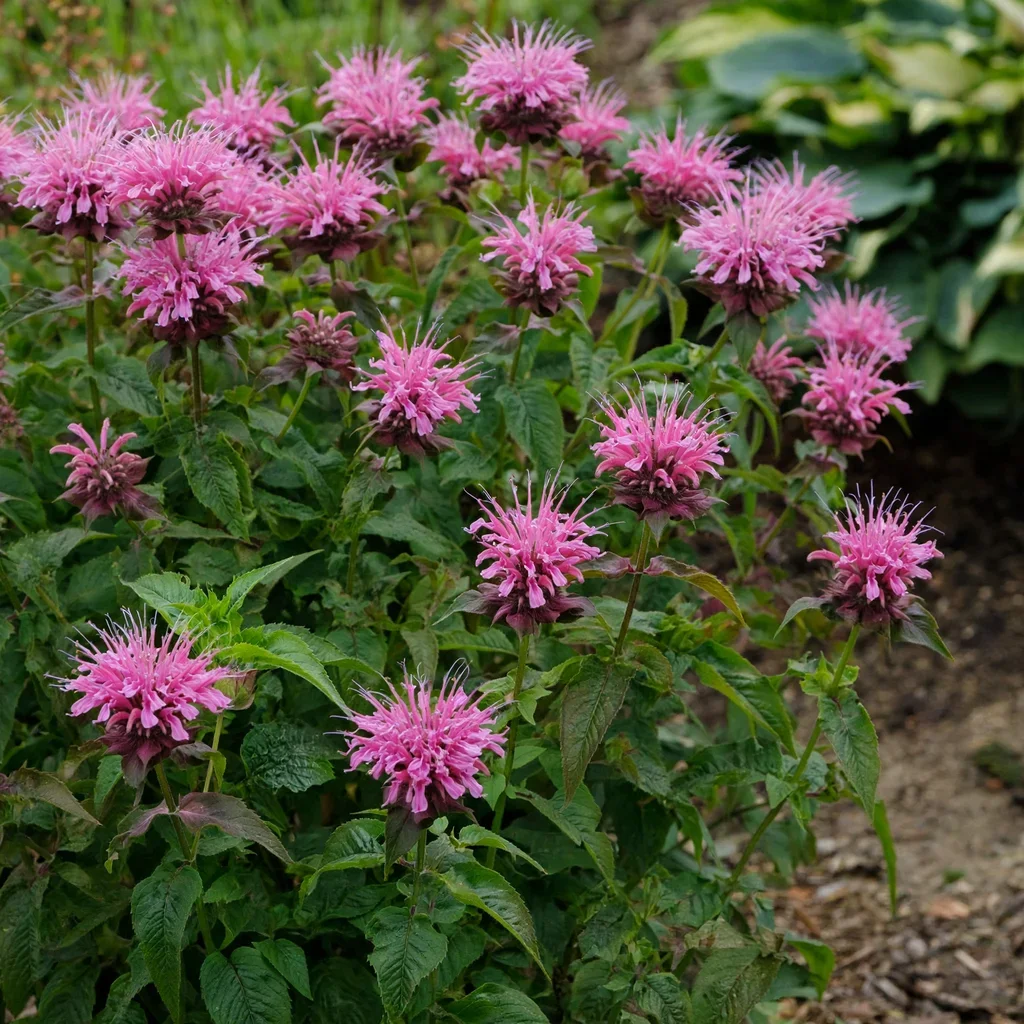
Marshall's Bee Balm
Monarda didyma 'Marshall'
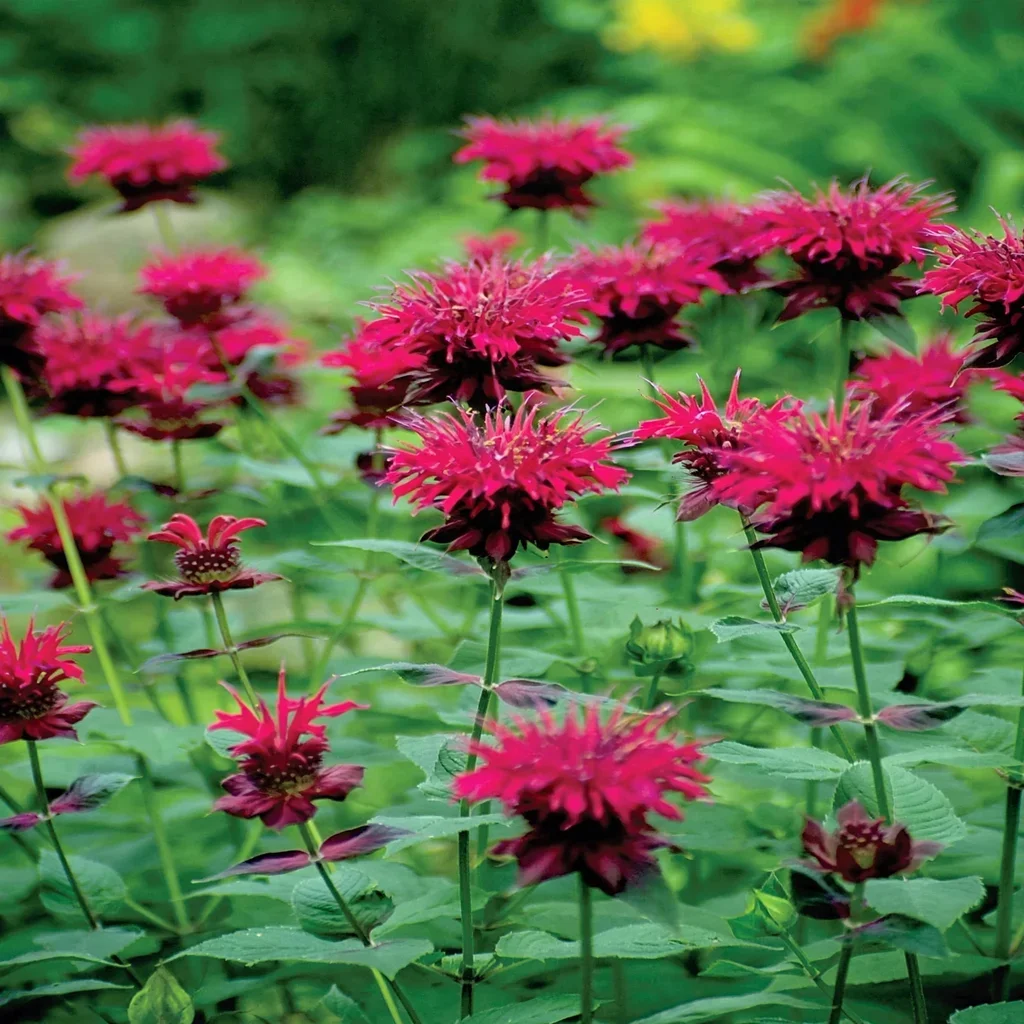
Raspberry Mint Bee Balm
Monarda didyma 'Raspberry Wine'
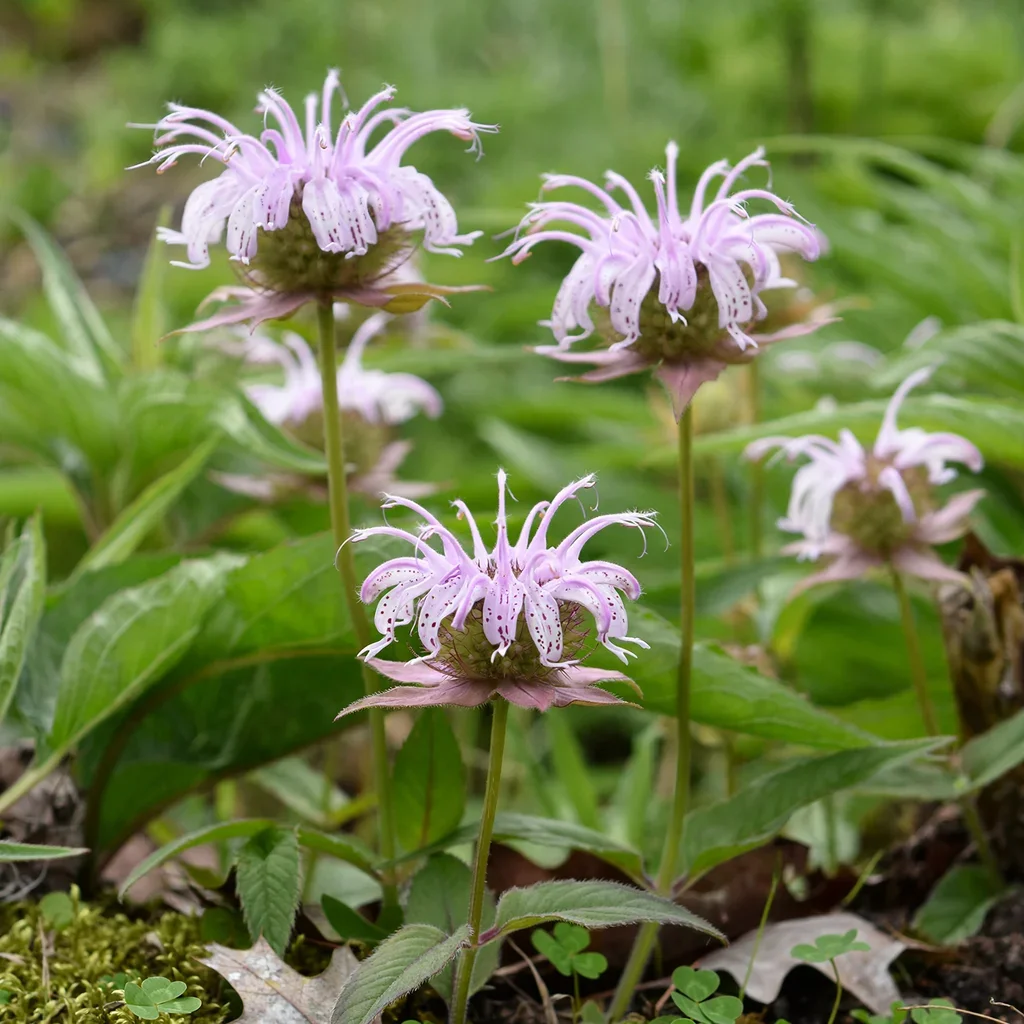
Bradbury's bee balm
Monarda bradburiana
Keep exploring
Explore the genus
Grow Lindheimer's Beebalm with confidence
See it in a design of your actual yard, get zone-matched care reminders, and track it season by season in your garden journal.