The Story
Plant Bio
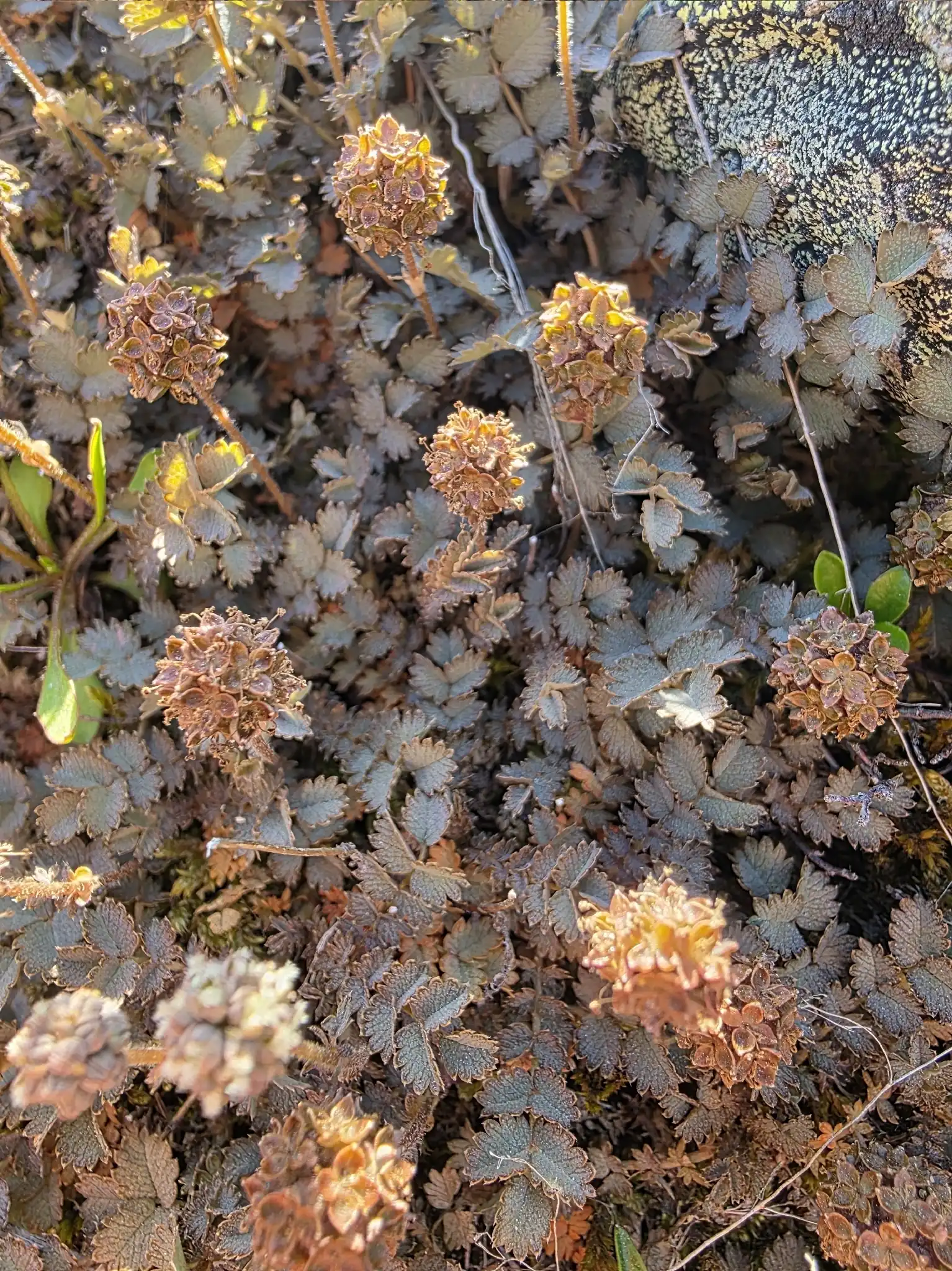
Acaena inermis is a low-growing, mat-forming perennial ground cover native to the montane and subalpine grasslands of New Zealand. The creeping stems bear delicate, fern-like pinnate foliage composed of small, toothed leaflets that range in color from rich green to a dusty bronzy-purple.
Unlike many related species, this plant produces spineless, non-barbed seed heads that do not cling to clothing or animal fur. The inconspicuous summer flowers mature into small, brownish-red or pinkish globular burrs held just above the foliage mat.
Uses & Benefits:
Essentials
At a Glance
Plant Type
Groundcover
Height
4"
Width
24"
Light
Full Sun, Partial Sun
Zones
5, 6, 7, 8, 9, 10
Water
Moderate
Humidity
Moderate
Lifespan
Perennial
Native To
New Zealand
Toxicity
Non-toxic
Bloom period
Summer
In flower about 3 months of the year
Planting
How to Grow
- Select a site with full sun to partial shade and highly permeable, sandy or loamy soil.
- Space plugs or potted divisions 12 to 18 inches apart to allow the creeping stems room to spread into a solid mat.
- Water regularly after planting to maintain even soil moisture while the root system establishes.
- Apply a thin top-dressing of organic compost over the foliage in spring to supply nutrients without using heavy chemical fertilizers.
Pro Tip
Avoid planting this ground cover in heavy, compacted, or dry soils; it requires consistent moisture paired with sharp drainage to prevent rapid dieback and root rot.
Keep It Thriving
Care Guide
Do
- Provide sharp drainage to prevent waterlogging and root rot.
- Water during dry spells to keep the soil evenly moist.
- Top-dress with organic compost in early spring to maintain vigor.
Don't
- Do not plant in heavy, compacted clay soils.
- Do not prune heavily into old, leafless woody stems.
- Do not use heavy chemical fertilizers, which can damage the delicate root system.
Seasonal Care Calendar
| Task | Jan | Feb | Mar | Apr | May | Jun | Jul | Aug | Sep | Oct | Nov | Dec |
|---|---|---|---|---|---|---|---|---|---|---|---|---|
| Divide | ||||||||||||
| Mulch | ||||||||||||
| Pest Check | ||||||||||||
| Spring Cleanup |
Watch Out For
Pests & Diseases
Common Pests
Common Diseases
In the Garden
Landscape Uses & Companions
Landscape Uses
Companion Plants
Multiply
Propagation Methods
Good to Know
Common Questions
Spineless Bidibid questions
What zones can Spineless Bidibid grow in?
Spineless Bidibid is hardy in USDA Zones 5–10. Inside that range it survives winter in the ground; outside it, grow it as an annual or a container plant you protect.
When does Spineless Bidibid bloom?
Spineless Bidibid typically blooms in summer through summer. Exact timing shifts a week or two with your zone — Sow's bloom calendar maps it to your garden.
Does Spineless Bidibid need full sun?
Spineless Bidibid does best in full sun to part shade. In hot climates, afternoon shade keeps blooms fresher longer.
Keep exploring
Explore the genus
Grow Spineless Bidibid with confidence
See it in a design of your actual yard, get zone-matched care reminders, and track it season by season in your garden journal.