Also known as Bidibid · 4 saves
Acaena
Acaena, the genus most gardeners know as bidibid. We track 3 varieties; the ones most used by real gardeners.
The 3 most-saved Acaena varieties
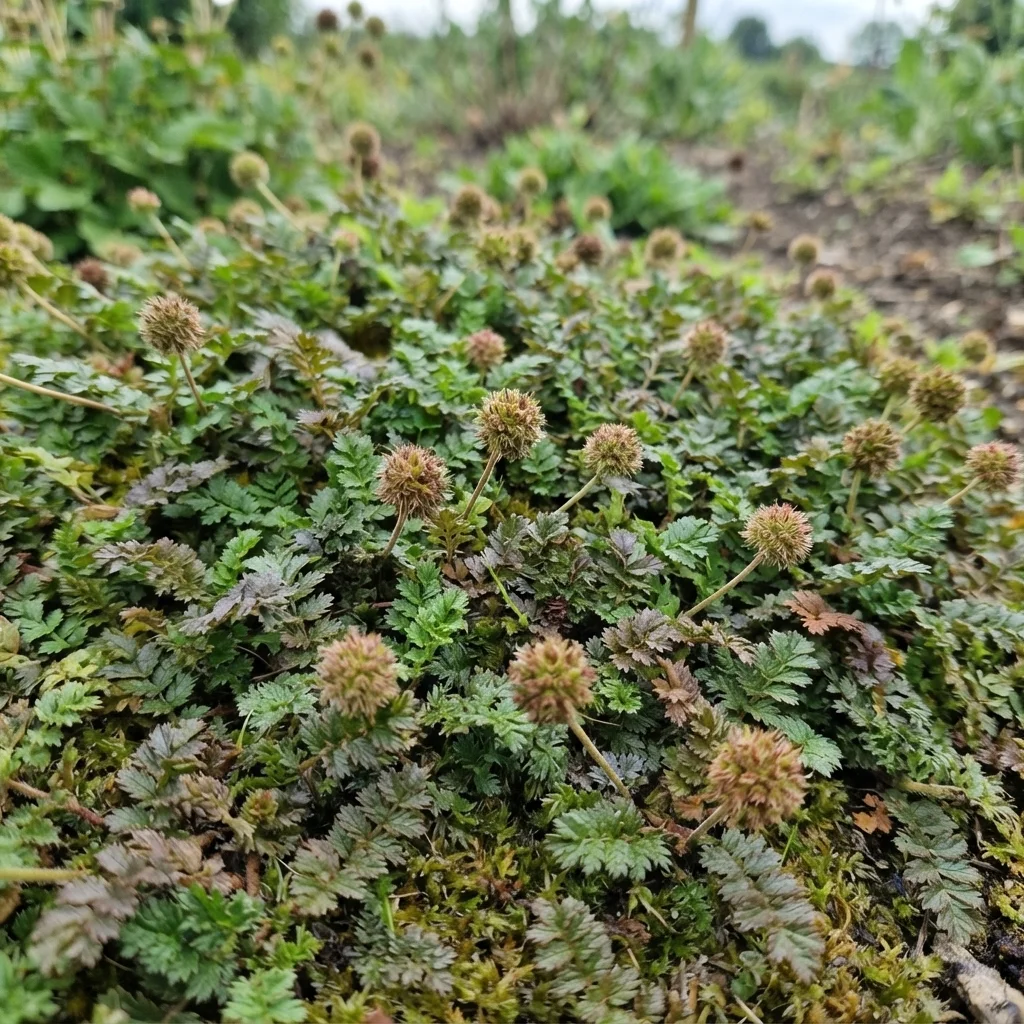
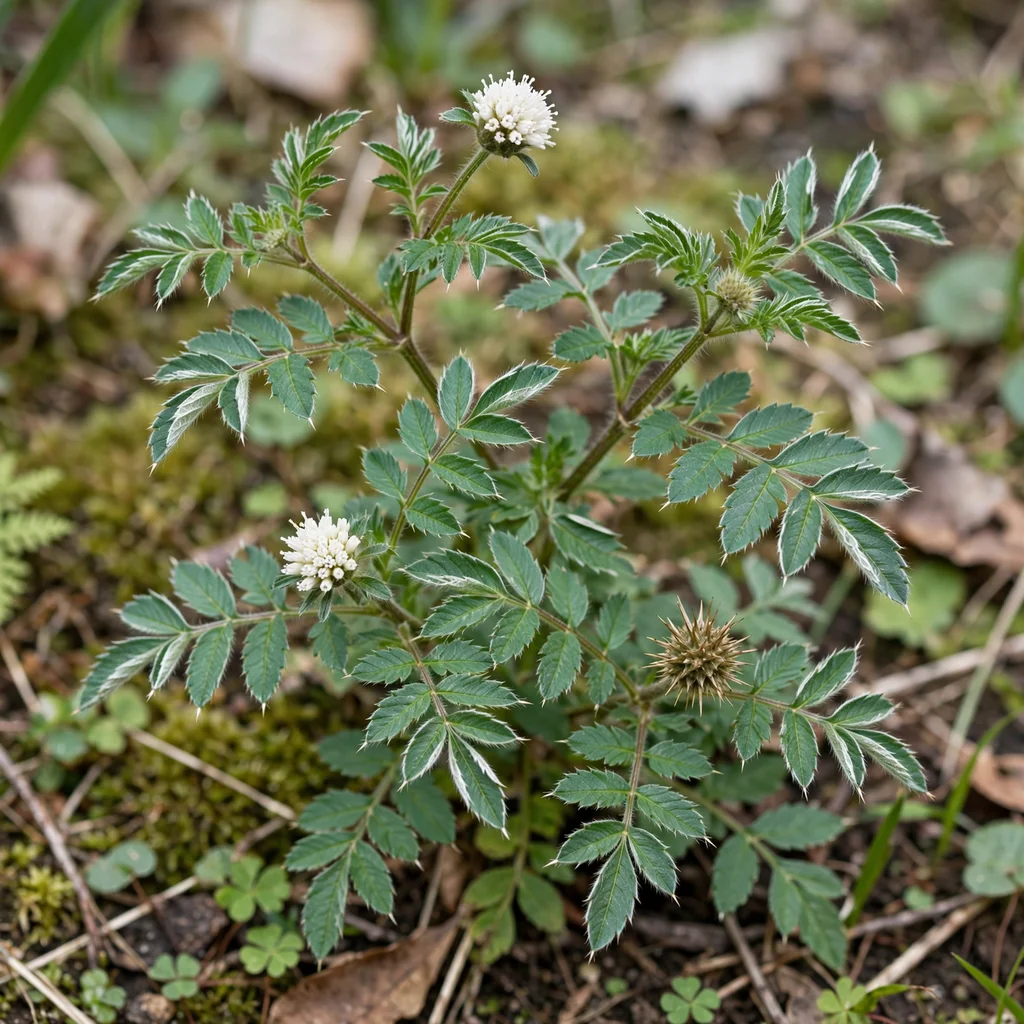
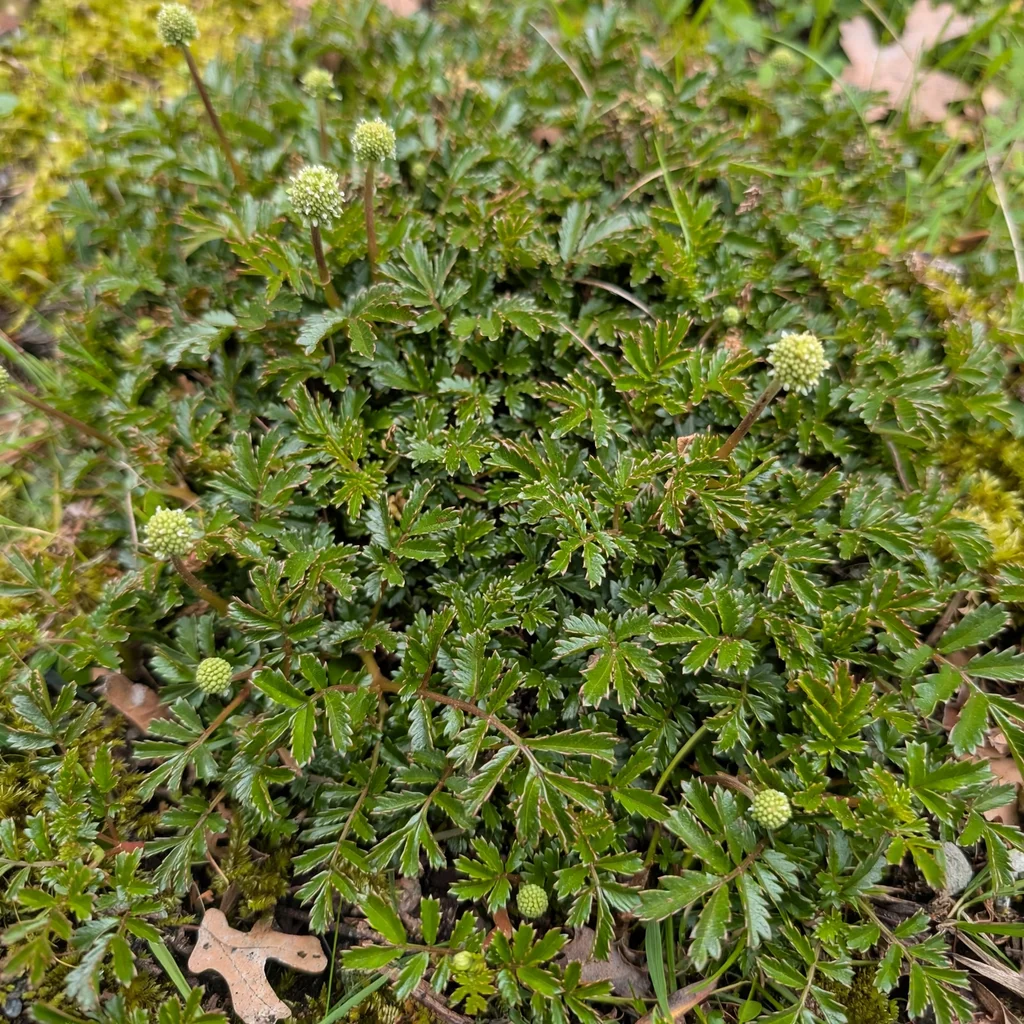
3 species of Acaena
Each one is a parent of the varieties above.
Track your Acaena in Sow
Save the Acaena you grow and get care reminders timed to your zone.
How to grow Acaena
Whats common across all Acaena varieties in our catalog — drawn from the care records of the 3 most-grown of them.
The Acaena year
- Check for PestsJune and July100% of varieties
Monitor the dense foliage for slug damage during warm, wet periods.
- Spring CleanupMarch100% of varieties
Clear away fallen leaves and debris from the mat to prevent moisture retention and rot.
- PruneMarch and April67% of varieties
Trim back outer stolons before active spring growth to maintain bed boundaries.
- PropagateApril67% of varieties
Detach rooted stolon sections or take stem cuttings in mid-spring.


Do
- Provide sharp drainage to prevent waterlogging and root rot.
- Water during dry spells to keep the soil evenly moist.
- Top-dress with organic compost in early spring to maintain vigor.
- Plant in sharply draining soil or coarse grit.
- Trim outer stolons to keep growth within intended garden bounds.
Avoid
- Do not plant in heavy, compacted clay soils.
- Do not prune heavily into old, leafless woody stems.
- Do not use heavy chemical fertilizers, which can damage the delicate root system.
- Do not over-fertilize, as high soil fertility causes weak, leggy stems.
What goes wrong with Acaena
| Problem | What you'll see | What to do |
|---|---|---|
| Aphids | Clustered soft-bodied insects feeding on tender new growth tips. | Rinse stems with a firm water spray or apply insecticidal soap. |
| Slugs | Irregular holes chewed in the delicate, fern-like leaflets during damp weather. | Clear away excessive leaf litter and apply organic iron phosphate bait around the perimeter of the ground cover mat. |
| Spider Mites | Fine webbing and stippled, pale foliage during hot, dry summer periods. | Increase humidity around the plant base or spray foliage with a gentle stream of water. |
| Spider mites | Fine webbing and stippled foliage during hot, dry weather. | Rinse mats with a steady stream of water to increase ambient humidity and dislodge mites. |
| Root rot | Foliage turns yellow, wilts, and patches of the mat die back, especially in waterlogged soil. | Improve soil drainage by incorporating sand or gravel, and reduce watering frequency to let the top layer of soil dry slightly. |
| Root Rot | Wilting, browning stems and collapse of mat sections in soggy soil. | Improve soil drainage by incorporating coarse sand or grit and avoiding overwatering. |
| Powdery mildew | White powdery patches on leaves grown in stagnant shade. | Ensure planting location receives full sunlight and adequate air circulation. |
Making more Acaena
Division
- Dig up a healthy section of the established mat in spring or fall.
- Gently pull the creeping stems apart, ensuring each division has viable roots and shoots.
- Replant the divisions immediately into well-draining, moist soil.
- Water thoroughly and keep the soil consistently moist until new growth appears.
Stolon division
- Locate healthy creeping stolons that have developed root nodes.
- Sever the rooted stolon section cleanly from the parent plant using sharp shears.
- Replant the division directly into sandy, well-draining potting soil or garden beds.
- Keep the soil lightly moist until new top growth resumes.
Acaena questions
How many types of Acaena are there?
The Sow catalog tracks 3 distinct Acaena varieties. The most popular — ranked by 4 real gardeners — are shown first above.
What zones does Acaena grow in?
Across its varieties, Acaena covers USDA Zones 5–10. Individual varieties differ — each plant page lists its exact range, and Sow filters the catalog to your zone automatically.
When does Acaena bloom?
Most Acaena varieties bloom from late spring to late summer.
Which Acaena should I choose?
Start from the most-saved varieties above — popularity across thousands of gardens is a strong signal of reliability — then filter by your zone and sun. In the Sow app you can preview any of them in a photo of your actual yard before you buy.