The Story
Plant Bio
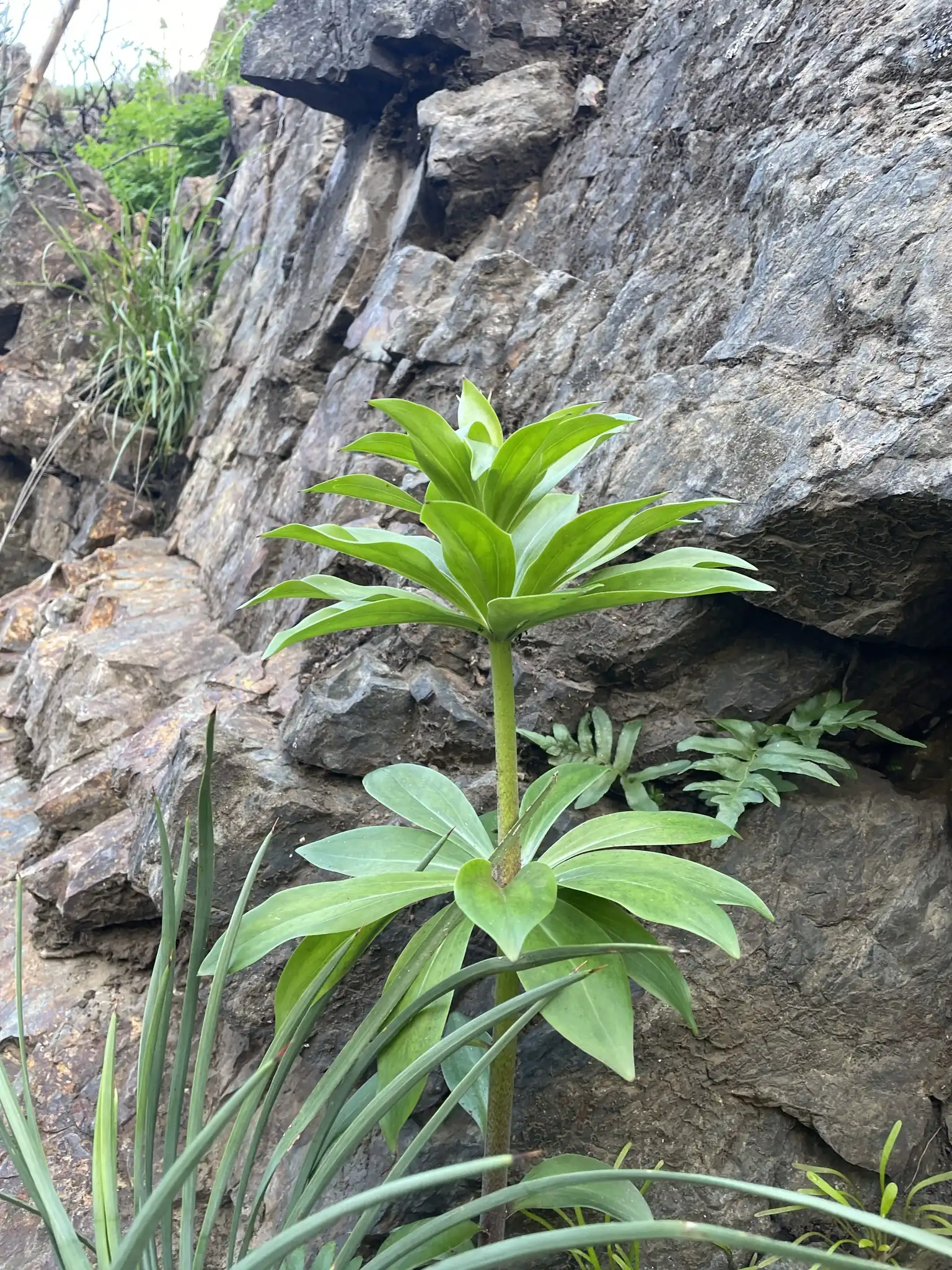
Lilium humboldtii is a stout perennial bulb native to California and northern Baja California, producing unbranched stems up to ten feet tall lined with star-like whorls of wavy leaves. In summer, nodding reflexed flowers held in pyramidal racemes open in shades of golden-orange covered with dark maroon spots.
Unlike standard garden lilies, this species is adapted to dry-summer Mediterranean climates and enters complete summer drought dormancy. Its heavy stems rise from large subrhizomatous bulbs with yellowish scales, requiring cool roots beneath an open canopy.
Uses & Benefits:
Essentials
At a Glance
Plant Type
Bulb Corm Tuber
Height
118"
Width
18"
Light
Full Sun, Partial Sun
Zones
5, 6, 7, 8, 9
Water
Low (dry summer)
Humidity
Moderate
Lifespan
Perennial
Native To
California, USA and Baja California, Mexico
Toxicity
Toxic to cats
Bloom period
Late spring – Late summer
In flower about 4 months of the year
Planting
How to Grow
- Plant deep bulbs in autumn in well-drained, acidic to neutral loamy soil, setting roots where they stay shaded and cool.
- Provide light moisture throughout winter and spring growth to support tall stem development.
- Allow stems and leaves to turn completely yellow after summer flowering before removing dead top growth.
- Keep the planting area entirely dry during late summer dormancy to prevent rot.
Pro Tip
Withhold all water once stems yellow and wither after flowering; summer irrigation while the bulb is dormant triggers fatal bulb rot.
Keep It Thriving
Care Guide
Do
- Do plant in well-drained loamy soil that remains dry during summer dormancy.
- Do allow stems to die back naturally after flowering to recharge the bulb.
- Do shade the soil surface or root zone while keeping the upper stems in sunlight.
Don't
- Don't water the soil during mid-to-late summer rest periods.
- Don't cut back green foliage immediately after flowers fade.
- Don't plant in heavy clay or waterlogged soils.
Seasonal Care Calendar
| Task | Jan | Feb | Mar | Apr | May | Jun | Jul | Aug | Sep | Oct | Nov | Dec |
|---|---|---|---|---|---|---|---|---|---|---|---|---|
| Fertilize | ||||||||||||
| Pest Check | ||||||||||||
| Plant | ||||||||||||
| Prune |
Watch Out For
Pests & Diseases
Common Pests
Common Diseases
In the Garden
Landscape Uses & Companions
Landscape Uses
Companion Plants
Multiply
Propagation Methods
Good to Know
Common Questions
Humboldt Lily questions
What zones can Humboldt Lily grow in?
Humboldt Lily is hardy in USDA Zones 5–9: in that range it survives winter in the ground. Colder than Zone 5, grow it in a container you can move to shelter for the winter, or as an annual. Warmer than Zone 9, winter isn't the problem: it prefers colder winters, and summer heat can shorten its life.
Is Humboldt Lily deer resistant?
Not reliably. Deer may browse Humboldt Lily, especially tender spring growth — plan on repellents or fencing where pressure is high.
When does Humboldt Lily bloom?
Humboldt Lily typically blooms from late spring to late summer. Exact timing shifts a week or two with your zone — Sow's bloom calendar maps it to your garden.
Does Humboldt Lily need full sun?
Humboldt Lily does best in full sun to part shade. In hot climates, afternoon shade keeps blooms fresher longer.
Is Humboldt Lily drought tolerant?
Yes — once established (usually after the first full season), Humboldt Lily handles dry spells with minimal watering. Water deeply its first year to build the root system that makes that possible.
More Lilium to compare
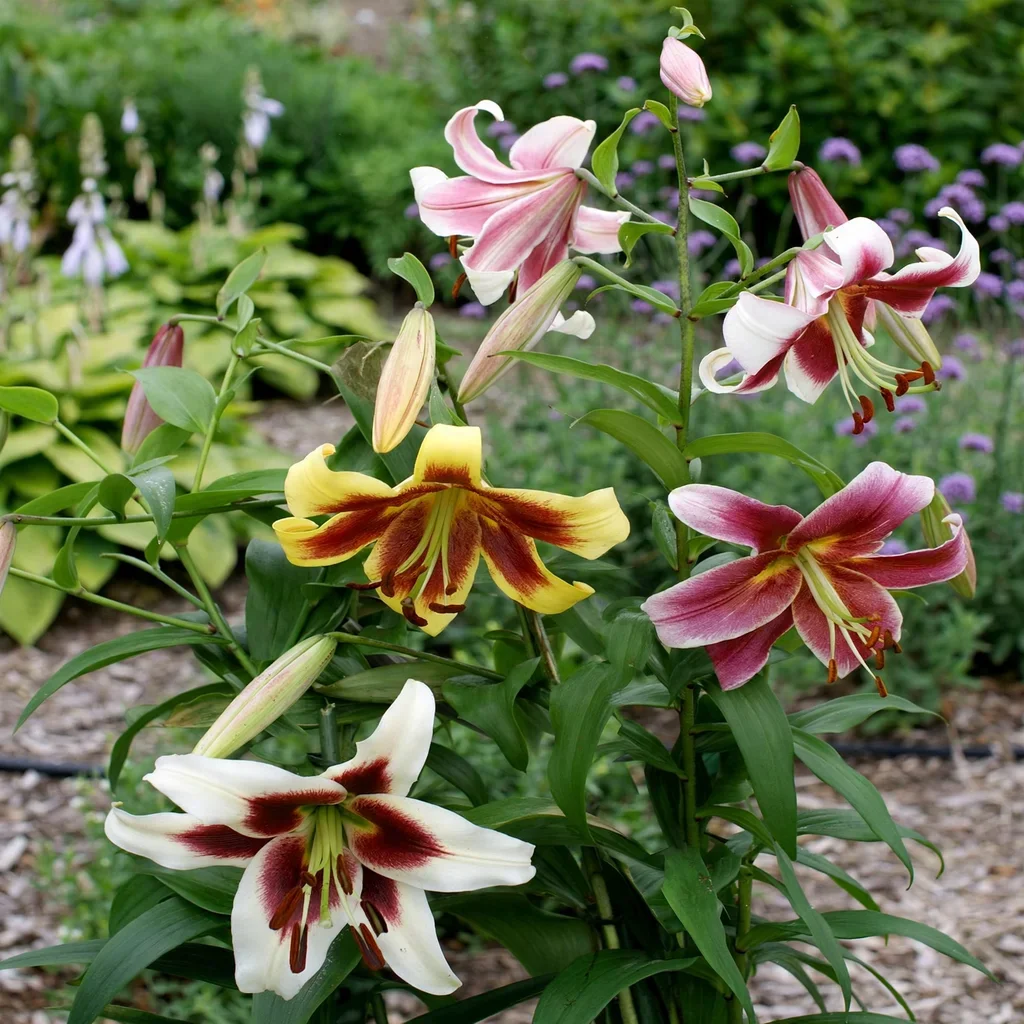
Tree Lily
Lilium x hybrida 'Tree Mix'
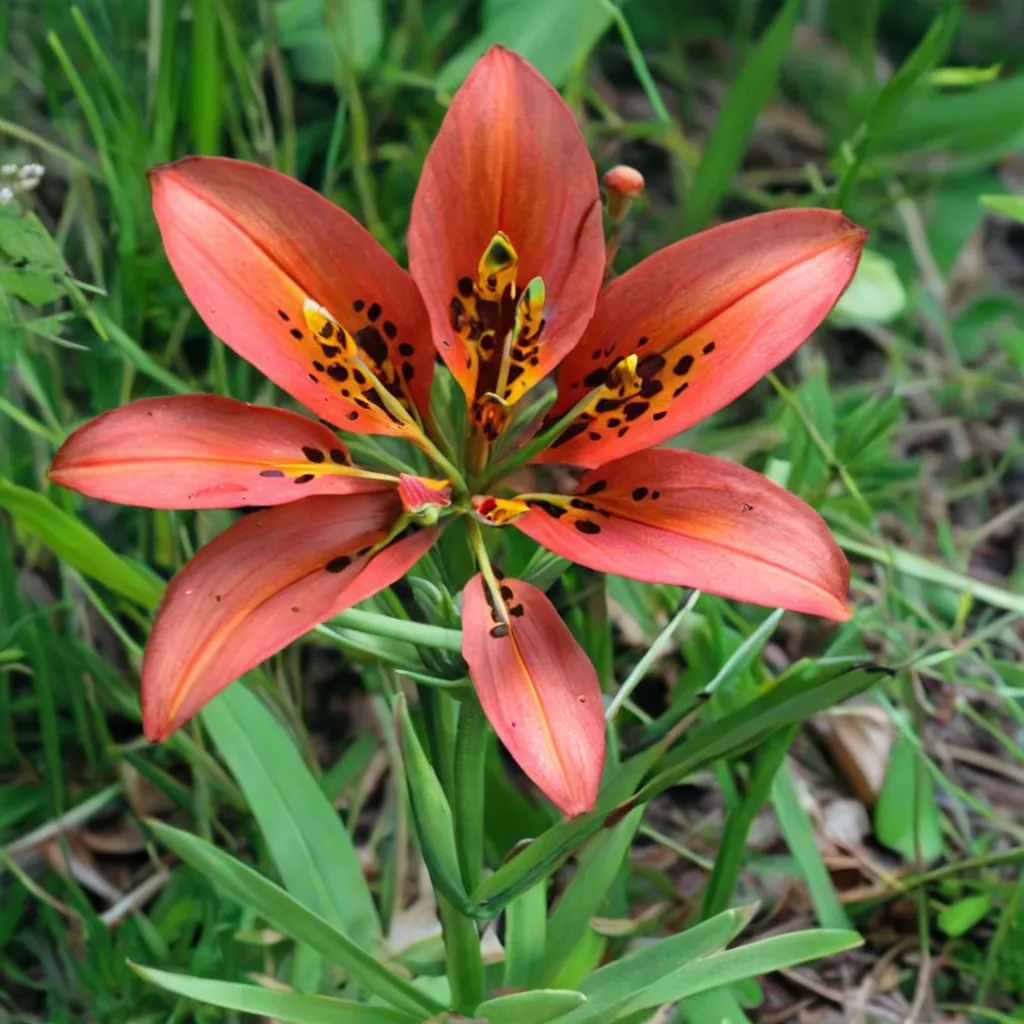
Wood Lily
Lilium philadelphicum
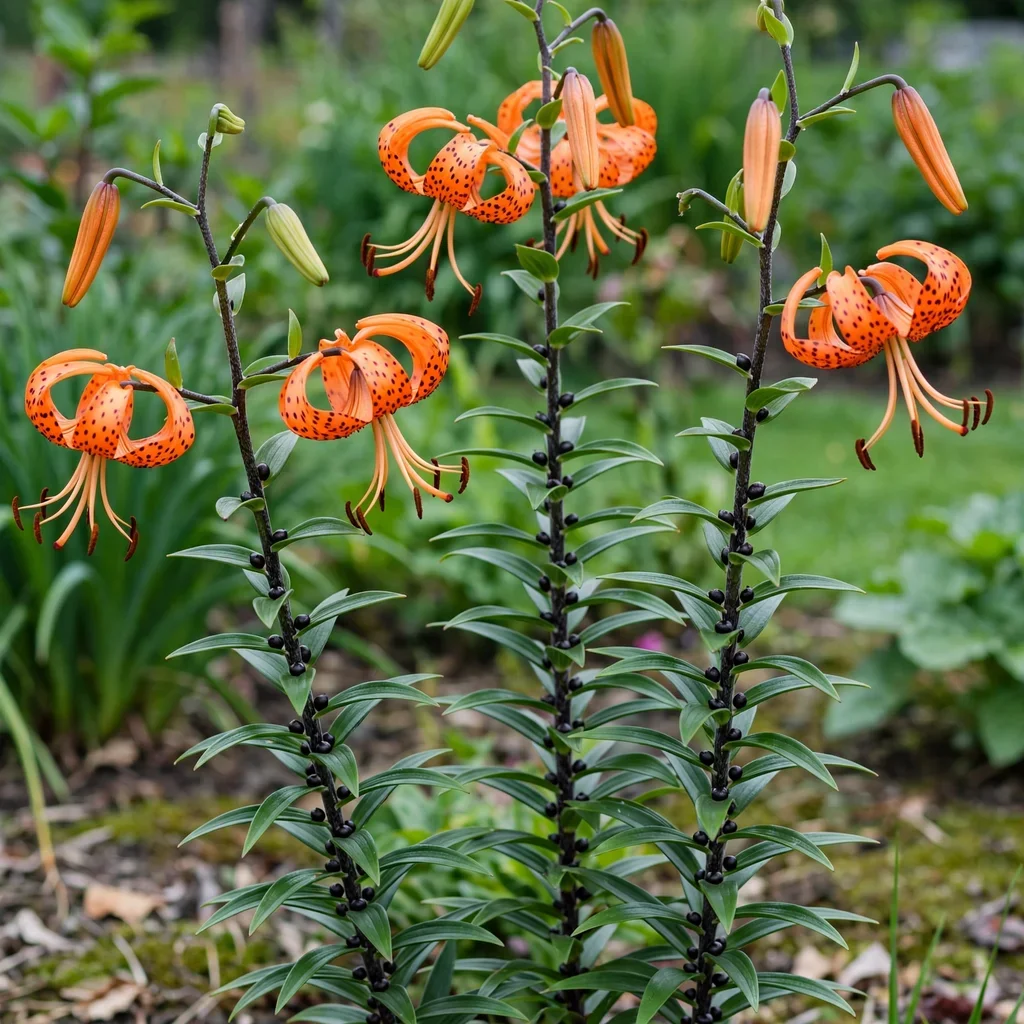
Tiger Lily
Lilium lancifolium
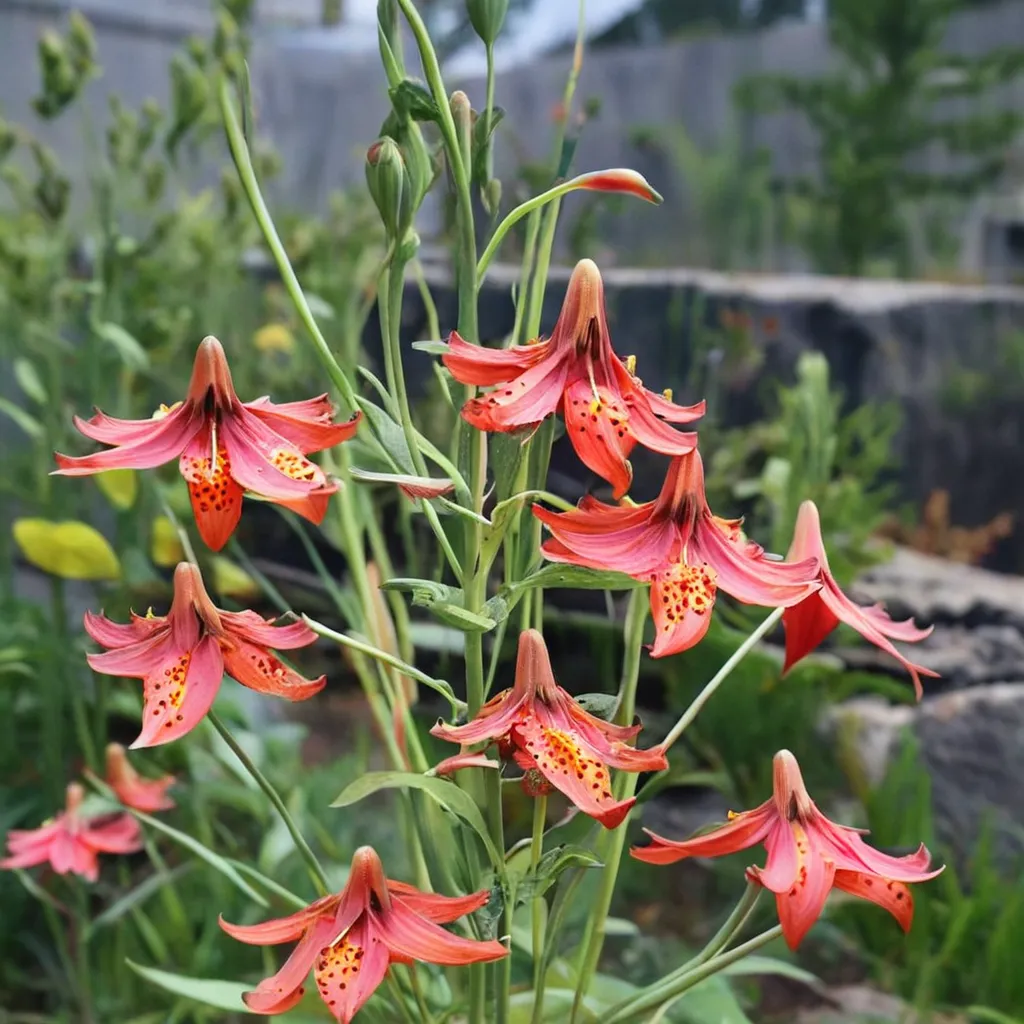
Canada Lily 'Reverend Walker'
Lilium canadense 'Reverend Walker'
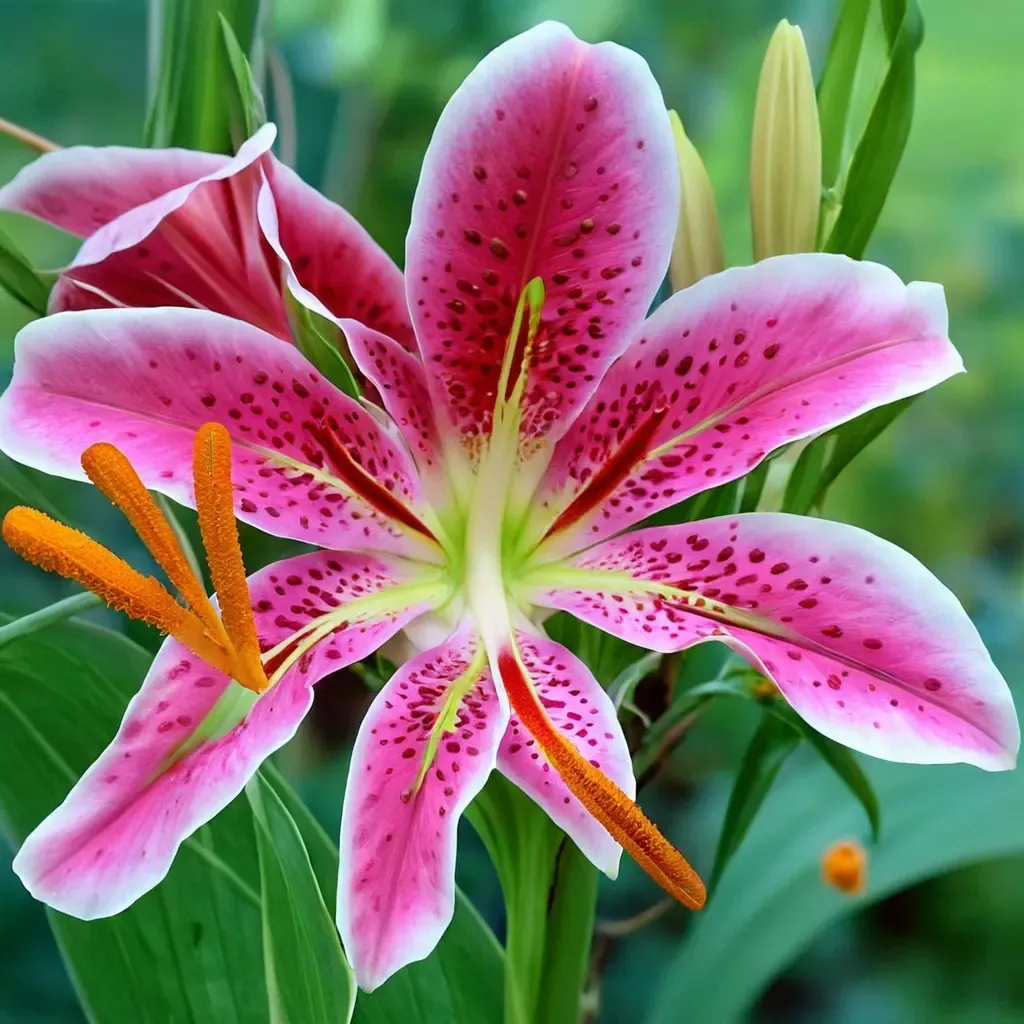
Stargazer Lily
Lilium lancifolium 'Stargazer'
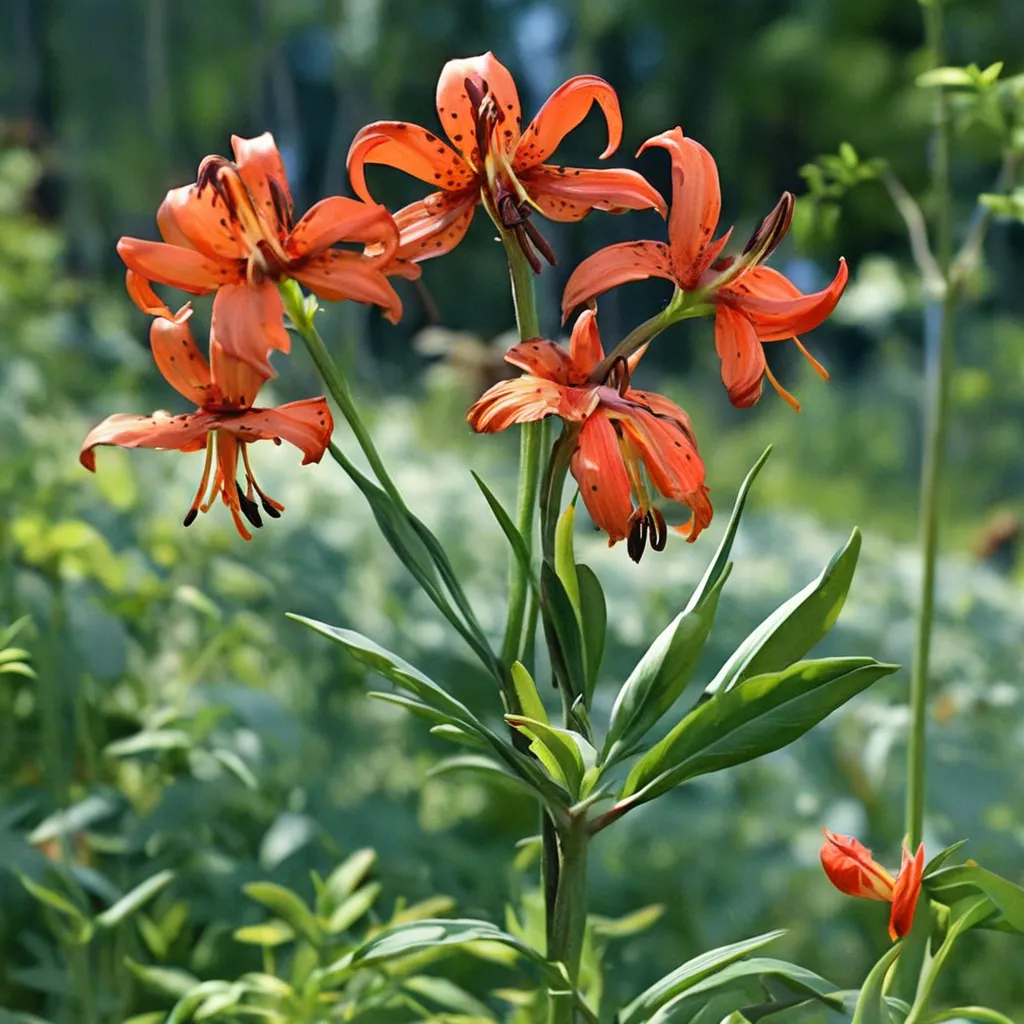
Michigan Lily
Lilium michiganense
Keep exploring
Explore the genus
Hardy in your zone?
Grow Humboldt Lily with confidence
See it in a design of your actual yard, get zone-matched care reminders, and track it season by season in your garden journal.