The Story
Plant Bio
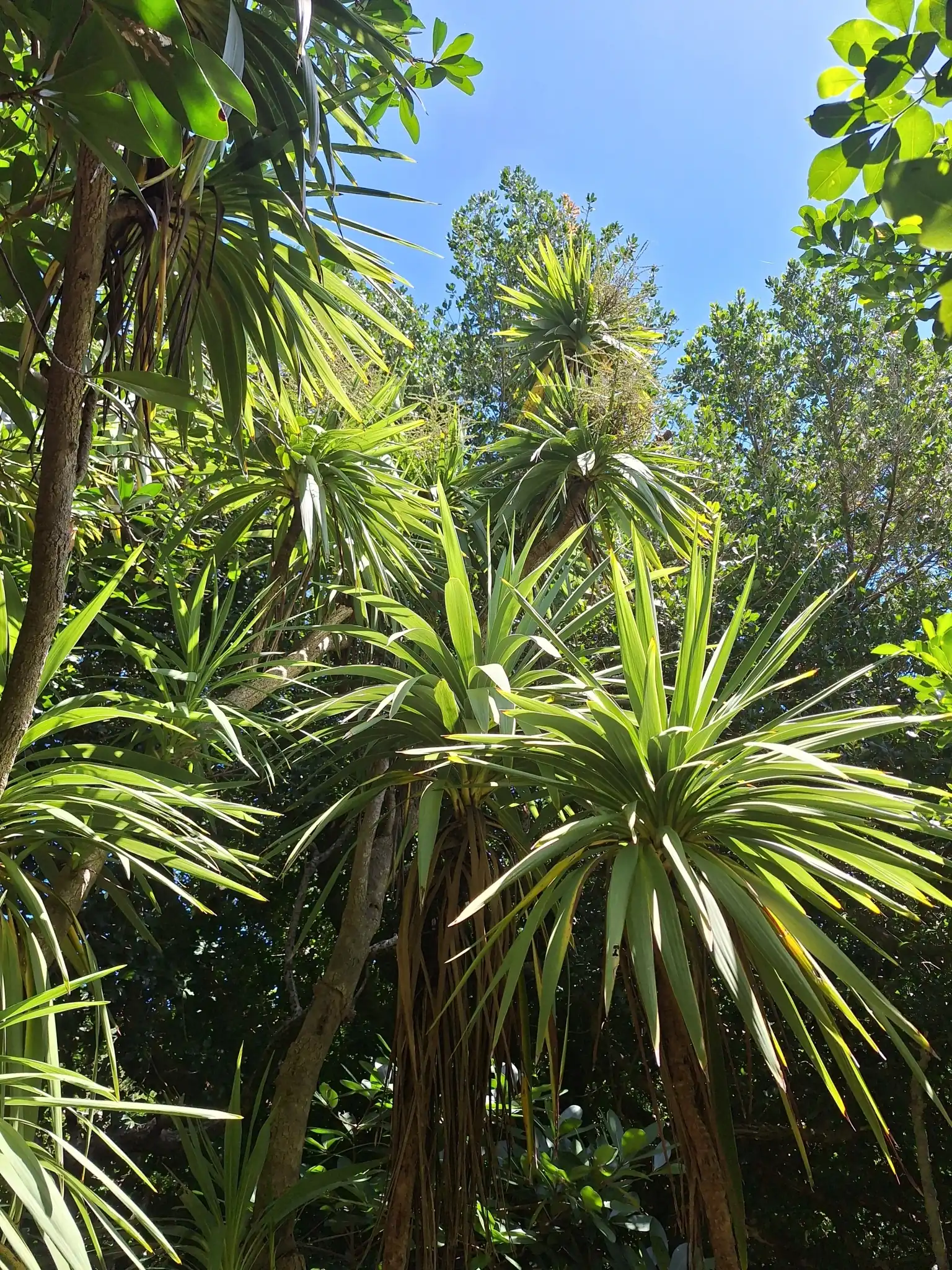
Cordyline obtecta, the Norfolk Island cabbage tree, is an evergreen arborescent perennial featuring broad, leathery, strap-shaped leaves clustered at the ends of heavy woody stems. In spring and early summer, mature specimens produce large, branching panicles of small, creamy-white flowers that open from green-tinged buds.
Compared to the more common Cordyline australis, this species features noticeably broader, glossier leaves with less prominent midribs and forms a lower, more spreading multi-stemmed habit. It is less cold-hardy than its relative, thriving best in mild, frost-free coastal landscapes.
Uses & Benefits:
Essentials
At a Glance
Plant Type
Tree
Height
394"
Width
118"
Light
Full Sun, Partial Sun
Zones
9, 10
Water
Moderate
Humidity
Moderate to high
Lifespan
Perennial
Native To
Norfolk Island, Northern New Zealand
Toxicity
Non-toxic
Bloom period
Spring – Early summer
In flower about 4 months of the year
Planting
How to Grow
- Select a site in full sun to light shade with sharply draining loamy, sandy, or clay-loam soil.
- Dig a hole twice as wide as the root ball and set the plant so the crown sits level with the surrounding soil.
- Water thoroughly at planting, then allow the soil to dry out between waterings once established.
- Apply a light layer of organic mulch around the root zone, keeping it clear of the trunk base.
Pro Tip
Prune yellowing lower leaves strictly at the base as they drop; never cut into old, leafless woody trunks because they will not reliably resprout.
Keep It Thriving
Care Guide
Do
- Plant in light, well-draining soil mixes to prevent stem and root decay.
- Remove old, dead lower leaves annually as they yellow and dry out.
- Protect potted specimens or young plants when hard frosts are forecasted.
Don't
- Do not overwater or let the plant sit in waterlogged soil.
- Do not cut back into bare, woody trunk sections expecting fresh shoots.
- Do not apply heavy doses of nitrogen fertilizers.
Seasonal Care Calendar
| Task | Jan | Feb | Mar | Apr | May | Jun | Jul | Aug | Sep | Oct | Nov | Dec |
|---|---|---|---|---|---|---|---|---|---|---|---|---|
| Fertilize | ||||||||||||
| Pest Check | ||||||||||||
| Spring Cleanup | ||||||||||||
| Winter Prep |
Watch Out For
Pests & Diseases
Common Pests
Common Diseases
In the Garden
Landscape Uses & Companions
Landscape Uses
Companion Plants
Multiply
Propagation Methods
Good to Know
Common Questions
Norfolk Island Cabbage Tree questions
What zones can Norfolk Island Cabbage Tree grow in?
Norfolk Island Cabbage Tree is hardy in USDA Zones 9–10: in that range it survives winter in the ground. Colder than Zone 9, winters are too cold for it to survive outdoors.
Is Norfolk Island Cabbage Tree deer resistant?
Not reliably. Deer may browse Norfolk Island Cabbage Tree, especially tender spring growth — plan on repellents or fencing where pressure is high.
When does Norfolk Island Cabbage Tree bloom?
Norfolk Island Cabbage Tree typically blooms from early spring to early summer. Exact timing shifts a week or two with your zone — Sow's bloom calendar maps it to your garden.
Does Norfolk Island Cabbage Tree need full sun?
Norfolk Island Cabbage Tree does best in full sun to part shade. In hot climates, afternoon shade keeps blooms fresher longer.
Is Norfolk Island Cabbage Tree drought tolerant?
Yes — once established (usually after the first full season), Norfolk Island Cabbage Tree handles dry spells with minimal watering. Water deeply its first year to build the root system that makes that possible.
More Cordyline to compare
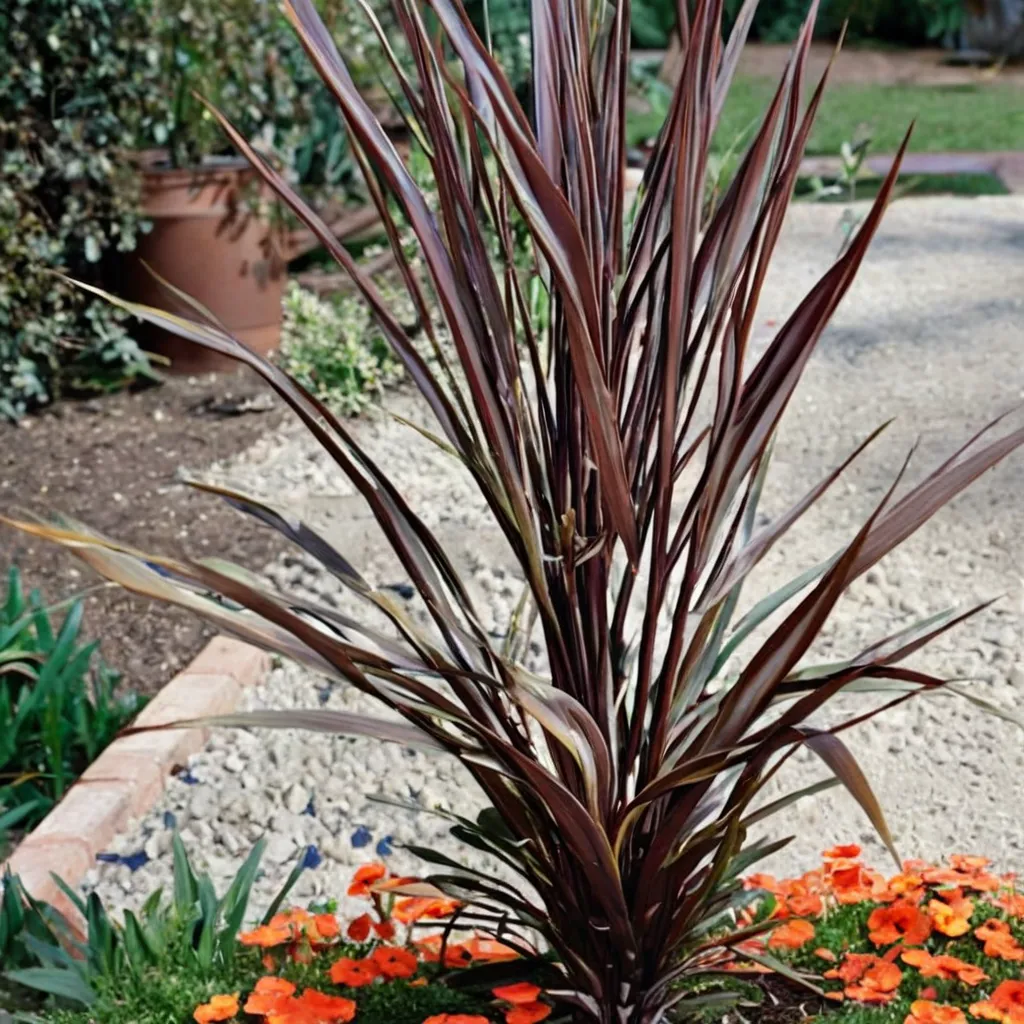
Red Sensation Cordyline
Cordyline australis 'Red Sensation'
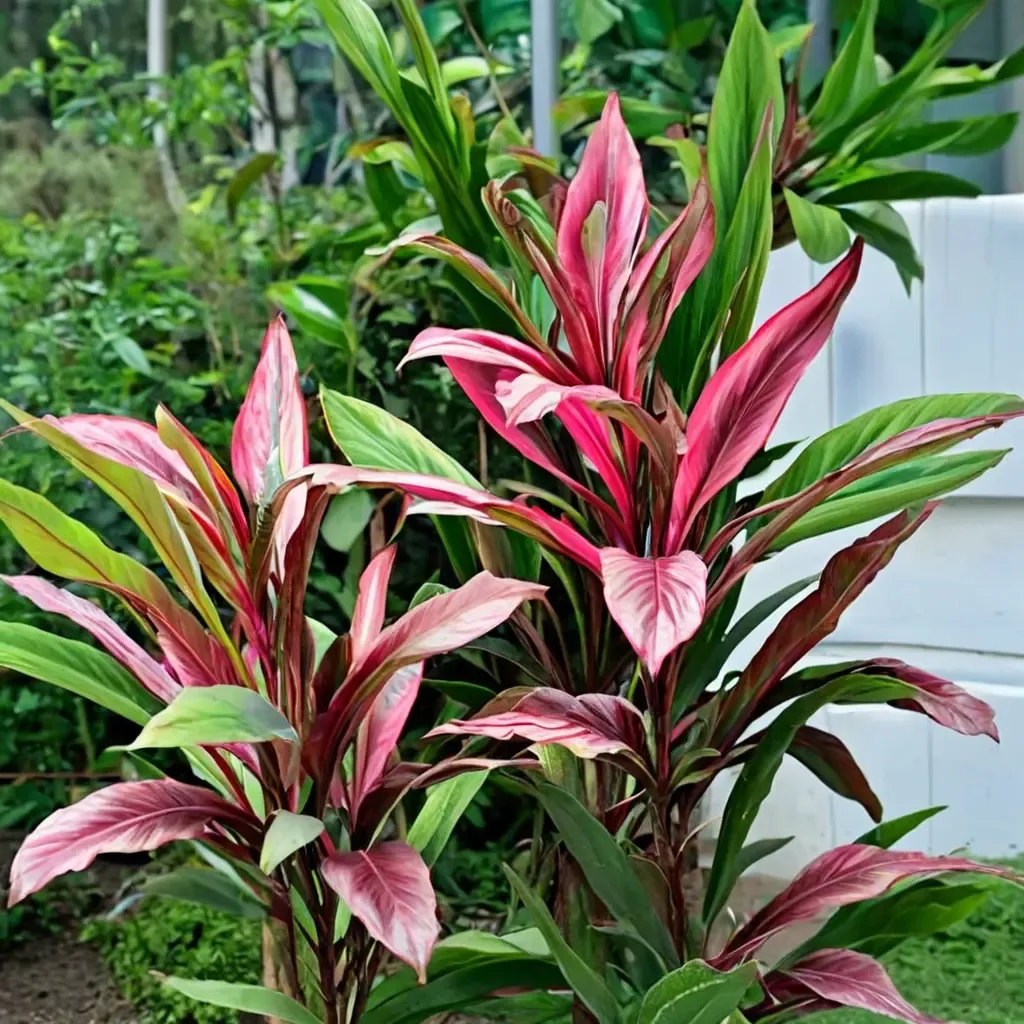
Can Can Cordyline
Cordyline fruticosa 'Can Can'
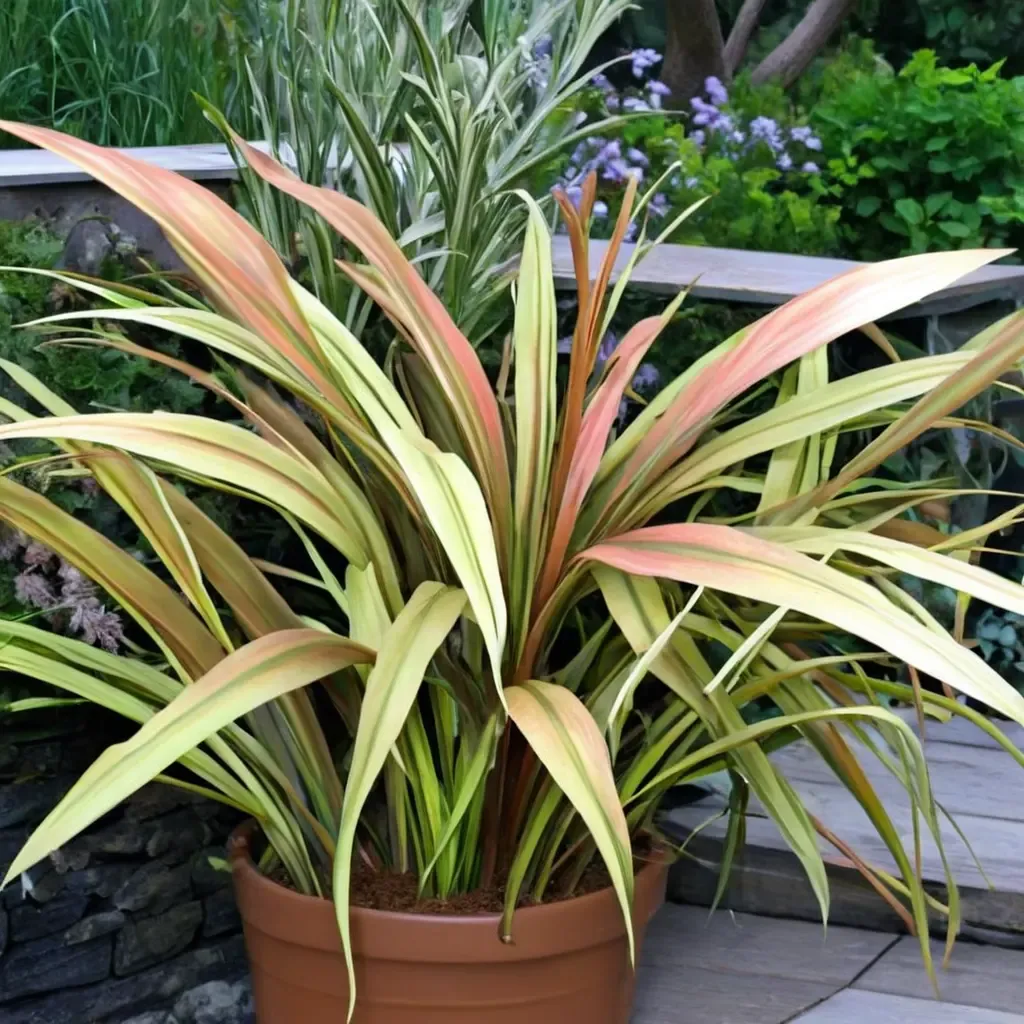
Cha Cha Ti Plant Cordyline Cha Cha
Cordyline fruticosa 'Cha Cha'
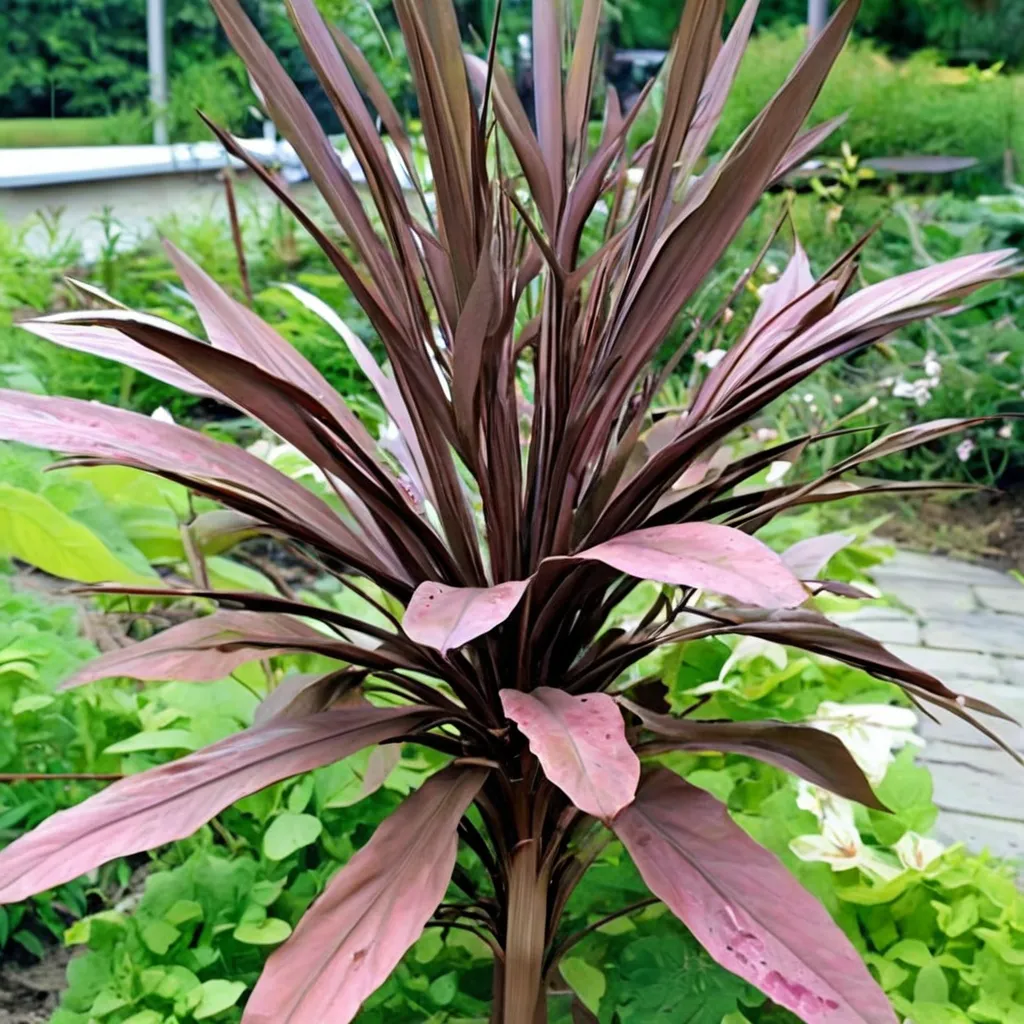
Purple Tower Cordyline
Cordyline australis 'Purple Tower'
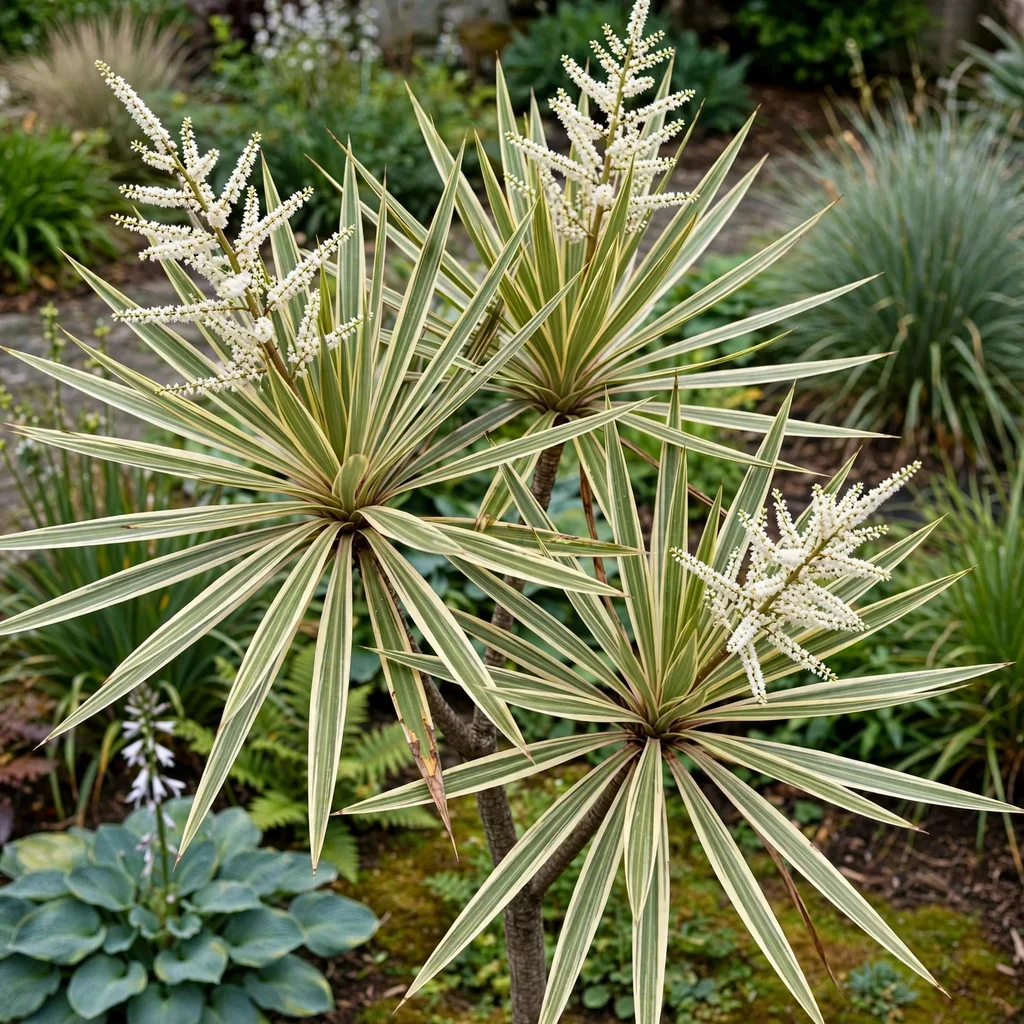
Alberti Cabbage Tree
Cordyline australis 'Alberti'
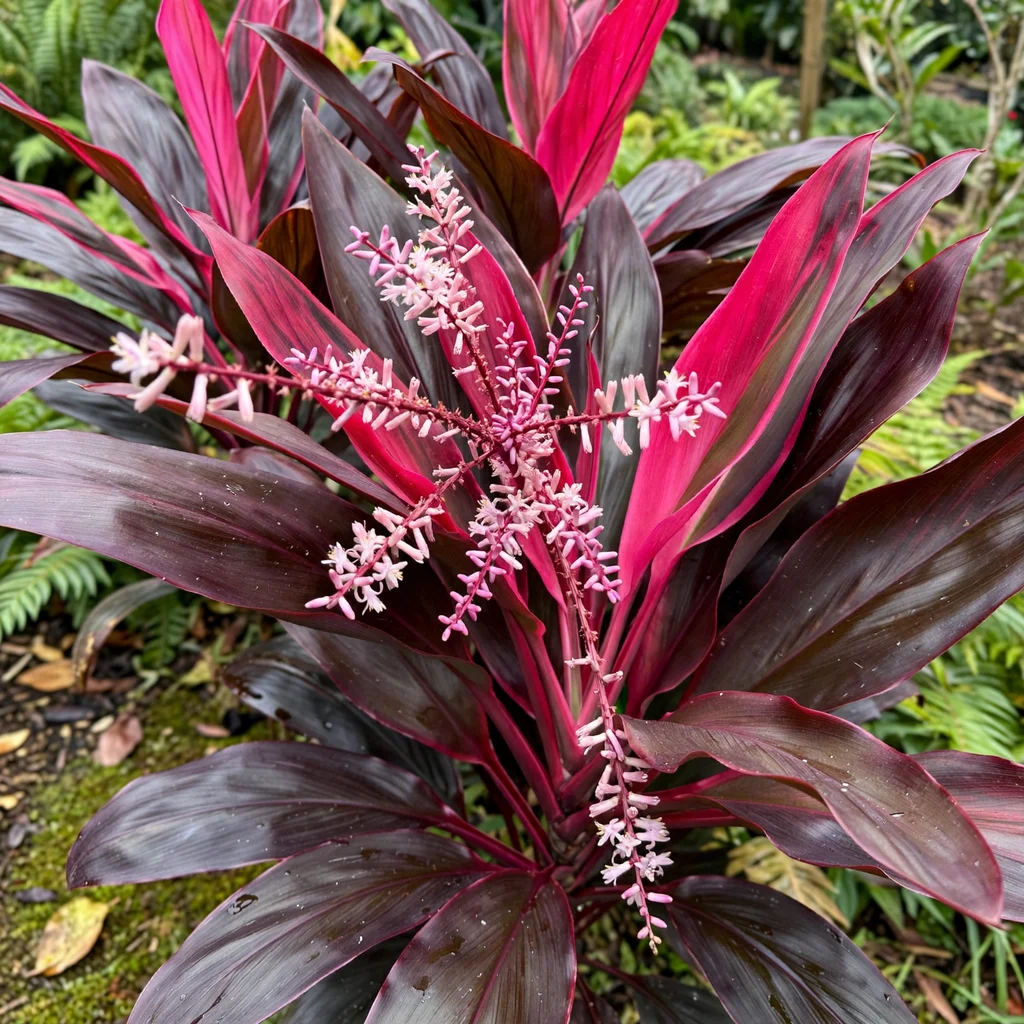
Ti Plant 'Rubra'
Cordyline fruticosa 'Rubra'
Keep exploring
Explore the genus
Hardy in your zone?
Grow Norfolk Island Cabbage Tree with confidence
See it in a design of your actual yard, get zone-matched care reminders, and track it season by season in your garden journal.