The Story
Plant Bio
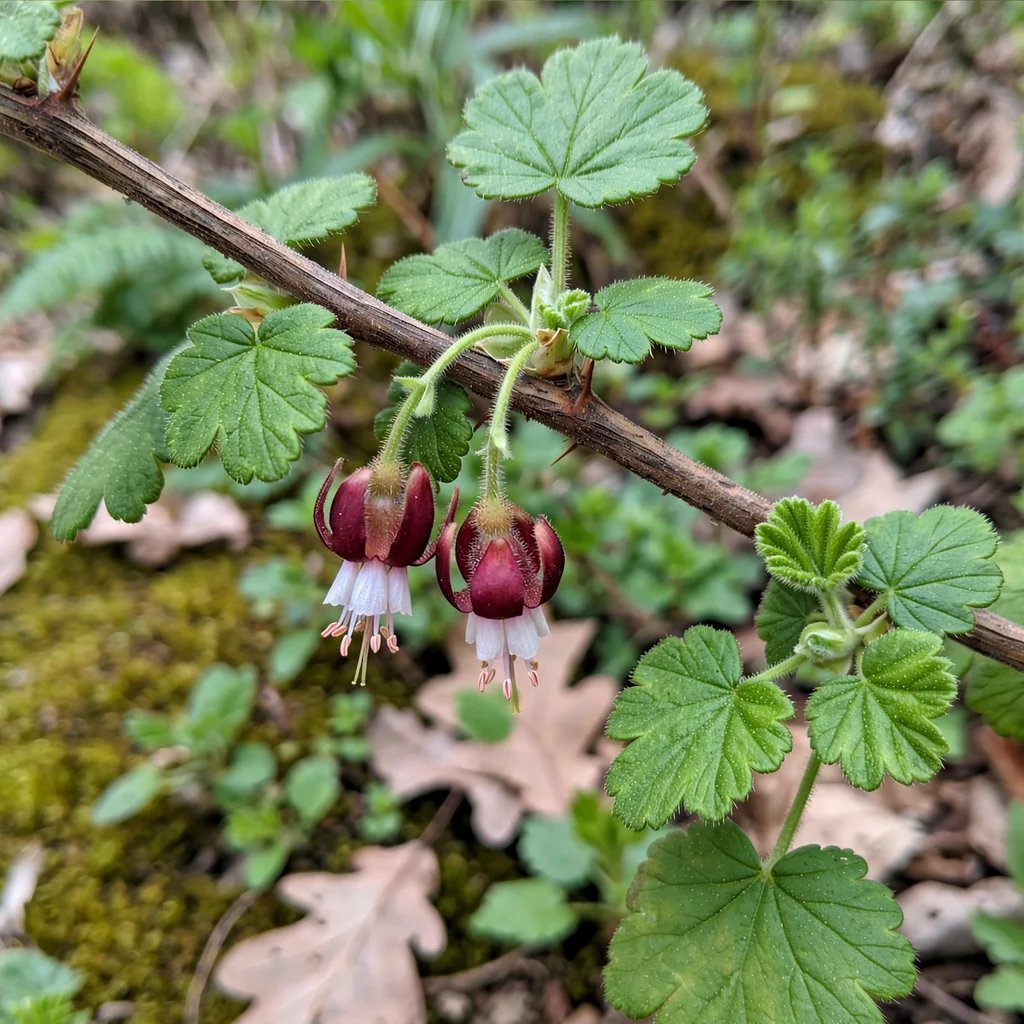
Ribes amarum, the bitter gooseberry, is a deciduous California shrub reaching three to seven feet tall, with villous stems armed at each node with three spines one-quarter to one-half inch long. The leaves are hairy and glandular, rounded with three to five toothed lobes, and drop in winter and again under summer drought.
Flowers hang singly or in clusters to three from the leaf axils, with reflexed maroon sepals, small pinkish-white tubular petals and exserted stamens set on a glandular-bristly ovary. The bristly berries ripen green through red-purple to nearly an inch long and taste intensely bitter, feeding birds rather than people.
Uses & Benefits:
Essentials
At a Glance
Plant Type
Shrub
Height
79"
Width
60"
Light
Full Sun, Partial Sun, Shade
Zones
7, 8, 9, 10
Water
Low
Humidity
Low
Lifespan
Deciduous shrub
Native To
California, USA
Toxicity
Unknown
Bloom period
Early spring – Mid spring
In flower about 2 months of the year
Planting
How to Grow
- Plant in fall or early spring in full sun to part shade with room for a five-foot canopy.
- Dig the hole twice as wide as the pot and set the crown level with the soil surface.
- Water deeply at planting, then taper to occasional deep soakings once established.
- Mulch with two inches of leaf litter, keeping mulch clear of the spiny stems.
Pro Tip
Give it lean soil, dry summers and afternoon shade inland; summer leaf drop is normal dormancy, not failure.
Keep It Thriving
Care Guide
Do
- Water deeply but infrequently once established, allowing soil to dry between soakings.
- Provide afternoon shade in hot inland gardens.
- Leave summer leaf drop alone; the plant resprouts with cool weather.
Don't
- Do not irrigate heavily through summer dormancy.
- Do not prune hard in summer when the plant is leafless.
- Do not plant near white pines where blister-rust restrictions apply.
Seasonal Care Calendar
| Task | Jan | Feb | Mar | Apr | May | Jun | Jul | Aug | Sep | Oct | Nov | Dec |
|---|---|---|---|---|---|---|---|---|---|---|---|---|
| Mulch | ||||||||||||
| Pest Check | ||||||||||||
| Plant | ||||||||||||
| Propagate | ||||||||||||
| Prune |
Watch Out For
Pests & Diseases
Common Pests
Common Diseases
In the Garden
Landscape Uses & Companions
Landscape Uses
Multiply
Propagation Methods
Good to Know
Common Questions
Bitter Gooseberry questions
What zones can Bitter Gooseberry grow in?
Bitter Gooseberry is hardy in USDA Zones 7–10: in that range it survives winter in the ground. Colder than Zone 7, grow it in a container you can move to shelter for the winter.
When does Bitter Gooseberry bloom?
Bitter Gooseberry typically blooms in early to mid-spring. Exact timing shifts a week or two with your zone — Sow's bloom calendar maps it to your garden.
Does Bitter Gooseberry need full sun?
Bitter Gooseberry does best in full sun to part shade. In hot climates, afternoon shade keeps blooms fresher longer.
Is Bitter Gooseberry drought tolerant?
Yes — once established (usually after the first full season), Bitter Gooseberry handles dry spells with minimal watering. Water deeply its first year to build the root system that makes that possible.
More Ribes to compare
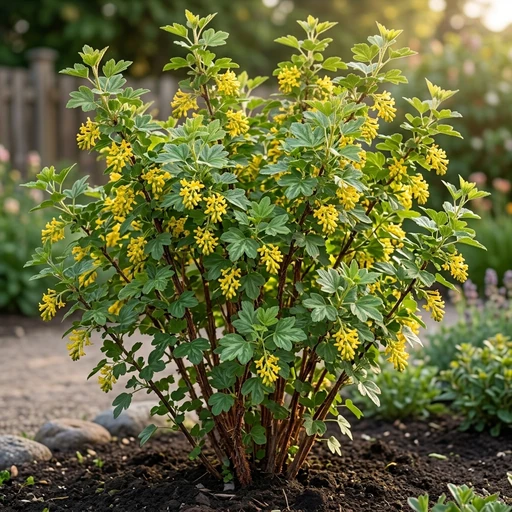
Golden Currant
Ribes aureum
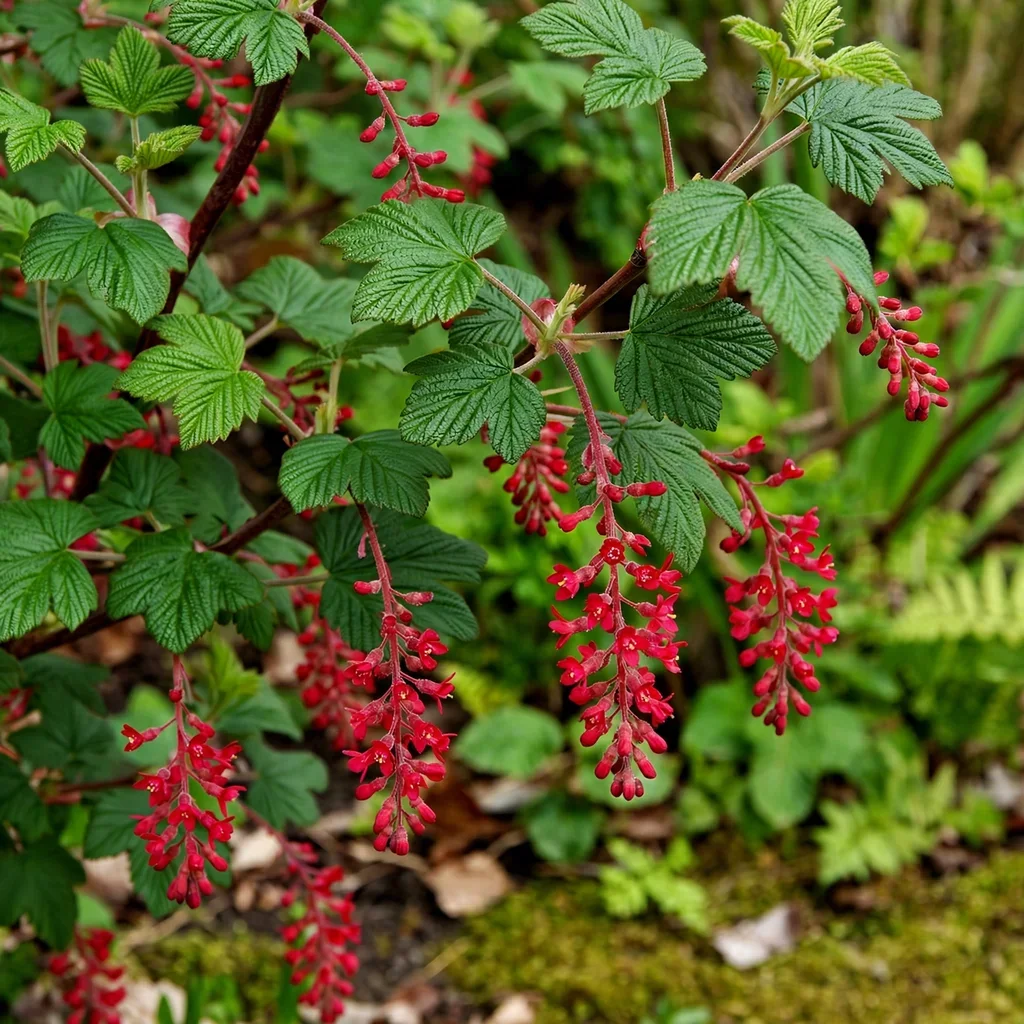
King Edward VII Flowering Currant
Ribes sanguineum 'King Edward VII'
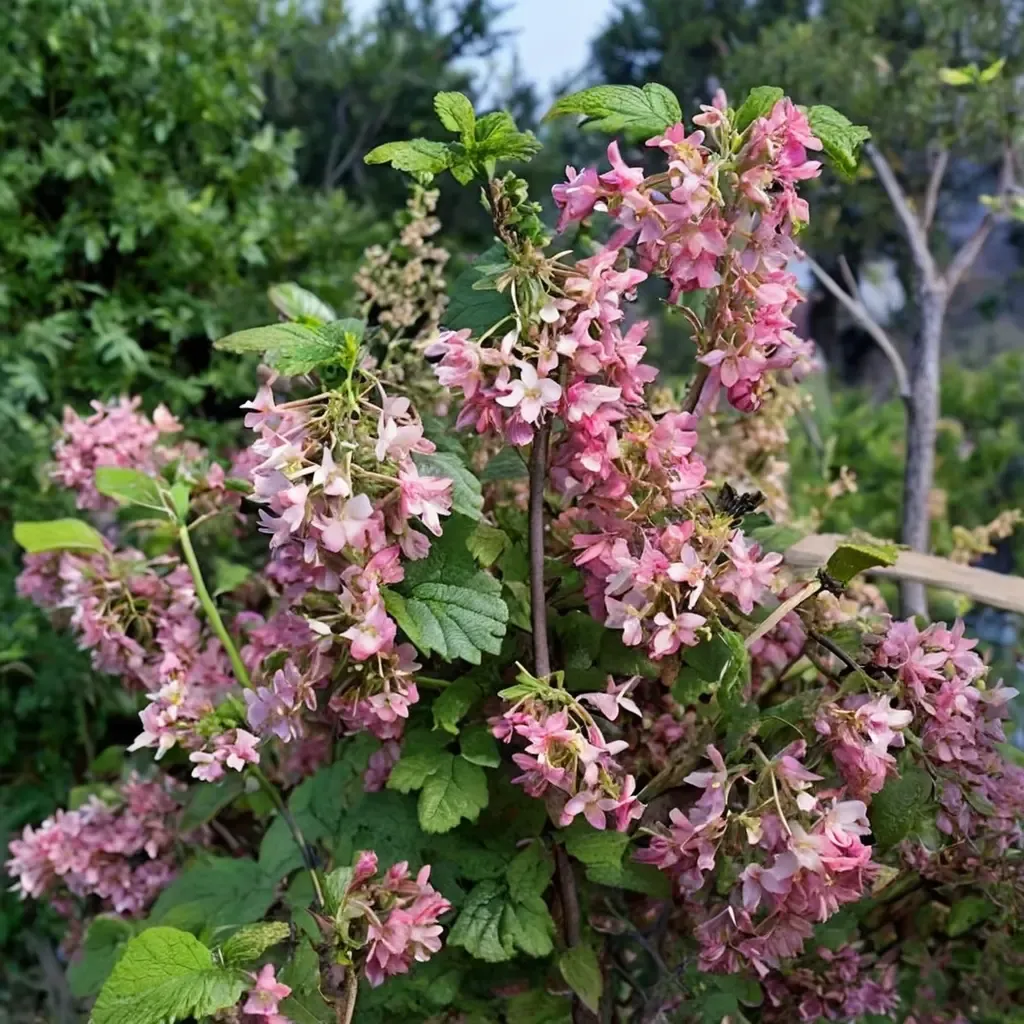
Claremont Currant
Ribes sanguineum 'Claremont'
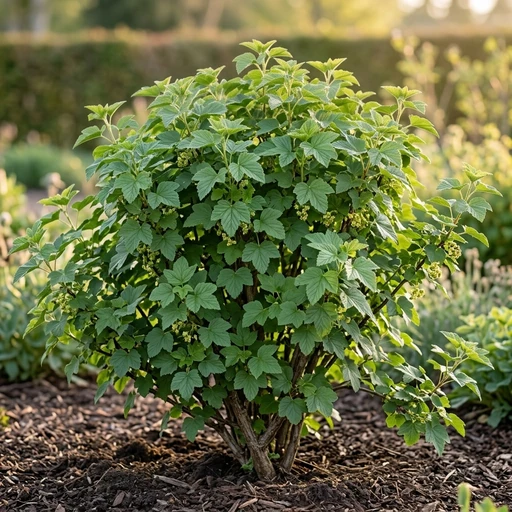
Alpine Currant
Ribes alpinum
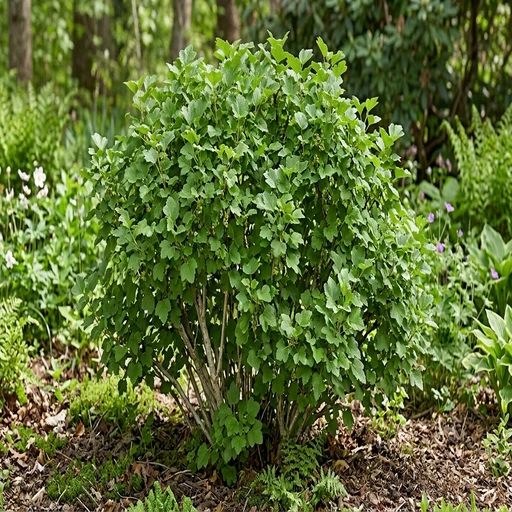
Green Mound Alpine Currant
Ribes alpinum 'Green Mound'
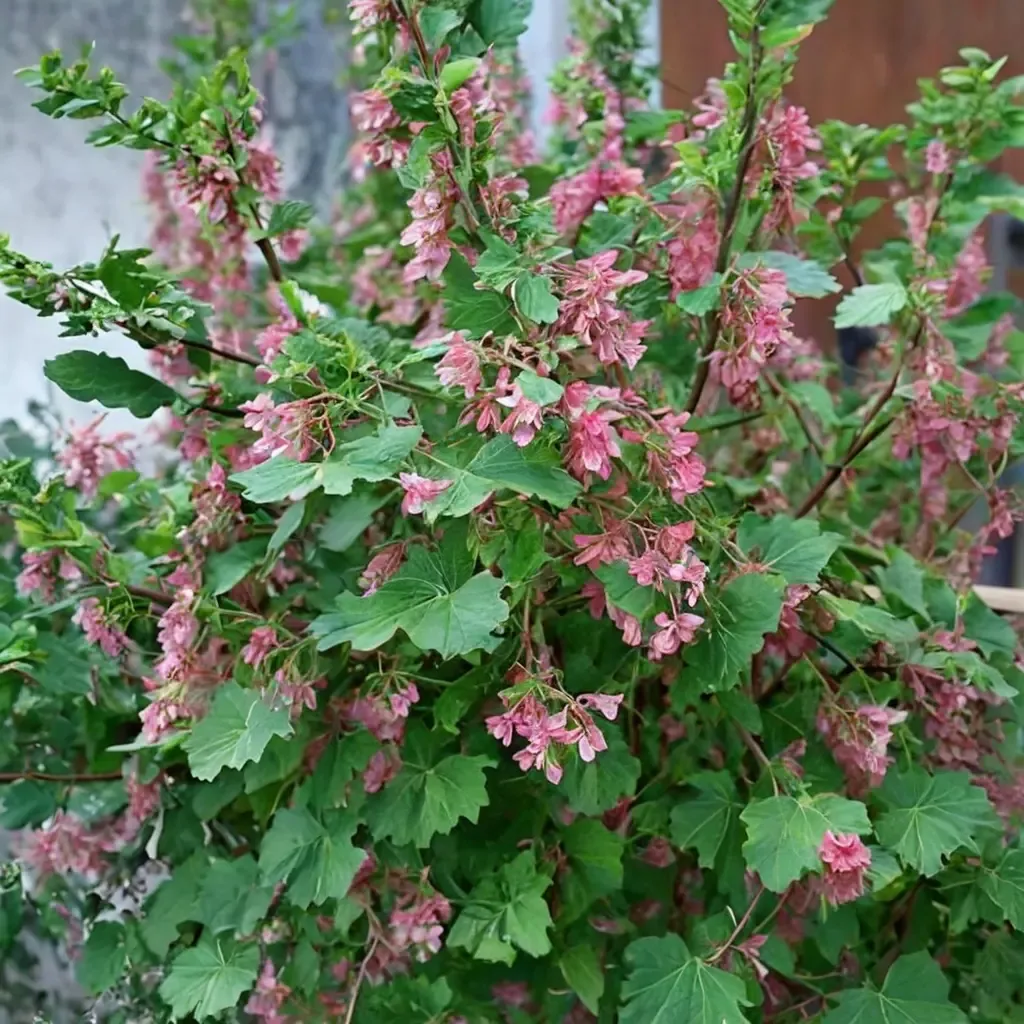
Pink-Flowering Currant
Ribes sanguineum 'glutinosum'
Keep exploring
Explore the genus
Hardy in your zone?
Grow Bitter Gooseberry with confidence
See it in a design of your actual yard, get zone-matched care reminders, and track it season by season in your garden journal.