The Story
Plant Bio
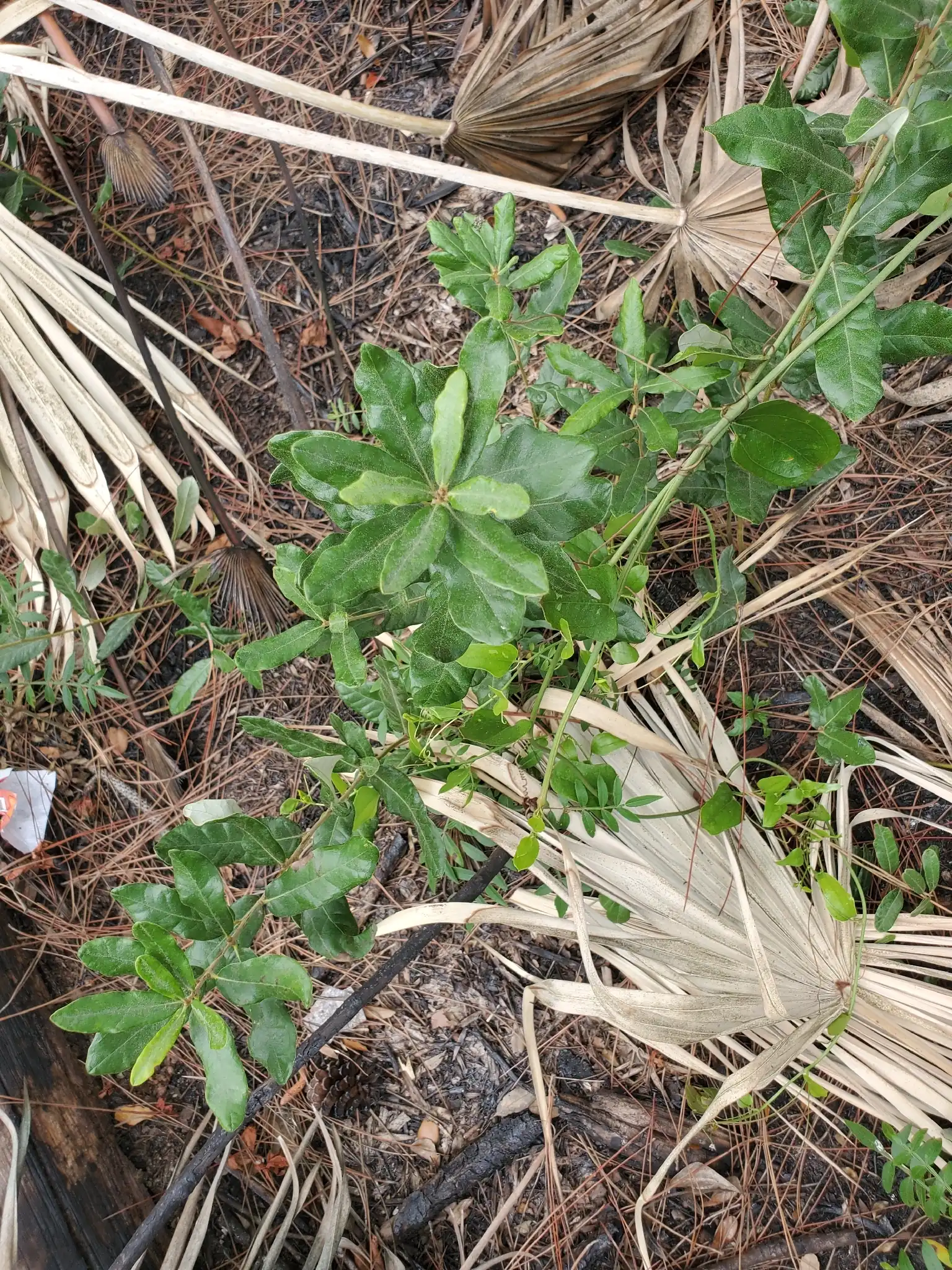
Quercus pumila, the running oak, is a low deciduous shrub oak that spreads by underground runners to form loose colonies about three feet tall. The narrow oblong leaves are entire with rolled edges tipped by a single bristle, glossy and wrinkled above and gray-brown hairy beneath on very short stalks.
Unlike most oaks it never forms a trunk, staying under a meter tall and widening by suckers rather than crown growth. It is separated from dwarf live oak and similar scrub oaks by fully entire leaves with densely hairy gray undersides and small annual acorns half-seated in a shallow scaly cup.
Uses & Benefits:
Essentials
At a Glance
Plant Type
Shrub
Height
36"
Width
118"
Light
Full Sun, Partial Sun
Zones
7, 8, 9
Water
Dry to medium
Humidity
Average to humid
Lifespan
Long-lived shrub
Native To
Southeastern USA
Toxicity
Unknown
Bloom period
Spring
In flower about 3 months of the year
Planting
How to Grow
- Plant in full sun to part shade in dry to medium well-drained loamy or sandy soil.
- Dig a hole as deep as the root ball and twice as wide, set the crown level, backfill and water in.
- Mulch with 2 inches of pine straw, keeping mulch off the stems.
- Water through the first summer, then leave established colonies unirrigated.
Pro Tip
Give it room to run and do not prune it into a tree form; confirm identity by the entire leaf margin and gray hairy underside.
Keep It Thriving
Care Guide
Do
- Allow suckers to widen into a colony where space permits.
- Rake and leave fallen leaves as natural mulch.
- Protect spring catkins and fall acorns for wildlife.
Don't
- Do not plant in wet clay or poorly drained ground.
- Do not fertilize to force acorn crops; added nitrogen did not increase mast.
- Do not shear into a formal hedge or single trunk.
Seasonal Care Calendar
| Task | Jan | Feb | Mar | Apr | May | Jun | Jul | Aug | Sep | Oct | Nov | Dec |
|---|---|---|---|---|---|---|---|---|---|---|---|---|
| Mulch | ||||||||||||
| Pest Check | ||||||||||||
| Plant | ||||||||||||
| Prune |
Watch Out For
Pests & Diseases
Common Pests
Common Diseases
In the Garden
Landscape Uses & Companions
Landscape Uses
Companion Plants
Multiply
Propagation Methods
Good to Know
Common Questions
Running Oak questions
What zones can Running Oak grow in?
Running Oak is hardy in USDA Zones 7–9: in that range it survives winter in the ground. Colder than Zone 7, grow it in a container you can move to shelter for the winter. Warmer than Zone 9, winter isn't the problem: it prefers colder winters, and summer heat can shorten its life.
Is Running Oak deer resistant?
Not reliably. Deer may browse Running Oak, especially tender spring growth — plan on repellents or fencing where pressure is high.
When does Running Oak bloom?
Running Oak typically blooms in spring. Exact timing shifts a week or two with your zone — Sow's bloom calendar maps it to your garden.
Does Running Oak need full sun?
Running Oak does best in full sun to part shade. In hot climates, afternoon shade keeps blooms fresher longer.
More Quercus to compare
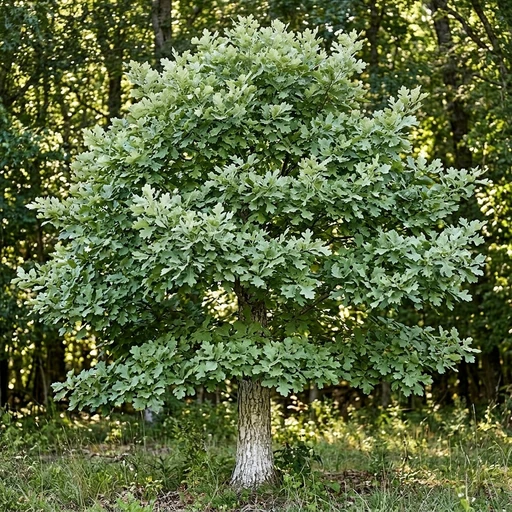
White Oak
Quercus alba
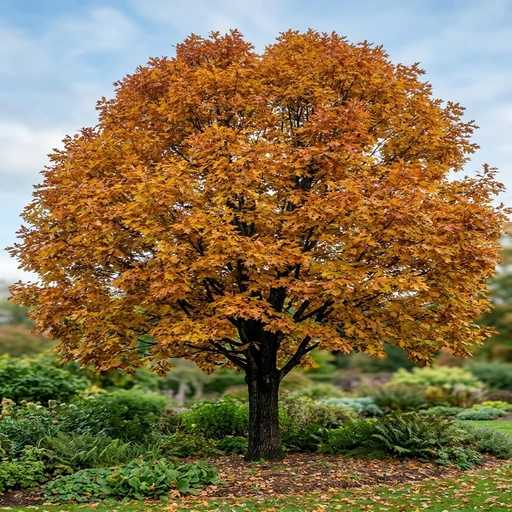
Black Oak
Quercus velutina
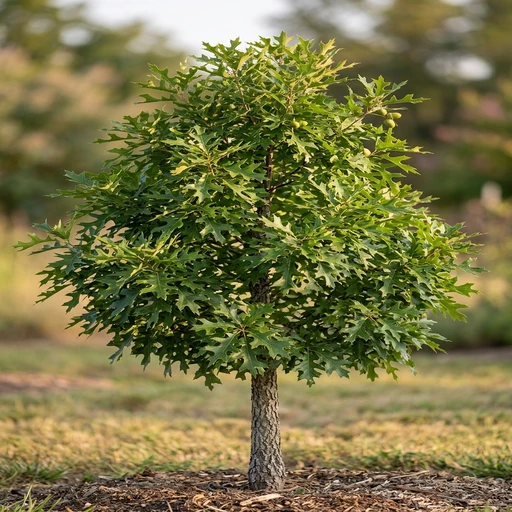
Nuttall Oak
Quercus texana
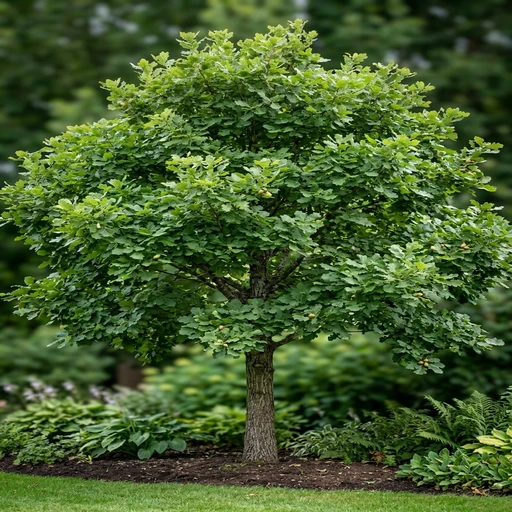
English Oak
Quercus robur
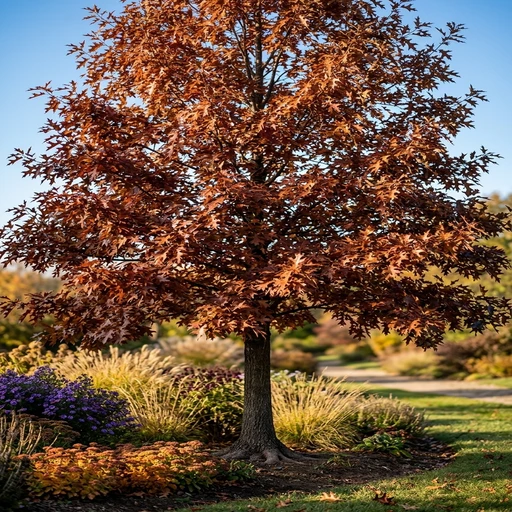
Pin Oak
Quercus palustris
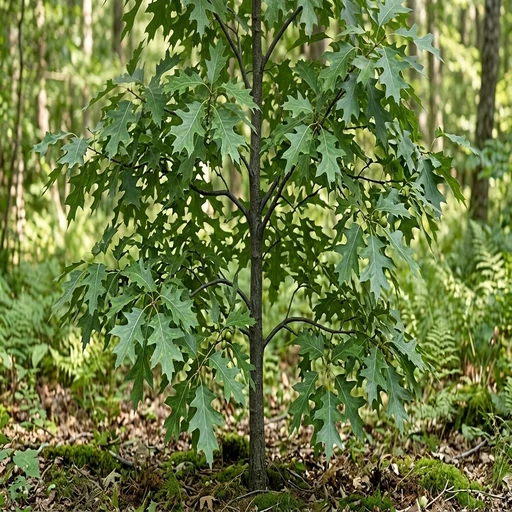
Scarlet Oak
Quercus coccinea
Keep exploring
Explore the genus
Hardy in your zone?
Grow Running Oak with confidence
See it in a design of your actual yard, get zone-matched care reminders, and track it season by season in your garden journal.