The Story
Plant Bio
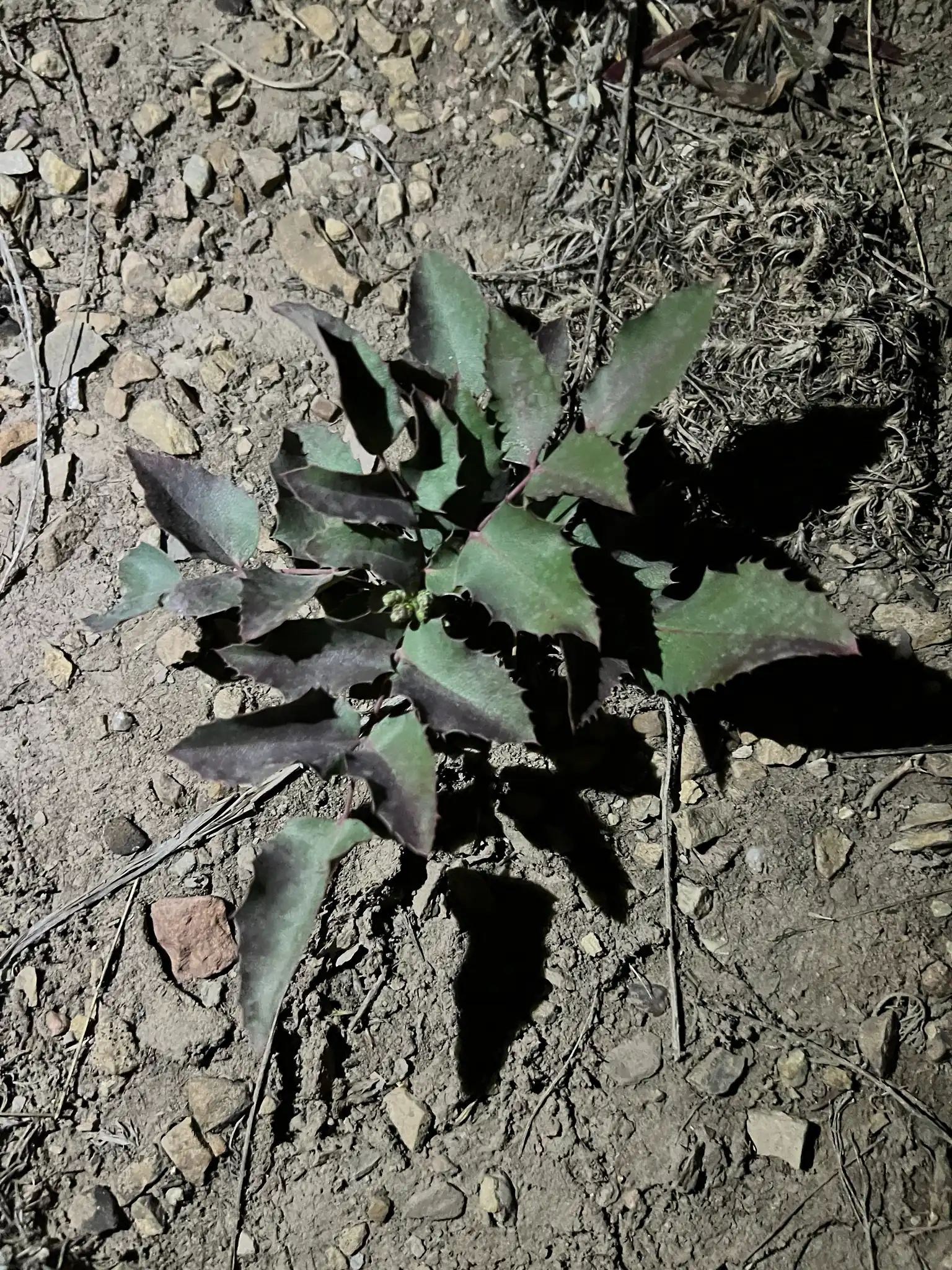
Mahonia repens, the creeping Oregon-grape, is a low-growing, stoloniferous evergreen groundcover native to western North America. Its leathery, holly-like leaves are dull bluish-green in summer before turning shades of bronze, purple, and red during the winter.
This species spreads via underground runners to form a dense, weed-suppressing mat that excels in dry shade. In spring, it produces short, upright clusters of bright yellow flowers followed by dusty blue, sour berries.
Uses & Benefits:
Essentials
At a Glance
Plant Type
Groundcover
Height
24"
Width
60"
Light
Full Sun, Partial Sun, Shade
Zones
5, 6, 7, 8
Water
Low to medium
Humidity
Moderate
Lifespan
Perennial
Native To
North America
Toxicity
Mildly toxic if unripe
Bloom period
Spring – Late spring
In flower about 3 months of the year
Marketplace
Where to Buy
Shipping costs Year-round shipping Free shipping
Planting
How to Grow
- Plant in well-drained soil in a location with partial to full shade to protect the foliage from winter leaf scorch.
- Water regularly during the first growing season to help the root system and stolons establish.
- Apply a light layer of organic mulch around the base to retain moisture and mimic forest floor conditions.
- Prune only after spring flowering to remove winter-damaged tips or restrict stray runners.
Pro Tip
Do not shear this groundcover back into old, leafless wood, as adventitious budding from bare stems is extremely slow and results in patchy regrowth.
Keep It Thriving
Care Guide
Do
- Grow in partial shade to prevent winter foliage scorch.
- Ensure the soil drains rapidly to prevent root rot.
- Apply an organic mulch to maintain cool root temperatures.
- Use iron chelates if leaves show yellowing from alkaline soils.
Don't
- Do not plant in heavy, poorly drained clay soils.
- Do not prune heavily into old, leafless woody stems.
- Do not plant in hot, unshaded southern exposures without summer irrigation.
- Do not allow the soil to remain waterlogged or chronically saturated.
Seasonal Care Calendar
| Task | Jan | Feb | Mar | Apr | May | Jun | Jul | Aug | Sep | Oct | Nov | Dec |
|---|---|---|---|---|---|---|---|---|---|---|---|---|
| Fertilize | ||||||||||||
| Mulch | ||||||||||||
| Pest Check | ||||||||||||
| Prune |
Watch Out For
Pests & Diseases
Common Pests
Common Diseases
In the Garden
Landscape Uses & Companions
Landscape Uses
Multiply
Propagation Methods
Good to Know
Common Questions
Creeping Oregon-Grape questions
What zones can Creeping Oregon-Grape grow in?
Creeping Oregon-Grape is hardy in USDA Zones 5–8: in that range it survives winter in the ground. Colder than Zone 5, grow it in a container you can move to shelter for the winter, or as an annual. Warmer than Zone 8, winter isn't the problem: it prefers colder winters, and summer heat can shorten its life.
Is Creeping Oregon-Grape deer resistant?
Not reliably. Deer may browse Creeping Oregon-Grape, especially tender spring growth — plan on repellents or fencing where pressure is high.
When does Creeping Oregon-Grape bloom?
Creeping Oregon-Grape typically blooms in spring. Exact timing shifts a week or two with your zone — Sow's bloom calendar maps it to your garden.
Does Creeping Oregon-Grape need full sun?
Creeping Oregon-Grape does best in full sun to part shade. In hot climates, afternoon shade keeps blooms fresher longer.
Is Creeping Oregon-Grape drought tolerant?
Yes — once established (usually after the first full season), Creeping Oregon-Grape handles dry spells with minimal watering. Water deeply its first year to build the root system that makes that possible.
More Mahonia to compare
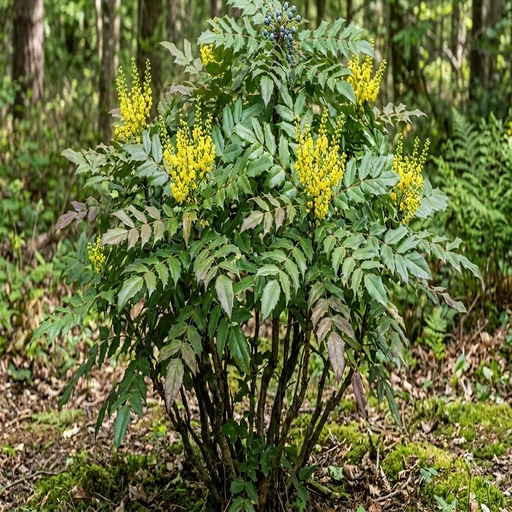
Oregon Grapeholly
Mahonia aquifolium
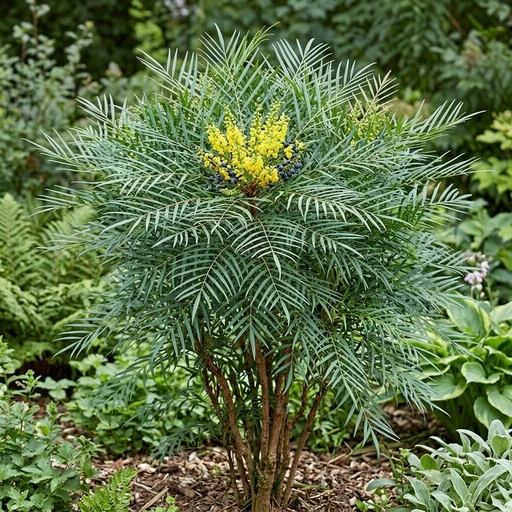
Soft Caress Mahonia
Mahonia eurybracteata 'Soft Caress'
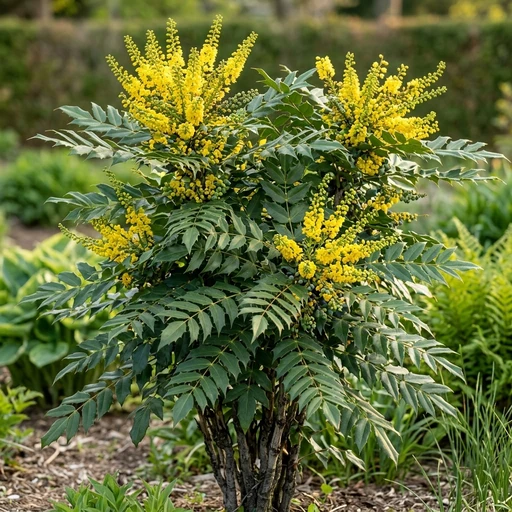
Leatherleaf Mahonia
Mahonia bealei
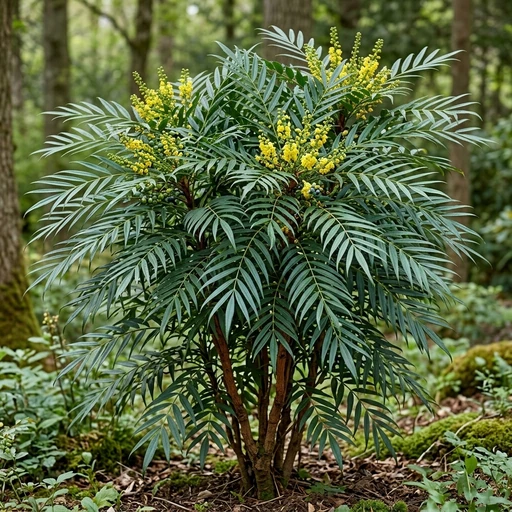
Narihira Mahonia
Mahonia confusa 'Narihira'
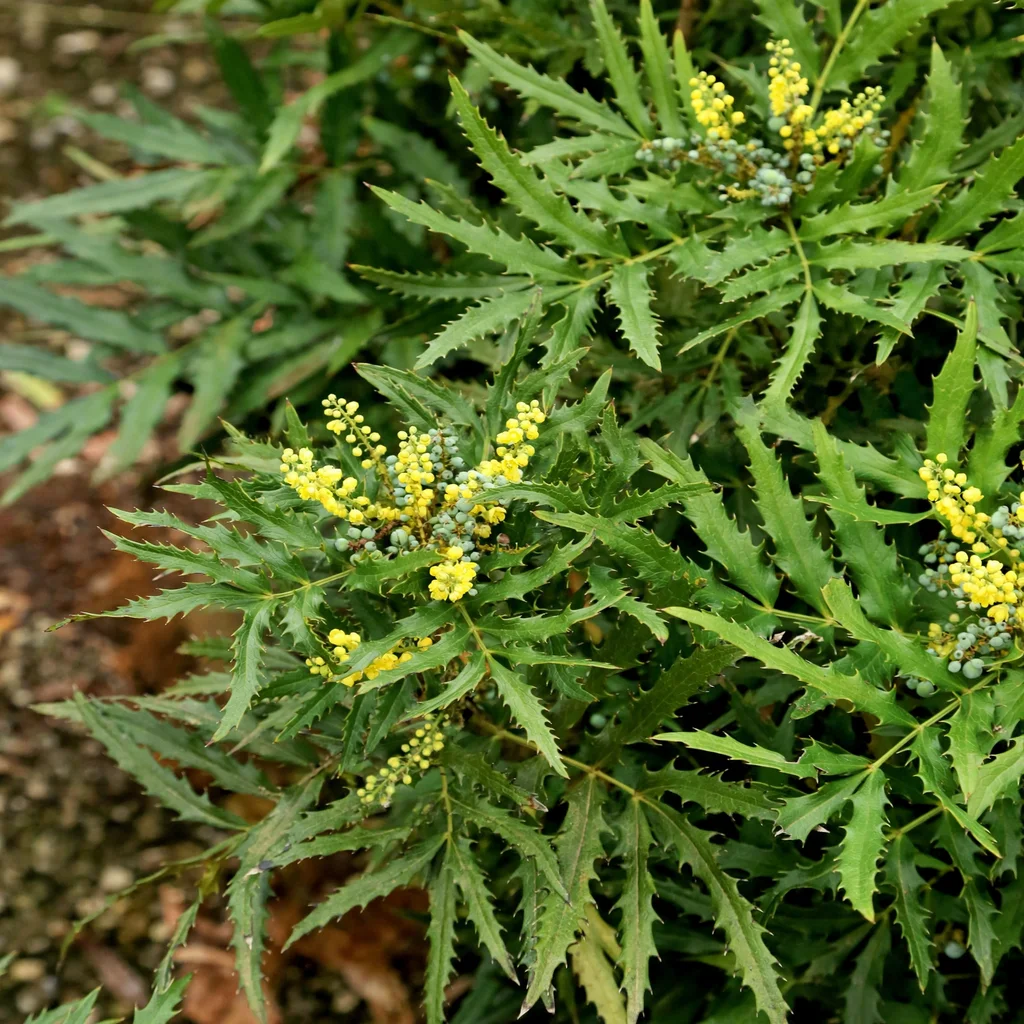
Beijing Beauty Grapeholly
Mahonia x hybrida 'Beijing Beauty'
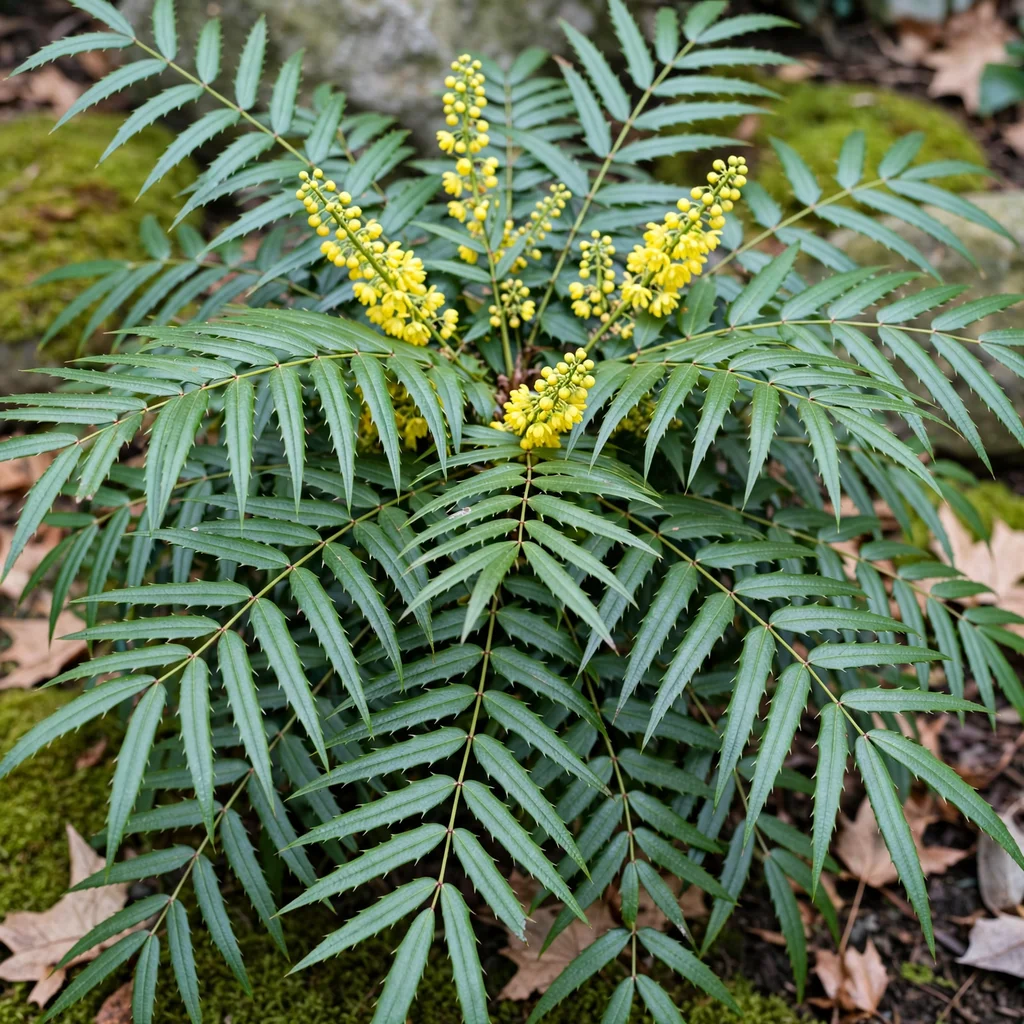
Fortune's Mahonia
Mahonia fortunei
Keep exploring
Explore the genus
Hardy in your zone?
Grow Creeping Oregon-Grape with confidence
See it in a design of your actual yard, get zone-matched care reminders, and track it season by season in your garden journal.