The Story
Plant Bio
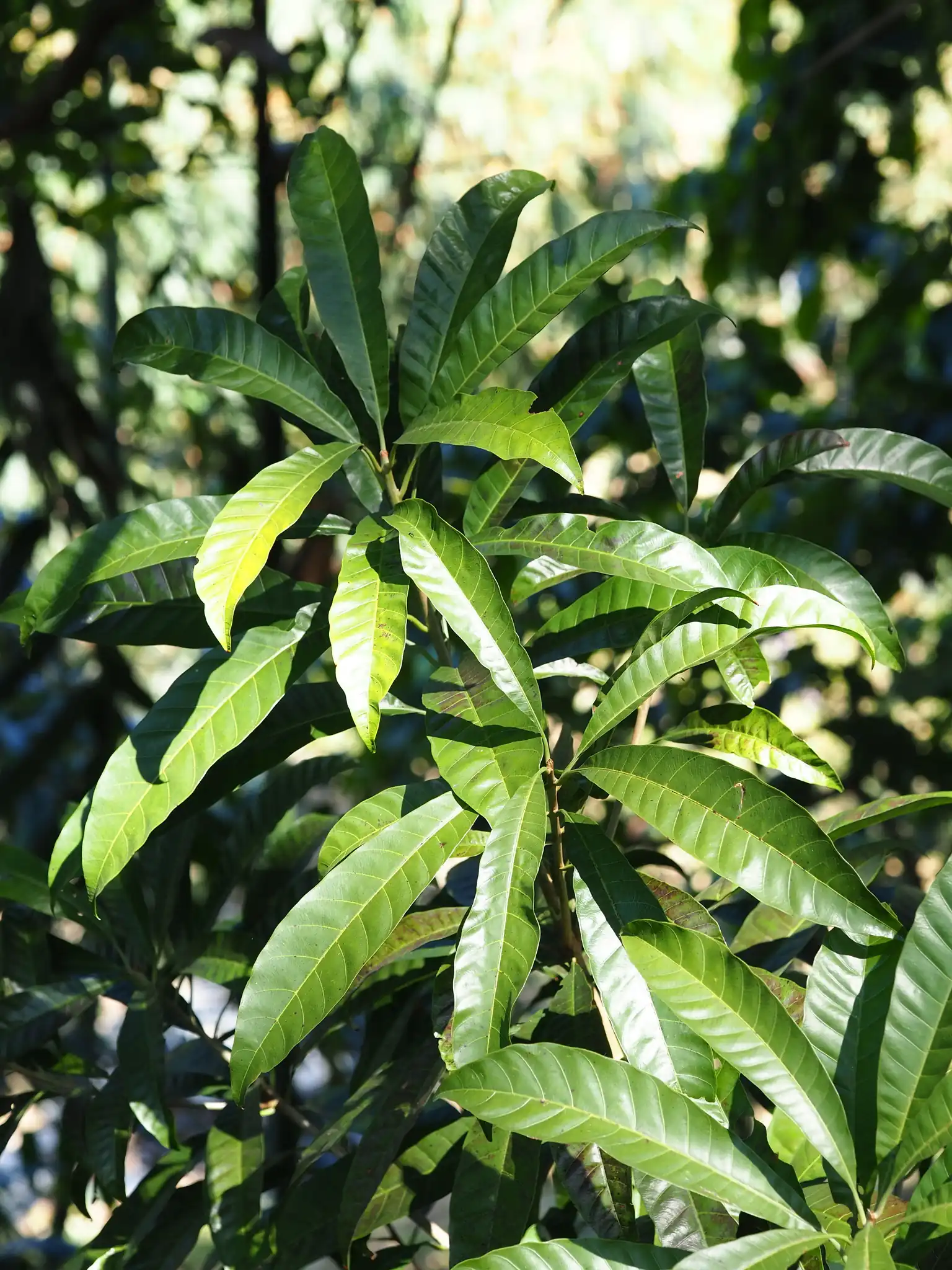
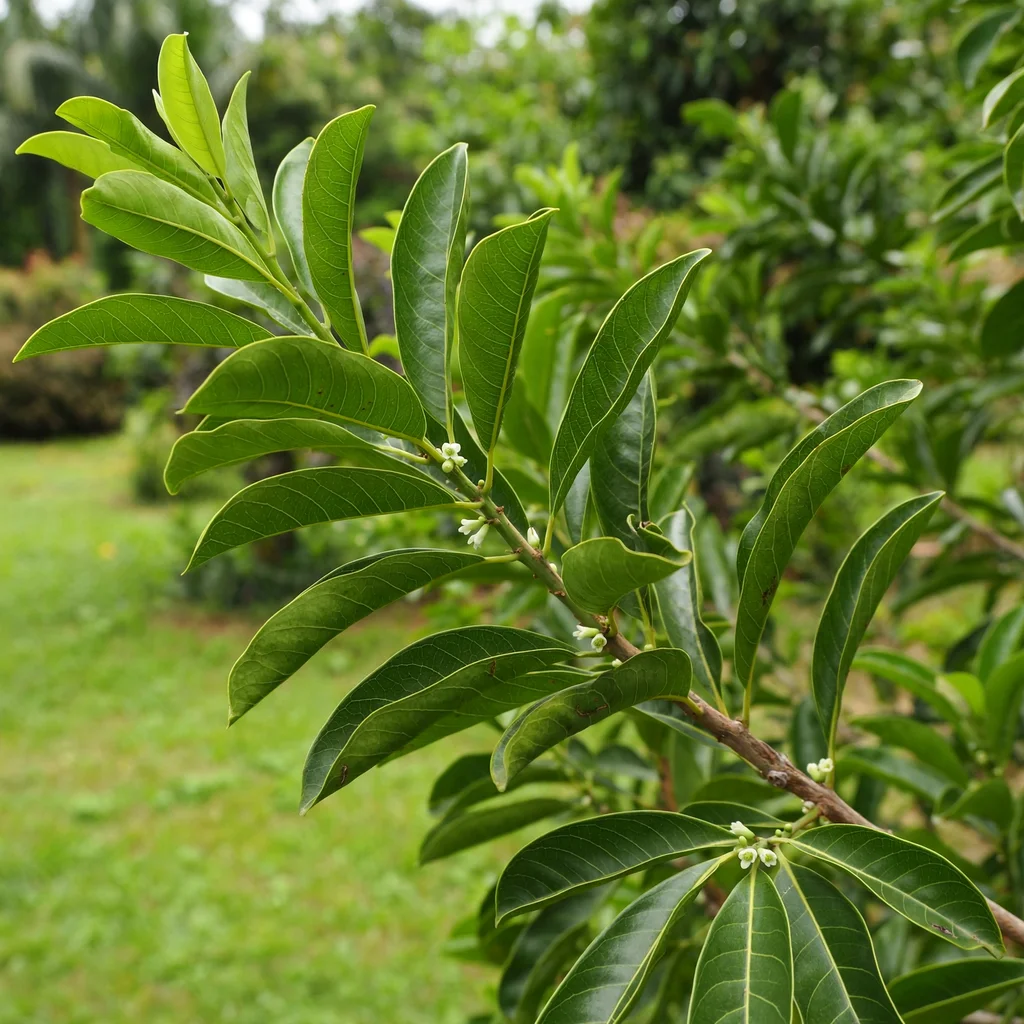
Pouteria campechiana is an upright evergreen tree reaching 20 to 25 feet in Florida gardens with a crown about as wide as tall. Leaves sit in whorls at the branch ends, obovate to elliptic and 2 to 10 inches long, light to dark green with prominent veins.
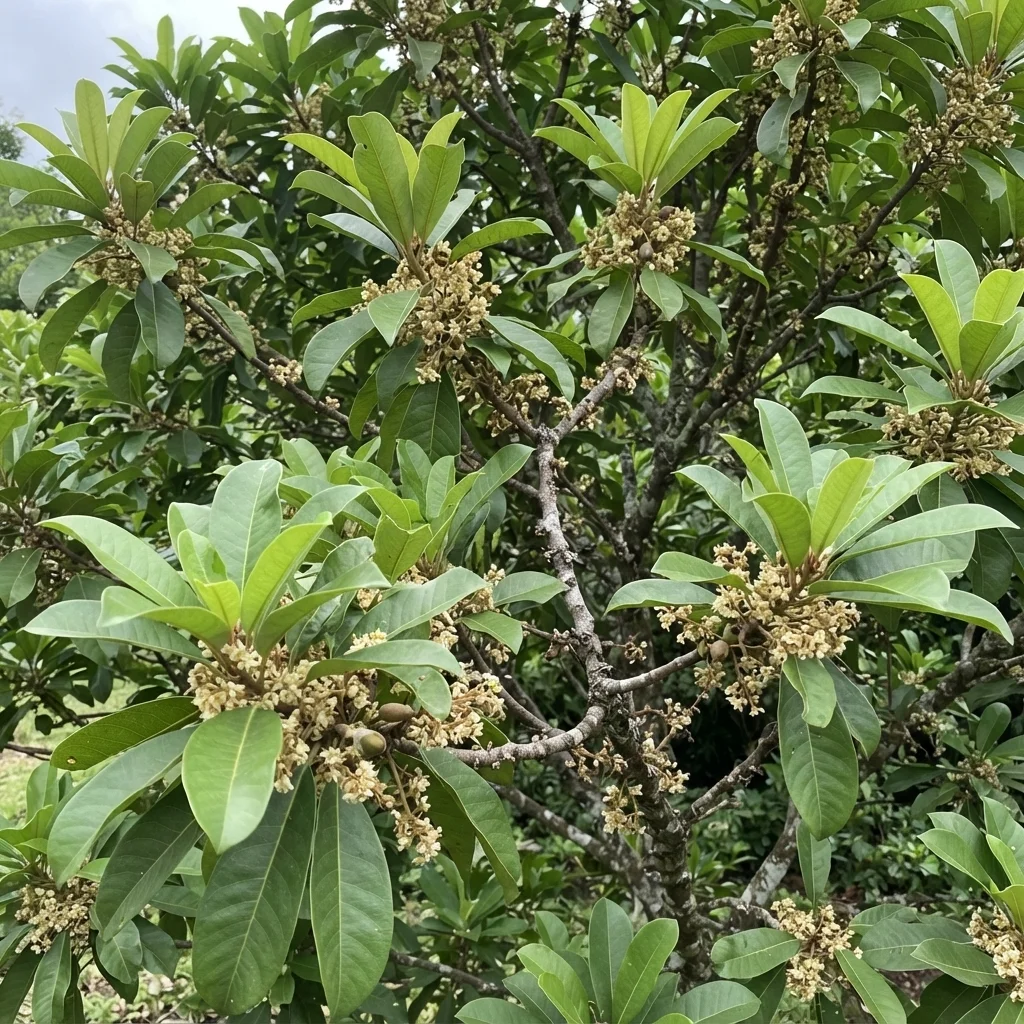
Small cream bells with five sepals and five to six petals open singly or in clusters in the leaf axils in winter and spring. Fruit follows as yellow to orange ovoids that are picked firm and ripened indoors for 3 to 10 days until soft, since unripe flesh stays dry and mealy.
Uses & Benefits:
Essentials
At a Glance
Plant Type
Tree
Height
300"
Width
240"
Light
Full Sun
Zones
10
Water
Moderate
Humidity
Moderate
Lifespan
Long-lived
Native To
S. Mexico to Panama
Toxicity
Unknown
Bloom period
Winter – Spring
In flower about 6 months of the year
Marketplace
Where to Buy
Shipping costs Year-round shipping Free shipping
Planting
How to Grow
- Plant in full sun 25 to 30 feet from structures, with a 2 to 5 foot grass-free ring kept free of lawn.
- Set the tree on a slight mound if the water table sits within 7 feet, in any well-drained acid to alkaline soil including sand and calcareous rockland.
- Water at planting, then every other day for a week and once or twice weekly for two months; water young trees twice weekly in dry spells and mature trees through bloom and fruit development.
- Mulch 2 to 6 inches deep kept 8 to 12 inches off the trunk, and feed young trees every 1 to 2 months the first year building to 3 to 4 feeds per year with higher potassium once bearing plus copper, zinc, manganese and boron sprays.
- Prune each spring to hold height at 10 to 12 feet, shaping an open cone and removing vigorous uprights again in late summer to keep light on low fruit.
Pro Tip
Hold the tree at 10 to 12 feet by cutting the central leader each spring and thinning vigorous uprights in late summer; fruit picked yellow-orange and ripened indoors at room temperature softens in days, while green-picked fruit never ripens well.
Keep It Thriving
Care Guide
Do
- Plant in full sun with sharp drainage and room for a 20-foot crown
- Mulch deeply and keep mowers and string trimmers off the trunk
- Pick fruit yellow-orange and ripen indoors at 75 to 82 degrees, then refrigerate a few days
Don't
- Do not overwater or butt lawn and sprinklers against the trunk where roots stay wet
- Do not let the tree grow unchecked to 50 feet out of reach
- Do not eat unripe flesh or expect green-picked fruit to soften
Seasonal Care Calendar
| Task | Jan | Feb | Mar | Apr | May | Jun | Jul | Aug | Sep | Oct | Nov | Dec |
|---|---|---|---|---|---|---|---|---|---|---|---|---|
| Fertilize | ||||||||||||
| Harvest | ||||||||||||
| Mulch | ||||||||||||
| Pest Check | ||||||||||||
| Prune |
Watch Out For
Pests & Diseases
Common Pests
Common Diseases
In the Garden
Landscape Uses & Companions
Landscape Uses
Companion Plants
Multiply
Propagation Methods
Good to Know
Common Questions
Canistel questions
What zones can Canistel grow in?
Canistel is hardy in USDA Zone 10: in that range it survives winter in the ground. Colder than Zone 10, winters are too cold for it to survive outdoors.
When does Canistel bloom?
Canistel typically blooms from winter to spring. Exact timing shifts a week or two with your zone — Sow's bloom calendar maps it to your garden.
Does Canistel need full sun?
Canistel does best in full sun (6+ hours).
Is Canistel drought tolerant?
Yes — once established (usually after the first full season), Canistel handles dry spells with minimal watering. Water deeply its first year to build the root system that makes that possible.
More Pouteria to compare
Keep exploring
Explore the genus
Hardy in your zone?
Grow Canistel with confidence
See it in a design of your actual yard, get zone-matched care reminders, and track it season by season in your garden journal.