3 saves
Annona
We track 6 varieties; the ones most used by real gardeners.
The 6 most-saved Annona varieties
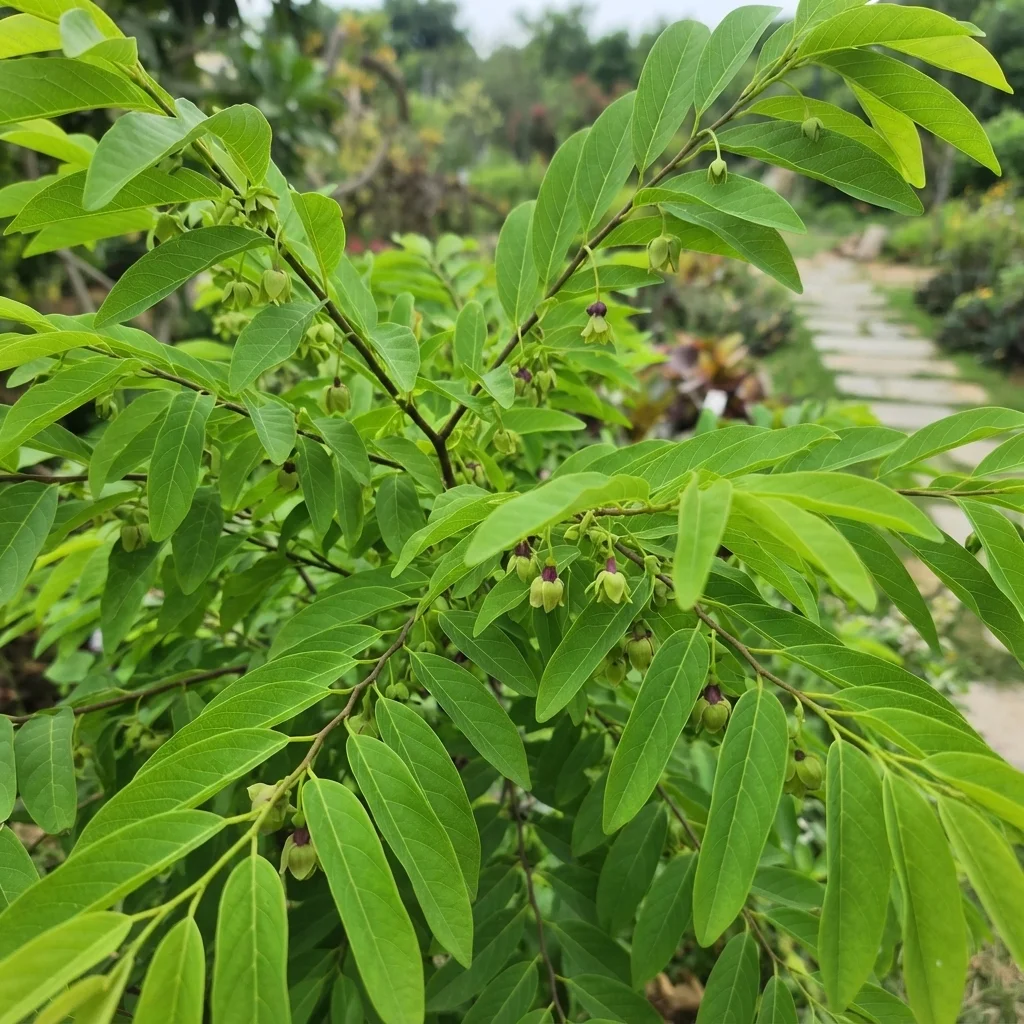
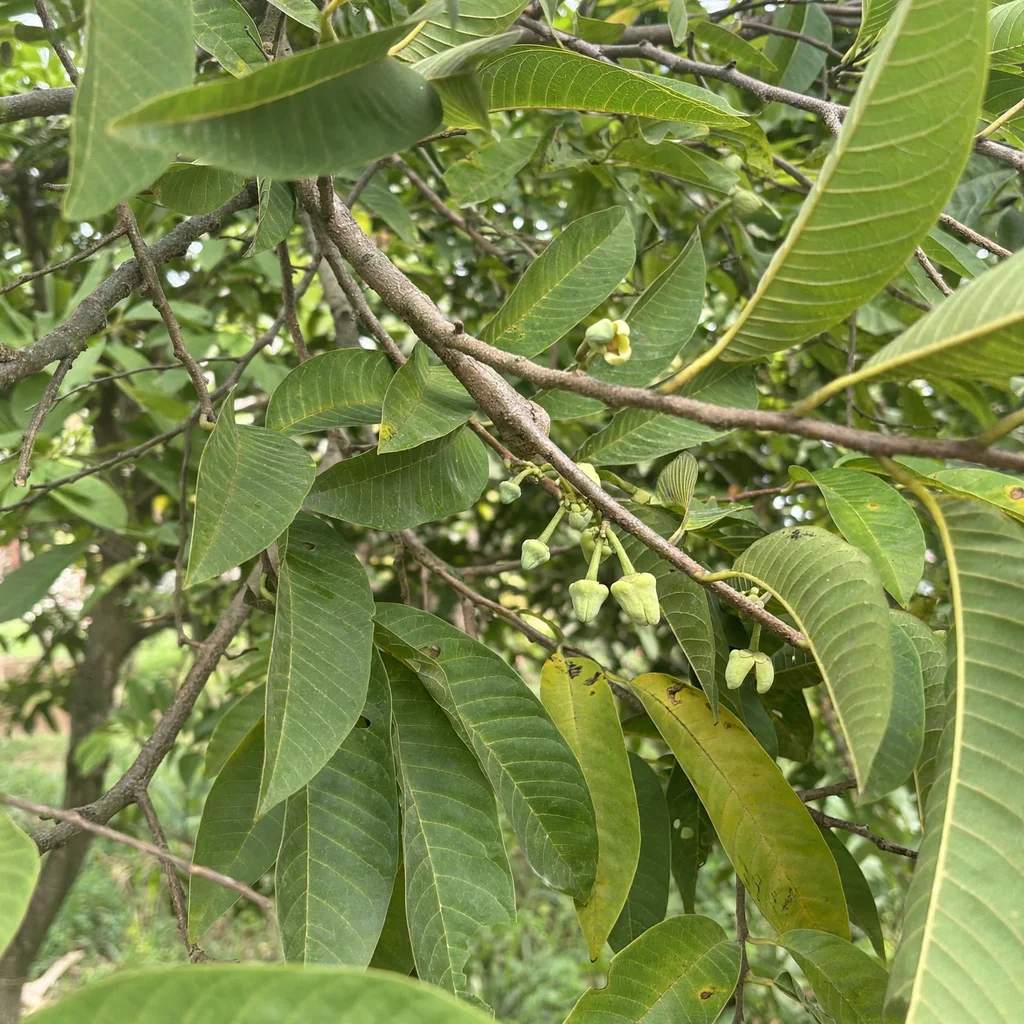
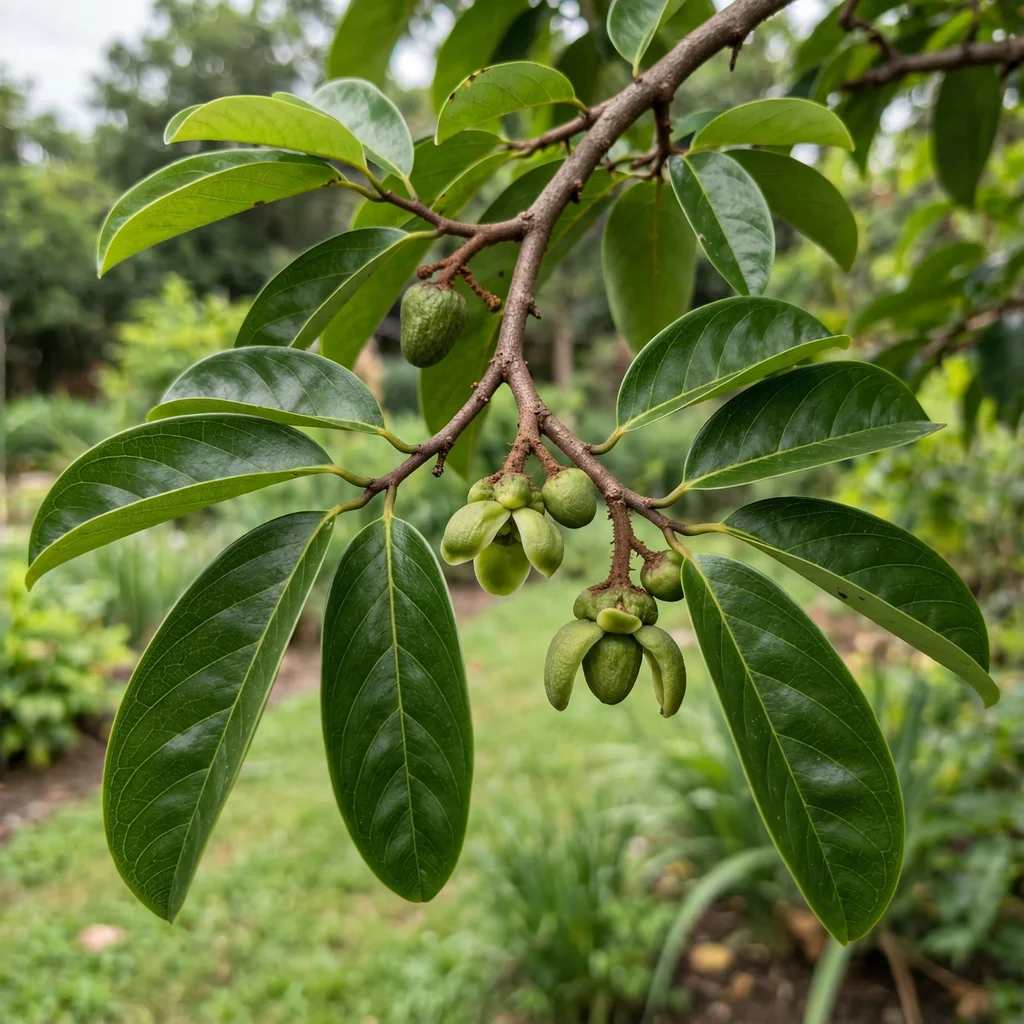
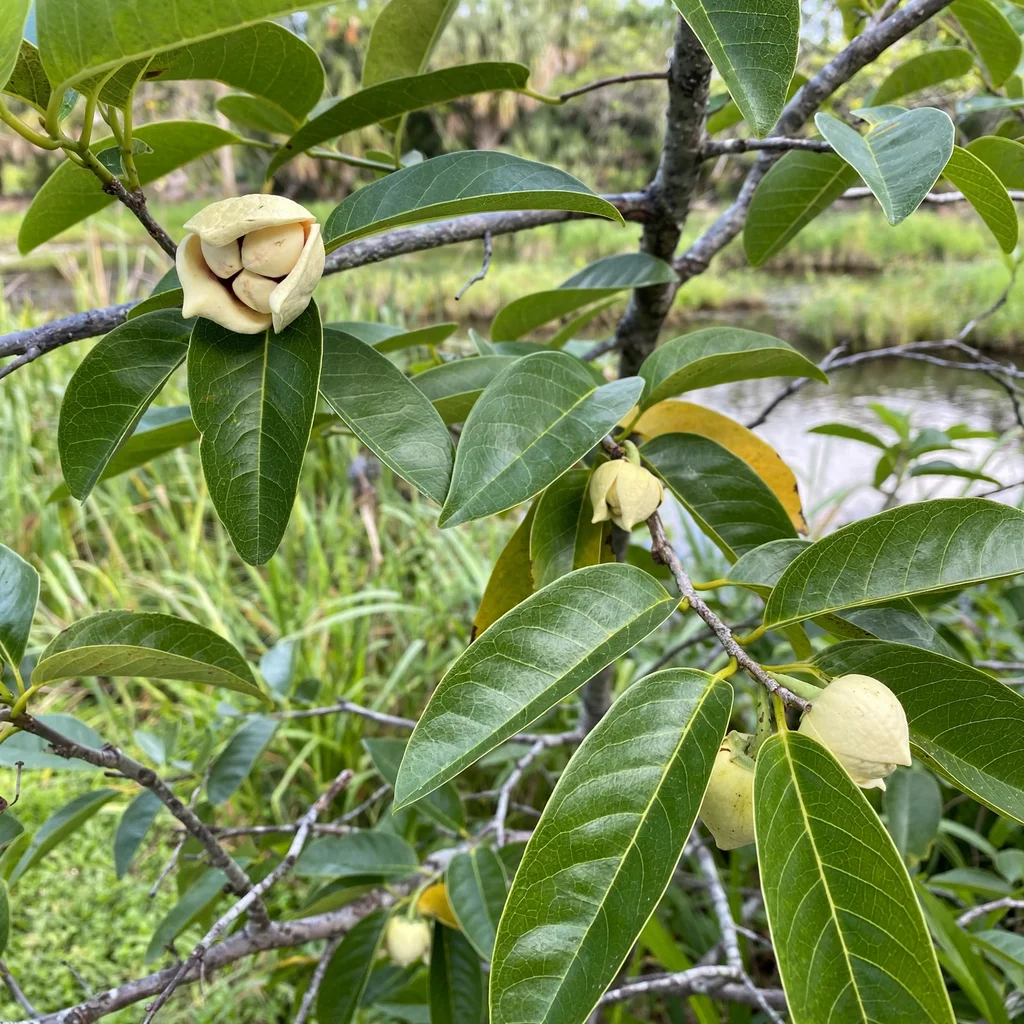
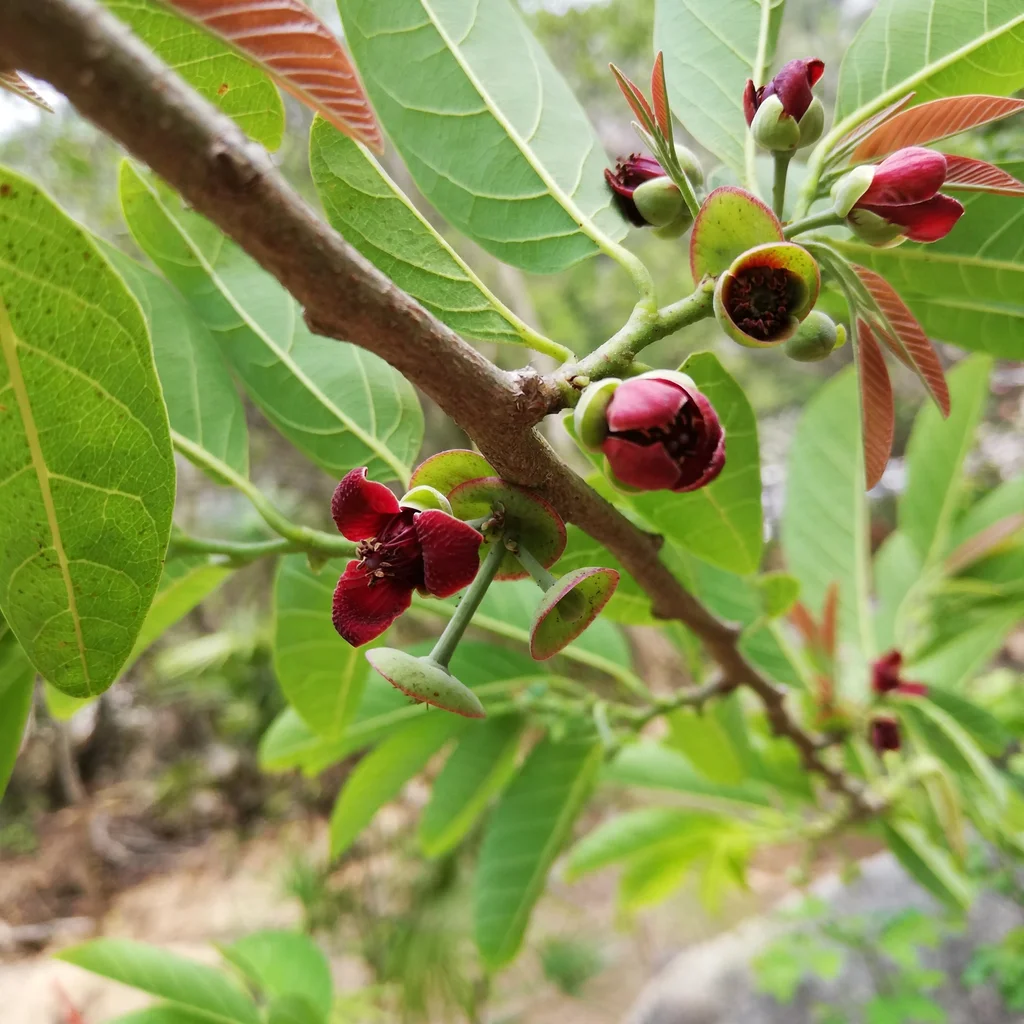
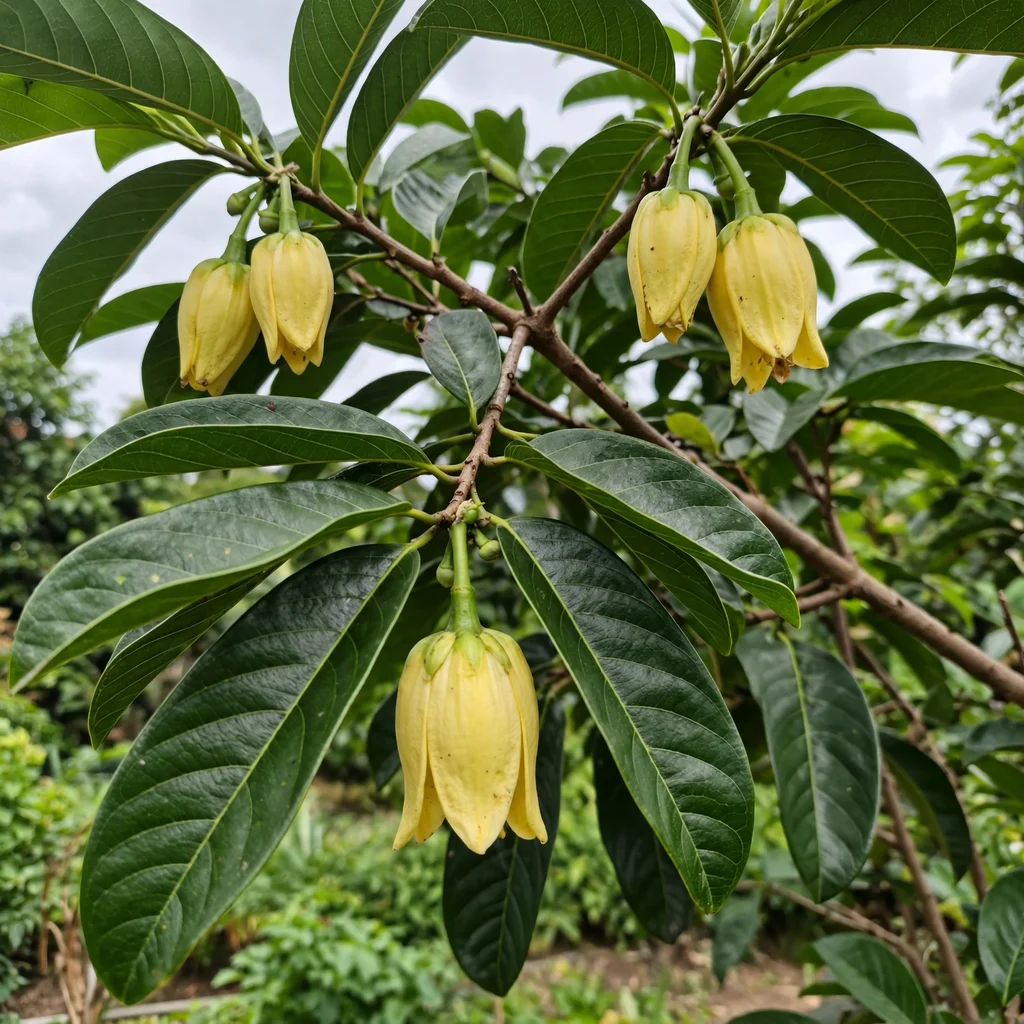
6 species of Annona
Each one is a parent of the varieties above.
Track your Annona in Sow
Save the Annona you grow and get care reminders timed to your zone.
How to grow Annona
Whats common across all Annona varieties in our catalog — drawn from the care records of the 6 most-grown of them.
The Annona year
- Check for PestsJune–August100% of varieties
Check fruit and leaf undersides for mealybug, scale and anthracnose spots.
- MulchApril–June83% of varieties
Mulch heavily over shallow roots, keeping mulch off the trunk.
- HarvestJuly, August, October and November83% of varieties
Pick ripe fruit promptly and remove drops to limit unwanted seedlings.
- PlantApril and May67% of varieties
Set out potted trees after last frost in rich well-drained soil.
- PruneMarch and April67% of varieties
Prune only to shape and open canopy for air; do not hard-prune.
- FertilizeApril and July67% of varieties
Apply balanced 8-3-9 fertilizer every 2-3 months spring-summer, reduce in fall-winter.


Do
- Mulch heavily to protect shallow roots and hold even moisture
- Water consistently during flowering and fruit development
- Feed lightly through spring-summer and shelter from any cold wind
- Thin crowded branches to improve air circulation
- Keep roots constantly wet, including brief saltwater flooding
Avoid
- Do not expose to frost or freezing wind
- Do not hard-prune annually into old bare wood
- Do not let soil stay dry for long periods
- Do not eat seeds or use leaf teas in high doses; seeds, leaves and bark are poisonous
What goes wrong with Annona
| Problem | What you'll see | What to do |
|---|---|---|
| Annona seed borer | Larvae tunnel in seeds and pulp, causing premature drop and ruined fruit. | Destroy fallen and infested fruit promptly and monitor developing fruit through summer. |
| Mealybug | White cottony masses on fruit and leaf joints with sticky honeydew | Wash off with strong water, prune for air, apply insecticidal soap or neem oil |
| Scale | Hard bumps on stems and leaf undersides with yellowing and sooty mold | Scrub light infestations, improve air flow, apply horticultural oil or insecticidal soap |
| Fruit fly | Stung fruit with punctures, larvae inside and premature drop | Pick up fallen fruit promptly, bag developing fruit, use traps |
| Anthracnose | Black spots on leaves and fruit from Colletotrichum in wet weather | Prune to open canopy for air, remove spotted fruit, apply copper on a 10-14 day interval in wet periods |
| Anthracnose fruit rot | Black sunken spots on ripening fruit that spread into soft rot. | Improve air circulation by pruning, avoid overhead wetting, and remove and destroy affected fruit. |
| Leaf rust | Orange-brown pustules on leaf undersides with yellowing above | Remove affected leaves, avoid overhead watering, and space for airflow |
Making more Annona
Seed
- Sow fresh seed promptly after cleaning pulp from large black seeds, 1/2 inch deep.
- Hold warm above 70F in evenly moist well-drained mix; germination is slow.
- Grow on in bright light with consistent water and heavy mulch once potted.
- Expect first fruit in 3-5 years; thin to 12-24 fruit per tree for size.
Grafting
- Select healthy Annona reticulata seedling rootstock in active growth.
- Whip or cleft graft ilama scionwood onto the rootstock and wrap firmly.
- Hold warm and humid until union takes, then harden off gradually.
- Grow on in full sun until ready to plant out after frost.
Annona questions
How many types of Annona are there?
The Sow catalog tracks 6 distinct Annona varieties. The most popular — ranked by 3 real gardeners — are shown first above.
What zones does Annona grow in?
Across its varieties, Annona covers USDA Zones 9–10. Individual varieties differ — each plant page lists its exact range, and Sow filters the catalog to your zone automatically.
When does Annona bloom?
Most Annona varieties bloom from spring to summer.
Which Annona should I choose?
Start from the most-saved varieties above — popularity across thousands of gardens is a strong signal of reliability — then filter by your zone and sun. In the Sow app you can preview any of them in a photo of your actual yard before you buy.