The Story
Plant Bio
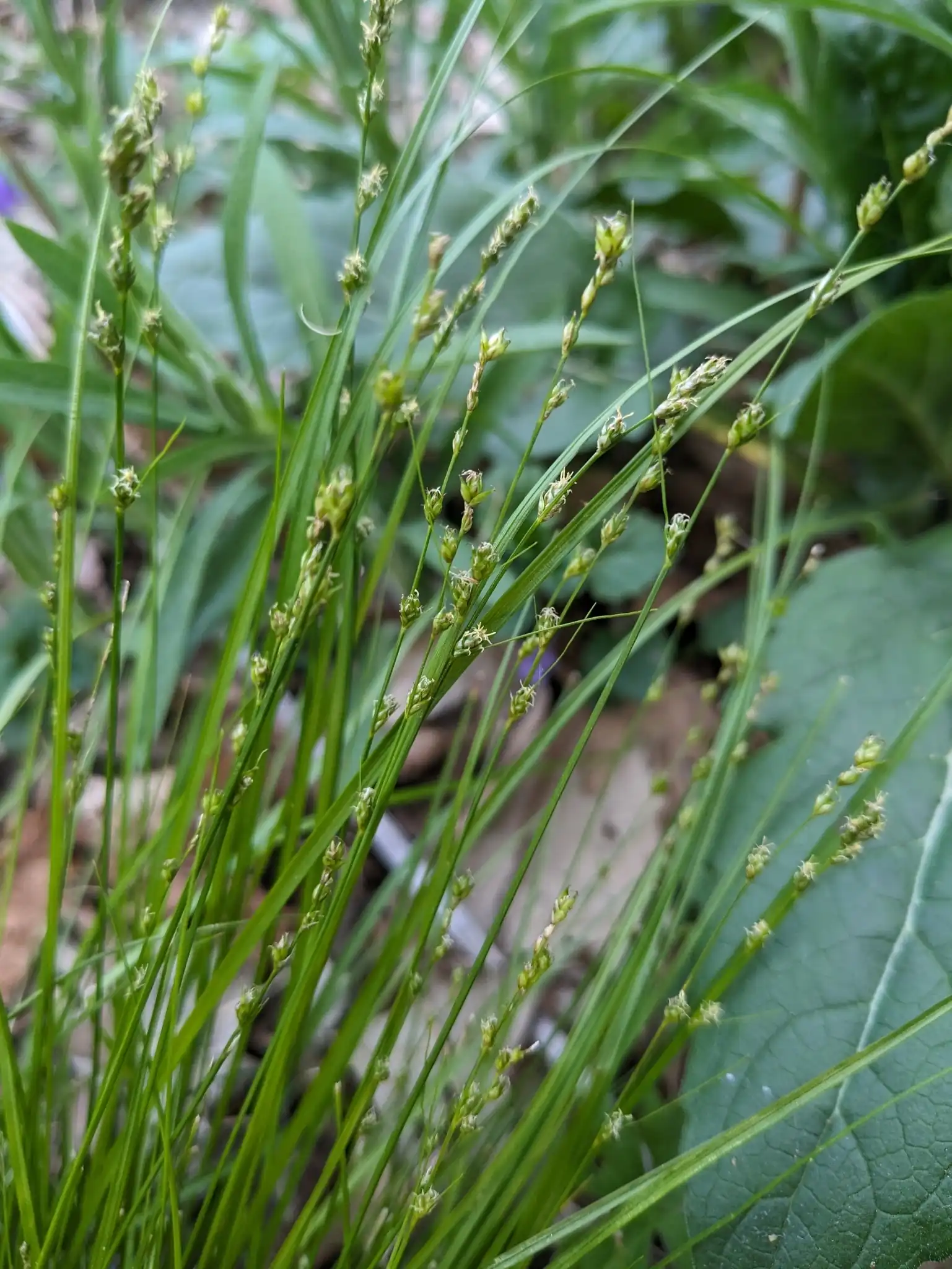
A low, clump-forming, fine-textured sedge native to woodlands in eastern North America, valued for its lawn-like appearance in shady areas.
Its star-shaped seed heads are subtly attractive, and its semi-evergreen nature provides year-round texture, making it an excellent groundcover or lawn alternative in shade.
Uses & Benefits:
Essentials
At a Glance
Plant Type
Grass
Height
12"
Width
12"
Light
Partial Sun, Shade
Zones
4, 5, 6, 7, 8
Water
Dry to Medium
Humidity
Average
Lifespan
Perennial
Native To
Eastern North America
Toxicity
Non-toxic
Bloom period
Mid-spring – Late spring
In flower about 2 months of the year
Planting
How to Grow
- Choose a location with partial to full shade.
- Ensure the soil is well-drained; amend with compost if needed.
- Dig holes slightly larger than the plant's container.
- Space plants about 12 inches apart for a groundcover.
- Set plants at the same depth they were in their pots.
- Water regularly during the first season to establish roots.
Pro Tip
Plant in masses to create a soft, flowing groundcover that effectively suppresses weeds once established in shady spots.
Keep It Thriving
Care Guide
Do
- Use as a groundcover under trees where grass struggles.
- Water during prolonged drought, especially in the first year.
- Allow it to self-sow to create a natural-looking colony.
- Appreciate its subtle, star-like seed heads in late spring.
Don't
- Don't plant in full sun, which can scorch the foliage.
- Avoid waterlogged or constantly wet soils.
- Don't cut it back hard; just tidy up in spring.
- Don't expect a showy flower display; its beauty is in its texture.
Seasonal Care Calendar
| Task | Jan | Feb | Mar | Apr | May | Jun | Jul | Aug | Sep | Oct | Nov | Dec |
|---|---|---|---|---|---|---|---|---|---|---|---|---|
| Divide | ||||||||||||
| Plant | ||||||||||||
| Spring Cleanup |
In the Garden
Landscape Uses & Companions
Landscape Uses
Multiply
Propagation Methods
Good to Know
Common Questions
Rosy Sedge questions
What zones can Rosy Sedge grow in?
Rosy Sedge is hardy in USDA Zones 4–8. Inside that range it survives winter in the ground; outside it, grow it as an annual or a container plant you protect.
Is Rosy Sedge deer resistant?
Yes — Rosy Sedge is rated deer-resistant. Deer typically pass it over, though extreme hunger can override any plant's defenses.
When does Rosy Sedge bloom?
Rosy Sedge typically blooms in mid-spring through late spring. Exact timing shifts a week or two with your zone — Sow's bloom calendar maps it to your garden.
Does Rosy Sedge need full sun?
Rosy Sedge does best in part shade.
Is Rosy Sedge drought tolerant?
Yes — once established (usually after the first full season), Rosy Sedge handles dry spells with minimal watering. Water deeply its first year to build the root system that makes that possible.
More Carex to compare
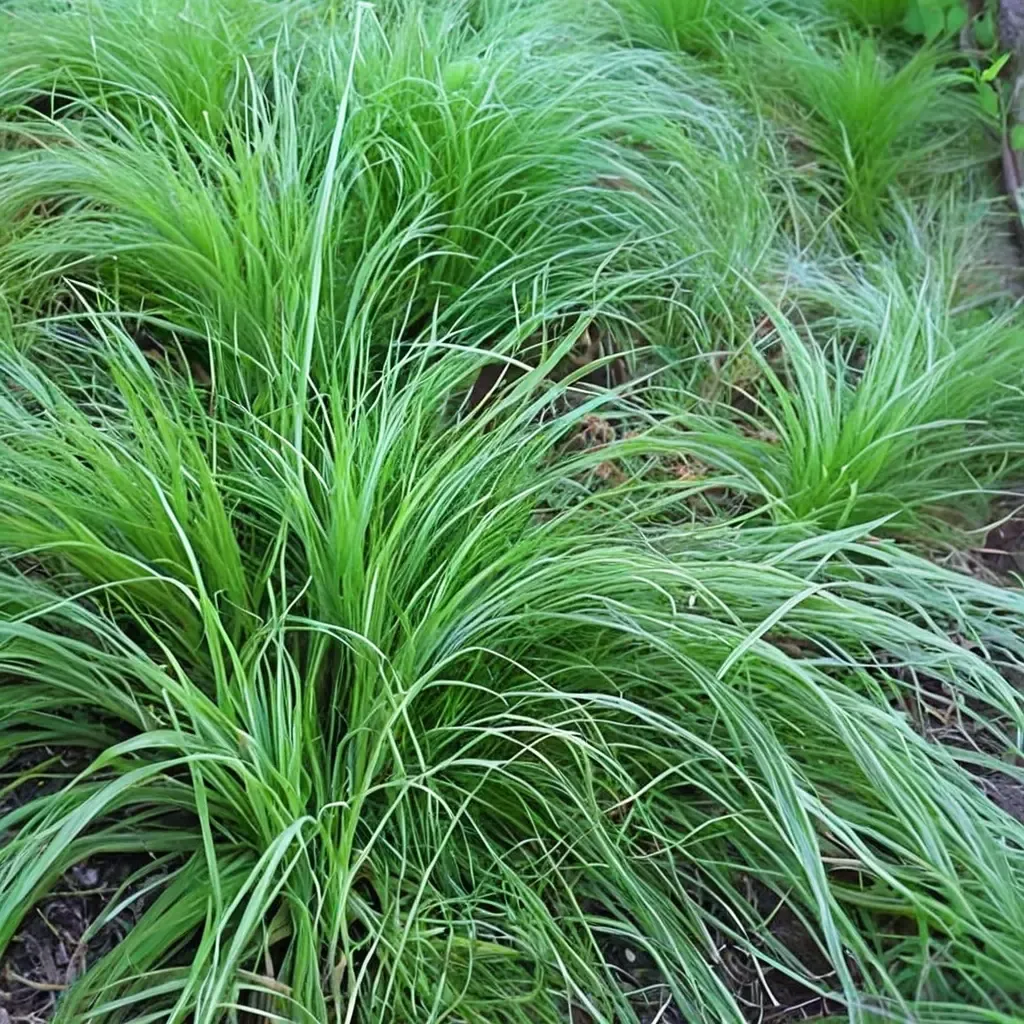
Pennsylvania Sedge
Carex pensylvanica
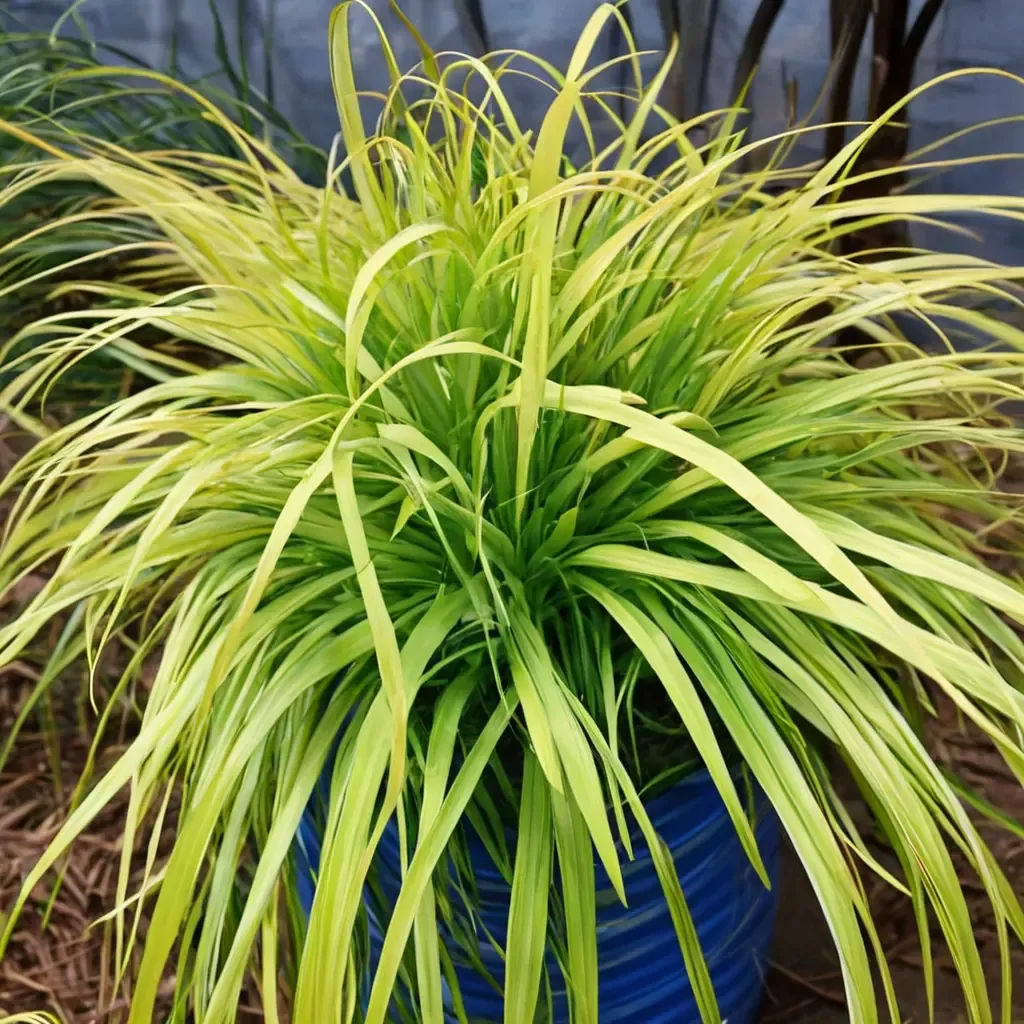
Everillo Sedge
Carex omegata 'Everillo'
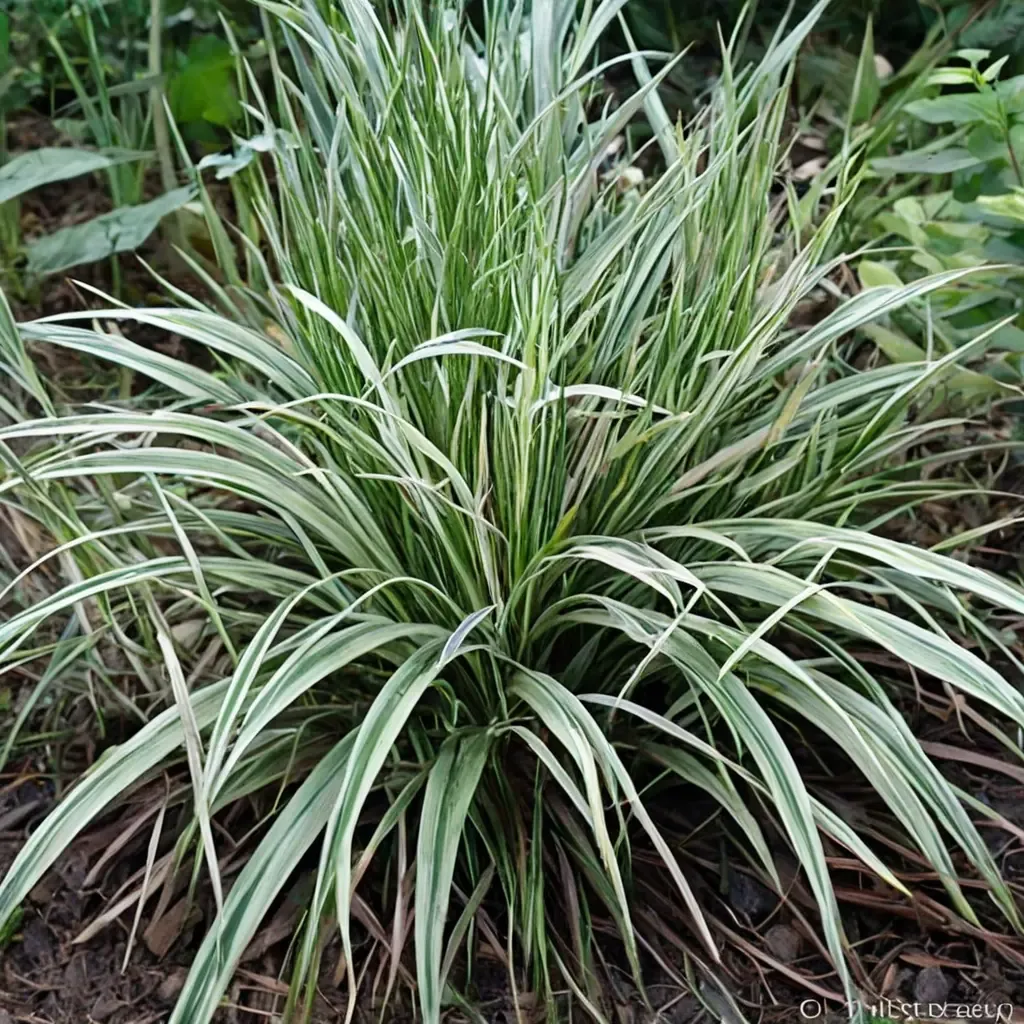
Japanese Sedge
Carex morrowii
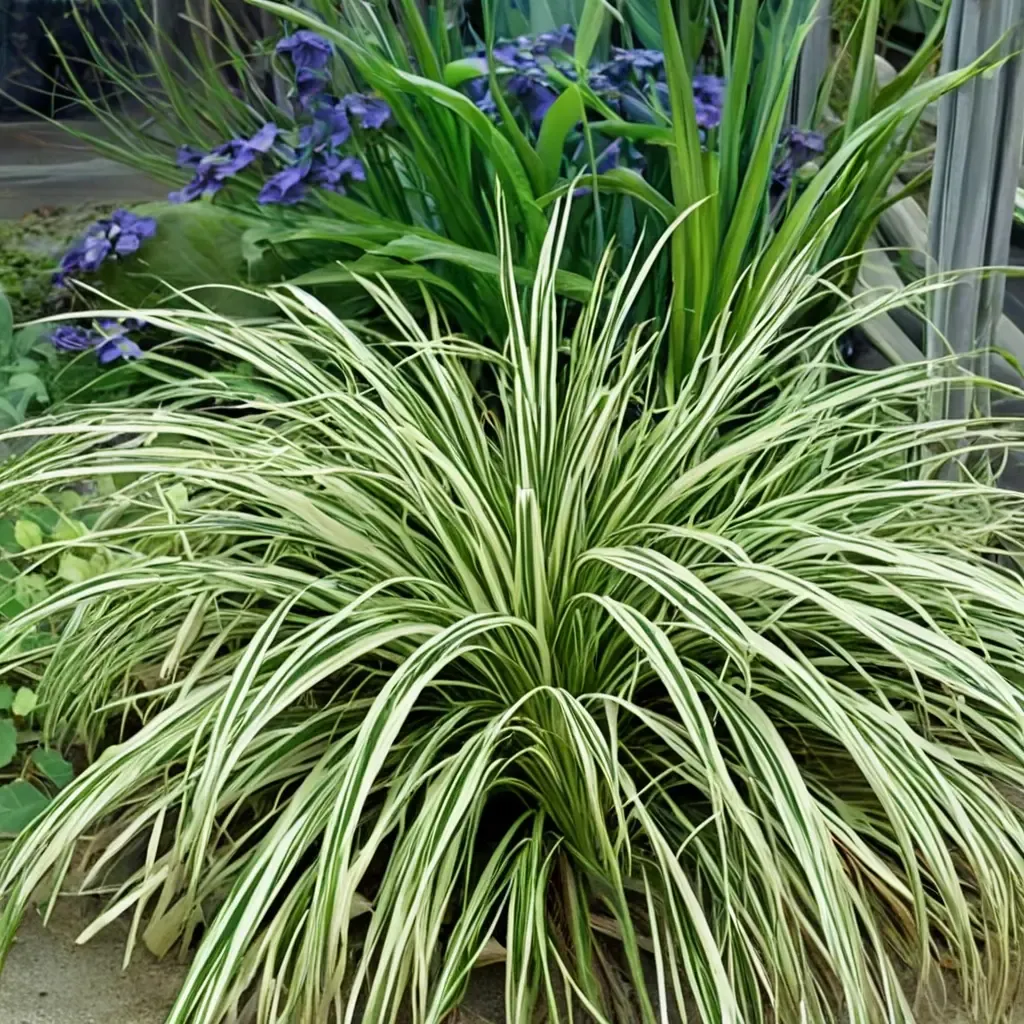
Evergold Japanese Sedge
Carex oshimensis 'Evergold'
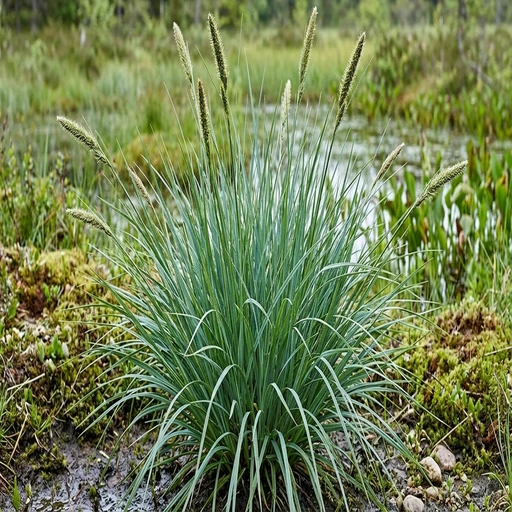
Comosa Sedge
Carex comosa
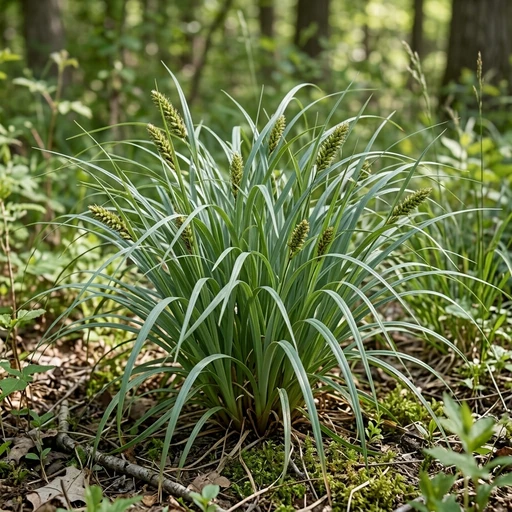
Shortbeak Sedge
Carex brevior
Keep exploring
Explore the genus
Hardy in your zone?
Grow Rosy Sedge with confidence
See it in a design of your actual yard, get zone-matched care reminders, and track it season by season in your garden journal.