The Story
Plant Bio
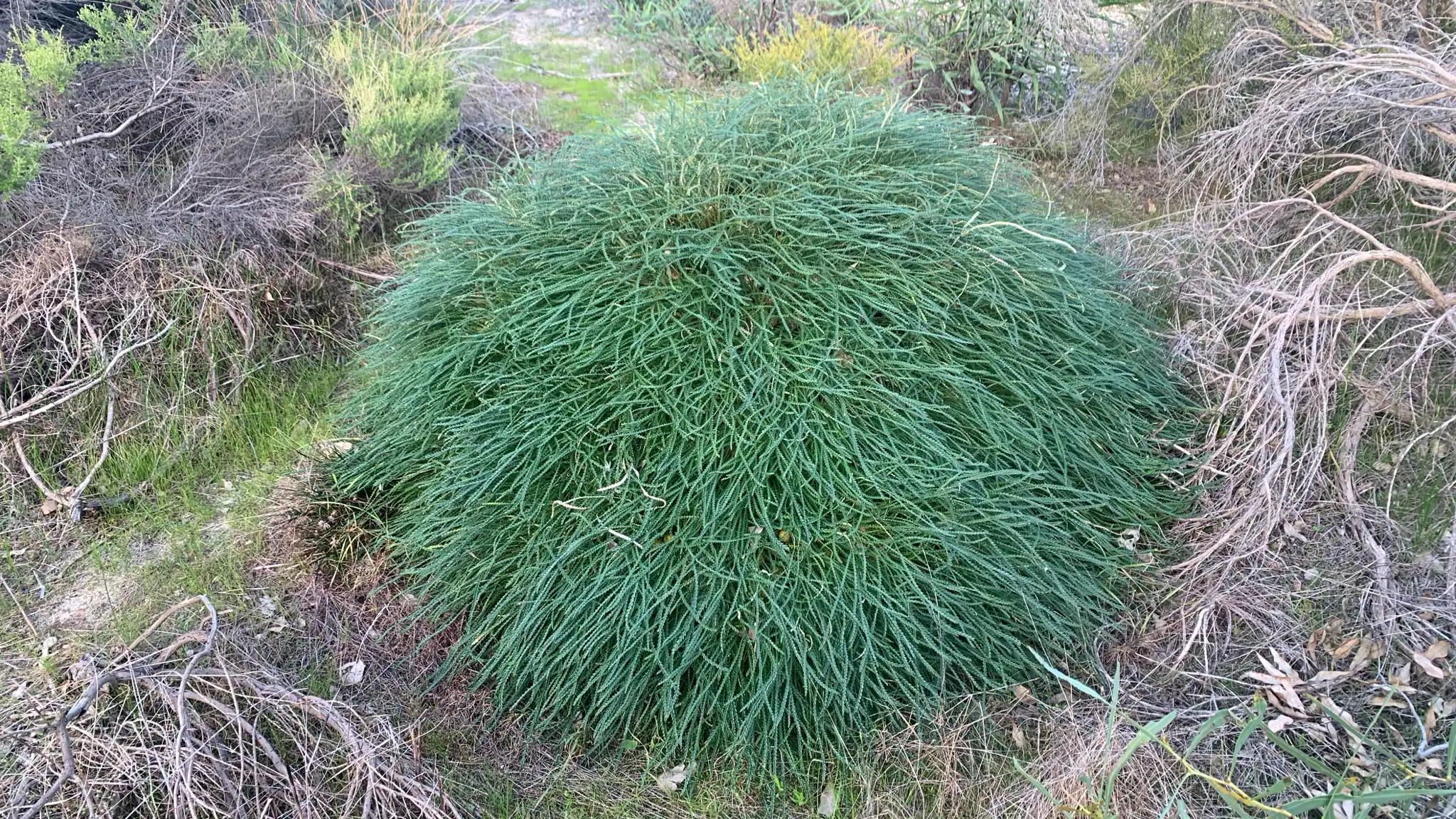
Banksia nivea, commonly known as honeypot dryandra, is an evergreen Australian shrub that grows as a compact or prostrate mound up to five feet tall. Its distinctive, linear leaves are deeply divided into sharp triangular lobes and feature bright white-hairy undersides.
The species produces dense, rounded flower heads containing dozens of small individual flowers in shades of cream, yellow, orange, or reddish-brown. The nectar-rich flower heads sit nestled closely within the narrow foliage, often near the base or interior of the shrub.
Uses & Benefits:
Essentials
At a Glance
Plant Type
Shrub
Height
59"
Width
51"
Light
Full Sun, Partial Sun
Zones
9, 10
Water
Low
Humidity
Low
Lifespan
Perennial
Native To
Australia (Western Australia)
Toxicity
Non-toxic
Bloom period
Autumn – Spring
In flower about 9 months of the year
Planting
How to Grow
- Select a site in full sun or very light partial shade with exceptional soil drainage.
- Prepare sandy, gravelly, or coarse gritty soil with an acidic to neutral pH.
- Plant in a raised bed or sloped position to prevent water accumulation around the crown.
- Water sparingly until established, allowing the upper soil profile to dry completely between waterings.
Pro Tip
Never cut back into old, leafless woody stems; lacking a lignotuber, this plant cannot shoot from mature wood, and hard pruning will permanently destroy the stem.
Keep It Thriving
Care Guide
Do
- Ensure soil drainage is rapid and unimpeded.
- Feed exclusively with low-phosphorus, native-formulated fertilizers if feeding at all.
- Provide full sunlight to encourage dense foliage growth.
Don't
- Do not prune into old, bare, non-leafy wood.
- Do not apply standard high-phosphorus garden fertilizers.
- Do not plant in heavy clay or stagnant, wet soils.
Seasonal Care Calendar
| Task | Jan | Feb | Mar | Apr | May | Jun | Jul | Aug | Sep | Oct | Nov | Dec |
|---|---|---|---|---|---|---|---|---|---|---|---|---|
| Fertilize | ||||||||||||
| Pest Check | ||||||||||||
| Prune | ||||||||||||
| Winter Prep |
Watch Out For
Pests & Diseases
Common Pests
Common Diseases
In the Garden
Landscape Uses & Companions
Landscape Uses
Companion Plants
Multiply
Propagation Methods
Good to Know
Common Questions
Honeypot Dryandra questions
What zones can Honeypot Dryandra grow in?
Honeypot Dryandra is hardy in USDA Zones 9–10: in that range it survives winter in the ground. Colder than Zone 9, grow it in a container you can move to shelter for the winter.
Is Honeypot Dryandra deer resistant?
Not reliably. Deer may browse Honeypot Dryandra, especially tender spring growth — plan on repellents or fencing where pressure is high.
When does Honeypot Dryandra bloom?
Honeypot Dryandra typically blooms from fall to spring. Exact timing shifts a week or two with your zone — Sow's bloom calendar maps it to your garden.
Does Honeypot Dryandra need full sun?
Honeypot Dryandra does best in full sun to part shade. In hot climates, afternoon shade keeps blooms fresher longer.
Is Honeypot Dryandra drought tolerant?
Yes — once established (usually after the first full season), Honeypot Dryandra handles dry spells with minimal watering. Water deeply its first year to build the root system that makes that possible.
More Banksia to compare
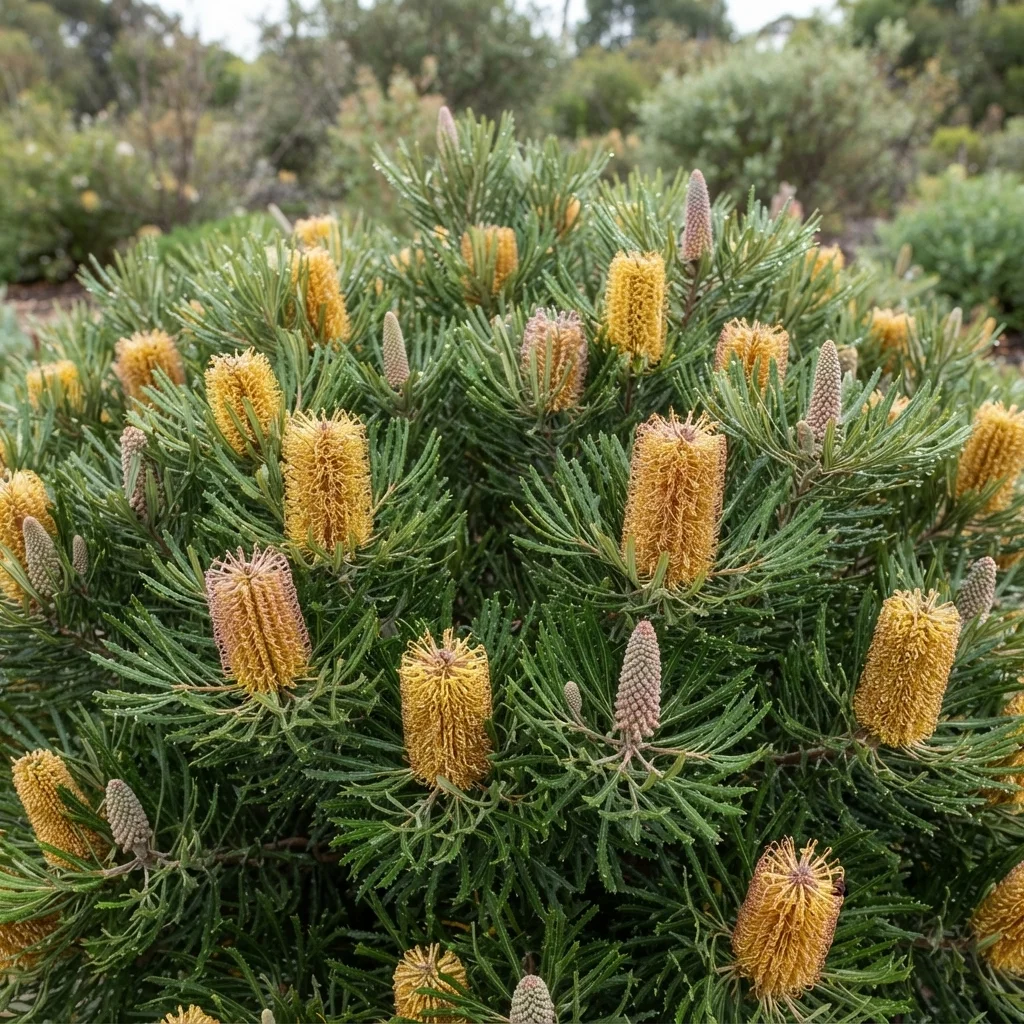
Birthday Candles Banksia
Banksia spinulosa 'Birthday Candles'
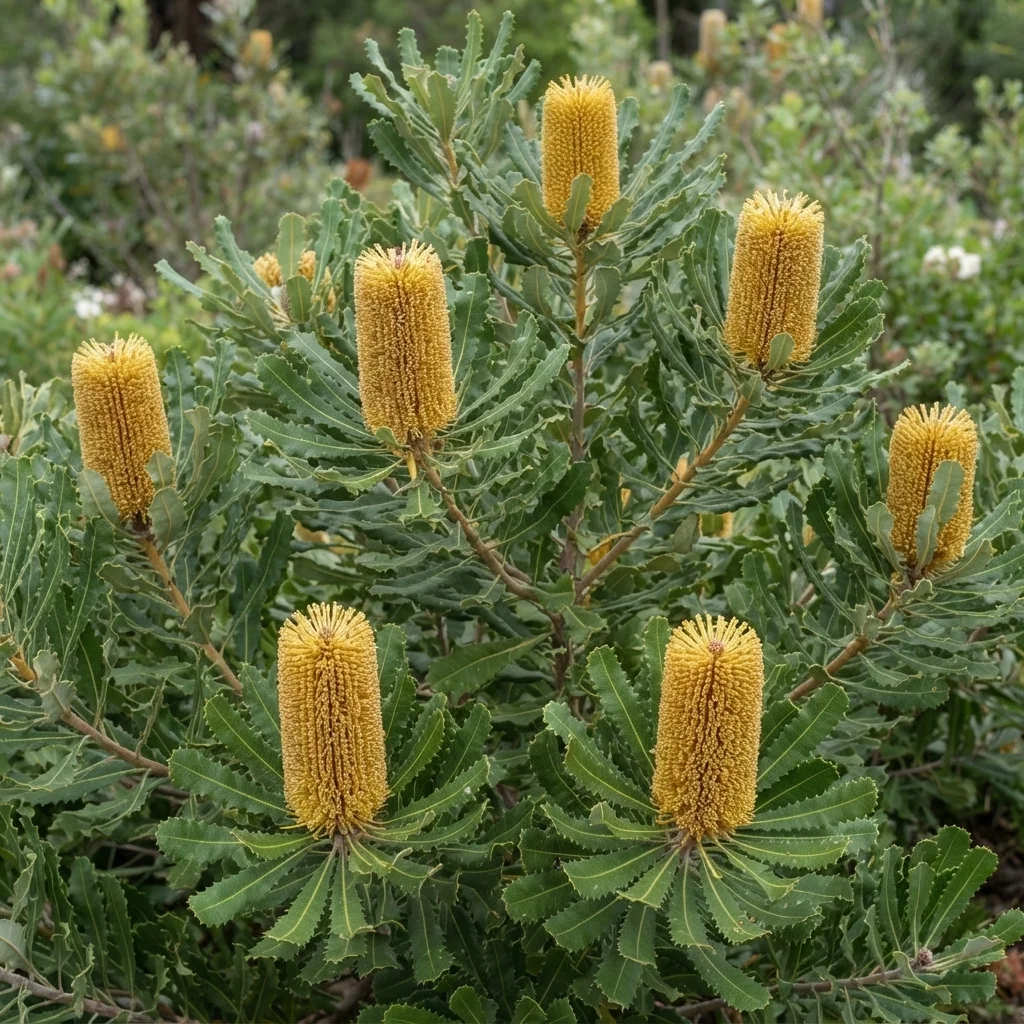
Southern Plains Banksia
Banksia media
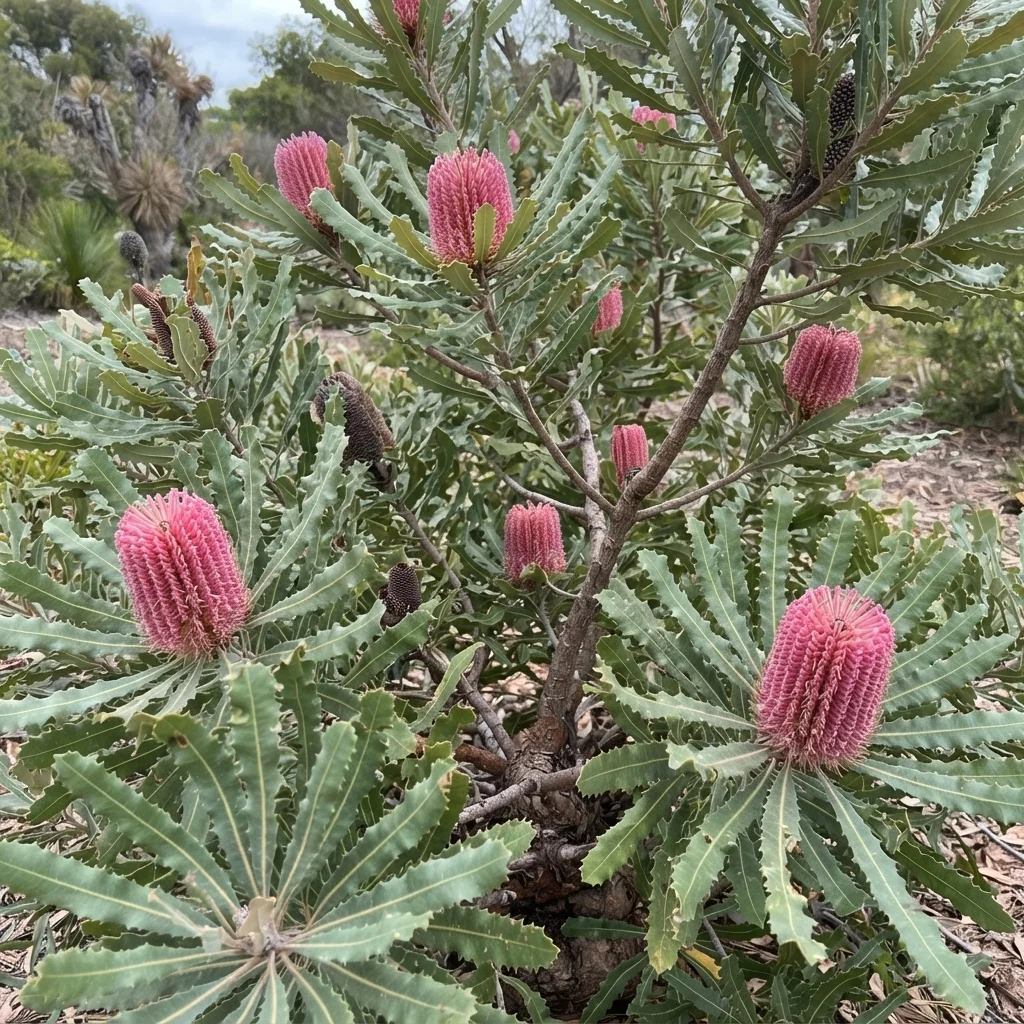
Menzies' Banksia
Banksia menziesii
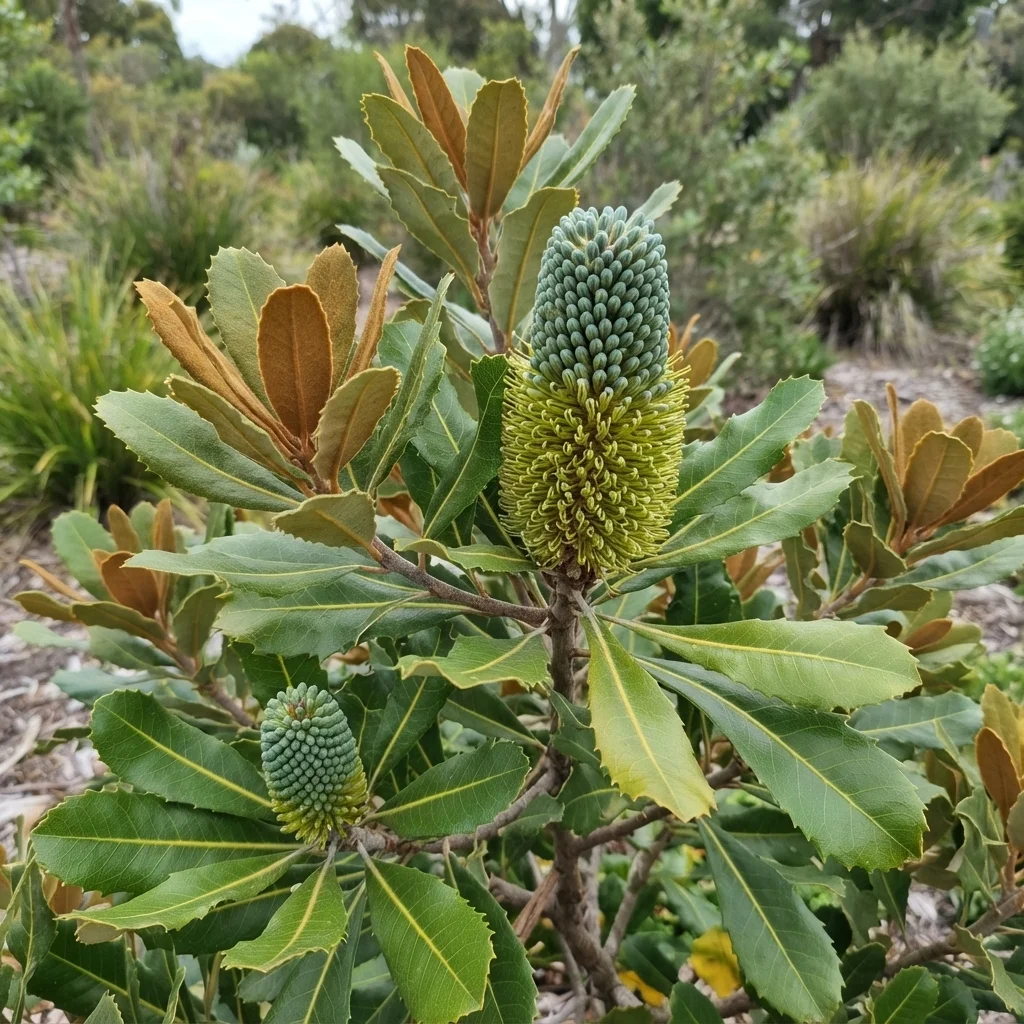
Swamp Banksia
Banksia robur
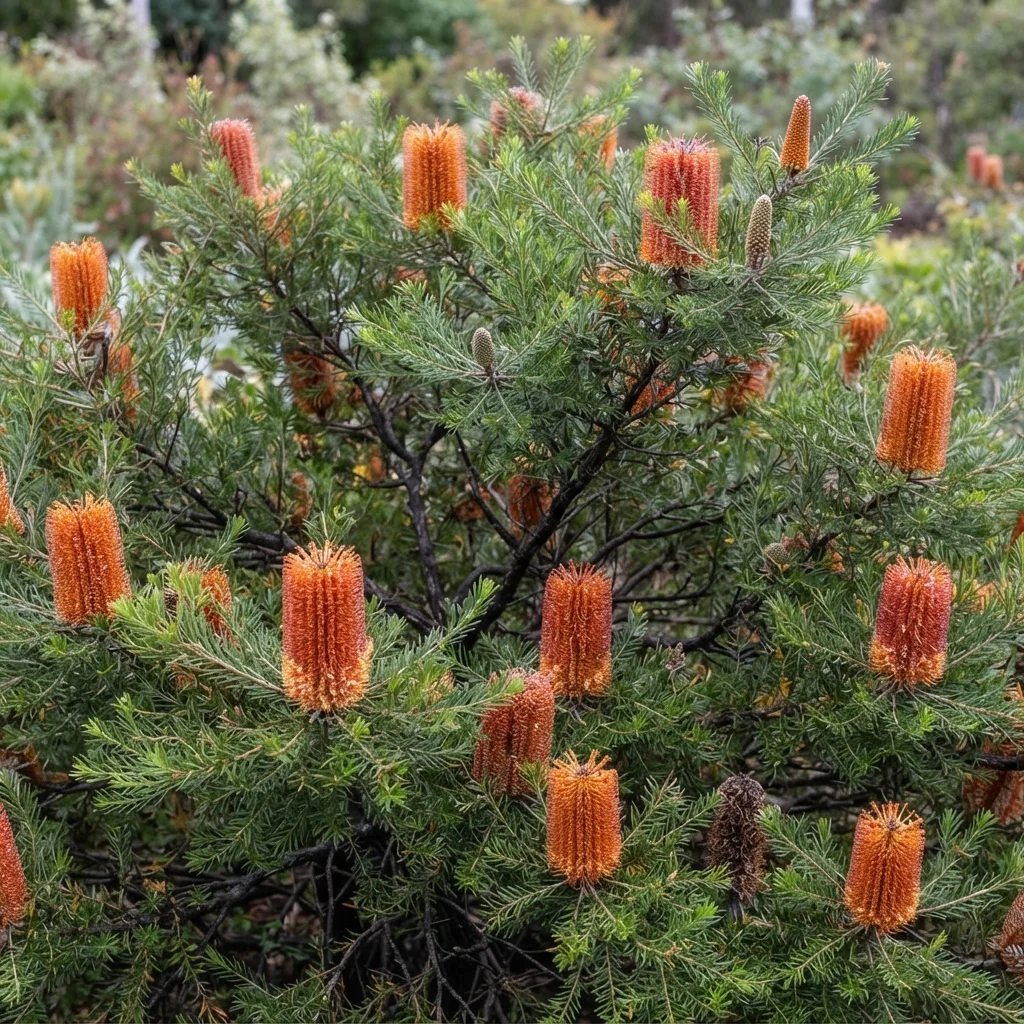
Heath Banksia
Banksia ericifolia
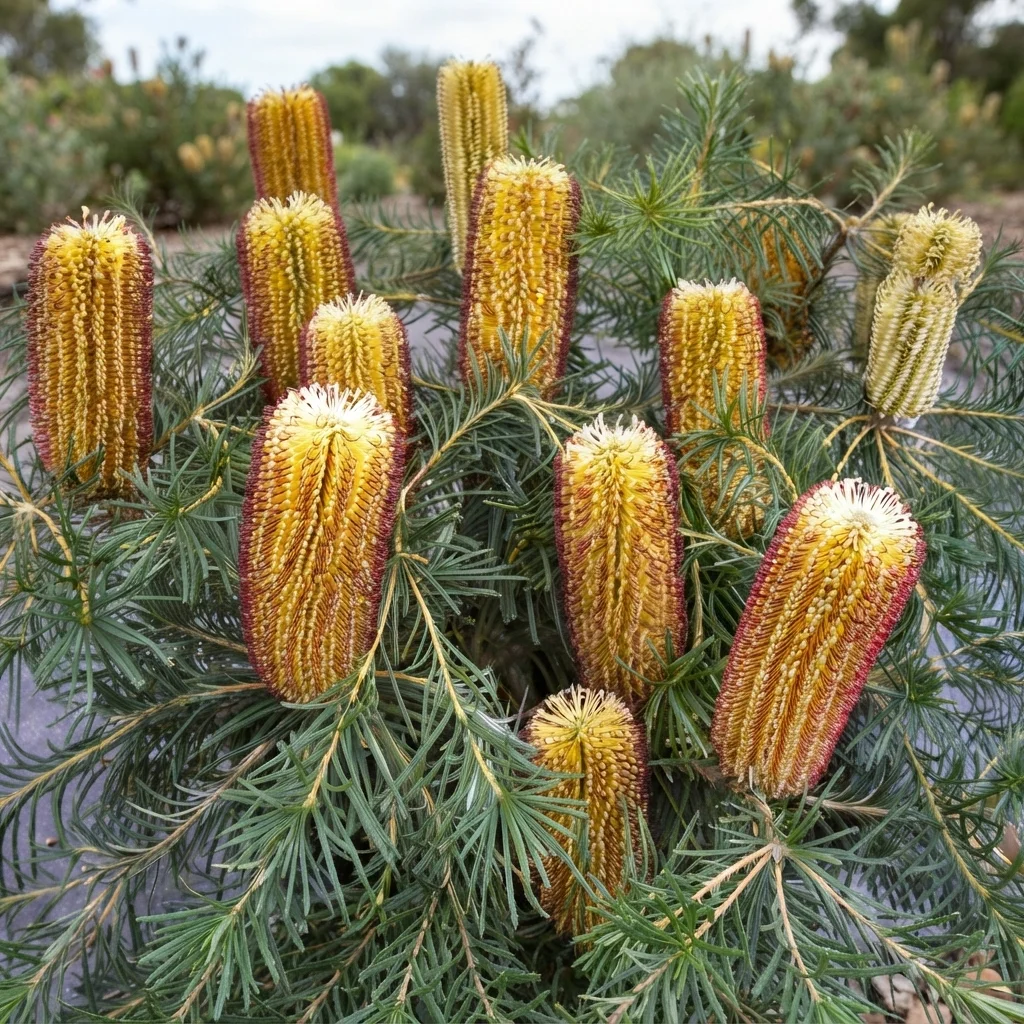
Cherry Candles Banksia
Banksia spinulosa 'Cherry Candles'
Keep exploring
Explore the genus
Hardy in your zone?
Grow Honeypot Dryandra with confidence
See it in a design of your actual yard, get zone-matched care reminders, and track it season by season in your garden journal.