The Story
Plant Bio
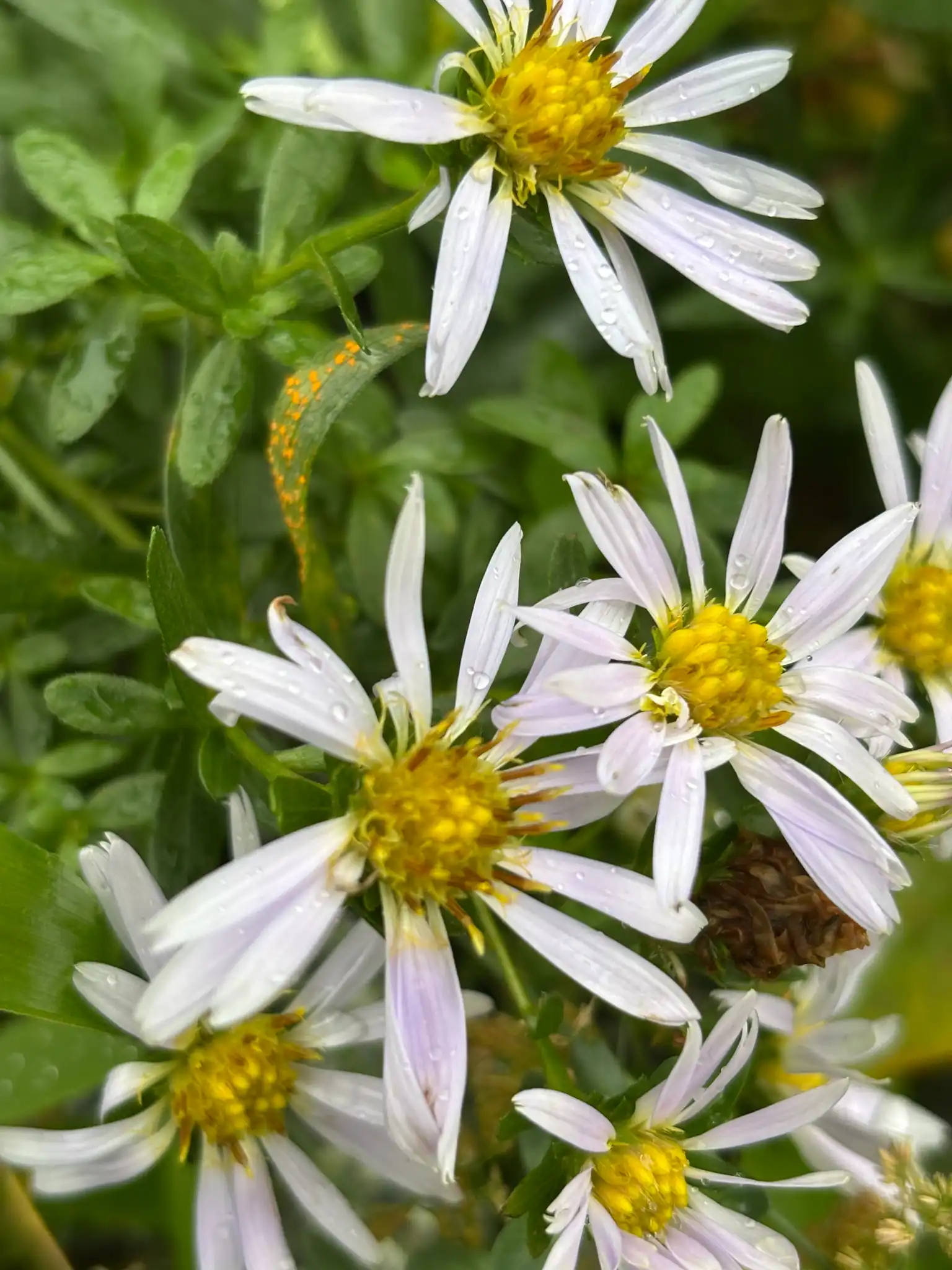
Symphyotrichum chilense, commonly known as Pacific aster, is a creeping herbaceous perennial native to coastal and wetland habitats along the Pacific Coast of North America. It spreads via vigorous underground rhizomes to form broad colonies topped with branched panicles of bright yellow-centered purple flower heads from midsummer into fall.
Despite its specific epithet, this species is strictly North American and does not occur natively in Chile. Its strong tolerance for salt spray, seasonal soil saturation, and heavy clay makes it invaluable for naturalized meadow restorations and coastal erosion control.
Uses & Benefits:
Essentials
At a Glance
Plant Type
Perennial
Height
47"
Width
36"
Light
Full Sun, Partial Sun
Zones
5, 6, 7, 8, 9
Water
Moderate to Moist
Humidity
High Salt & Coastal Tolerance
Lifespan
Perennial
Native To
Pacific Coast of North America
Toxicity
Non-toxic
Bloom period
Summer – Fall
In flower about 6 months of the year
Planting
How to Grow
- Select a planting location in full sun to partial shade with moist to average garden soil.
- Dig a hole twice as wide as the container and set the crown level with the surrounding soil.
- Water thoroughly at planting and maintain steady moisture until the root system establishes.
- Apply a light layer of organic mulch around the base to retain soil moisture.
Pro Tip
Divide dense rhizomatous clumps every three to four years in early spring to maintain vigor and prevent unwanted spread into neighboring plantings.
Keep It Thriving
Care Guide
Do
- Plant in full sun to foster strong, self-supporting stems and abundant blooms.
- Provide good air circulation around plants to minimize foliage disease.
- Cut spent stems back to ground level in late winter before new spring shoots emerge.
Don't
- Do not apply heavy nitrogen fertilizers, which cause thin, leggy stems prone to flopping.
- Do not plant in restricted formal borders without physical root barriers to limit spreading.
- Do not overwater established stands growing in heavy, wet clay soils.
Seasonal Care Calendar
| Task | Jan | Feb | Mar | Apr | May | Jun | Jul | Aug | Sep | Oct | Nov | Dec |
|---|---|---|---|---|---|---|---|---|---|---|---|---|
| Divide | ||||||||||||
| Pest Check | ||||||||||||
| Prune | ||||||||||||
| Spring Cleanup |
Watch Out For
Pests & Diseases
Common Pests
Common Diseases
In the Garden
Landscape Uses & Companions
Landscape Uses
Multiply
Propagation Methods
Good to Know
Common Questions
Pacific Aster questions
What zones can Pacific Aster grow in?
Pacific Aster is hardy in USDA Zones 5–9: in that range it survives winter in the ground. Colder than Zone 5, grow it in a container you can move to shelter for the winter, or as an annual. Warmer than Zone 9, winter isn't the problem: it prefers colder winters, and summer heat can shorten its life.
Is Pacific Aster deer resistant?
Not reliably. Deer may browse Pacific Aster, especially tender spring growth — plan on repellents or fencing where pressure is high.
When does Pacific Aster bloom?
Pacific Aster typically blooms from summer to fall. Exact timing shifts a week or two with your zone — Sow's bloom calendar maps it to your garden.
Does Pacific Aster need full sun?
Pacific Aster does best in full sun to part shade. In hot climates, afternoon shade keeps blooms fresher longer.
Is Pacific Aster drought tolerant?
Yes — once established (usually after the first full season), Pacific Aster handles dry spells with minimal watering. Water deeply its first year to build the root system that makes that possible.
More Symphyotrichum to compare
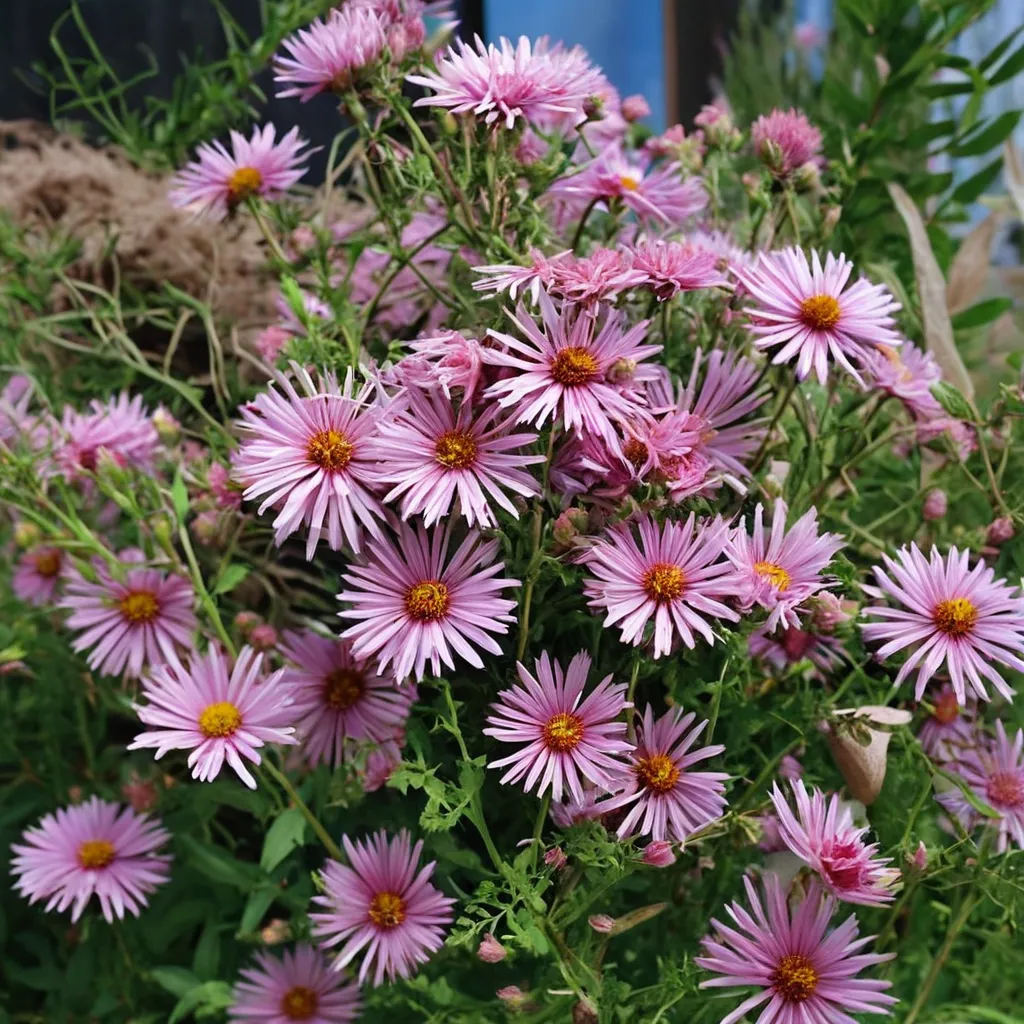
New England Aster Harringtons Pink
Symphyotrichum novae-angliae 'Harringtons Pink'
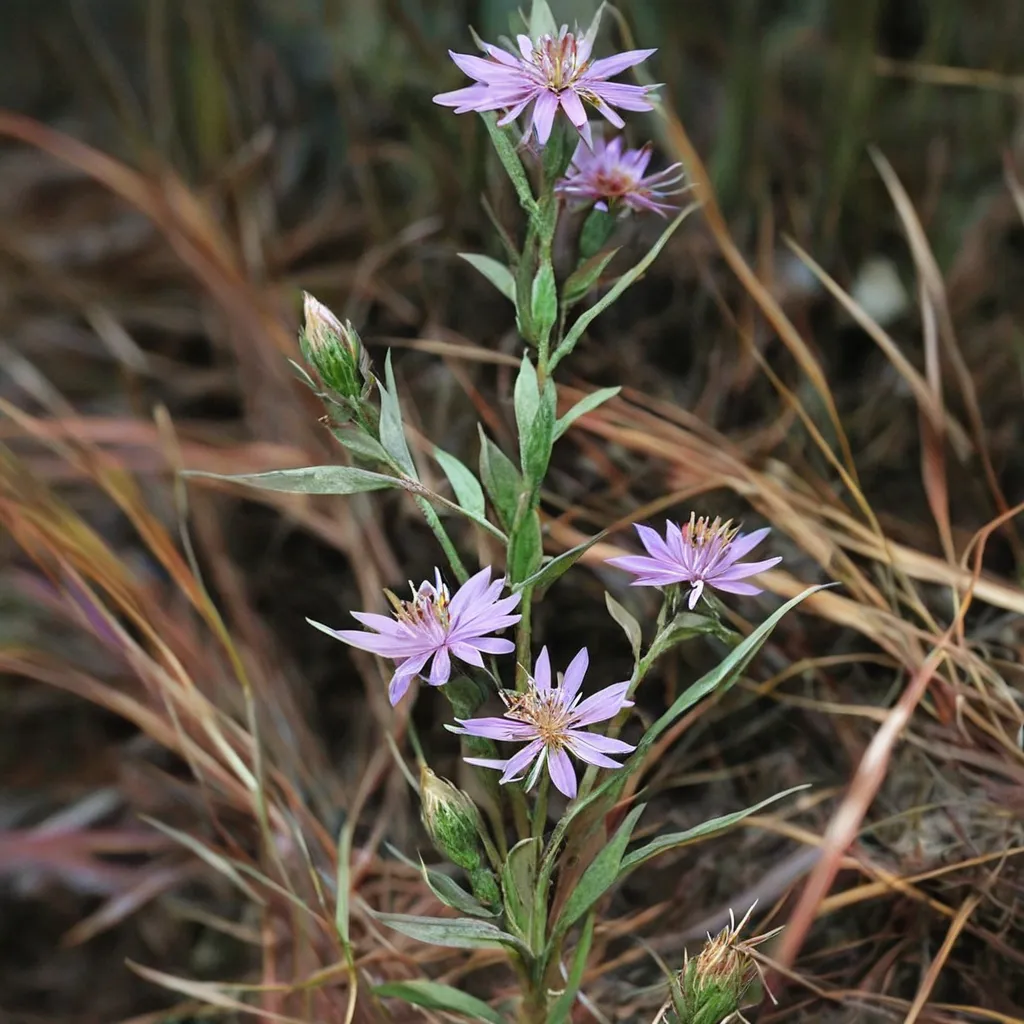
Eastern Silver Aster
Symphyotrichum concolor
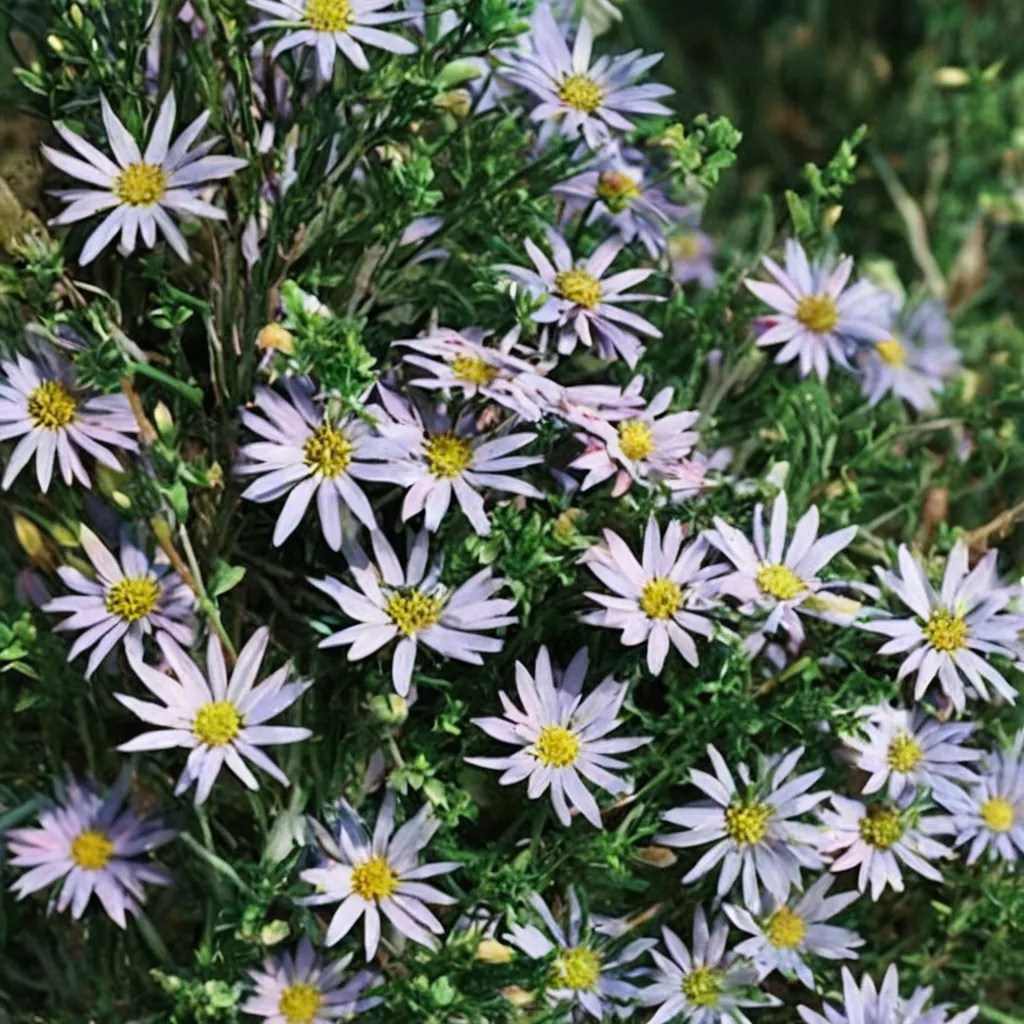
New Mexico Aster My Antonia
Symphyotrichum fendleri 'My Antonia'
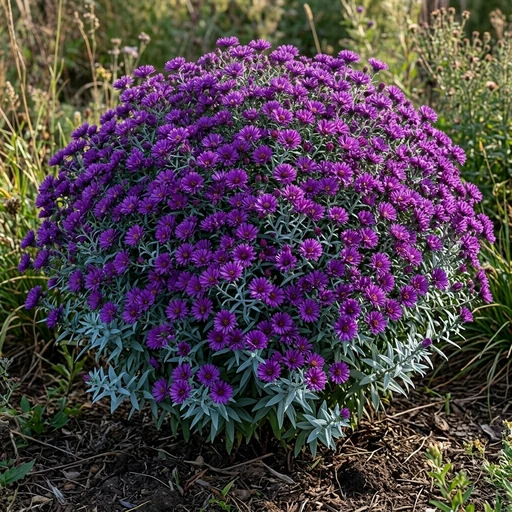
Purple Dome New England Aster
Symphyotrichum novae-angliae 'Purple Dome'
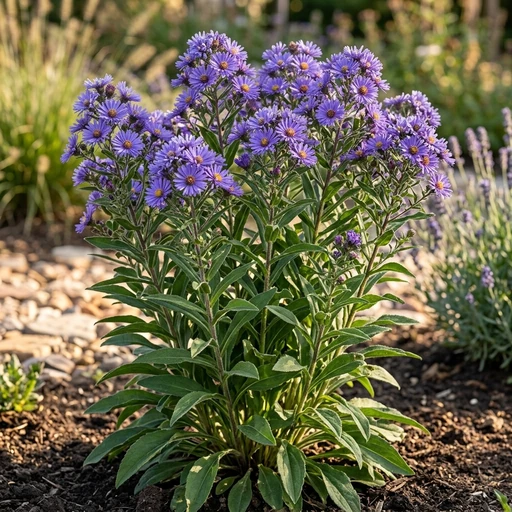
New England Aster
Symphyotrichum novae-angliae
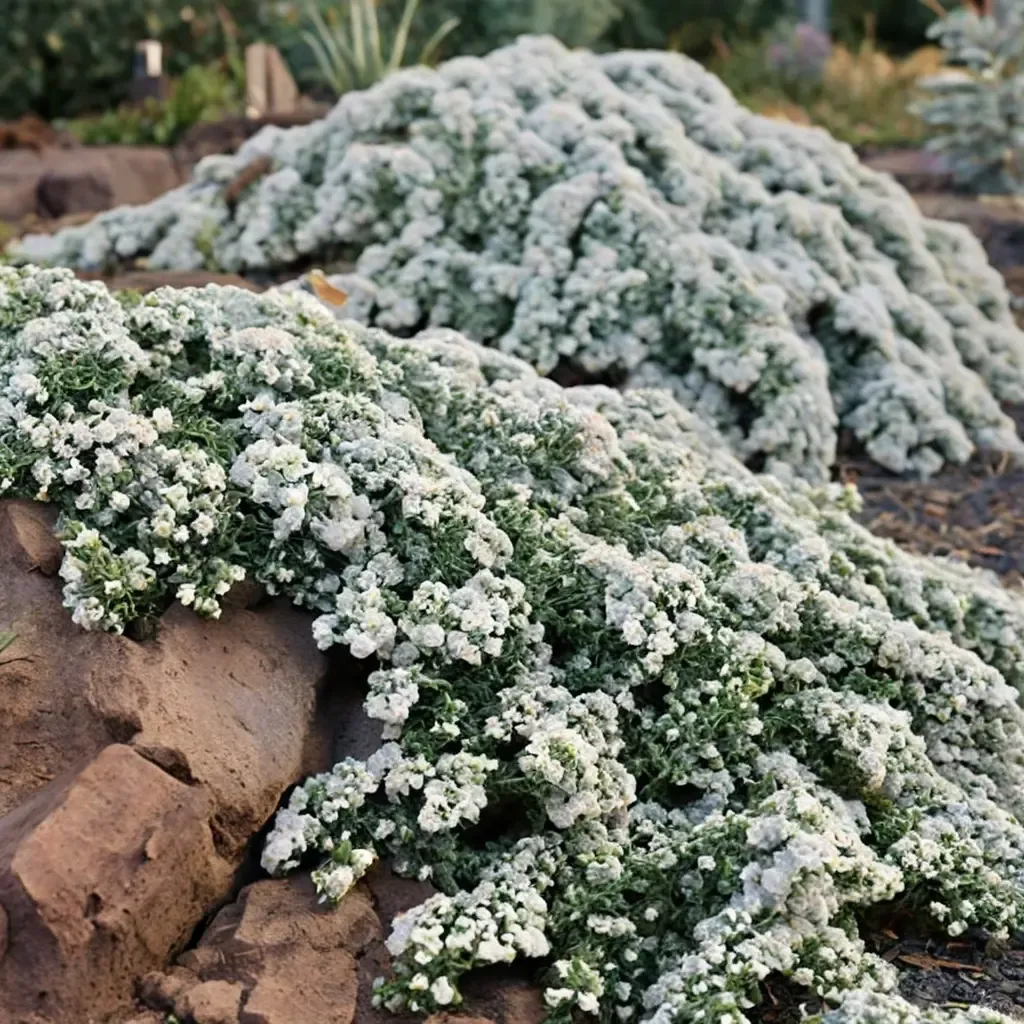
Snow Flurry Heath Aster
Symphyotrichum ericoides 'Snow Flurry'
Keep exploring
Grow Pacific Aster with confidence
See it in a design of your actual yard, get zone-matched care reminders, and track it season by season in your garden journal.