The Story
Plant Bio
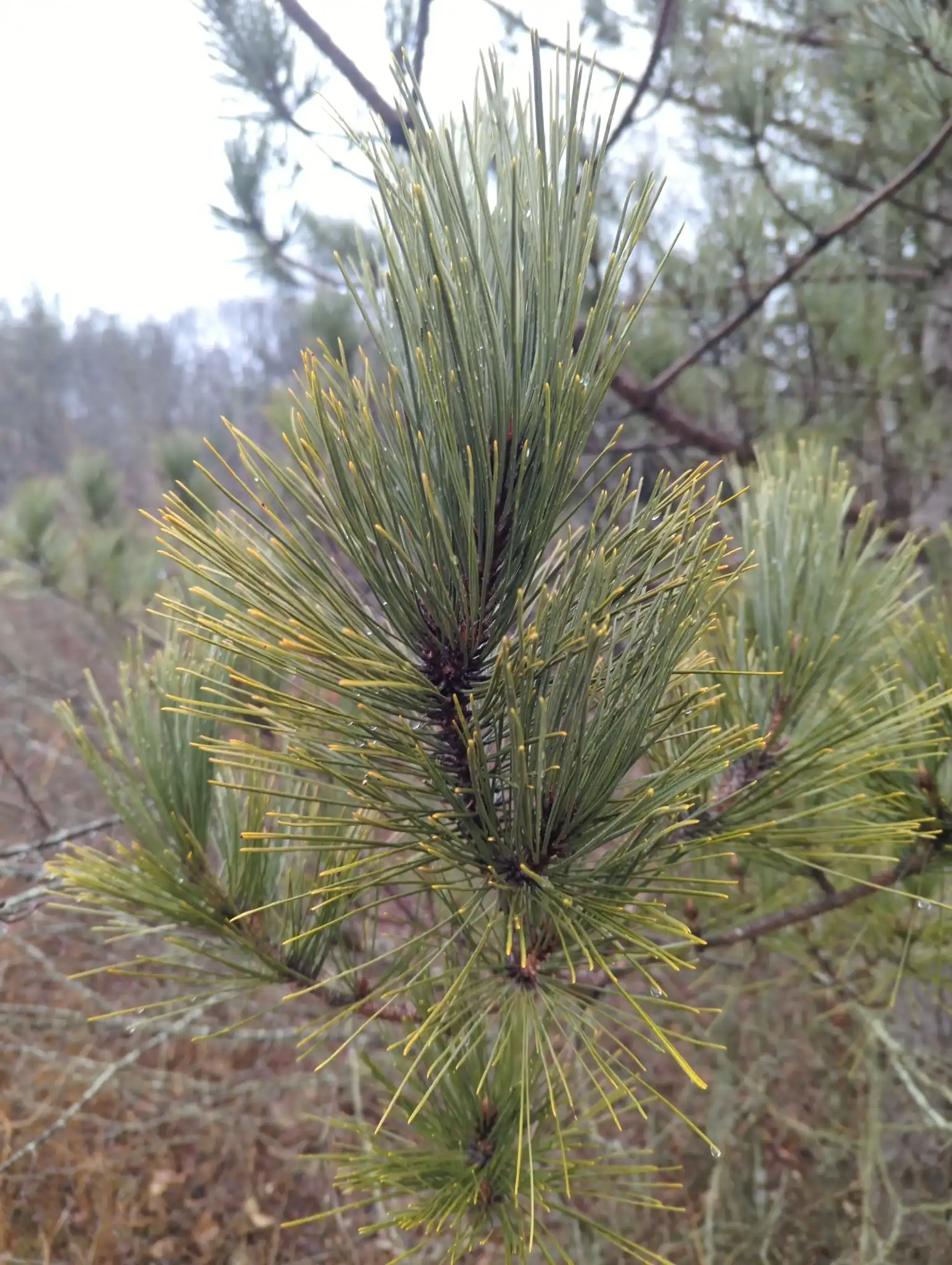
Pinus resinosa is a tall evergreen conifer with a straight central trunk and a high, rounded crown of dark green needles held in pairs. Native across northeastern North America, it thrives in cool climates and dry, acidic sandy soils where it forms expansive natural stands.
This species is distinguished by its reddish-brown plate-like bark and brittle foliage that snaps cleanly when bent. It possesses extreme cold hardiness down to USDA Zone 2 but is intolerant of heavy clay and warm, humid conditions.
Uses & Benefits:
Essentials
At a Glance
Plant Type
Tree
Height
945"
Width
472"
Light
Full Sun
Zones
4, 5
Water
Low to Medium
Humidity
Low
Lifespan
Perennial
Native To
North America
Toxicity
Non-toxic
Bloom period
Spring
In flower about 3 months of the year
Planting
How to Grow
- Select a planting site in full sun with light, acidic, well-draining sandy or gravelly soil.
- Dig a hole twice as wide as the root container and equal in depth, placing the root collar level with the surrounding grade.
- Backfill with native soil, firm gently to eliminate air pockets, and water deeply.
- Apply a 2- to 3-inch layer of bark mulch around the base, keeping it clear of the trunk.
Pro Tip
Plant strictly in well-drained, acidic sandy soil and never cut back into old bare wood, as pines lack dormant buds on bare stems and will fail to break new growth.
Keep It Thriving
Care Guide
Do
- Ensure full sun exposure for consistent, uniform growth.
- Plant in light, acidic, freely draining soils.
- Prune away dead, diseased, or damaged branches as needed.
Don't
- Do not plant in poorly drained clay soils.
- Do not shear or prune stems into old wood devoid of foliage.
- Do not plant near roads exposed to heavy winter salt spray.
Seasonal Care Calendar
| Task | Jan | Feb | Mar | Apr | May | Jun | Jul | Aug | Sep | Oct | Nov | Dec |
|---|---|---|---|---|---|---|---|---|---|---|---|---|
| Mulch | ||||||||||||
| Pest Check | ||||||||||||
| Prune | ||||||||||||
| Winter Prep |
Watch Out For
Pests & Diseases
Common Pests
Common Diseases
In the Garden
Landscape Uses & Companions
Landscape Uses
Multiply
Propagation Methods
Good to Know
Common Questions
Red Pine questions
What zones can Red Pine grow in?
Red Pine is hardy in USDA Zones 4–5: in that range it survives winter in the ground. Warmer than Zone 5, winter isn't the problem: it prefers colder winters, and summer heat can shorten its life.
Is Red Pine deer resistant?
Yes — Red Pine is rated deer-resistant. Deer typically pass it over, though extreme hunger can override any plant's defenses.
When does Red Pine bloom?
Red Pine typically blooms in spring. Exact timing shifts a week or two with your zone — Sow's bloom calendar maps it to your garden.
Does Red Pine need full sun?
Red Pine does best in full sun (6+ hours).
Is Red Pine drought tolerant?
Yes — once established (usually after the first full season), Red Pine handles dry spells with minimal watering. Water deeply its first year to build the root system that makes that possible.
More Pinus to compare
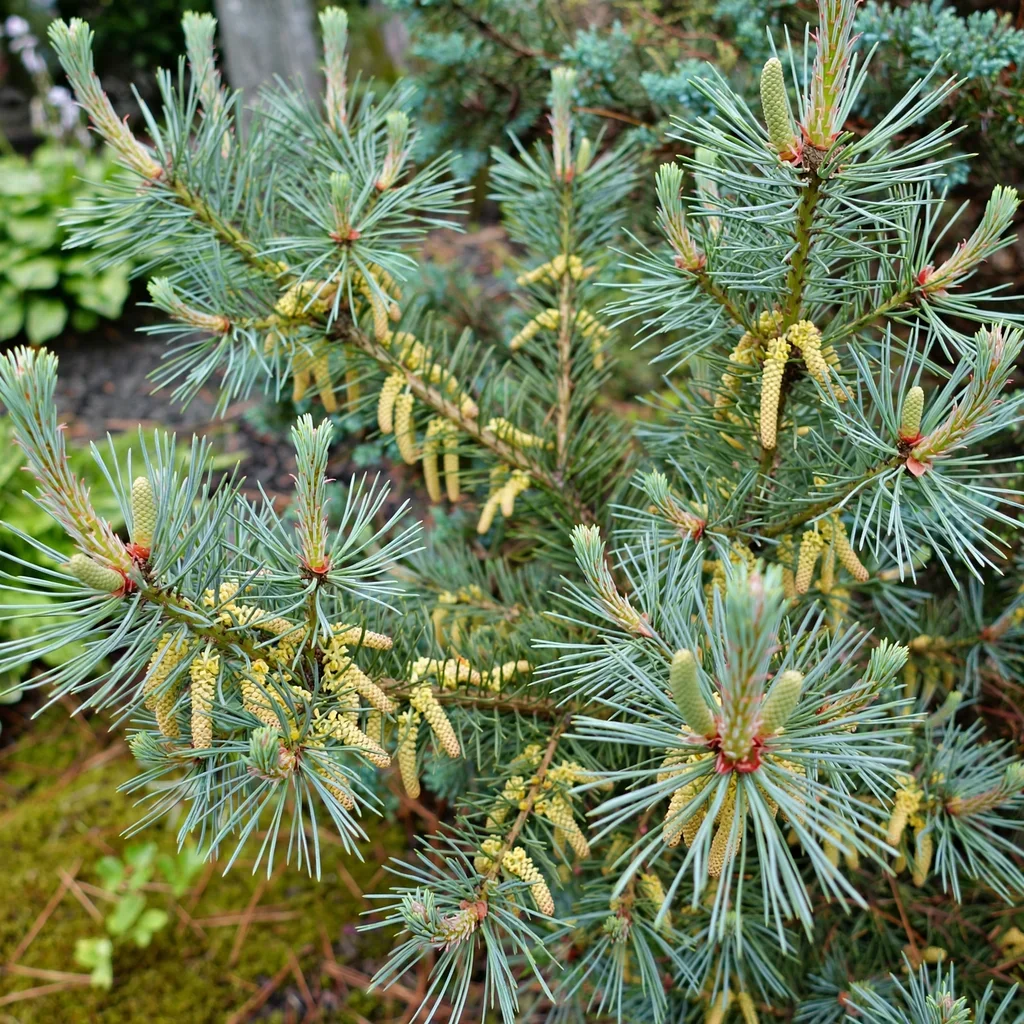
Eastern White Pine
Pinus strobus
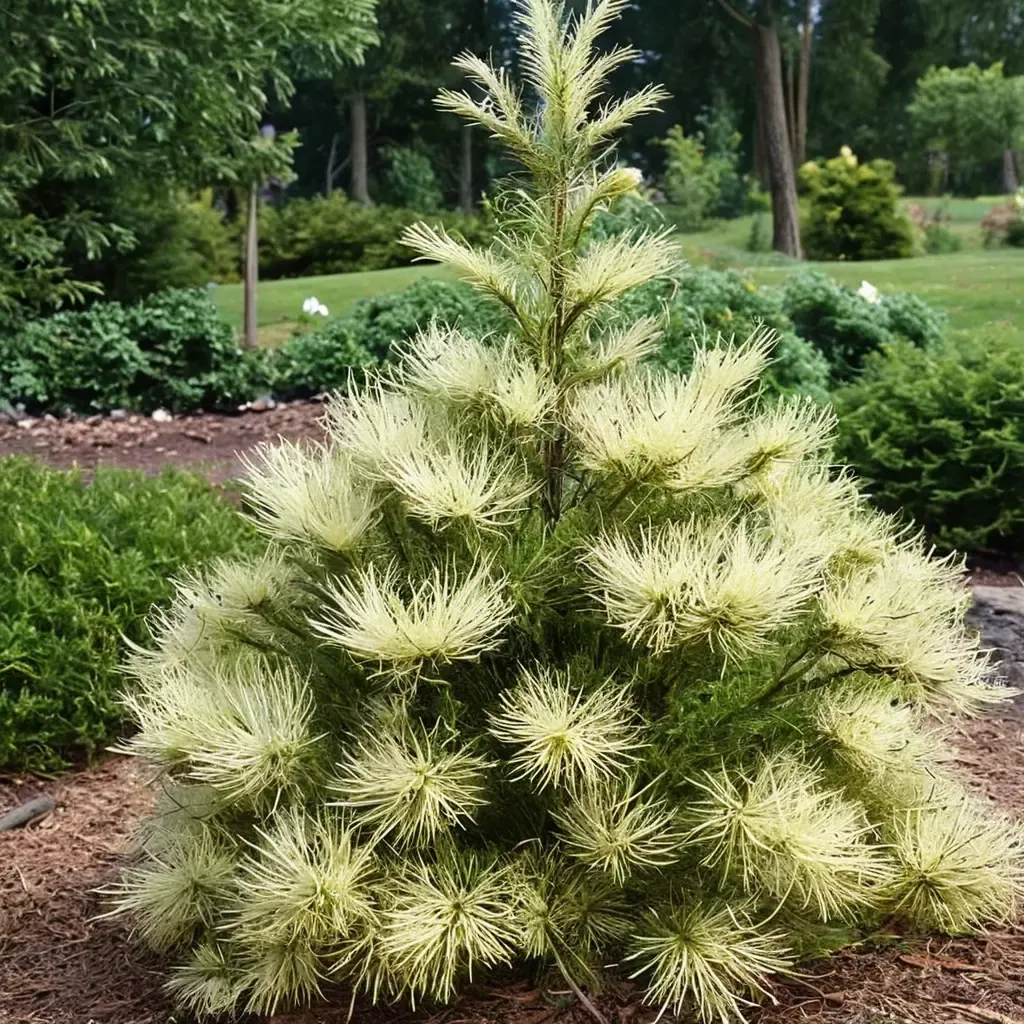
Golden Ghost Pine
Pinus densiflora 'Golden Ghost'
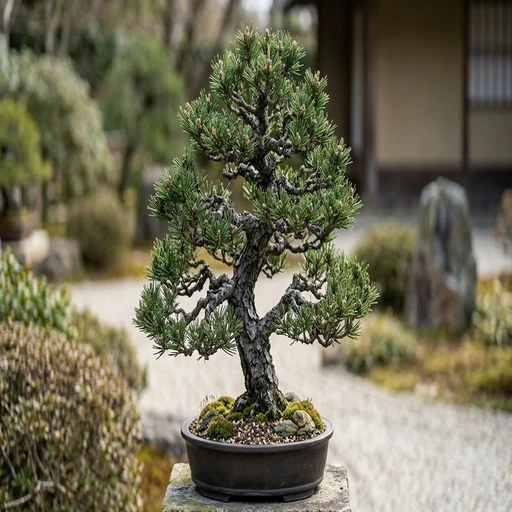
Thunderhead Japanese Black Pine
Pinus thunbergii 'Thunderhead'
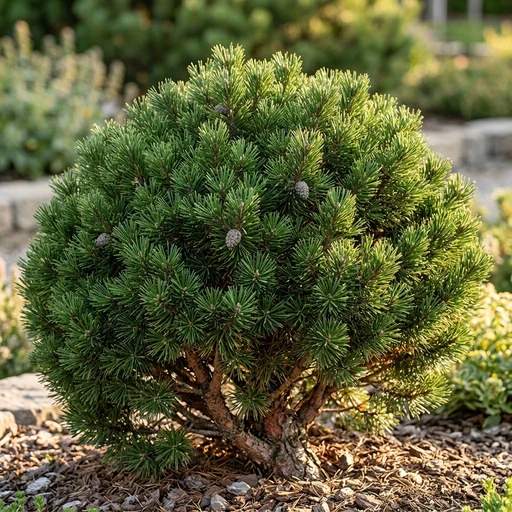
Slowmound Mugo Pine
Pinus mugo 'Slowmound'
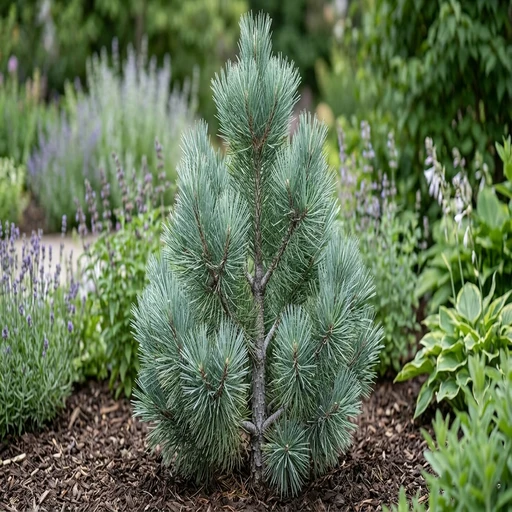
Vanderwolf's Pyramid Limber Pine
Pinus flexilis 'Vanderwolf'
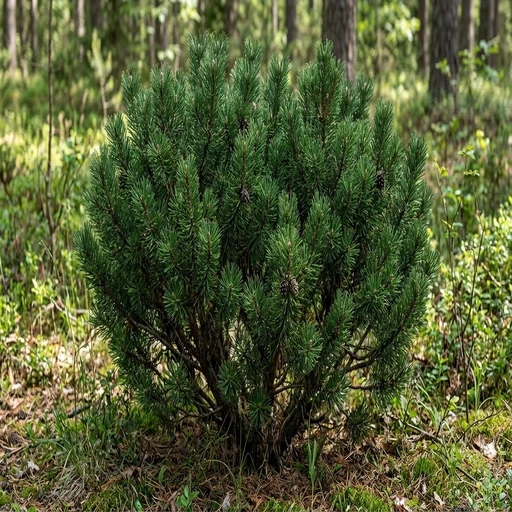
Mugo Pine
Pinus mugo
Keep exploring
Explore the genus
Hardy in your zone?
Grow Red Pine with confidence
See it in a design of your actual yard, get zone-matched care reminders, and track it season by season in your garden journal.