The Story
Plant Bio
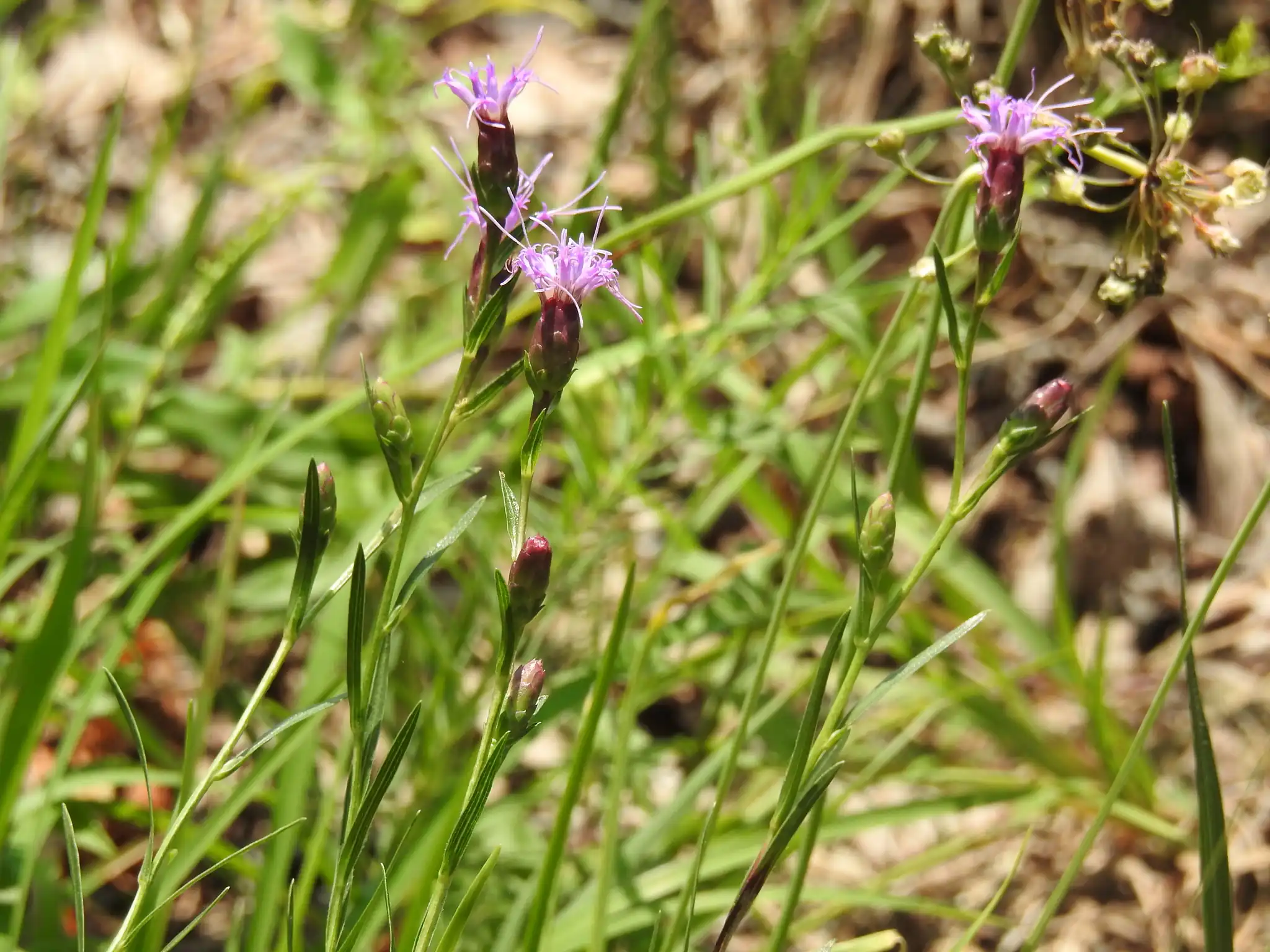
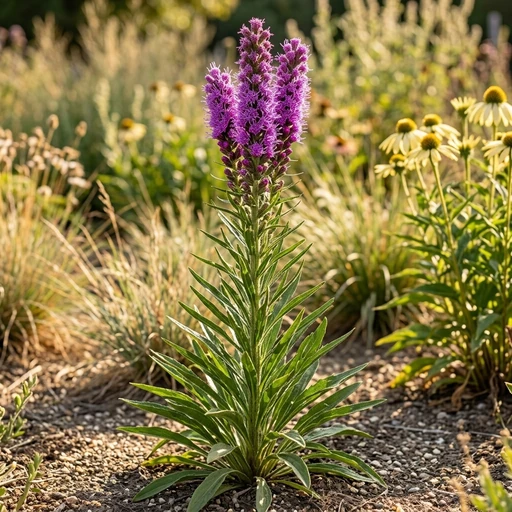
Liatris cylindracea, commonly known as dwarf blazing star, is a compact herbaceous perennial native to dry North American prairies, glades, and savannas, growing eight to twenty-four inches tall from a woody underground corm. Narrow, grass-like leaves clothe stiff, unbranched stems that produce terminal spikes of cylindrical magenta-purple flower heads from midsummer into autumn.
This species is distinguished from other blazing stars by its lower stature and fewer, distinctly cylindrical flower heads enclosed in sharp-pointed, tightly appressed bracts. It thrives in lean, fast-draining, high-pH soils where larger, aggressive native species fail to outcompete it.
Uses & Benefits:
Essentials
At a Glance
Plant Type
Perennial
Height
24"
Width
15"
Light
Full Sun
Zones
4, 5, 6, 7, 8, 9
Water
Low
Humidity
Tolerant
Lifespan
Perennial
Native To
North America
Toxicity
Non-toxic
Bloom period
Summer – Autumn
In flower about 6 months of the year
Planting
How to Grow
- Select a site in full sun with gritty, sandy, or gravelly soil that drains quickly.
- Plant corms two inches deep in early spring or autumn, spacing them twelve inches apart.
- Water sparingly during initial root establishment and avoid adding rich compost or fertilizers.
- Cut spent flower stems to ground level in late winter before new shoots emerge.
Pro Tip
Plant in poor, gritty soil with exceptional drainage; excess nitrogen causes floppy stem growth, while wet winter soil rapidly rots the corm.
Keep It Thriving
Care Guide
Do
- Provide full sun and sharp, fast-draining soil.
- Cut dead stems back to ground level in late winter.
- Allow soil to dry out thoroughly between waterings.
Don't
- Do not plant in heavy clay or waterlogged soils.
- Do not apply high-nitrogen fertilizers.
- Do not crowd with tall, aggressive companion plants.
Seasonal Care Calendar
| Task | Jan | Feb | Mar | Apr | May | Jun | Jul | Aug | Sep | Oct | Nov | Dec |
|---|---|---|---|---|---|---|---|---|---|---|---|---|
| Pest Check | ||||||||||||
| Plant | ||||||||||||
| Propagate | ||||||||||||
| Spring Cleanup | ||||||||||||
| Winter Prep |
Watch Out For
Pests & Diseases
Common Pests
Common Diseases
In the Garden
Landscape Uses & Companions
Landscape Uses
Multiply
Propagation Methods
Good to Know
Common Questions
Dwarf Blazing Star questions
What zones can Dwarf Blazing Star grow in?
Dwarf Blazing Star is hardy in USDA Zones 4–9: in that range it survives winter in the ground. Warmer than Zone 9, winter isn't the problem: it prefers colder winters, and summer heat can shorten its life.
Is Dwarf Blazing Star deer resistant?
Not reliably. Deer may browse Dwarf Blazing Star, especially tender spring growth — plan on repellents or fencing where pressure is high.
When does Dwarf Blazing Star bloom?
Dwarf Blazing Star typically blooms from summer to fall. Exact timing shifts a week or two with your zone — Sow's bloom calendar maps it to your garden.
Does Dwarf Blazing Star need full sun?
Dwarf Blazing Star does best in full sun (6+ hours).
Is Dwarf Blazing Star drought tolerant?
Yes — once established (usually after the first full season), Dwarf Blazing Star handles dry spells with minimal watering. Water deeply its first year to build the root system that makes that possible.
More Liatris to compare
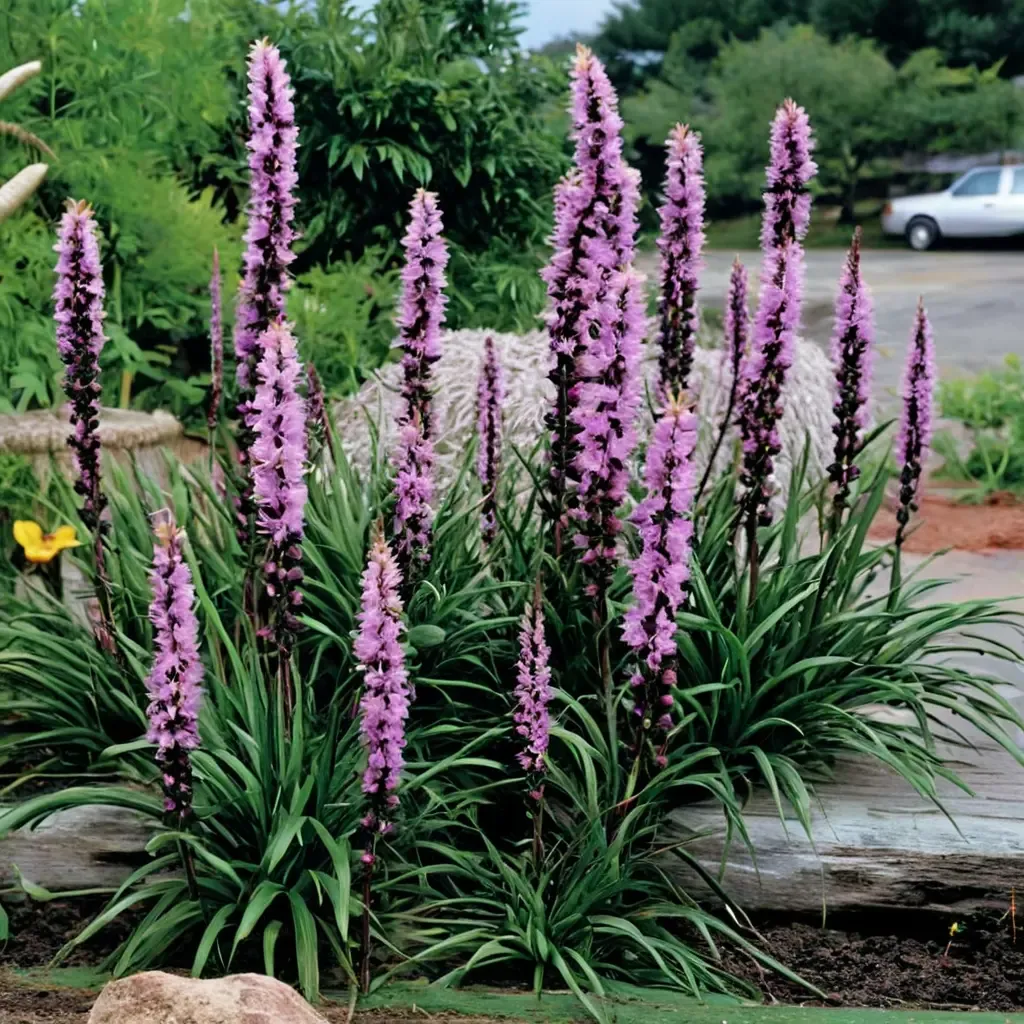
Kobold Blazing Star
Liatris spicata 'Kobold'
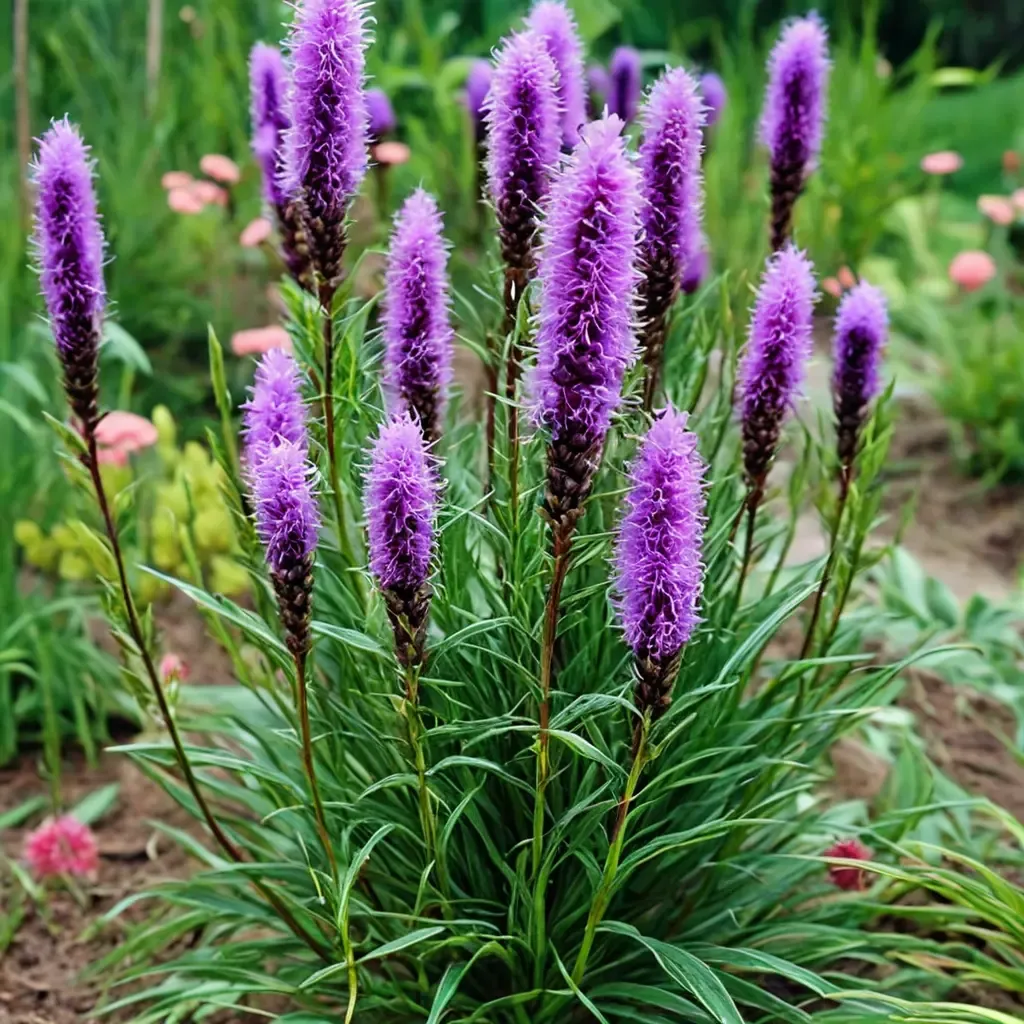
Blazing Star Gayfeather
Liatris spicata
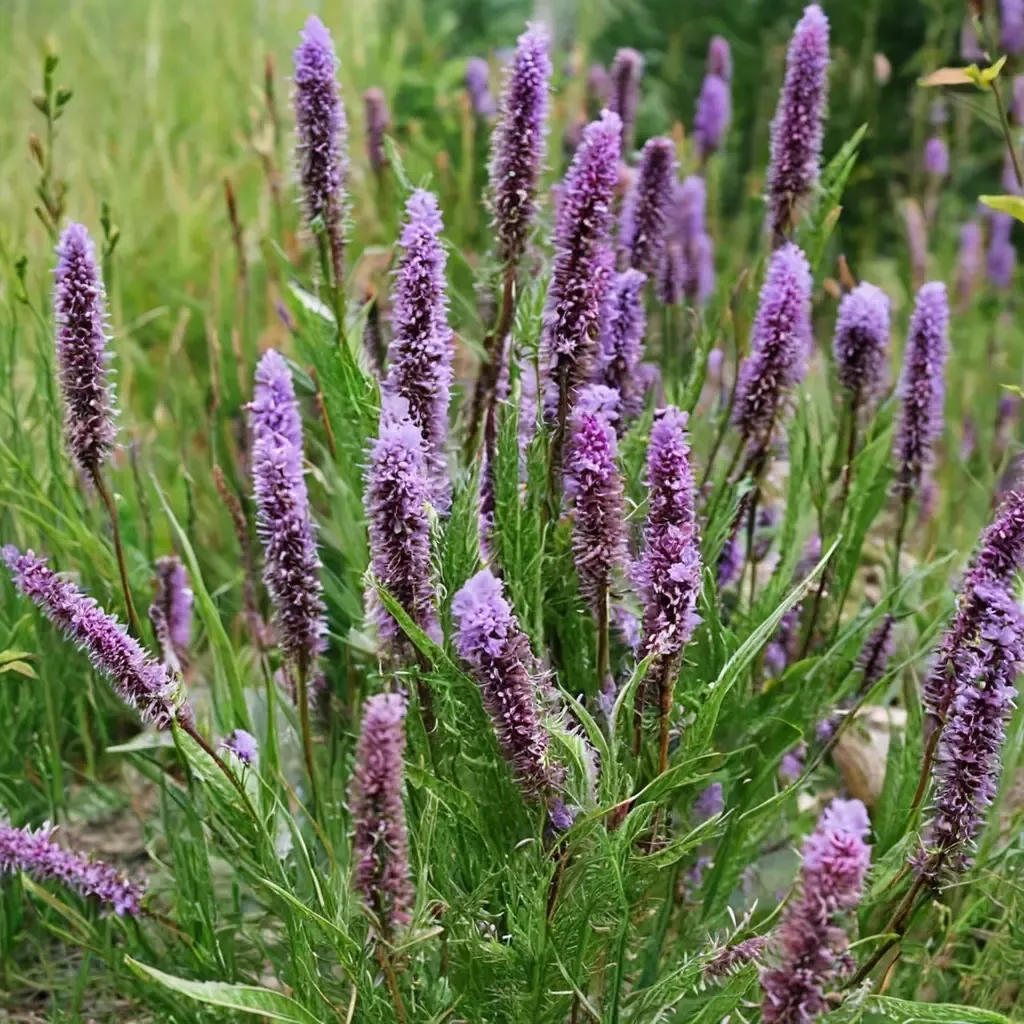
Prairie Blazing Star
Liatris pycnostachya
Rough Gayfeather
Liatris aspera
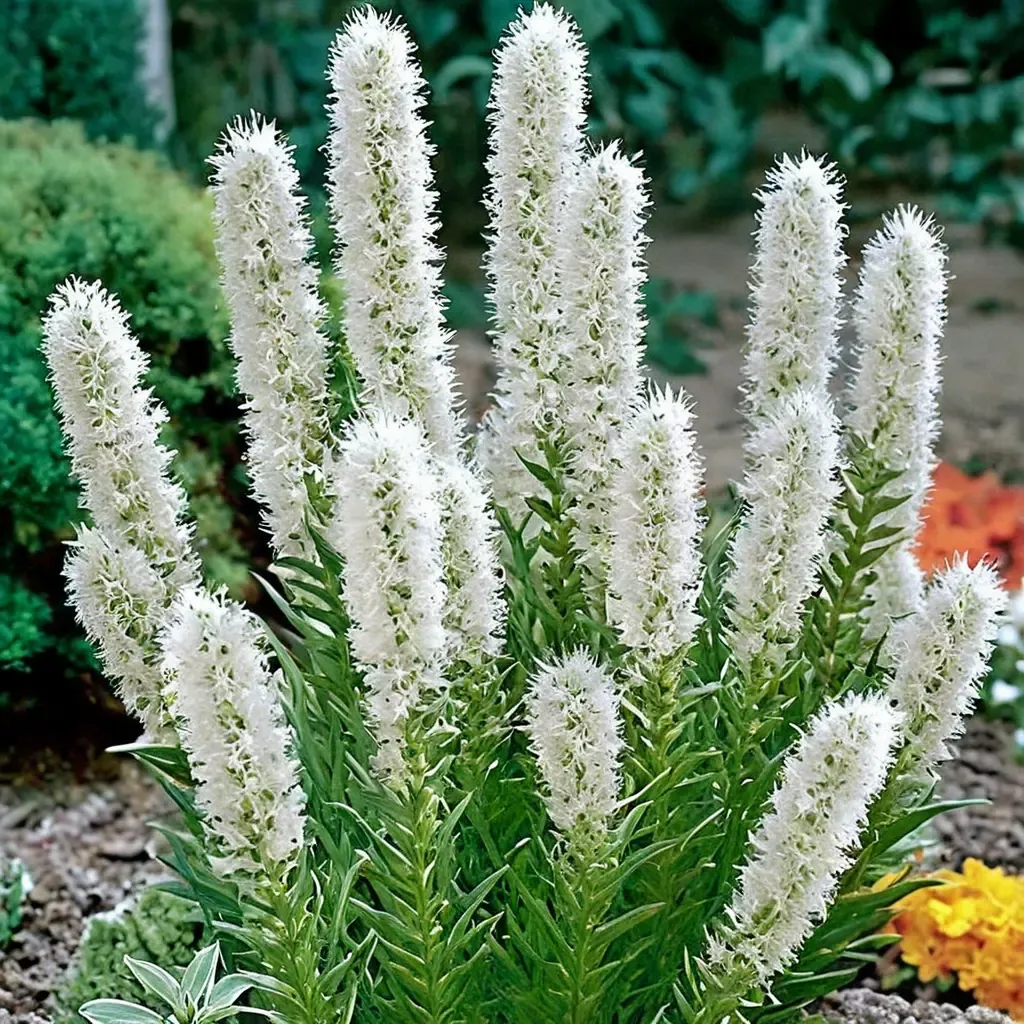
Floristan White Blazing Star
Liatris spicata 'Floristan Weiss'
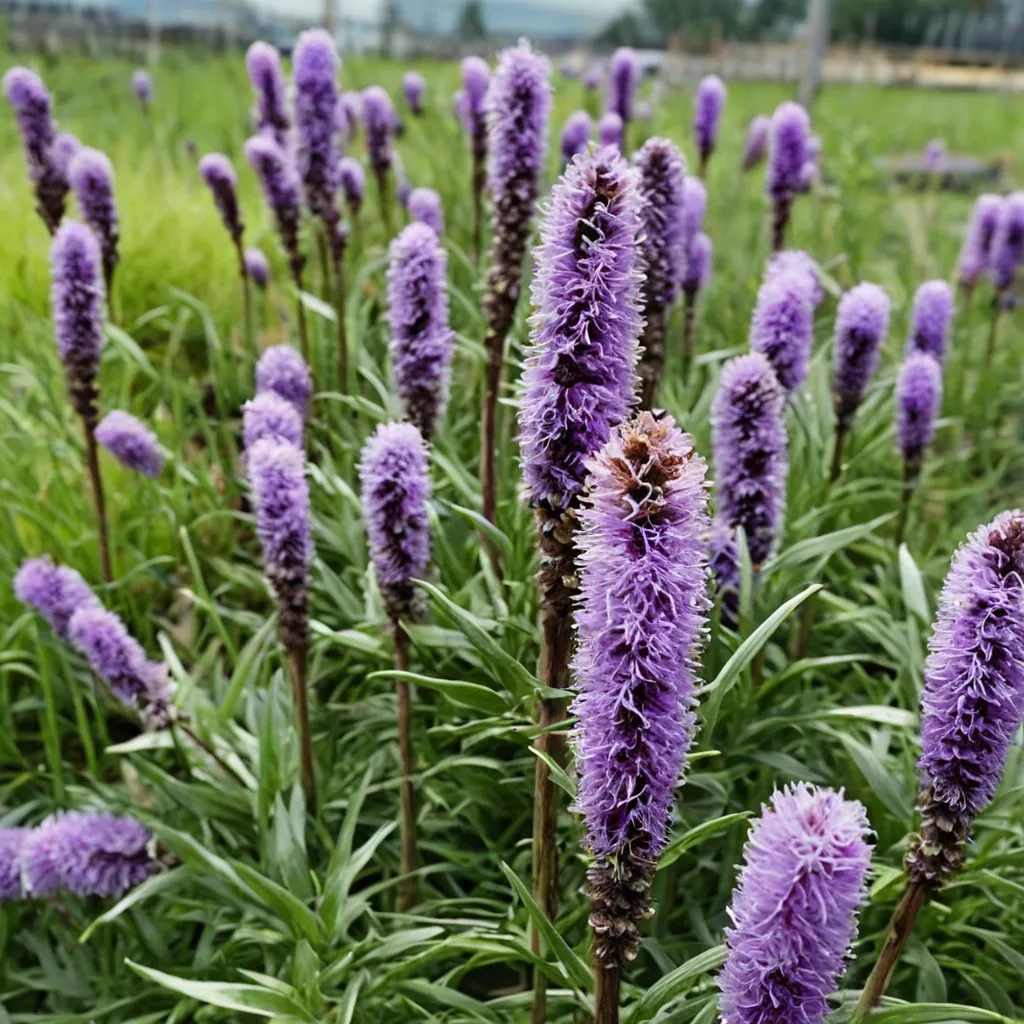
Liatris spicata Kobold Original
Liatris spicata 'Kobold Original'
Keep exploring
Explore the genus
Grow Dwarf Blazing Star with confidence
See it in a design of your actual yard, get zone-matched care reminders, and track it season by season in your garden journal.