
The Story
Plant Bio
Pinus brutia var. eldarica, sold as Pinus eldarica, is an evergreen conifer that carries paired needles in fascicles and woody cones that ripen over two seasons. Like other hard pines it is wind-pollinated and bears inconspicuous male and female strobili in spring rather than true flowers.
It grows as an upright symmetrical pyramid with a single excurrent leader and a canopy held nearly to the ground, reaching 30 to 50 feet tall and 15 to 25 feet wide in gardens and spreading with age. The thin twisted needles are borne in twos and measure 3 to 6 inches long in green to blue-green, followed by brown woody cones 3 to 4 inches long.
Uses & Benefits:
Essentials
At a Glance
Plant Type
Tree
Height
600"
Width
300"
Light
Full Sun, Partial Sun
Zones
6, 7, 8, 9, 10
Water
Low
Humidity
Low
Lifespan
Long-lived
Native To
Iran, Iraq, Transcaucasus
Toxicity
Unknown
Bloom period
Spring
In flower about 3 months of the year
Planting
How to Grow
- Choose a full sun site with 30 feet or more of clear space and sharply drained, preferably alkaline soil.
- Plant container stock at nursery depth in spring, firming sandy or rocky soil around the rootball without burying the trunk.
- Water deeply at planting, then on a low to moderate schedule, adding supplemental water during extreme summer heat.
- Mulch wide around the tree but clear of the trunk to conserve moisture without holding water at the crown.
- Leave the central leader intact and prune only in winter to remove damaged limbs.
Pro Tip
Give it full sun, alkaline sharply drained soil, and room to 50 feet; late summer dieback is most often heat and drought stress, not infection, so water deeply but infrequently and never keep the crown wet.
Keep It Thriving
Care Guide
Do
- Provide full sun and excellent drainage, especially in winter-wet soils.
- Water deeply but infrequently once established.
- Maintain a single leader for strong symmetrical form.
Don't
- Do not overwater or plant in poorly drained or constantly wet soil.
- Do not plant close to houses, driveways or powerlines.
- Do not shear into old bare wood or prune during the growing season.
Seasonal Care Calendar
| Task | Jan | Feb | Mar | Apr | May | Jun | Jul | Aug | Sep | Oct | Nov | Dec |
|---|---|---|---|---|---|---|---|---|---|---|---|---|
| Mulch | ||||||||||||
| Pest Check | ||||||||||||
| Plant | ||||||||||||
| Prune | ||||||||||||
| Winter Prep |
Watch Out For
Pests & Diseases
Common Pests
Common Diseases
In the Garden
Landscape Uses & Companions
Landscape Uses
Multiply
Propagation Methods
Good to Know
Common Questions
Afghan Pine questions
What zones can Afghan Pine grow in?
Afghan Pine is hardy in USDA Zones 6–10: in that range it survives winter in the ground. Colder than Zone 6, winters are too cold for it to survive outdoors.
Is Afghan Pine deer resistant?
Yes — Afghan Pine is rated deer-resistant. Deer typically pass it over, though extreme hunger can override any plant's defenses.
When does Afghan Pine bloom?
Afghan Pine typically blooms in spring. Exact timing shifts a week or two with your zone — Sow's bloom calendar maps it to your garden.
Does Afghan Pine need full sun?
Afghan Pine does best in full sun to part shade. In hot climates, afternoon shade keeps blooms fresher longer.
Is Afghan Pine drought tolerant?
Yes — once established (usually after the first full season), Afghan Pine handles dry spells with minimal watering. Water deeply its first year to build the root system that makes that possible.
More Pinus to compare
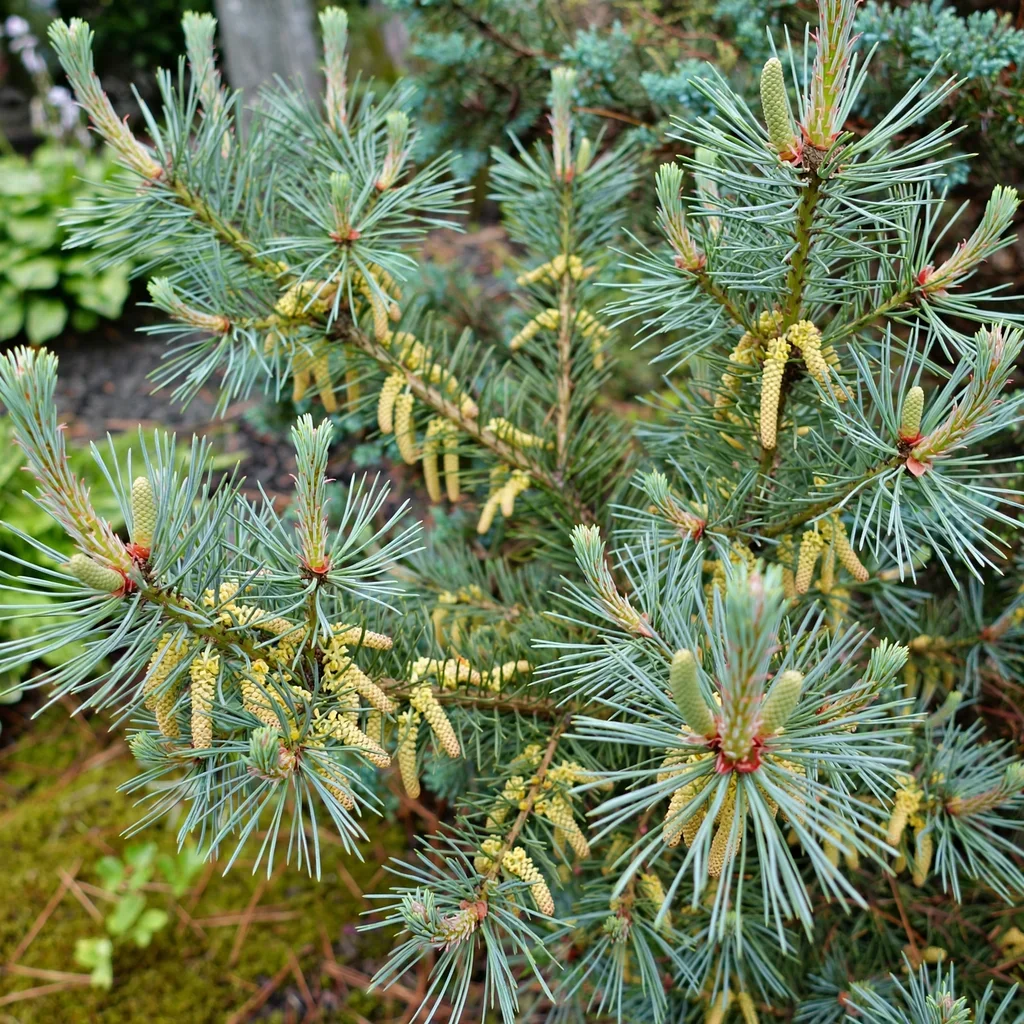
Eastern White Pine
Pinus strobus
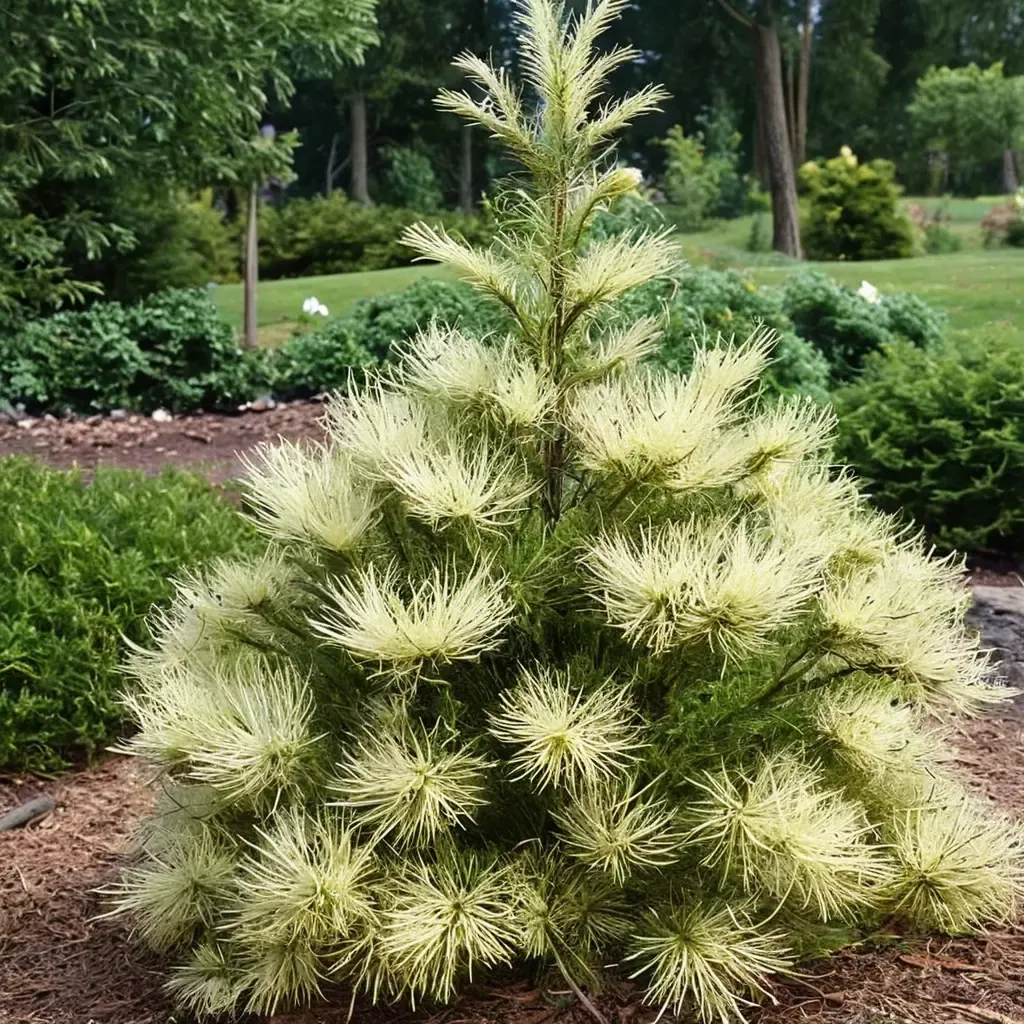
Golden Ghost Pine
Pinus densiflora 'Golden Ghost'
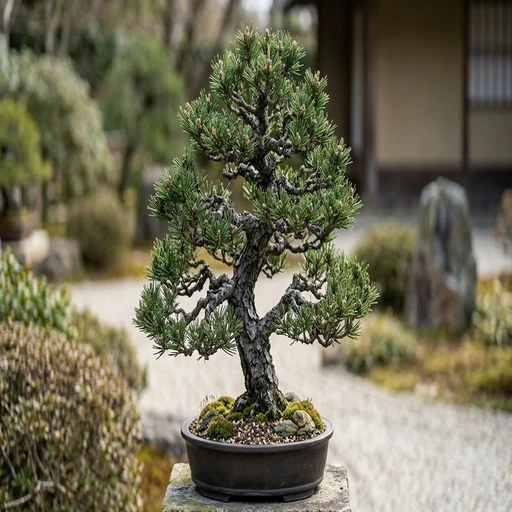
Thunderhead Japanese Black Pine
Pinus thunbergii 'Thunderhead'
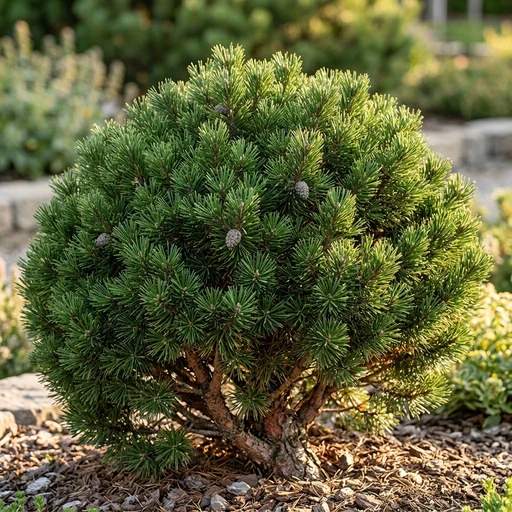
Slowmound Mugo Pine
Pinus mugo 'Slowmound'
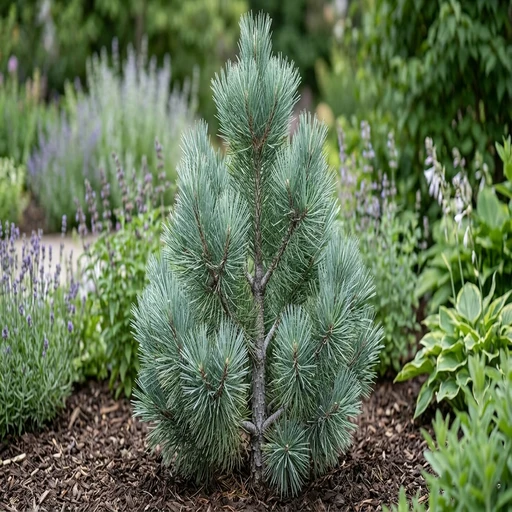
Vanderwolf's Pyramid Limber Pine
Pinus flexilis 'Vanderwolf'
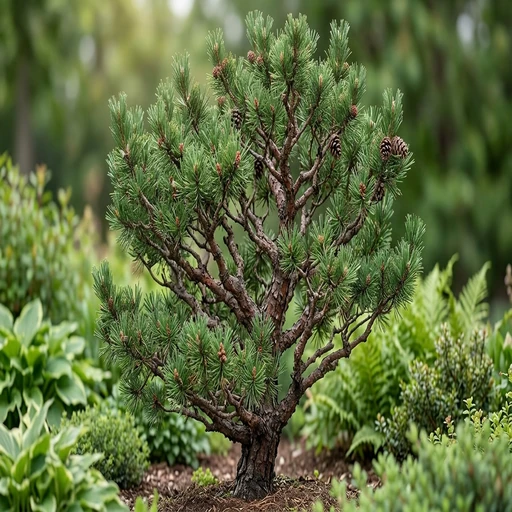
Virginia Pine
Pinus virginiana
Keep exploring
Explore the genus
Hardy in your zone?
Grow Afghan Pine with confidence
See it in a design of your actual yard, get zone-matched care reminders, and track it season by season in your garden journal.