The Story
Plant Bio
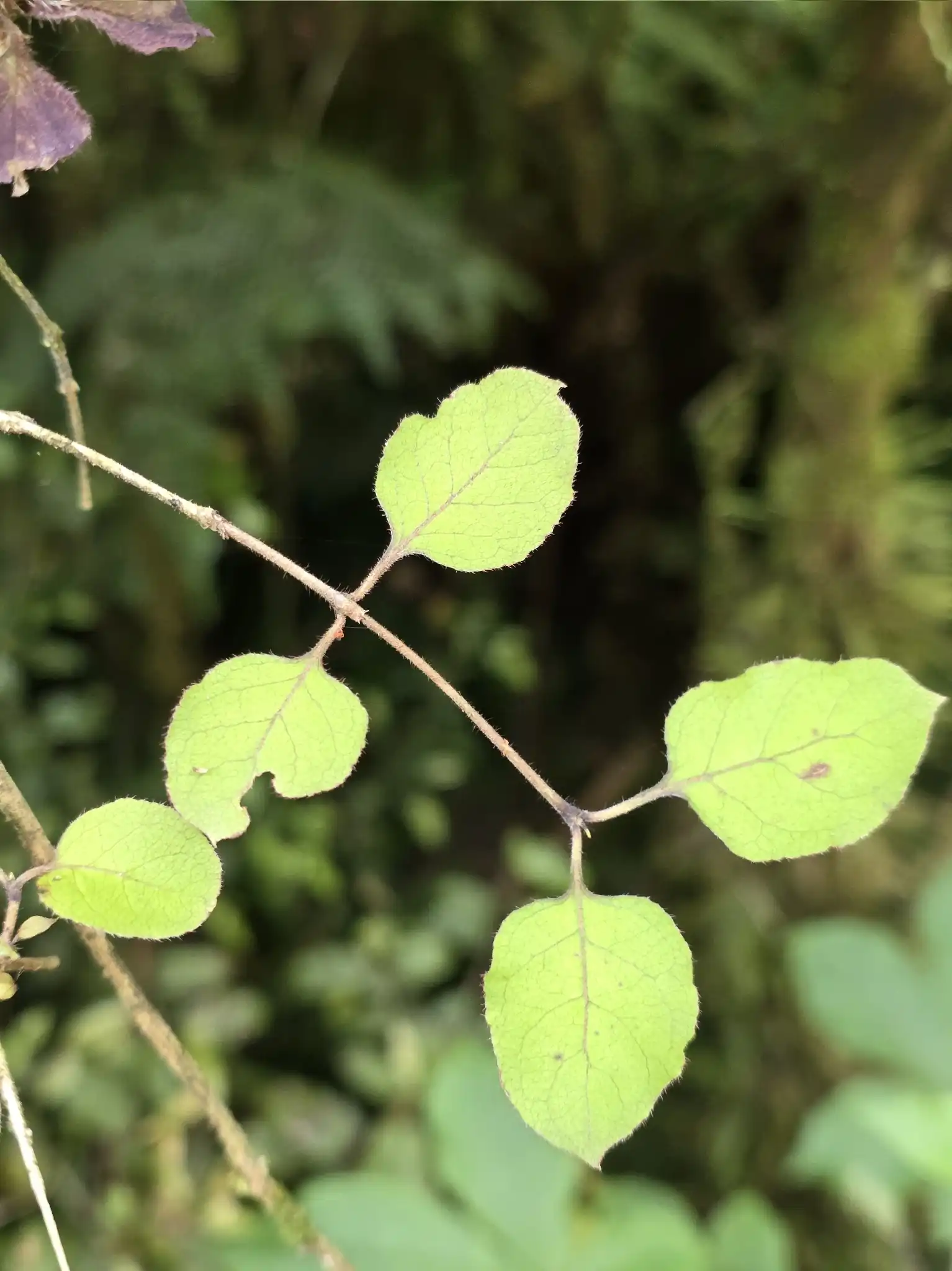
Coprosma rotundifolia is a slender, large shrub native to New Zealand that grows six to sixteen feet tall with fine, widely spreading branches. Its small, rounded leaves are paired along hairy stems and feature visible net-like vein patterns with dark purple or brown leaf blotches.
The species is characterized by its wide-angled, interlaced divaricate branching and tiny cilia along the leaf margins. Small axillary clusters of inconspicuous greenish micro-flowers open during spring and summer before producing small fleshy fruits.
Uses & Benefits:
Essentials
At a Glance
Plant Type
Shrub
Height
197"
Width
98"
Light
Full Sun, Partial Sun
Zones
8, 9, 10
Water
Moderate
Humidity
Moderate to High
Lifespan
Perennial
Native To
New Zealand
Toxicity
Non-toxic
Bloom period
Spring – Summer
In flower about 6 months of the year
Planting
How to Grow
- Select a planting site in full sun to partial shade with fertile, well-draining soil.
- Amend low-pH or lean soils with organic compost and agricultural lime to support growth.
- Water regularly during establishment to maintain consistent moisture around the root zone.
- Prune lightly immediately after fruiting to direct growth while avoiding hard cuts into bare interior wood.
Pro Tip
Never shear into old interior wood; divaricate stems lack active latent buds inside the canopy and fail to regenerate when cut back heavily.
Keep It Thriving
Care Guide
Do
- Plant in fertile, well-drained soil rich in organic matter or calcium carbonate.
- Maintain consistent moisture through dry periods.
Don't
- Do not shear heavily into old, leafless interior wood.
- Do not allow soil to remain waterlogged or saturated.
Seasonal Care Calendar
| Task | Jan | Feb | Mar | Apr | May | Jun | Jul | Aug | Sep | Oct | Nov | Dec |
|---|---|---|---|---|---|---|---|---|---|---|---|---|
| Fertilize | ||||||||||||
| Mulch | ||||||||||||
| Pest Check | ||||||||||||
| Prune |
Watch Out For
Pests & Diseases
Common Pests
Common Diseases
In the Garden
Landscape Uses & Companions
Landscape Uses
Companion Plants
Multiply
Propagation Methods
Good to Know
Common Questions
Round-Leaved Coprosma questions
What zones can Round-Leaved Coprosma grow in?
Round-Leaved Coprosma is hardy in USDA Zones 8–10: in that range it survives winter in the ground. Colder than Zone 8, grow it in a container you can move to shelter for the winter.
When does Round-Leaved Coprosma bloom?
Round-Leaved Coprosma typically blooms from spring to summer. Exact timing shifts a week or two with your zone — Sow's bloom calendar maps it to your garden.
Does Round-Leaved Coprosma need full sun?
Round-Leaved Coprosma does best in full sun to part shade. In hot climates, afternoon shade keeps blooms fresher longer.
More Coprosma to compare
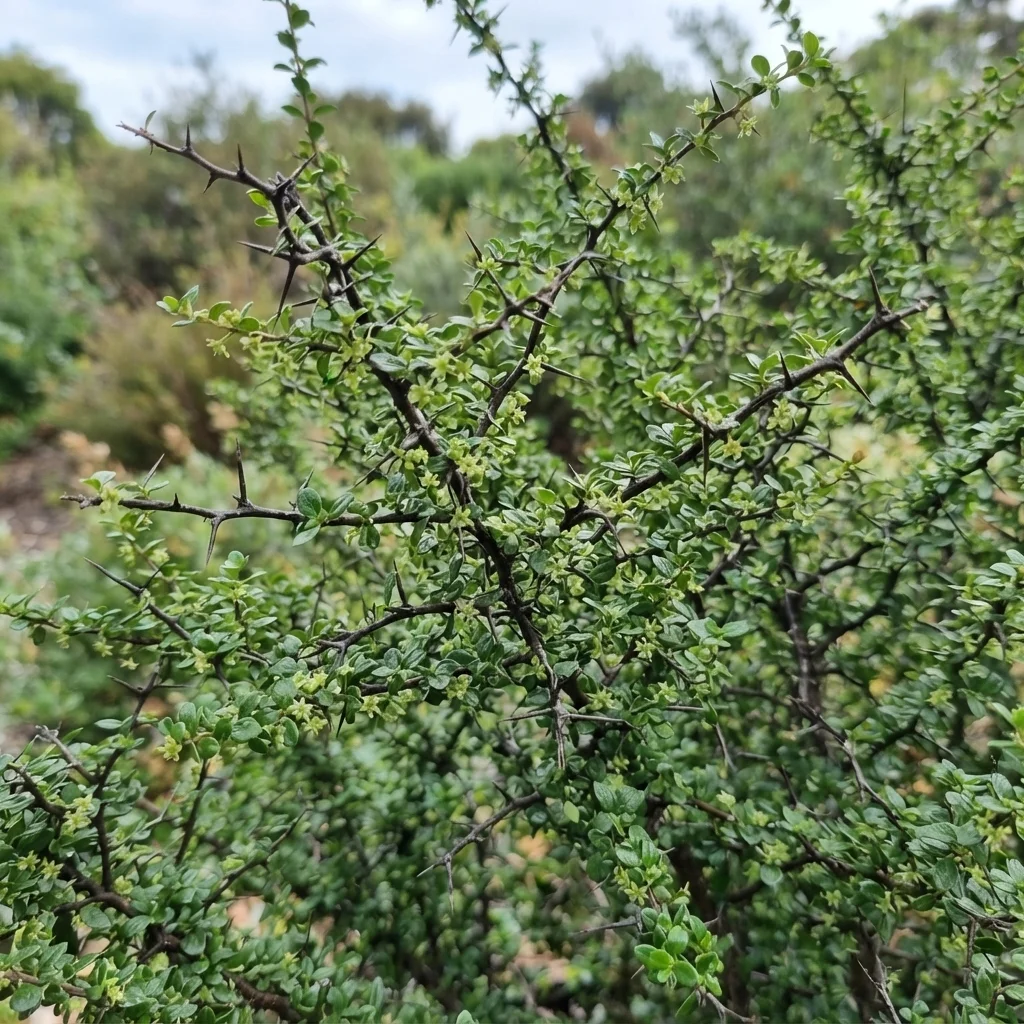
Prickly Currant-bush
Coprosma quadrifida
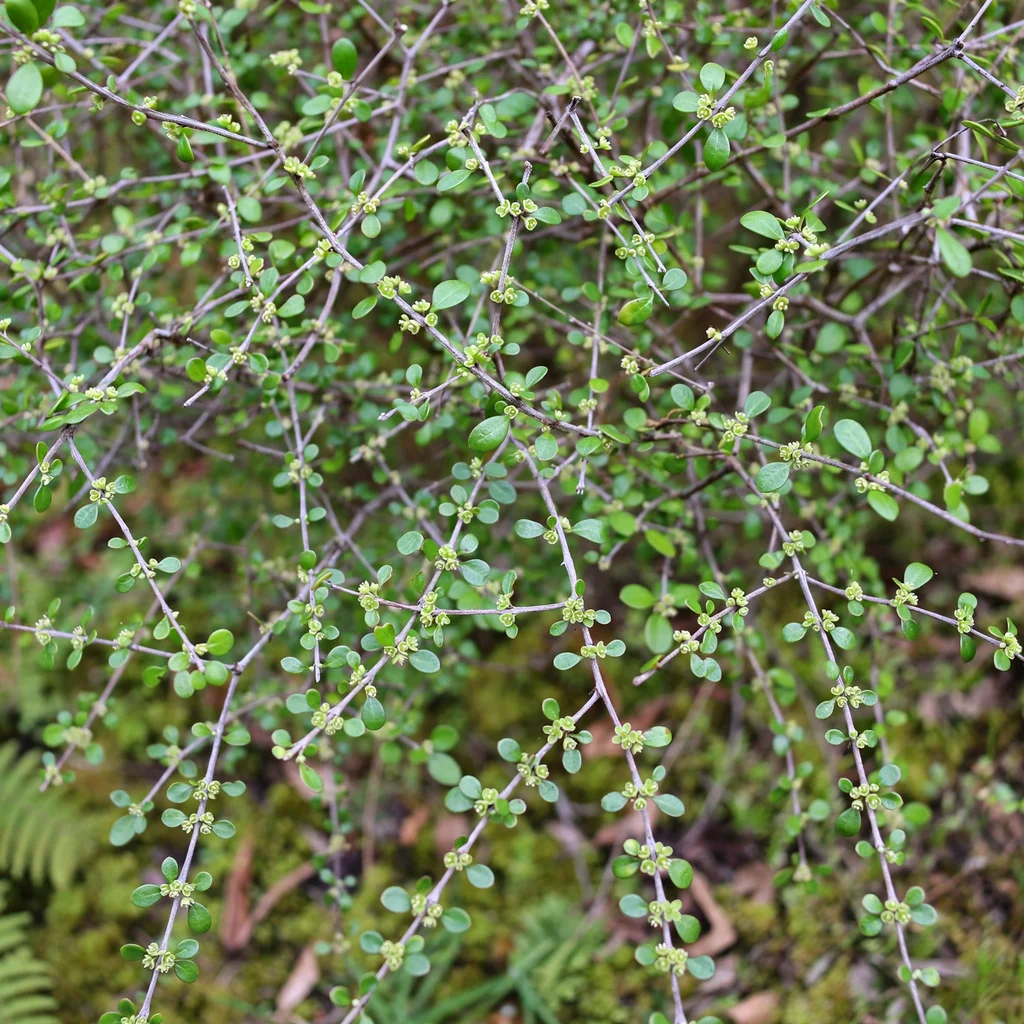
Green Coprosma
Coprosma virescens
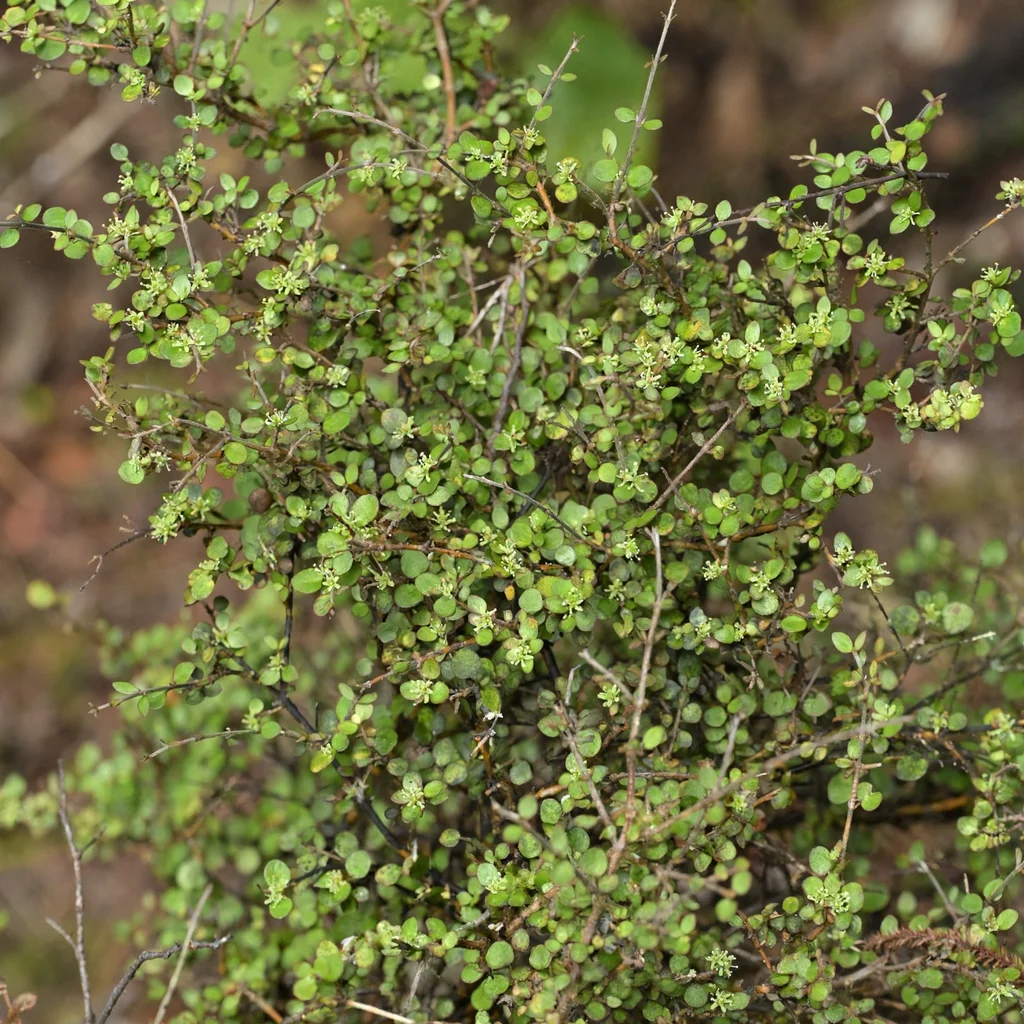
Twiggy Coprosma
Coprosma rhamnoides
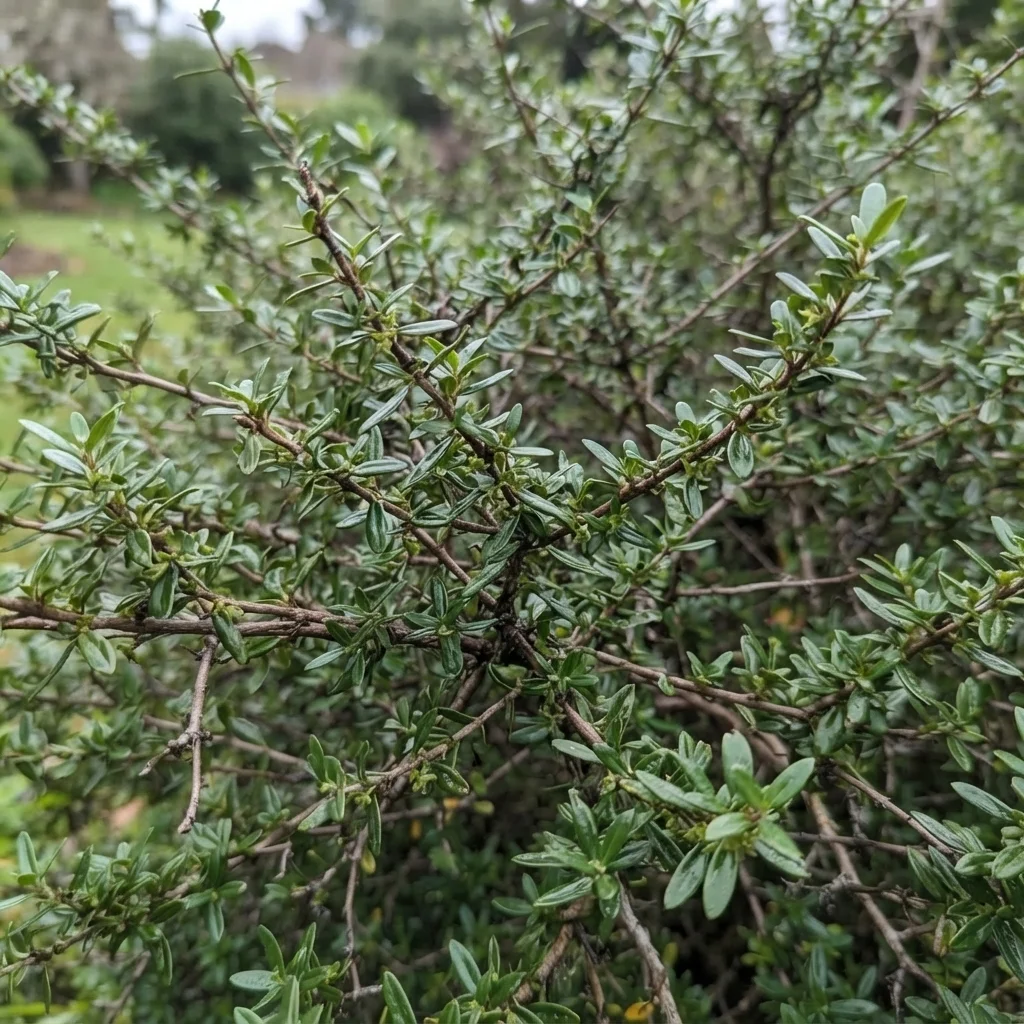
Mingimingi
Coprosma propinqua
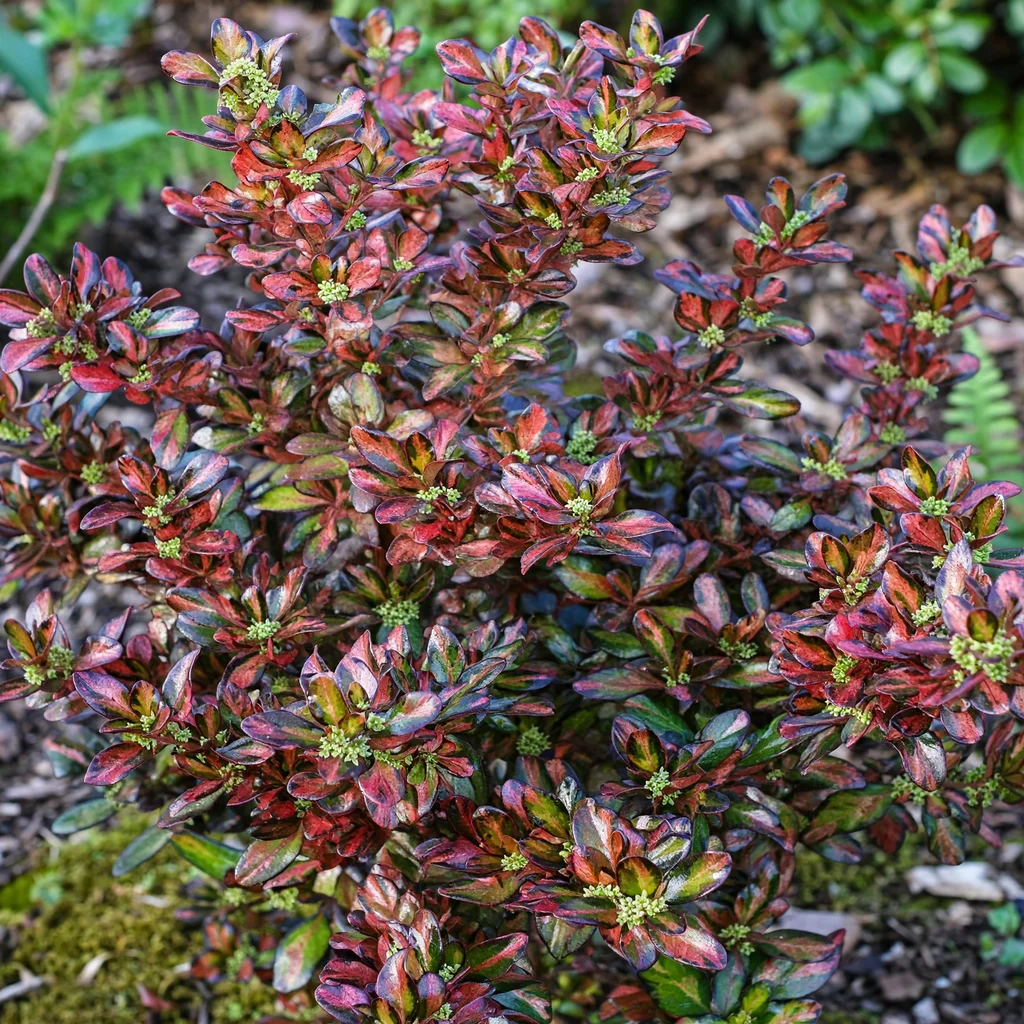
Evening Glow Mirror Plant
Coprosma repens 'Evening Glow'
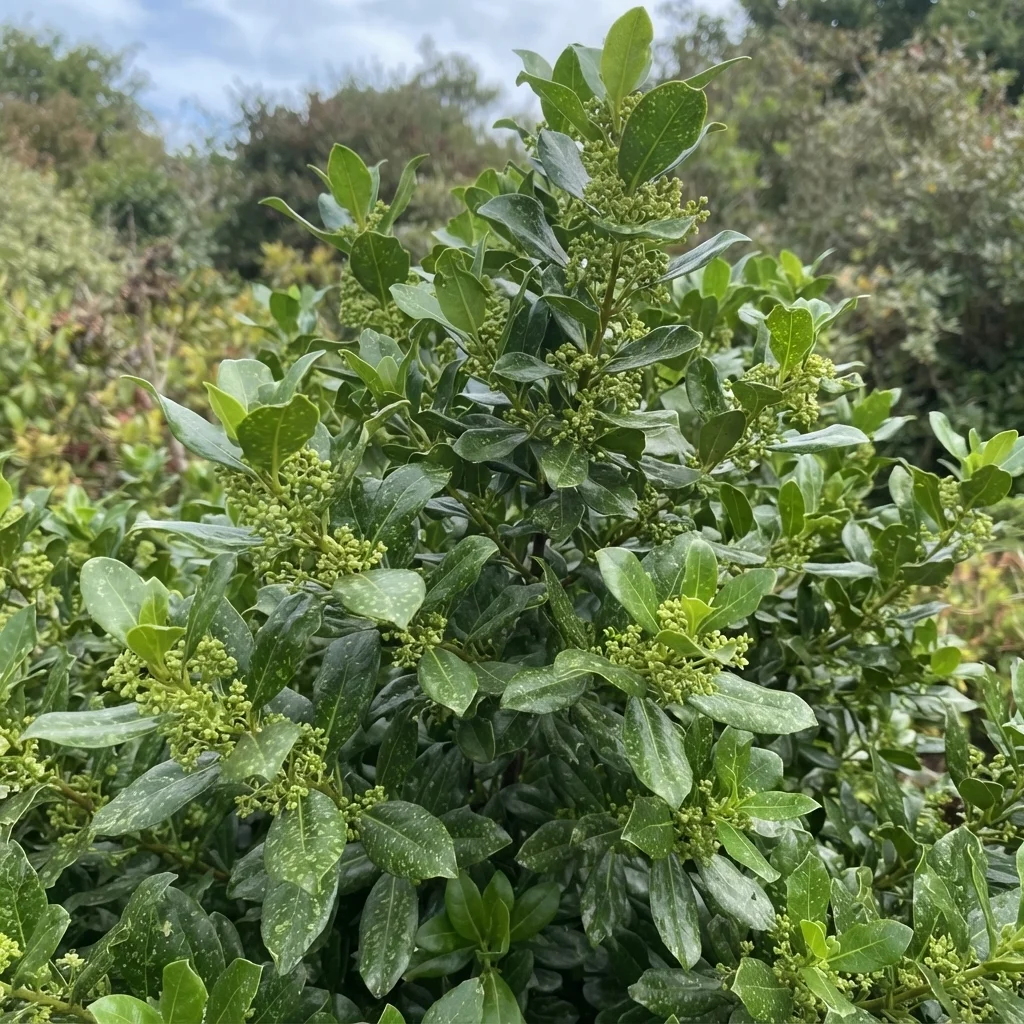
Karamu
Coprosma robusta
Keep exploring
Explore the genus
Hardy in your zone?
Grow Round-Leaved Coprosma with confidence
See it in a design of your actual yard, get zone-matched care reminders, and track it season by season in your garden journal.