The Story
Plant Bio
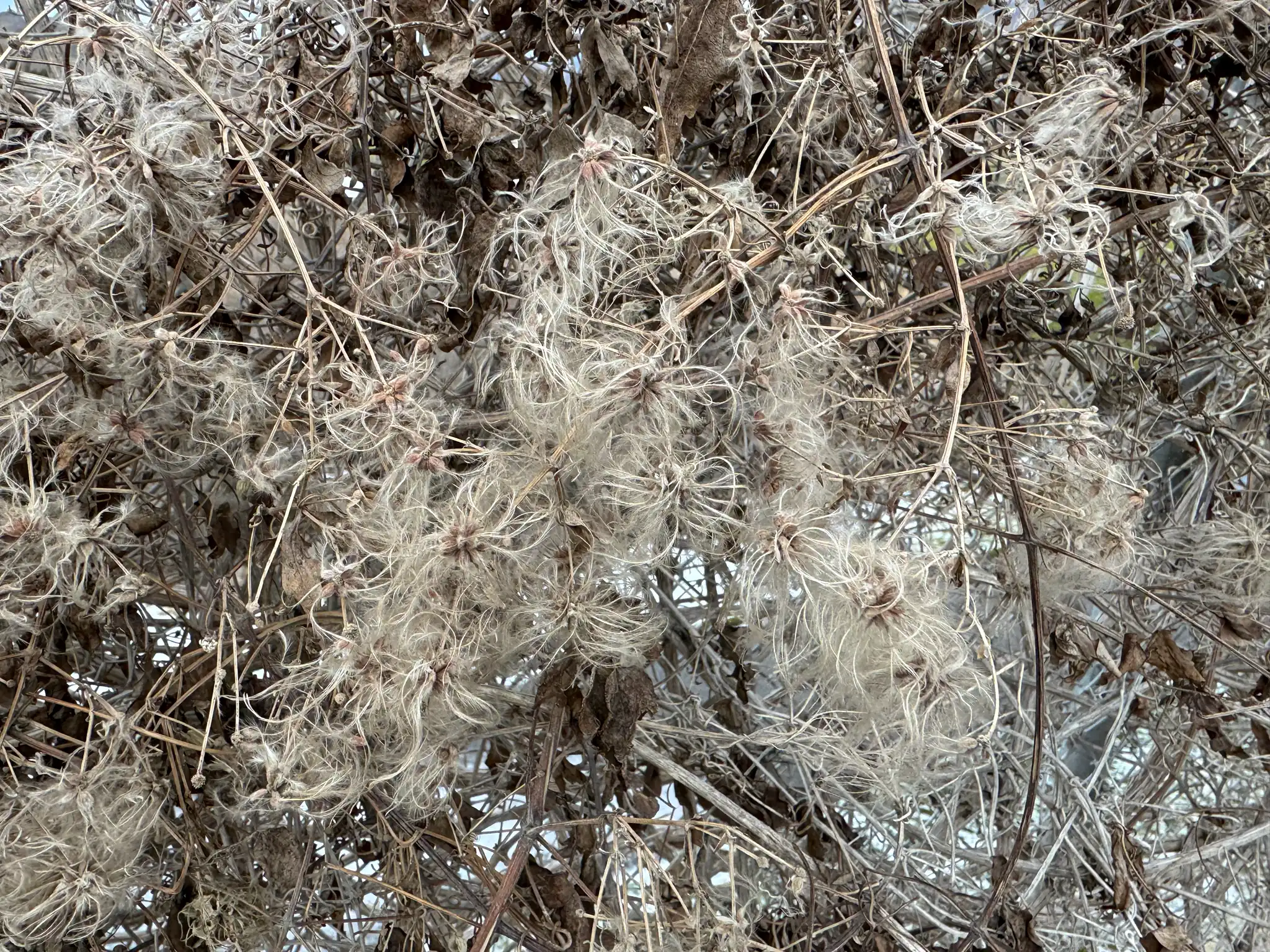
Clematis ligusticifolia is a vigorous, deciduous climbing vine native to western North America, scrambling across supports by twining its persistent leaf petioles. In spring and summer, it produces dense clusters of creamy-white flowers that mature into distinctive feathery, silky seed heads on female plants.
Unlike many large-flowered garden hybrids, this species is dioecious, with male and female flowers borne on separate plants so that only female vines form the decorative seed plumes. Its pinnately compound foliage features coarsely toothed, deep green leaflets that create a quick-growing, dense vertical cover.
Uses & Benefits:
Essentials
At a Glance
Plant Type
Vine
Height
236"
Width
118"
Light
Full Sun, Partial Sun
Zones
4, 5, 6, 7, 8, 9
Water
Moderate
Humidity
Moderate
Lifespan
Perennial
Native To
Western North America
Toxicity
Toxic if ingested; causes contact skin irritation
Bloom period
Spring – Summer
In flower about 6 months of the year
Planting
How to Grow
- Plant in full sun to partial shade, placing the root crown slightly below soil level while keeping the root zone shaded by lower foliage or mulch.
- Provide a sturdy fence, arbor, or trellis for the leaf petioles to wrap around as the vine climbs.
- Water deeply during the first season to establish a deep root system, allowing the top layer of soil to dry between waterings.
- Cut back stems to one to two feet above the ground in late winter every few years to renew growth and eliminate base legginess.
Pro Tip
Prune hard back to two feet above ground level in late winter every three to five years to refresh bare lower stems and prevent a congested woody tangle.
Keep It Thriving
Care Guide
Do
- Mulch the root zone heavily to keep roots cool while foliage remains in full sun.
- Provide sturdy support structures for the climbing petioles to wrap around.
- Prune hard every 3 to 5 years in late winter to refresh mature vines.
Don't
- Do not allow roots to sit in stagnant, waterlogged soil conditions.
- Do not shear hard into bare old wood every year if structural coverage is desired.
- Do not handle sap without gloves if prone to skin irritation.
Seasonal Care Calendar
| Task | Jan | Feb | Mar | Apr | May | Jun | Jul | Aug | Sep | Oct | Nov | Dec |
|---|---|---|---|---|---|---|---|---|---|---|---|---|
| Fertilize | ||||||||||||
| Mulch | ||||||||||||
| Pest Check | ||||||||||||
| Prune |
Watch Out For
Pests & Diseases
Common Pests
Common Diseases
In the Garden
Landscape Uses & Companions
Landscape Uses
Multiply
Propagation Methods
Good to Know
Common Questions
Western White Clematis questions
What zones can Western White Clematis grow in?
Western White Clematis is hardy in USDA Zones 4–9: in that range it survives winter in the ground. Warmer than Zone 9, winter isn't the problem: it prefers colder winters, and summer heat can shorten its life.
Is Western White Clematis deer resistant?
Not reliably. Deer may browse Western White Clematis, especially tender spring growth — plan on repellents or fencing where pressure is high.
When does Western White Clematis bloom?
Western White Clematis typically blooms from spring to summer. Exact timing shifts a week or two with your zone — Sow's bloom calendar maps it to your garden.
Does Western White Clematis need full sun?
Western White Clematis does best in full sun to part shade. In hot climates, afternoon shade keeps blooms fresher longer.
Is Western White Clematis drought tolerant?
Yes — once established (usually after the first full season), Western White Clematis handles dry spells with minimal watering. Water deeply its first year to build the root system that makes that possible.
More Clematis to compare
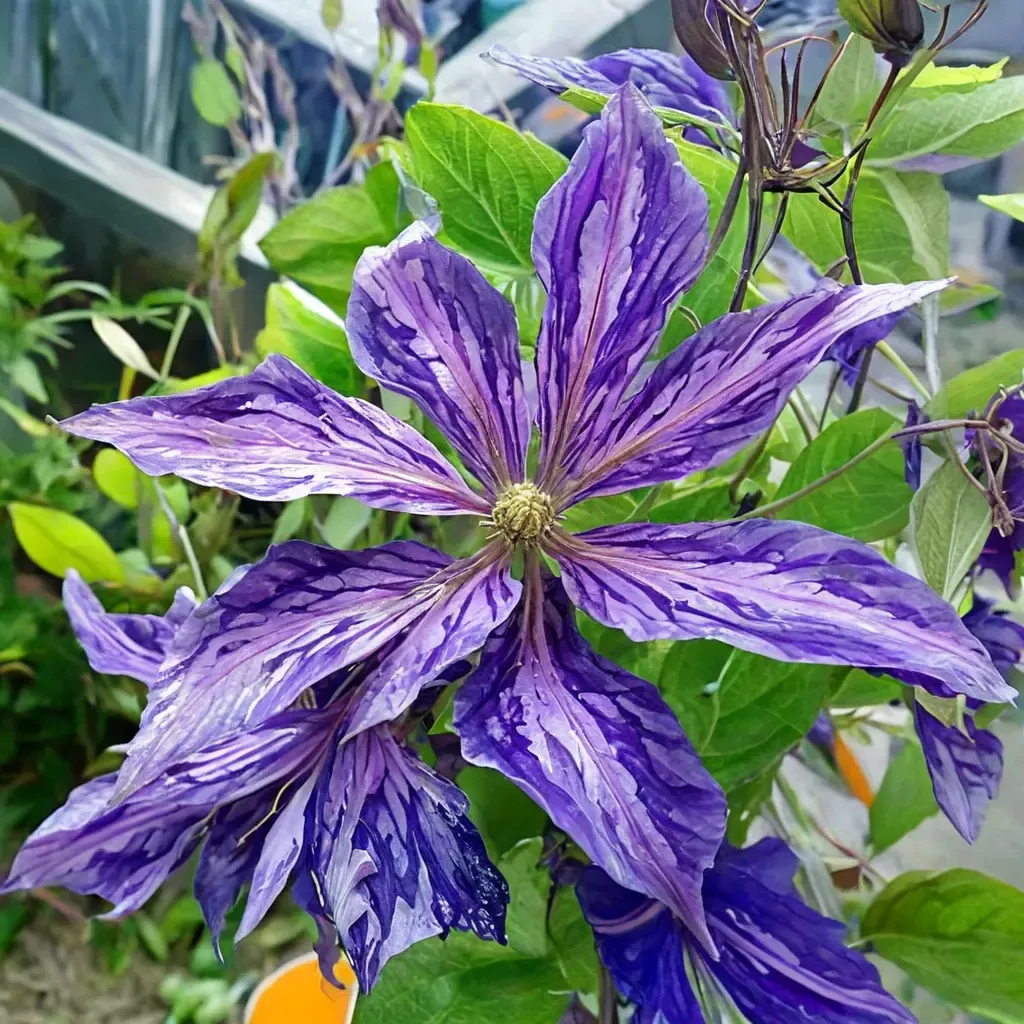
Tie Dye Clematis
Clematis viticella 'Tie Dye'
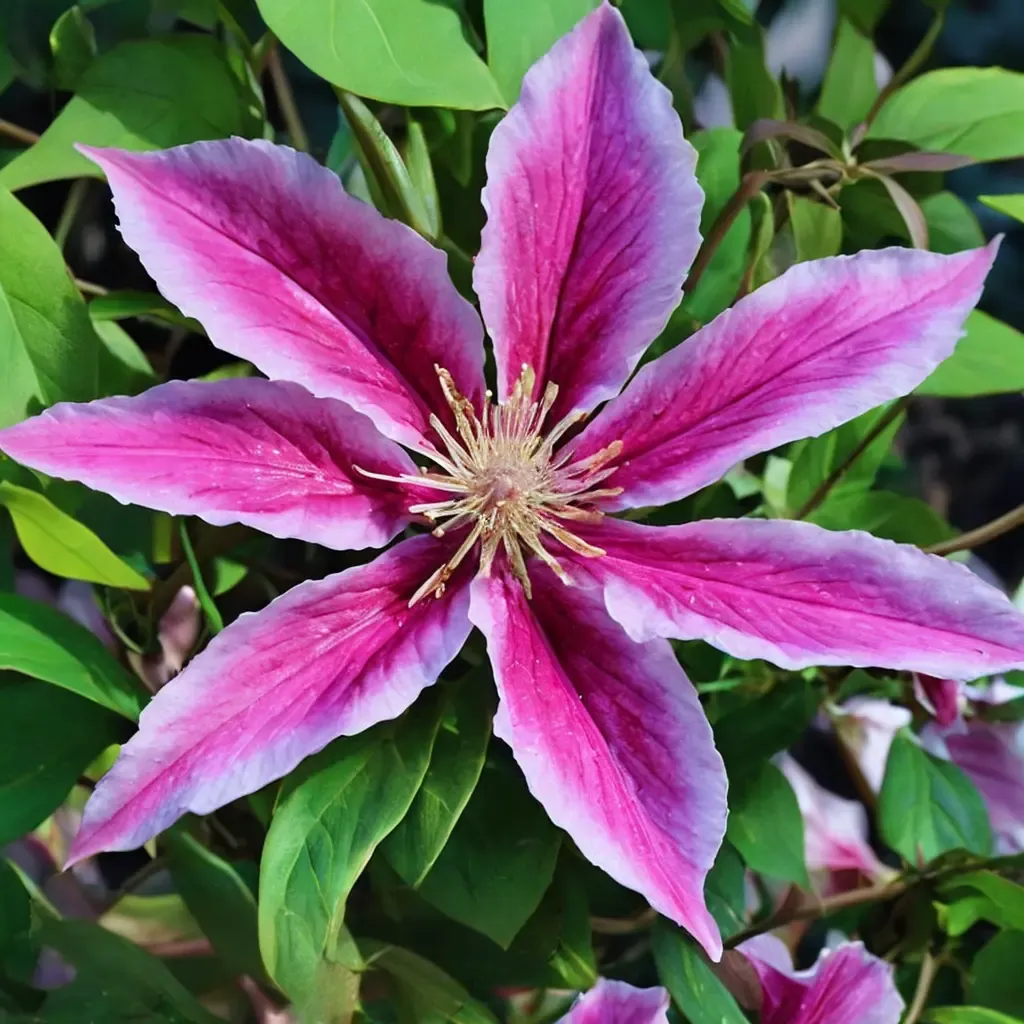
Dr. Ruppel Clematis
Clematis x jackmanii 'Dr Ruppel'
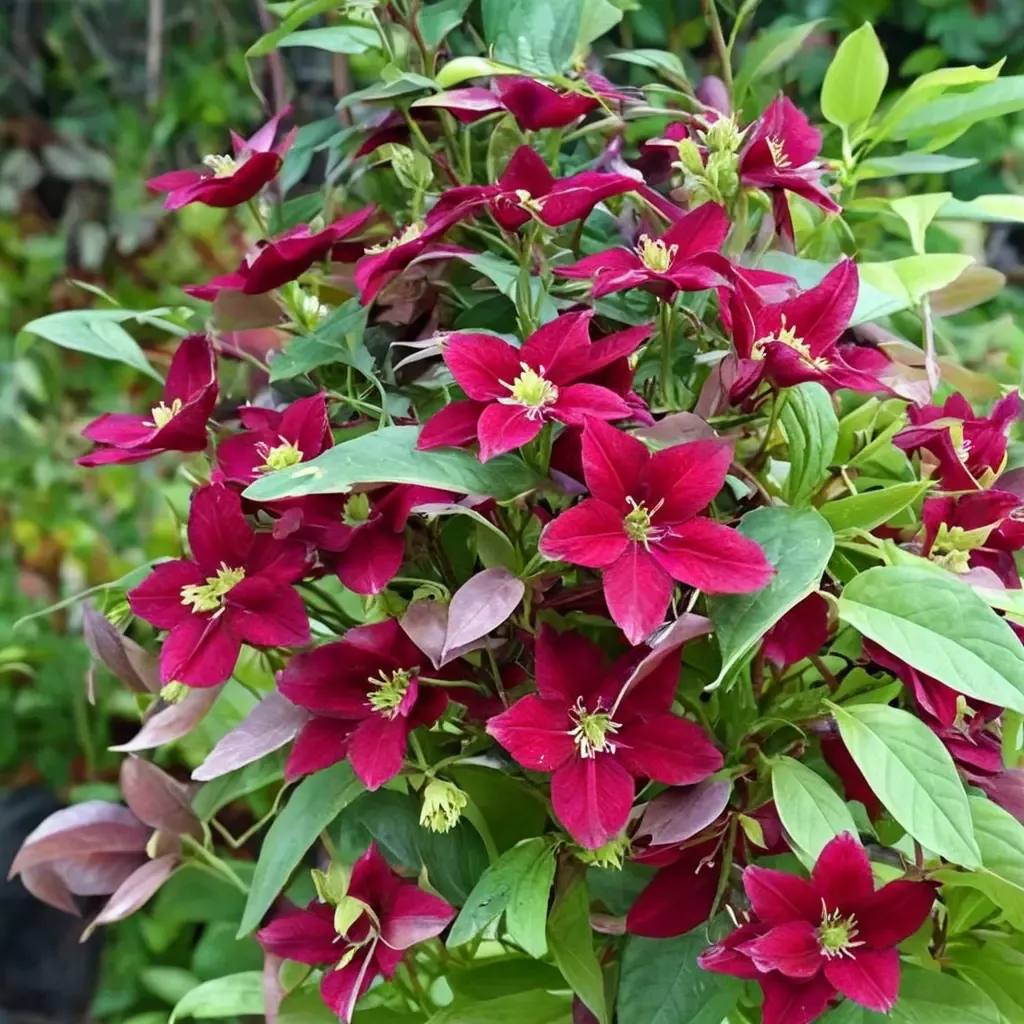
Burning Love Clematis
Clematis x cartmanii 'Burning Love'
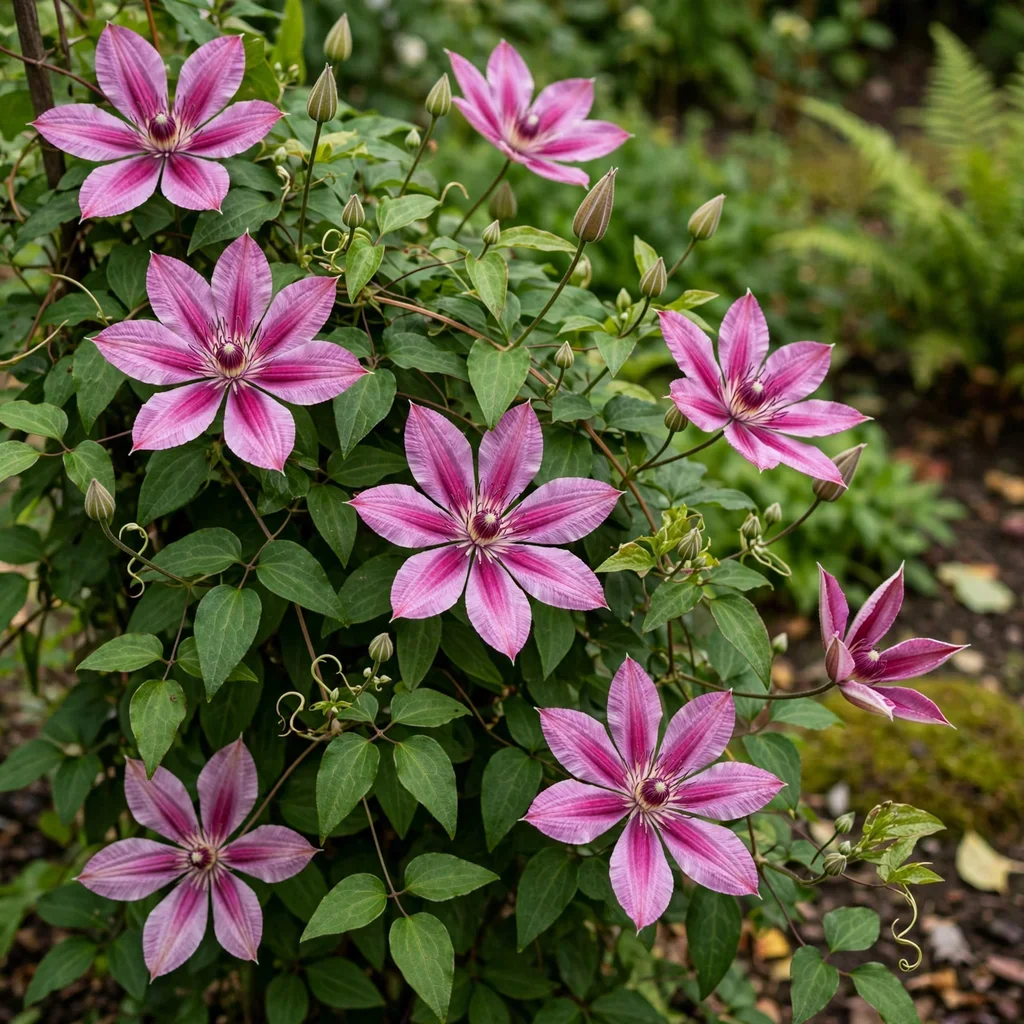
Yuan Clematis
Clematis viticella 'Yuan'
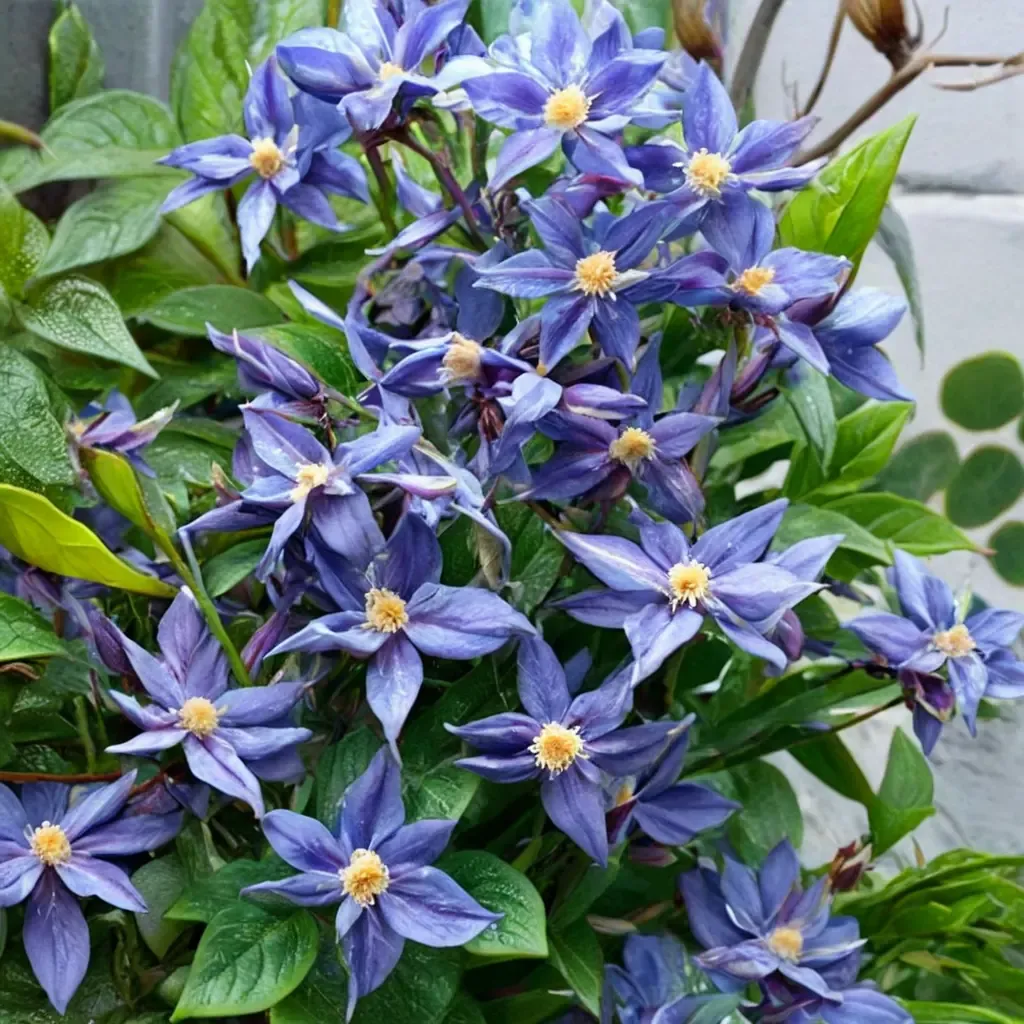
Tsukiko Clematis
Clematis x durandii 'Tsukiko'
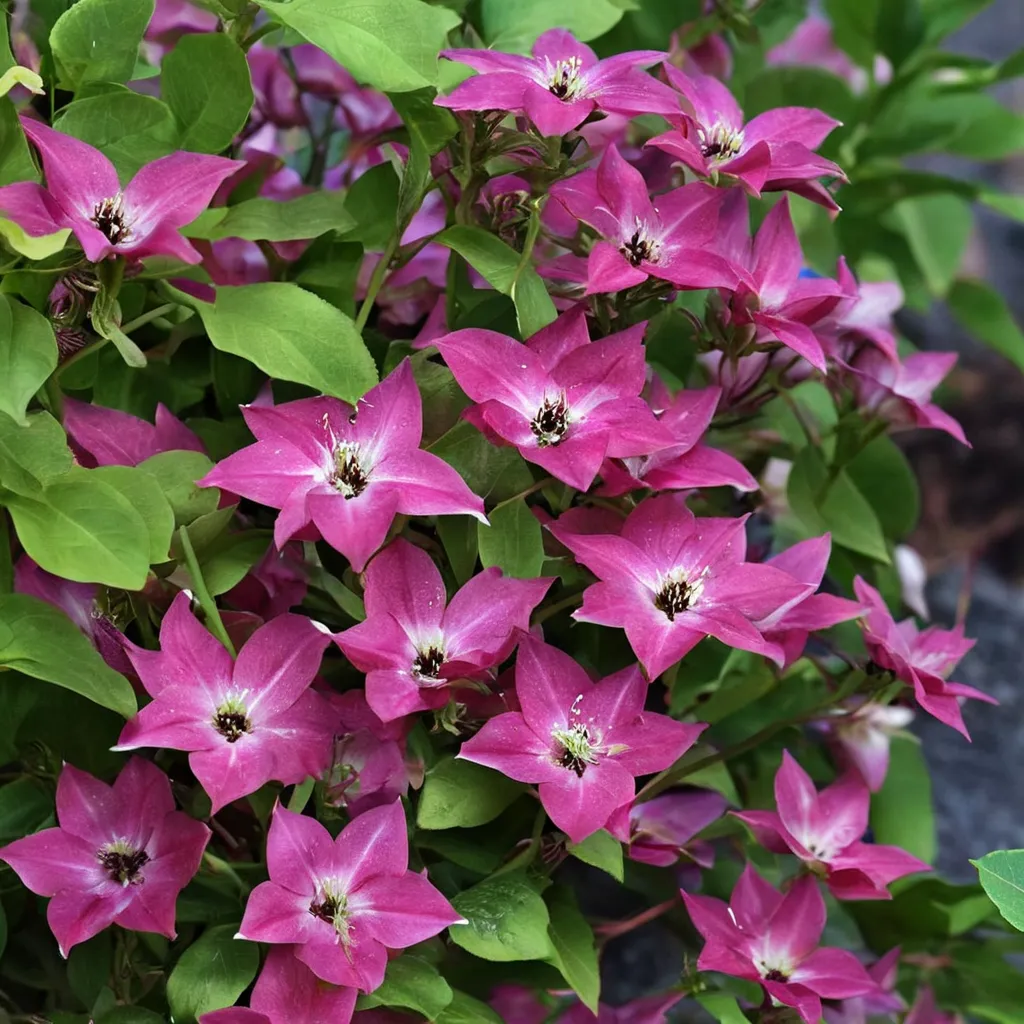
Viva Polonia Clematis
Clematis x hybrida 'Viva Polonia'
Keep exploring
Grow Western White Clematis with confidence
See it in a design of your actual yard, get zone-matched care reminders, and track it season by season in your garden journal.