The Story
Plant Bio
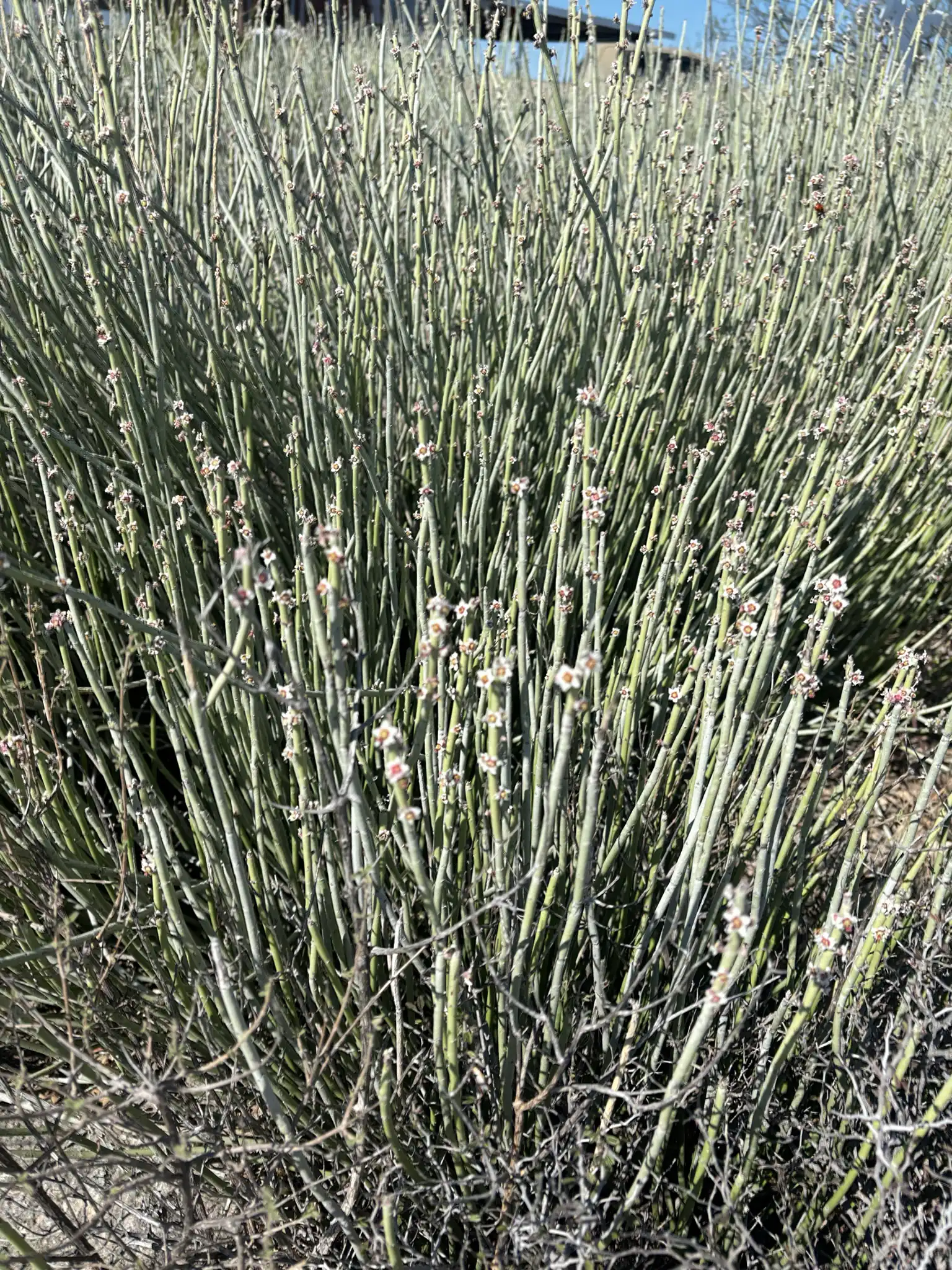
Euphorbia antisyphilitica is a leafless, clumping subshrub from the Chihuahuan Desert, forming a tuft of erect, rarely branched, wax-coated gray-green stems. Like all spurges it carries milky latex in the stems that irritates skin and eyes and is poisonous if eaten, persisting even when dried.
What sets candelilla apart is its near absence of leaves; photosynthesis shifts to the stems, which shed their tiny pale-green leaves within days of emergence to limit water loss. In warm weather after rain it bears minute white to rosy-pink flowers clustered near the stem tips, followed by slow development of a dense candle-like clump two to three feet tall.
Uses & Benefits:
Essentials
At a Glance
Plant Type
Cactus Succulent
Height
24"
Width
36"
Light
Full Sun, Partial Sun
Zones
7, 8, 9, 10
Water
Low
Humidity
Low
Lifespan
Perennial
Native To
Texas, New Mexico, Mexico
Toxicity
Toxic if ingested
Bloom period
Spring – Early fall
In flower about 7 months of the year
Planting
How to Grow
- Plant in full sun in sharply drained sandy or limestone soil, setting the crown level with the soil surface.
- Water sparingly to settle roots, then withhold water; mature clumps thrive on rainfall alone.
- Top-dress with gravel rather than organic mulch to keep stem bases dry and warm.
- Wear gloves and eye protection when handling and wash tools after any cut.
Pro Tip
Plant it high in lean limestone grit and then leave it alone; rich soil and summer irrigation rot the crown faster than any cold.
Keep It Thriving
Care Guide
Do
- Provide full sun and lean, alkaline, fast-draining soil.
- Allow soil to dry completely between waterings.
- Remove only dead or damaged stems.
Don't
- Do not plant in rich, moisture-retentive soil.
- Do not overwater or irrigate through summer heat.
- Do not touch milky sap with bare skin or eyes, and keep plants away from children and pets.
Seasonal Care Calendar
| Task | Jan | Feb | Mar | Apr | May | Jun | Jul | Aug | Sep | Oct | Nov | Dec |
|---|---|---|---|---|---|---|---|---|---|---|---|---|
| Pest Check | ||||||||||||
| Plant | ||||||||||||
| Propagate | ||||||||||||
| Prune |
Watch Out For
Pests & Diseases
Common Pests
Common Diseases
In the Garden
Landscape Uses & Companions
Landscape Uses
Multiply
Propagation Methods
Good to Know
Common Questions
Candelilla questions
What zones can Candelilla grow in?
Candelilla is hardy in USDA Zones 7–10: in that range it survives winter in the ground. Colder than Zone 7, grow it in a container you can move to shelter for the winter, or as an annual.
Is Candelilla deer resistant?
Yes — Candelilla is rated deer-resistant. Deer typically pass it over, though extreme hunger can override any plant's defenses.
When does Candelilla bloom?
Candelilla typically blooms from early spring to early fall. Exact timing shifts a week or two with your zone — Sow's bloom calendar maps it to your garden.
Does Candelilla need full sun?
Candelilla does best in full sun to part shade. In hot climates, afternoon shade keeps blooms fresher longer.
Is Candelilla drought tolerant?
Yes — once established (usually after the first full season), Candelilla handles dry spells with minimal watering. Water deeply its first year to build the root system that makes that possible.
More Euphorbia to compare
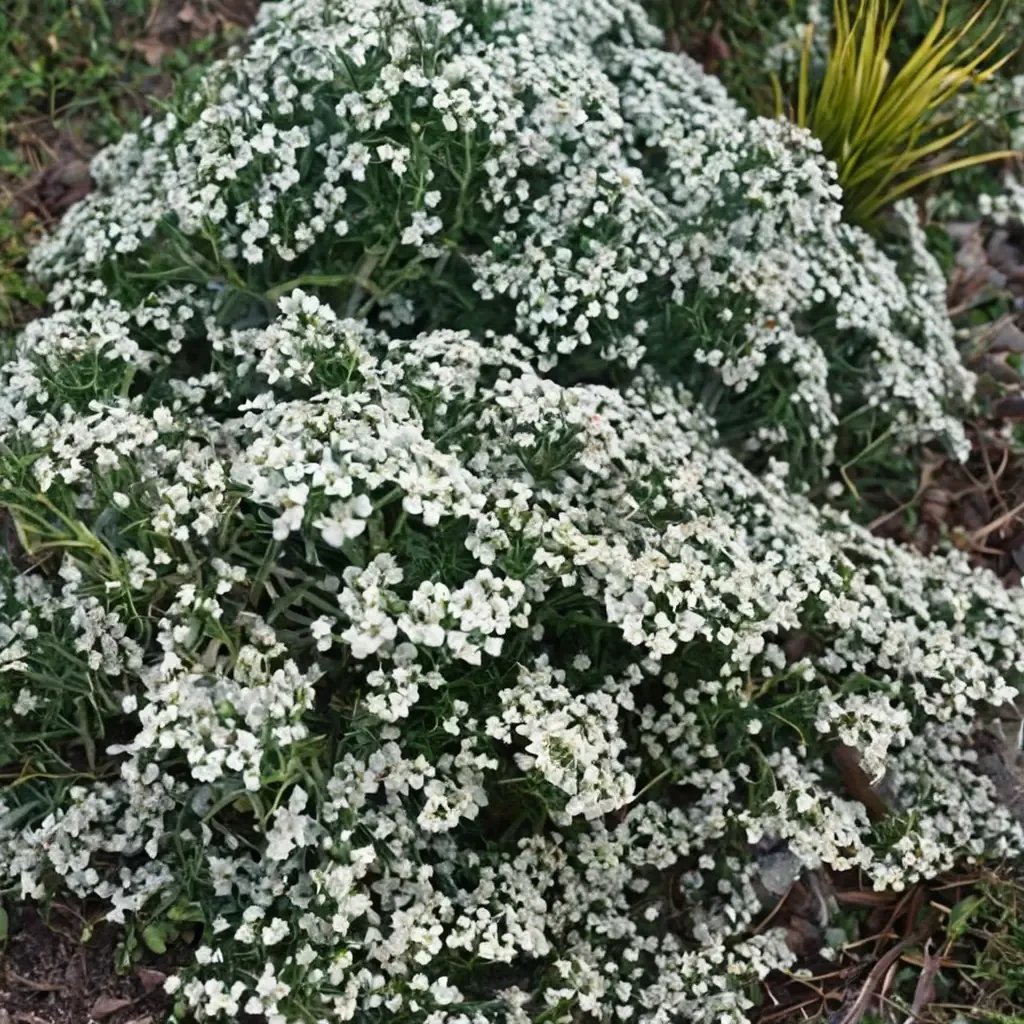
Carolina Snow Flowering Spurge
Euphorbia corollata 'Carolina Snow'
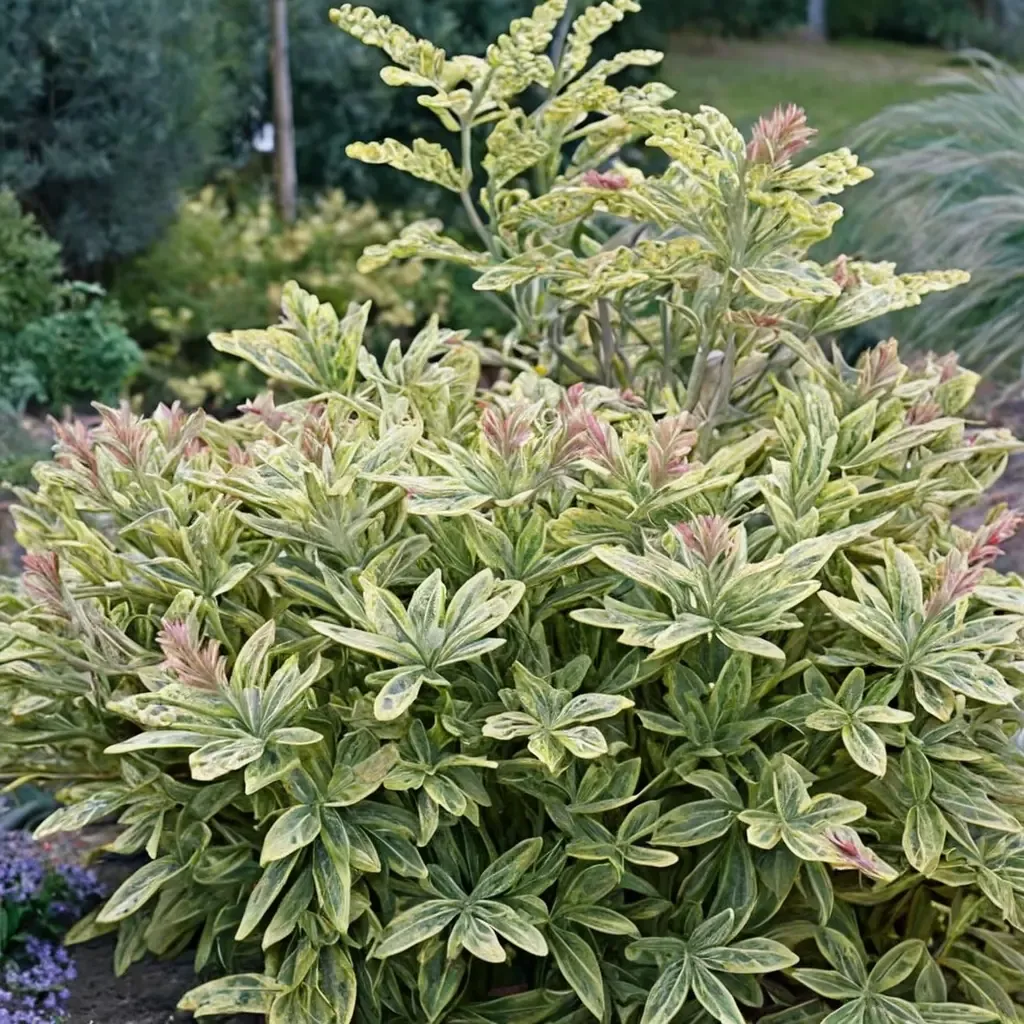
Ascot Rainbow Spurge
Euphorbia x hybrida 'Ascot Rainbow'
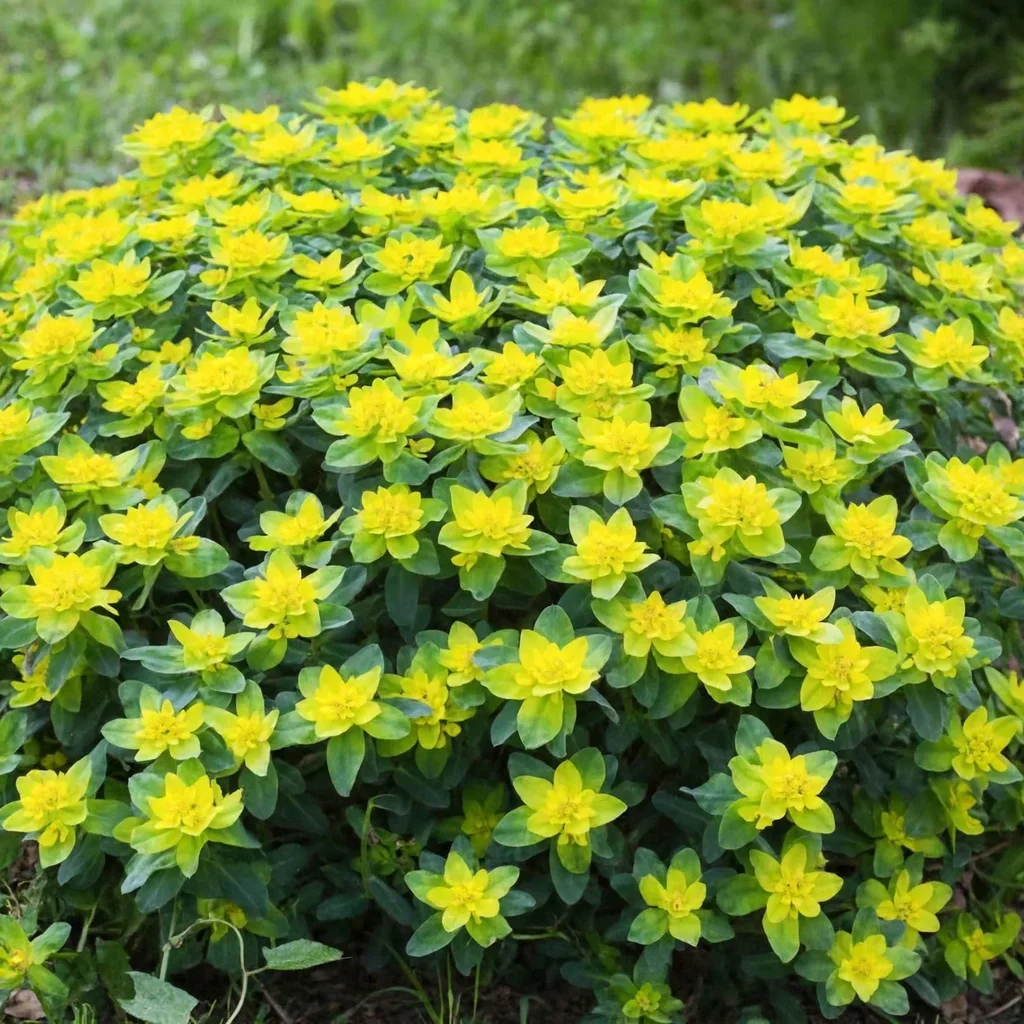
Mediterranean Spurge
Euphorbia polychroma
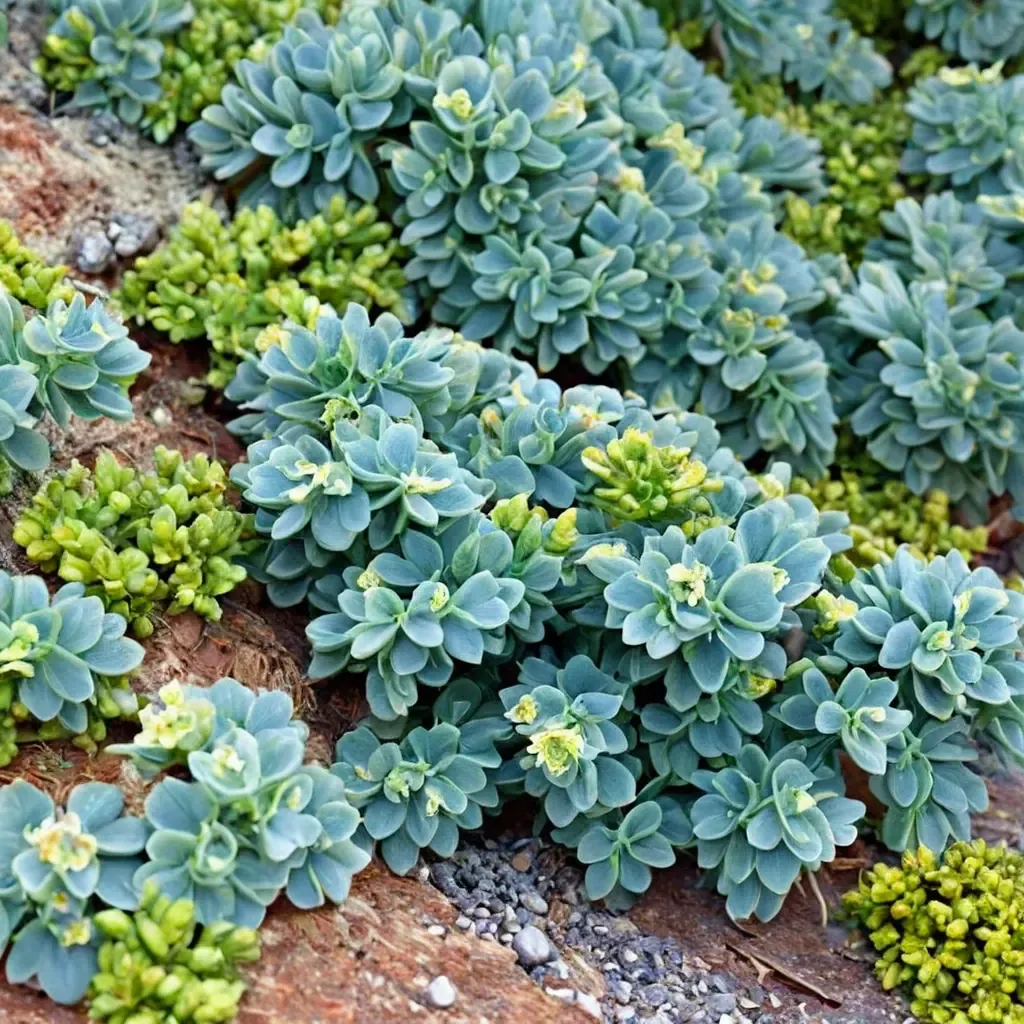
Myrtle Spurge
Euphorbia myrsinites
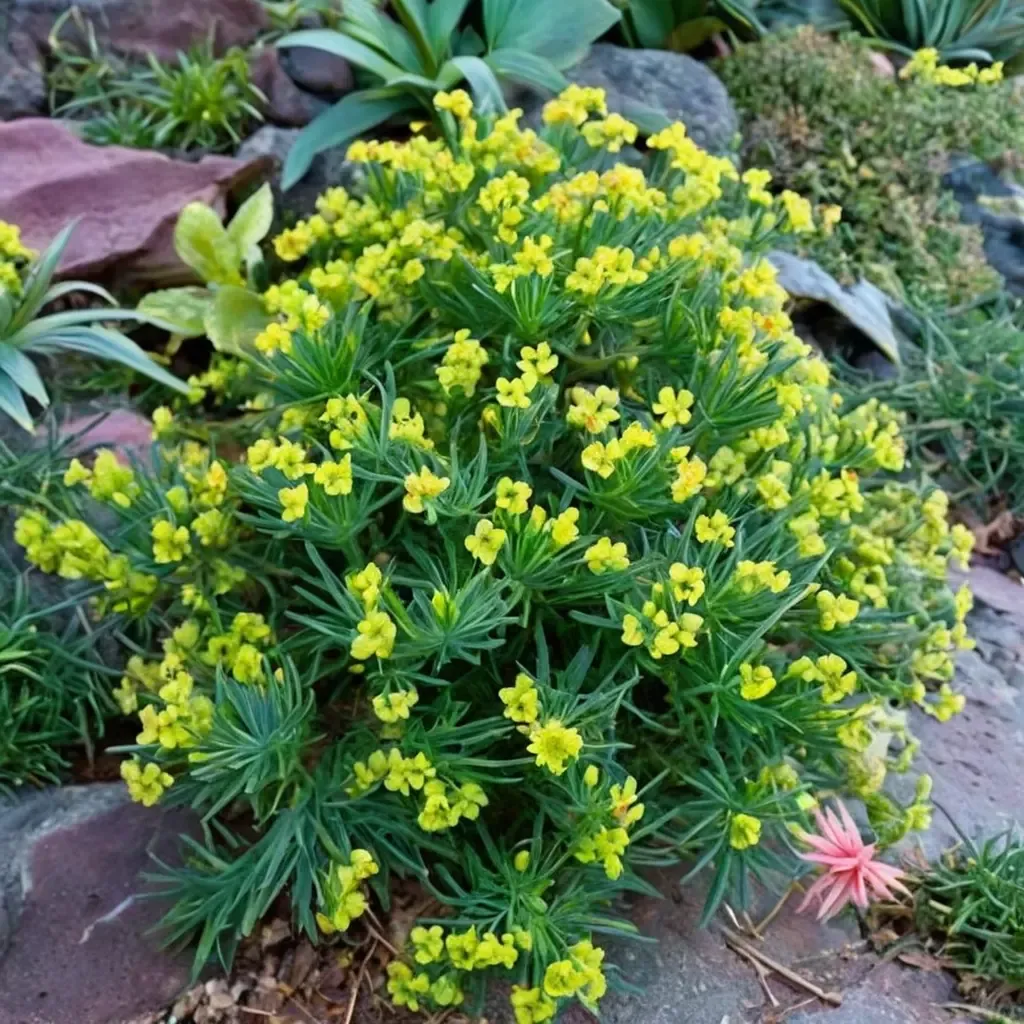
Ruby Spurge
Euphorbia cyparissias 'Fens Ruby'
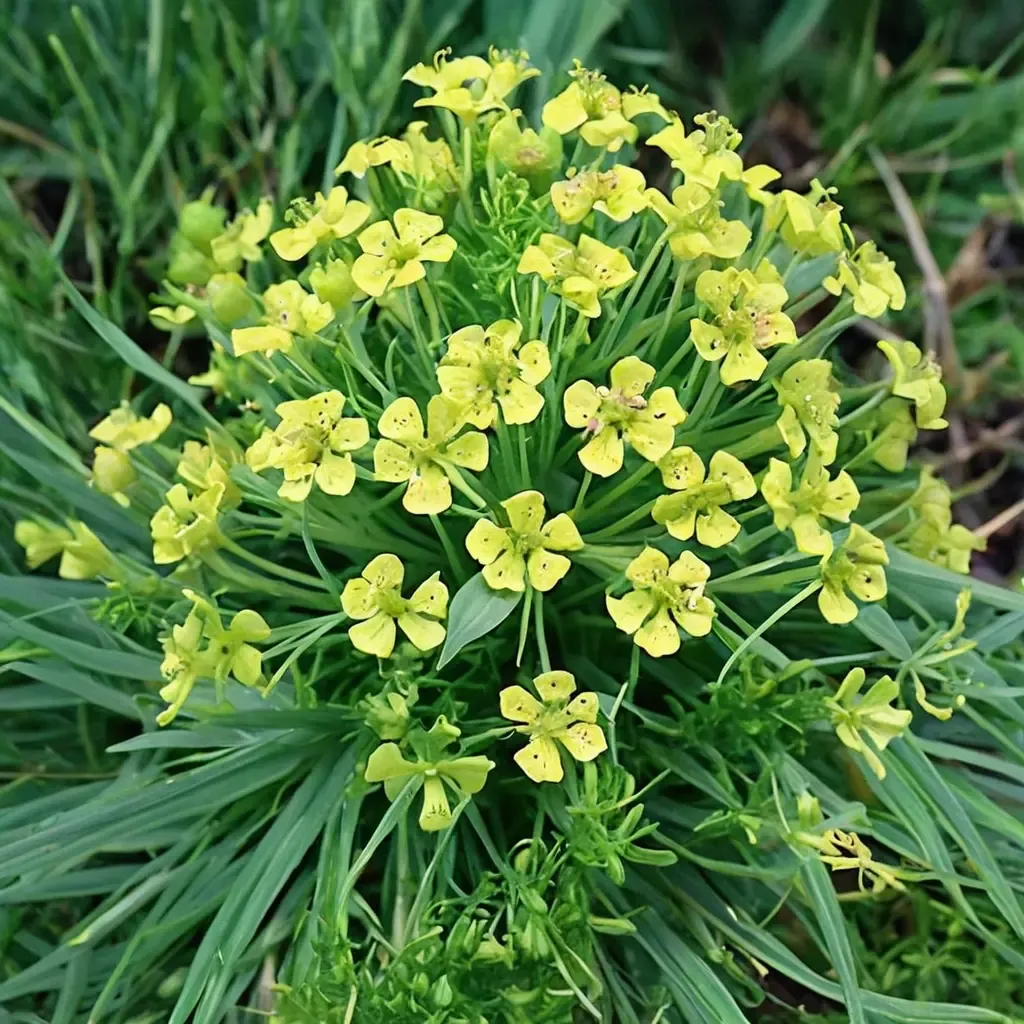
Cypress Spurge
Euphorbia cyparissias
Keep exploring
Explore the genus
Hardy in your zone?
Grow Candelilla with confidence
See it in a design of your actual yard, get zone-matched care reminders, and track it season by season in your garden journal.