The Story
Plant Bio
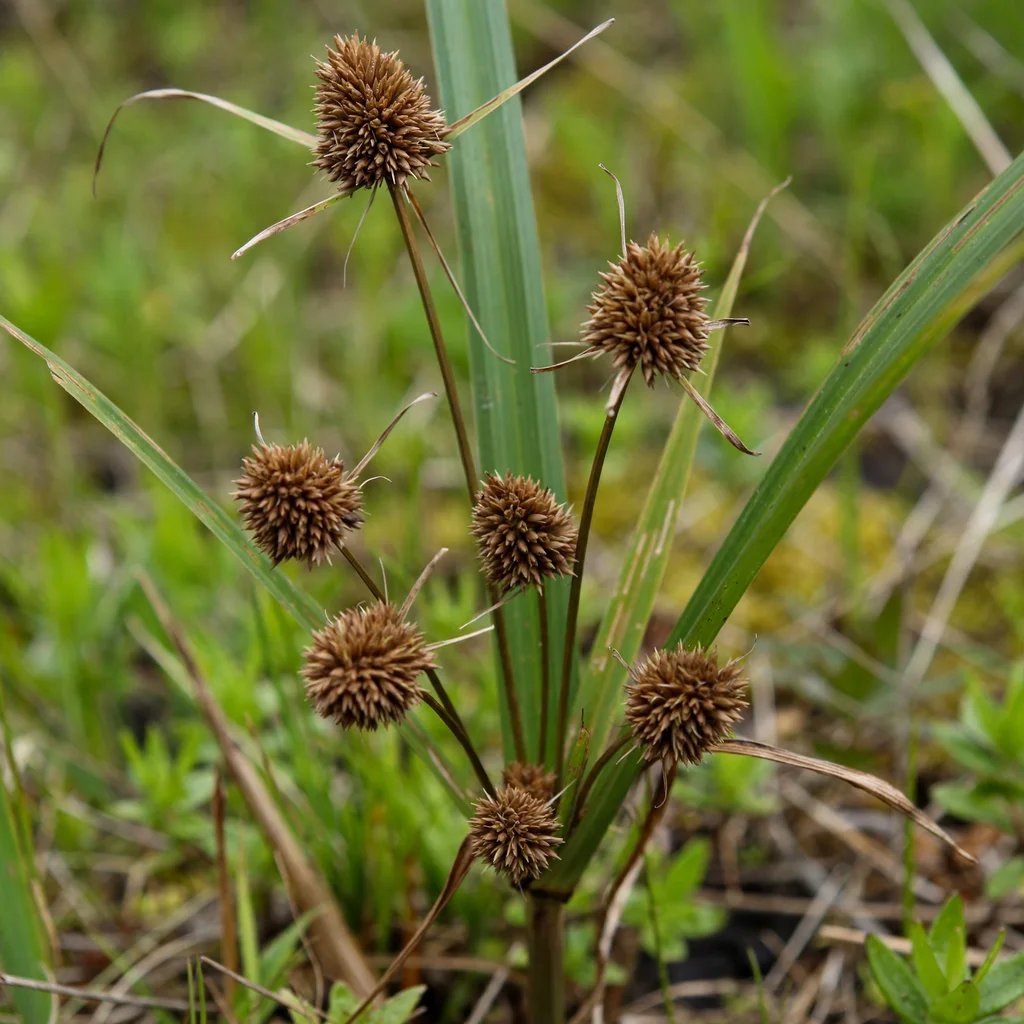
Cyperus cephalanthus, the buttonbush flatsedge, is a perennial rhizomatous sedge with sharply three-angled culms 2 to 3 mm wide and flat leaves 30 to 80 cm long by 4 to 10 mm wide, rough on the margins and ribs. The flowers have no showy perianth; pollination is by wind and the display is a dense head-like cluster of green to brown spikelets at the stem tip in summer.
This species is distinguished by its amphitropical disjunction, occurring wild only in wet prairies of Louisiana, Oklahoma and Texas and in eastern South America in Argentina, southern Brazil, Paraguay and Uruguay. It grows 16 to 28 inches tall in saturated hollows at 0 to 50 m and fruits in summer, and it remains a rare wild plant of remnant coastal prairie rather than a garden sedge.
Uses & Benefits:
Essentials
At a Glance
Plant Type
Grass
Height
28"
Width
24"
Light
Full Sun
Zones
7, 8, 9
Water
High
Humidity
Unknown
Lifespan
Perennial
Native To
South-central USA and eastern South America
Toxicity
Unknown
Bloom period
Summer – Early fall
In flower about 4 months of the year
Planting
How to Grow
- Plant divisions in spring in a low, open hollow that stays saturated.
- Set the rhizome crown level with the soil surface and firm sandy loam or clay around it.
- Flood the planting to saturation after planting to settle soil around roots.
- Maintain standing wetness through summer and leave foliage standing through winter.
Pro Tip
Keep the root zone saturated through summer in a low hollow; vigor drops fast if the depression dries.
Keep It Thriving
Care Guide
Do
- Keep soil saturated to wet through the growing season
- Site in an open wet hollow, not a dry bed
- Leave old culms standing through winter to protect the crown
Don't
- Do not let the root zone dry out in summer
- Do not collect plants from wild prairie remnants
- Do not expect drought tolerance or dry-soil performance
Seasonal Care Calendar
| Task | Jan | Feb | Mar | Apr | May | Jun | Jul | Aug | Sep | Oct | Nov | Dec |
|---|---|---|---|---|---|---|---|---|---|---|---|---|
| Mulch | ||||||||||||
| Pest Check | ||||||||||||
| Plant | ||||||||||||
| Spring Cleanup | ||||||||||||
| Winter Prep |
Watch Out For
Pests & Diseases
Common Pests
Common Diseases
In the Garden
Landscape Uses & Companions
Landscape Uses
Multiply
Propagation Methods
Good to Know
Common Questions
Buttonbush Flatsedge questions
What zones can Buttonbush Flatsedge grow in?
Buttonbush Flatsedge is hardy in USDA Zones 7–9: in that range it survives winter in the ground. Colder than Zone 7, grow it in a container you can move to shelter for the winter, or as an annual. Warmer than Zone 9, winter isn't the problem: it prefers colder winters, and summer heat can shorten its life.
When does Buttonbush Flatsedge bloom?
Buttonbush Flatsedge typically blooms from early summer to early fall. Exact timing shifts a week or two with your zone — Sow's bloom calendar maps it to your garden.
Does Buttonbush Flatsedge need full sun?
Buttonbush Flatsedge does best in full sun (6+ hours).
More Cyperus to compare
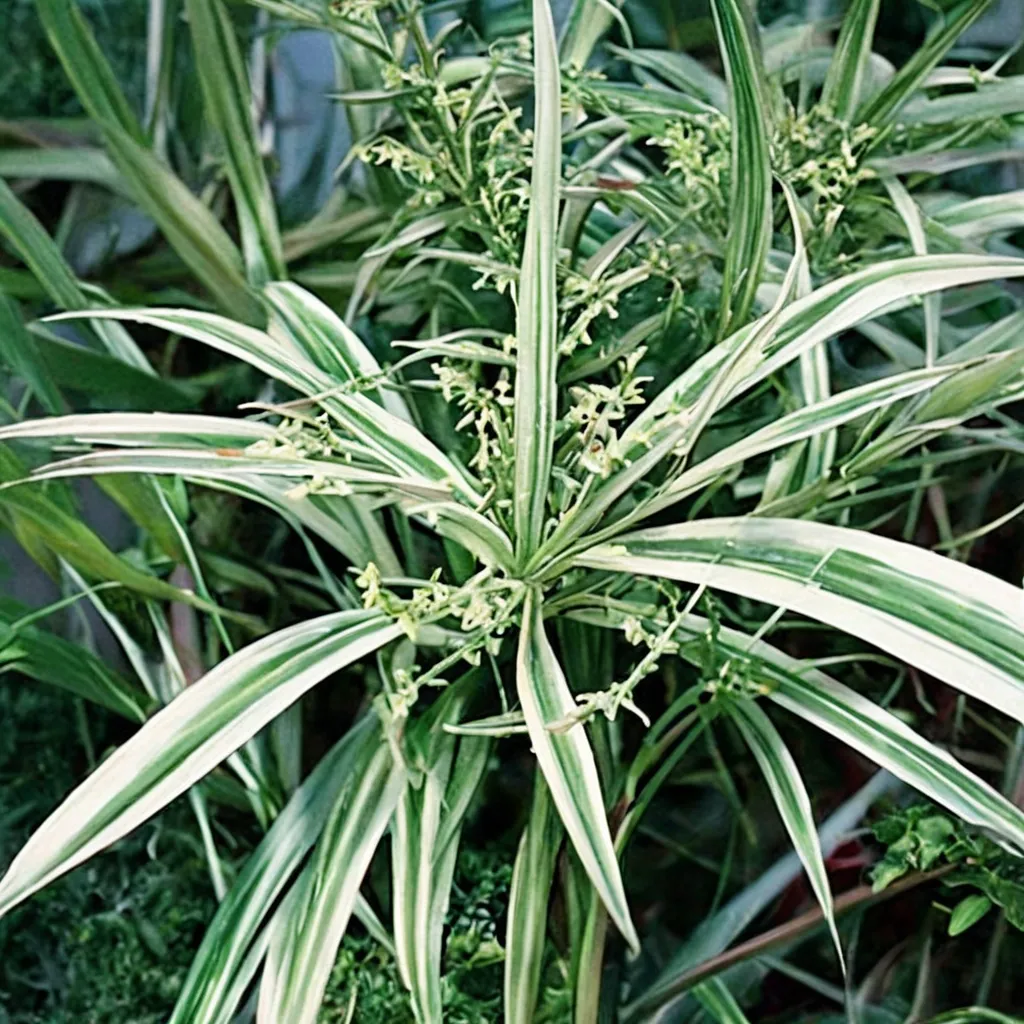
Variegated Dwarf Umbrella Grass
Cyperus albostriatus 'Variegatus'
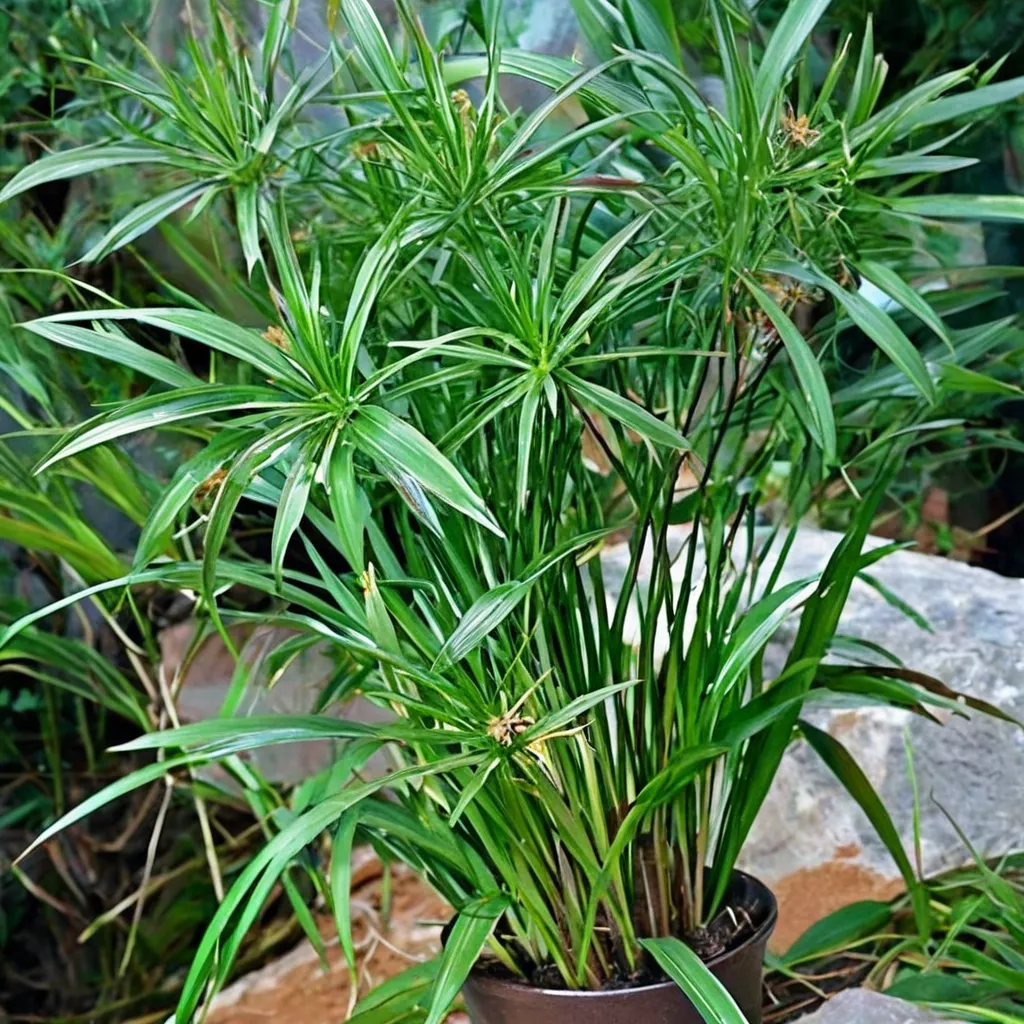
Umbrella Plant
Cyperus alternifolius
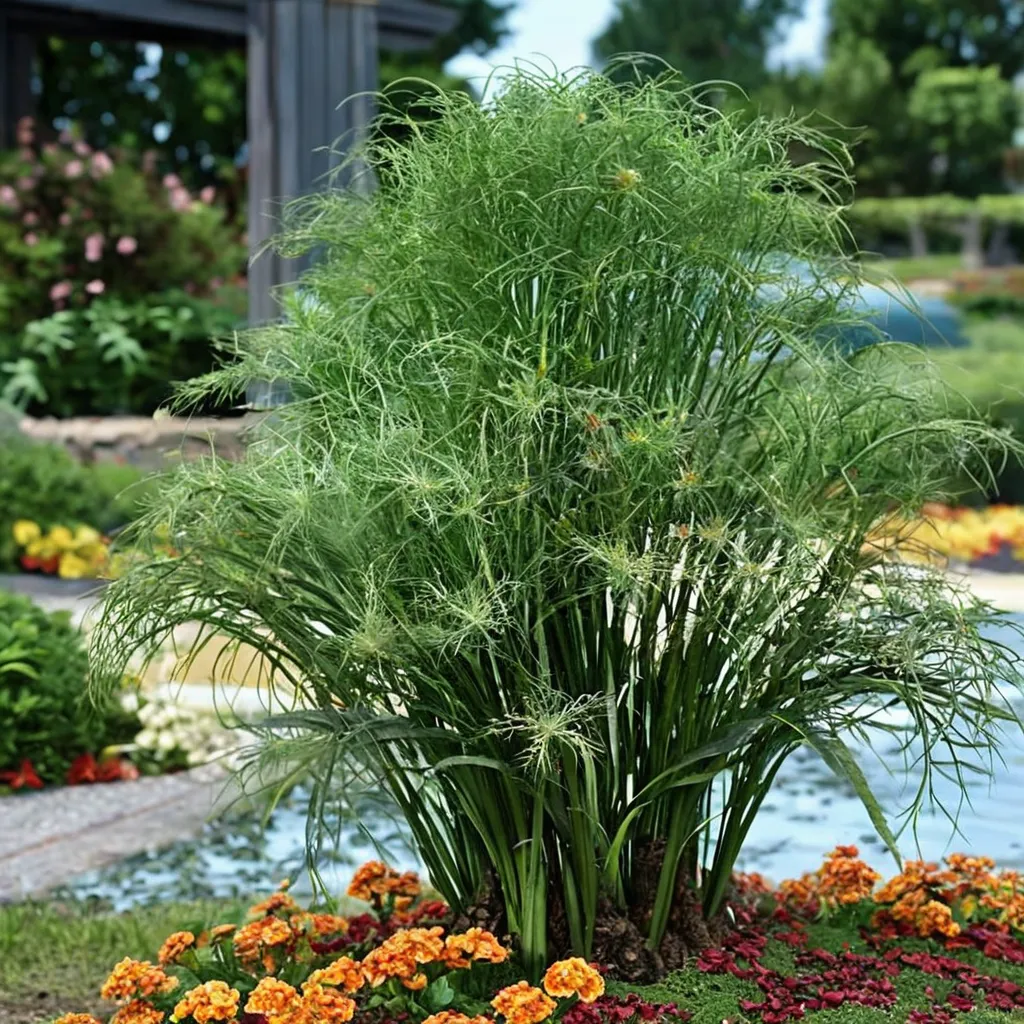
King Tut Papyrus
Cyperus papyrus 'King Tut'
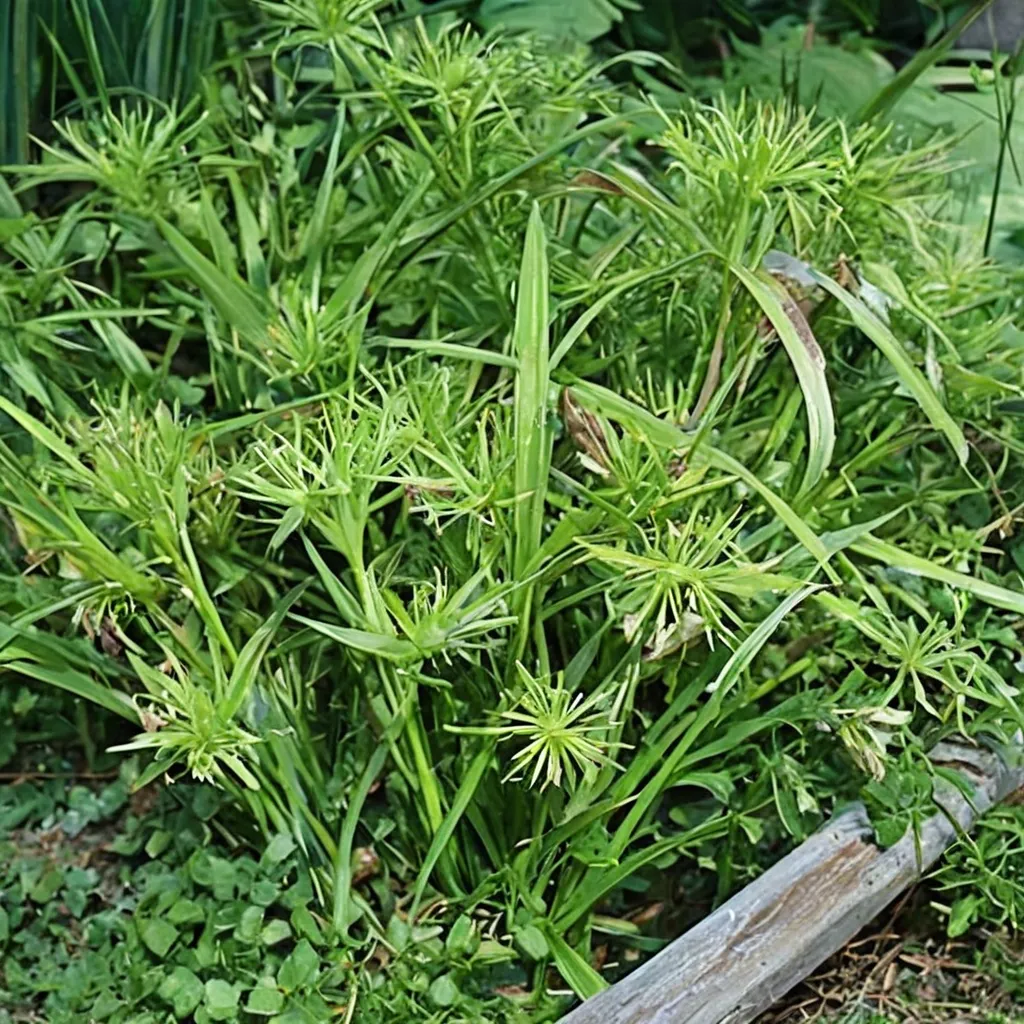
Dwarf Umbrella Plant
Cyperus albostriatus 'Nanus'
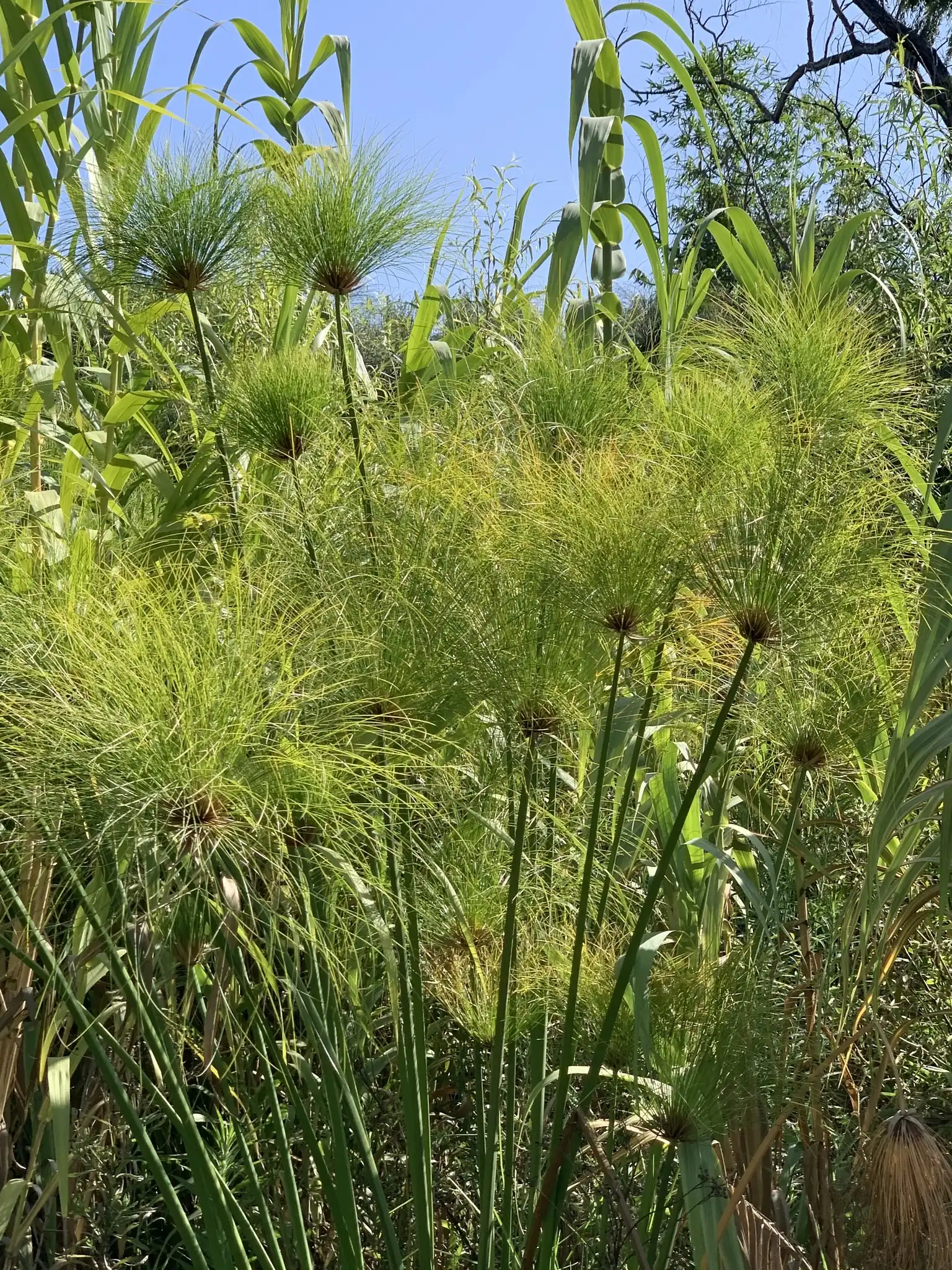
Papyrus
Cyperus papyrus
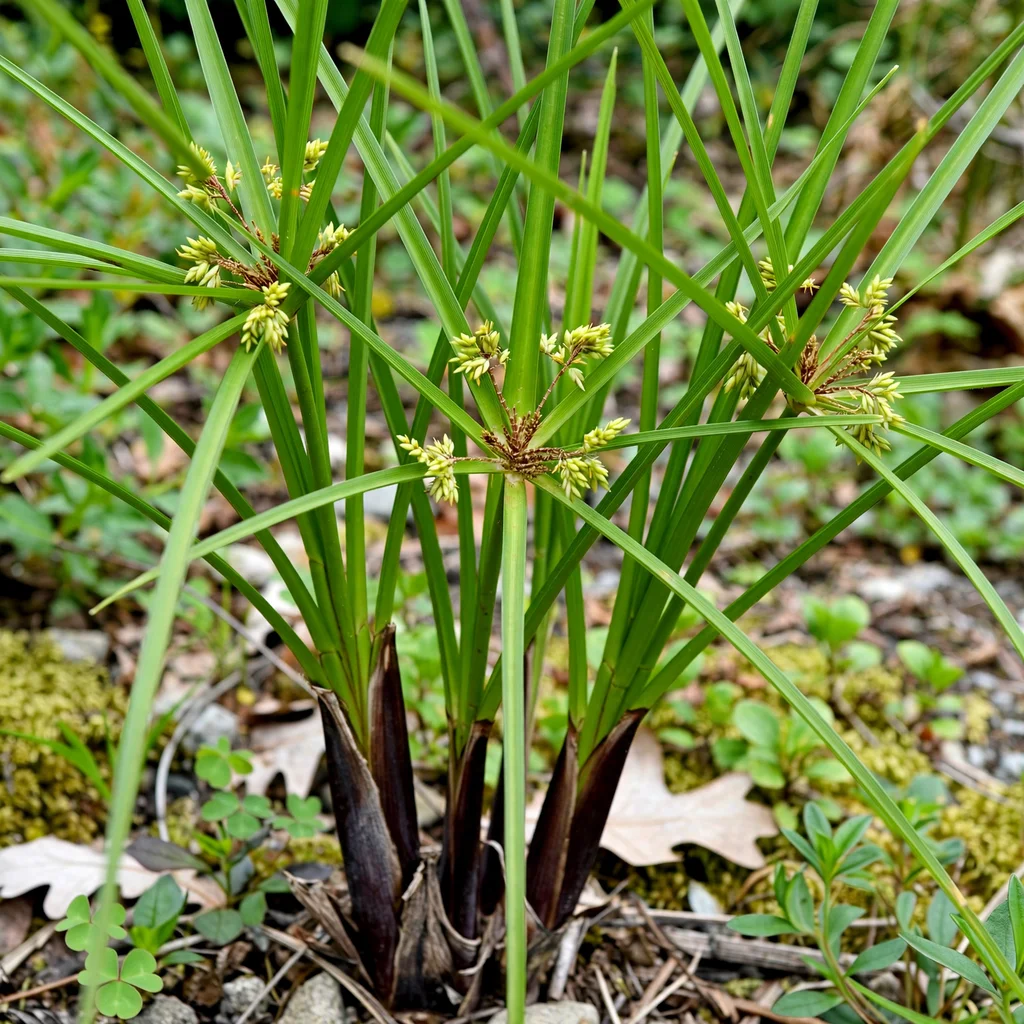
Tall Flatsedge
Cyperus eragrostis
Keep exploring
Explore the genus
Hardy in your zone?
Grow Buttonbush Flatsedge with confidence
See it in a design of your actual yard, get zone-matched care reminders, and track it season by season in your garden journal.