The Story
Plant Bio
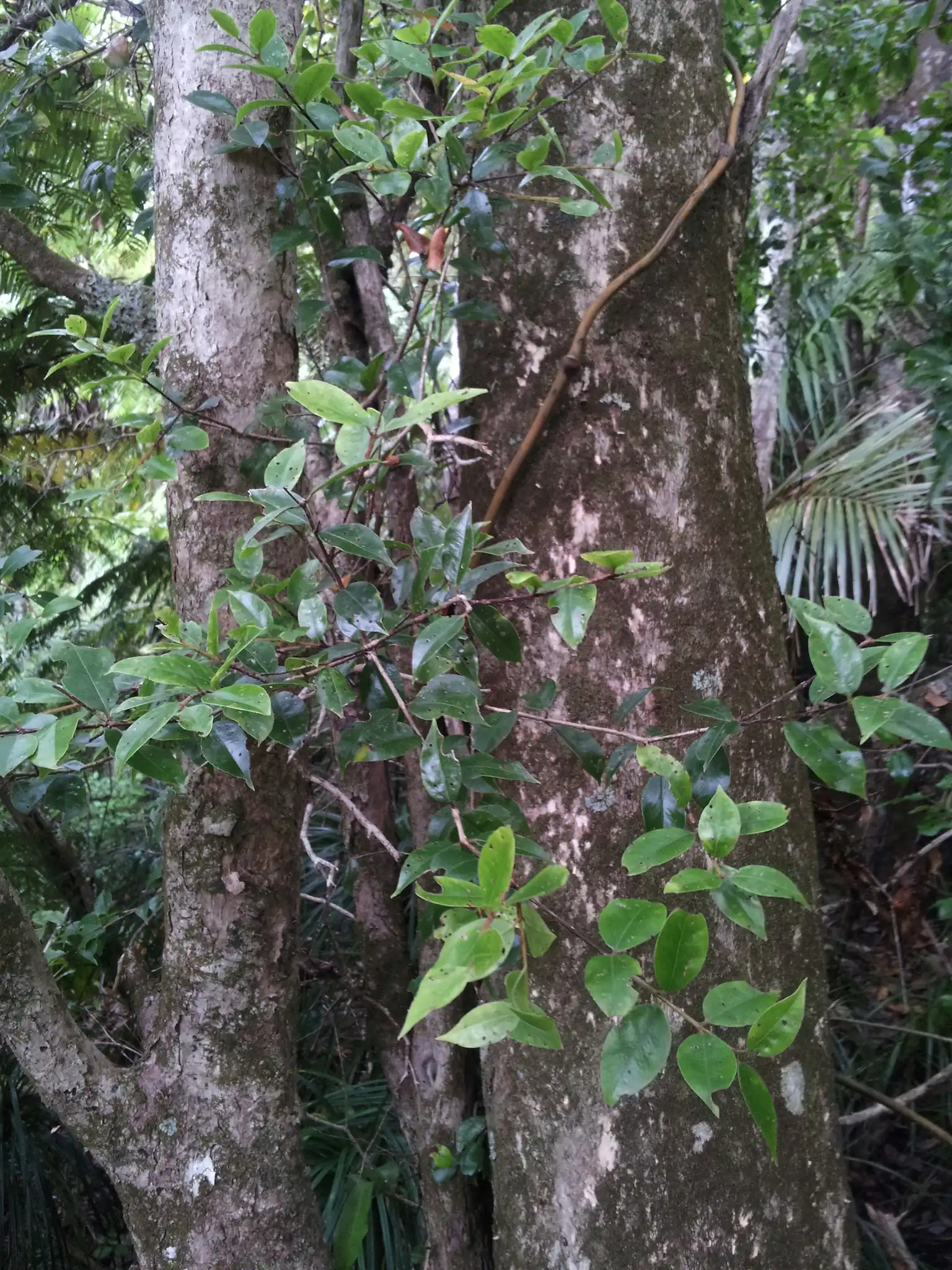
Metrosideros bartlettii is a rare forest tree native to the Northland Region of New Zealand that often begins life as an epiphyte before anchoring into the forest floor. In cultivation, it forms a large canopy tree featuring distinct pale grey to whitish, spongy, paper-like bark that flakes easily from the trunk.
Unlike red-flowered rātā species, this tree produces small white flowers in rounded terminal clusters with prominent stamens during spring. Its dark green leaves are papery to leathery with sharply pointed tips and fine white hairs along new growth margins.
Uses & Benefits:
Essentials
At a Glance
Plant Type
Tree
Height
1181"
Width
590"
Light
Full Sun, Partial Sun
Zones
9, 10
Water
Moderate
Humidity
Moderate
Lifespan
Perennial
Native To
New Zealand
Toxicity
Non-toxic
Bloom period
Spring – Late spring
In flower about 3 months of the year
Planting
How to Grow
- Select a planting site in full sun to partial shade that offers shelter from strong cold winds and heavy frost.
- Prepare a site rich in organic compost or leaf mold, ensuring the soil drains freely to prevent waterlogging.
- Set the root ball gently at soil level without disturbing the roots or planting deeper than the nursery container.
- Water consistently to maintain soil moisture during establishment and apply mulch around the base to protect roots.
Pro Tip
Plant in well-draining, humus-rich soil without disturbing the fragile root system, and avoid heavy chemical phosphorus fertilizers.
Keep It Thriving
Care Guide
Do
- Maintain consistent soil moisture, especially while young.
- Protect young specimens from severe frost and cold drying winds.
- Apply a low-phosphorus organic slow-release fertilizer in spring.
Don't
- Do not cut heavily into old, leafless wood when pruning.
- Do not plant in heavy clay soils or waterlogged areas.
- Do not allow young trees to suffer prolonged drought.
Seasonal Care Calendar
| Task | Jan | Feb | Mar | Apr | May | Jun | Jul | Aug | Sep | Oct | Nov | Dec |
|---|---|---|---|---|---|---|---|---|---|---|---|---|
| Fertilize | ||||||||||||
| Mulch | ||||||||||||
| Pest Check | ||||||||||||
| Prune | ||||||||||||
| Winter Prep |
Watch Out For
Pests & Diseases
Common Pests
Common Diseases
In the Garden
Landscape Uses & Companions
Landscape Uses
Companion Plants
Multiply
Propagation Methods
Good to Know
Common Questions
Bartlett's Rātā questions
What zones can Bartlett's Rātā grow in?
Bartlett's Rātā is hardy in USDA Zones 9–10: in that range it survives winter in the ground. Colder than Zone 9, winters are too cold for it to survive outdoors.
Is Bartlett's Rātā deer resistant?
Not reliably. Deer may browse Bartlett's Rātā, especially tender spring growth — plan on repellents or fencing where pressure is high.
When does Bartlett's Rātā bloom?
Bartlett's Rātā typically blooms in spring. Exact timing shifts a week or two with your zone — Sow's bloom calendar maps it to your garden.
Does Bartlett's Rātā need full sun?
Bartlett's Rātā does best in full sun to part shade. In hot climates, afternoon shade keeps blooms fresher longer.
More Metrosideros to compare
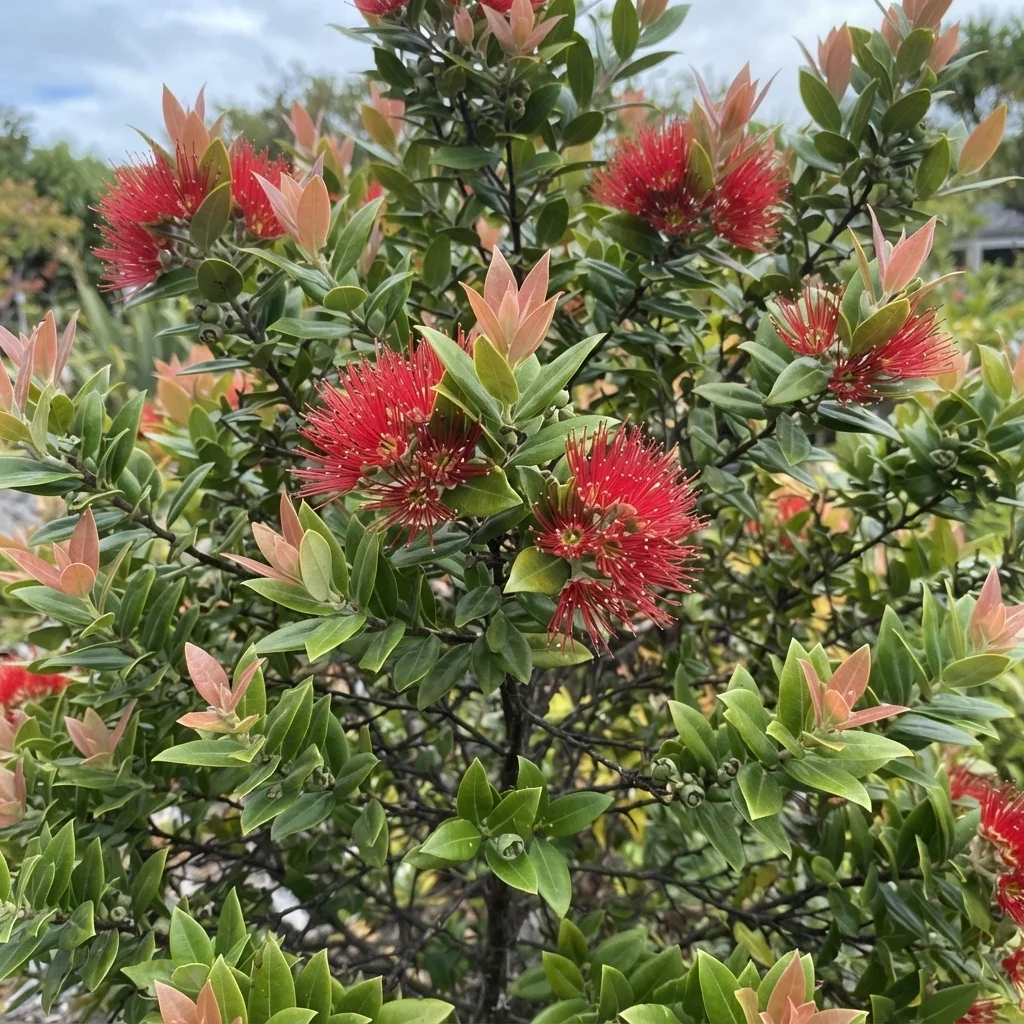
Southern Rata
Metrosideros umbellata
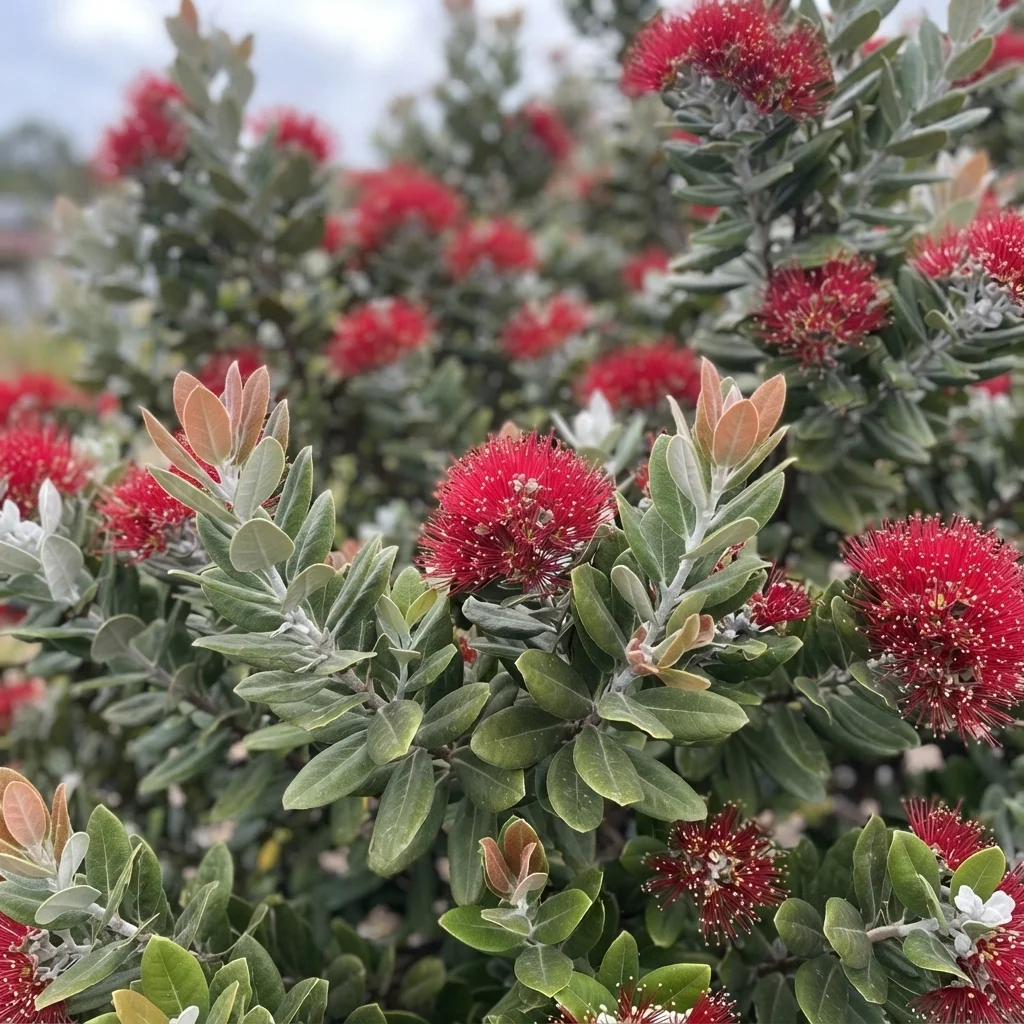
New Zealand Christmas Tree
Metrosideros excelsa
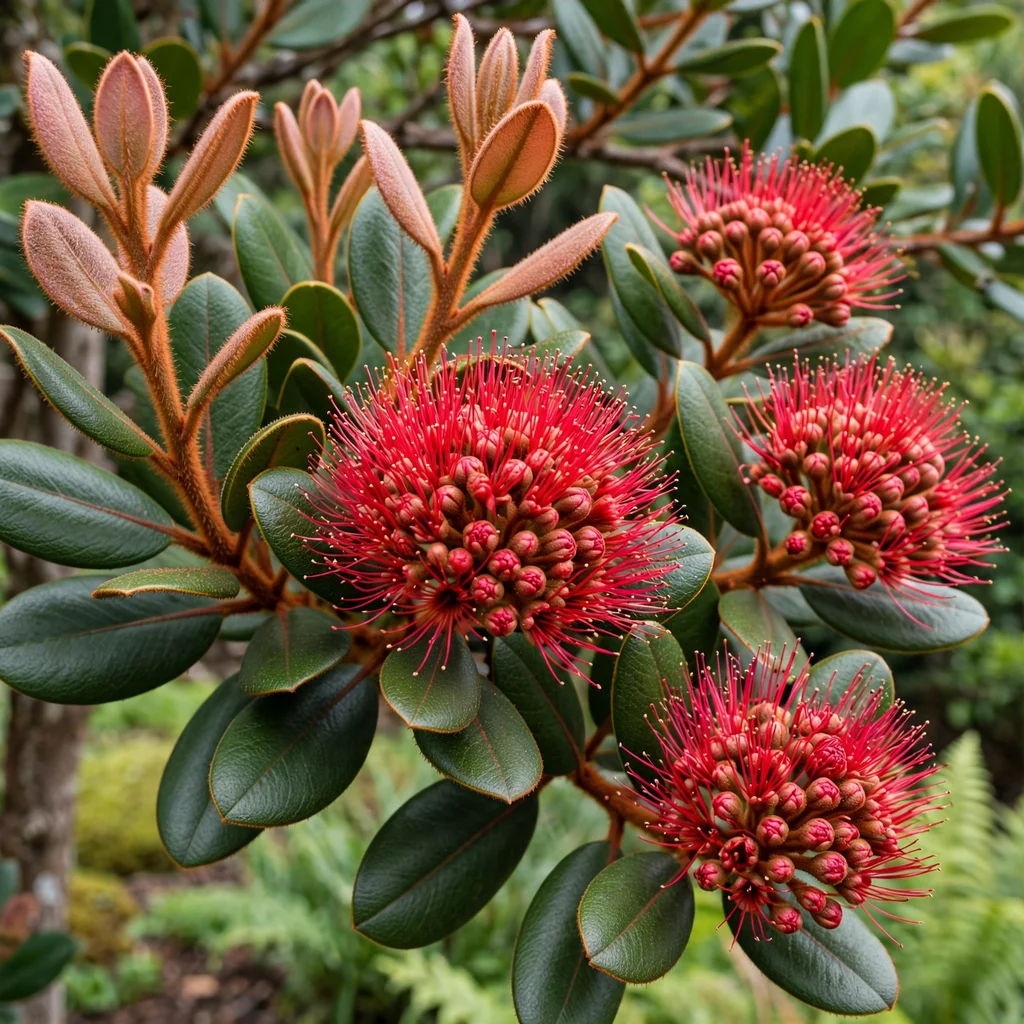
Northern Rātā
Metrosideros robusta
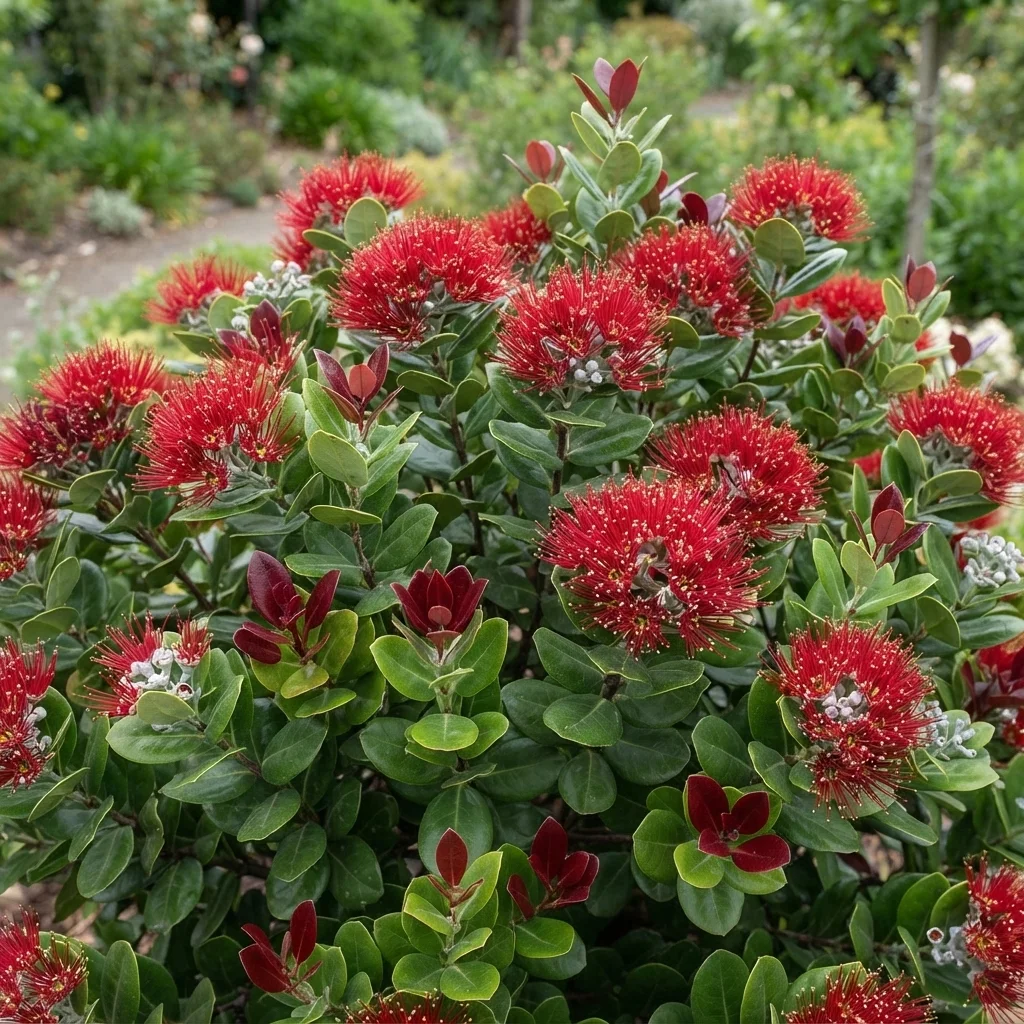
New Zealand Christmas Bush
Metrosideros collina 'Fiji Fire'
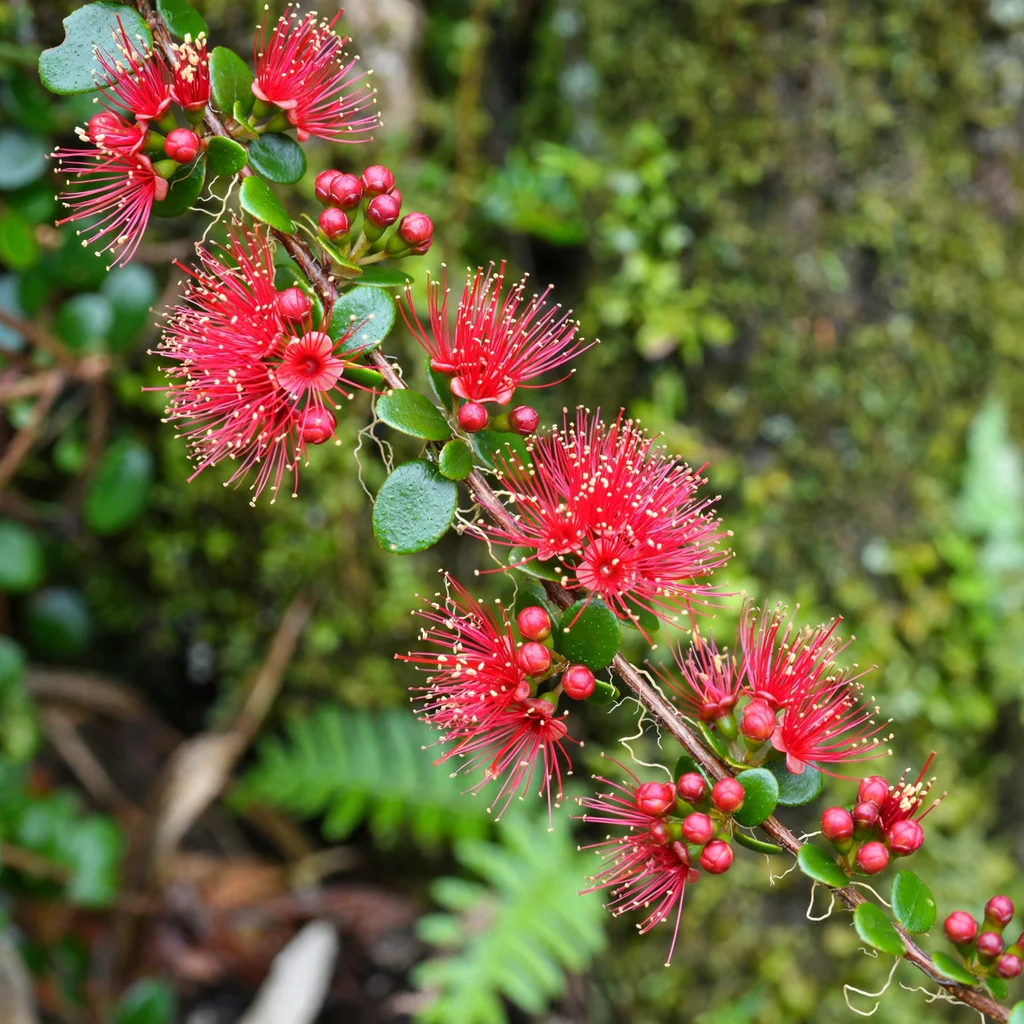
Carmine Rata
Metrosideros carminea
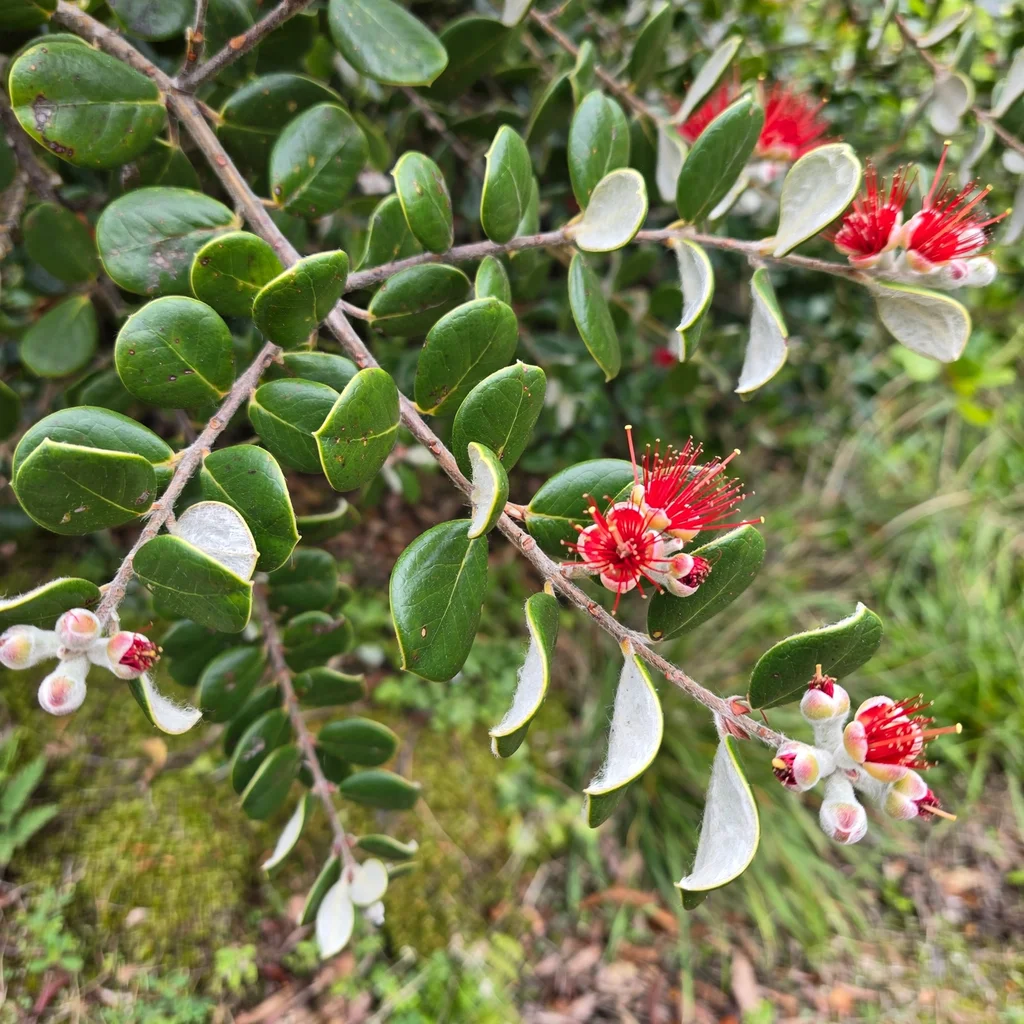
Kermadec Pohutukawa
Metrosideros kermadecensis
Keep exploring
Explore the genus
Hardy in your zone?
Grow Bartlett's Rātā with confidence
See it in a design of your actual yard, get zone-matched care reminders, and track it season by season in your garden journal.