The Story
Plant Bio
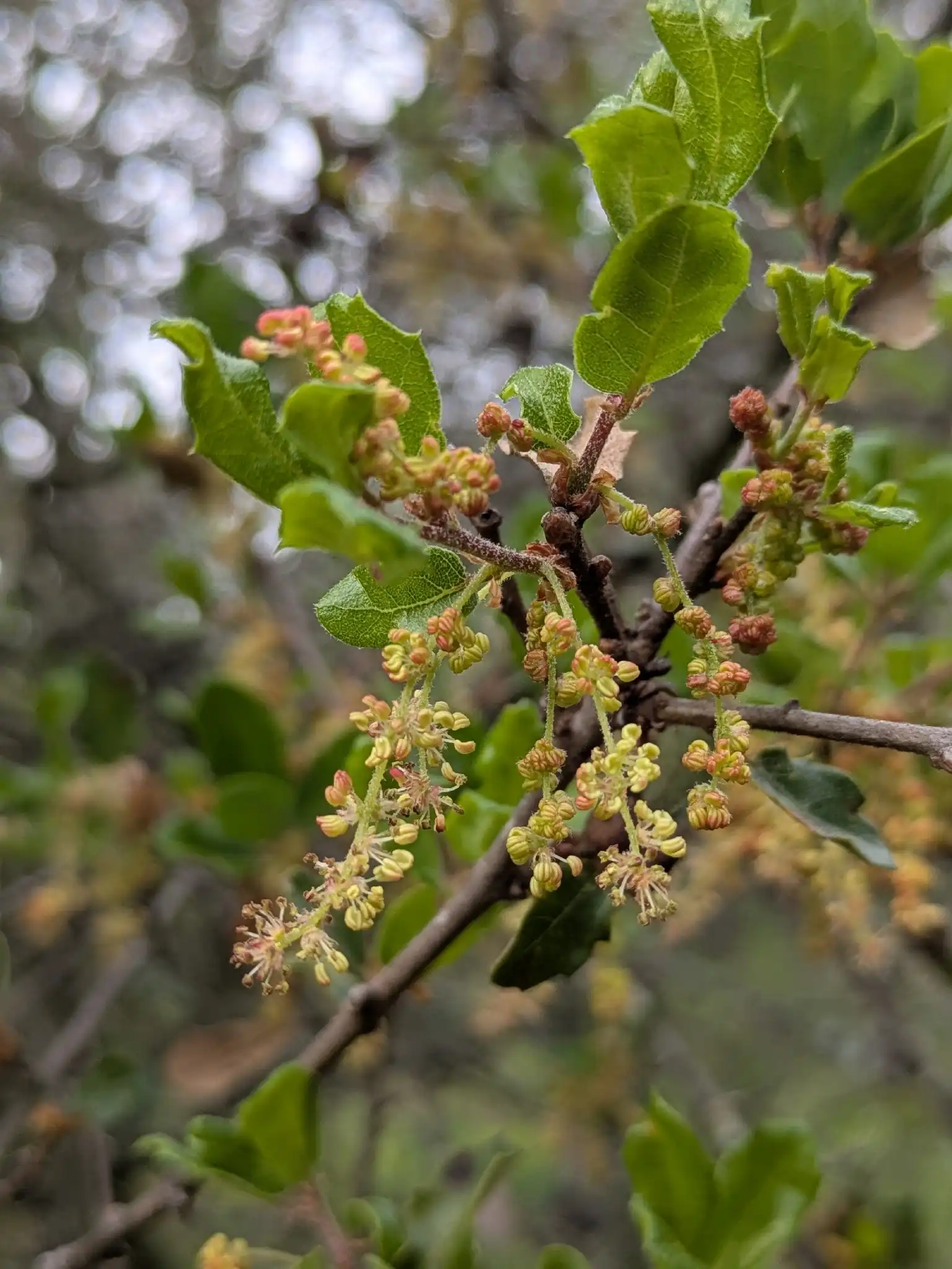
Quercus dumosa is a dense, stiffly branched evergreen shrub native to dry coastal bluffs and chaparral of Southern California and Baja California. It forms a rounded, multi-stemmed thicket growing three to fifteen feet tall with small, spiny-toothed leathery leaves.
Unlike many deciduous oaks, this rare coastal species retains its dusty dark green foliage year-round and produces subtle yellowish-green catkins in spring. It plays a vital ecological role in coastal sage scrub, yielding acorns that feed songbirds, jays, and small mammals.
Uses & Benefits:
Essentials
At a Glance
Plant Type
Shrub
Height
177"
Width
177"
Light
Full Sun, Partial Sun
Zones
8, 9, 10
Water
Low
Humidity
Low
Lifespan
Perennial
Native To
Southwestern California and Baja California
Toxicity
Non-toxic (foliage is spiny)
Bloom period
Spring
In flower about 3 months of the year
Planting
How to Grow
- Select a planting site in full sun or light shade with fast-draining, sandy or gravelly native soil.
- Dig a hole twice as wide as the container and equal in depth, taking care not to disturb the deep central taproot.
- Backfill with unamended native soil and water deeply at planting time to settle the root ball.
- Provide light supplemental water during the first winter only, stopping irrigation entirely as warm summer weather begins.
Pro Tip
Do not water this plant during hot summer months once established; warm, moist soil triggers fatal root rot fungi like Phytophthora and Armillaria.
Keep It Thriving
Care Guide
Do
- Plant in fast-draining, lean mineral soil in full sun.
- Protect young seedlings from deer and rabbit browsing.
- Allow soil to dry out completely between winter rainfalls.
Don't
- Do not apply fertilizers, which encourage destructive root rot fungi.
- Do not irrigate during warm summer months after the initial establishment period.
- Do not prune heavily into old, leafless wood.
Seasonal Care Calendar
| Task | Jan | Feb | Mar | Apr | May | Jun | Jul | Aug | Sep | Oct | Nov | Dec |
|---|---|---|---|---|---|---|---|---|---|---|---|---|
| Pest Check | ||||||||||||
| Plant | ||||||||||||
| Propagate | ||||||||||||
| Prune |
Watch Out For
Pests & Diseases
Common Pests
Common Diseases
In the Garden
Landscape Uses & Companions
Landscape Uses
Multiply
Propagation Methods
Good to Know
Common Questions
Nuttall's Scrub Oak questions
What zones can Nuttall's Scrub Oak grow in?
Nuttall's Scrub Oak is hardy in USDA Zones 8–10: in that range it survives winter in the ground. Colder than Zone 8, grow it in a container you can move to shelter for the winter.
Is Nuttall's Scrub Oak deer resistant?
Not reliably. Deer may browse Nuttall's Scrub Oak, especially tender spring growth — plan on repellents or fencing where pressure is high.
When does Nuttall's Scrub Oak bloom?
Nuttall's Scrub Oak typically blooms in spring. Exact timing shifts a week or two with your zone — Sow's bloom calendar maps it to your garden.
Does Nuttall's Scrub Oak need full sun?
Nuttall's Scrub Oak does best in full sun to part shade. In hot climates, afternoon shade keeps blooms fresher longer.
Is Nuttall's Scrub Oak drought tolerant?
Yes — once established (usually after the first full season), Nuttall's Scrub Oak handles dry spells with minimal watering. Water deeply its first year to build the root system that makes that possible.
More Quercus to compare
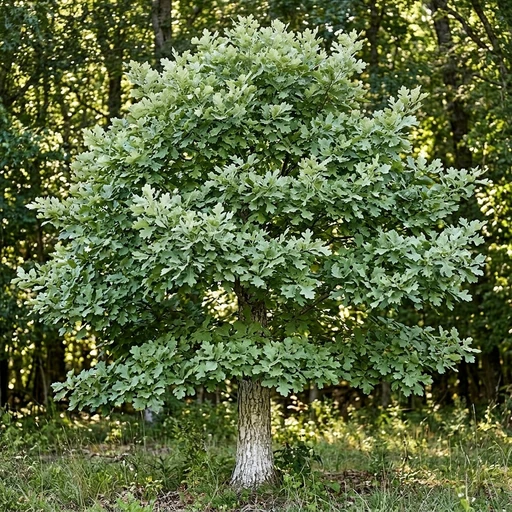
White Oak
Quercus alba
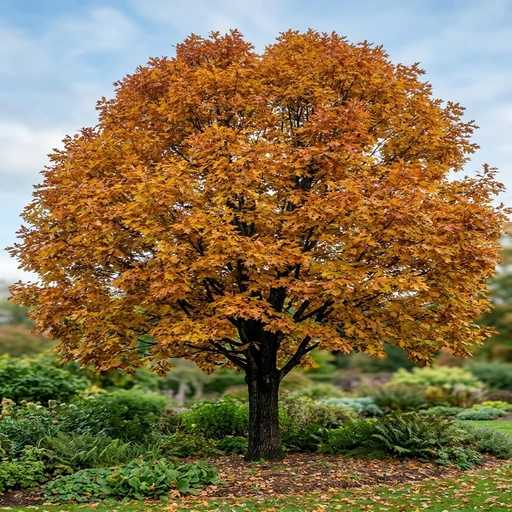
Black Oak
Quercus velutina
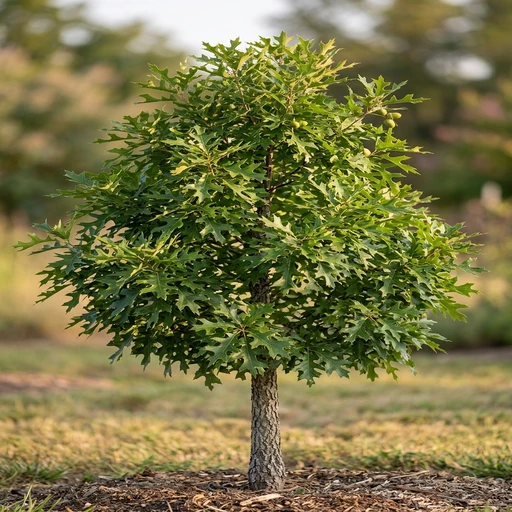
Nuttall Oak
Quercus texana
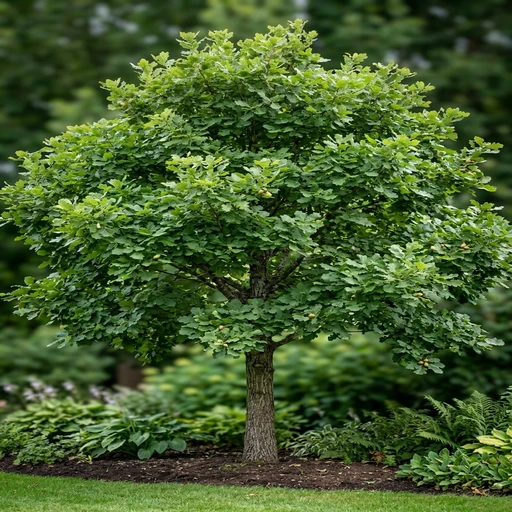
English Oak
Quercus robur
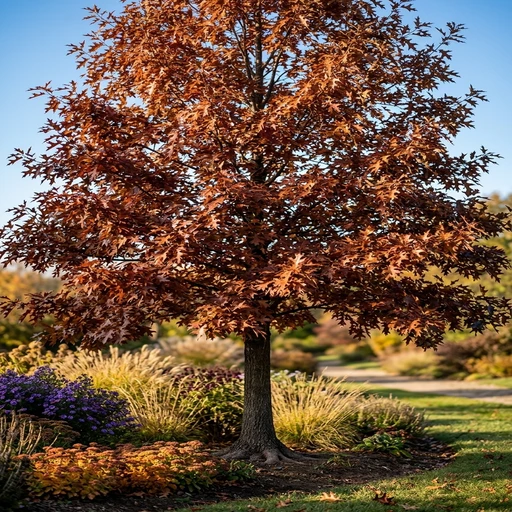
Pin Oak
Quercus palustris
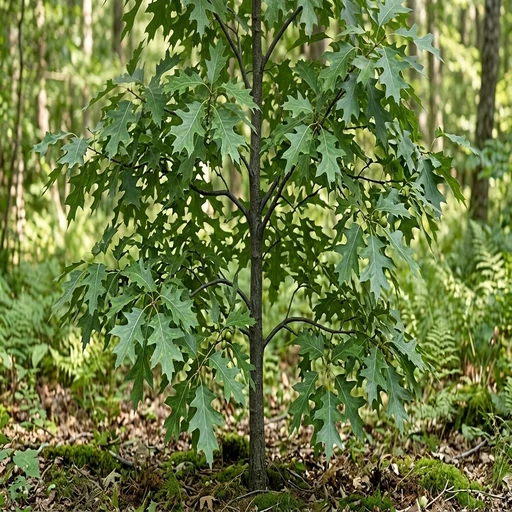
Scarlet Oak
Quercus coccinea
Keep exploring
Explore the genus
Hardy in your zone?
Grow Nuttall's Scrub Oak with confidence
See it in a design of your actual yard, get zone-matched care reminders, and track it season by season in your garden journal.