The Story
Plant Bio
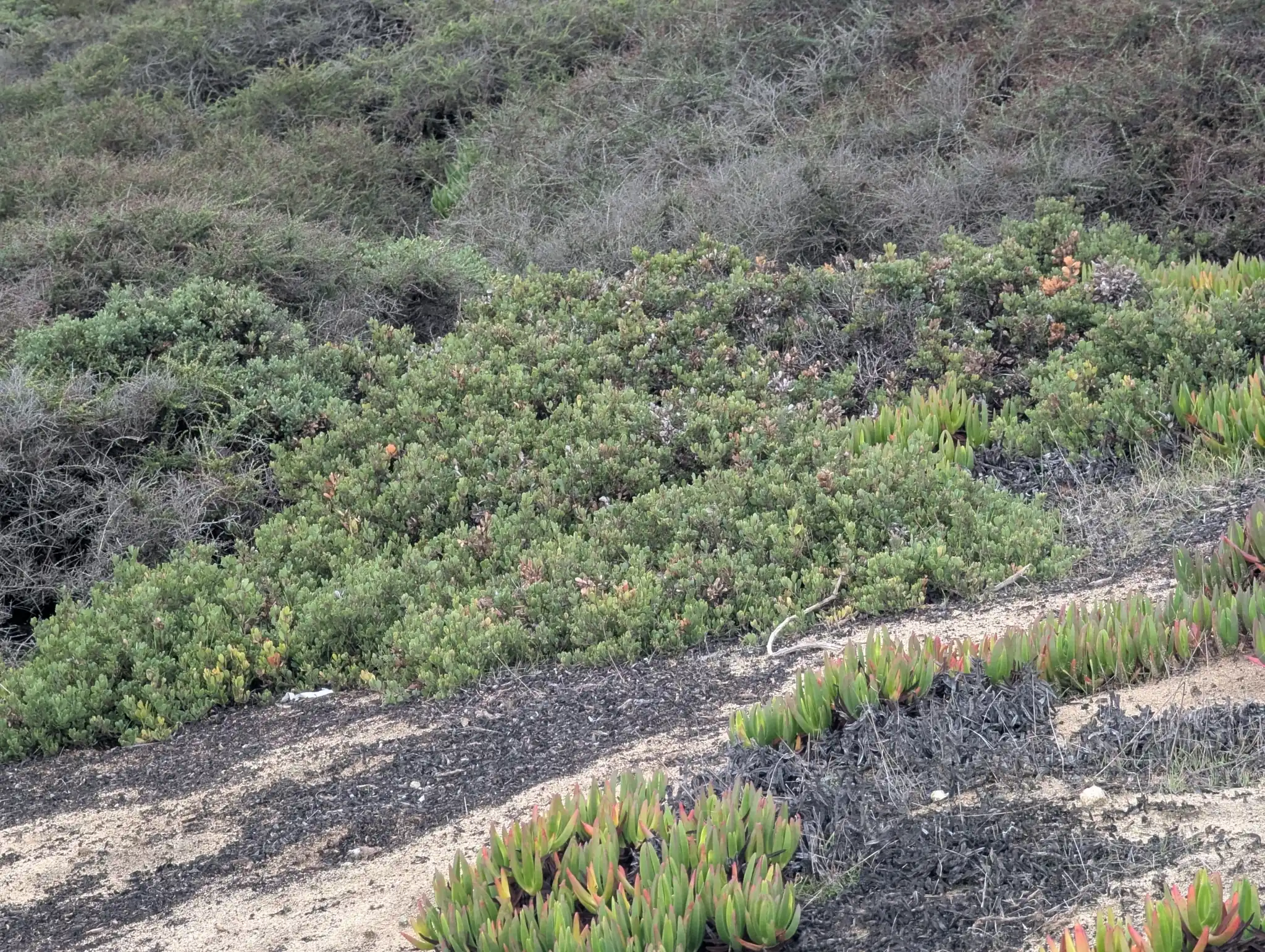
Arctostaphylos pumila is a low, spreading evergreen shrub with smooth reddish-brown bark and small glossy green leaves that persist year-round. It produces sparse clusters of urn-shaped white to very pale pink flowers in winter and spring, followed by brown fruit.
Unlike taller manzanitas it forms flat creeping mats two to three feet high and four to five feet wide on dune sand and sea bluffs. Blue-green and small-leaf selections are sold, but the species is recognized by its petite stature, salt tolerance and requirement for fast drainage with no summer water.
Uses & Benefits:
Essentials
At a Glance
Plant Type
Shrub
Height
36"
Width
54"
Light
Full Sun, Partial Sun
Water
Very low
Humidity
Unknown
Lifespan
Woody evergreen shrub
Native To
California Monterey Bay coast
Toxicity
Unknown
Bloom period
Winter – Spring
In flower about 6 months of the year
Planting
How to Grow
- Plant in fall into deep sand in full sun to dappled shade, setting the crown slightly above grade.
- Water deeply at planting, then taper to once a month or less through the first dry season.
- Withhold summer water once established; mature plants persist on winter rain alone.
- Prune lightly after bloom only to limit spread, never cutting into old leafless wood.
Pro Tip
Set the crown high in deep sand and withhold summer water once established; saturated soil promotes Phytophthora root rot that kills the plant.
Keep It Thriving
Care Guide
Do
- Grow in fast-draining sand with pH 5.0 to 7.0.
- Give full sun on the coast with room to spread four to five feet.
- Use nursery-grown plants to protect rare wild populations.
Don't
- Do not irrigate in summer or plant where water collects.
- Do not prune into old bare wood; it does not resprout reliably.
- Do not fertilize heavily or amend sand with rich compost.
Seasonal Care Calendar
| Task | Jan | Feb | Mar | Apr | May | Jun | Jul | Aug | Sep | Oct | Nov | Dec |
|---|---|---|---|---|---|---|---|---|---|---|---|---|
| Mulch | ||||||||||||
| Pest Check | ||||||||||||
| Plant | ||||||||||||
| Prune |
Watch Out For
Pests & Diseases
Common Pests
Common Diseases
In the Garden
Landscape Uses & Companions
Landscape Uses
Multiply
Propagation Methods
Good to Know
Common Questions
Sandmat Manzanita questions
Is Sandmat Manzanita deer resistant?
Yes — Sandmat Manzanita is rated deer-resistant. Deer typically pass it over, though extreme hunger can override any plant's defenses.
When does Sandmat Manzanita bloom?
Sandmat Manzanita typically blooms from winter to spring. Exact timing shifts a week or two with your zone — Sow's bloom calendar maps it to your garden.
Does Sandmat Manzanita need full sun?
Sandmat Manzanita does best in full sun to part shade. In hot climates, afternoon shade keeps blooms fresher longer.
Is Sandmat Manzanita drought tolerant?
Yes — once established (usually after the first full season), Sandmat Manzanita handles dry spells with minimal watering. Water deeply its first year to build the root system that makes that possible.
More Arctostaphylos to compare
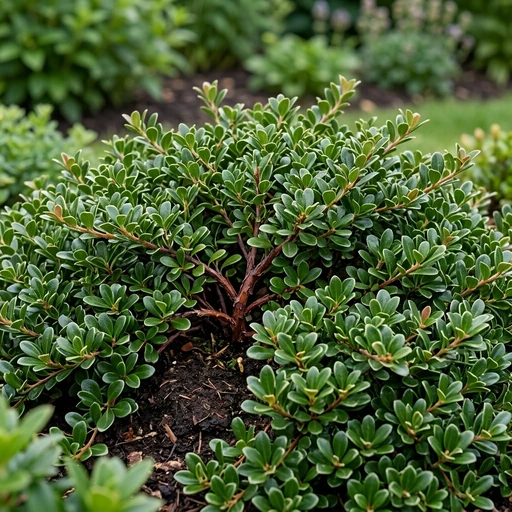
Massachusetts Common Bearberry
Arctostaphylos uva-ursi 'Massachusetts'
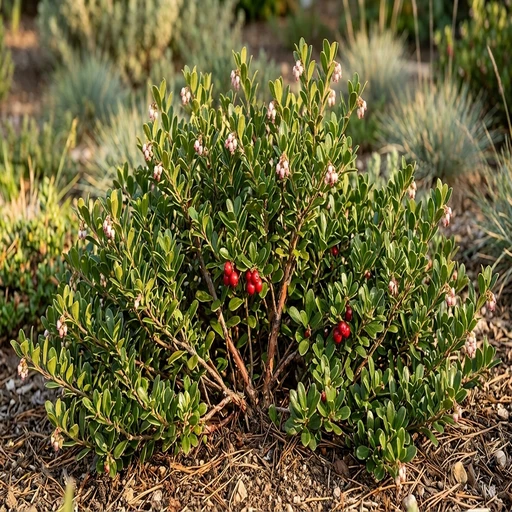
Bearberry
Arctostaphylos uva-ursi
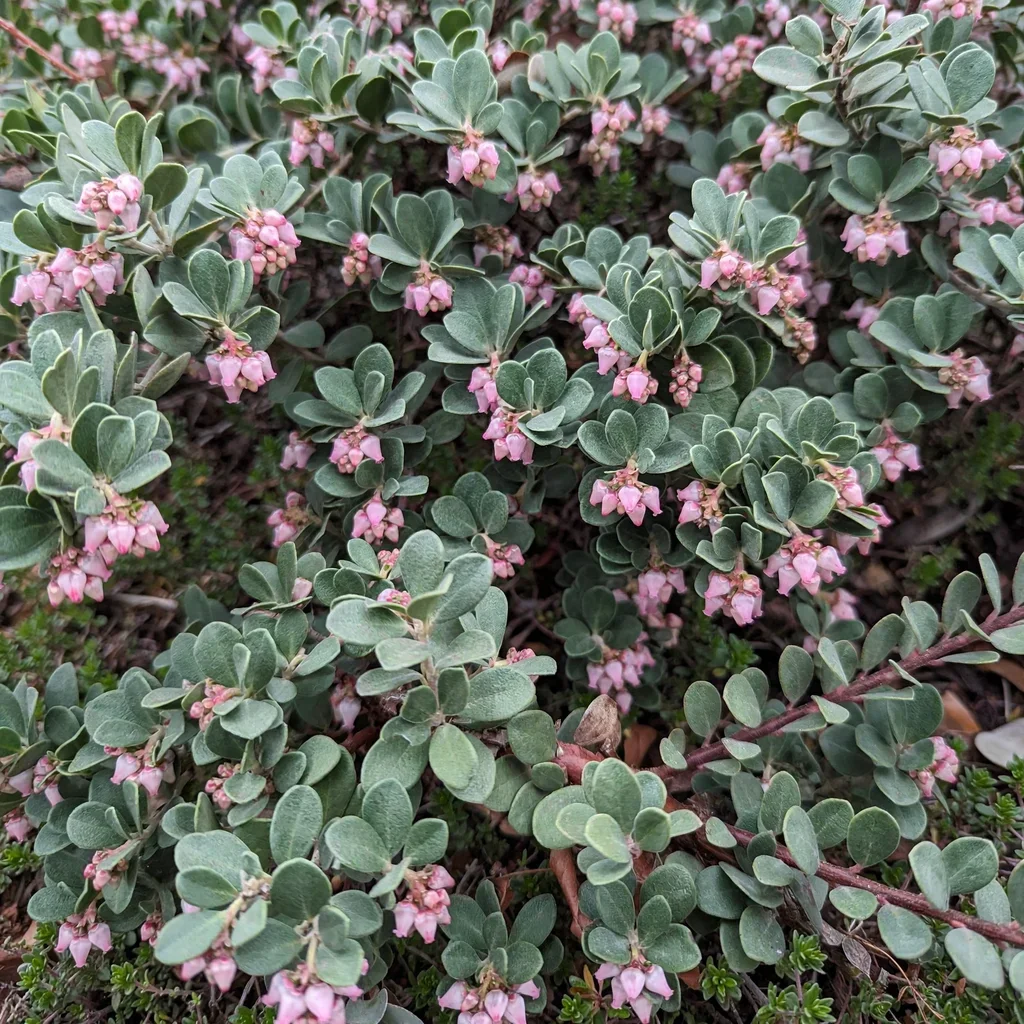
Ron Clendenen Manzanita
Arctostaphylos x media 'Ron Clendenen'
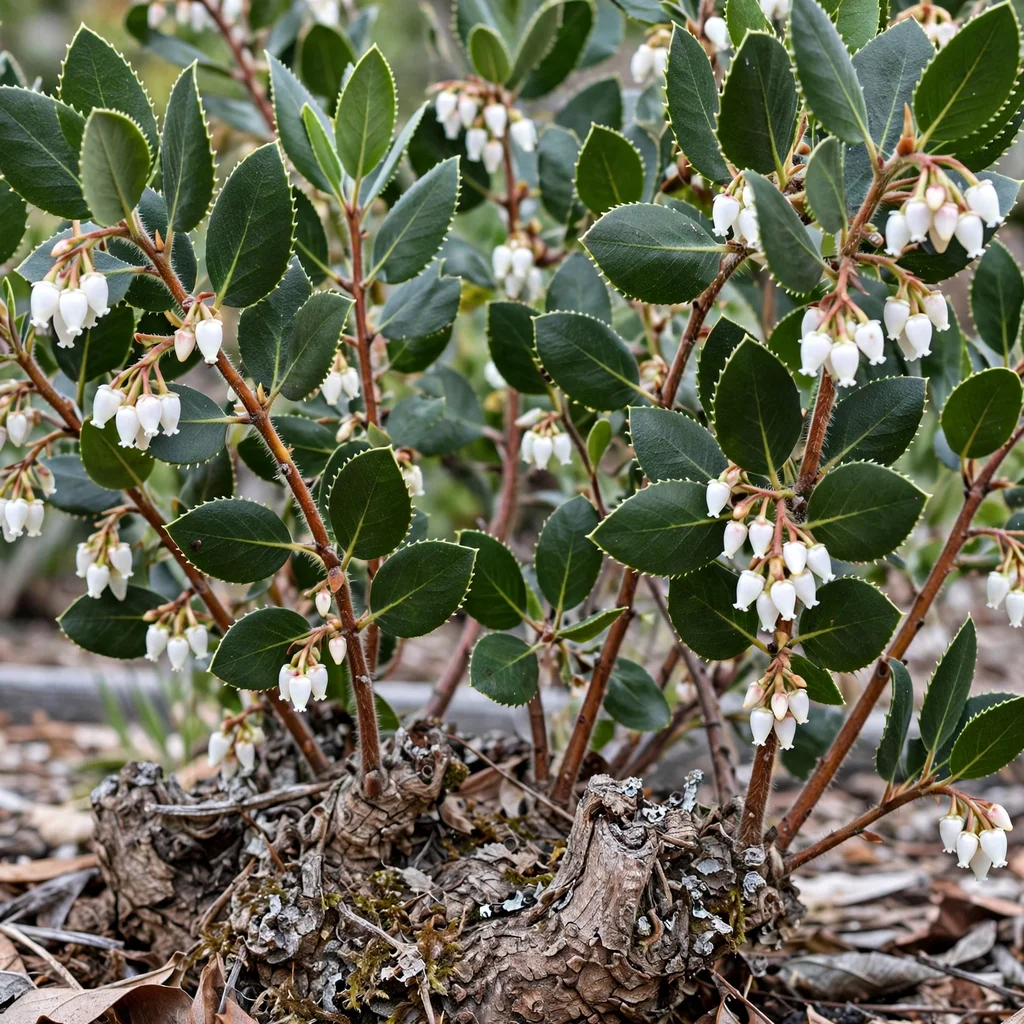
Brittleleaf Manzanita
Arctostaphylos crustacea
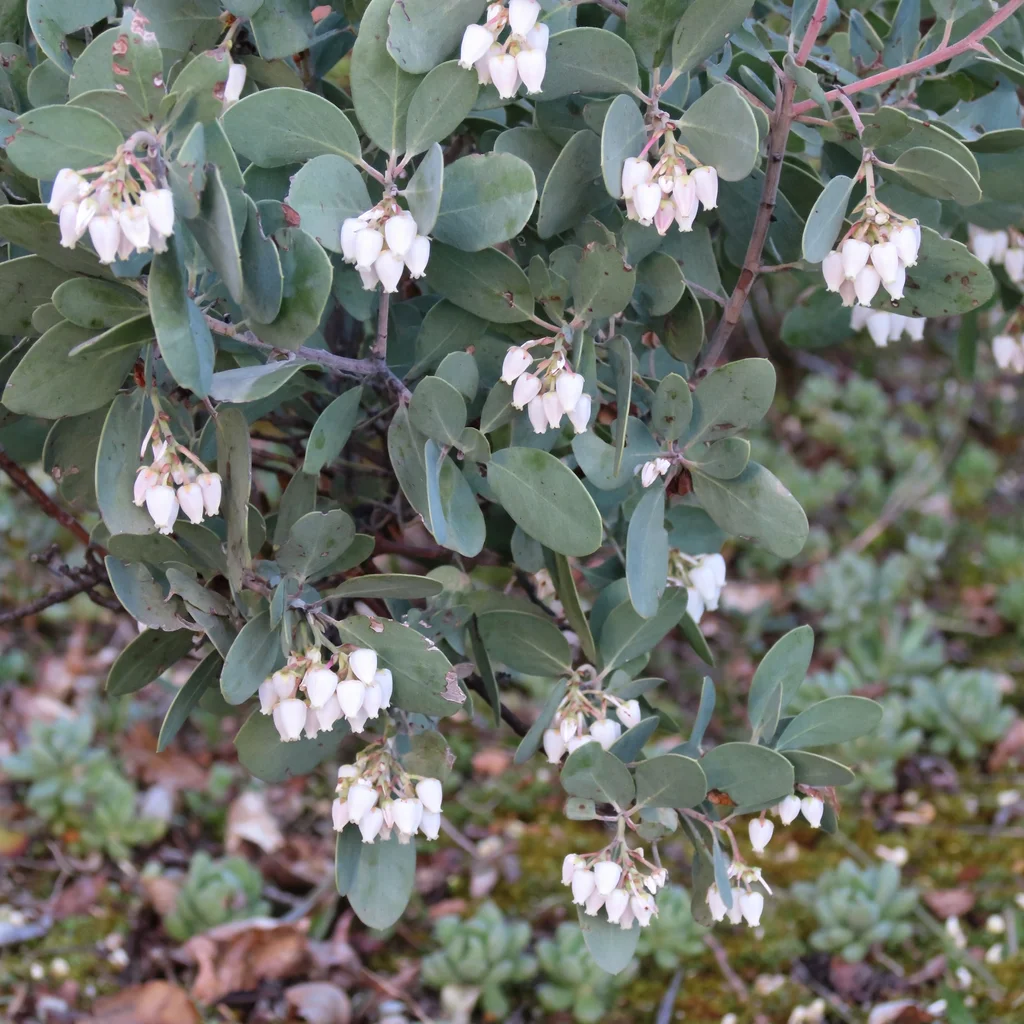
Common Manzanita
Arctostaphylos manzanita
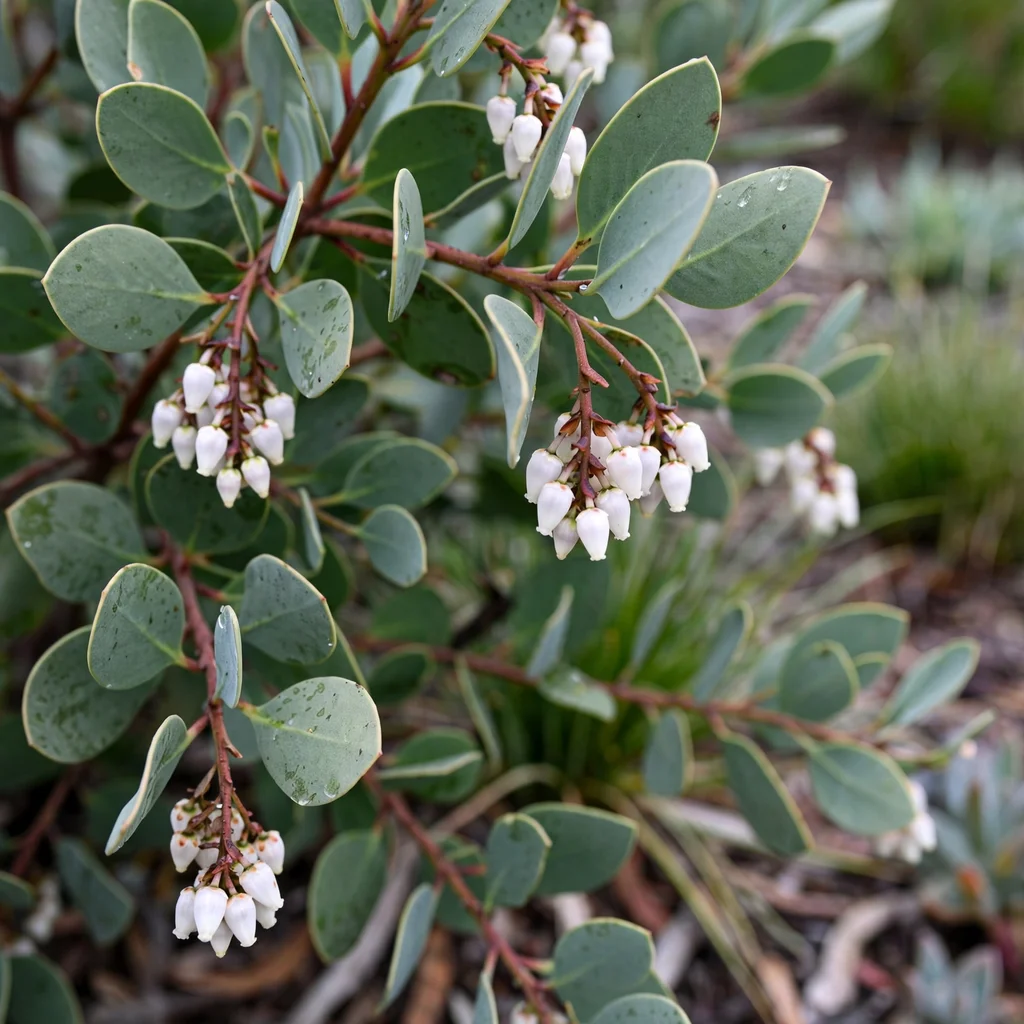
Rainbow Manzanita
Arctostaphylos rainbowensis
Keep exploring
Explore the genus
Grow Sandmat Manzanita with confidence
See it in a design of your actual yard, get zone-matched care reminders, and track it season by season in your garden journal.