
The Story
Plant Bio
Magnolia pyramidata is a single-trunked deciduous small tree reaching 10 to 20 feet in gardens, forming a narrow pyramidal crown with ascending branches. Leaves are alternate and crowded in whorl-like clusters at the branch tips, and solitary terminal creamy-white flowers 5 to 7 inches across open in spring with numerous stamens enclosed by two bracts.
It differs from Fraser magnolia in its smaller Coastal Plain stature and rhombic-spatulate blades 7 to 10 inches long with cordate eared bases, dull deep green above and glaucous hairless beneath. The blooms carry a strong turpentine scent and mature into rosy-red aggregate cones about 2 inches long, and wild stands remain very local and nowhere abundant.
Uses & Benefits:
Essentials
At a Glance
Plant Type
Tree
Height
300"
Width
240"
Light
Partial Sun, Shade
Zones
6, 7, 8, 9
Water
Average
Humidity
Unknown
Lifespan
Long-lived
Native To
Southeastern USA
Toxicity
Unknown
Bloom period
Spring – Early summer
In flower about 4 months of the year
Planting
How to Grow
- Plant in spring in part shade in rich acidic soil that is moist but well drained.
- Dig the hole twice the width of the pot and set the root ball level with the soil surface.
- Backfill with native soil, water thoroughly, and spread 2 to 3 inches of leaf mulch clear of the trunk.
- Water regularly through the first two seasons to keep the root zone evenly moist.
- Site sheltered from harsh afternoon sun and drying wind during establishment.
Pro Tip
Site in part shade in rich acidic soil that stays moist but drains freely, and water deeply through the first two growing seasons to establish the root system.
Keep It Thriving
Care Guide
Do
- Plant in part shade in rich acidic soil
- Keep soil evenly moist during establishment
- Maintain a leaf-mulch layer to conserve moisture
Don't
- Do not site in full sun or exposed hot positions
- Do not plant in alkaline soils
- Do not allow the root zone to dry out while young
Seasonal Care Calendar
| Task | Jan | Feb | Mar | Apr | May | Jun | Jul | Aug | Sep | Oct | Nov | Dec |
|---|---|---|---|---|---|---|---|---|---|---|---|---|
| Mulch | ||||||||||||
| Pest Check | ||||||||||||
| Plant | ||||||||||||
| Propagate |
Watch Out For
Pests & Diseases
Common Pests
Common Diseases
In the Garden
Landscape Uses & Companions
Landscape Uses
Multiply
Propagation Methods
Good to Know
Common Questions
Pyramid Magnolia questions
What zones can Pyramid Magnolia grow in?
Pyramid Magnolia is hardy in USDA Zones 6–9: in that range it survives winter in the ground. Colder than Zone 6, winters are too cold for it to survive outdoors. Warmer than Zone 9, winter isn't the problem: it prefers colder winters, and summer heat can shorten its life.
When does Pyramid Magnolia bloom?
Pyramid Magnolia typically blooms from early spring to early summer. Exact timing shifts a week or two with your zone — Sow's bloom calendar maps it to your garden.
Does Pyramid Magnolia need full sun?
Pyramid Magnolia does best in part shade.
More Magnolia to compare
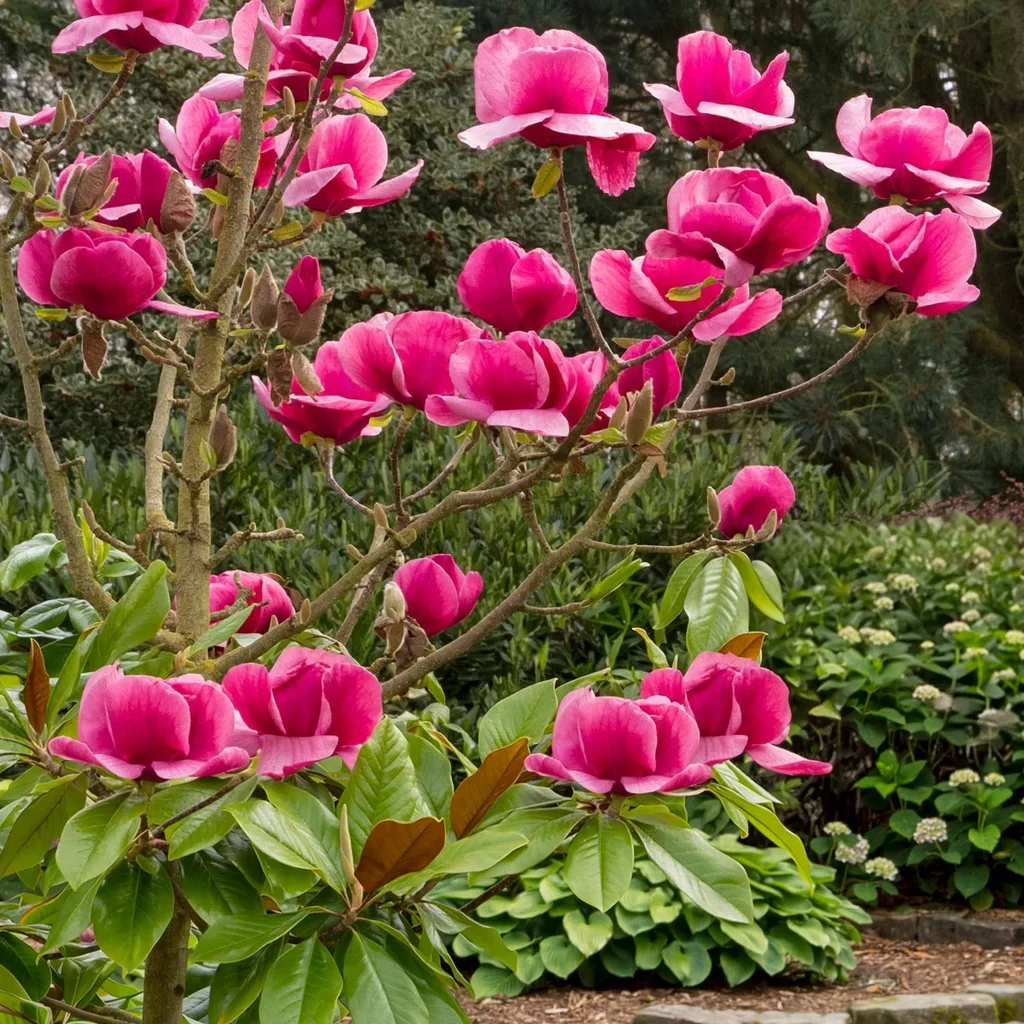
Felix Magnolia
Magnolia x hybrida 'Felix Jury'
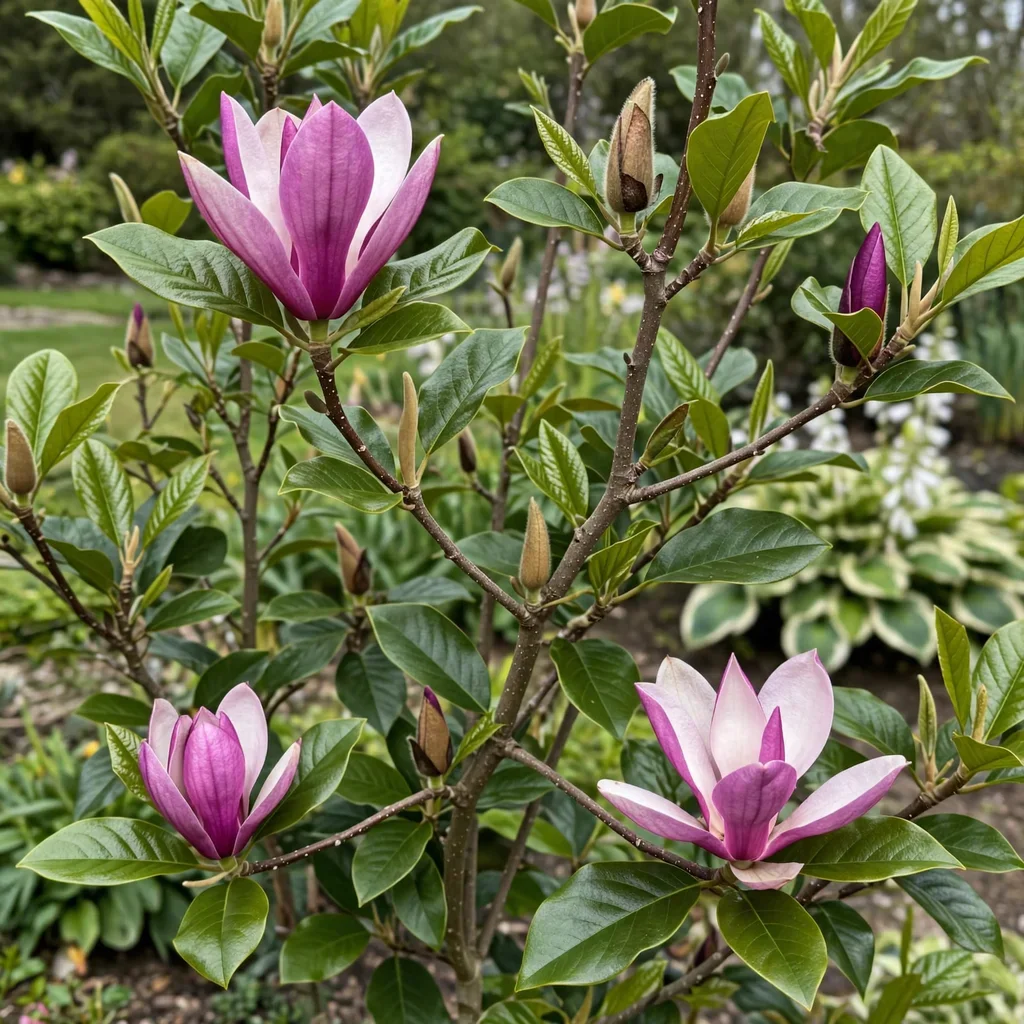
Saucer Magnolia Ann
Magnolia x soulangeana 'Ann'
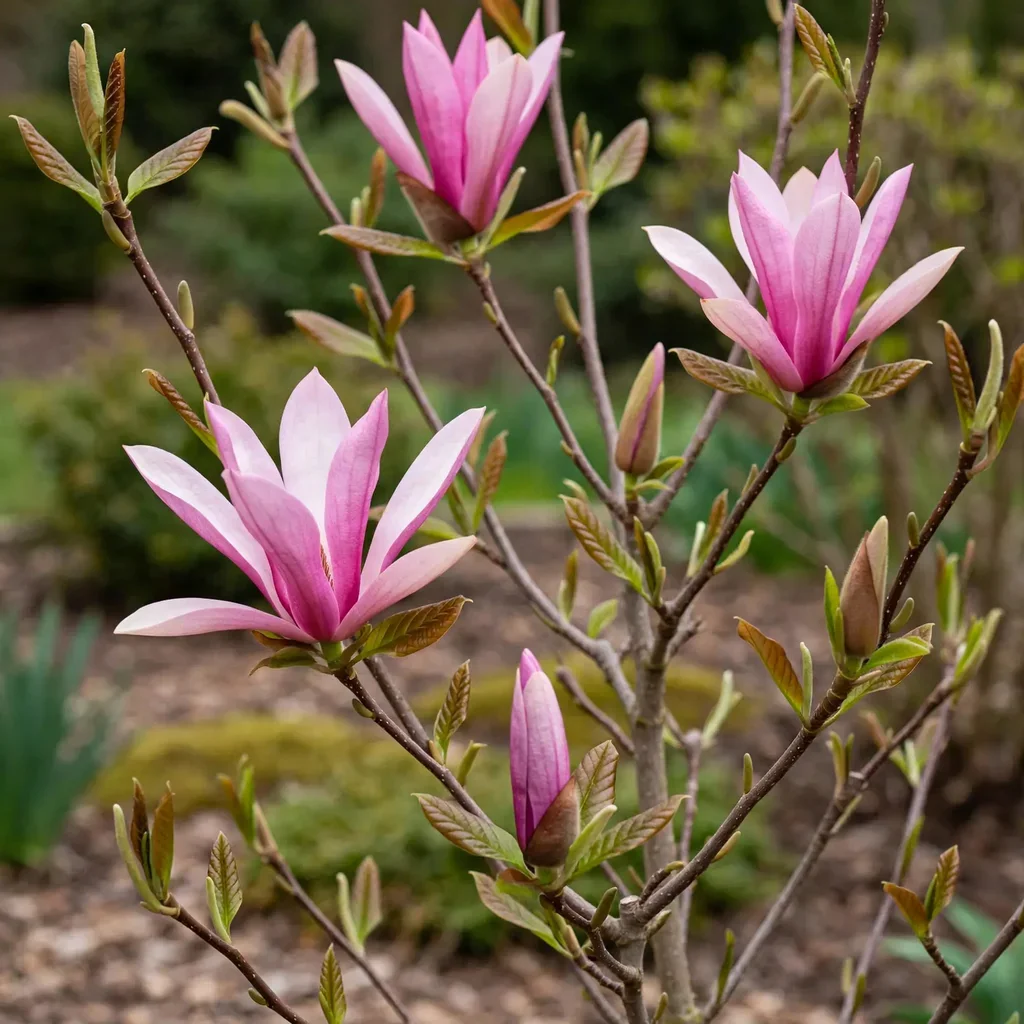
Daybreak Loebner Magnolia
Magnolia stellata 'Daybreak'
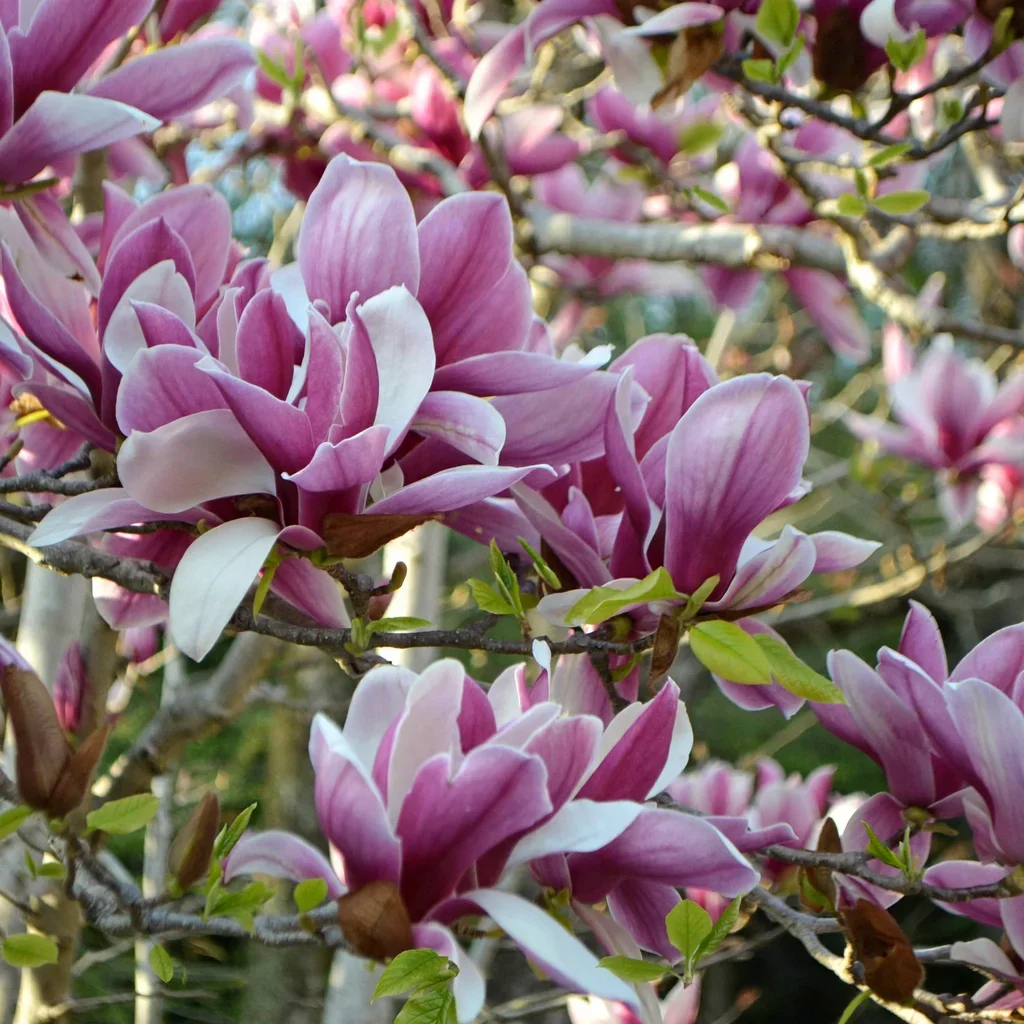
Coppertallica Saucer Magnolia
Magnolia x soulangeana 'Coppertallica'
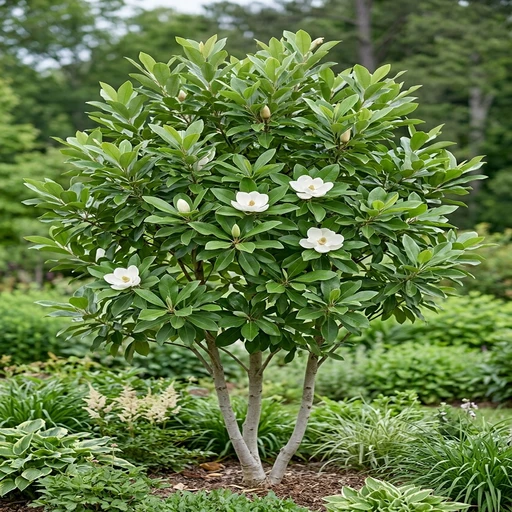
Sweetbay Magnolia
Magnolia virginiana
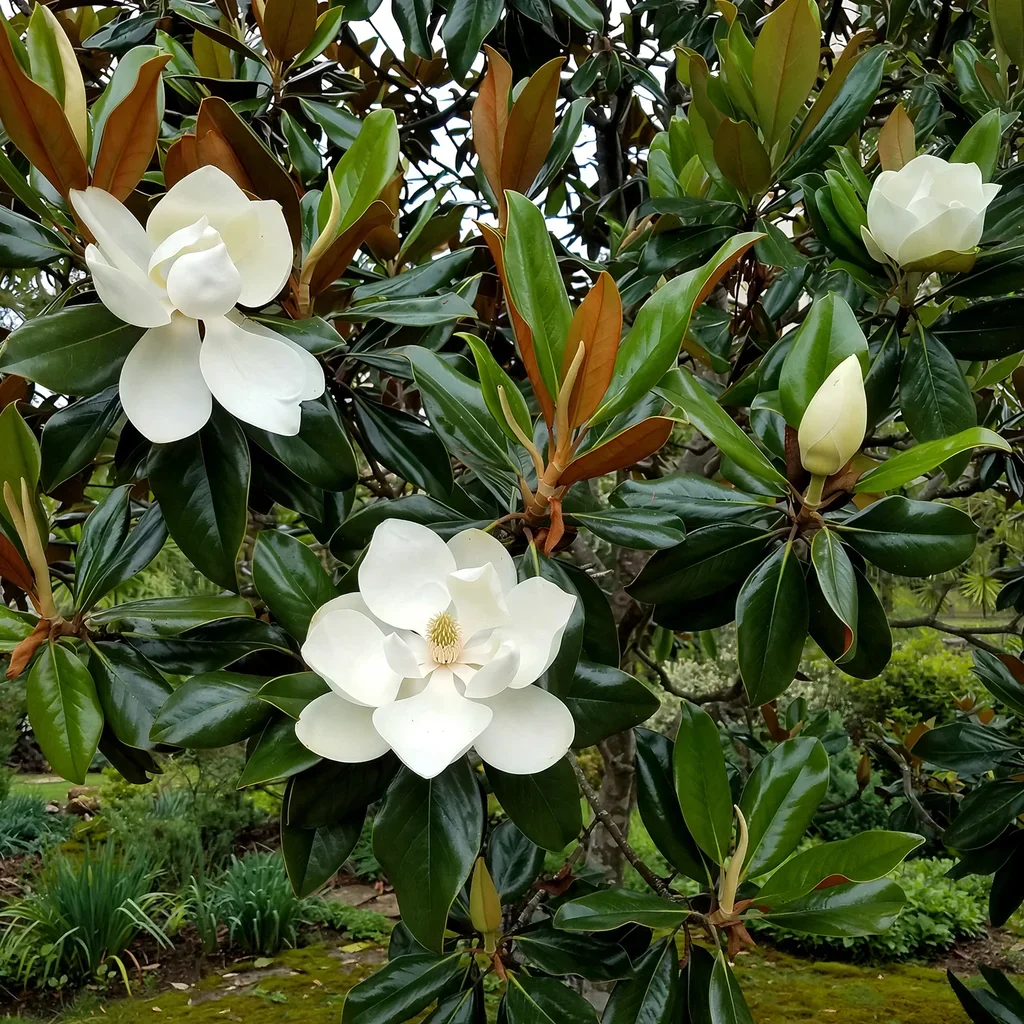
Southern Magnolia
Magnolia grandiflora
Keep exploring
Explore the genus
Hardy in your zone?
Grow Pyramid Magnolia with confidence
See it in a design of your actual yard, get zone-matched care reminders, and track it season by season in your garden journal.