The Story
Plant Bio
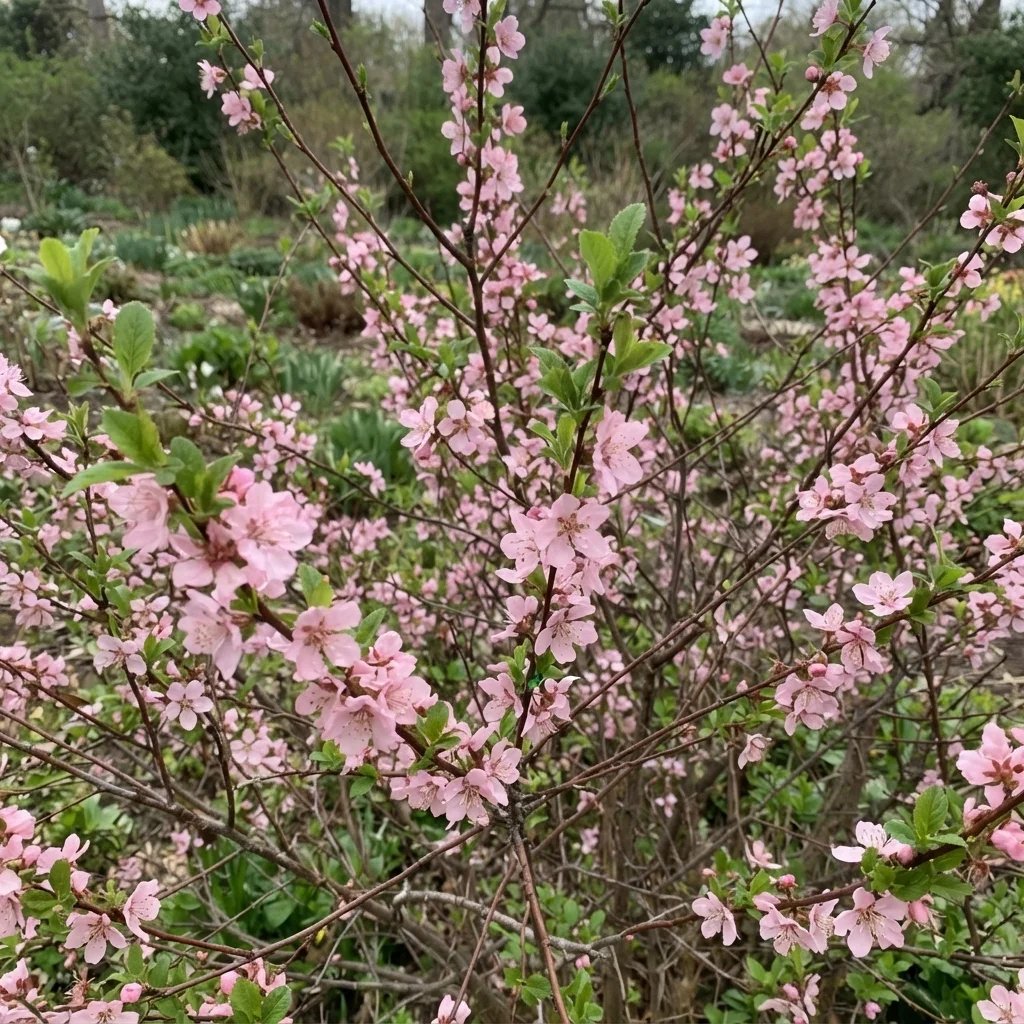
Prunus jacquemontii, the Afghan cherry, is a deciduous multi-stemmed shrub from stony mountain slopes and thickets in Central and South Asia, reaching 5 to 12 feet in cultivation with an erect to spreading habit. Leaves are slender elliptical to obovate to about 2.5 inches long, sharply toothed and smooth, turning yellow to gold in fall; shell-pink five-petalled flowers about one-half inch across open in clusters of one to three before the leaves, followed by juicy red to purple tart cherries under 1 inch long.
A single plant sets fruit without a pollinizer, and nursery stock spans compact 3- to 5-foot dwarfs such as Hiromi alongside 12-foot upright forms, so check mature size at purchase. It grows in clay, loam, sand or shallow rock with sharp drainage, tolerates drought once established and cold to USDA 3a, and has no consistent insect or disease pressure reported; Jan, Joel and Joy bush cherries sold alongside it are japonica by jacquemontii hybrids, not this pure species.
Uses & Benefits:
Essentials
At a Glance
Plant Type
Shrub
Height
144"
Width
60"
Light
Full Sun, Partial Sun
Zones
4, 5, 6, 7, 8
Water
Moderate first year, low when established
Humidity
Adaptable; no special needs reported
Lifespan
Woody perennial shrub
Native To
Afghanistan to W Himalaya and Tibet
Toxicity
Toxic: leaves, stems, seeds if ingested; keep from pets and livestock
Bloom period
Early spring – Spring
In flower about 3 months of the year
Planting
How to Grow
- Plant in full sun with 6 or more hours daily to maximize flowering and fruiting; part shade is tolerated but reduces bloom.
- Set into clay, loam, sand or shallow rocky soil with sharp drainage; do not plant where water stands.
- Water deeply through the first season, then taper; established plants tolerate drought.
- Mulch 2 to 3 inches, keeping mulch off stems, and rake fallen fruit to keep the bed clean.
- Prune in late winter after frost danger to shape or maintain as a hedge; avoid heavy cutting into old wood.
Pro Tip
Give it full sun and sharp drainage and prune only in late winter when frost threat has passed; it fruits on its own, so buy by mature size rather than planting two for pollination.
Keep It Thriving
Care Guide
Do
- Plant in full sun with sharp drainage
- Water deeply the first year then reduce
- Prune in late winter to shape
- Rake and discard fallen fruit
Don't
- Do not plant in standing water or compacted wet soil
- Do not shear repeatedly through summer
- Do not eat leaves, stems or pits; eat the flesh only
- Do not confuse with Prunus triloba sold as flowering almond
Seasonal Care Calendar
| Task | Jan | Feb | Mar | Apr | May | Jun | Jul | Aug | Sep | Oct | Nov | Dec |
|---|---|---|---|---|---|---|---|---|---|---|---|---|
| Harvest | ||||||||||||
| Mulch | ||||||||||||
| Pest Check | ||||||||||||
| Plant | ||||||||||||
| Prune |
Watch Out For
Pests & Diseases
Common Pests
Common Diseases
In the Garden
Landscape Uses & Companions
Landscape Uses
Multiply
Propagation Methods
Good to Know
Common Questions
Afghan Cherry questions
What zones can Afghan Cherry grow in?
Afghan Cherry is hardy in USDA Zones 4–8: in that range it survives winter in the ground. Warmer than Zone 8, winter isn't the problem: it prefers colder winters, and summer heat can shorten its life.
When does Afghan Cherry bloom?
Afghan Cherry typically blooms in spring. Exact timing shifts a week or two with your zone — Sow's bloom calendar maps it to your garden.
Does Afghan Cherry need full sun?
Afghan Cherry does best in full sun to part shade. In hot climates, afternoon shade keeps blooms fresher longer.
Is Afghan Cherry drought tolerant?
Yes — once established (usually after the first full season), Afghan Cherry handles dry spells with minimal watering. Water deeply its first year to build the root system that makes that possible.
More Prunus to compare
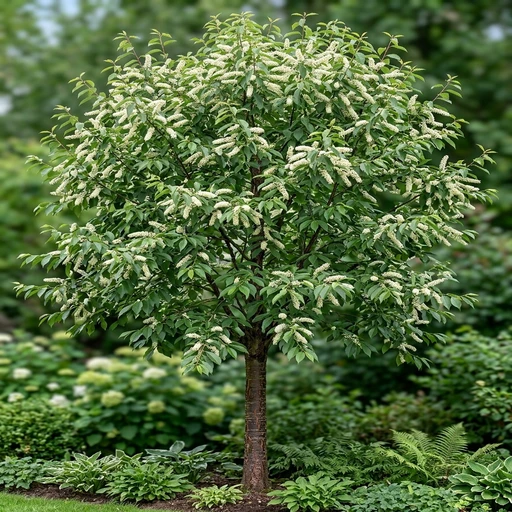
Black Cherry
Prunus serotina
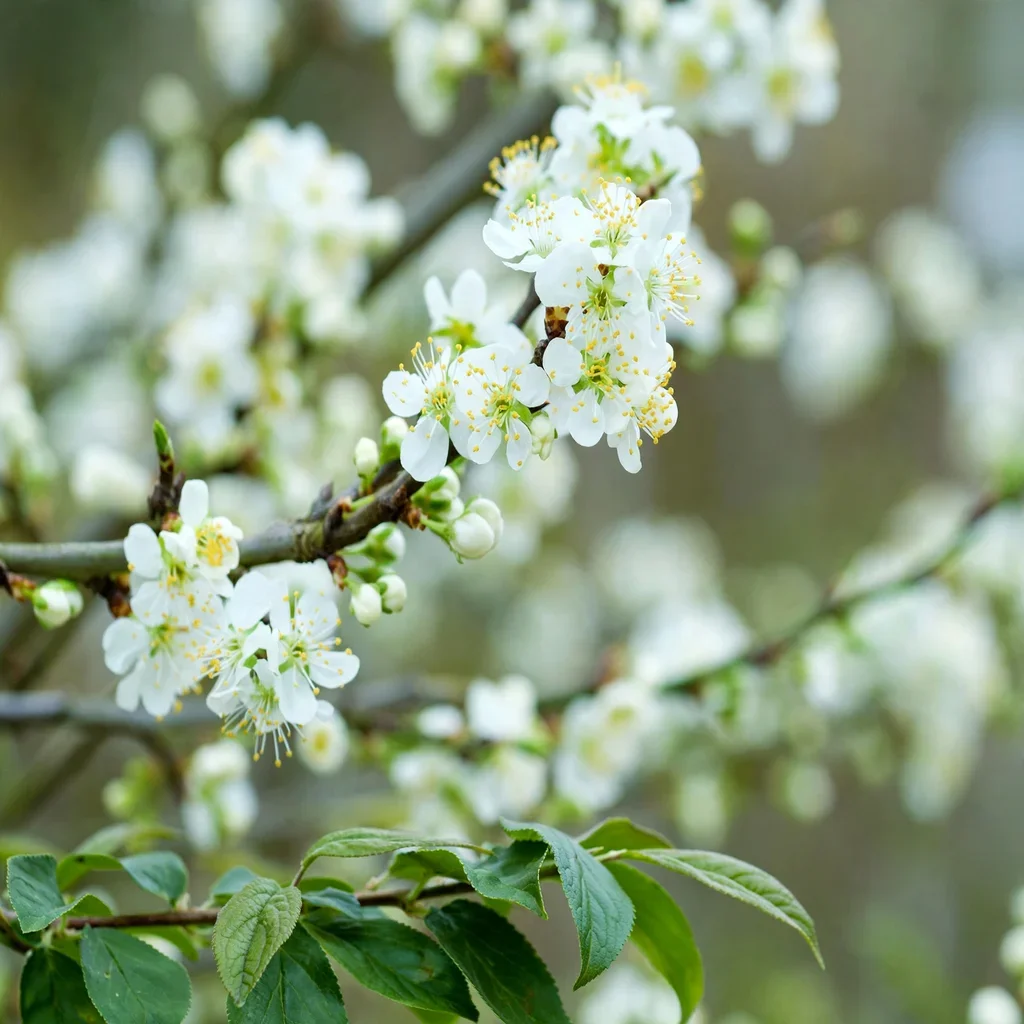
Sugar Plum
Prunus domestica 'Sugar Plum'
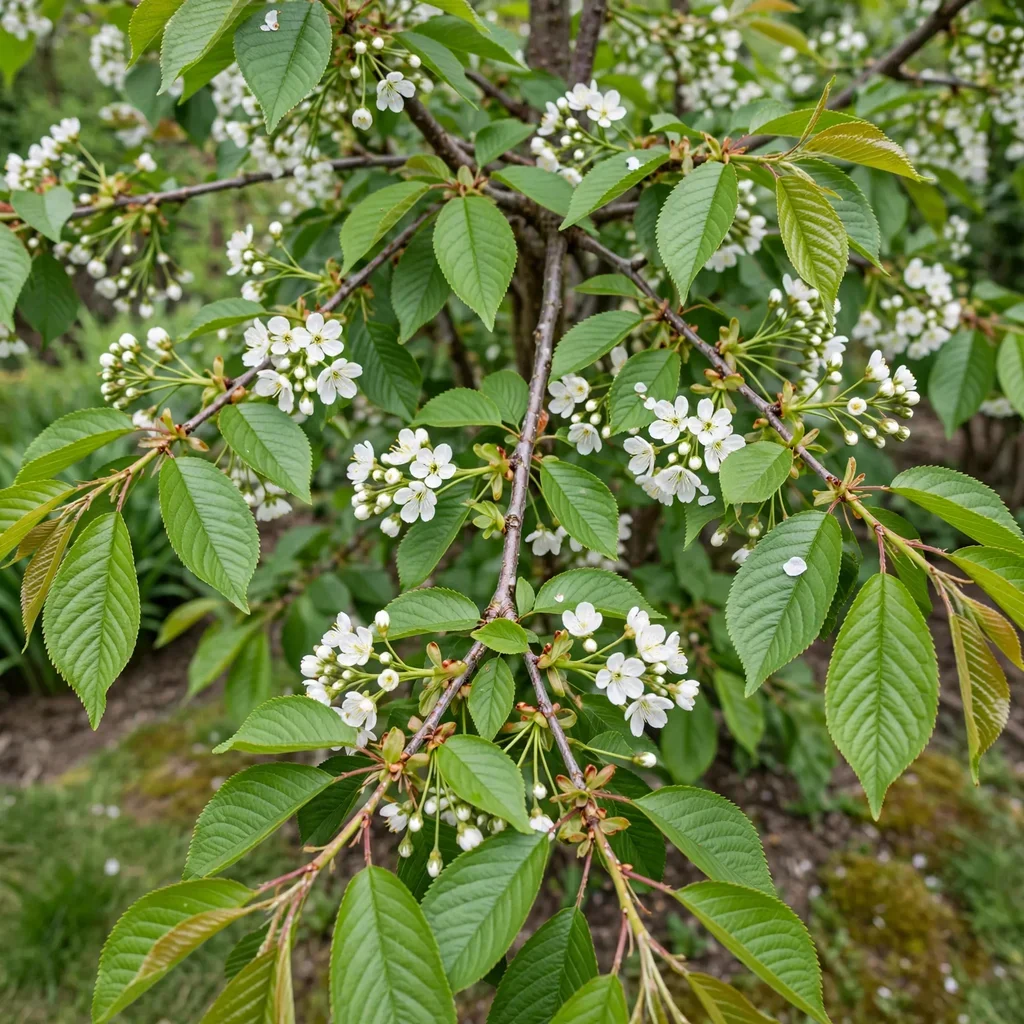
Sweet Cherry Mix
Prunus avium 'Mix'
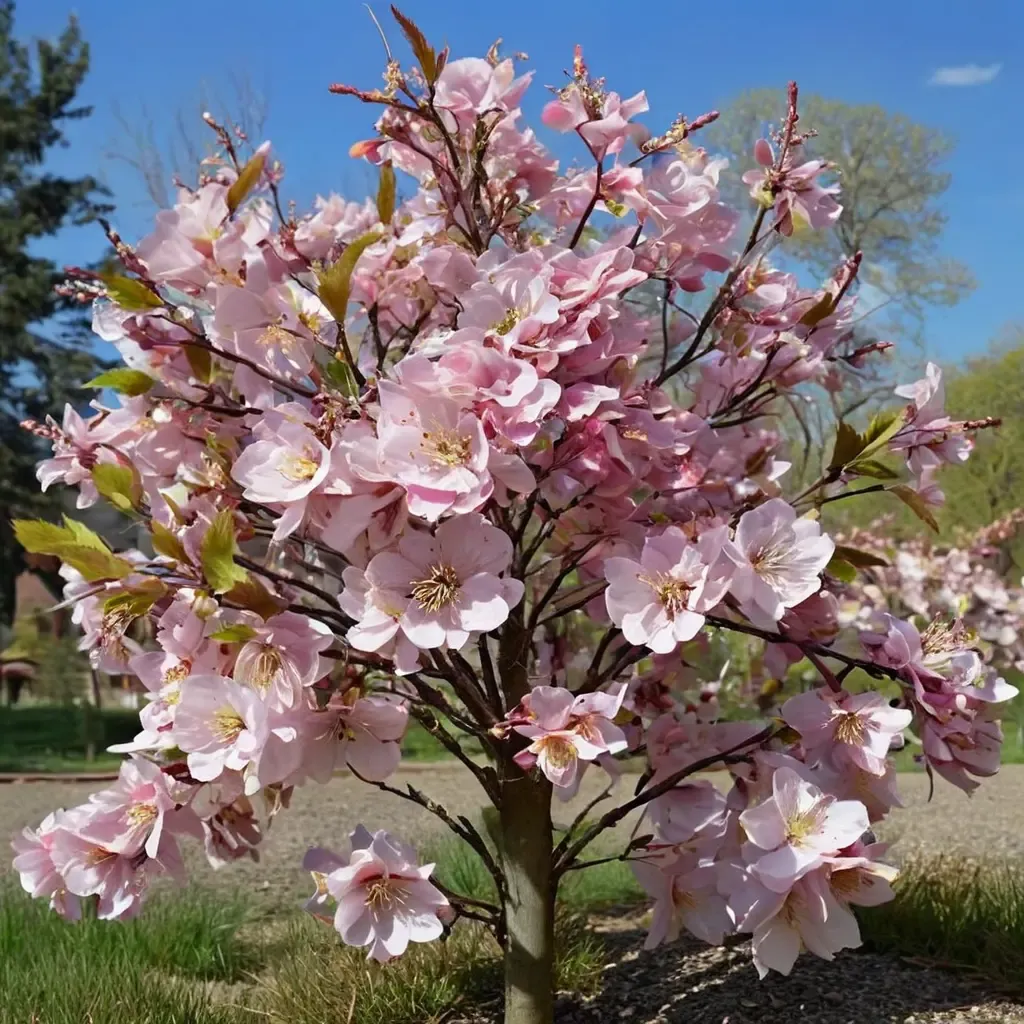
Japanese Flowering Cherry
Prunus serrulata
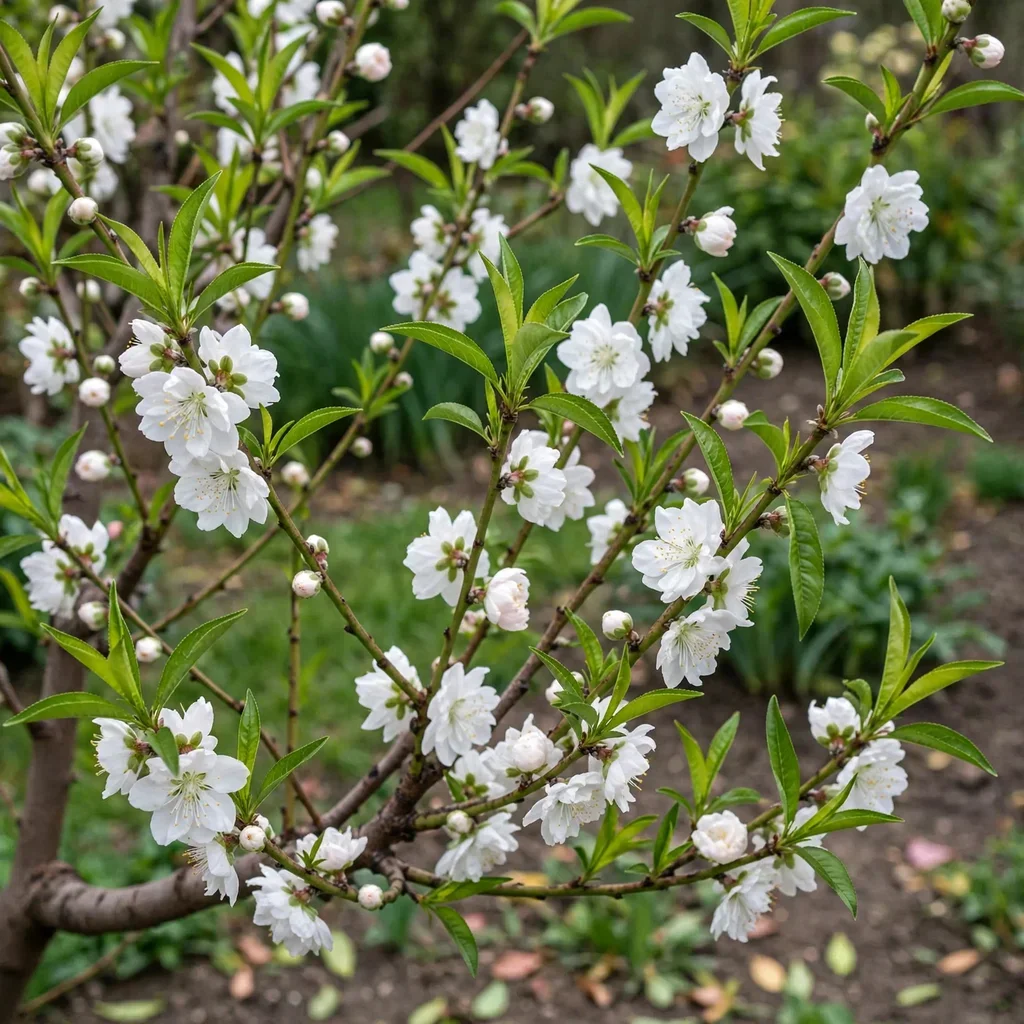
Feiching Tao White Peach
Prunus persica 'Feiching Tao White'
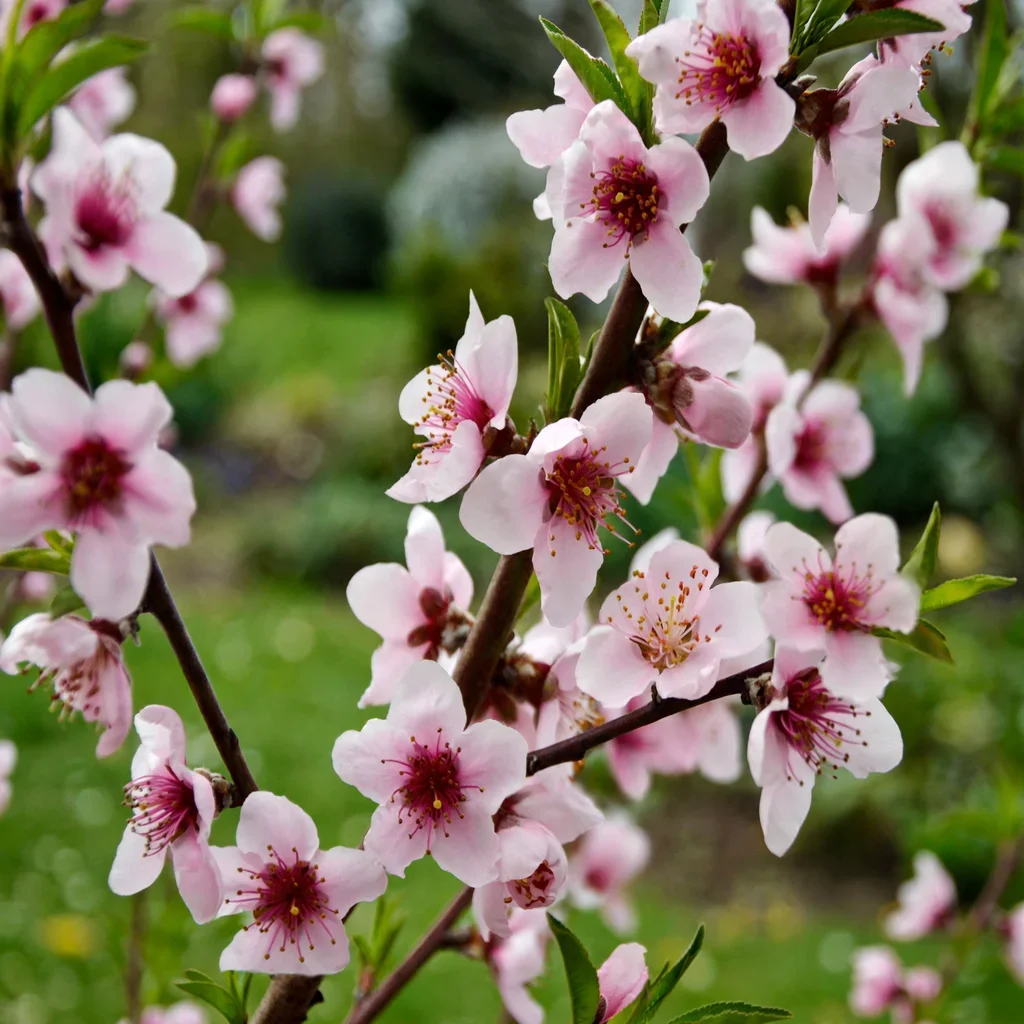
Hale Haven Peach
Prunus persica 'Hale Haven'
Keep exploring
Explore the genus
Hardy in your zone?
Grow Afghan Cherry with confidence
See it in a design of your actual yard, get zone-matched care reminders, and track it season by season in your garden journal.