
Species
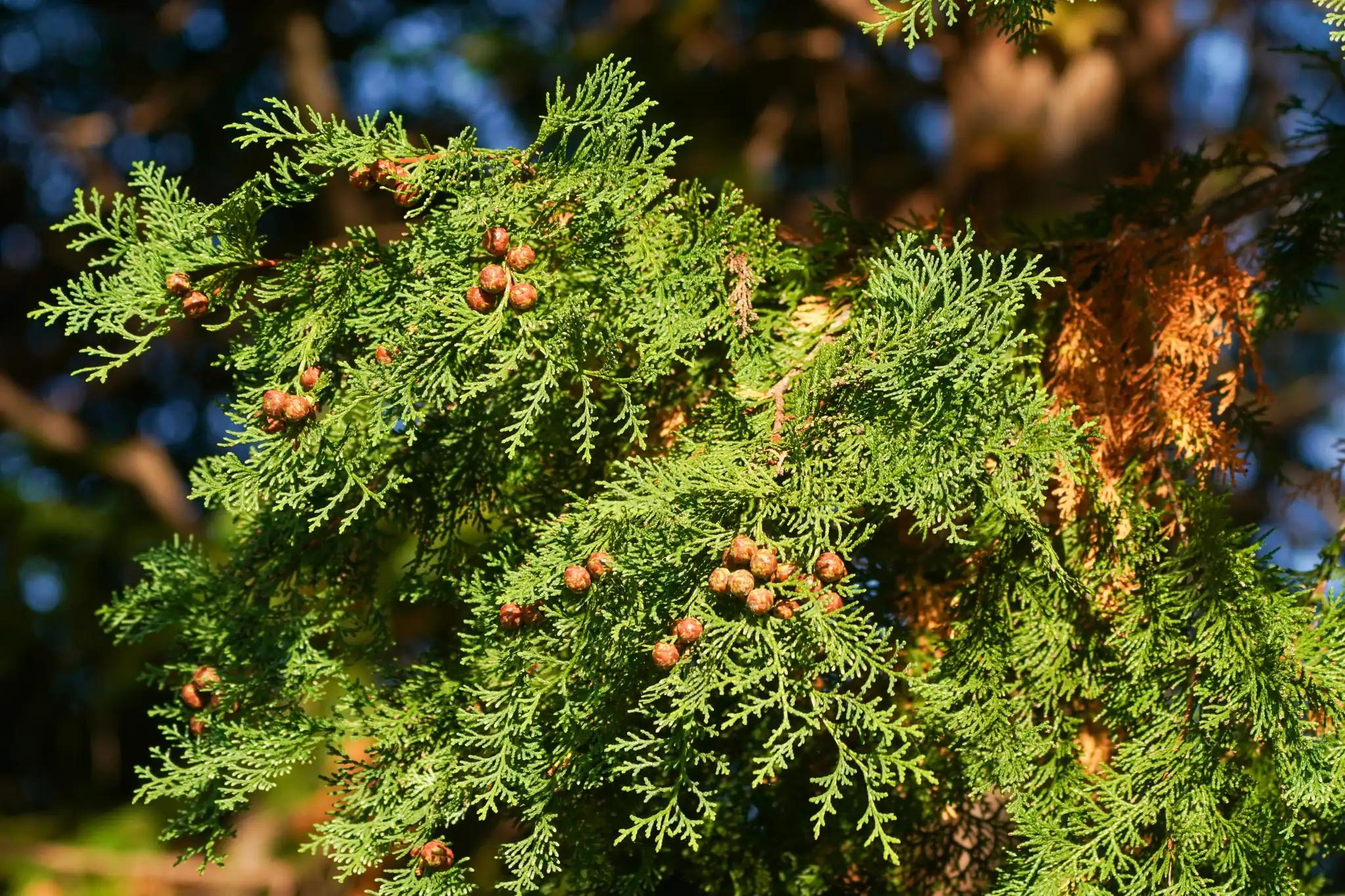 Chamaecyparis obtusaHinoki Cypress
28 other cultivars
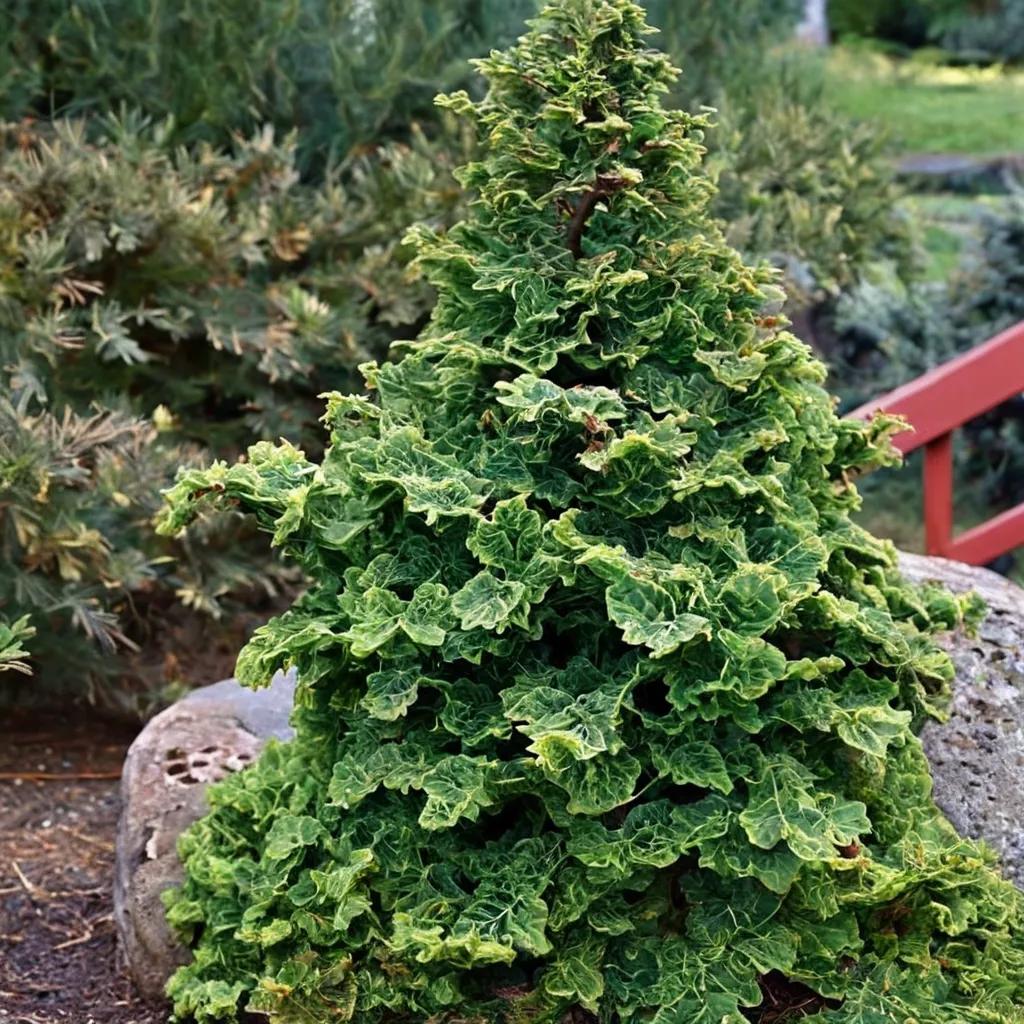 ‘Kosteri’Kosteri Hinoki Cypress
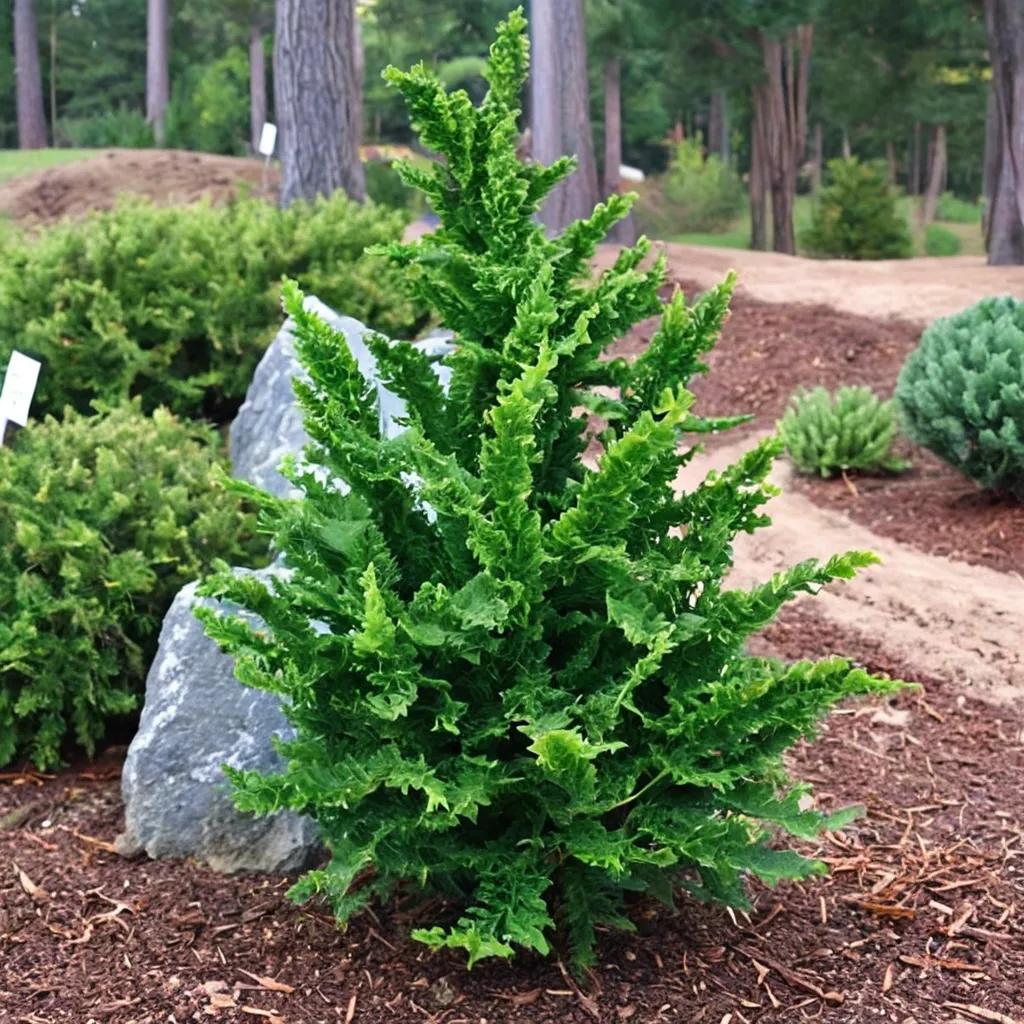 ‘Filicoides’Fernspray Hinoki Cypress
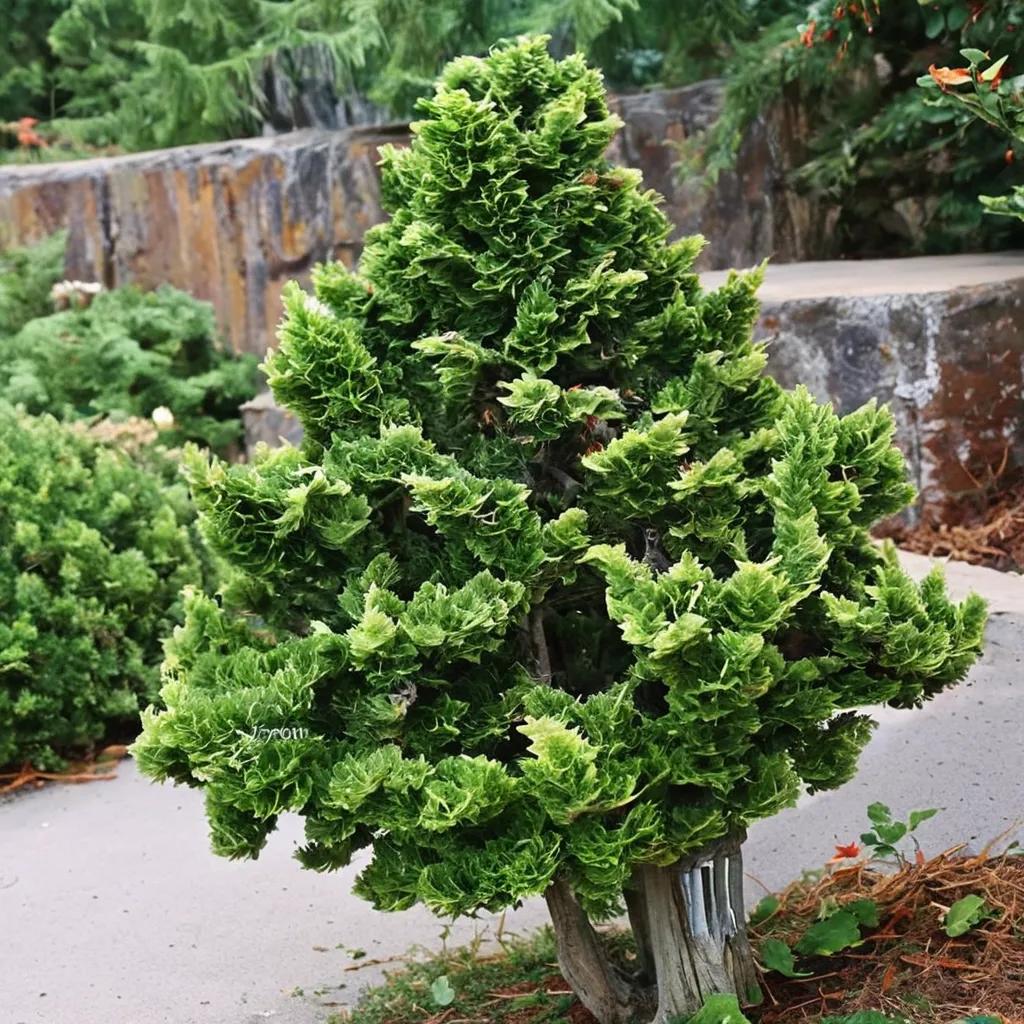 ‘Nana Gracilis’Nana Gracilis Dwarf Hinoki Cypress
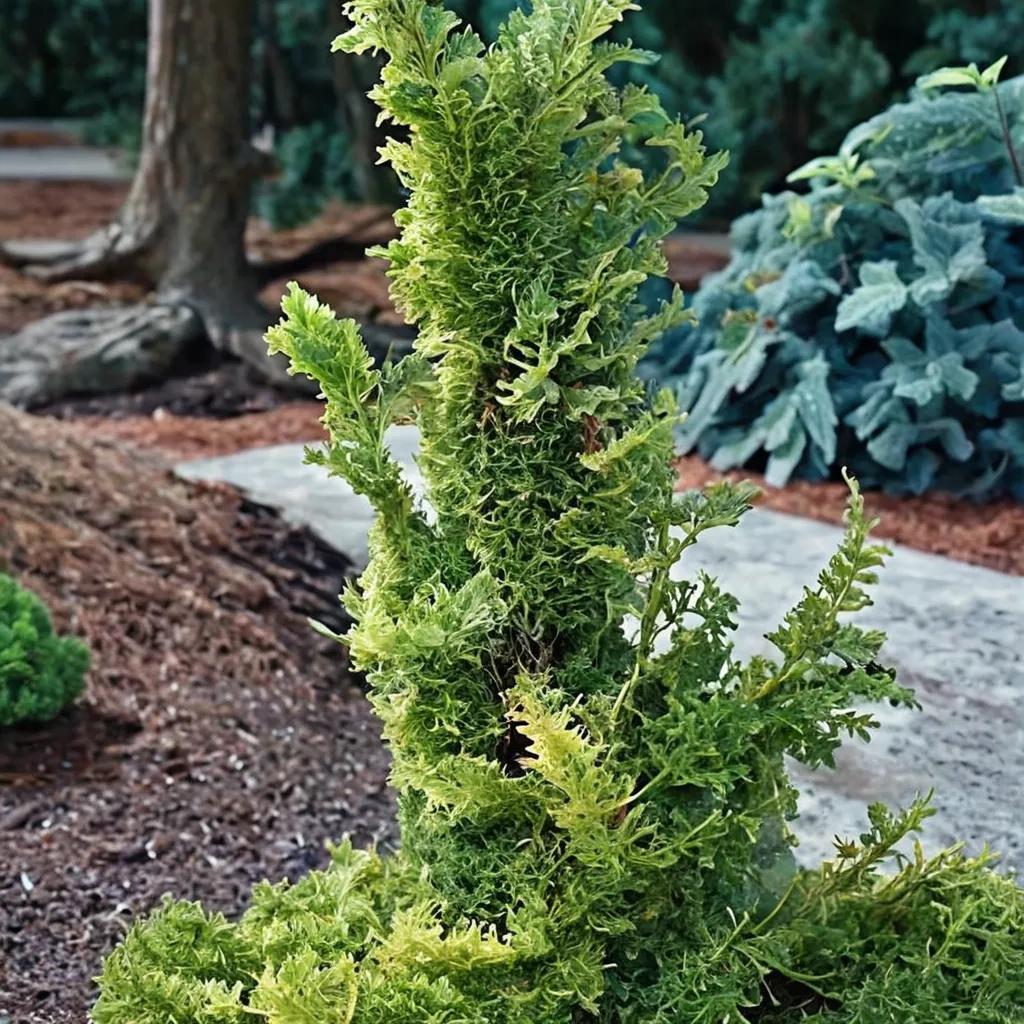 ‘Little Markey’'Little Markey' Hinoki Cypress
 ‘Tsatsumi Gold’Tsatsumi Gold Hinoki Cypress
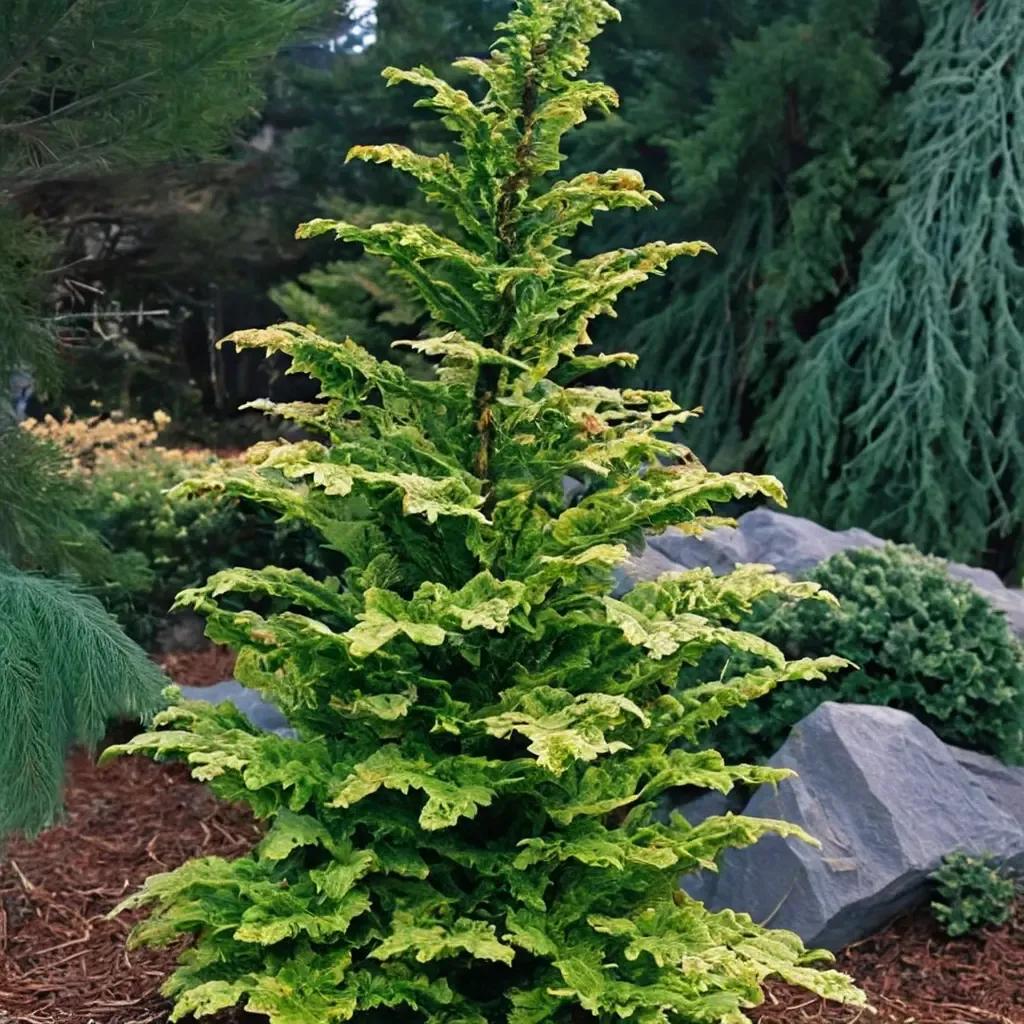 ‘Fernspray Gold’Fernspray Gold Hinoki Cypress
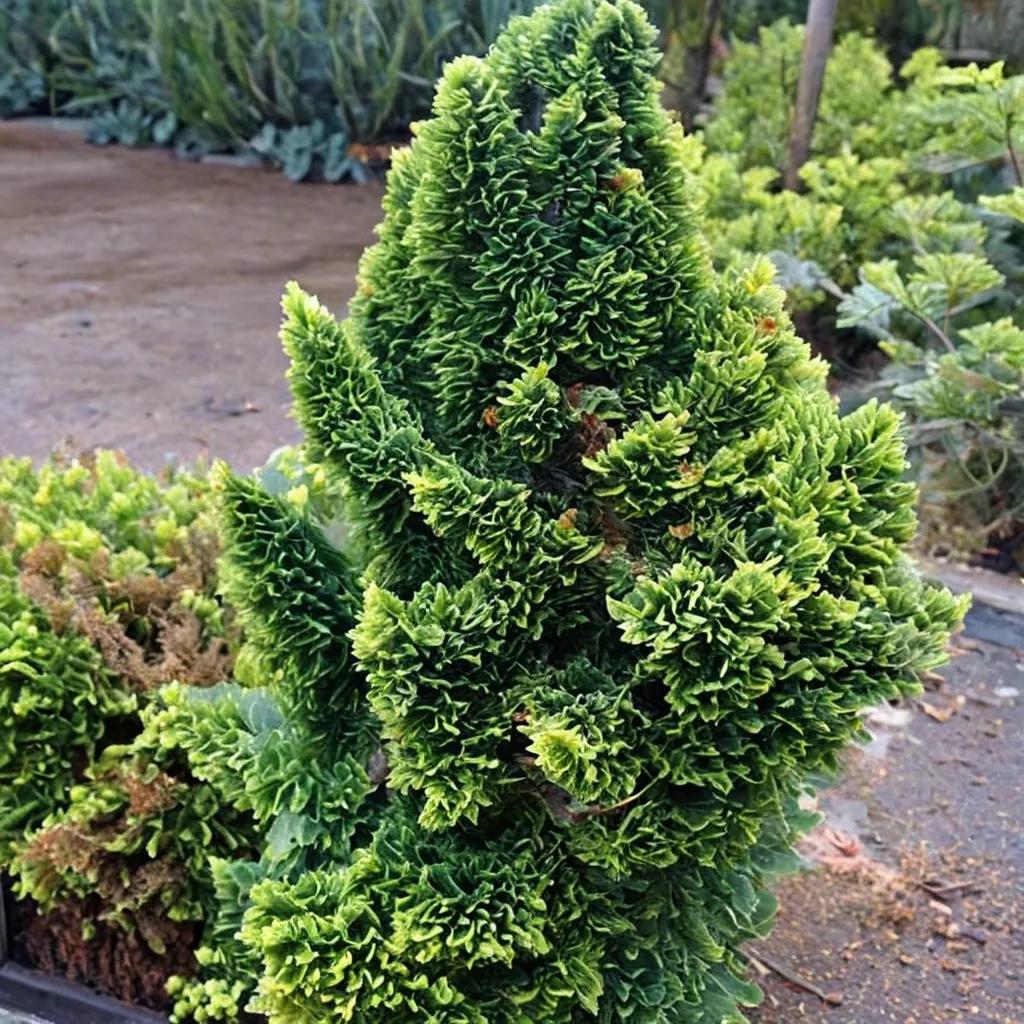 ‘Bess’'Bess' Hinoki Cypress
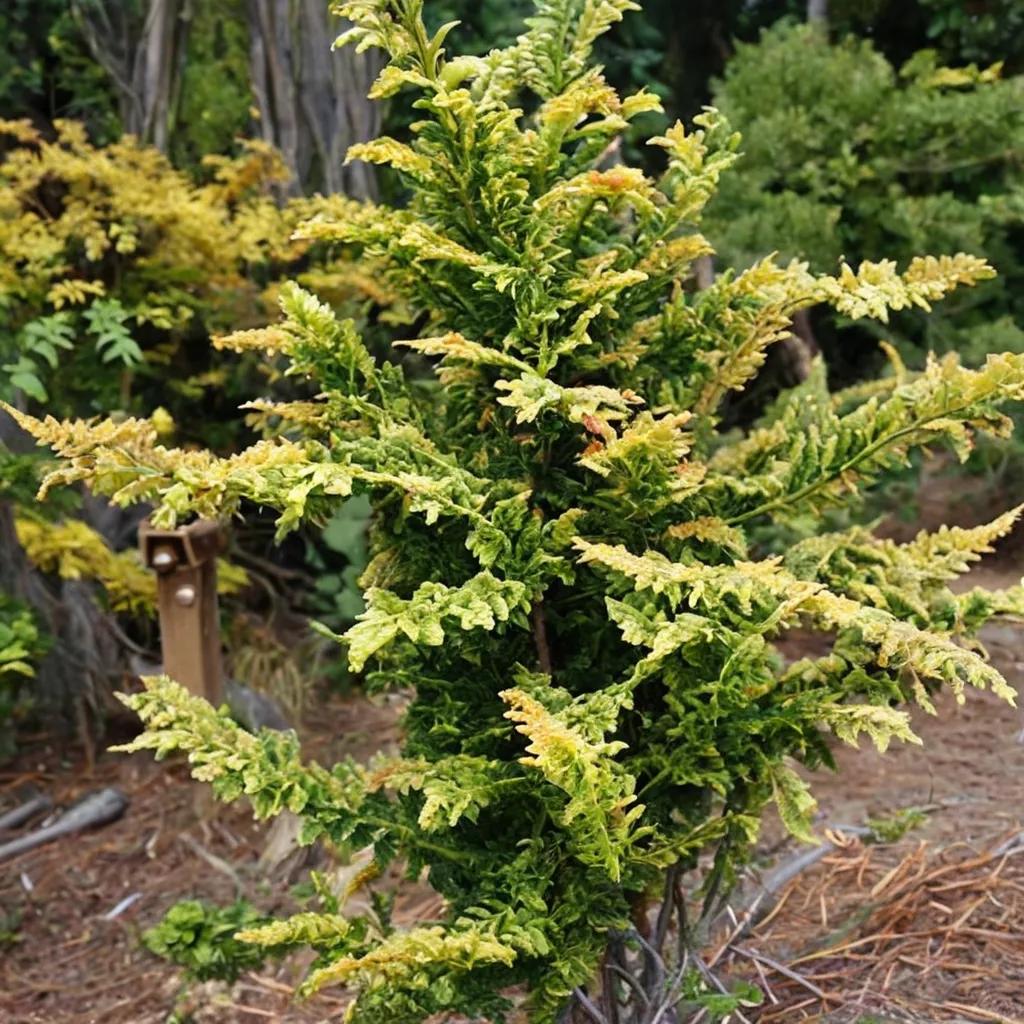 ‘Tetragona Aurea’Golden Hinoki Cypress
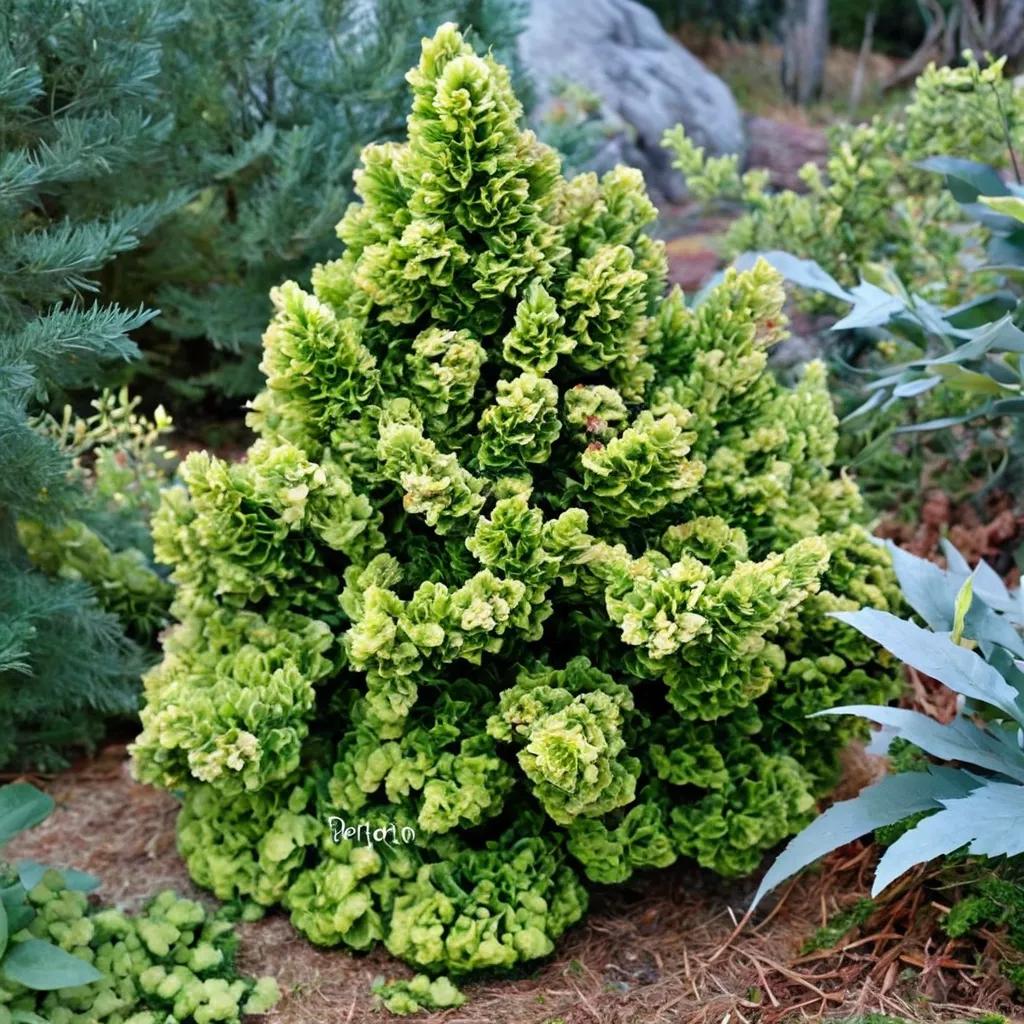 ‘Nana Lutea’Nana Lutea Japanese False Cypress
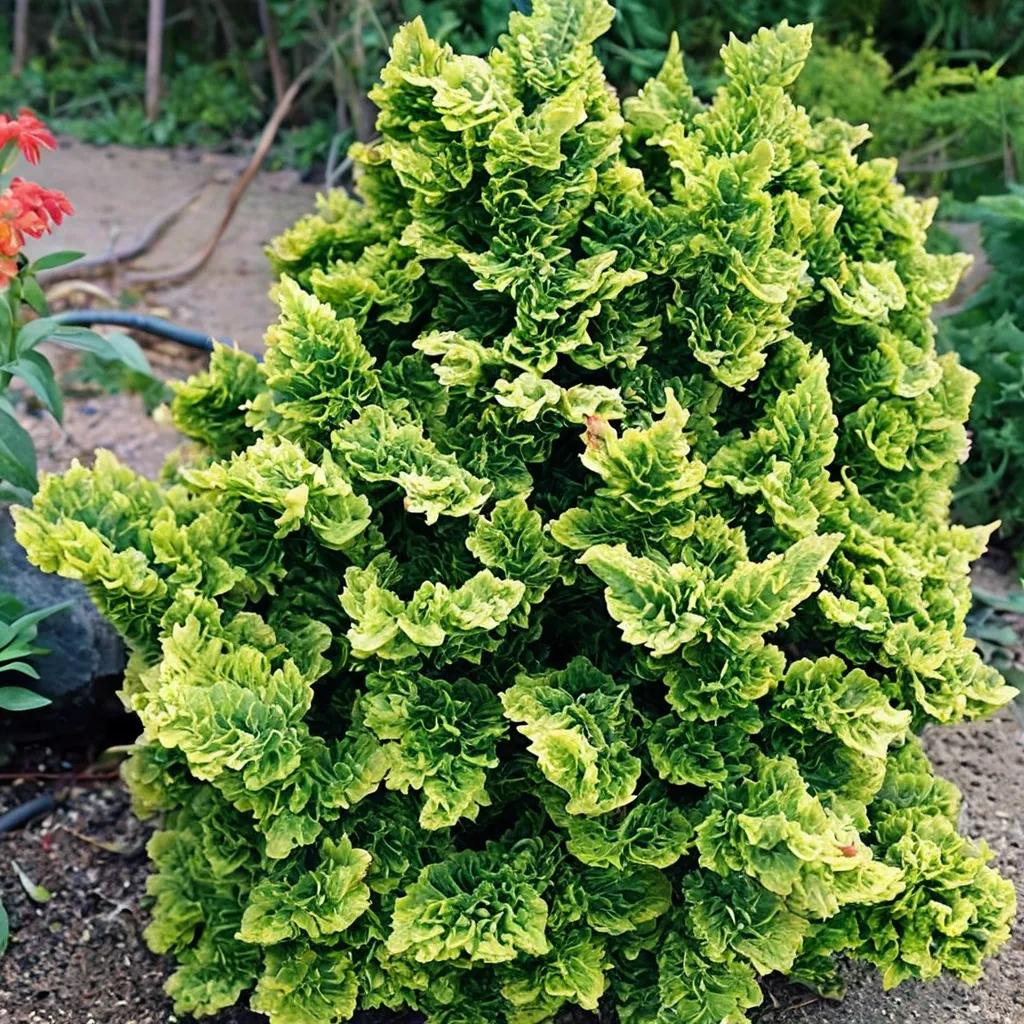 ‘Nana Aurea’Nana Aurea Dwarf Golden Hinoki Cypress
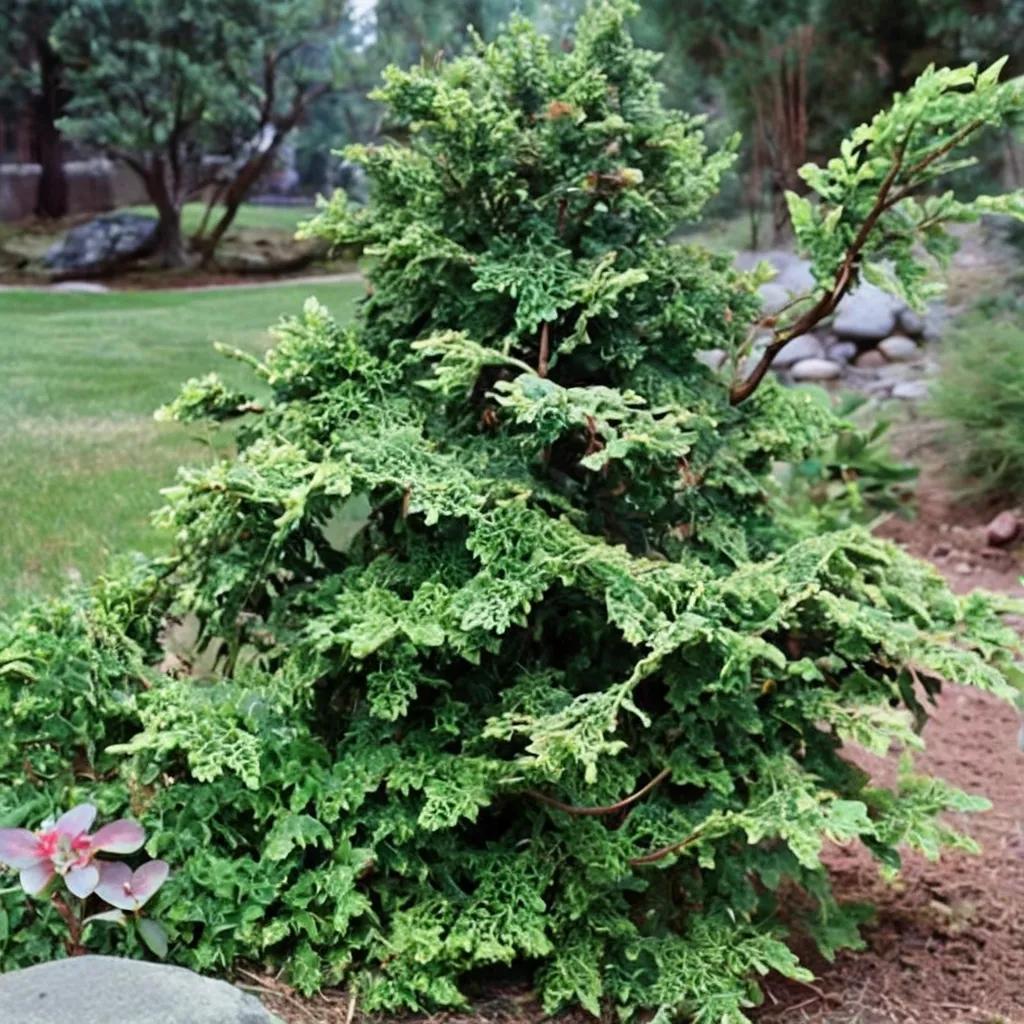 ‘Torulosa Nana’Dwarf Twisted Hinoki Cypress
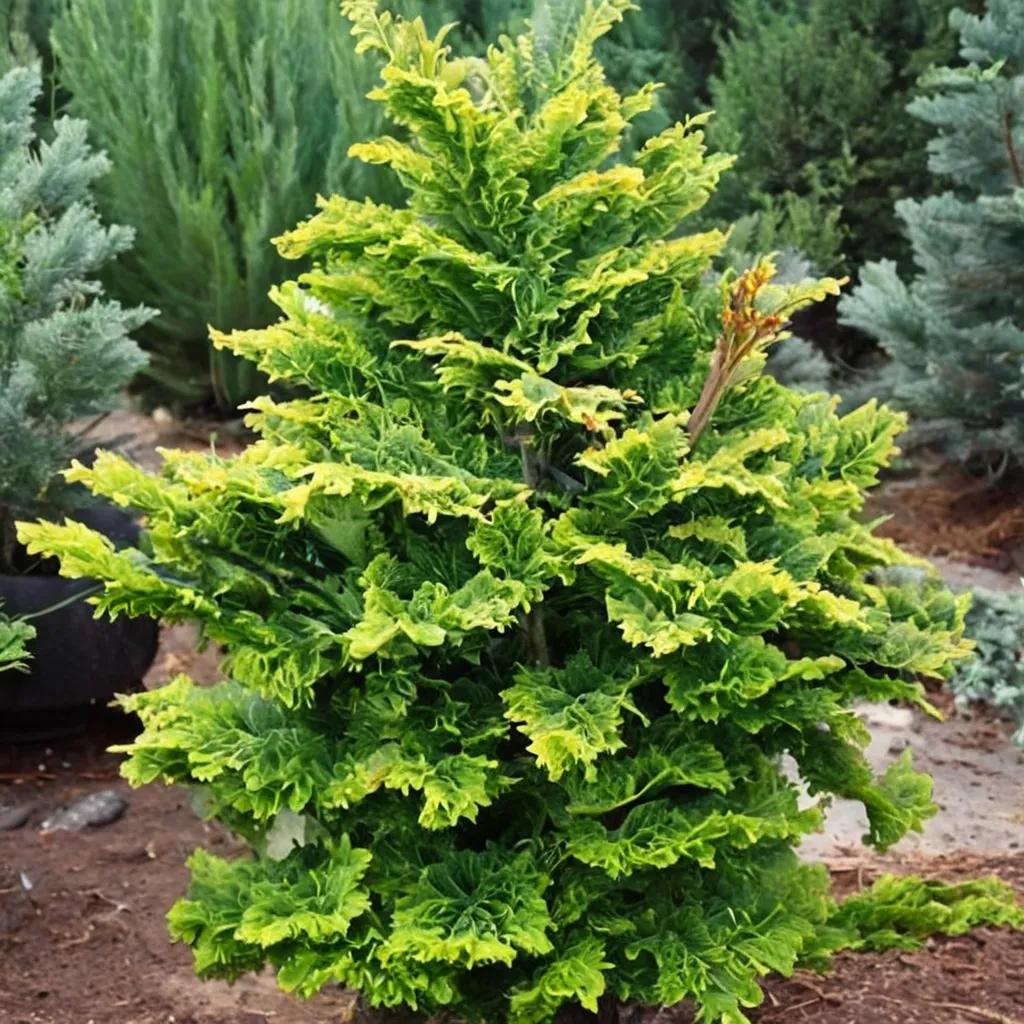 ‘Gold Drop’Gold Drop Hinoki Cypress
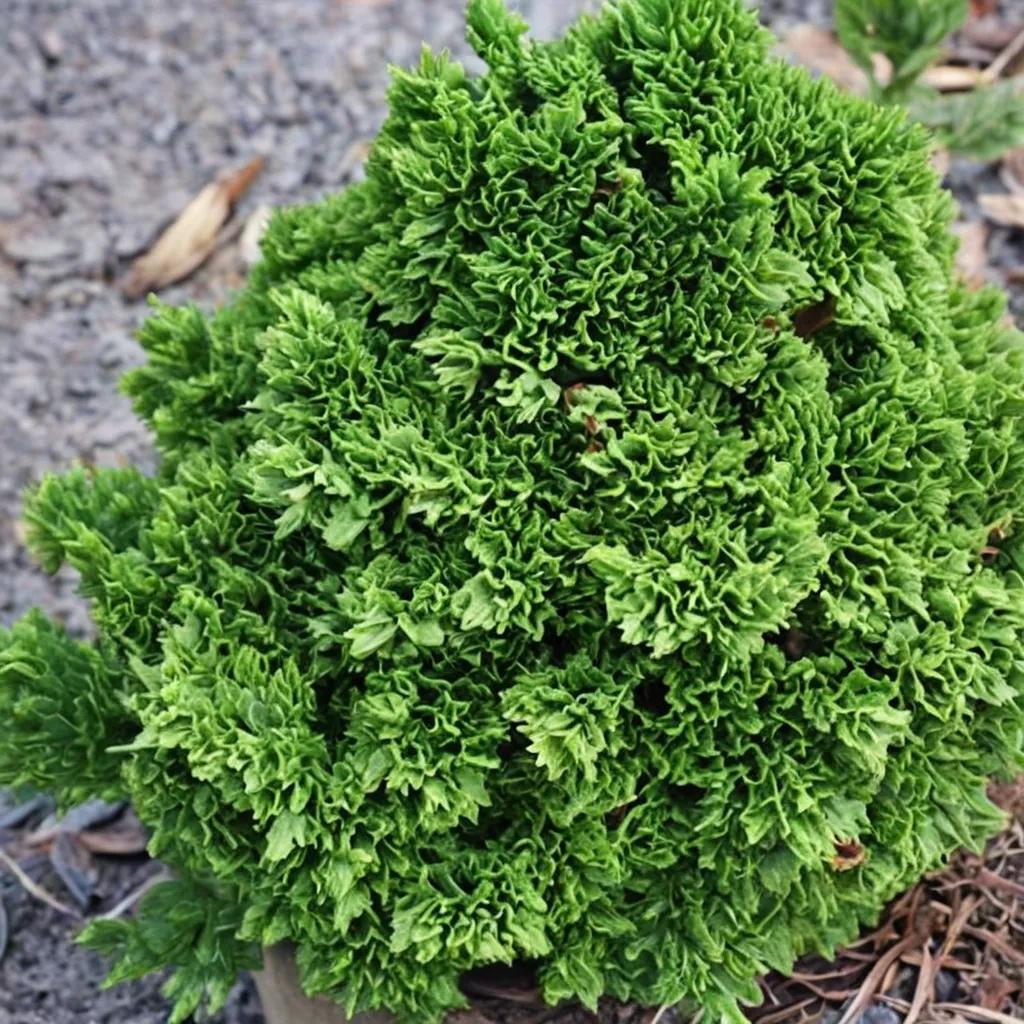 ‘Juniperoides’Hinoki Cypress Juniperoides
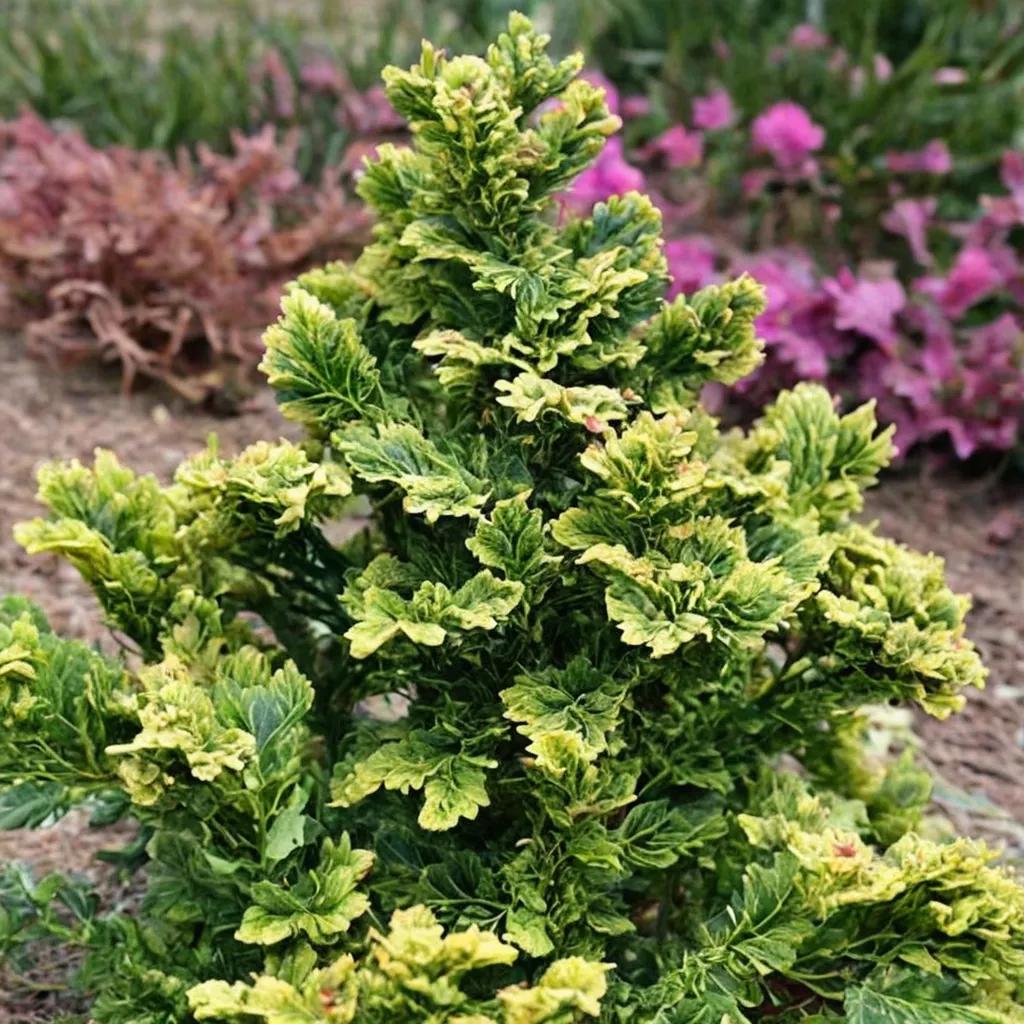 ‘Verdon’Hinoki Cypress Verdon
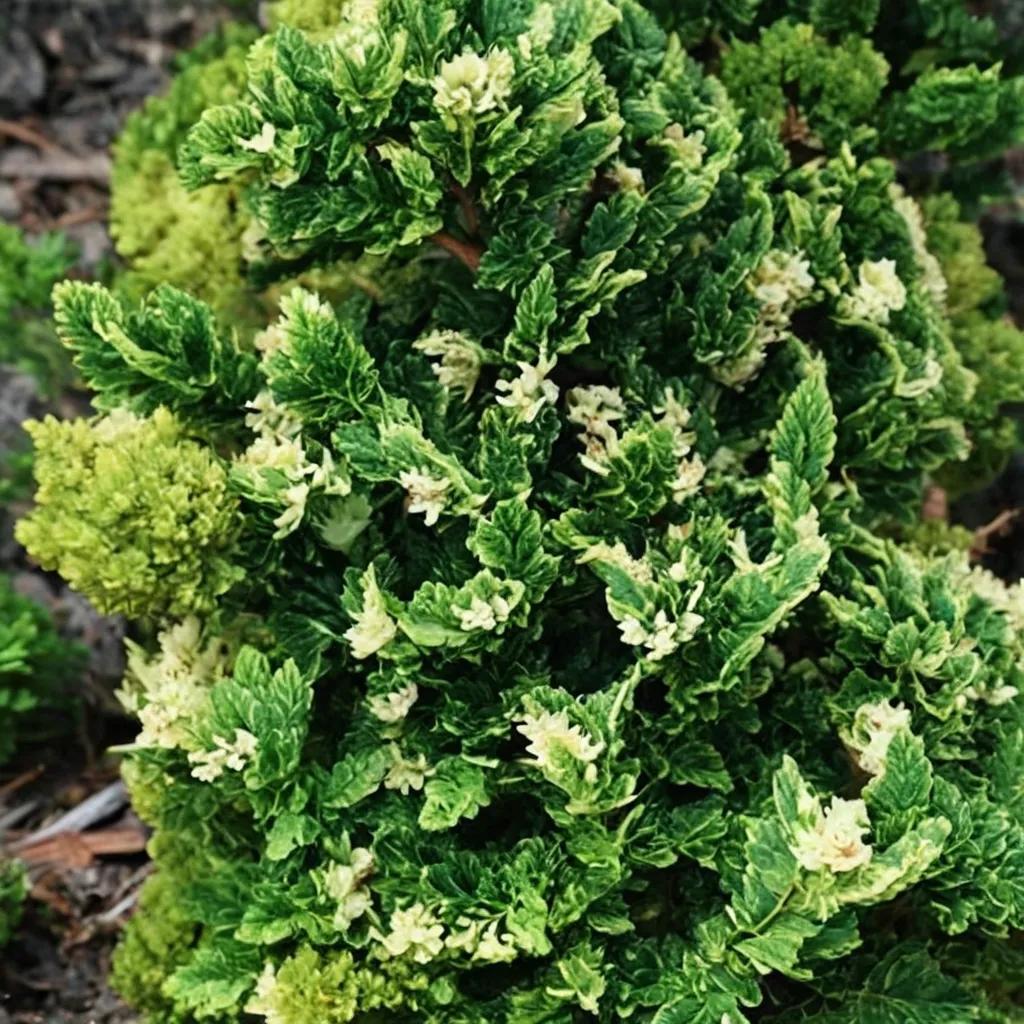 ‘Tonia’Tonia Japanese False Cypress
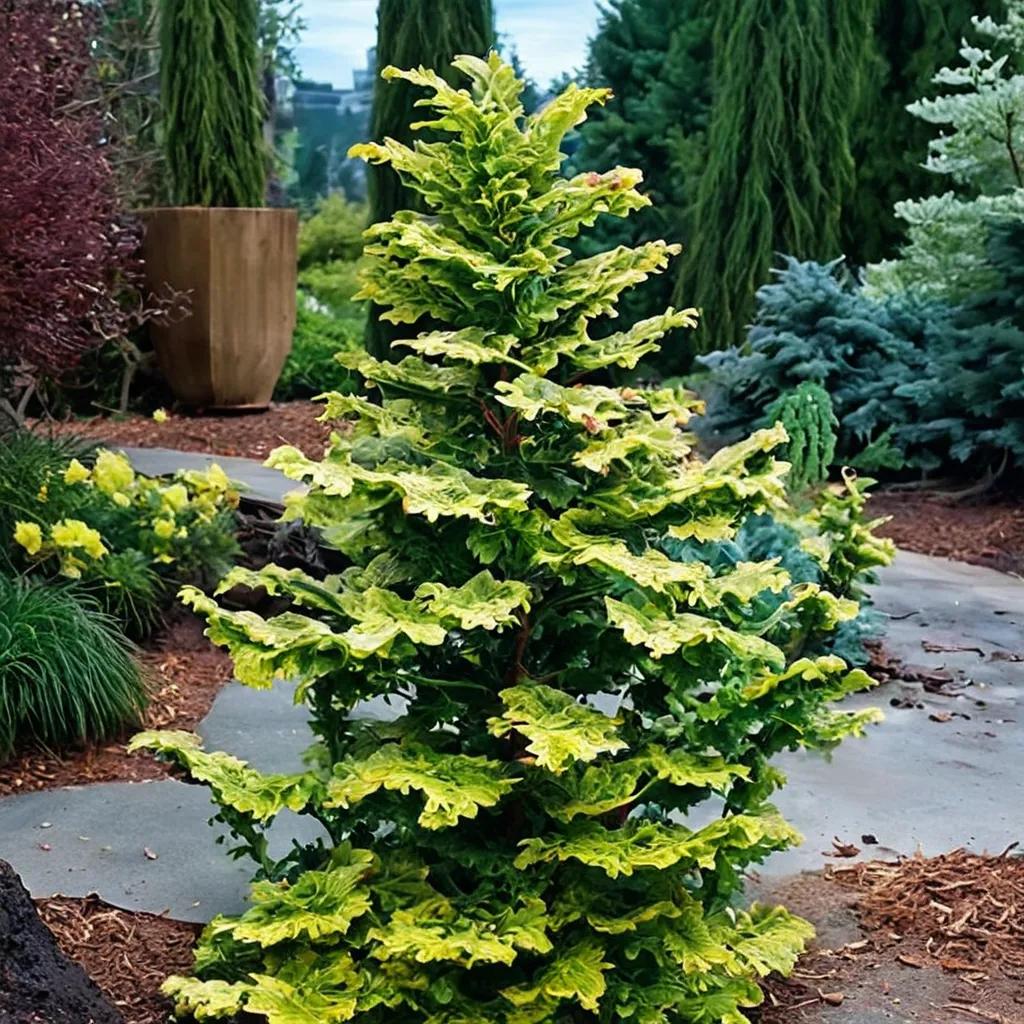 ‘Confucius’Confucius Hinoki Cypress
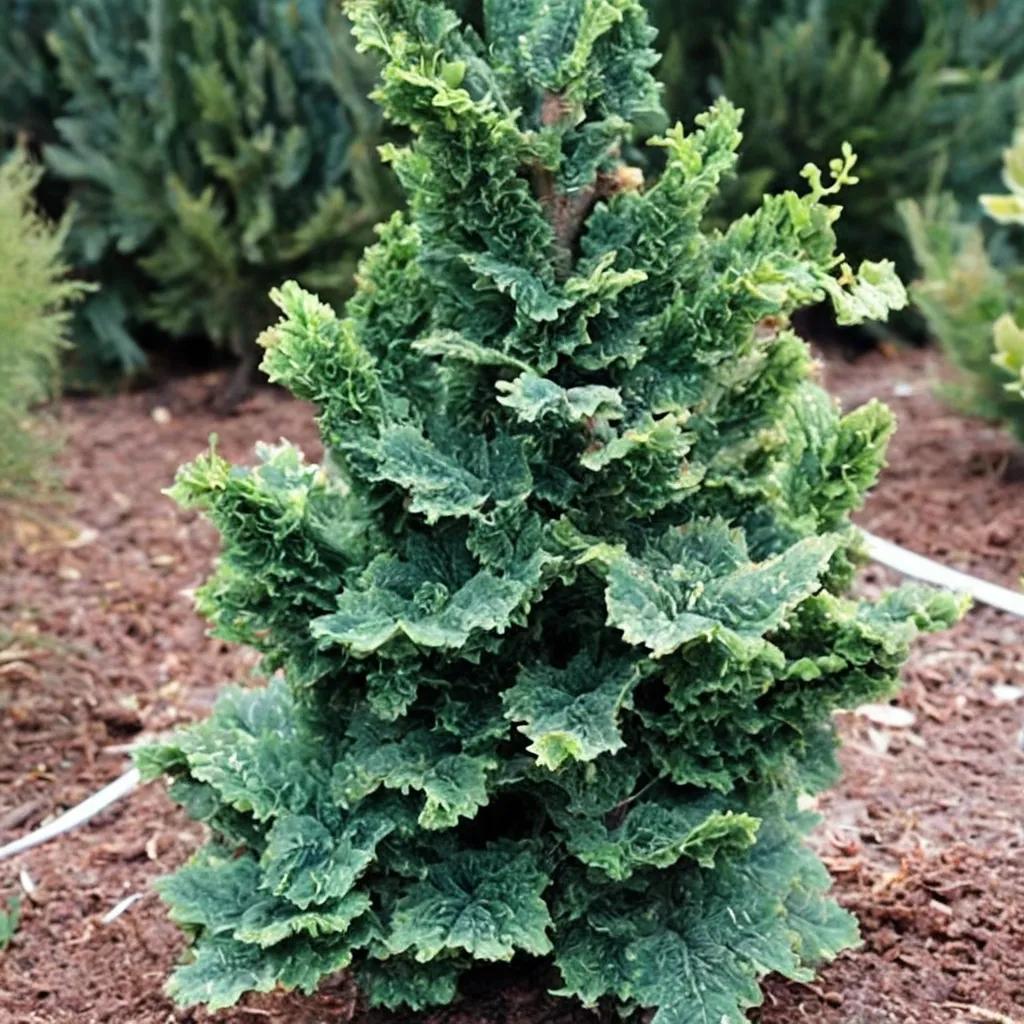 ‘Splitrock’Hinoki Cypress Splitrock
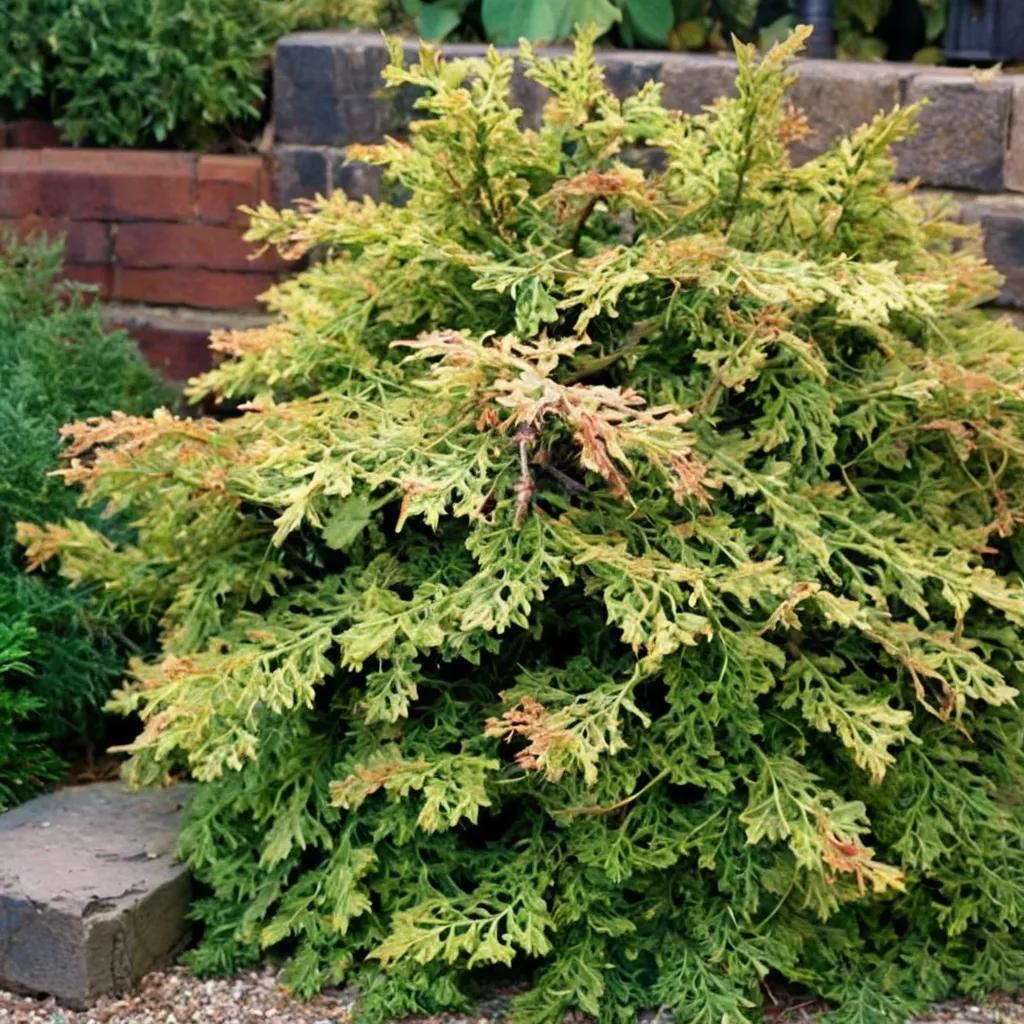 ‘Pygmaea Aurescens’Pygmaea Aurescens Dwarf Golden Hinoki Cypress
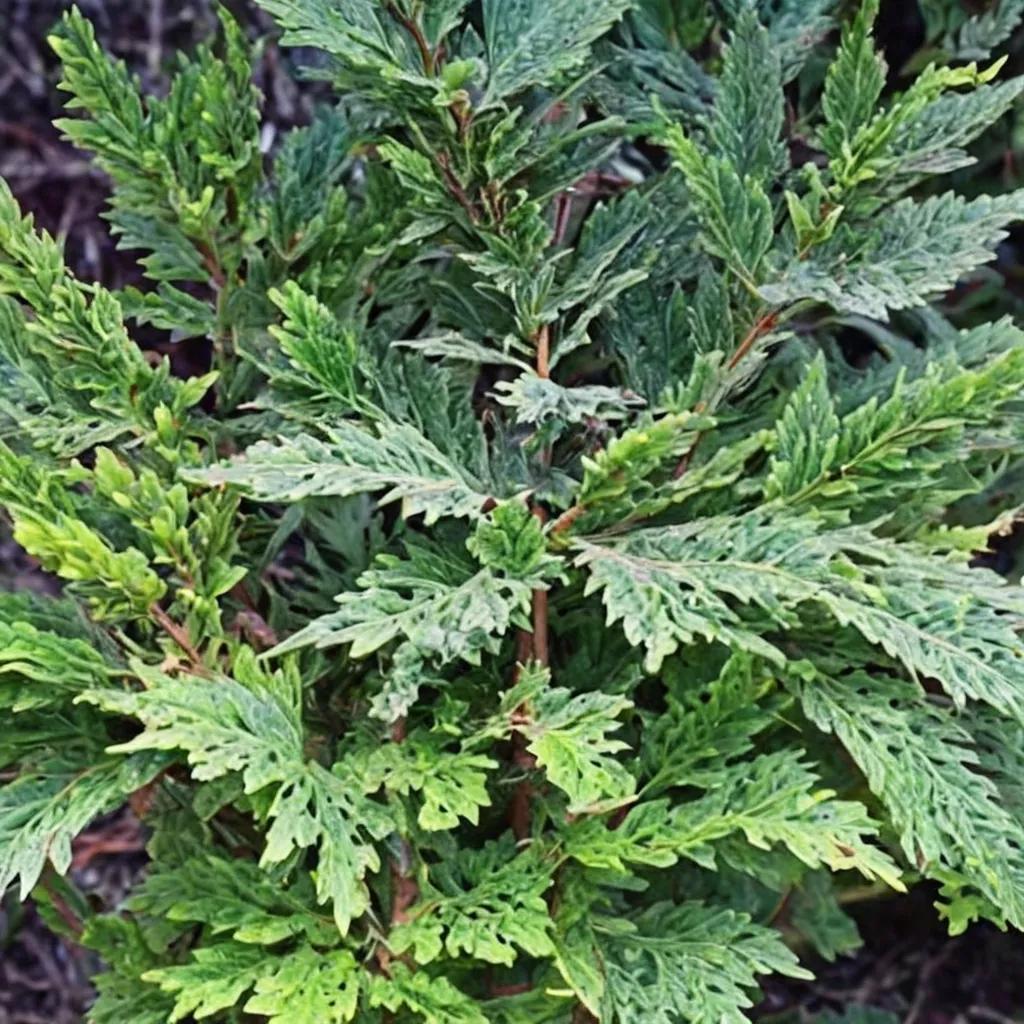 ‘Breviramea’Hinoki Cypress Breviramea
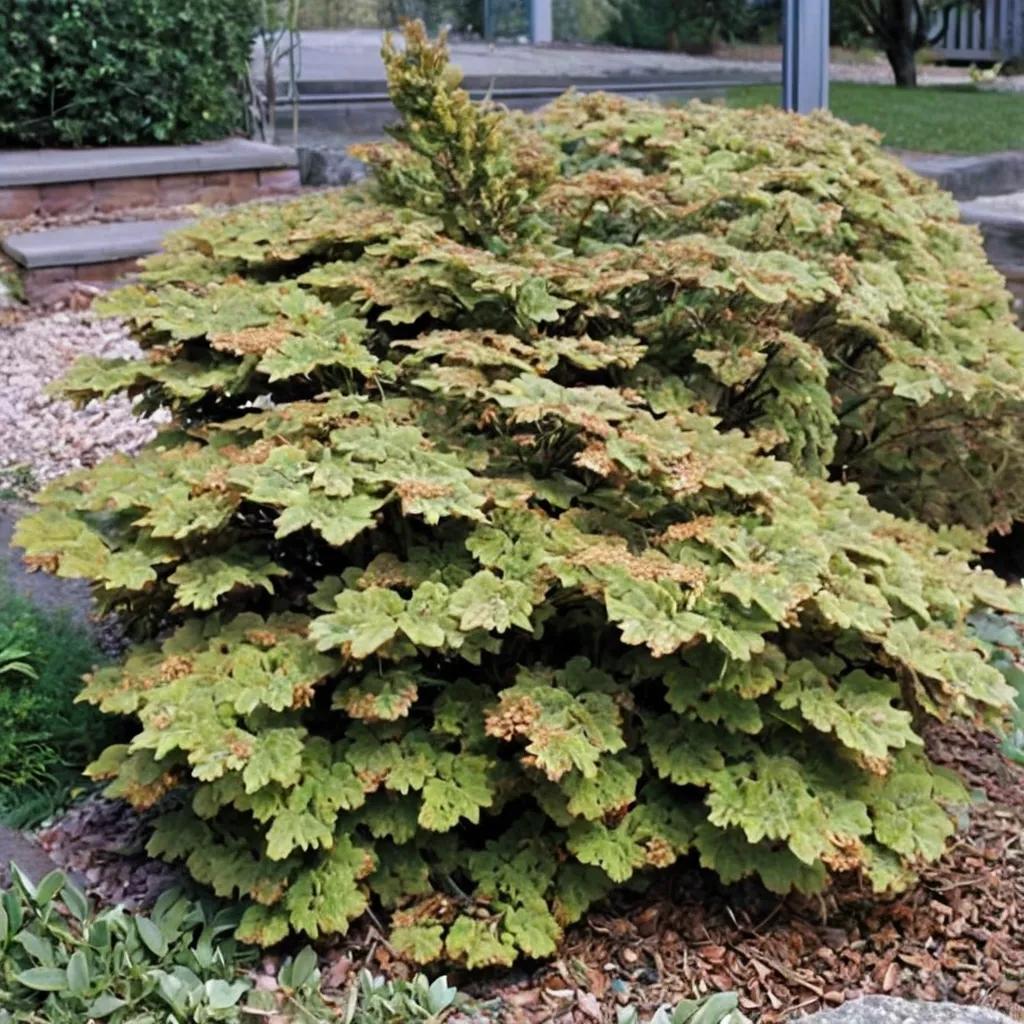 ‘Pygmaea’Pygmaea Dwarf Hinoki Cypress
 ‘Gracilis’Slender Hinoki Cypress
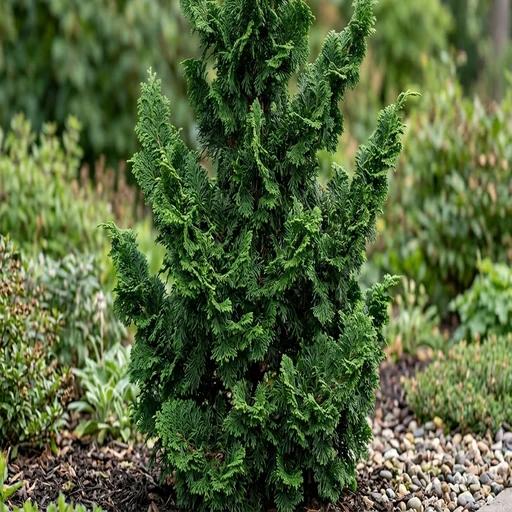 ‘Gracilis Compacta’Compact Hinoki False Cypress
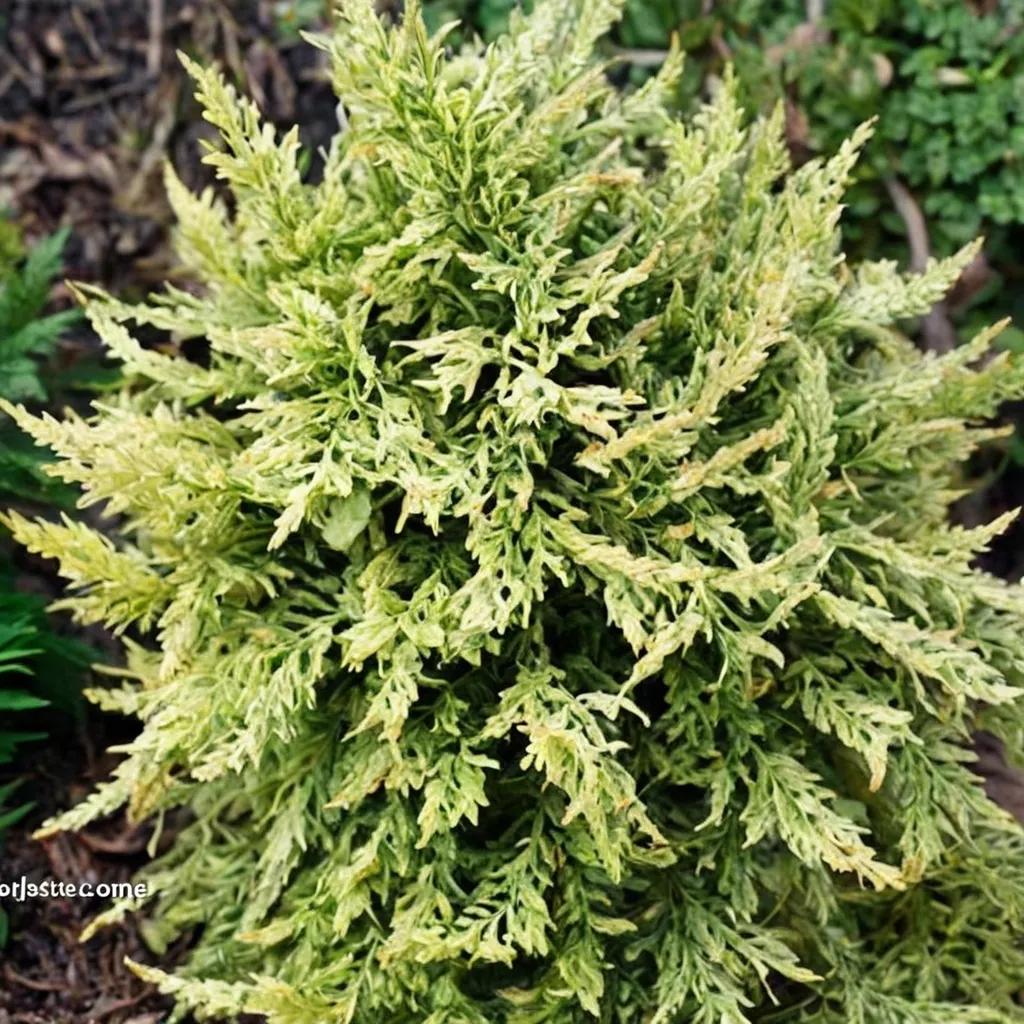 ‘Chimaani-hiba’Chimanihiba Hinoki Cypress
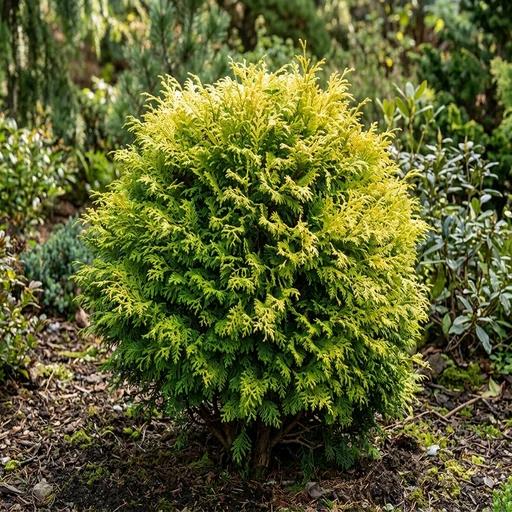 ‘Conschlecht’Night Light Hinoki Cypress
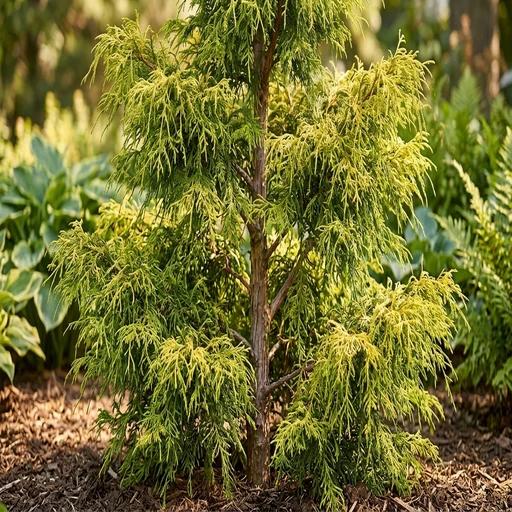 ‘Southern Lace’Southern Lace Hinoki Cypress
 ‘Wells Special’Wells Special Hinoki Cypress
 ‘Verdoni’Verdon Hinoki Cypress
 ‘Tempelhof’Tempelhof Hinoki Cypress
The Story
Plant Bio
Chamaecyparis obtusa, the Hinoki Cypress, is a slow-growing evergreen conifer native to Japan, revered for its high-quality timber and graceful, aromatic foliage arranged in flattened sprays.
'Compacta' is a dwarf variety that forms a dense, broadly pyramidal shape with rich green foliage. Its slower growth and smaller stature make it suitable for a wide range of landscape applications, including rock gardens and foundation plantings.
Uses & Benefits:
Essentials
At a Glance
Plant Type
Shrub
Height
96"
Width
60"
Light
Full Sun, Partial Sun
Zones
4, 5, 6, 7, 8
Water
Medium
Humidity
Prefers moderate to high
Lifespan
Very long-lived
Native To
Japan (species)
Toxicity
Non-toxic
Bloom period
Late winter
In flower about 1 month of the year
Planting
How to Grow
- Choose a site with well-drained, acidic to neutral soil.
- Provide protection from strong winds.
- Dig a hole twice as wide as the root ball.
- Set the plant so the top of the root ball is level with the soil surface.
- Backfill with soil and water thoroughly.
- Apply a 2-inch layer of mulch around the base.
Pro Tip
Protect from harsh winter winds and afternoon sun in hot climates to prevent foliage scorch and desiccation.
Keep It Thriving
Care Guide
Do
- Ensure the soil is consistently moist but not waterlogged.
- Plant in a location with good air circulation.
- Provide some afternoon shade in hotter zones.
- Mulch to protect the shallow root system.
Don't
- Don't plant in heavy, poorly drained clay soil.
- Avoid letting the soil dry out completely.
- Do not prune back into old wood, as it will not regrow.
- Don't plant in exposed, windy sites.
Seasonal Care Calendar
| Task | Jan | Feb | Mar | Apr | May | Jun | Jul | Aug | Sep | Oct | Nov | Dec |
|---|---|---|---|---|---|---|---|---|---|---|---|---|
| Mulch | ||||||||||||
| Plant | ||||||||||||
| Prune |
Watch Out For
Pests & Diseases
Common Pests
Common Diseases
In the Garden
Landscape Uses & Companions
Landscape Uses
Multiply
Propagation Methods
Good to Know
Common Questions
Compact Hinoki Cypress questions
What zones can Compact Hinoki Cypress grow in?
Compact Hinoki Cypress is hardy in USDA Zones 4–8. Inside that range it survives winter in the ground; outside it, grow it as an annual or a container plant you protect.
Is Compact Hinoki Cypress deer resistant?
Yes — Compact Hinoki Cypress is rated deer-resistant. Deer typically pass it over, though extreme hunger can override any plant's defenses.
When does Compact Hinoki Cypress bloom?
Compact Hinoki Cypress typically blooms in late winter through late winter. Exact timing shifts a week or two with your zone — Sow's bloom calendar maps it to your garden.
Does Compact Hinoki Cypress need full sun?
Compact Hinoki Cypress does best in full sun to part shade. In hot climates, afternoon shade keeps blooms fresher longer.
More Chamaecyparis to compare
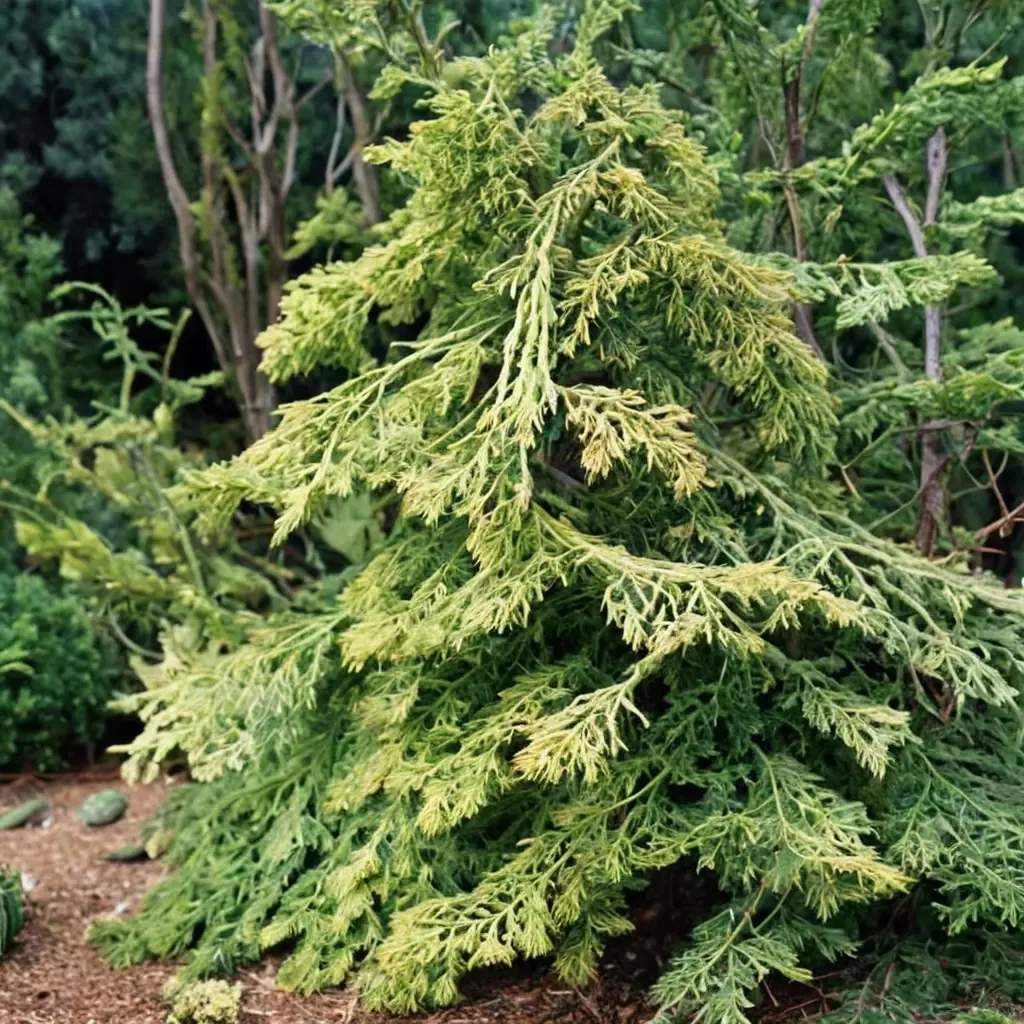
Golden Threadleaf False Cypress
Chamaecyparis pisifera 'Filifera Aurea'
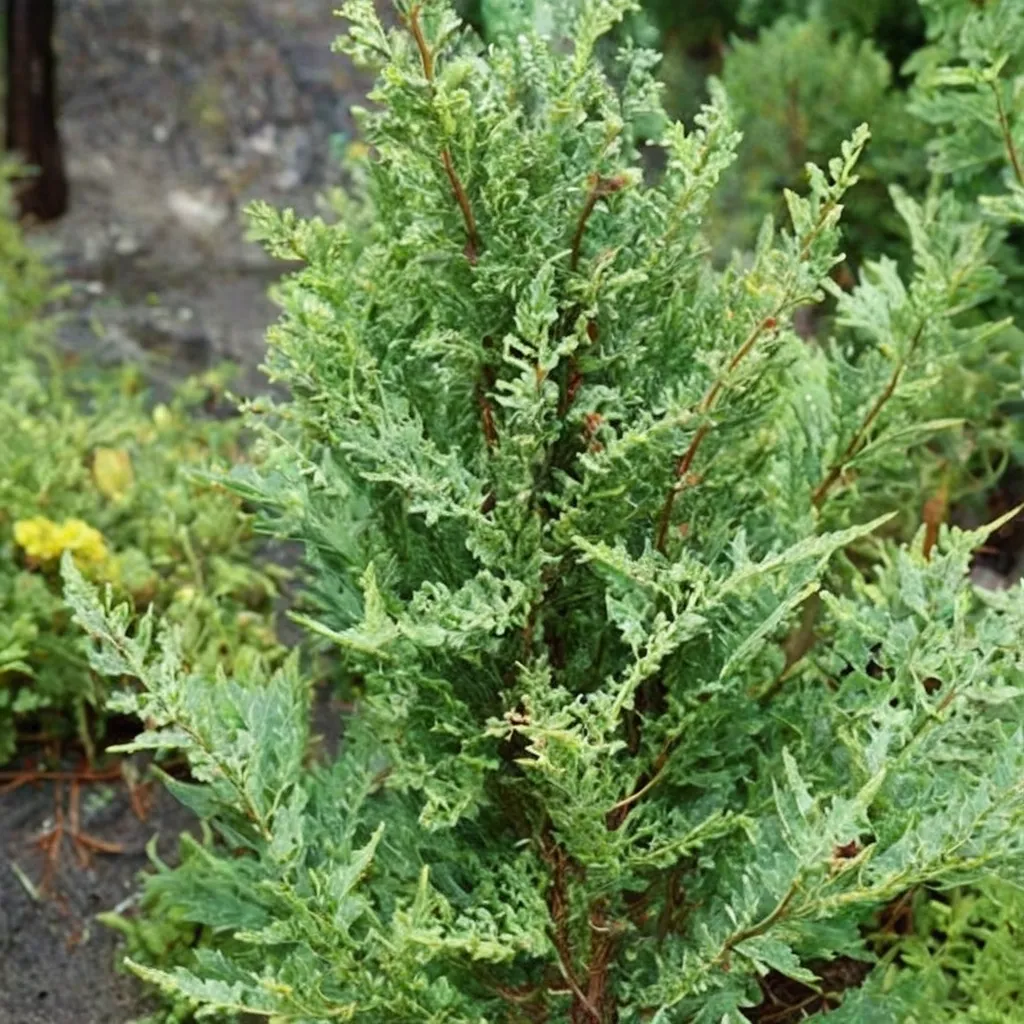
Meth Dwarf Atlantic White Cedar
Chamaecyparis thyoides 'Meth Dwarf'
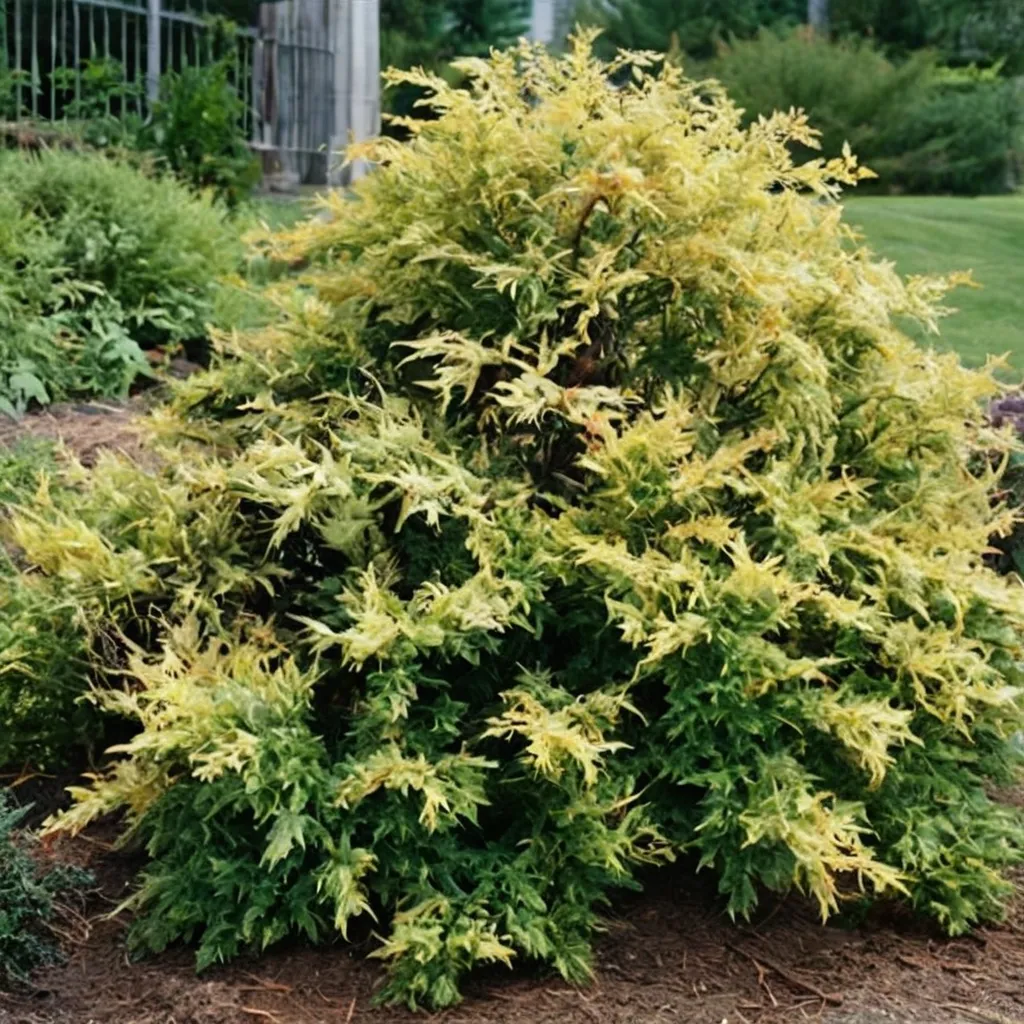
Webb Gold Atlantic White Cedar
Chamaecyparis thyoides 'Webb Gold'
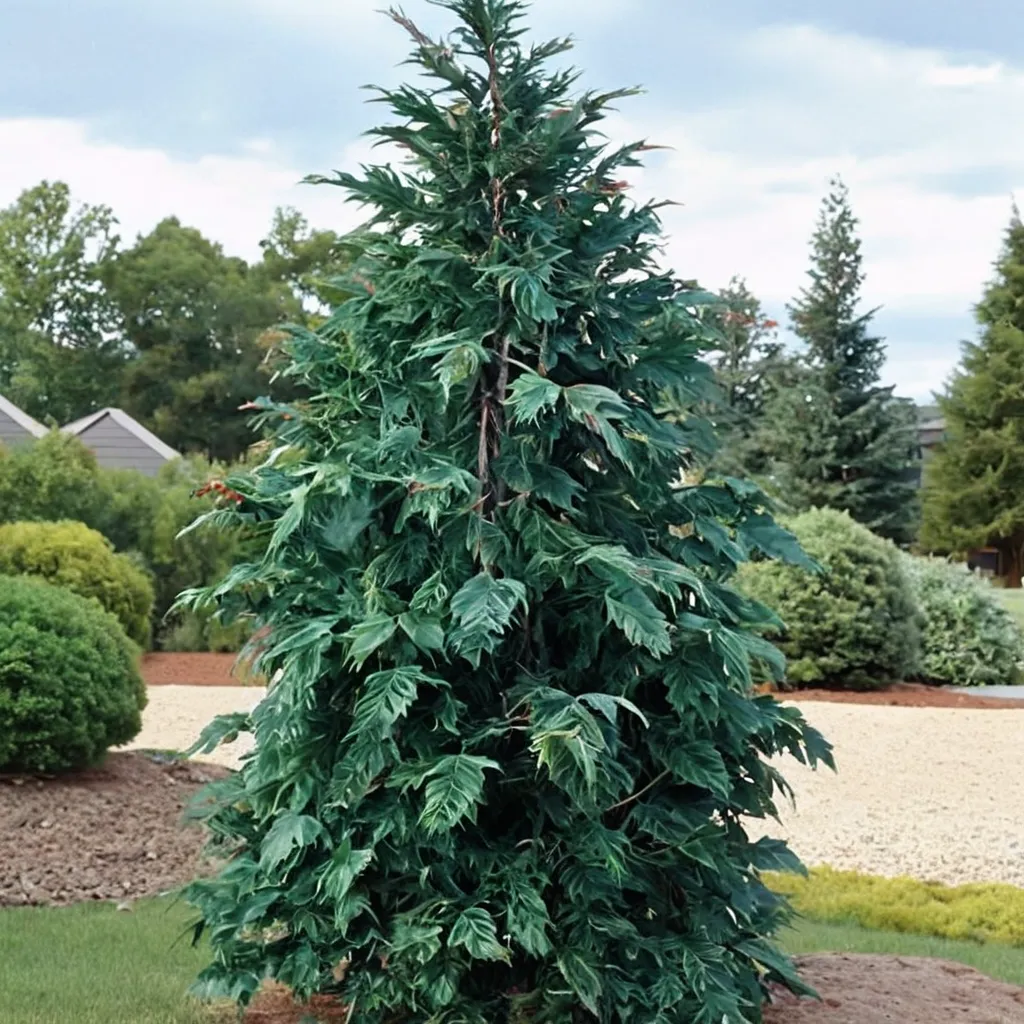
Blue Nootka Cypress
Chamaecyparis nootkatensis 'Glauca'
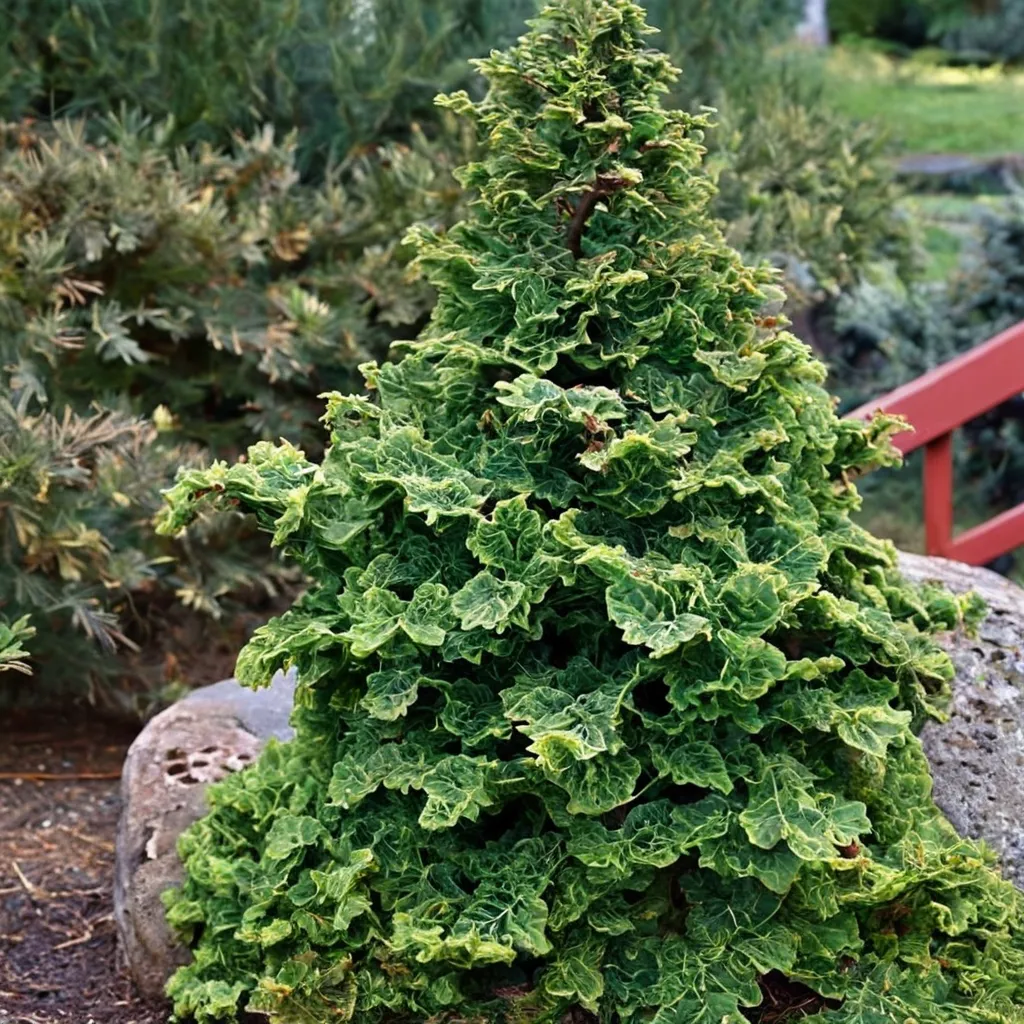
Kosteri Hinoki Cypress
Chamaecyparis obtusa 'Kosteri'
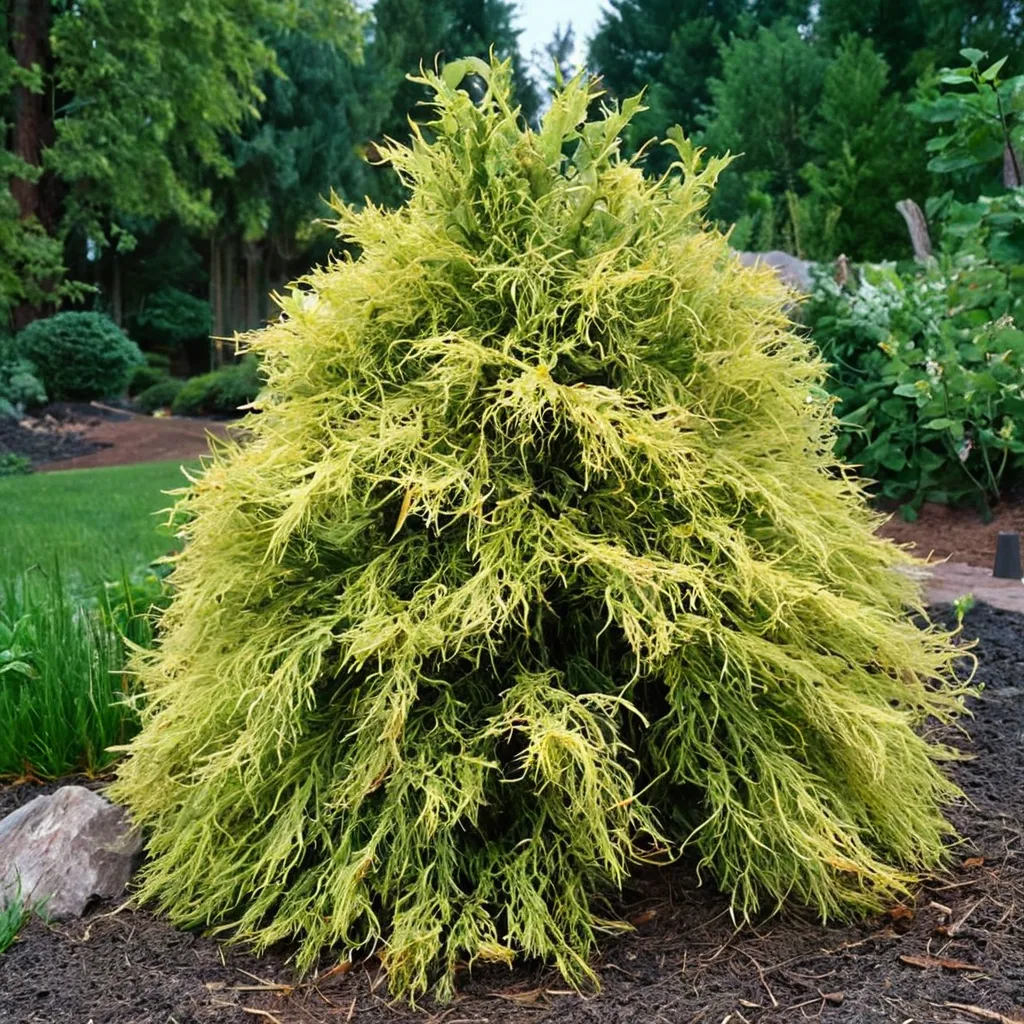
Gold Mop Cypress
Chamaecyparis pisifera 'Gold Mop'
Keep exploring
Explore the genus
Hardy in your zone?
Grow Compact Hinoki Cypress with confidence
See it in a design of your actual yard, get zone-matched care reminders, and track it season by season in your garden journal.